

Tired of empty garden beds but not ready to surrender your space to aggressive invaders? You’re in luck. Some plants grow quickly and politely—filling out your flower beds with lush foliage and stunning blooms without smothering everything in sight.
These perennials are the unicorns of the plant world: they spread fast, stay well-mannered, and look amazing doing it.
Whether you’re looking for ground cover that chokes out weeds without choking out your other plants, or colorful clumping varieties that bring structure and style to your landscape, this list has something for every gardener. Best of all? No back-breaking removal projects later. These 20+ plants offer vibrant color, seasonal interest, and stress-free maintenance—everything a smart gardener could ask for.
A Word of Caution
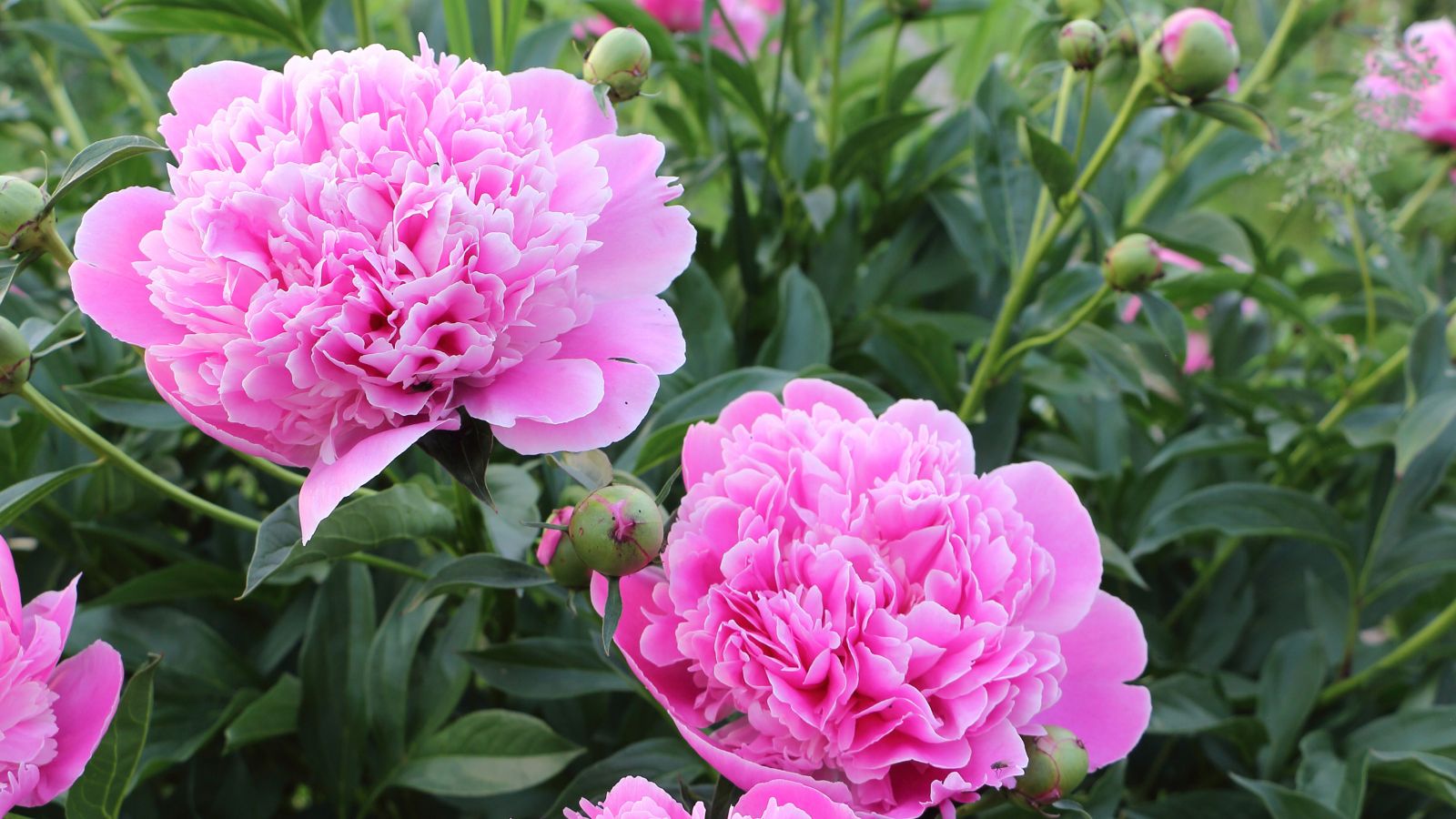
Image Credit: Depositphotos
Any plant can feel “invasive” in the right conditions. What works for one yard won’t always work for another. Plus, we all have unique preferences and experiences. Always do your own research before adding plants to your yard and/or garden.
1. Creeping Jenny (Lysimachia nummularia)

Image Credit: Shutterstock.
Creeping Jenny offers lush, golden-green foliage that brightens shady spots and cascades elegantly over walls or beds. Its vigorous, spreading habit fills gaps quickly, without becoming invasive.
Grow it well: Prefers moist, partly shady to sunny spots. Control its spread by trimming runners and edging borders; it thrives near water features or damp soil.
2. Lamb’s Ear (Stachys byzantina)
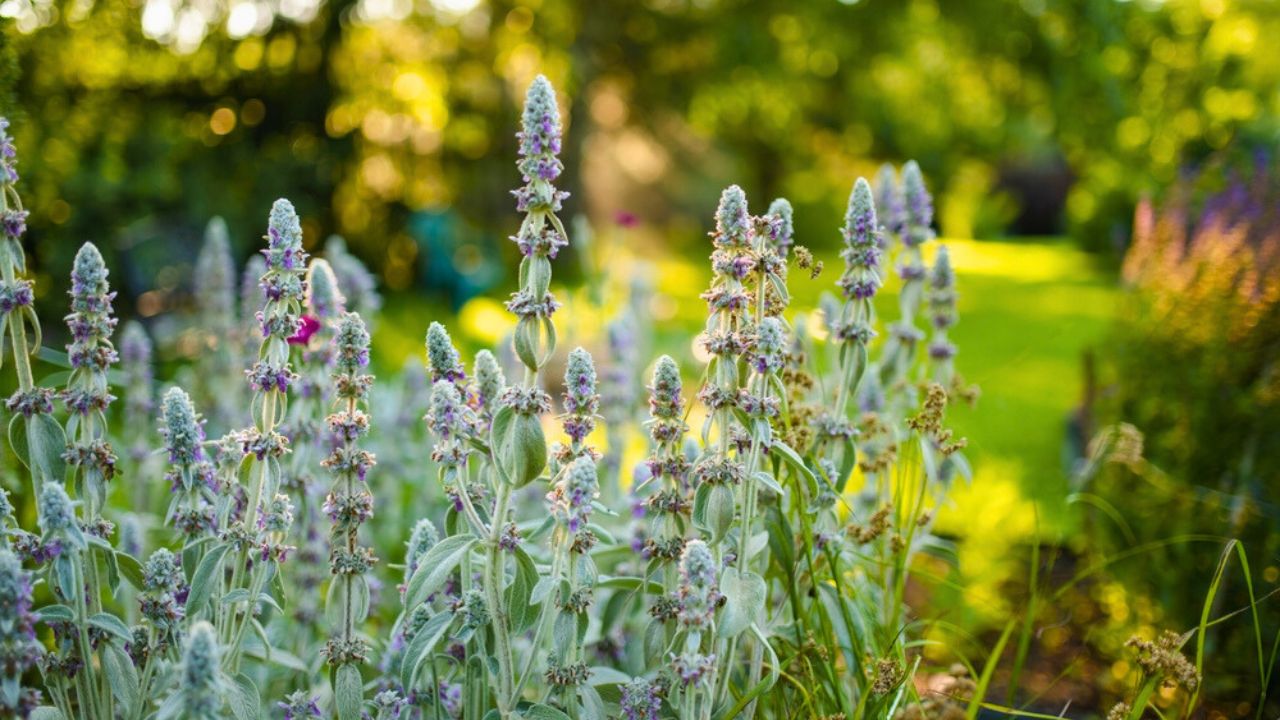
Image Credit: Shutterstock.
With silky, soft foliage, Lamb’s Ear creates a velvety carpet at your feet, bringing tactile charm and silver tones to sunny borders. It spreads slowly and remains tidy while tolerating dry conditions.
Grow it well: Enjoys full sun to light shade and well-drained, slightly poor soil. Trim old leaves in spring and divide clumps every few years to refresh the plant.
3. Ajuga (Ajuga reptans)
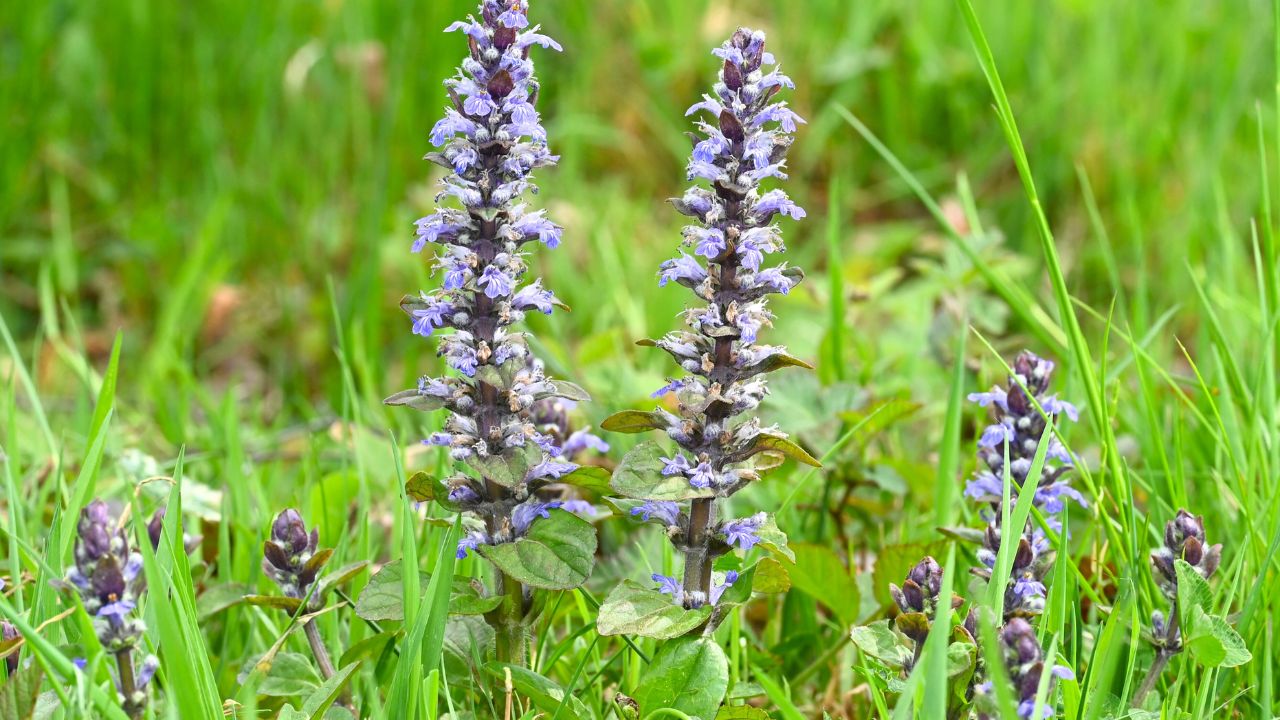
Image Credit: Krzysztof Ziarnek, Kenraiz – Own work – CC BY-SA 4.0/Wiki Commons.
Ajuga forms a tight mat of colorful foliage and late-spring blossoms, making it a perfect groundcover for shady patches. It fills bare soil quickly without overwhelming neighboring plants.
Grow it well: Grows well in partial shade and average soil. Watch for runners that exceed borders; occasional trimming keeps it contained and blooming.
4. Coral Bells (Heuchera spp.)
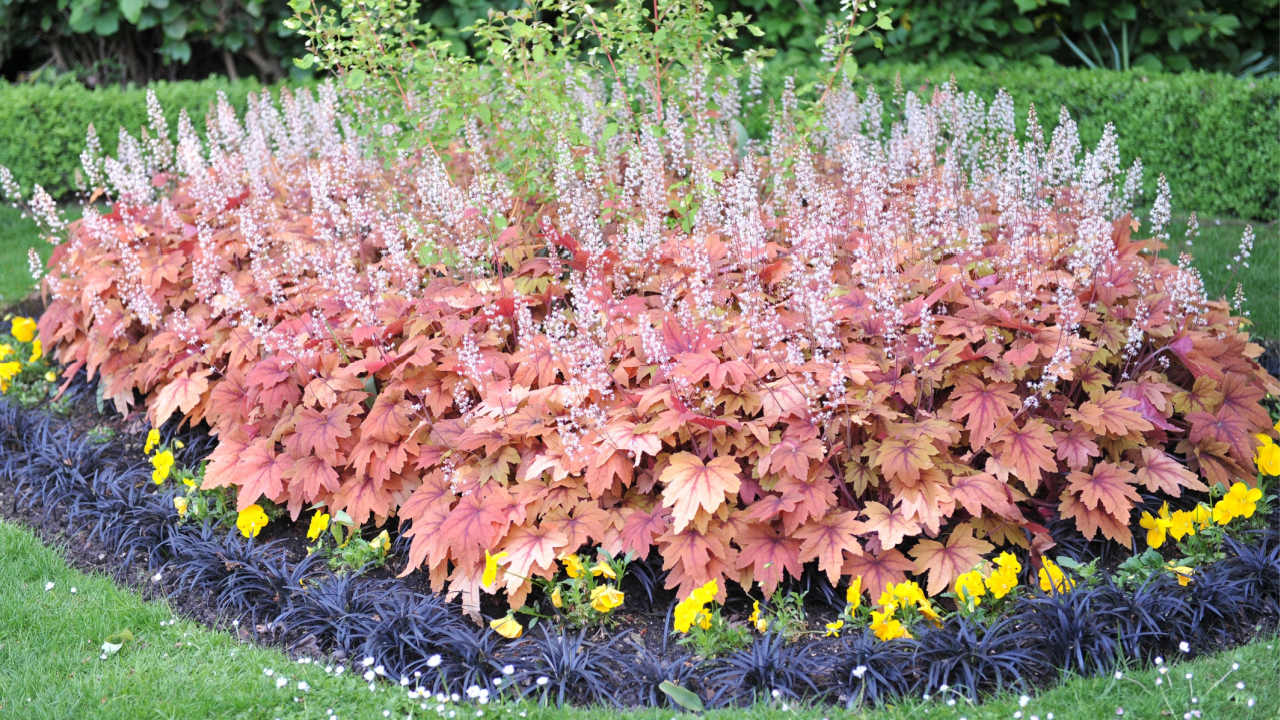
Image Credit: Shutterstock.
Coral Bells stand out with dramatic foliage in deep reds, purples, and greens, complemented by delicate flower spikes. They spread clump by clump, creating a colorful understory without crowding.
Grow it well: Thrive in part shade and rich, well-drained soil. Divide every 3–4 years to rejuvenate and encourage vibrant leaves.
5. Hellebore (Helleborus spp.)
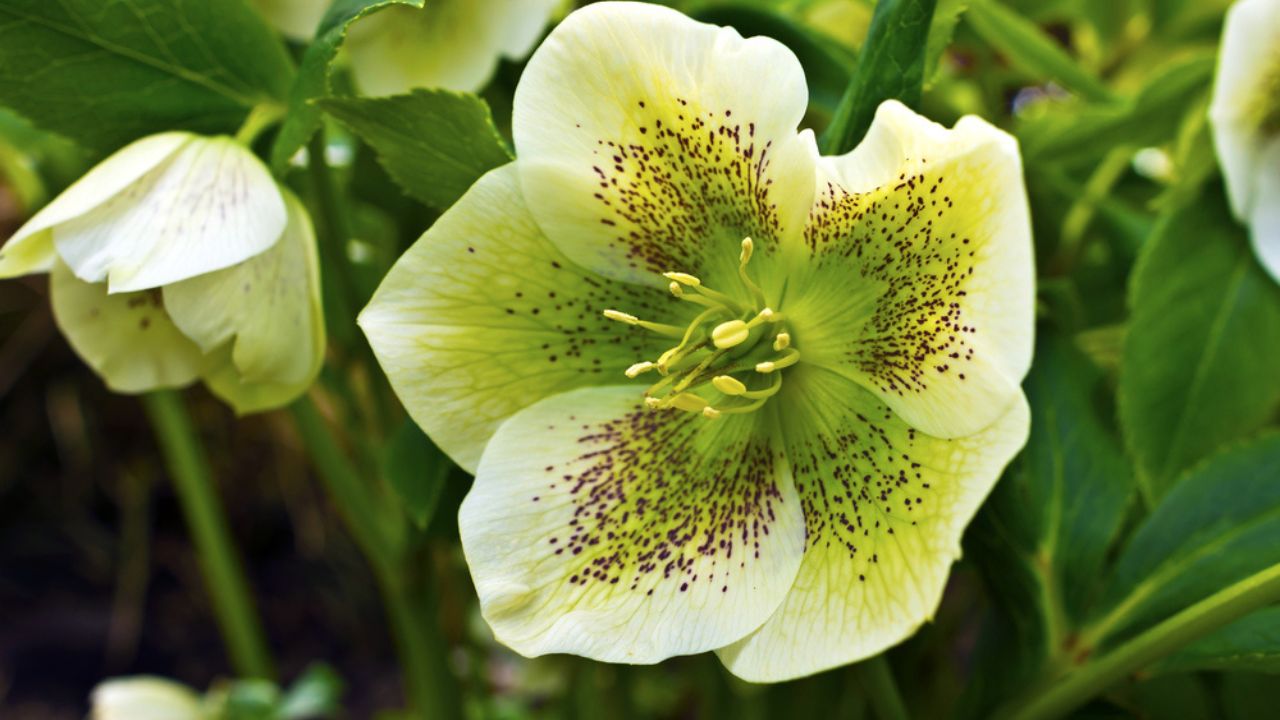
Image Credit: Shutterstock.
Hellebores bloom early—often when snow is still on the ground—bringing evergreen foliage and nodding blooms to shaded corners. They form gentle clumps over time without running.
Grow it well: Prefers shade and moist, humus-rich soil. Remove old foliage in late winter to showcase fresh blooms and allow air circulation.
6. Daylily (Hemerocallis spp.)
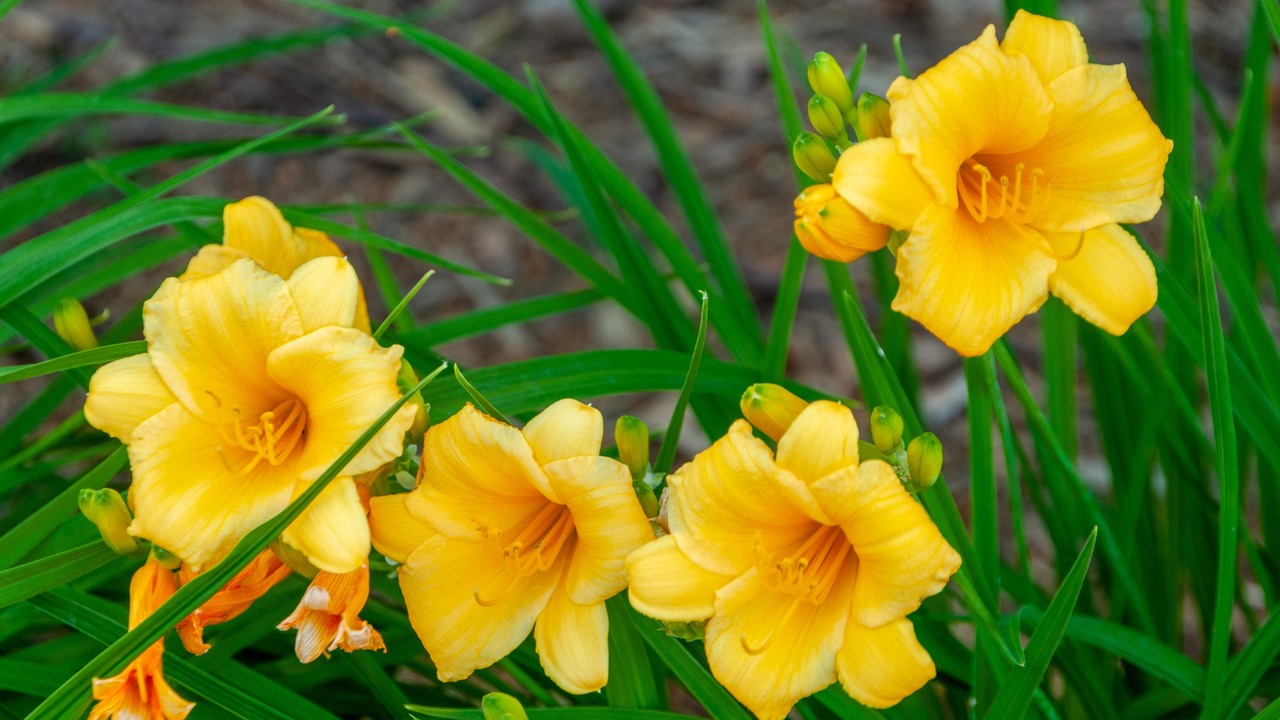
Image Credit: Shutterstock.
Daylilies offer dazzling blooms that pop every morning, rapidly filling beds with strong clumps of strap-like leaves. Their modest spread stays neat and easy to manage.
Grow it well: Needs full sun and fertile soil. Divide clumps every 3–5 years for better flowering and use organic mulch to maintain moisture.
7. Hosta (Hosta spp.)
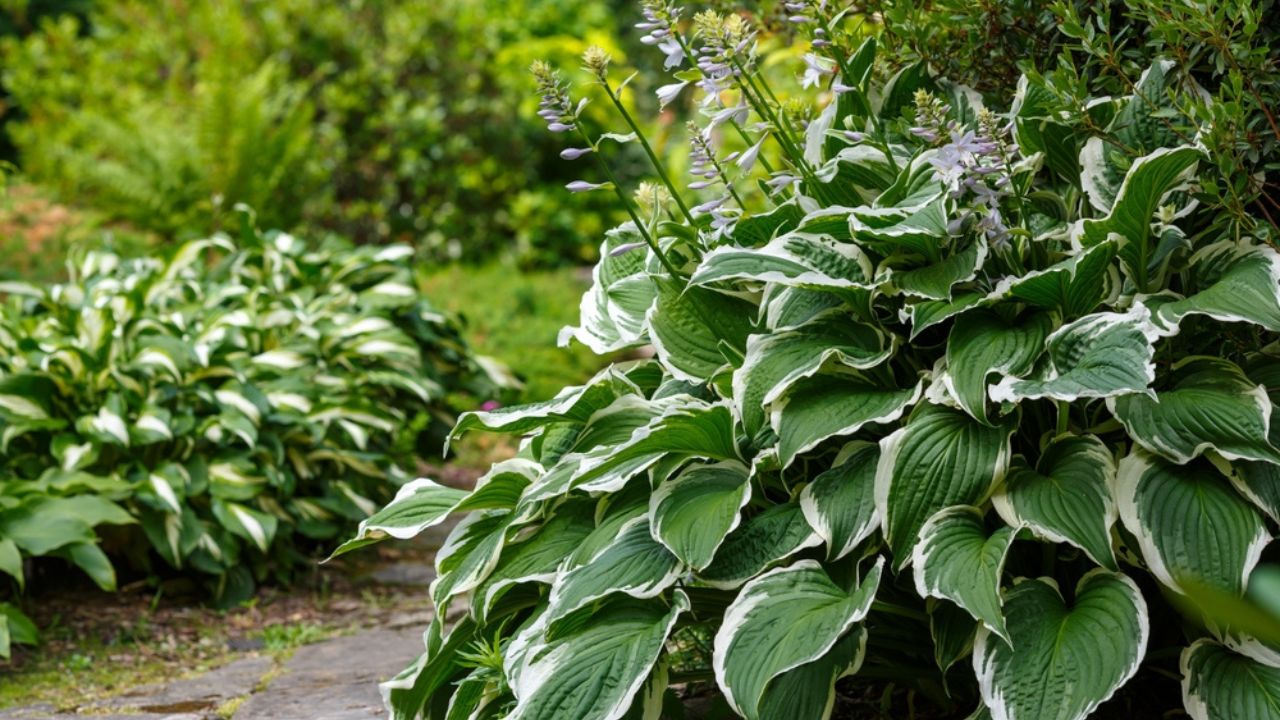
Image Credit: Shutterstock.
Hostas provide luxurious leaf texture in shade gardens, spreading at a polite pace to form elegant mounds of foliage. They’re perfect for softening woodland areas.
Grow it well: Ideal for shade with rich, moist soil. Protect from slugs with copper tape or diatomaceous earth, and divide every few years to avoid overcrowding.
8. Black-eyed Susan (Rudbeckia fulgida)
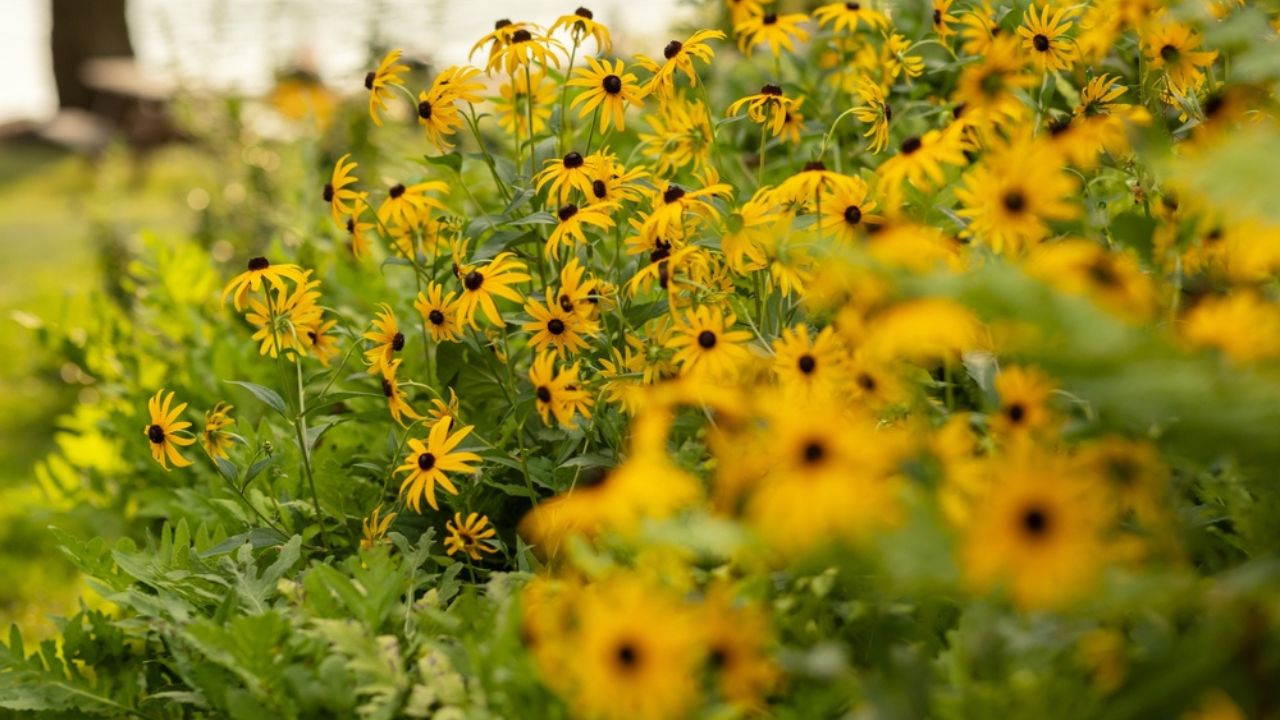
Image Credit: Shutterstock.
The iconic yellow-and-black blooms of Black-eyed Susan spread gently via clumping roots, filling sunny borders with bold color and wildlife appeal.
Grow it well: Loves full sun and average soil. Remove spent flowers to extend fall blooms, and divide every few years to prevent congested roots.
9. Peony (Paeonia spp.)
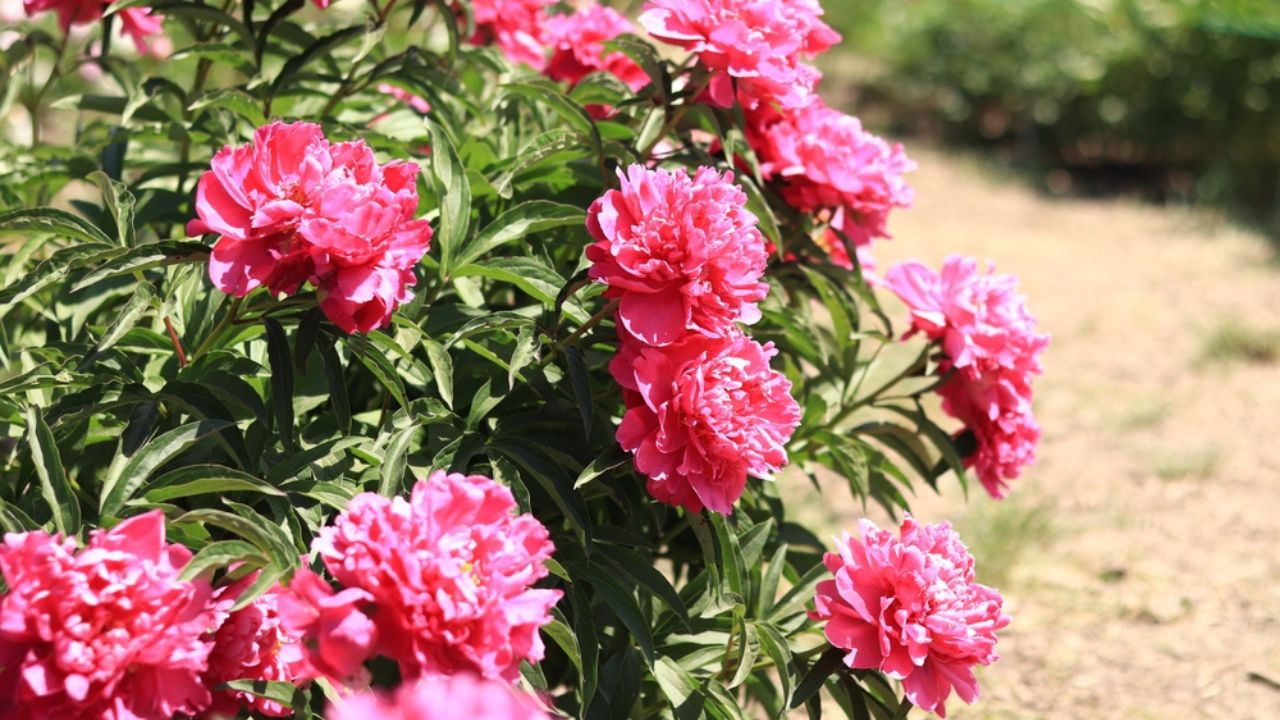
Image Credit: Shutterstock
Peonies bring grand, fragrant blooms each spring, forming sturdy clumps that expand steadily but never invade. Their long lifespan makes them heirloom-worthy.
Grow it well: Needs full sun and deep, fertile soil. Stake varieties with large flowers and leave foliage intact through autumn for soil replenishment.
10. Jacob’s Ladder (Polemonium caeruleum)
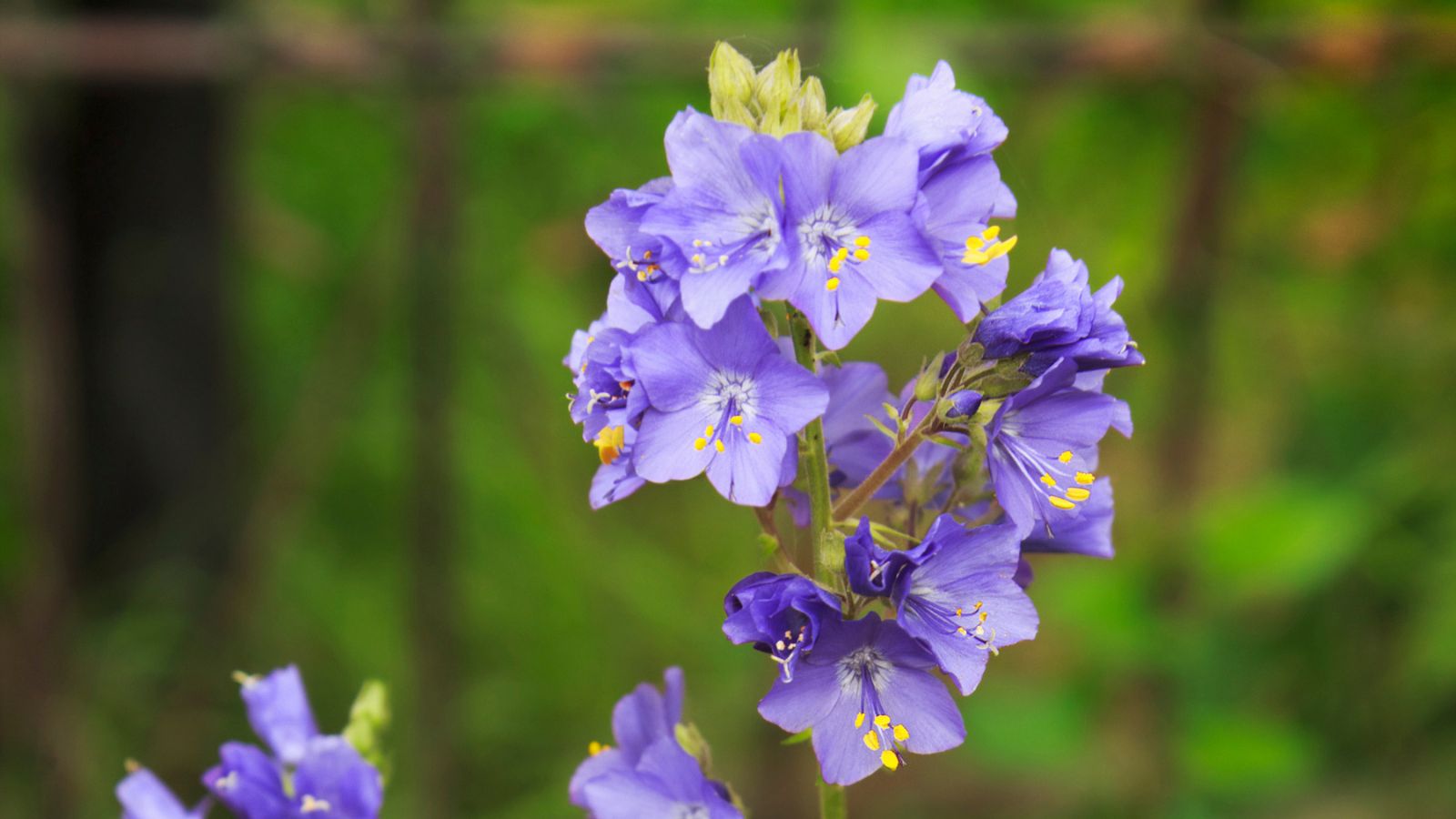
Image credit: YAY Images.
With delicate ladder-like foliage and sky-blue blooms, Jacob’s Ladder adds woodland charm in a tidy, clumping form. It brightens shady borders without spreading aggressively.
Grow it well: Thrives in partial shade and moist, well-drained soil. Slice spent blooms for extra flowering and divide clumps to maintain vigor.
11. Bee Balm (Monarda spp.)
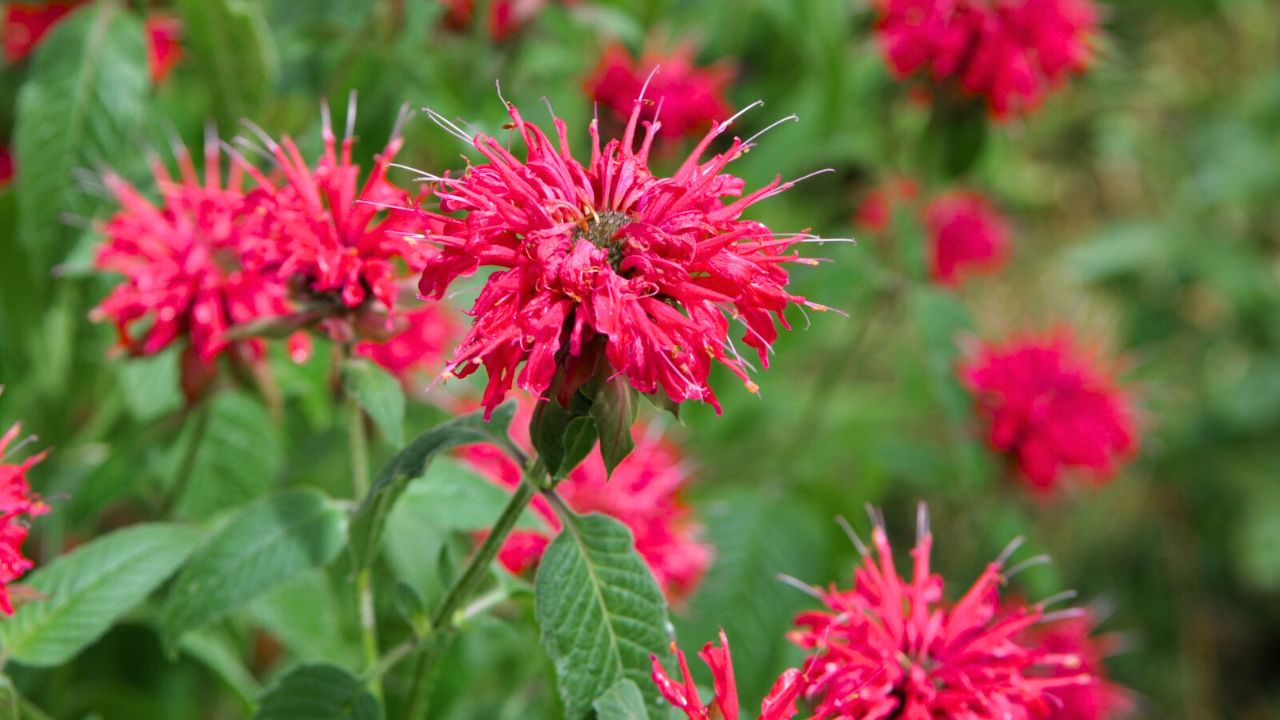
Image Credit: Depositphotos.com.
Bee Balm brings vibrant, shaggy flowers loved by pollinators, spreading in neat clumps that enliven sunny borders. Its aromatic foliage adds sensory appeal.
Grow it well: Prefers full sun and moist soil. Divide annually to prevent mildew and maintain strong, healthy growth.
12. Astilbe (Astilbe spp.)
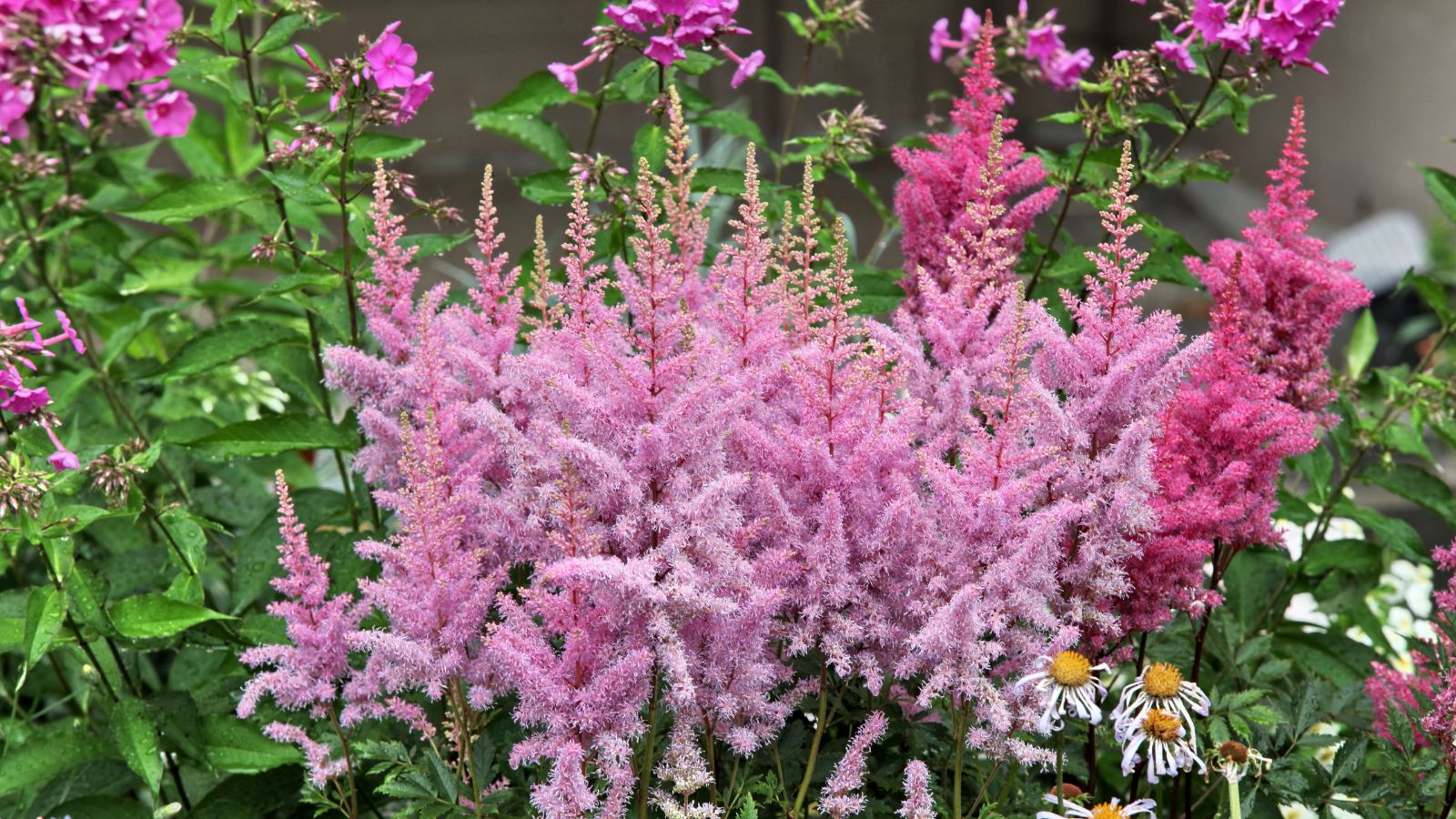
Image credit: YAY Images.
Feathery plumes of Astilbe float above elegant foliage, spreading just enough to form lush shade plantings. They add vertical softness without overtaking their neighbors.
Grow it well: Will thrive in shade and consistently moist soil. Trim dried flowers after blooming and divide every 3–4 years to rejuvenate.
13. Coneflower (Echinacea purpurea)

Image Credit: Depositphotos.com.
Echinacea’s purple coneflower blooms abundantly in sun-loving clumps while self-sowing moderately, keeping its presence bold and controlled.
Grow it well: Needs full sun and well-drained soil. Leave seed heads on for birds in winter and pinch back spent blooms to prolong flowering.
14. Sedum (Sedum spp.)
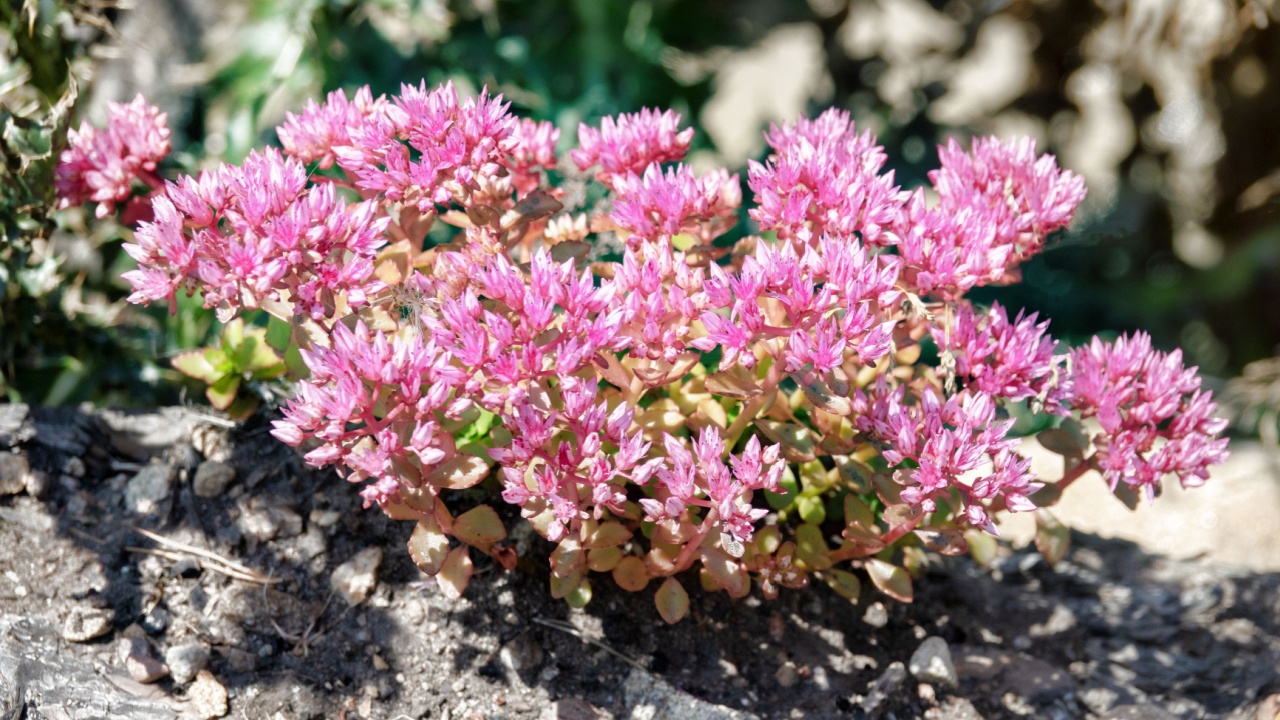
Image Credit: Shutterstock.
Sedums pack star-shaped blooms atop succulent foliage, spreading slowly to enliven borders and containers with texture. They are drought-tolerant and resilient.
Grow it well: Full sun and well-drained soil are key. Cut back in early spring and watch for volunteer seedlings to propagate easily.
15. Liriope (Liriope muscari)
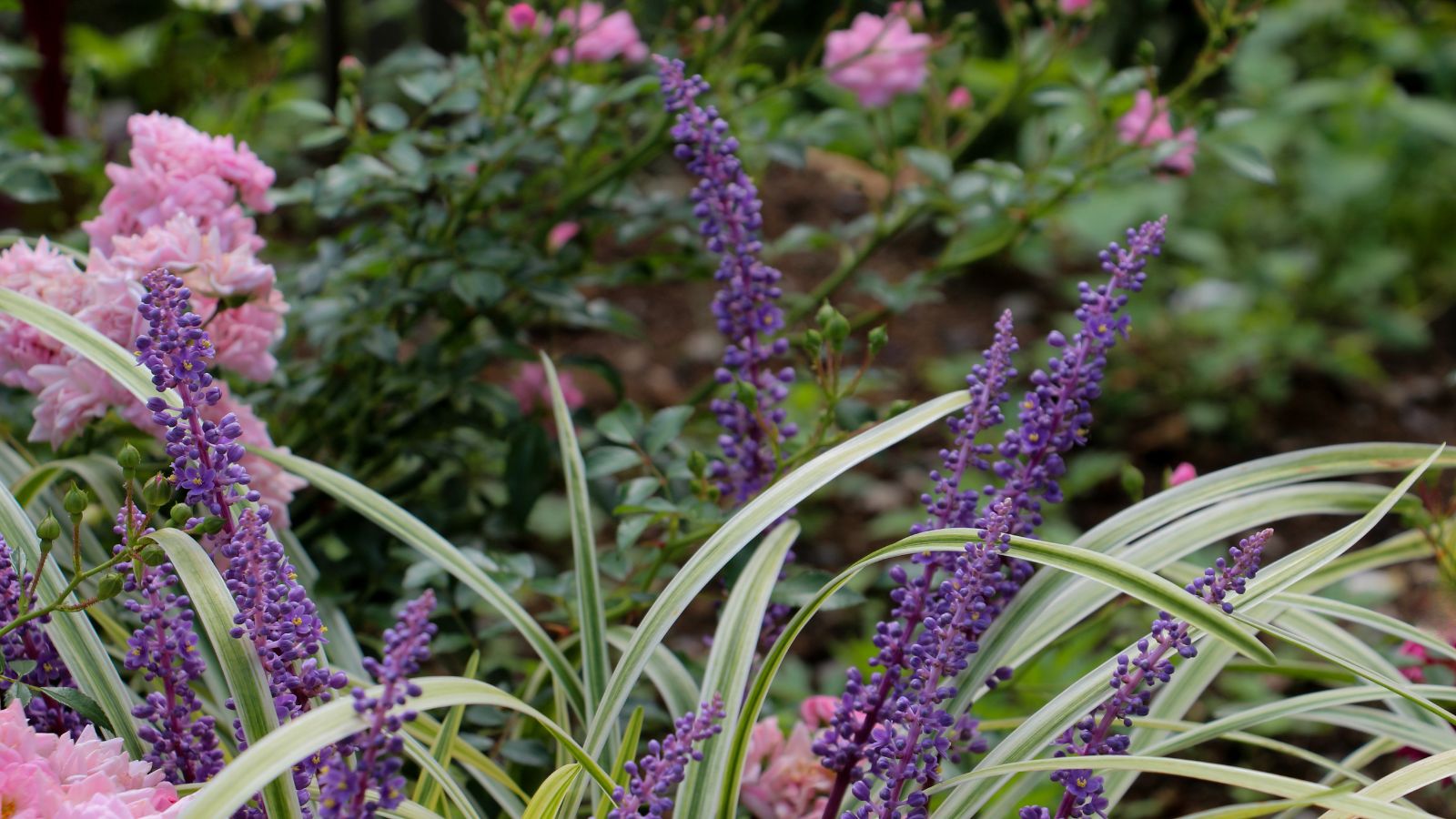
Image credit: YAY Images.
Liriope offers neat grass-like mounds and charming flower spikes, forming tidy clumps that edge paths and beds gracefully.
Grow it well: Tolerates sun to shade and average soil. Divide every 3–4 years to retain tidy clusters and prevent overcrowding.
16. Brunnera (Brunnera macrophylla)
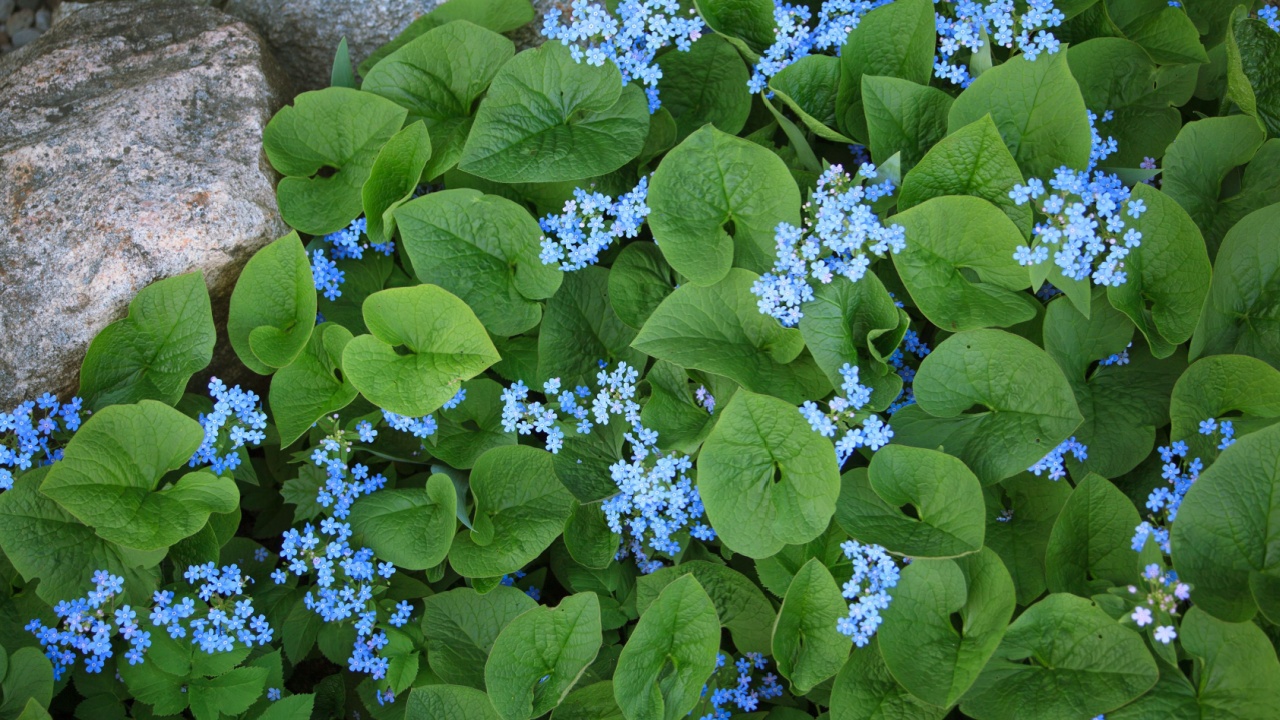
Image Credit: Shutterstock.
Brunnera charms with heart-shaped, silver-speckled leaves and delicate blue flowers, spreading as controlled clumps ideal for shade gardens.
Grow it well: Prefers shade and moist, humus-rich soil. Divide every few years to manage size and keep foliage fresh.
17. Japanese Anemone (Anemone japonica)
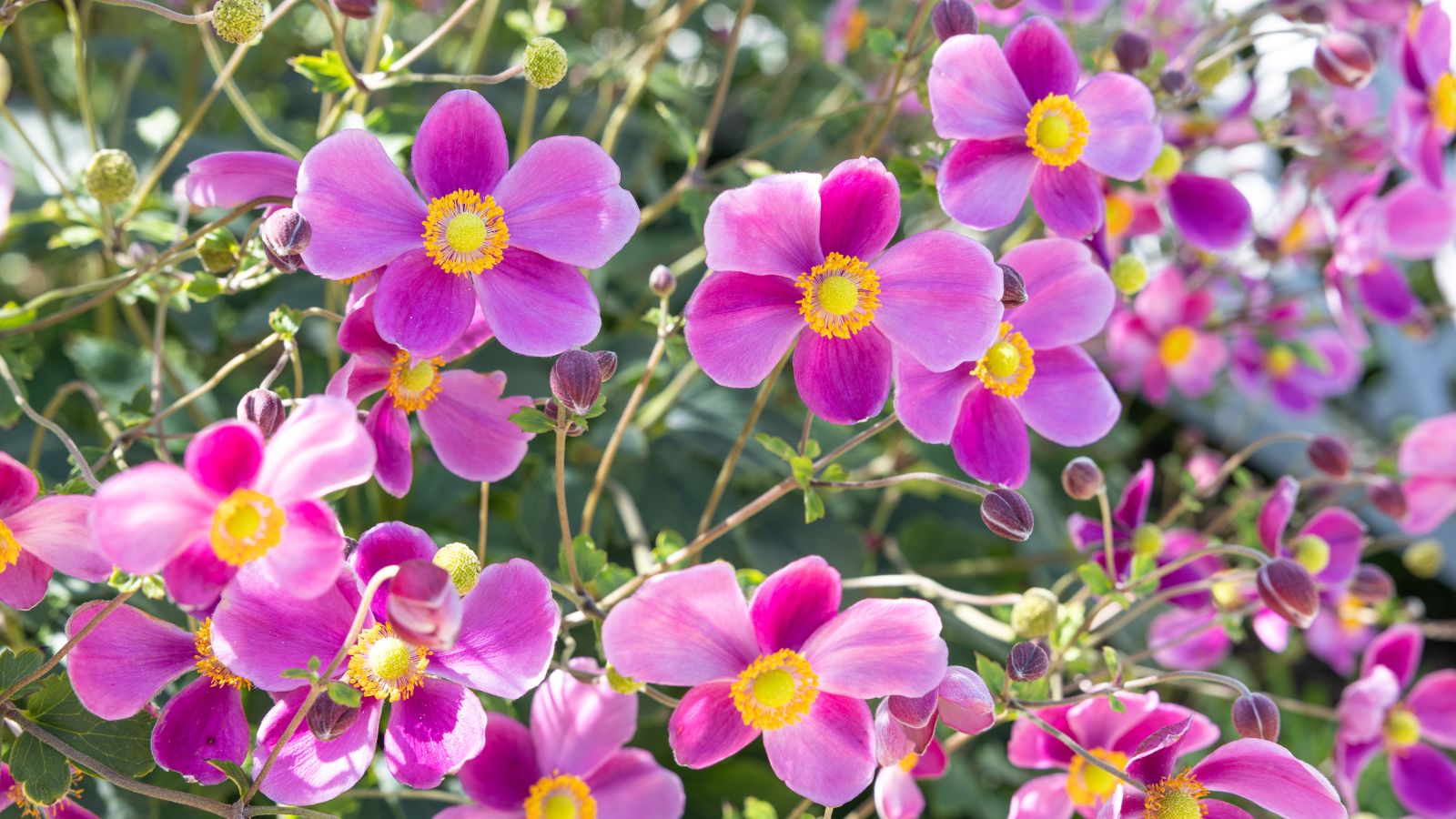
Image Credit: Depositphotos.com.
Graceful, autumn-blooming Japanese Anemones rise in neat clumps that spread gently to fill borders with late-season blooms.
Grow it well: Partial shade to sun and moist soil suit this plant best. Pinch back early in the season to encourage bushier growth.
18. Foxglove (Digitalis purpurea)

Image Credit: Shutterstock.
Foxgloves are regal biennials that self-seed kindly, bringing tall flower spikes that grace borders with little effort.
Grow it well: Prefers partial shade and well-drained soil. Remove popped flower spikes to prevent excessive self-seeding unless desired.
19. Phlox (Phlox spp.)
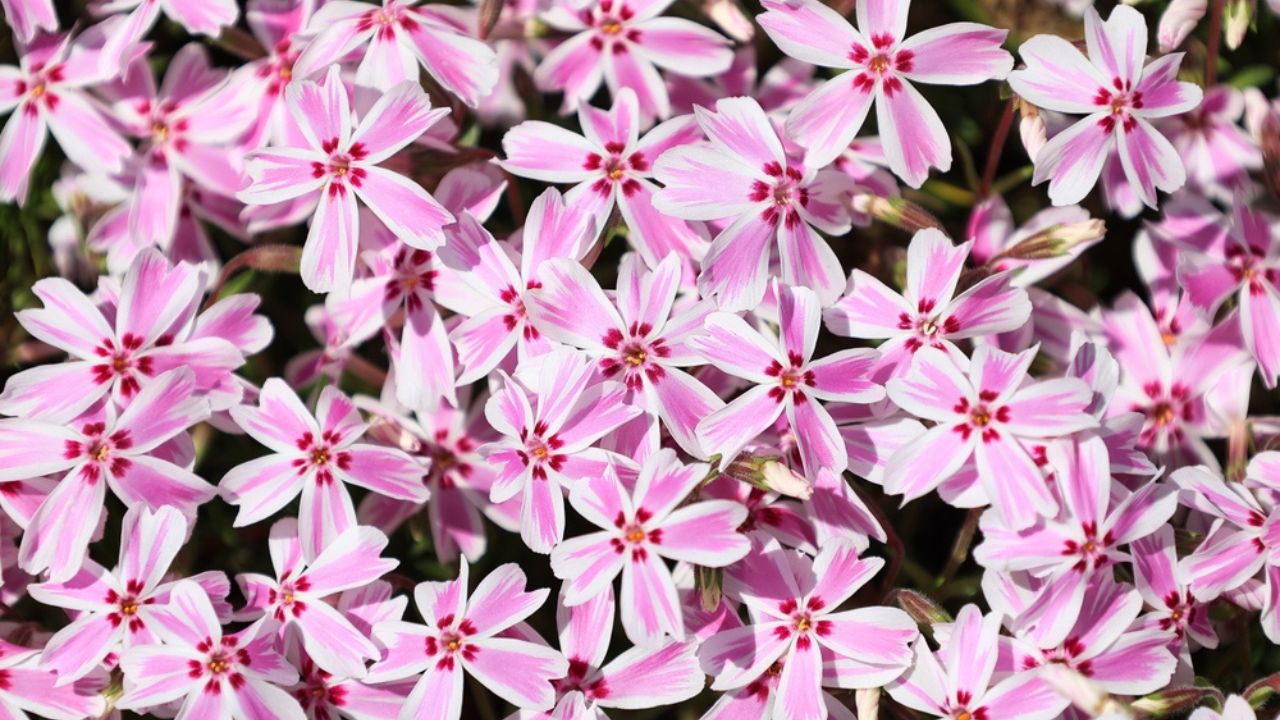
Image Credit: Shutterstock.
Phlox offers full-summer color in low-spreading or tall upright forms, filling spaces without smothering others.
Grow it well: Full sun and good soil drainage are essential. Pinch back in early summer to boost bloom time and divide to renew clumps.
20. False Spirea (Sorbaria sorbifolia)
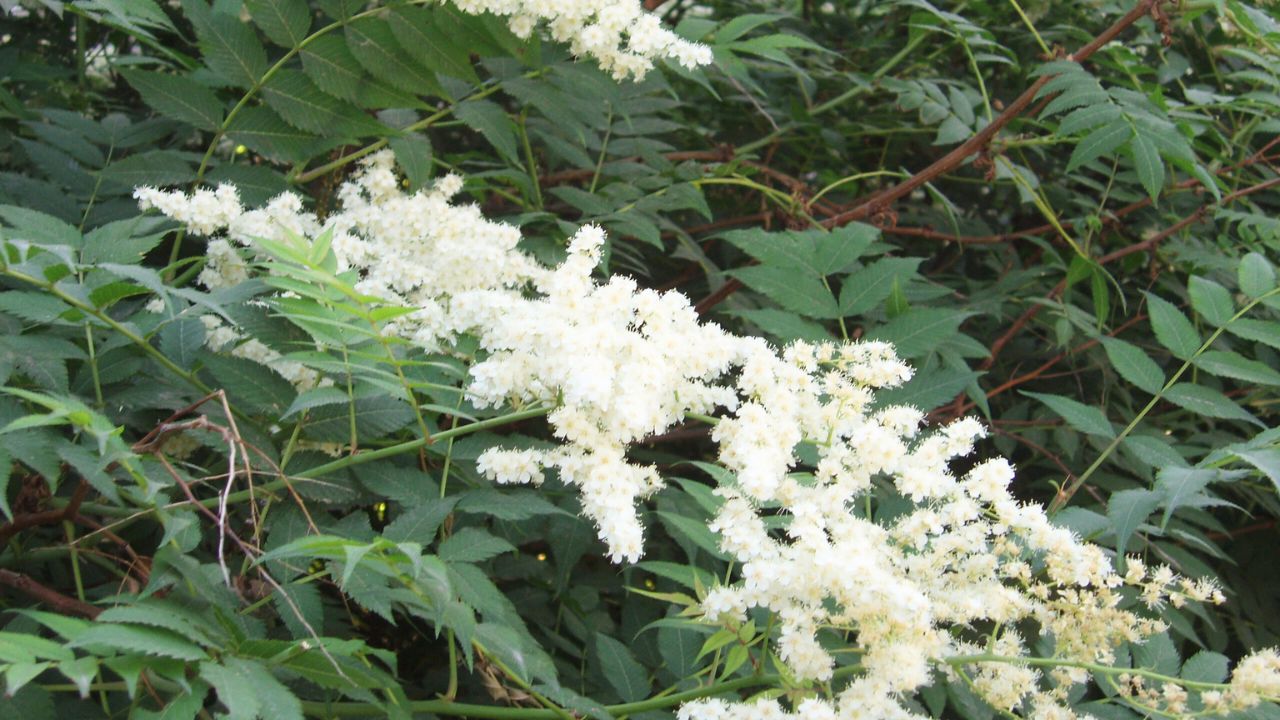
Image Credit: Taken by Fanghong – Own work – CC BY-SA 3.0/Wiki Commons.
False Spirea offers airy panicles of white flowers and fern-like foliage in neat clumps that won’t dominate your garden.
Grow it well: Thrives in sun to light shade and moist, well-drained soil. Cut back after flowering to prevent unwanted reseeding.
21. Meadow Sage (Salvia nemorosa) (New)
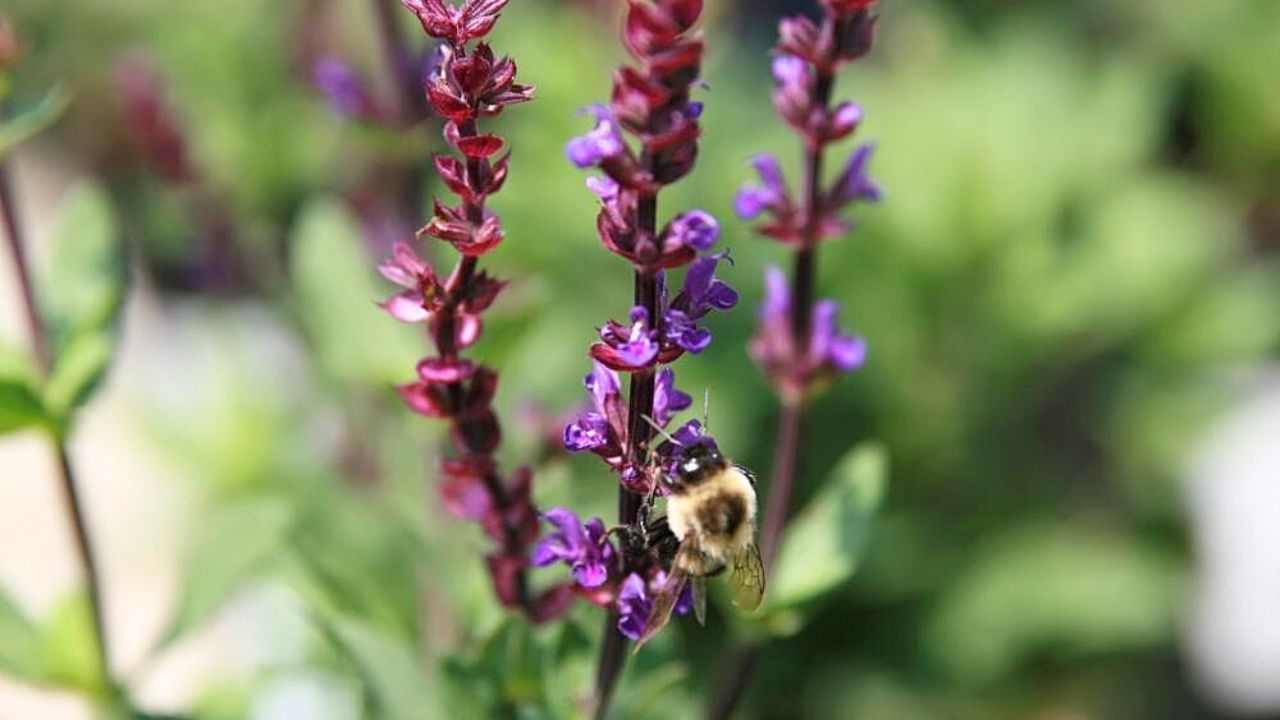
Image Credit: David J. Stang – CC BY-SA 4.0/Wiki Commons.
Meadow Sage brightens beds with purple-blue flower spikes and aromatic foliage. Its compact, spreading habit fills space without overtaking it.
Grow it well: Prefers full sun and well-drained soil. Deadhead frequently to prolong bloom and divide every 3–4 years.
Note: Meadow Sage is naturalized in some areas and listed as a noxious weed in Washington State
22. Blanket Flower (Gaillardia x grandiflora) (New)

Image Credit: Shutterstock.
Blanket Flowers bring fiery reds and yellows to sunlit borders, forming durable clumps that stay tidy and bloom profusely.
Grow it well: Full sun with poor to average soil works best. Deadhead regularly to encourage continuous flowering and cut in late fall.
Note: Blanket Flower sometimes self‑sows, but is generally non-invasive; no evidence of aggressive takeover in garden settings.
Choosing the Right Plants

Image credit: YAY Images.
Ultimately, if you’re specifically after dense ground cover, stick with options like Creeping Jenny, Ajuga, Sedum, Liriope, or Brunnera. The rest make great structure plants without aggressive spread.
By choosing plants that share space rather than dominate it, you can enjoy full beds, pollinator visits, and long-lasting beauty with minimal maintenance. Mix bold bloomers with cool-textured foliage for charisma and balance, and manage spread through simple grooming—deadheading, dividing, and light trimming.