Imagine stepping into your garden and being greeted by the soft buzz of bees, the flash of butterfly wings, and the cheerful trill of birdsong. This isn’t just a dream—it’s the magic of planting with purpose. By choosing the right perennials, you’re not only adding beauty and color to your yard but also creating a thriving habitat for local wildlife.
These plants come back year after year, supporting pollinators, birds, and beneficial insects while keeping your garden full of life and movement. Let’s explore the top perennials that do double duty—delighting your senses and nurturing the natural world around you.
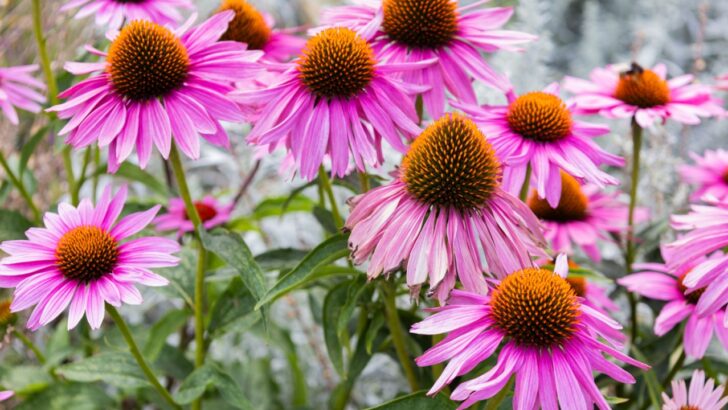
1. Purple Coneflower (Echinacea purpurea)

Image Credit: Shutterstock.
Purple coneflowers are iconic wildflower perennials with vibrant purple petals and a spiky orange center that functions like a landing pad for pollinators. Butterflies, especially swallowtails, flock to them in summer, while birds like goldfinches enjoy the dried seed heads in fall and winter.
They grow best in USDA Zones 3–9 and thrive in full sun with well-drained soil. Once established, they are drought-tolerant and low-maintenance. Deadhead spent flowers to encourage continued blooming, or leave them to support wildlife and provide winter interest.
2. Anise Hyssop (Agastache foeniculum)
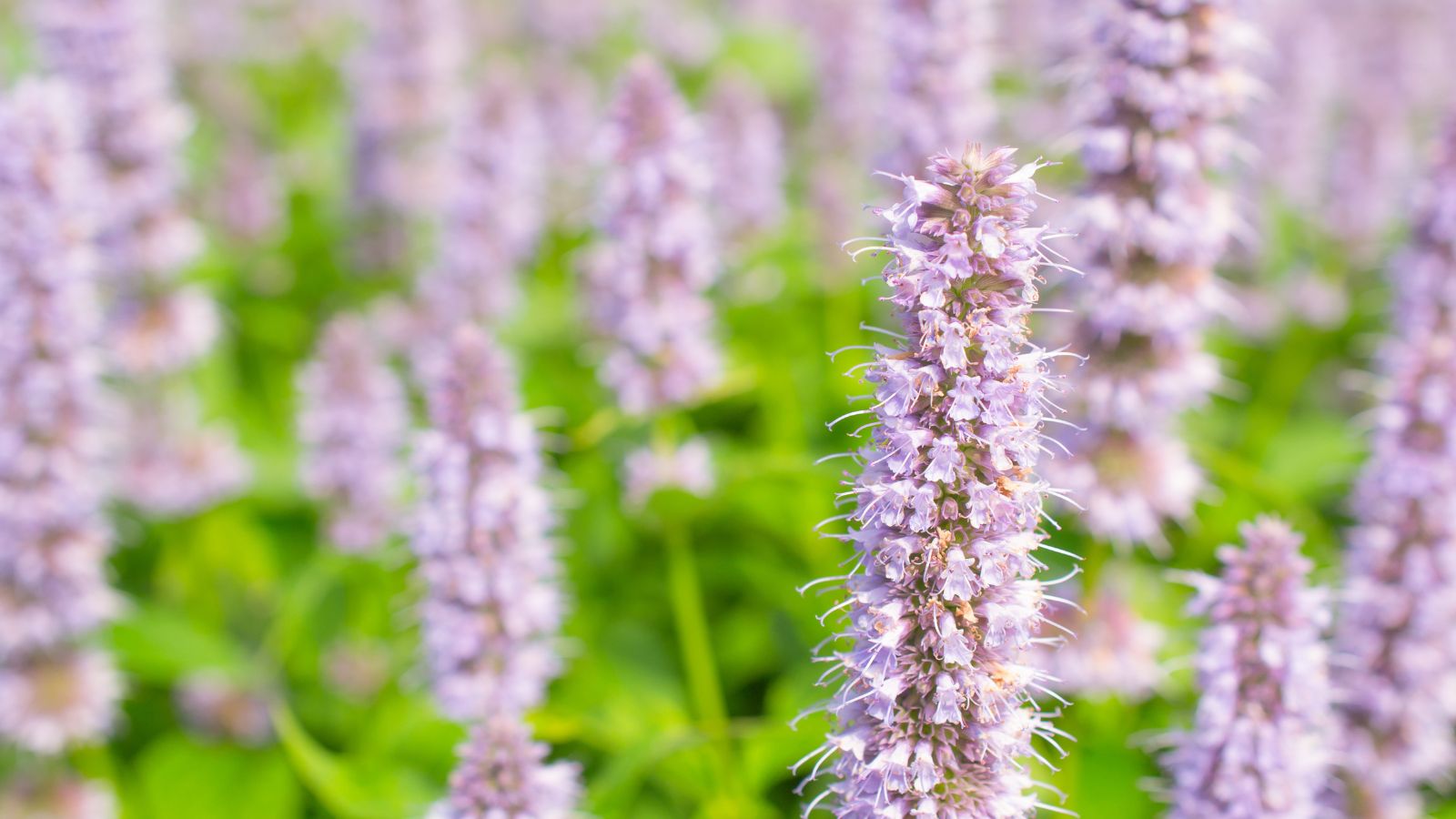
Image Credit: DepositPhotos.com.
Anise hyssop is a powerhouse pollinator plant. Its purple flower spikes are especially attractive to honeybees, bumblebees, and hummingbirds. The fragrant leaves smell like licorice and are edible, making it a favorite among herbal gardeners as well.
Native to North America and hardy in Zones 4–9, it grows best in full sun and well-drained soil. Anise hyssop is drought-tolerant and deer-resistant. It blooms from mid-summer to fall, offering color and nectar just when many other plants are fading.
3. Wild Bergamot (Monarda fistulosa)
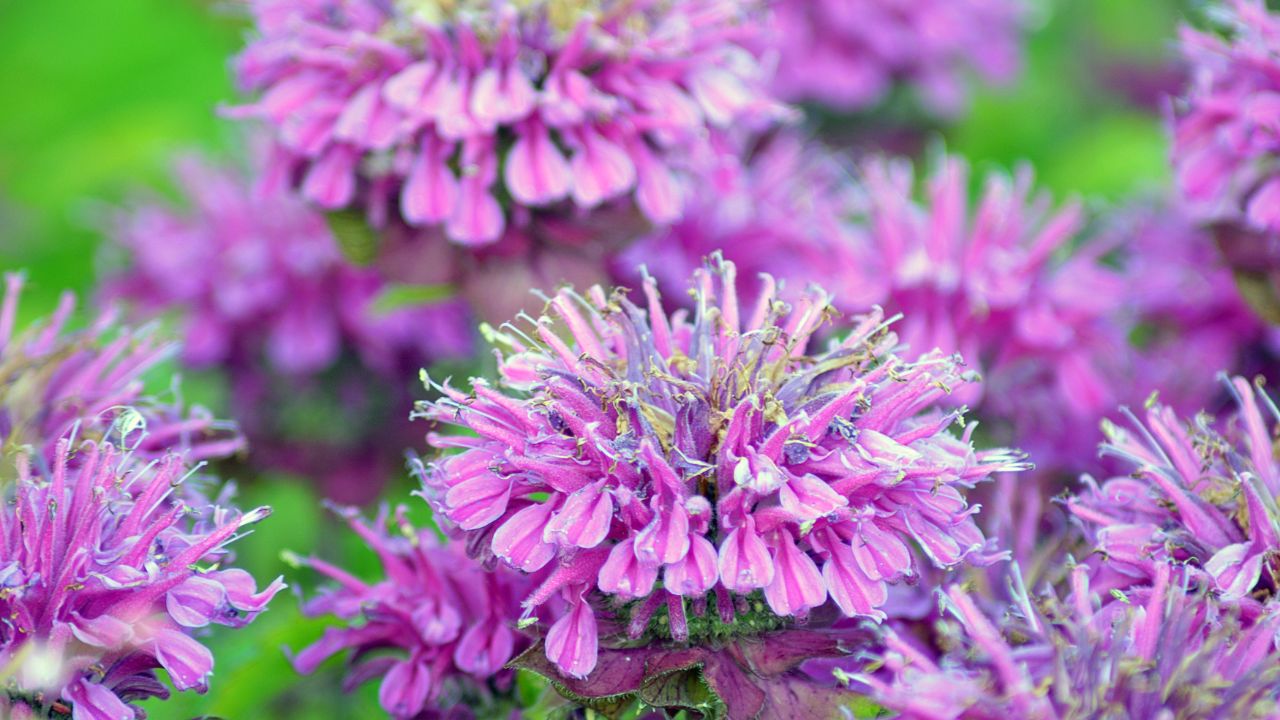
Image Credit: Shutterstock.
Wild bergamot, also called bee balm, is a magnet for hummingbirds, bees, and butterflies, including the endangered rusty-patched bumble bee. Its shaggy pink or lavender blooms are not only visually striking but also emit a minty fragrance that adds dimension to your garden.
Native to North America and hardy in Zones 4–9, bee balm prefers moist, well-draining soil and full sun to part shade. Regular deadheading extends bloom time, and dividing clumps every few years helps keep plants vigorous and resistant to powdery mildew.
4. Milkweed (Asclepias spp.)

Image credit: Depositphotos.
Milkweed is essential for the survival of monarch butterflies, which lay eggs exclusively on milkweed plants. The flowers also offer nectar to a wide range of pollinators, including bees, wasps, and beetles. Varieties like Asclepias tuberosa (butterfly weed) offer bright orange blooms, while Asclepias incarnata (swamp milkweed) produces fragrant pink clusters.
Milkweed thrives in full sun and well-drained soil, though some types tolerate moist conditions. Once established, these perennials (Zones 3–9) are drought-tolerant and require little care. Avoid cutting them down too early—leave stalks standing into spring to support overwintering insects.
5. Wild Columbine (Aquilegia canadensis)
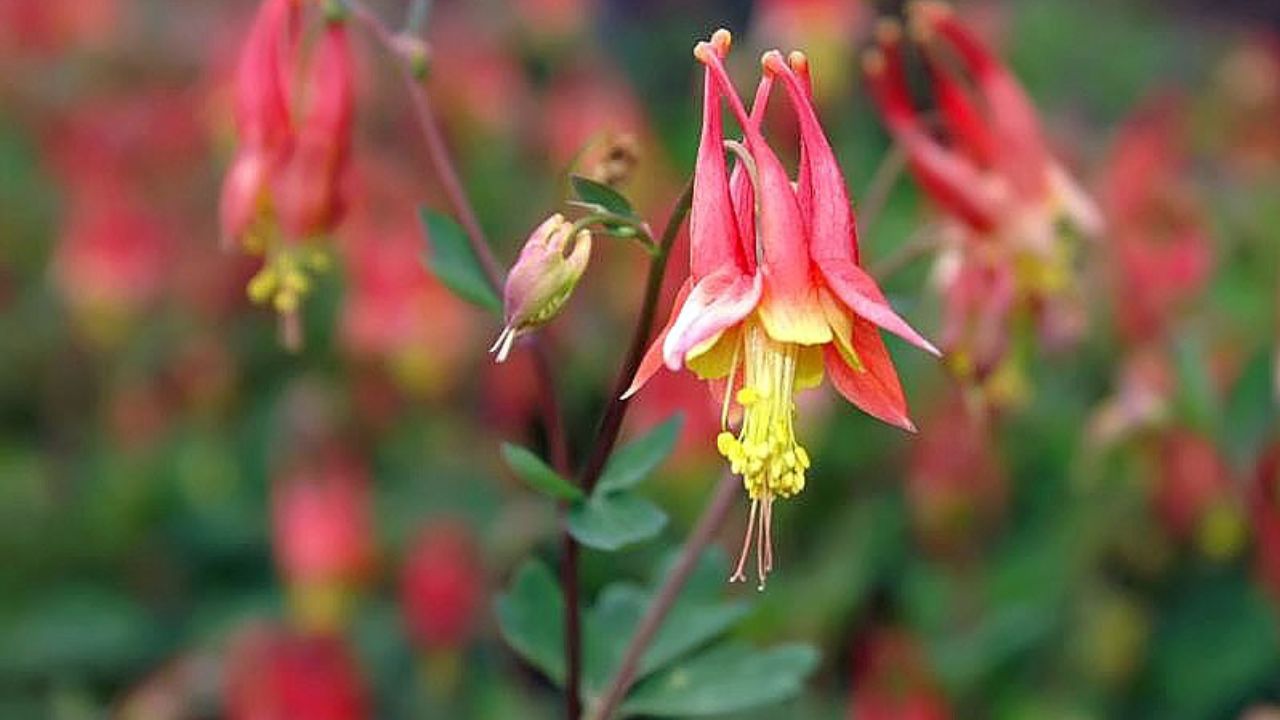
Image Credit: David J. Stang – CC BY-SA 4.0/Wiki Commons.
Wild columbine’s delicate, nodding red-and-yellow blooms are a hummingbird favorite, especially in early spring when food sources are limited. Bees and butterflies also benefit from its nectar, and it supports various native moth species.
Hardy in Zones 3–8, columbine grows best in part shade with moist, well-draining soil. It naturalizes well in woodland edges and shade gardens. Allow it to self-seed for a soft, meadow-like effect, and be sure to cut back stems after flowering to encourage healthy new growth.
6. Asters (Symphyotrichum spp.)
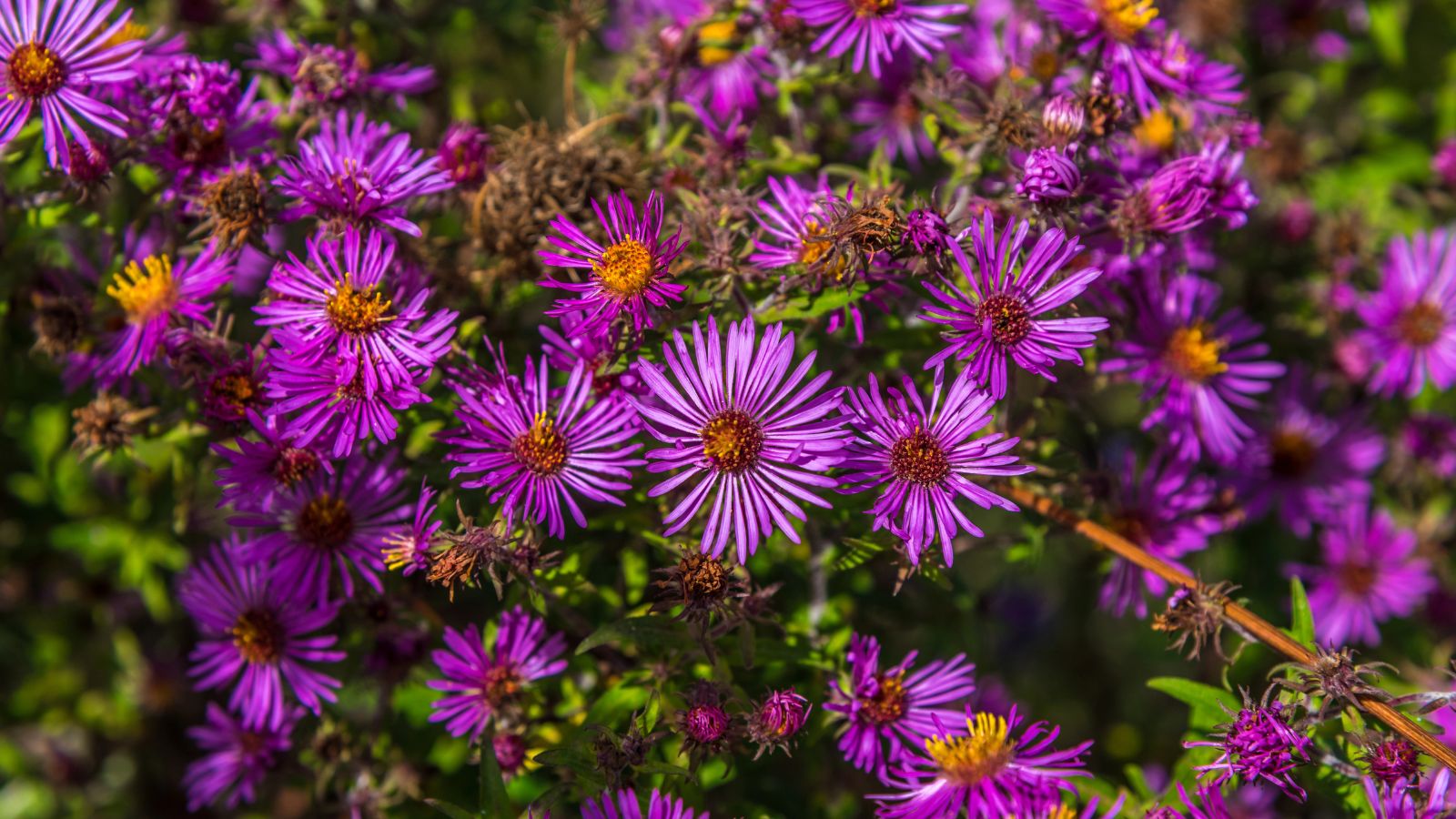
Image Credit: Depositphotos.com.
Asters bloom late in the season, offering crucial nectar for migrating monarchs and late-foraging bees. Their star-like blossoms come in shades of purple, pink, and blue, adding a burst of color to autumn gardens when few other flowers remain.
Hardy in Zones 3–8, asters prefer full sun and moist, well-drained soil. They benefit from being pinched back in early summer to promote bushier growth and more flowers. Plant them alongside goldenrod for a pollinator-friendly fall duo that supports biodiversity through the season’s end.
7. Black-Eyed Susan (Rudbeckia hirta)
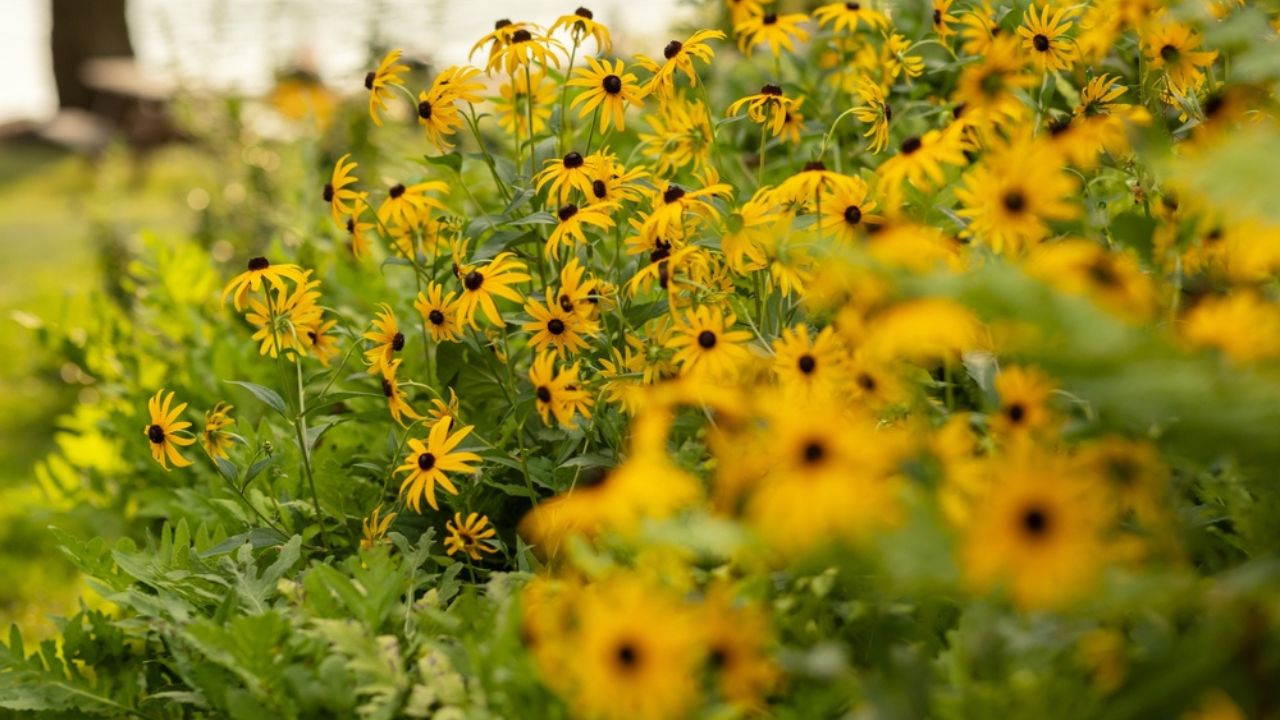
Image Credit: Shutterstock.
With their cheerful yellow petals and dark centers, black-eyed Susans are irresistible to bees, butterflies, and even beneficial predatory insects like soldier beetles. As the flowers fade, seedheads provide food for birds such as finches and sparrows.
These low-maintenance perennials are hardy in Zones 3–9 and adapt well to most soil types, thriving in full sun. Though often grown as short-lived perennials or biennials, they readily self-seed to ensure a steady presence in the garden. Deadheading can prolong bloom time, while leaving a few seedheads will invite winter wildlife.
8. Coreopsis (Coreopsis verticillata)
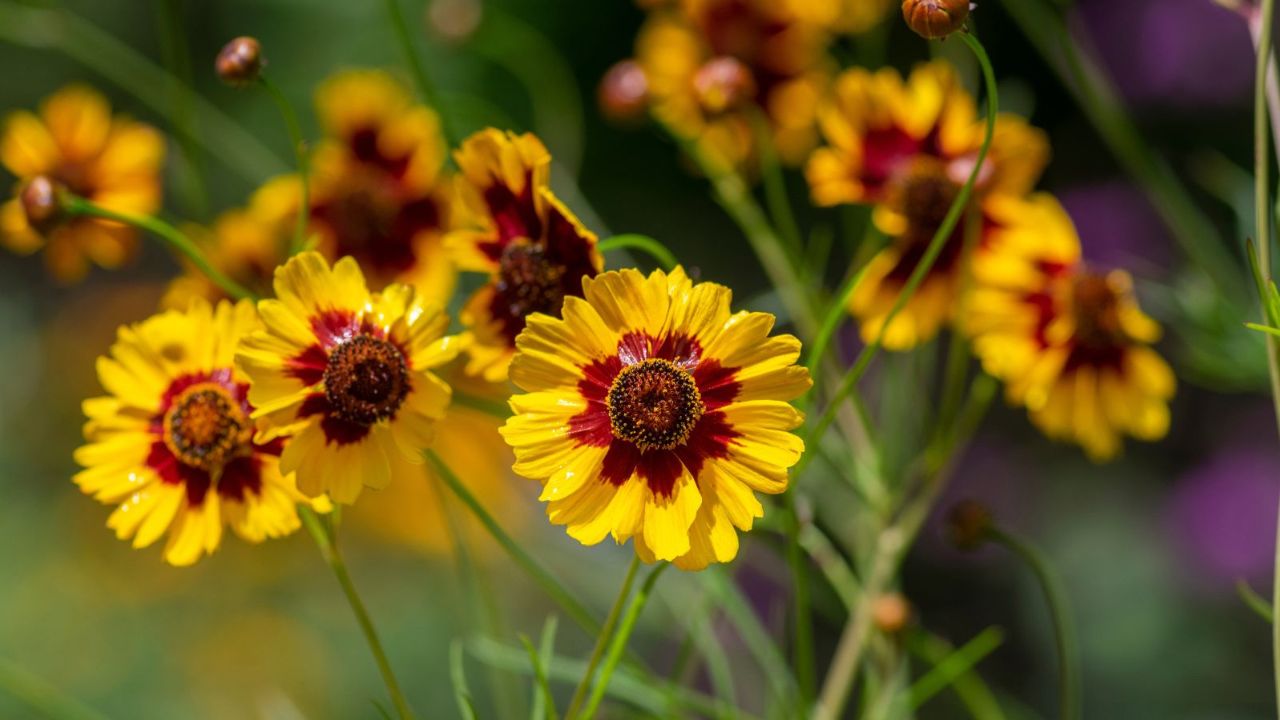
Image Credit: Depositphotos.com.
Coreopsis, or tickseed, offers long-lasting blooms in vibrant yellows and pinks that attract bees and butterflies. The daisy-like flowers bloom profusely from early summer to fall, making them ideal for sustaining pollinator activity across the season.
Hardy in Zones 4–9, coreopsis prefers full sun and well-draining soil but tolerates poor conditions and drought once established. Shear plants midseason to encourage another flush of blooms. Their resilience and wildlife value make them a staple in native and pollinator gardens.
9. Goldenrod (Solidago spp.)
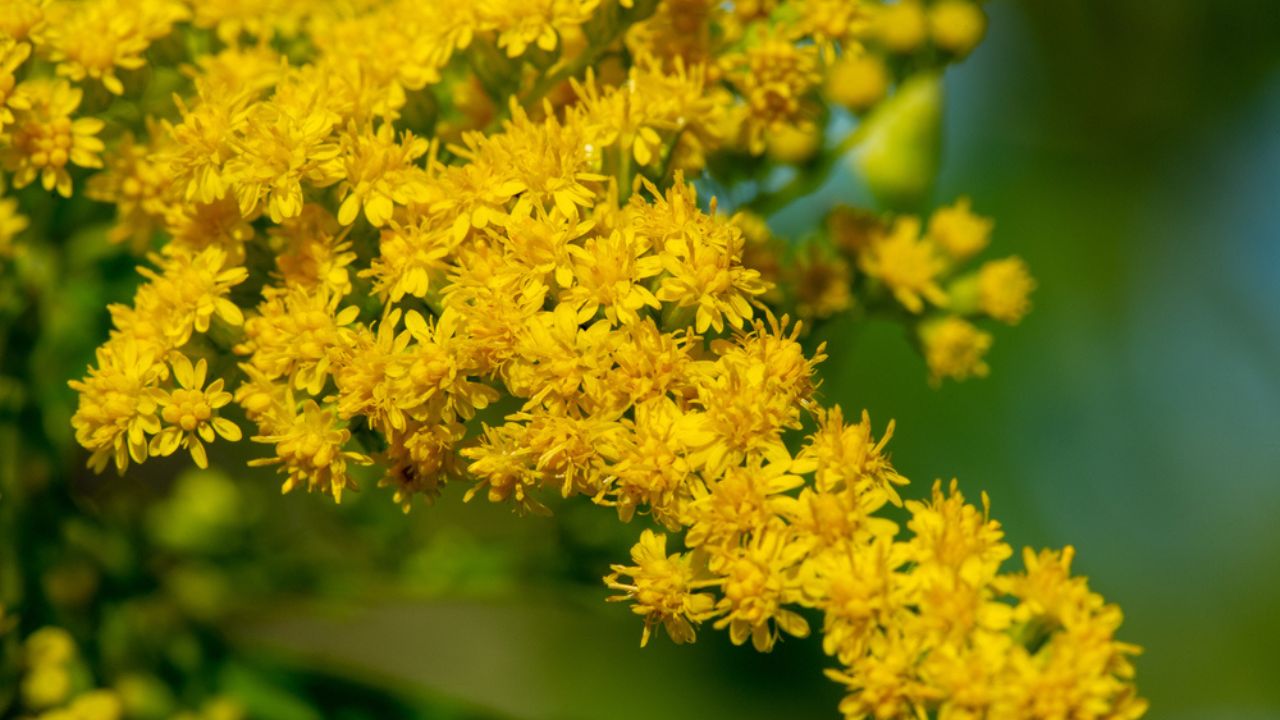
Image Credit: Shutterstock.
Goldenrod is often unfairly blamed for allergies (it’s ragweed’s fault), but this hardy native perennial is a critical late-season food source for pollinators. Bees, butterflies, and even migrating monarchs rely on its abundant nectar-rich yellow blooms.
Goldenrod thrives in Zones 3–9 and prefers full sun and well-drained to moderately dry soils. It’s easy to grow and even thrives in poor soil conditions. Cut it back in early summer to keep it compact and prevent flopping, especially in smaller garden spaces.
10. Yarrow (Achillea millefolium)
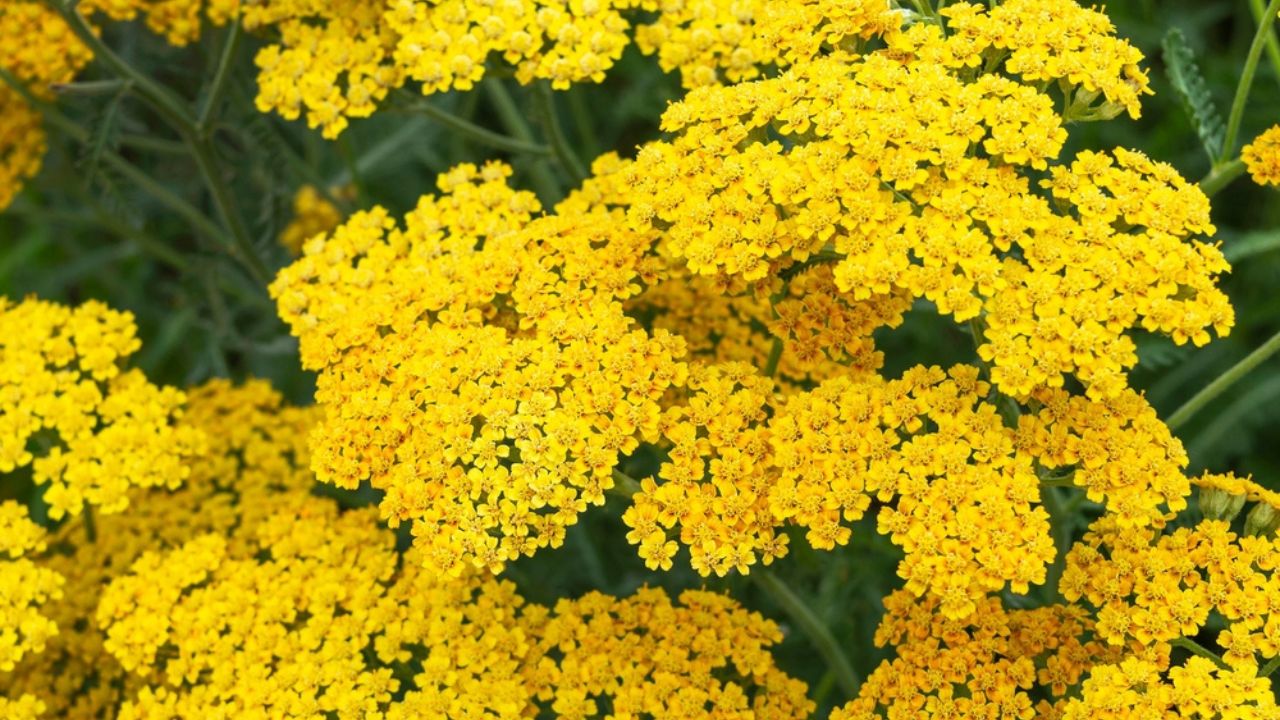
Image Credit: Shutterstock.
Yarrow’s flat-topped flower clusters provide perfect landing pads for pollinators, especially native bees and butterflies. It also attracts ladybugs, which feed on aphids and help keep your garden balanced naturally.
Best suited for Zones 3–9, yarrow thrives in full sun and average to poor soil. It’s exceptionally drought-tolerant and spreads by rhizomes, so give it room to roam. Deadheading spent blooms encourages continued flowering and keeps it tidy in appearance.
11. Penstemon (Penstemon digitalis)

Image Credit: William L. Farr – Own work, CC BY-SA 4.0, https://commons.wikimedia.org/w/index.php?curid=91122125
Penstemon, or beardtongue, features tubular white or pink blooms that are particularly attractive to hummingbirds and long-tongued bees. Native varieties also support various specialist bees and other beneficial insects.
It’s hardy in Zones 3–8 and does well in full sun to part shade with well-drained soil. Avoid overly fertile ground, as this can lead to weak, floppy stems. Prune after blooming to prevent self-seeding if you want to control its spread.
12. Blazing Star (Liatris spicata)
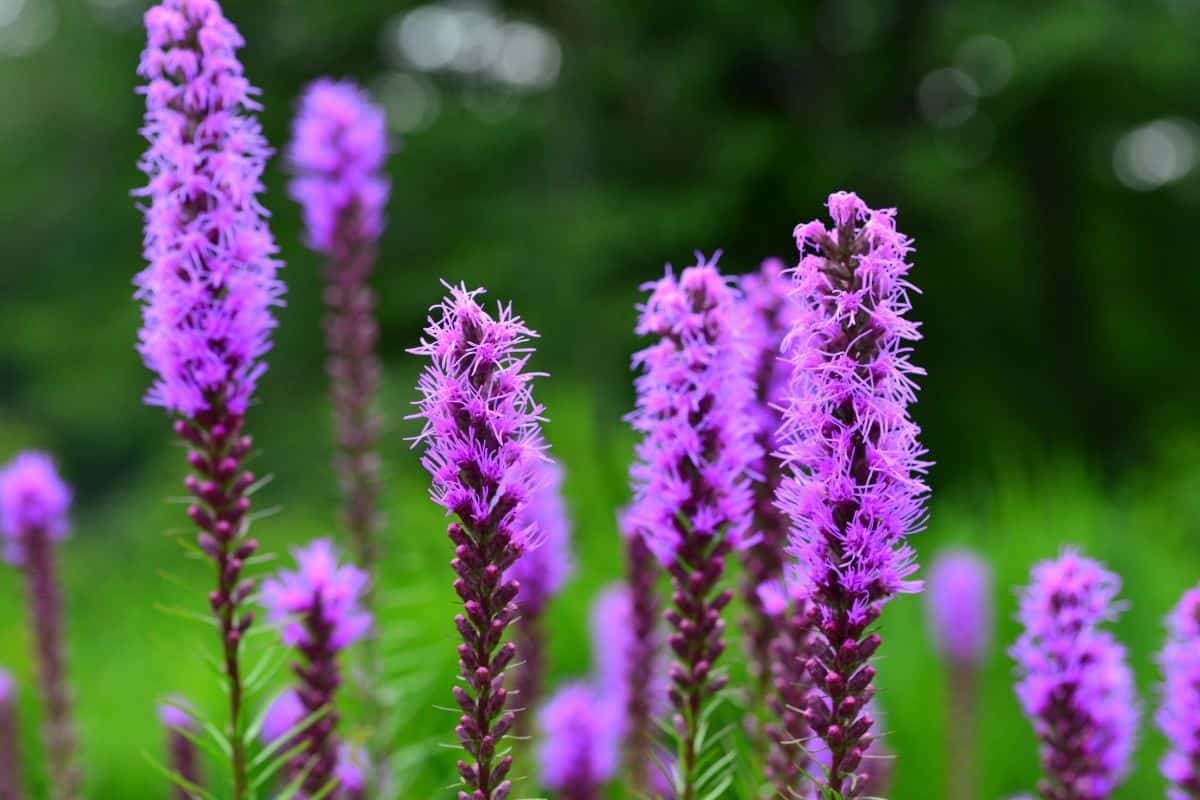
Image Credit: Shutterstock.
Blazing star’s tall spikes of purple blooms attract hummingbirds, butterflies (especially monarchs), and bees. Their upright habit adds drama to the landscape, and their late-summer blooms help pollinators fuel up for fall.
These sun-loving perennials do best in Zones 3–9 and prefer moist, well-draining soil. They’re also great for cutting gardens. Once established, blazing stars tolerate dry conditions and require little maintenance beyond spring cleanup.
13. Joe-Pye Weed (Eutrochium purpureum)
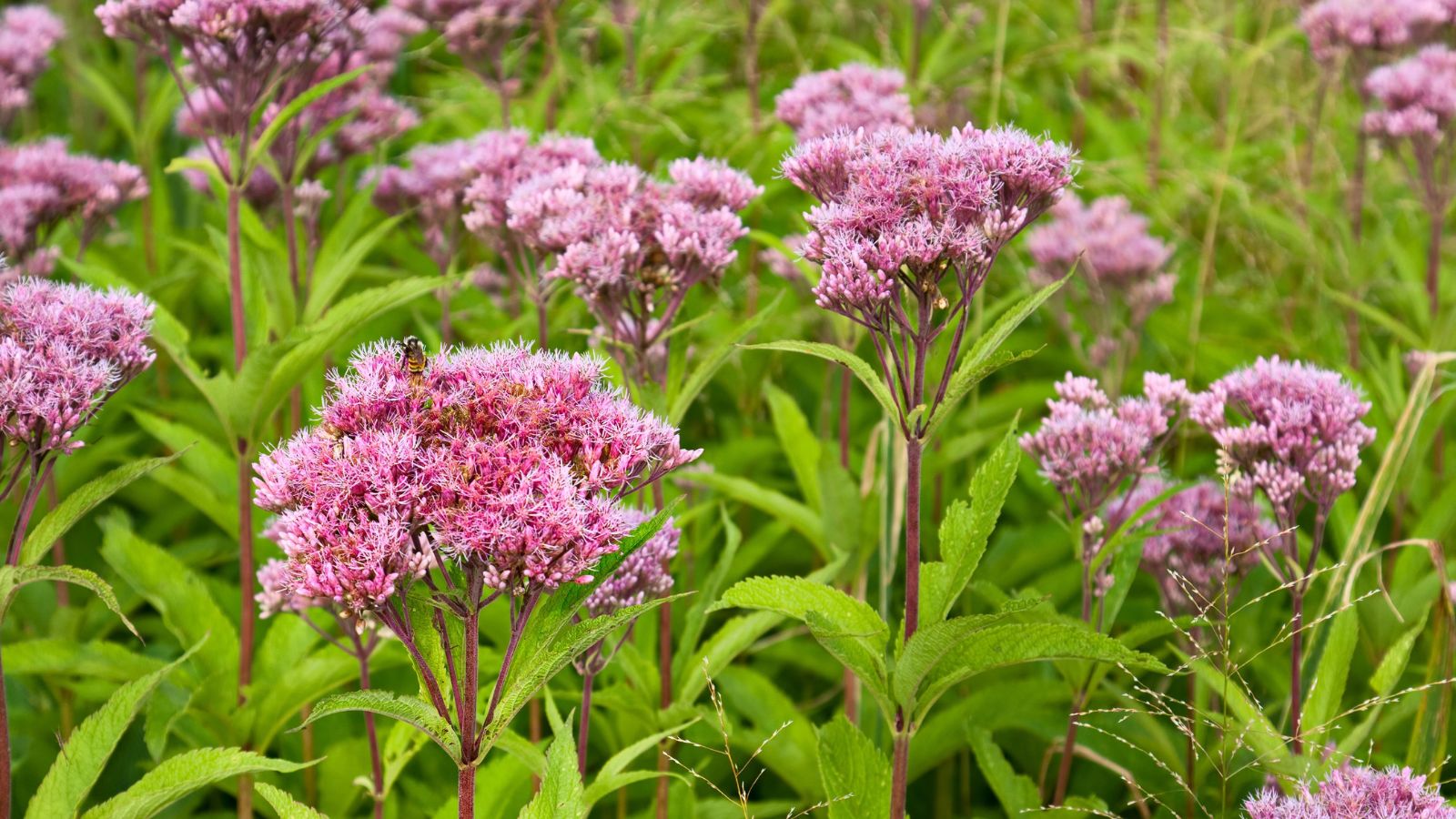
Image Credit: Depositphotos.com.
Joe-Pye weed towers above many perennials with its bold pink-purple flower heads, drawing in butterflies, especially Eastern tiger swallowtails and monarchs. Bees love it too, and its height makes it great for the back of borders or naturalized areas.
Hardy in Zones 4–9, it prefers moist, rich soil and full sun to part shade. It’s an excellent plant for rain gardens or low-lying areas. Cut it back in late winter and divide every few years to maintain vigor.
14. Culver’s Root (Veronicastrum virginicum)
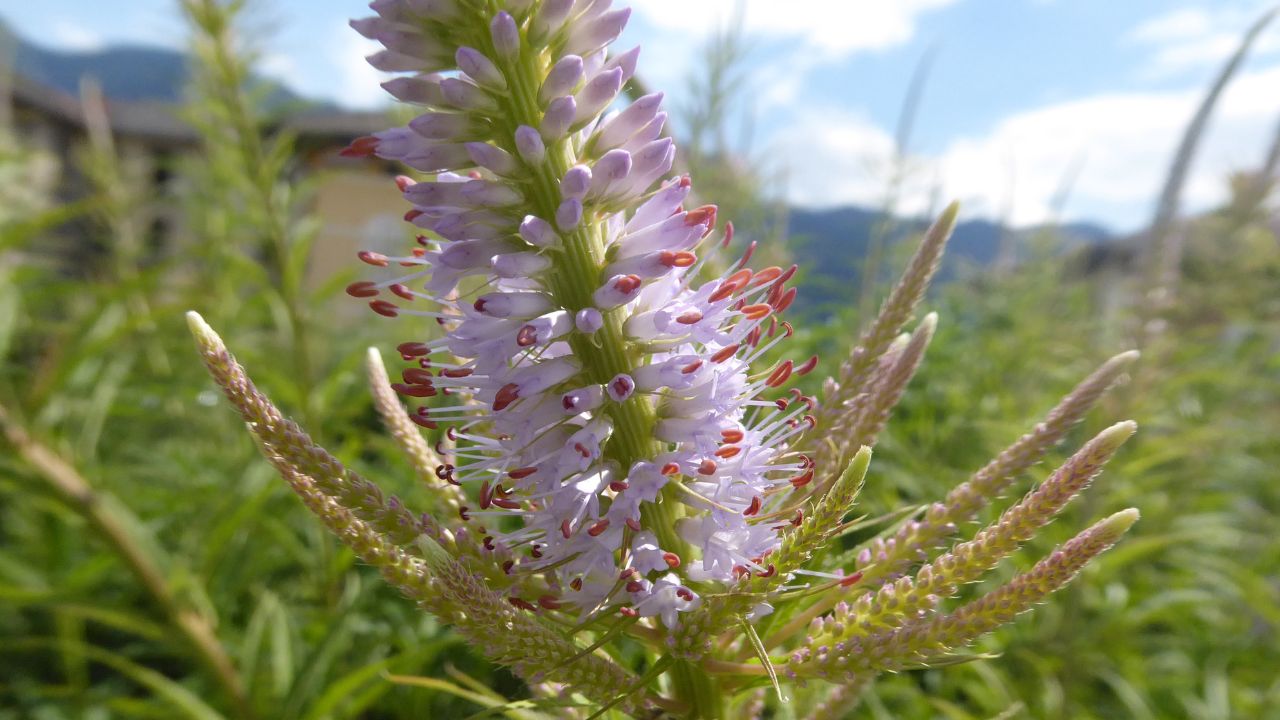
Image Credit: Syrio – Own work – CC BY-SA 4.0/Wiki Commons.
Culver’s root produces elegant white or pale purple spikes that attract native bees, bumblebees, and butterflies. It’s often used in prairie restorations and is known for its vertical structure and tidy form.
Best in Zones 3–8, it likes full sun and moist, well-draining soil. Culver’s root works well in formal borders or naturalized plantings. Its upright habit makes it a lovely architectural feature and a late-summer feast for beneficial insects.
15. Spiderwort (Tradescantia virginiana)
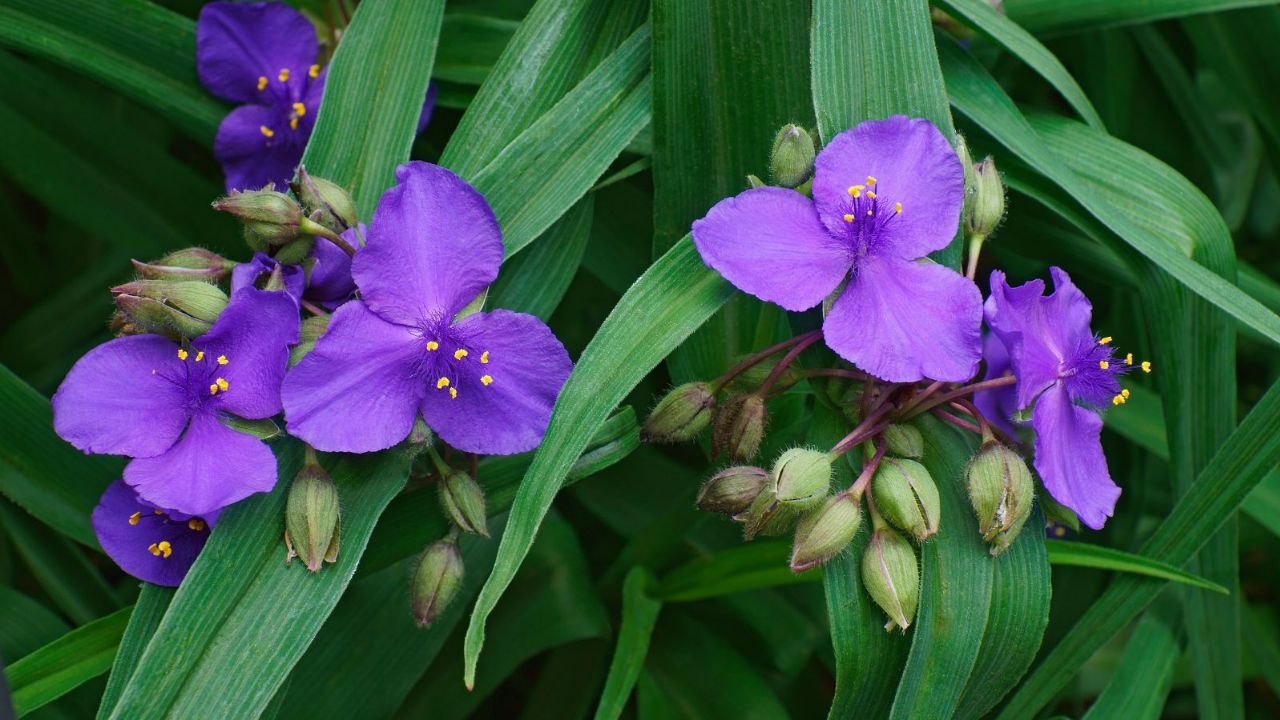
Image Credit: YAY Images.
Spiderwort’s delicate, three-petaled purple flowers open in the morning and attract bees and hoverflies. It’s especially valuable in shady gardens where pollinator plants can be harder to grow.
Spiderwort thrives in Zones 4–9 and adapts to a range of soil conditions. It grows in full sun to part shade and tolerates both drought and moisture. Cut back after the first bloom flush to encourage rebloom and prevent it from getting leggy.