
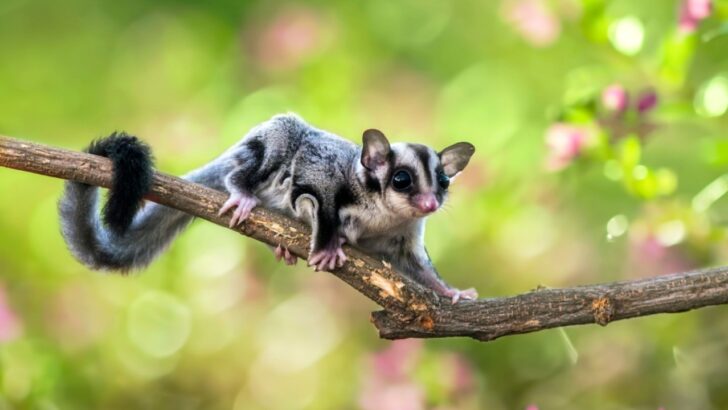
Forget fluffy puppies and purring kittens; some people have a fondness for the truly peculiar when it comes to their animal companions. We’re talking about creatures that’ll make you raise an eyebrow and think, “Seriously? You can have that as a pet?!” From slithering snakes to spiky porcupines, the world of exotic pets is wild and wacky – full of surprises that’ll leave you speechless.
We’re not saying everyone should go out and adopt a fennec fox or a capybara. A lot of these animals have specific needs that are tough to meet in a regular house (or may even be illegal in your area). Before you even think about getting one, it’s vital to do your homework, understand local laws, and think about whether it’s even ethical to keep such a creature as a pet.
But if you’re just curious about the strange and wonderful world of exotic pets, you’re in for a treat! Here are some of the most unexpected animal companions humans have brought into their homes.
1. Capybara
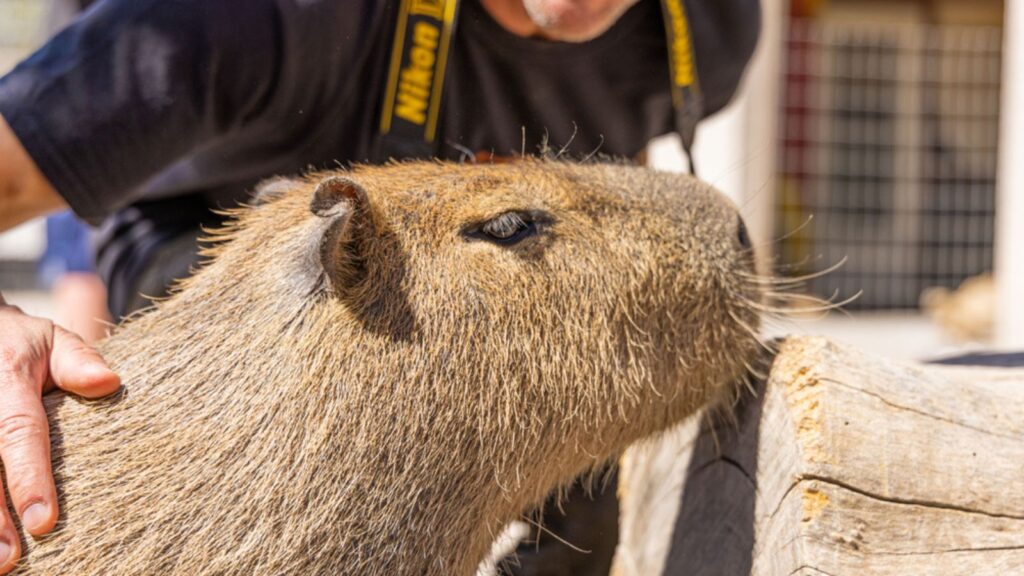
Image Credit: Deposit Photos.
The world’s largest rodent! They are native to South America and can weigh up to 140 pounds. Think of it as a giant guinea pig, but they love to swim and are surprisingly chill. Some people who own them say they’re like gentle giants who enjoy sunbathing and even cuddling.
But here’s the catch: they need tons of space, a special diet, and access to water to be happy. Picture trying to fit a mini-horse in your living room! Plus, not all places allow you to keep them as pets, so check the rules first.
2. Fennec Fox
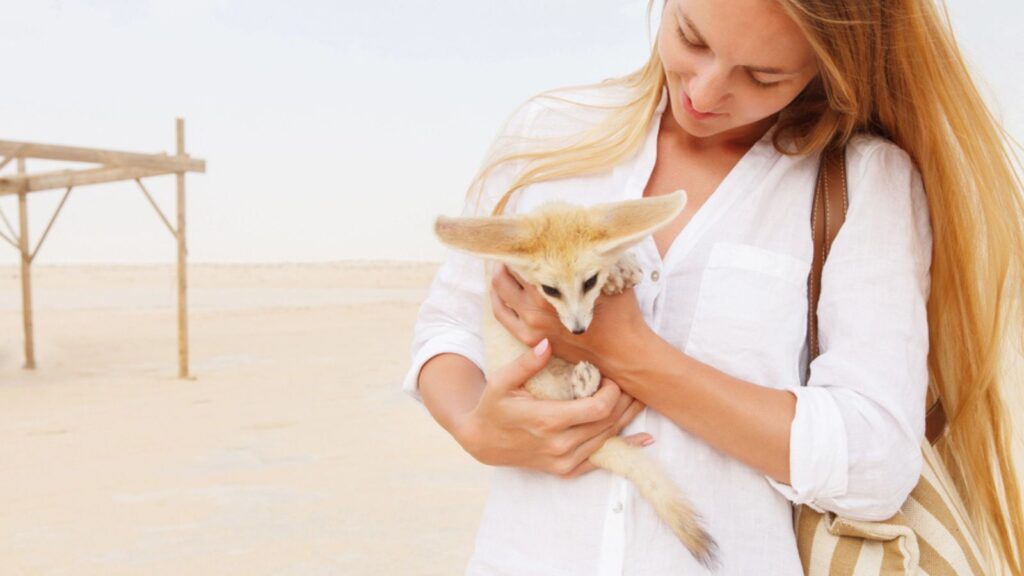
Image Credit: Deposit Photos.
Ever seen a fox with ears bigger than its head? That’s a fennec fox, straight from the North African deserts. Those ears aren’t just for looks – they help them stay cool in the scorching heat. They’re playful and curious little guys who are always up for some fun, which is why some people adore having them as pets.
But don’t be fooled by their cuteness. Fennec foxes need special care, like a sandy enclosure to dig in (they love that!) and a diet that mimics what they’d eat in the wild. Owning one is a big commitment, but if you’re up for the challenge, they can be pretty amazing companions.
3. Sugar Glider
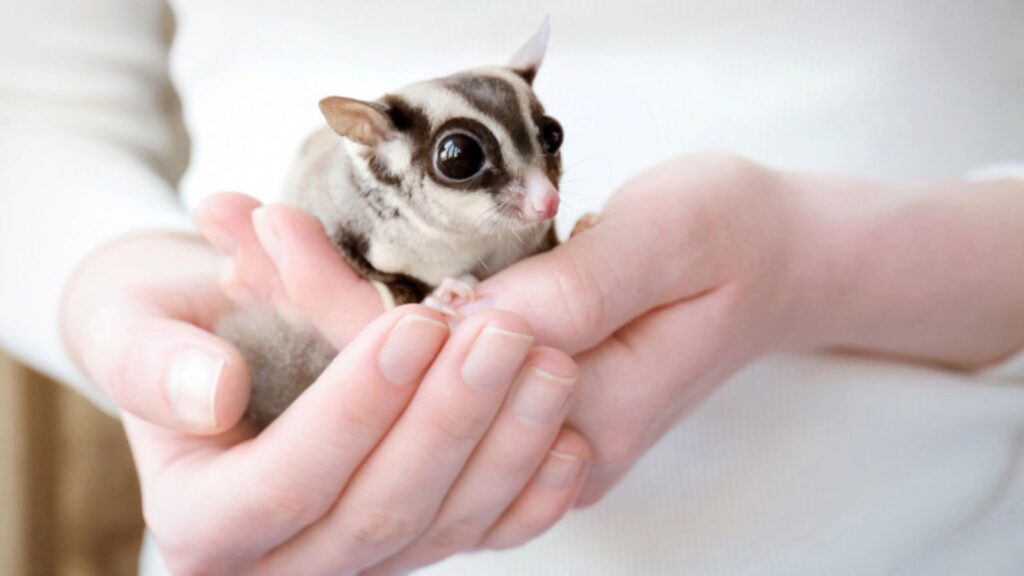
Image Credit: Deposit Photos.
These tiny Aussie marsupials are like real-life flying squirrels. They have a stretchy membrane under each arm that lets them glide from tree to tree. They’re nocturnal and super social, which makes them a unique pet choice for some, but they’re definitely not your average hamster.
Sugar gliders need a special diet and lots of room to move around, and they crave the company of other sugar gliders. Keeping them happy in a small cage is not even remotely possible. Think carefully before getting one – they need a lot of attention and care.
4. Axolotl
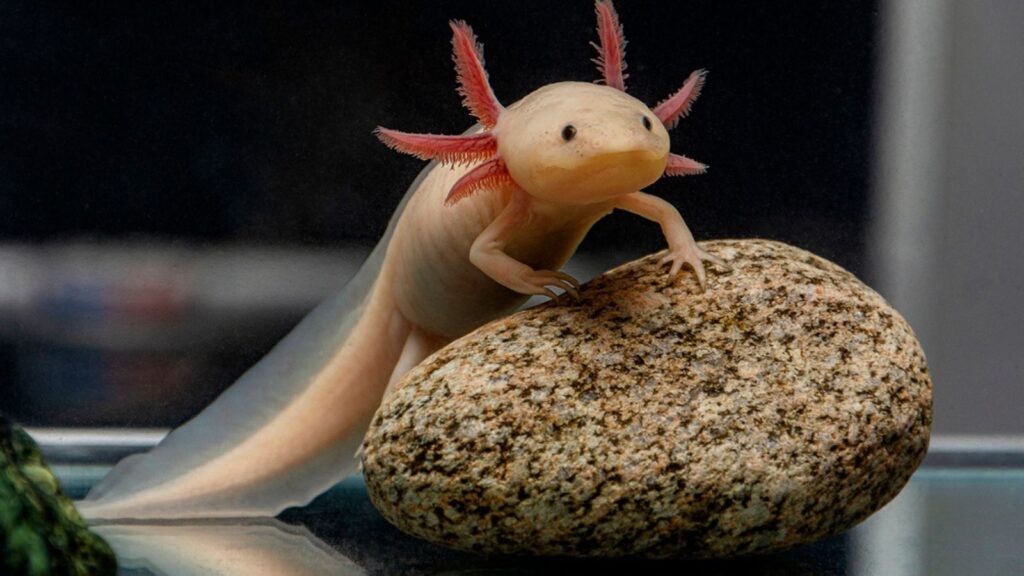
Image Credit: Deposit Photos.
This critically endangered amphibian from Mexico is like something straight out of a sci-fi movie- it can even regenerate its limbs and organs. Its permanent smile and feathery gills make it super cute, and it’s a popular choice for aquariums and people who love exotic pets.
But axolotls are picky. They need specific water conditions, a meat-heavy diet, and a big tank to swim around in. Stress can really mess with their health, so they need an owner who understands their needs and can create the perfect underwater home for them.
5. Kinkajou
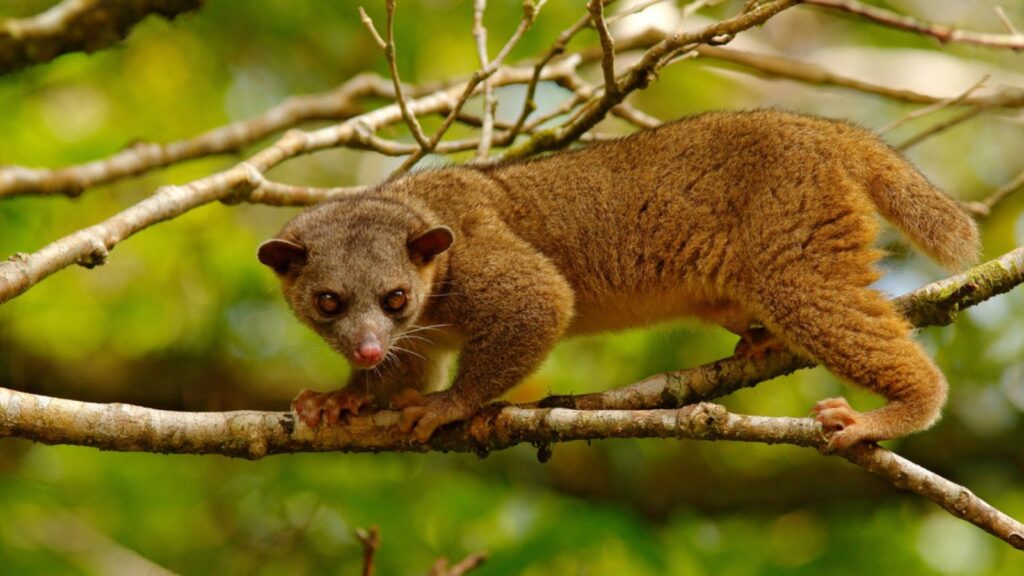
Image Credit: Deposit Photos.
Imagine a mix between a raccoon and a monkey, and you’ve got a kinkajou. They’re playful and curious, with adorable teddy bear faces, which explains why some people are drawn to them as pets.
But kinkajous are night owls, so be prepared for some late-night action. They need a big enclosure with lots of climbing space, and they can bite if they get stressed or scared. Make sure you can handle their nocturnal energy and provide a suitable home before considering owning one.
6. Serval
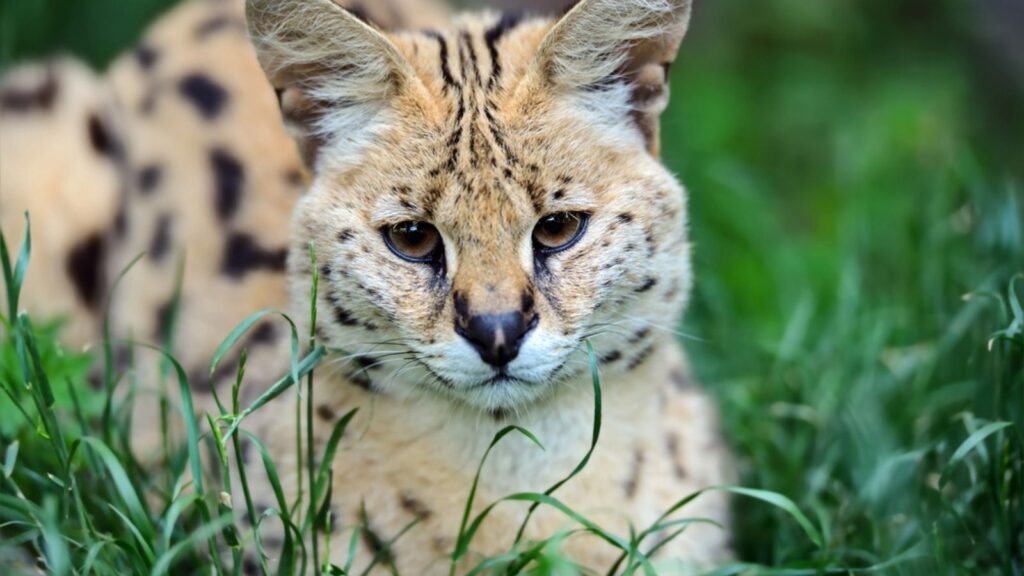
Image Credit: Deposit Photos.
This African wildcat is basically a supermodel in the feline world. Long legs, spotted coat, incredible jumping skills… they’re stunning creatures, but they’re definitely not your average house cat.
Servals are wild animals, not domesticated ones. They need a huge, secure enclosure and a diet that mimics what they’d eat in the wild. They’re natural hunters and can be territorial, which makes them a bad fit for most homes. Owning a serval is a serious responsibility that requires a deep understanding of their wild instincts.
7. Skunk
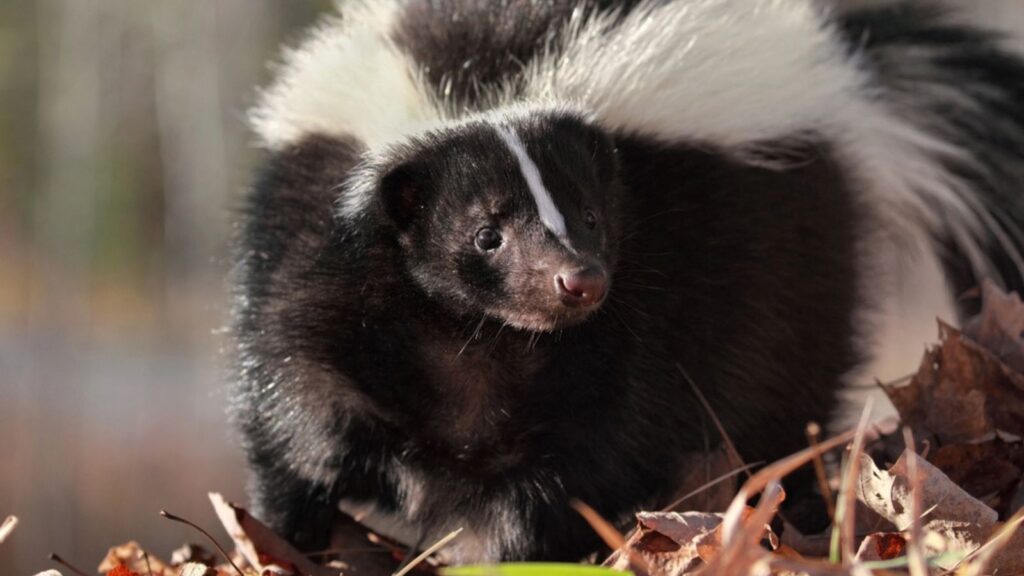
Image Credit: Deposit Photos.
Yeah, you read that right. Some people keep skunks as pets! But don’t worry, they’re de-scented, so no stinky surprises. These black-and-white critters can be playful, intelligent, and even affectionate.
Of course, they require special care. They need a secure enclosure so they can’t escape and a diet that won’t trigger their scent glands (just in case!). Check the laws in your area too, as skunk ownership isn’t always allowed.
8. Tarantula
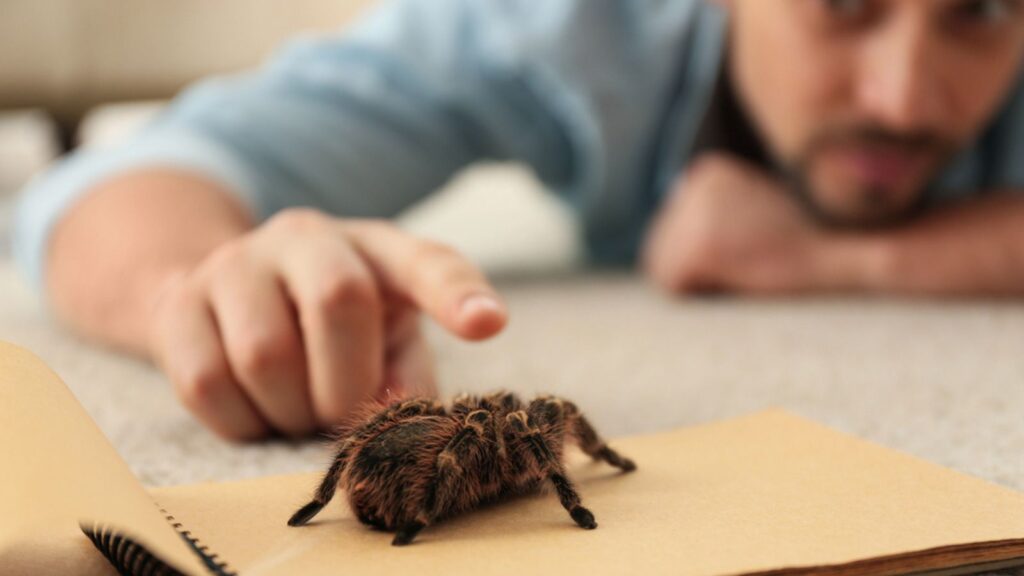
Image Credit: Deposit Photos.
These hairy spiders might give you the creeps, but for some, they’re fascinating low-maintenance pets. They come in all sorts of colors and sizes, and they’re usually pretty docile, making them a popular choice for people who want something a little different.
Just be careful when handling them, as their exoskeletons are delicate. Some species also have hairs that can irritate your skin or cause allergic reactions, so do your research before getting one.
9. Scorpion
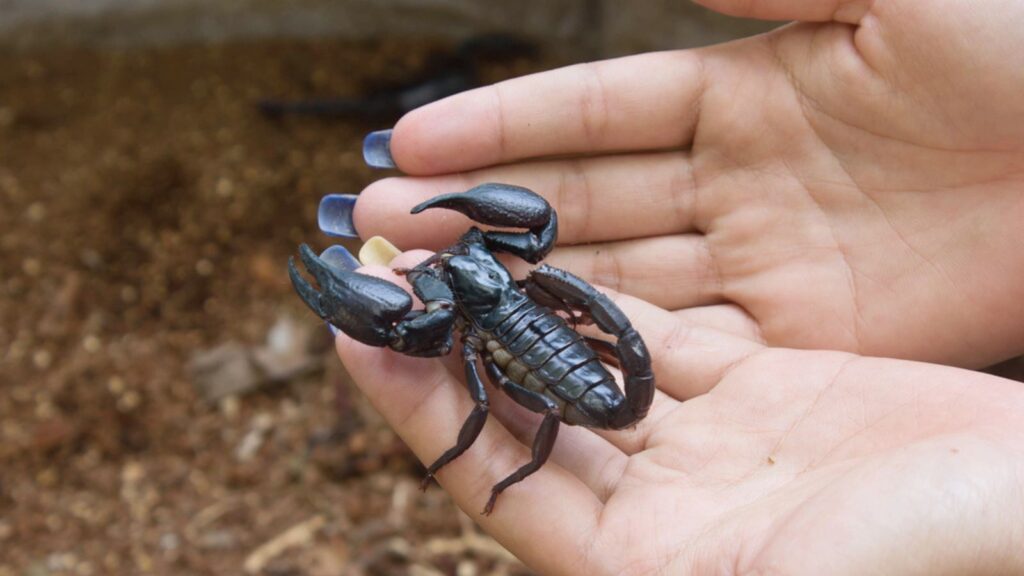
Image Credit: Deposit Photos.
Scorpions might seem like a scary pet choice, but some species, like emperor scorpions, are relatively chill and not too dangerous to humans. They look like mini tanks with their pincers and tough exoskeletons, and their glow-in-the-dark abilities are pretty awesome.
Scorpions need a specific environment with the right humidity and temperature, plus a diet of live insects. Their venom usually isn’t deadly, but handle with care to avoid getting stung!
10. Hedgehog
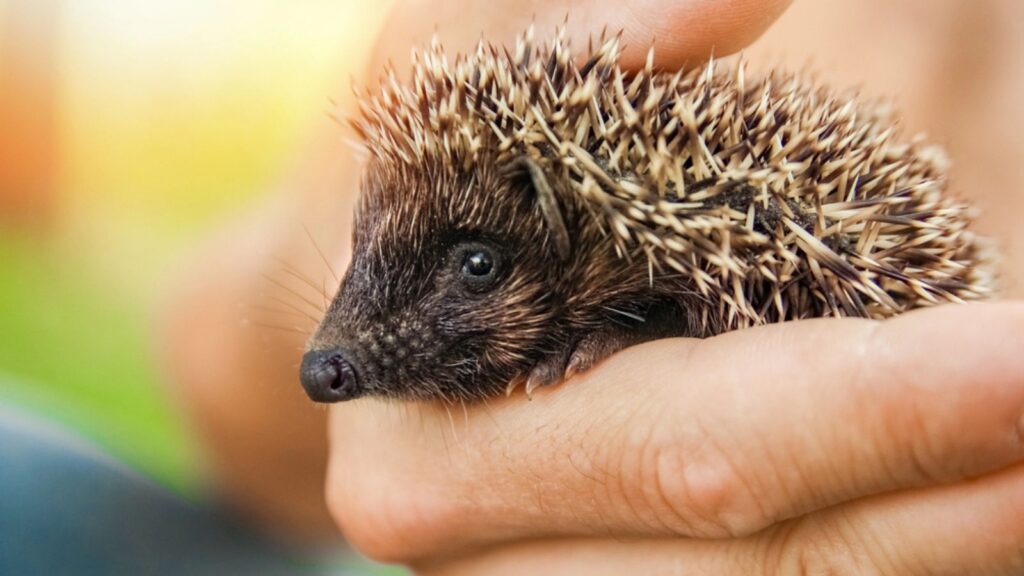
Image Credit: Deposit Photos.
These prickly little guys are like adorable pincushions. They’re native to Europe, Asia, and Africa, and they’re known for rolling into a tight ball when they feel threatened. They’re quiet and relatively easy to care for, which is why they’re becoming more popular as pets.
Hedgehogs are nocturnal and like to be alone, so they’re best for people who can give them a quiet and safe space. They mostly eat insects, but they also enjoy fruits and veggies as treats. They might not be the cuddliest pets, but their unique personalities can be quite charming.
11. Sloth
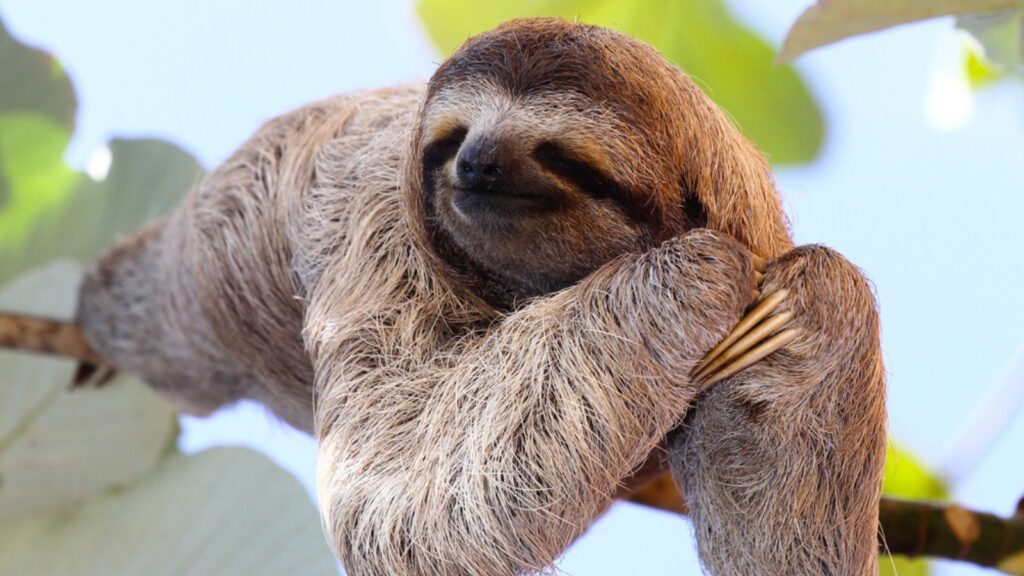
Image Credit: Deposit Photos.
These slow-moving mammals from Central and South America are the definition of easygoing. Their relaxed attitude and cute faces have won over many hearts, making them a dream pet for some.
But sloths are very specialized animals that need a carefully controlled environment, a diet of specific leaves and fruits, and plenty of room to climb and hang. It’s really tough to meet their needs in captivity, and most experts say it’s not a good idea to keep them as pets. It’s best to admire them in the wild, where they can live their slow-paced lives in peace.
12. Genet
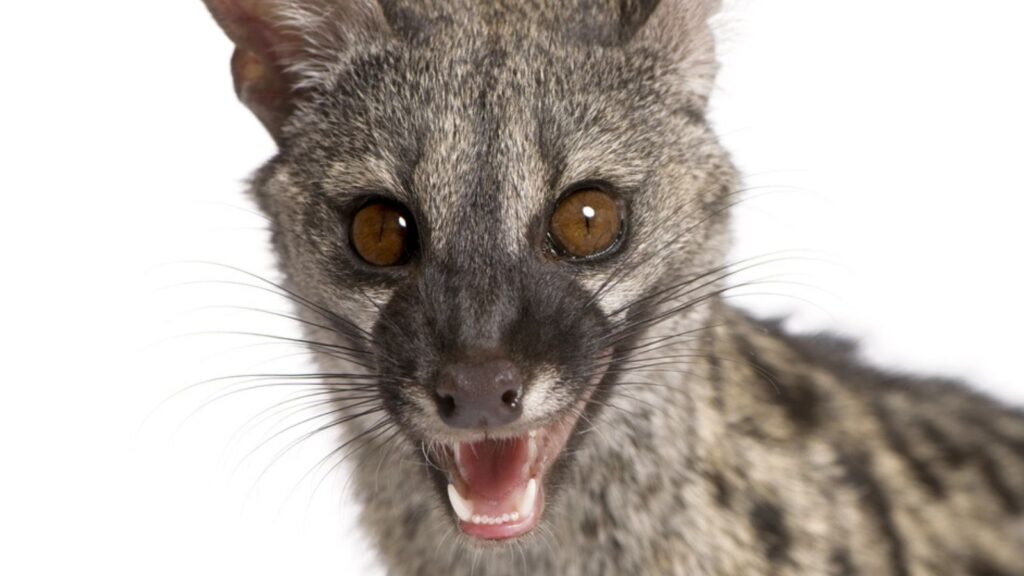
Image Credit: Deposit Photos.
Imagine a mix between a cat and a mongoose, and that’s a genet. They’re native to Africa, have spotted coats and long tails, and they’re most active at night. Their agility and grace have fascinated exotic pet enthusiasts, but their wild nature can be a handful if you try to domesticate them.
Genets need a large, secure enclosure with lots of climbing space, and they need to eat a diet similar to what they’d find in the wild. They also have strong scent glands and like to mark their territory, which can make house training a challenge. They’re definitely not for the average pet owner!
13. Degu
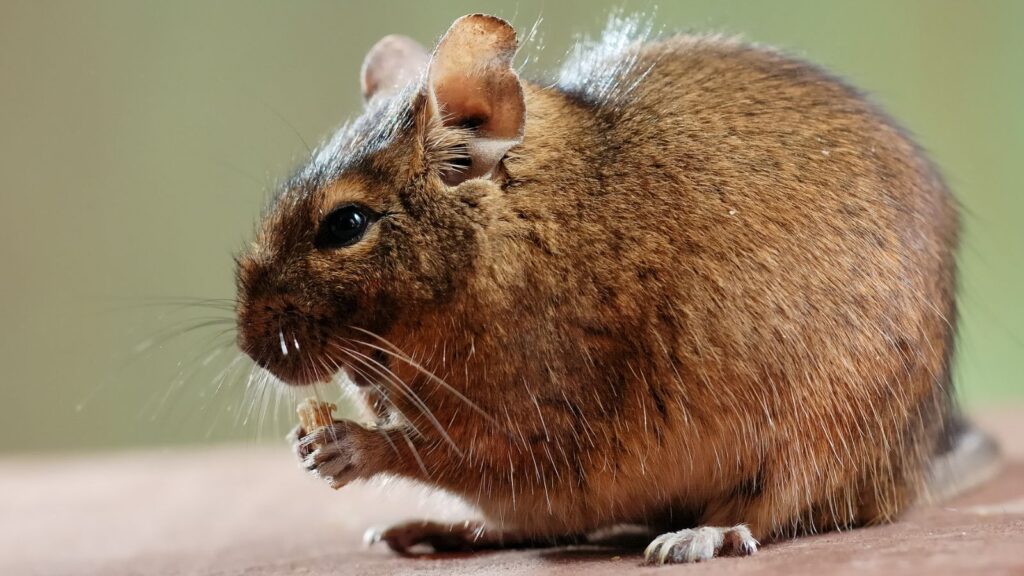
Image Credit: Pierre Camateros – CC BY-SA 3.0/Wiki Commons.
These social rodents from Chile are like a cross between a gerbil and a squirrel. They’re playful, energetic, and super smart. They’re also trainable and affectionate, which makes them a popular alternative to hamsters or gerbils.
Degus need a spacious enclosure with plenty of room to run and play. They’re also prone to diabetes, so you need to watch their diet and avoid sugary treats. With the right care, they can make wonderful and entertaining companions.
14. Coatimundi
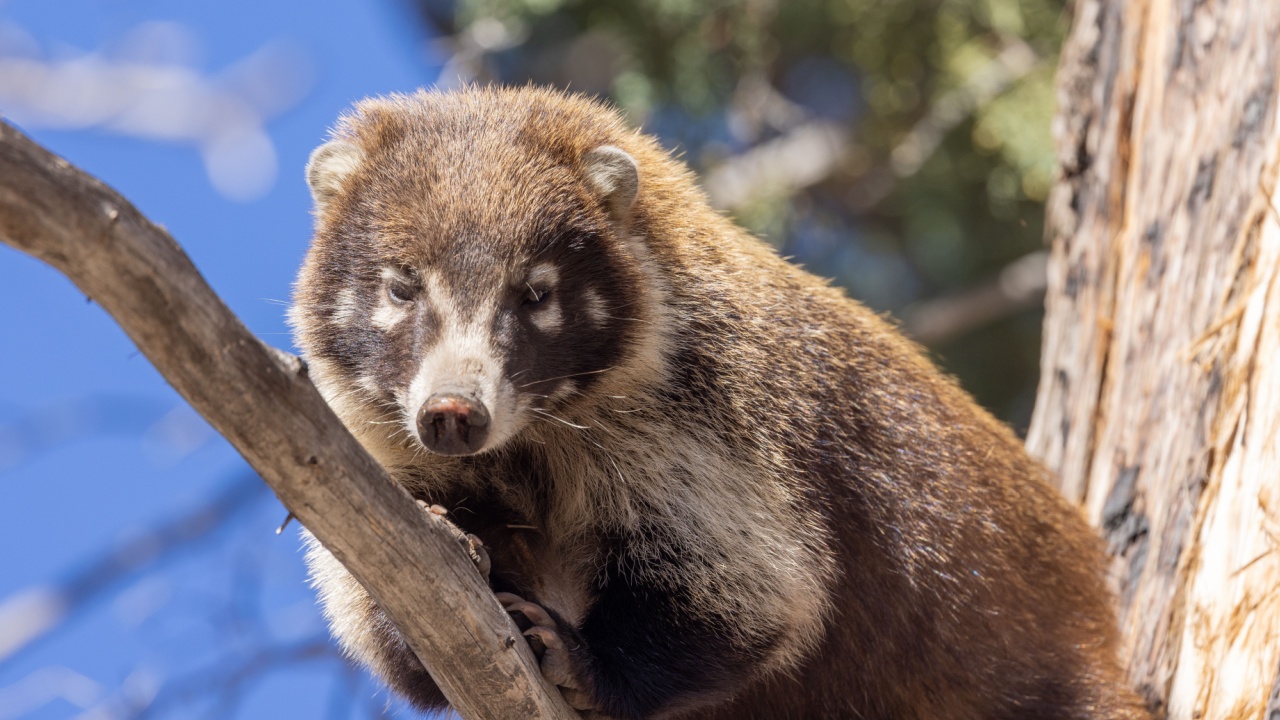
Image Credit: Shutterstock.
These raccoon relatives from the Americas are known for their long noses, ringed tails, and mischievous personalities. They’re like little bandits, always getting into something! Their intelligence and adaptability have made them appealing to some exotic pet enthusiasts.
But coatimundis are very social animals that need lots of space and interaction with their own kind. They also have strong claws and love to climb and explore, which can lead to some serious destruction if you’re not careful. They’re definitely not for everyone, but experienced owners can find them fascinating and rewarding.
15. Bearded Dragon
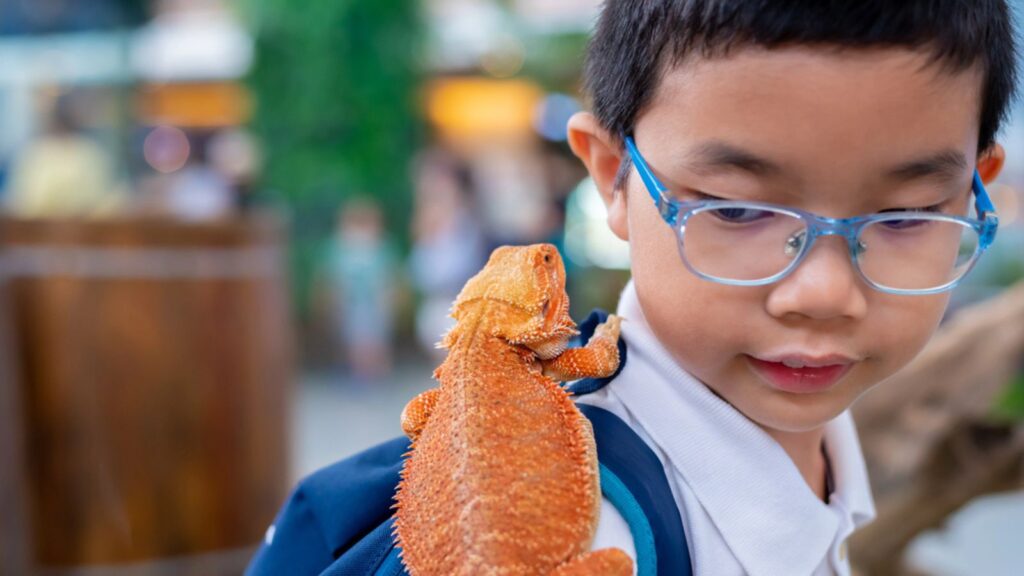
Image Credit: Deposit Photos.
These gentle lizards from Australia are a hit with reptile lovers because they’re docile and relatively easy to care for. Their distinctive “beard” and ability to change color add to their charm.
Bearded dragons need a good-sized enclosure with the right temperature and UVB lighting. They eat insects and veggies, making them a fairly low-maintenance pet for those who want a reptilian friend.