

Cast-iron skillets have a certain reputation. They are the heavy, dark, and mysterious pans that get passed down through generations, each one holding stories of countless family meals. They also come with a long list of rules and warnings that can make anyone hesitant to use one.
It seems for every person who loves their cast iron, another is intimidated by its supposed high-maintenance personality. Let’s clear the air and separate the tall tales from the truth. You might find that your cast-iron pan is much more forgiving and versatile than you were led to believe.
Here are six myths about cast-iron you may have believed all this time.
1. Myth: Cast Iron is Hard to Maintain
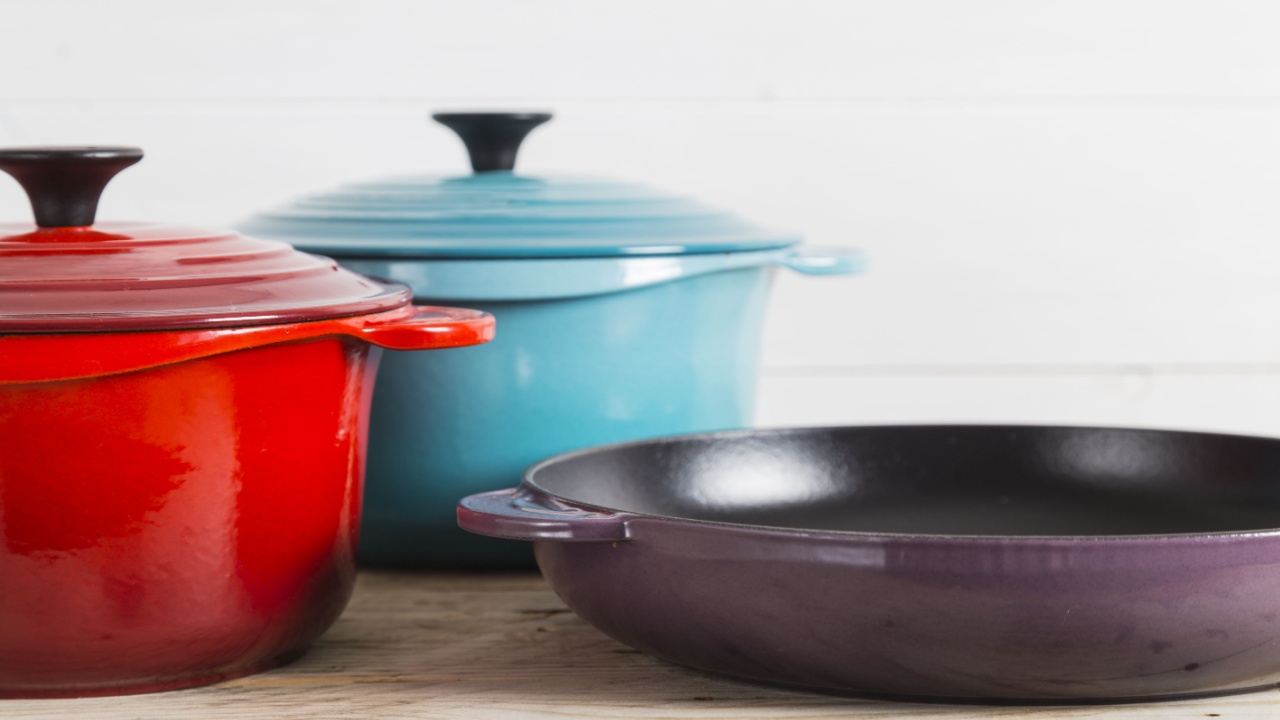
Image Credit: Shutterstock.
The idea that cast iron requires a complicated, time-consuming care routine is one of the biggest reasons people store them away. We have visions of special oils, precise temperatures, and a long list of “don’ts” that make a simple cleaning task feel like a science experiment. The reality is much simpler. Maintaining a cast-iron pan is a lot about developing a few good habits.
The core of cast iron care is seasoning. This is the process of baking oil onto the pan’s surface to create a natural, non-stick coating. While the initial seasoning is important, everyday cooking and cleaning are what truly build and maintain it. A well-seasoned pan is protected from rust and provides a superior cooking surface. The care it needs after cooking is often just a quick scrub and a gentle dry.
2. Myth: You Can Never Use Soap on Cast Iron
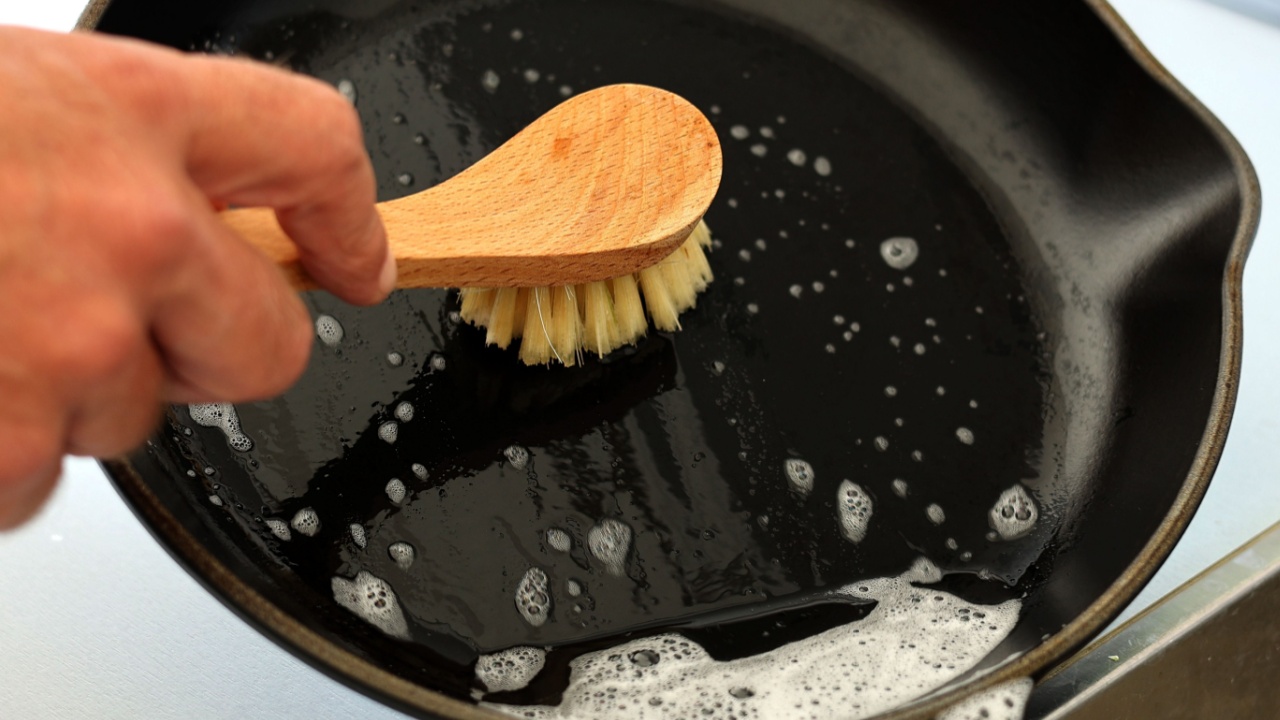
Image Credit: Shutterstock.
This is perhaps the most repeated cast iron commandment. The fear is that a single drop of dish soap will instantly strip away all your hard-earned seasoning, returning your beautiful, black skillet to a sad, rust-prone state. This myth has roots in a time when soap was much harsher. Early soaps were made with lye, a highly alkaline substance that could indeed damage the seasoning.
Today’s dish soaps are much milder detergents. They are designed to break down grease and food residue, but they are not strong enough to dissolve the polymerized oil that forms the seasoning on your pan. A little bit of soap and water is perfectly fine for cleaning a particularly messy or sticky pan. The real enemy of seasoning isn’t soap; it’s prolonged soaking or abrasive scrubbing with steel wool. Also, don’t put it in a dishwasher.
3. Myth: Acidic Foods Will Destroy the Seasoning
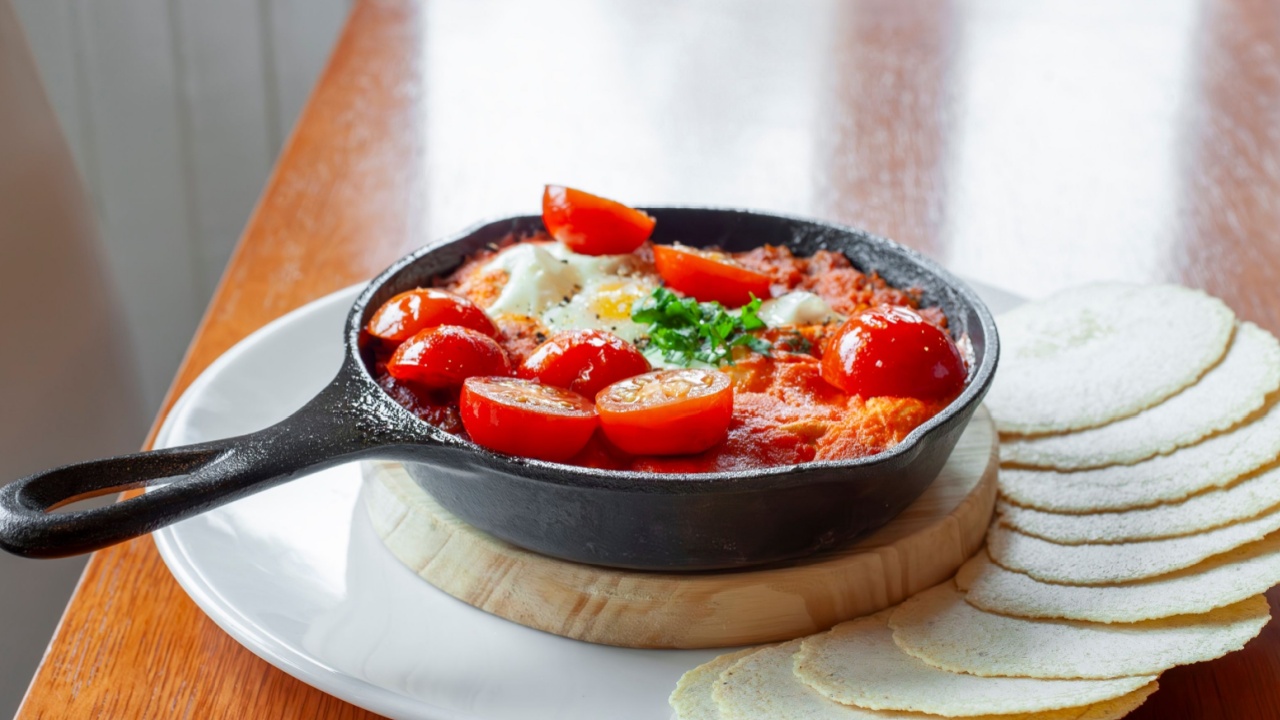
Image Credit: Shutterstock.
Another popular warning is to keep acidic ingredients like tomatoes, citrus, wine, and vinegar far away from your cast iron. The logic is that the acid will react with the metal, eat away at the seasoning, and impart a metallic taste to your food. While there is a sliver of truth here, the effect is often greatly exaggerated.
A well-seasoned pan can handle a bit of acid without any issue. The layers of polymerized oil create a barrier between the food and the iron itself. You can absolutely simmer a tomato sauce or deglaze a pan with a splash of wine. The key is duration. Cooking a quick pan sauce is fine. Slow-cooking a highly acidic chili for eight hours, however, might start to weaken the seasoning.
4. Myth: Cast Iron Heats Evenly
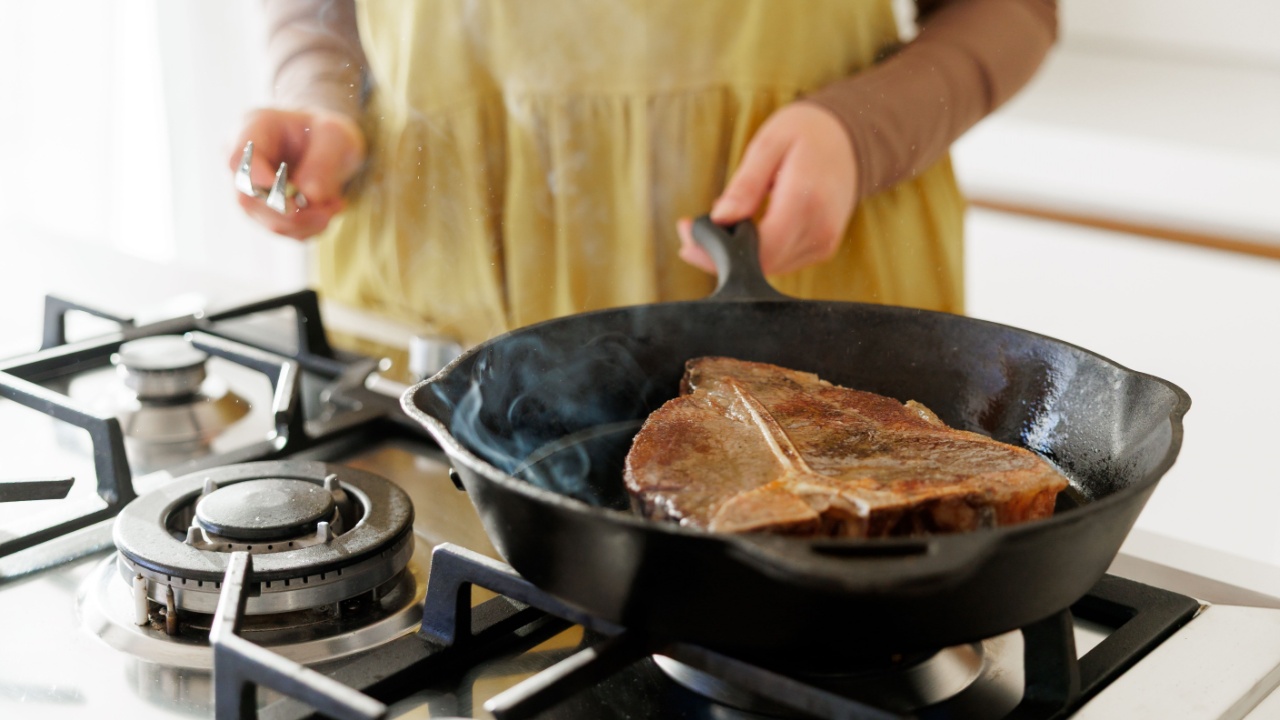
Image Credit: Shutterstock.
Because cast iron is so heavy and holds heat so well, many assume it must heat up evenly. This is a common misunderstanding of its properties. Iron is actually a poor conductor of heat compared to materials like aluminum or copper. This means that when you place a cast-iron skillet on a burner, the spot directly over the flame will get very hot, while other parts of the pan will remain much cooler.
The true strength of cast iron is its high heat retention. Once it gets hot, it stays hot. This is why preheating is so important. By letting your pan heat up gradually over medium heat for 5-10 minutes, you allow the heat to spread slowly across the entire surface. This creates the even, consistent temperature needed for a perfect sear on a steak or a golden-brown crust on cornbread.
5. Myth: Cast Iron is Indestructible
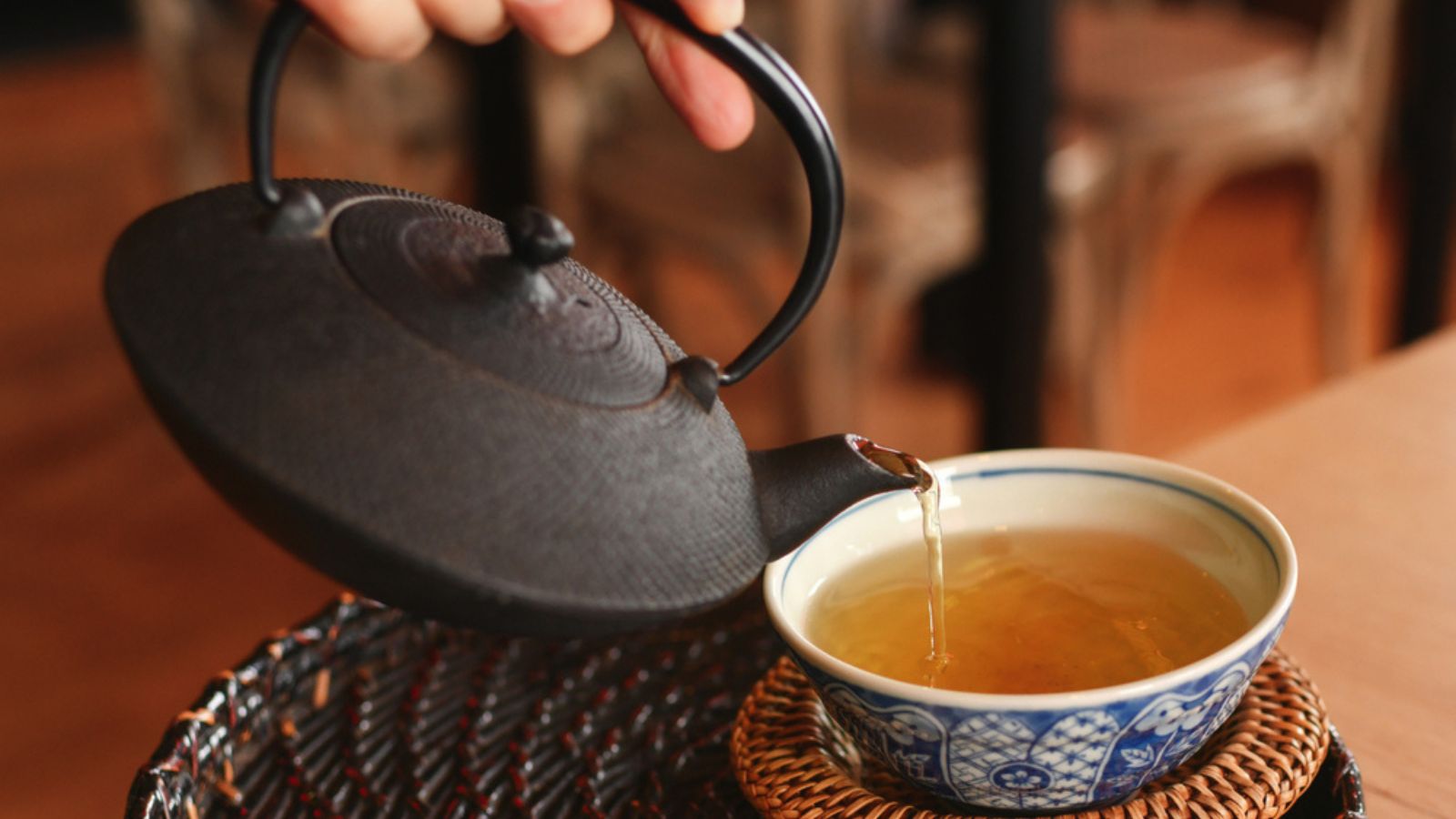
Image Credit: Deposit Photos.
With its hefty weight and solid build, a cast-iron pan feels like it could survive anything. While they are incredibly durable and can last for many generations, they are not invincible. The main vulnerability of cast iron is something called thermal shock. This happens when the pan experiences a rapid and extreme change in temperature.
Pouring cold water into a sizzling hot pan or moving it directly from a hot oven to a cold surface can cause the metal to crack or even shatter. The iron, while strong, is also brittle. A sudden temperature swing puts immense stress on the material. Another risk is dropping it. A hard impact on a tile floor or concrete patio can easily lead to a cracked handle or a broken pan. Treat it with respect, and it will serve you well for a lifetime.
6. Myth: Cooking Bacon Will Season Your Skillet
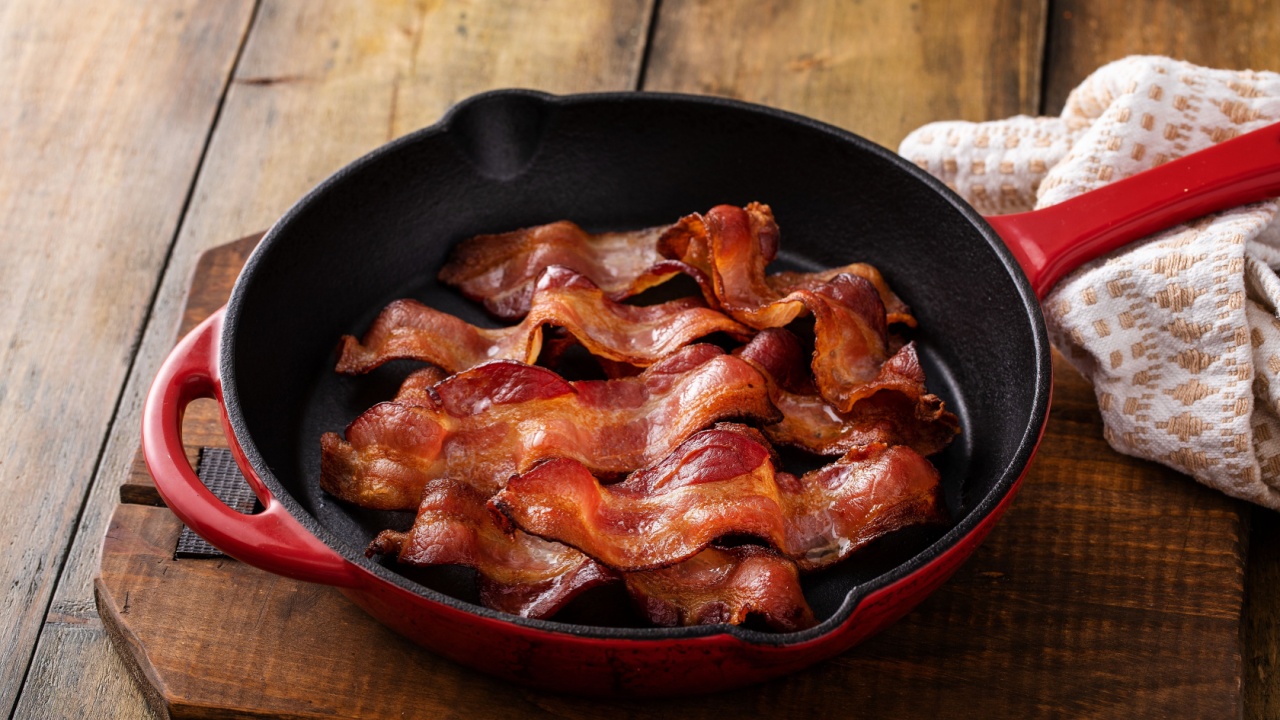
Image Credit: Shutterstock.
This might be the most delicious myth of all. The idea is that frying up a few strips of bacon will leave your pan with a perfect, slick layer of new seasoning. While cooking bacon does leave behind a good amount of fat, it doesn’t create the most effective seasoning. Modern bacon contains a lot more than just fat; it’s often cured with sugars and nitrates.
When cooked, these compounds can burn and leave a sticky, difficult-to-clean residue on your pan. This residue does not polymerize into a hard, durable seasoning. A better approach for seasoning is to use a neutral oil with a high smoke point, like canola, grapeseed, or vegetable oil. Applying a very thin layer of one of these oils and heating the pan is a much more reliable method for building a strong, non-stick surface.
Take Advantage of Cast Iron
Image Credit: Shutterstock.
The world of cast iron is filled with advice, but much of it is outdated or misunderstood. You have a lot of reasons to use a cast-iron pan. The best way to get comfortable with your pan is simply to use it. Don’t be afraid to experiment. Cook burgers, fry eggs, sear vegetables, and even bake a skillet cookie. Each time you cook, you are contributing to the pan’s unique character and performance.
Instead of trying to follow every rule you’ve ever heard, focus on a few simple principles. Keep your pan clean, keep it dry, and apply a very thin coat of oil after use if it looks dull. That’s it. This practical approach will turn your cast-iron skillet from a source of anxiety into your most trusted kitchen companion.