

You know that drawer. The one that requires a specific jiggle-and-lift maneuver to open because it’s jammed shut by something unidentifiable. Or that shelf in the garage that hasn’t seen daylight since the late 90s. We all have spots like these. They are silent monuments to good intentions and “just in case” anxieties.
Clutter is rarely just stuff; it’s usually deferred decisions or sentimental anchors weighing down our living spaces. Clearing it out makes room for new things and reclaims square footage for actual living rather than storage.
Below are fifteen of the most common offenders found in homes everywhere.
1. VHS Tapes
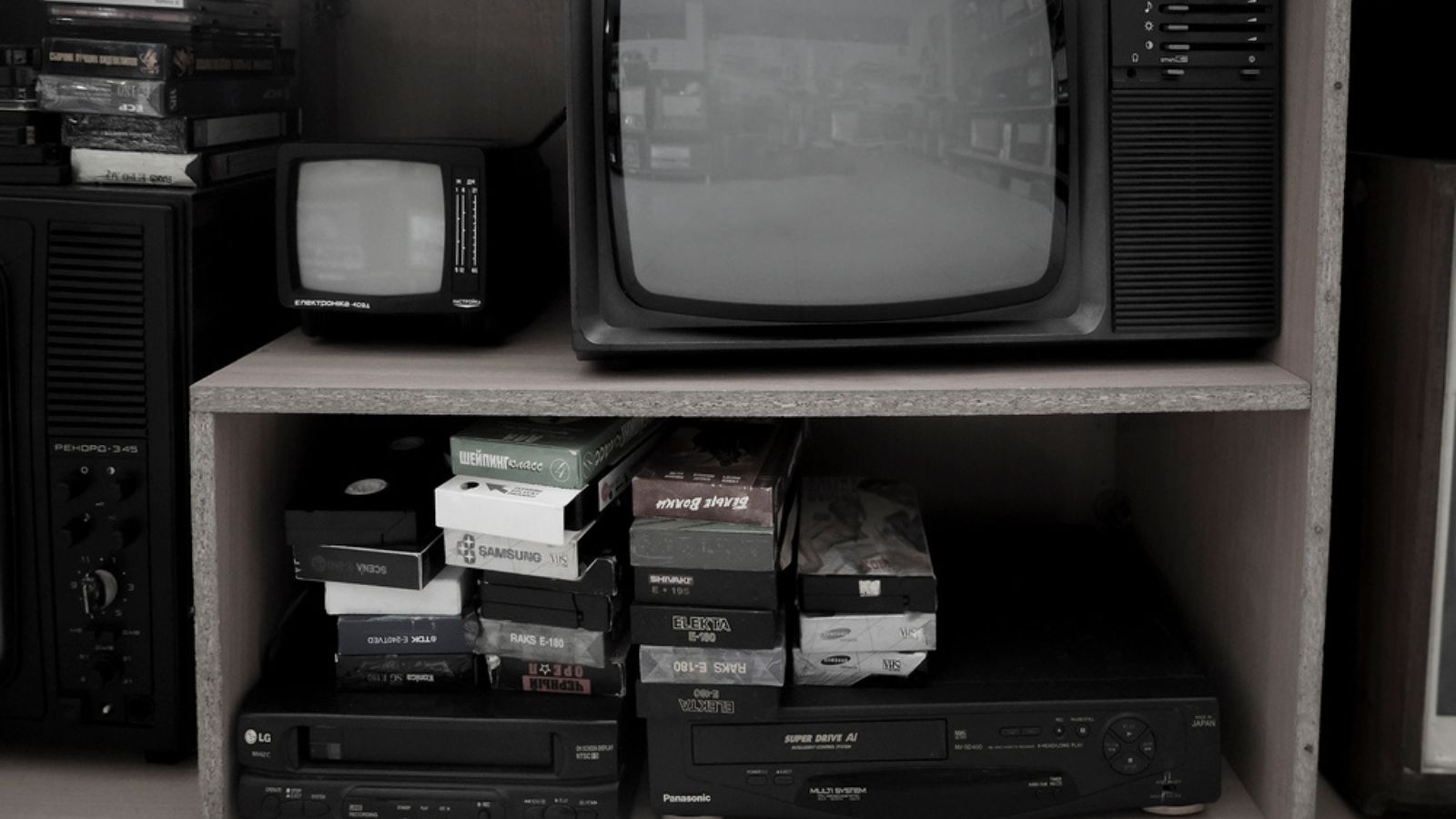
Image Credit: Deposit Photos.
Remember the ritual of rewinding? It was a simpler time. But unless you have a working VCR hooked up to your main television and a burning desire to watch grainy footage of a birthday party from 1996, these plastic bricks are serving zero function.
They are bulky, degrade over time, and take up shelves that could hold books or plants. Digitizing these memories is easier than ever. Services exist to transfer them to the cloud or a hard drive. For commercial movies, chances are high that streaming services or a $3 digital rental can replace that clamshell case collecting dust.
2. Old Magazines
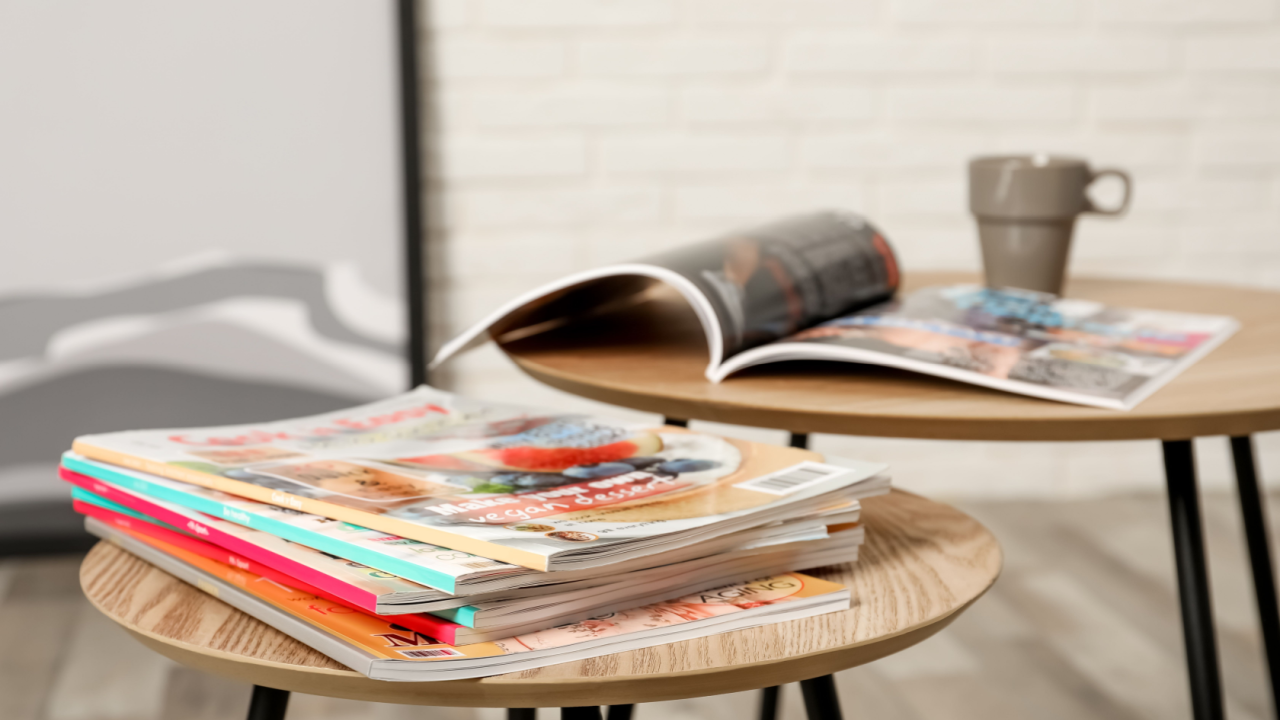
Image Credit: Shutterstock.
Recipes you swore you’d cook. Decorating ideas for a house you don’t own yet. Celebrity gossip from three relationships ago. Stacks of magazines are heavy, slippery, and surprisingly hard to organize.
Information moves fast now. That lasagna recipe is online, probably with a video tutorial. The fashion trends from 2012 aren’t coming back anytime soon. Keeping these stacks creates visual noise and physical obstacles. If there is a specific article you truly need, tear it out or take a photo. Then let the rest of the glossy paper go.
3. Unused Exercise Equipment
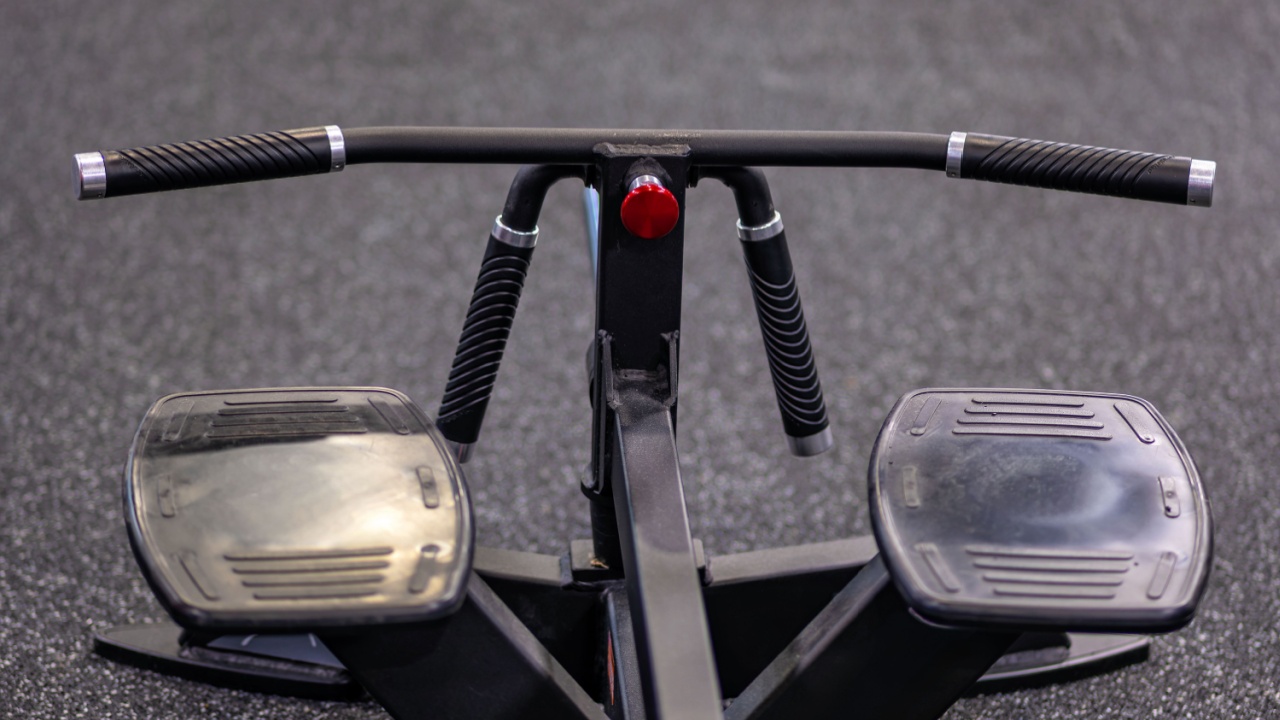
Image Credit: Shutterstock.
The stationary bike that currently functions as a very expensive clothes hanger is a classic trope for a reason. It represents the person we wanted to be at 2 AM on New Year’s Day. But if it hasn’t been pedaled in six months, it’s just furniture that makes you feel guilty.
Exercise gear is bulky. It dominates corners and basements. If you aren’t using it, you are paying rent on a machine that judges you. Selling it or giving it away to someone who will actually use it frees up significant floor space and mental bandwidth.
4. Expired Canned Goods
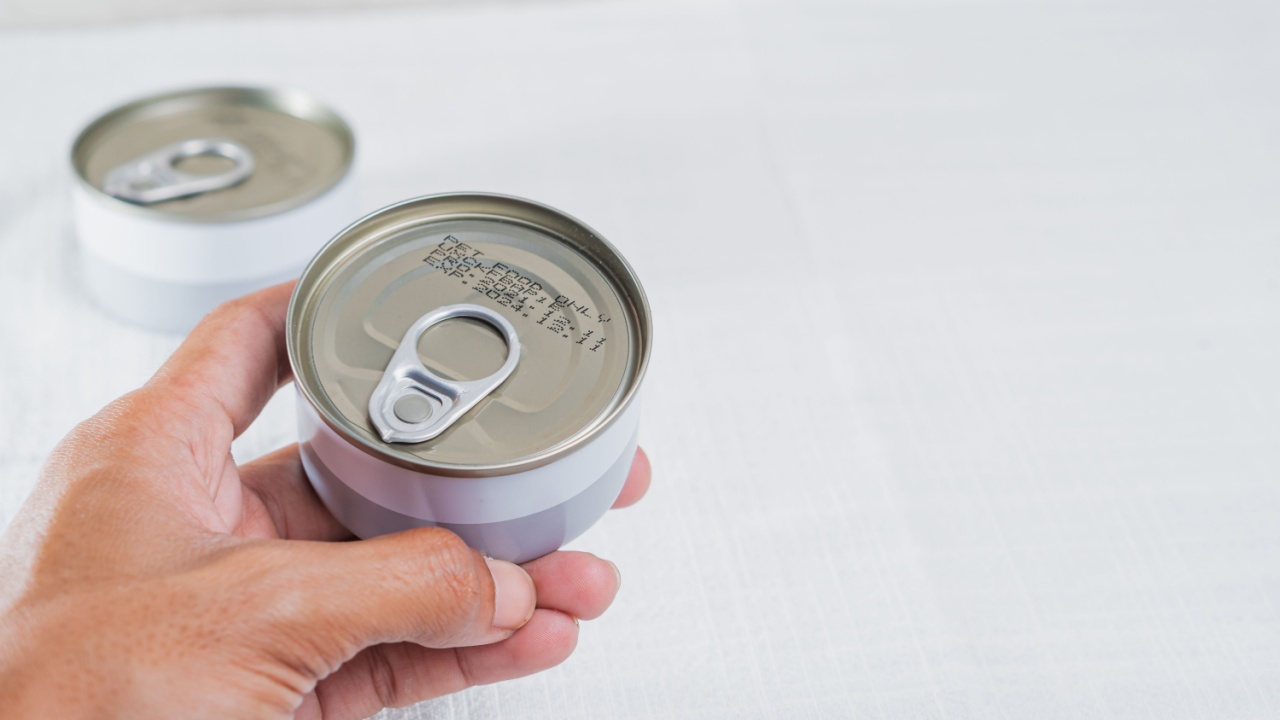
Image Credit: Shutterstock.
Pantries are often graveyards for good intentions. That can of artichoke hearts bought for a specific recipe in 2018? It’s likely past its prime. Cans get pushed to the back, hidden behind the cereal boxes, and forgotten until moving day.
Food safety is important. Bulging or rusted cans are dangerous, but even just “old” food loses nutritional value and flavor. Keeping expired goods clutters the pantry, making it harder to find what you actually want to eat and leading to accidental duplicate purchases.
5. Old Chargers and Cables
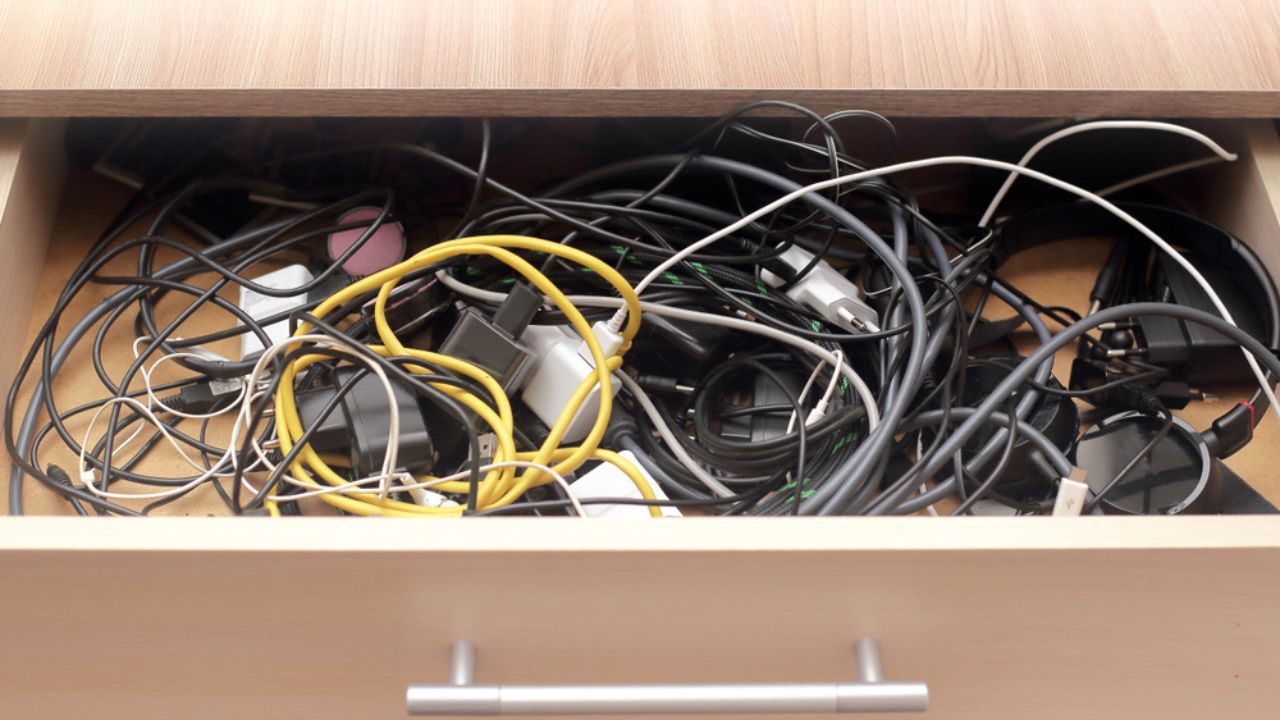
Image Credit: Shutterstock.
Somewhere in every house is a tangled ball of wires known as “The Snake Pit.” It contains chargers for phones that haven’t existed for a decade, proprietary cables for cameras long lost, and mystery cords that fit nothing currently owned.
Technology standards change. Mini-USB has largely vanished. If you don’t know what a cable charges, you probably don’t have the device anymore. Keeping these creates confusion when you actually need a specific cord. Pair the cords to a working device, and take the mystery orphans to an electronics recycling drop-off.
6. Unused Wedding Gifts
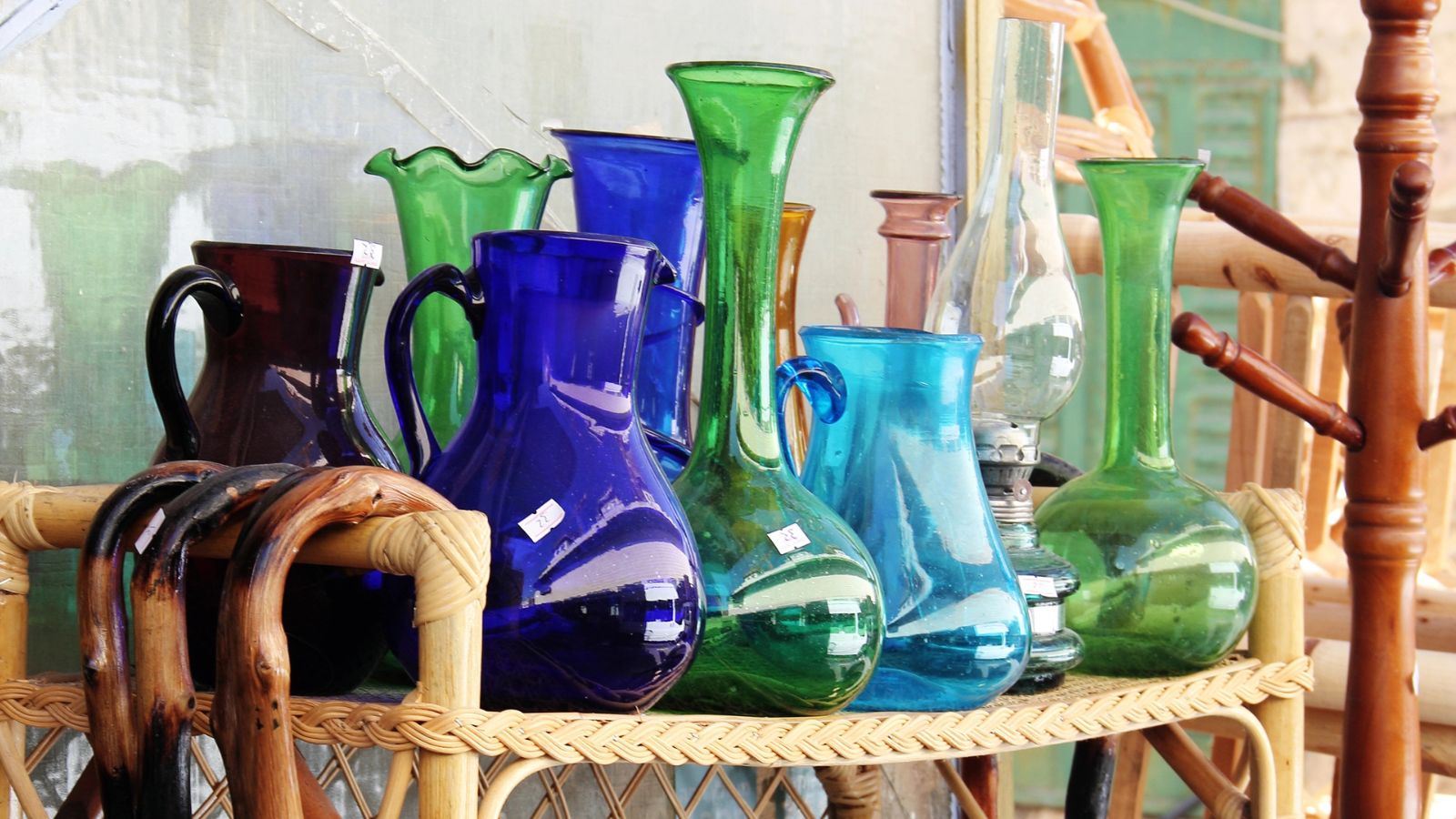
Image credit: Deposit Photos.
The crystal vase (or 10) that isn’t your style. The electric fondue set. The monogrammed towels with initials that don’t match your name anymore. Guilt is a powerful adhesive, keeping these items in cupboards for years. Gifts are about the gesture, not the object. Once the “thank you” note is sent, the obligation ends.
Keeping an item you dislike out of obligation breeds resentment every time you see it. It is perfectly acceptable to rehome these items to someone who will cherish them. If you don’t love it or plan to use it, donate or sell without guilt. You can also pass it along (carefully) if it’s brand new and perfect for someone else.
7. Old Receipts
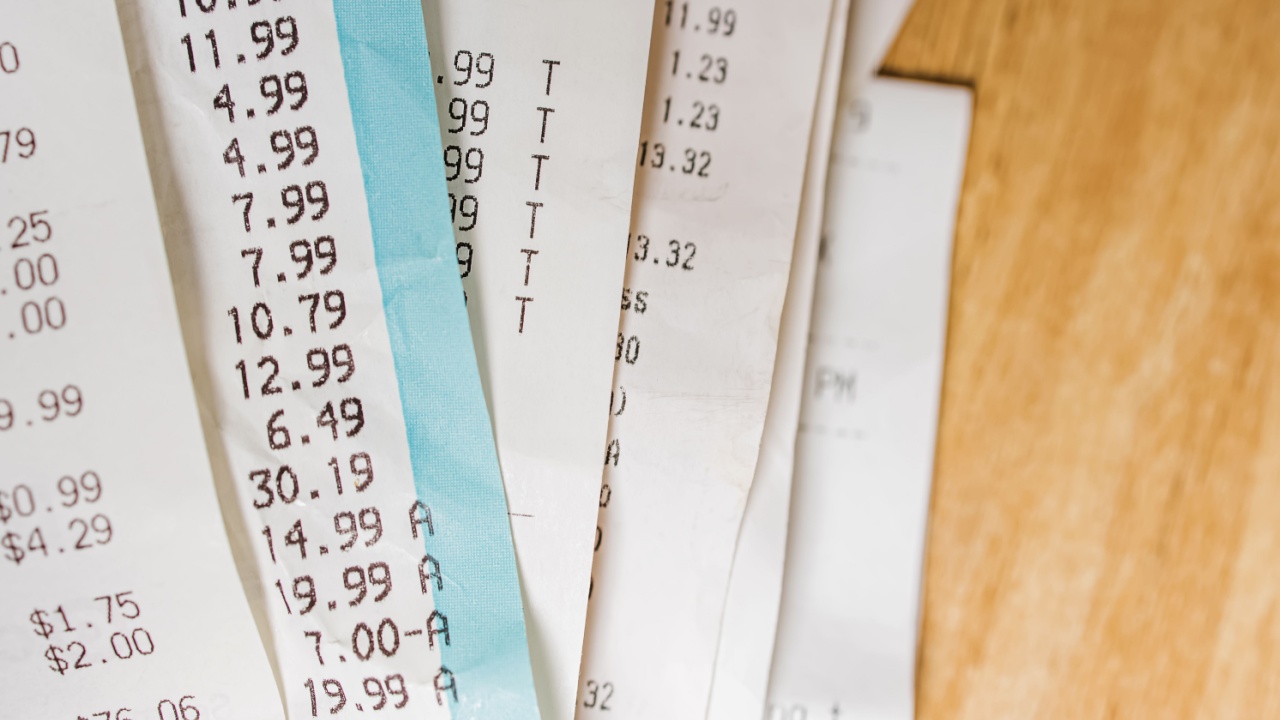
Image Credit: Shutterstock.
Unless you are running a business or tracking a specific warranty, that faded strip of paper from a grocery run three years ago is useless. Thermal paper fades, often becoming illegible anyway. Storing unnecessary paper creates a needle-in-a-haystack situation when you need to find an important document like a tax return or a birth certificate.
Most banking and credit card statements are digital now, making physical proof of a $12 lunch unnecessary. Keep only receipts for taxes or active warranties. Snap photos of receipts you might need later and destroy the rest to protect partial card numbers.
8. Half-Empty Paint Cans
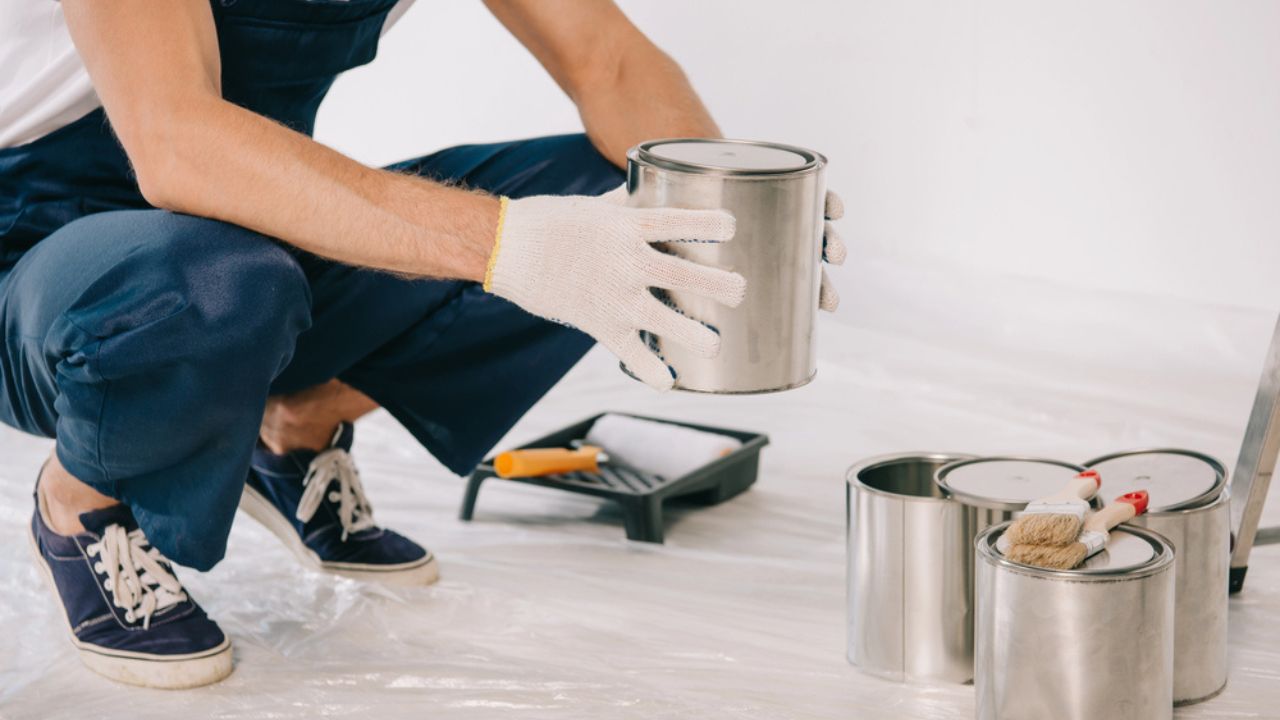
Image Credit: Deposit Photos.
“I might need to touch up that wall.” It’s a valid thought, but paint expires. It separates, clumps, and smells terrible after sitting in a garage through freezing winters and hot summers. Walls fade, so the paint in the can often won’t match the wall anymore anyway.
Stacks of rusting metal cans are a hazard and a waste of space. If you need to keep the color info, paint a swatch on a card, write the formula code on the back, and toss the liquid. Open cans to see if the paint is still liquid and smooth. If you will still need it in the future, take a photo of the label with the color code. Use kitty litter to dry out latex paint before disposal. Check your local laws to see what is recommended.
9. Unmatched Socks
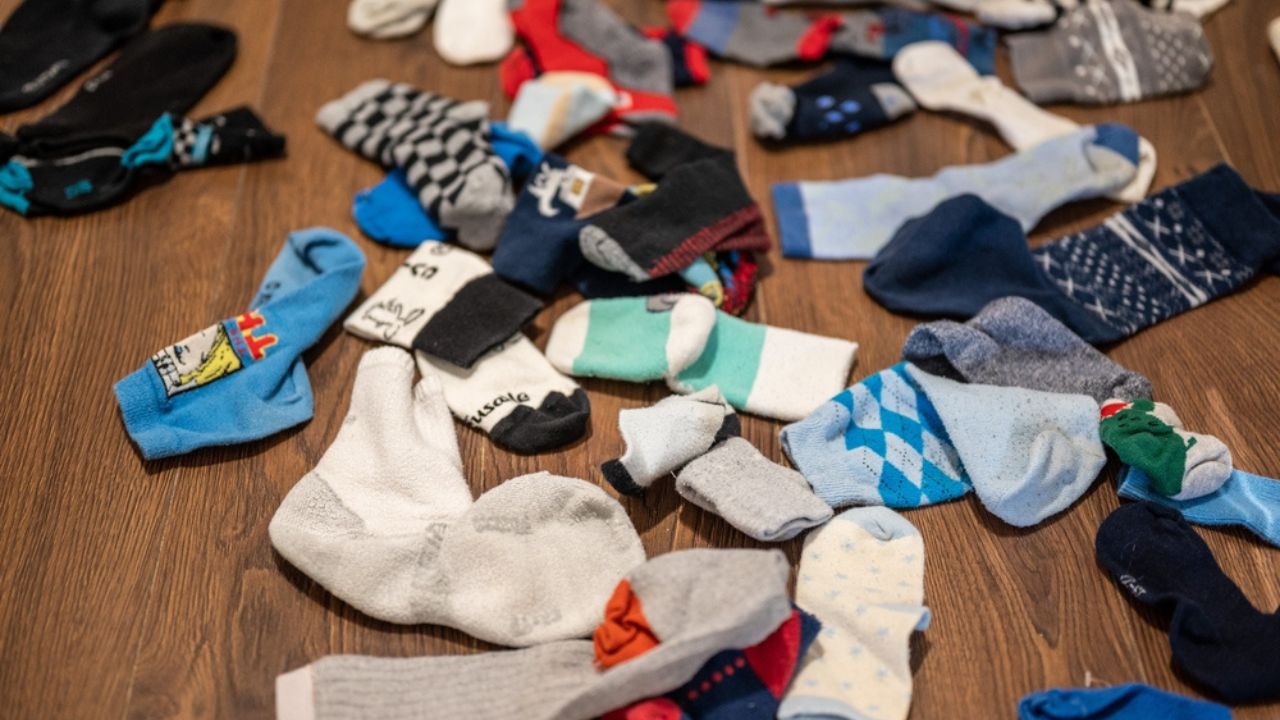
Image Credit: Shutterstock.
The dryer eats socks. It’s a fact of life. Holding onto a single argyle sock in the hopes that its partner will return from the void is optimism bordering on delusion. A bag of single socks is just a bag of rags. If the match hasn’t turned up after a few laundry cycles, it is gone.
Keeping the survivor only clutters the drawer and makes getting dressed in the morning more frustrating than it needs to be. To get rid of them, put all singles in one pile and give them two weeks for a mate to appear. Use orphans for dusting or toss them.
10. “Just-in-Case” Kitchen Gadgets
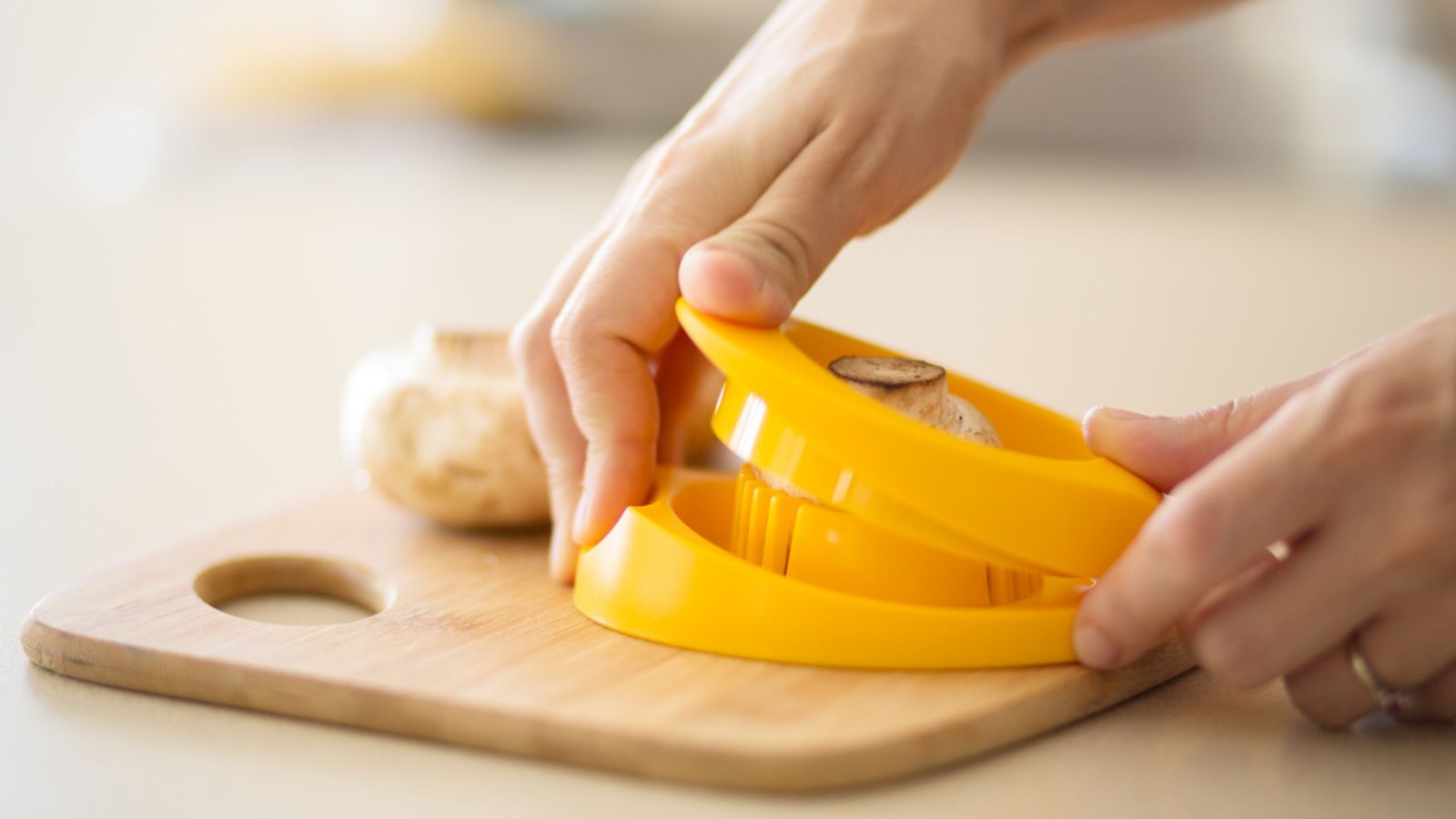
Image Credit: Deposit Photos.
The strawberry huller. The avocado slicer. The egg separator. These single-use tools are often marketed as time-savers but end up jamming drawers. A decent knife and a fork can do the job of twenty “specialized” plastic gadgets. If a tool only does one very specific thing and you only do that thing once a year, the tool is not earning its keep.
Professional kitchens rely on versatile tools; home kitchens should too. Identify tools that duplicate the function of a knife or spoon. Put questionable gadgets in a “purgatory box.” If you haven’t opened the box in a couple of months, donate the contents.
11. Expired Medications
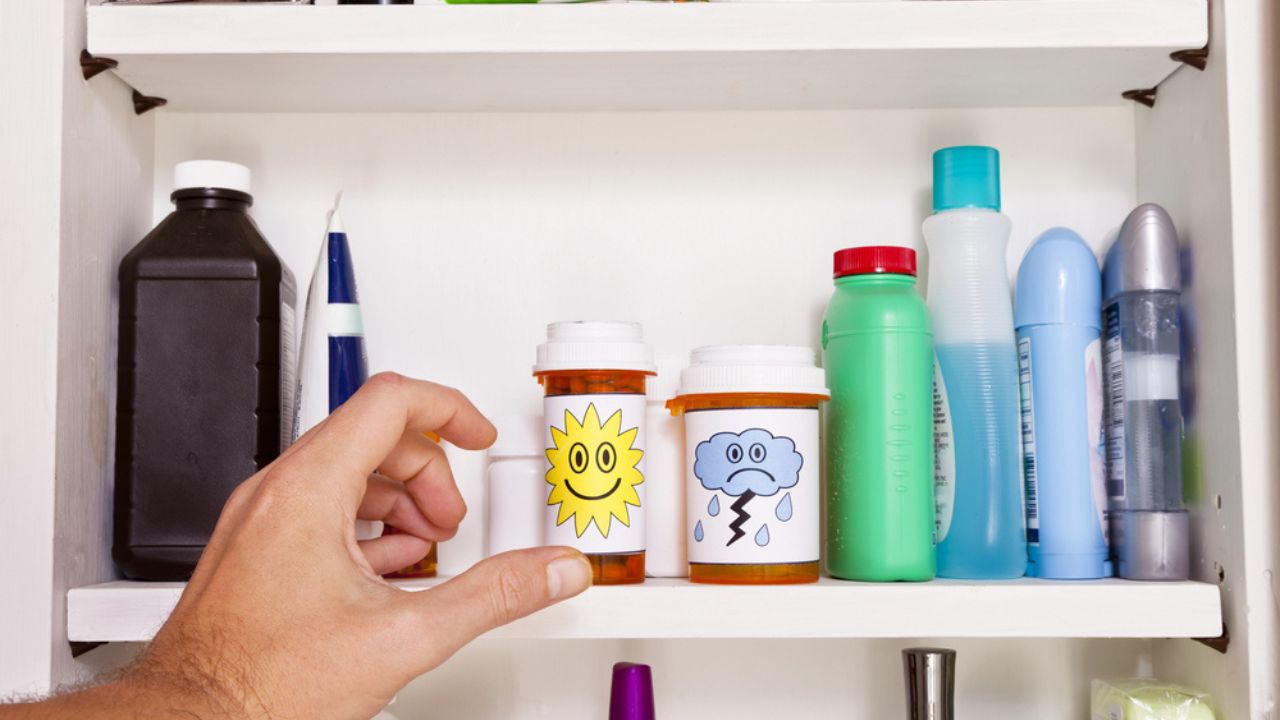
Image Credit: Deposit Photos.
Medicine cabinets are often time capsules of past ailments. Old antibiotics, expired painkillers, and crusty tubes of ointment are not just useless; they can be dangerous. Chemical compositions change over time, making drugs less effective or potentially harmful.
Storing these takes up space and creates confusion during a late-night headache when you need something that works. Read the expiration dates on every bottle and tube. Do not flush meds down the toilet; find a local pharmacy with a safe disposal drop-box.
12. Old Batteries
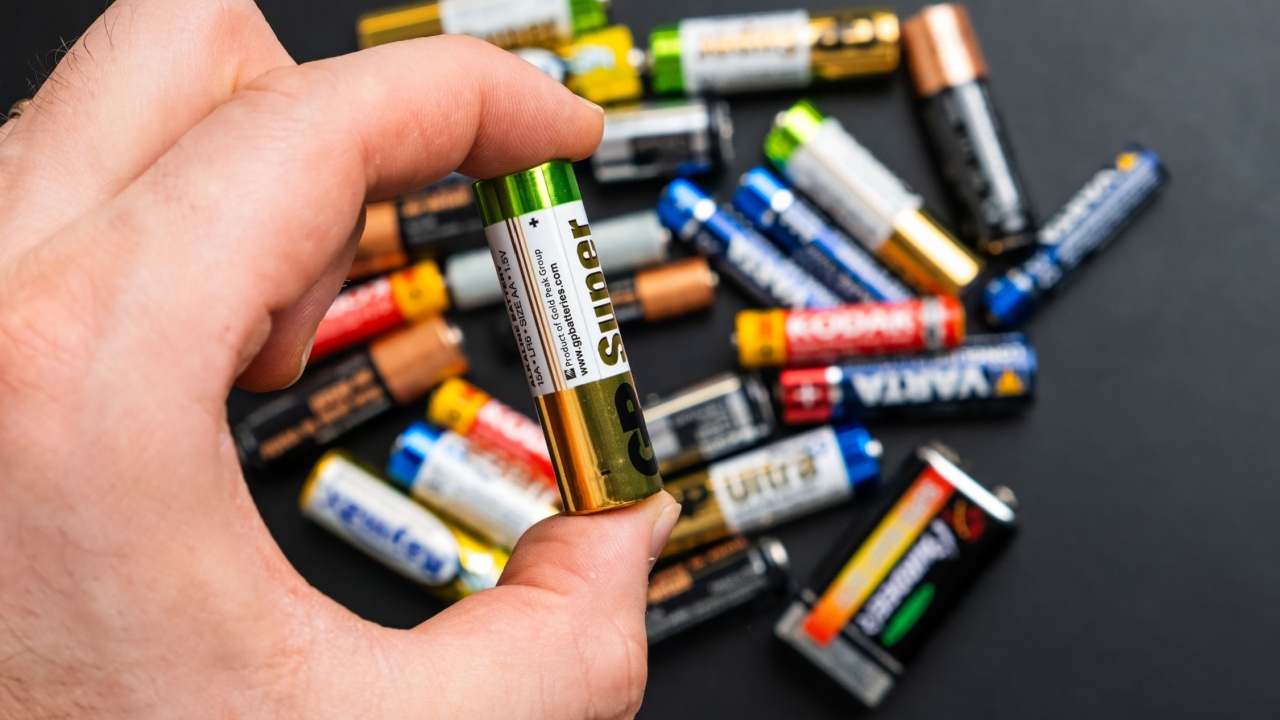
Image Credit: Vladimka production / Shutterstock.
Most people have that drawer with loose batteries rolling around. Are they new? Are they dead? Who knows. Keeping dead batteries mixed with fresh ones is a recipe for frustration when the remote dies. Alkaline batteries can leak, ruining whatever drawer or container they are in.
Testing them takes seconds; use a battery tester or put them in a device to check the charge. Store fresh batteries in a dedicated organizer. Tape the ends of dead batteries and take them to a recycling center.
13. Childhood Toys You No Longer Use

Image Credit: Shutterstock.
Nostalgia is heavy. You might be holding onto a box of Beanie Babies or broken action figures, thinking they are valuable collectibles or that your future grandchildren will want them. Usually, neither is true. Plastic degrades, and kids generally prefer modern toys or their own discoveries.
Storing boxes of toys for decades often results in musty, brittle plastic that no one wants to play with. Keep a few sentimental favorites and let the rest go. Pick 3-5 absolute favorites to keep as mementos. You can do a quick eBay check to see if anything is actually valuable. Give the rest to charities while they are still playable. You may want to get rid of some toys that are bringing negative energy, too.
14. Packaging Boxes

Image Credit: Shutterstock.
I don’t know anything that holds imaginary potential like the packaging boxes our gadgets come in. The phone box feels sturdy. It slides open with a satisfying whoosh. But you are never going to put the phone back in it. You don’t need the box for the warranty.
Keeping boxes “for resale value” rarely pays off relative to the space they consume in closets and attics. They are literally empty cardboard boxes filled with air. If you must keep a box, flatten it. Otherwise, make sure no manuals or parts are hidden inside and put the cardboard in the recycling bin.
15. Clothes You Don’t Wear

Image Credit: Shutterstock.
Closets often adhere to the Pareto Principle: we wear 20% of our clothes 80% of the time. The rest are mainly items that don’t fit, scratchy sweaters, and pants bought for a fantasy lifestyle. Clothes need air circulation. Jamming a closet full of unworn garments creates wrinkles and muskiness.
It also makes getting dressed stressful because you are constantly confronting items that make you feel bad about your body or your choices. Try on your clothes; if they don’t fit right now, they go. Turn all hangers backward; if you wear it, turn it forward. After six months, get rid of anything still facing backward.
Getting Your Space Back

Image Credit: Deposit Photos.
Clearing out items from your space doesn’t mean you strive for an aesthetic where you own one fork and a yoga mat. You will be removing the friction from your daily life. The house didn’t get filled up in a day, and it won’t get cleared out in one either. But removing the obviously useless stuff that is making your home unnecessarily cluttered is the fastest way to feel lighter in your own home.