
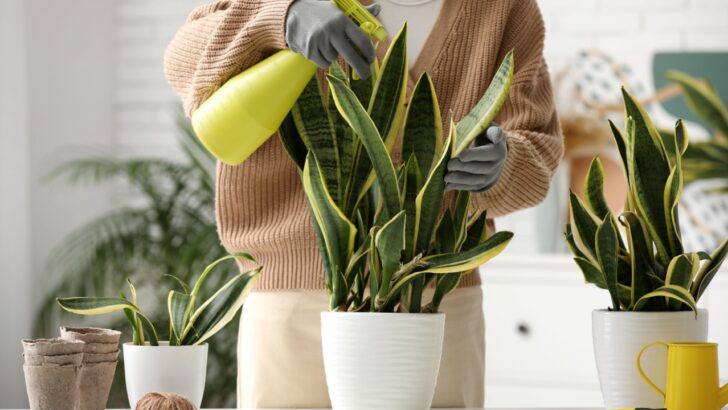
The snake plant, or Dracaena trifasciata, is a champion of houseplants. Its striking, sword-like leaves and incredible resilience make it a favorite for both seasoned plant parents and beginners. Known for its ability to tolerate low light and infrequent watering, it’s often hailed as nearly indestructible. However, even this tough survivor has an Achilles’ heel: improper watering. The right hydration strategy can mean the difference between a thriving, vibrant plant and one that’s struggling to survive.
Getting the watering routine right is the single most important aspect of snake plant care. Too much love in the form of water can quickly lead to root rot, the most common killer of these hardy plants. On the other hand, while they are drought-tolerant, forgetting them completely can cause their beautiful leaves to wither. This guide will walk you through the 11 most common watering mistakes so you can keep your snake plant happy and healthy for years to come.
1. Watering on a Strict Schedule
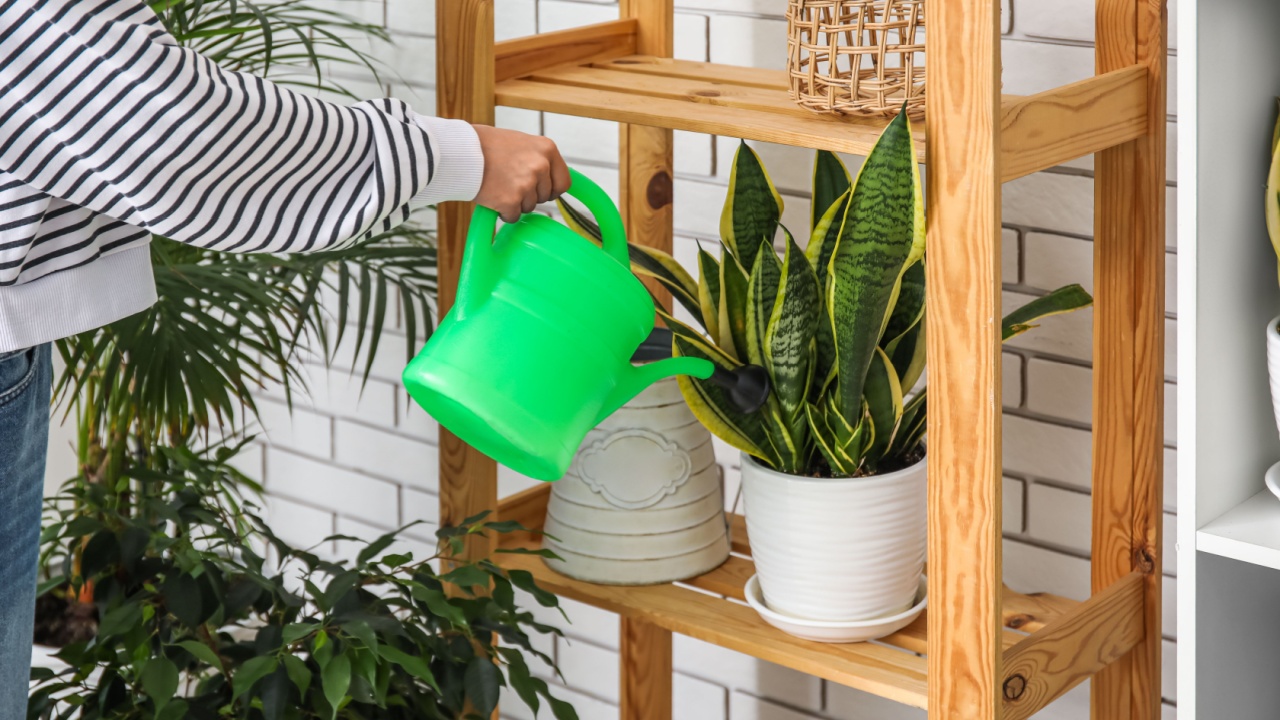
Image Credit: Shutterstock.
One of the most frequent errors in plant care is watering on a fixed schedule, like every Saturday morning. While routine can be helpful, snake plants’ water needs change based on their environment. Factors like light, temperature, humidity, and time of year all influence how quickly the soil dries out. Sticking to a rigid calendar ignores these variables and can easily lead to overwatering.
Instead of watching the calendar, watch your plant and its soil. The best approach is to check the soil’s moisture level directly. This allows you to provide water only when the plant actually needs it, creating a much healthier root system.
Quick Guide:
- Don’t: Water every week without fail.
- Do: Check the soil every week or two.
- Why: Prevents overwatering by responding to the plant’s current needs, which fluctuate with the seasons and indoor conditions.
2. Not Letting the Soil Dry Out Completely

Image Credit: Shutterstock.
Snake plants are native to arid regions of West Africa, so their roots are adapted to dry conditions. They absolutely despise sitting in damp soil. When the soil remains moist for extended periods, it cuts off oxygen to the roots, creating the perfect environment for fungal diseases and root rot. This is, without a doubt, the fastest way to harm your snake plant.
Before you even think about reaching for the watering can, test the soil. A good rule of thumb is to stick your finger about two inches deep into the pot. If you feel any moisture, hold off on watering. For larger pots, you may need to check even deeper. The goal is to let the soil become almost completely dry all the way through before you water again.
Quick Guide:
- Don’t: Water when the top inch of soil is dry.
- Do: Wait until the soil is dry at least two inches down, or even further for larger pots.
- Why: Mimics their natural arid habitat and prevents root rot, the most common cause of snake plant decline.
3. Using the Wrong Type of Soil
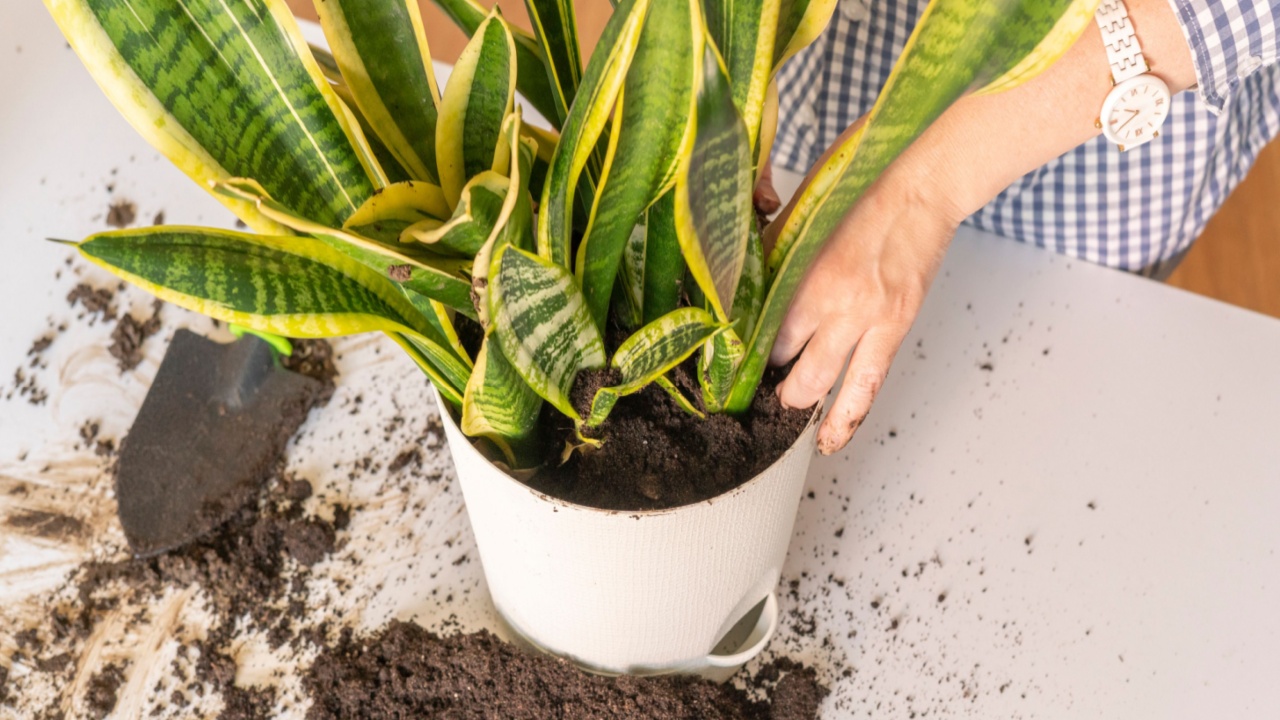
Image Credit: Shutterstock.
The soil you use is just as important as your watering habits. A standard, all-purpose potting mix is designed to retain moisture, which is great for many tropical plants but disastrous for a snake plant. This type of soil will stay wet for far too long, compact around the roots, and inevitably lead to rot.
Your snake plant needs a soil mix that drains quickly and provides plenty of aeration. The ideal solution is a pre-made cactus or succulent mix. You can also create your own by mixing one part standard potting soil with one part perlite and one part coarse sand or pumice. This combination ensures that water flows through freely and the roots have access to the oxygen they need.
Quick Guide:
- Don’t: Use a standard potting mix alone.
- Do: Use a well-draining cactus/succulent mix or amend potting soil with perlite and sand.
- Why: A fast-draining soil prevents water from logging at the root level, ensuring proper aeration and preventing decay.
4. Choosing a Pot Without Drainage

Image Credit: Shutterstock.
A decorative pot without drainage holes might look beautiful, but it’s a death trap for a snake plant. When there’s no way for excess water to escape, it pools at the bottom of the pot, creating a swampy environment for the roots. Even if you’re careful not to overwater, this stagnant water will suffocate the roots and cause them to rot.
Always choose a pot with at least one drainage hole. Terracotta pots are an excellent choice because the porous material helps wick moisture away from the soil, aiding in the drying process. If you fall in love with a decorative pot that lacks drainage, you can use it as a “cachepot.” Simply keep your snake plant in its plastic nursery pot (with holes) and place it inside the decorative one. When you water, remove the inner pot, let it drain completely, and then place it back.
Quick Guide:
- Don’t: Plant directly into a pot without drainage holes.
- Do: Use a pot with drainage holes or use a cachepot system.
- Why: Allows excess water to escape, preventing it from pooling at the bottom and causing root rot.
5. Not Adjusting for Winter Dormancy
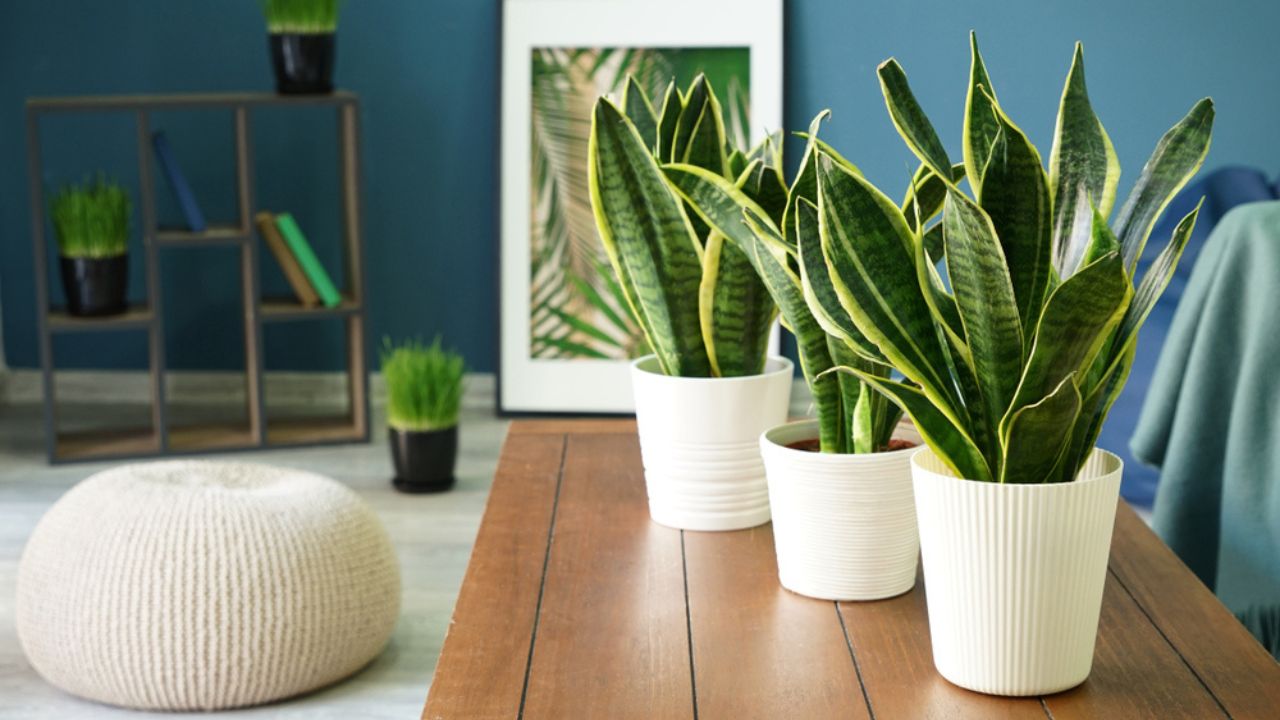
Image Credit: Shutterstock.
Like many plants, snake plants have a growing season (spring and summer) and a dormant period (fall and winter). During winter, when light levels are lower and temperatures are cooler, the plant’s growth slows down significantly. As a result, its water requirements decrease dramatically. Continuing to water with the same frequency as you did in the summer is a recipe for disaster.
In the winter, you should reduce your watering frequency to as little as once every one to two months. The key is to be even more vigilant about checking the soil moisture. The soil will take much longer to dry out, so be patient and wait until it’s thoroughly dry before providing another drink.
Quick Guide:
- Don’t: Water with the same frequency year-round.
- Do: Reduce watering to once every 4-8 weeks during fall and winter.
- Why: The plant’s metabolism slows in winter, so it uses much less water. Adjusting your schedule prevents waterlogging during its dormant phase.
6. Watering the Leaves Instead of the Soil
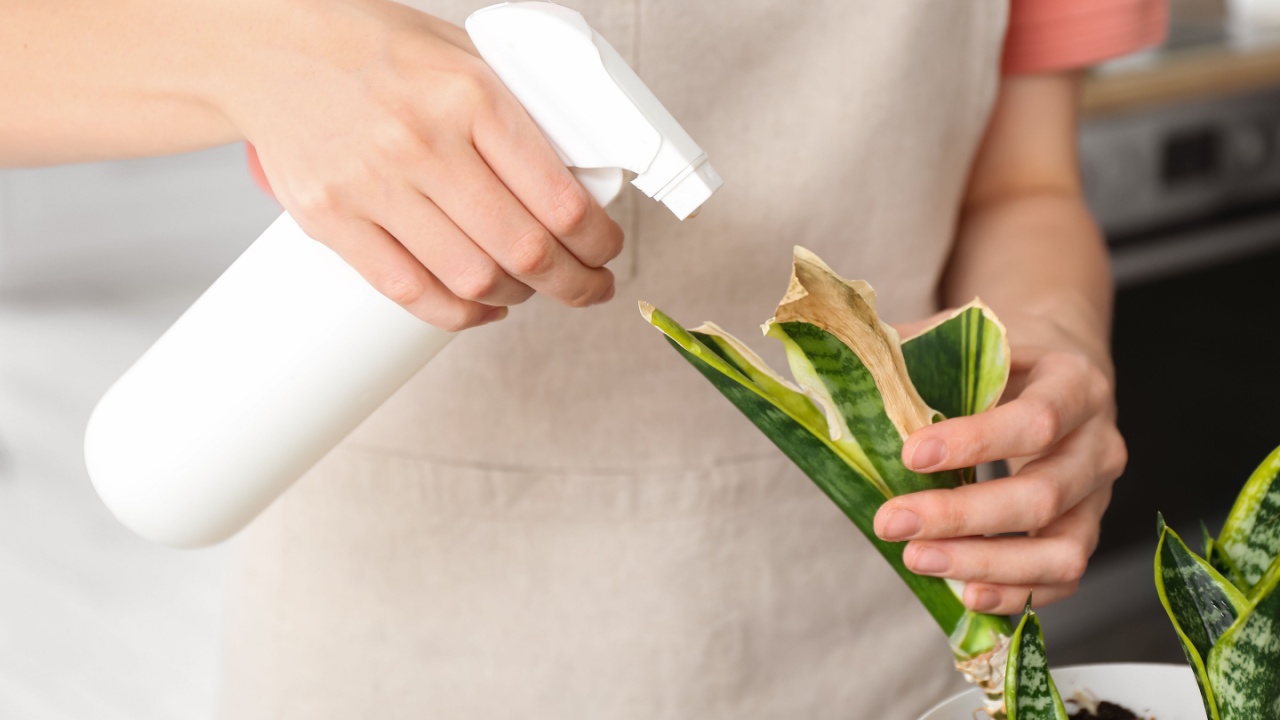
Image Credit: Shutterstock.
Snake plants have beautiful, rosette-like growth where the leaves emerge from the base. When you water from above, water can easily get trapped in the center of this rosette and between the tightly packed leaves. This standing water doesn’t get absorbed by the plant and can lead to fungal spots, crown rot, and other bacterial issues that can quickly spread and damage the plant.
Always aim to water the soil directly, not the foliage. Use a watering can with a long, thin spout to direct the water to the base of the plant, right onto the soil surface. This ensures the roots get the hydration they need without putting the leaves and crown at risk.
Quick Guide:
- Don’t: Pour water over the top of the plant and its leaves.
- Do: Water directly onto the soil at the base of the plant.
- Why: Keeps the leaves and crown dry, preventing fungal growth and rot in the crevices of the plant.
7. Using Water Straight from the Tap
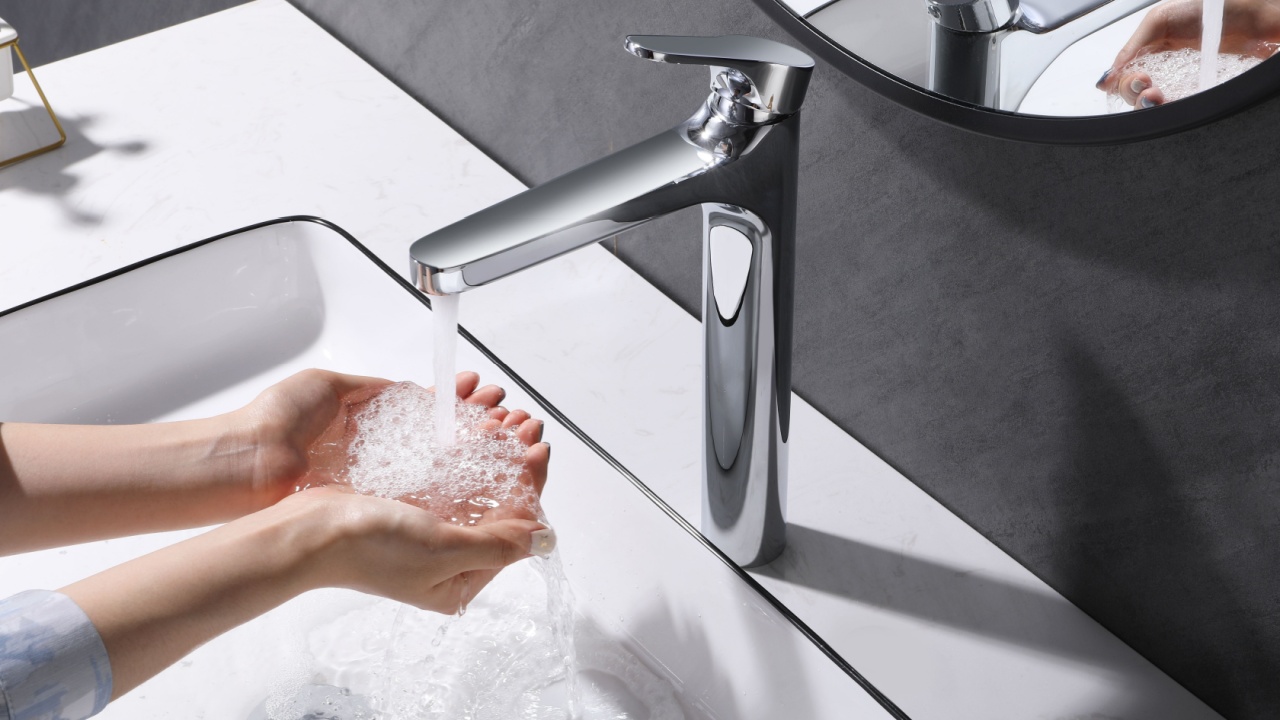
Image Credit: Shutterstock.
While snake plants are tough, they can be sensitive to the chemicals found in some municipal tap water, such as chlorine and fluoride. Over time, these minerals can build up in the soil and may cause issues like brown, crispy leaf tips. This is more of a long-term aesthetic issue than a fatal one, but it can detract from the plant’s appearance.
For the happiest plant, consider using filtered water, distilled water, or even rainwater. If tap water is your only option, you can improve its quality by letting it sit out in an open container for at least 24 hours. This allows some of the chlorine to evaporate, making it gentler on your plant.
Quick Guide:
- Don’t: Use hard tap water full of chemicals directly on your plant.
- Do: Use filtered water, rainwater, or let tap water sit out overnight.
- Why: Avoids the buildup of minerals like chlorine and fluoride, which can cause brown leaf tips over time.
8. Not Considering Light and Humidity Levels

Image Credit: Depositphotos.com.
A snake plant’s environment dictates its thirst. A plant sitting in a bright, sunny window will photosynthesize more actively, and its soil will dry out much faster than a plant in a dim corner. Similarly, a plant in a dry, heated room will lose moisture more quickly than one in a humid bathroom. Not adjusting your watering routine for these factors can lead to problems.
Pay attention to where your plant lives. If it’s in a high-light spot, you’ll need to check the soil more frequently. If it’s in a low-light area, be extra cautious about overwatering. Likewise, in very humid climates, you may need to extend the time between waterings.
Quick Guide:
- Don’t: Use a one-size-fits-all watering approach for plants in different locations.
- Do: Water more often for plants in bright light and dry air; water less for plants in low light and high humidity.
- Why: Environmental conditions directly impact how quickly the soil dries out and how much water the plant uses.
9. Shallow or Frequent Watering

Image Credit: Shutterstock.
Giving your snake plant small, frequent sips of water is another common mistake. This practice only moistens the top layer of soil, encouraging a shallow and weak root system. The deeper roots, which are crucial for anchoring the plant and absorbing nutrients, are left dry. It can also lead to a buildup of mineral salts on the soil surface.
Instead, practice the “soak and dry” method. When it’s time to water, do so thoroughly. Pour water evenly over the soil surface until it begins to flow freely out of the drainage holes. This deep watering ensures that the entire root ball is saturated. After a good soak, let the pot drain completely and then wait for the soil to dry out fully before you water again.
Quick Guide:
- Don’t: Give the plant little splashes of water frequently.
- Do: Water deeply and thoroughly until it drains from the bottom, then wait for the soil to dry out completely.
- Why: Encourages deep, strong root growth and flushes out excess mineral salts from the soil.
10. Ignoring Signs of Distress
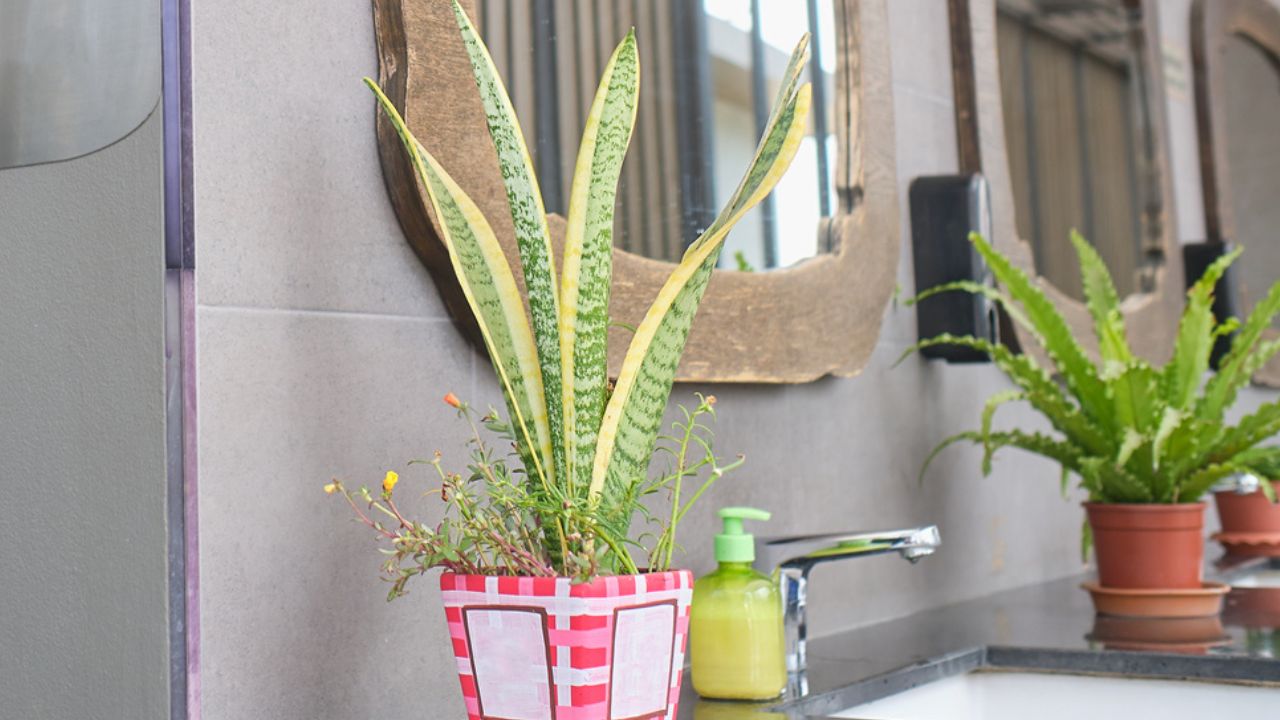
Image Credit: Shutterstock.
Your snake plant will give you clear signals when it’s unhappy with its watering situation. Ignoring these signs and sticking to your routine is a missed opportunity to correct a problem before it becomes severe.
Yellowing, soft, or mushy leaves are classic signs of overwatering and root rot. Wrinkled, drooping, or curling leaves typically indicate the plant is thirsty and dehydrated. By paying close attention to the foliage, you can get valuable feedback on whether you need to water more or less.
Quick Guide:
- Don’t: Water on autopilot without observing your plant.
- Do: Look for signs like yellow, mushy leaves (overwatering) or wrinkled leaves (underwatering).
- Why: The plant’s leaves provide the best clues about its health and watering needs.
11. Using Cold Water
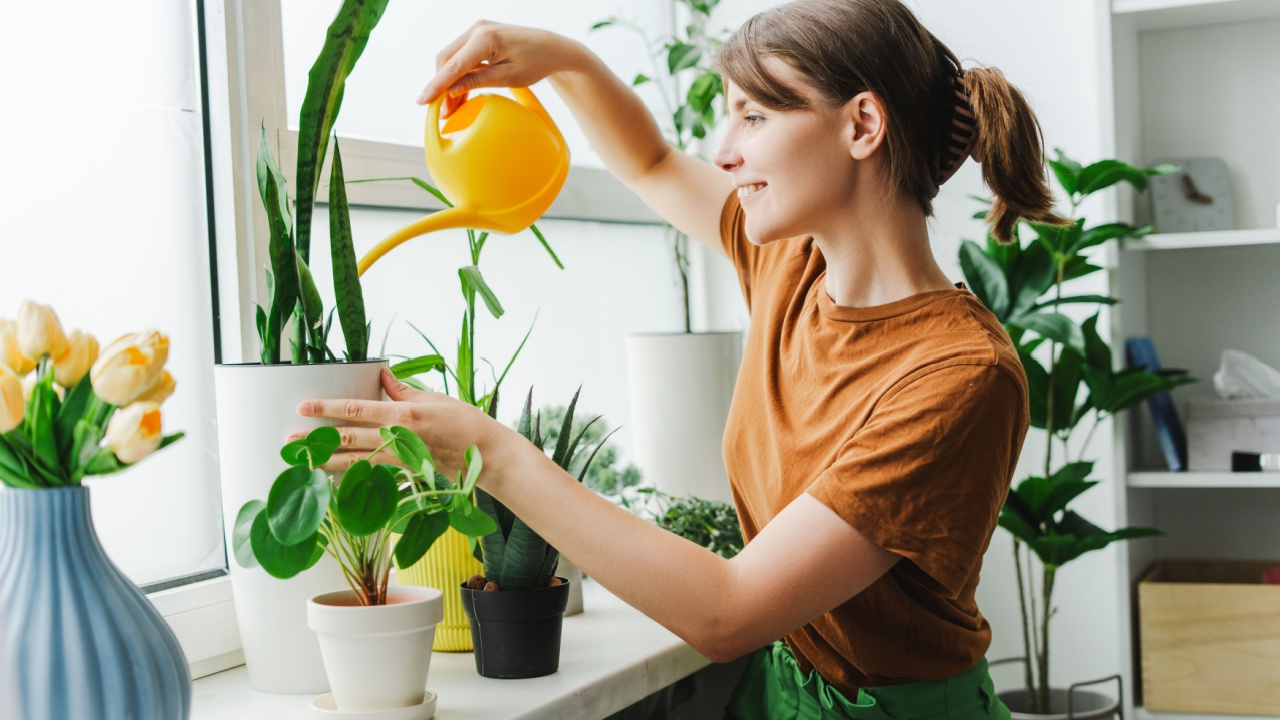
Image Credit: Shutterstock.
Dousing your snake plant with ice-cold water can shock its root system. While these plants are tough, their roots are sensitive to extreme temperature changes. A sudden blast of cold can stress the plant, potentially stunting its growth or even causing cellular damage to the roots over time.
The best practice is to use room-temperature water. This minimizes the risk of shocking the plant and allows the water to be absorbed more easily. If you leave your tap water out to dechlorinate, it will naturally reach room temperature, solving two problems at once.
Quick Guide:
- Don’t: Use icy water straight from the tap.
- Do: Use room-temperature or lukewarm water.
- Why: Prevents shocking the root system, which can cause stress and inhibit growth.
A Happy Snake Plant Starts with Mindful Watering
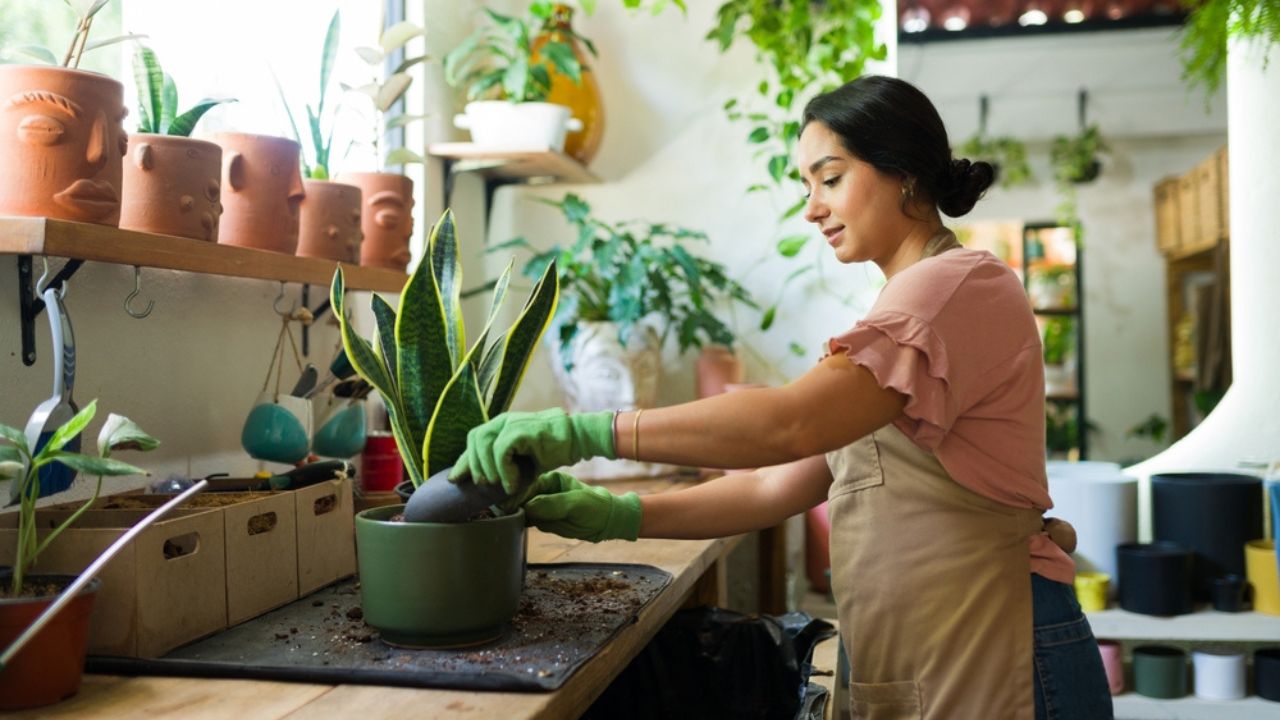
Image Credit: Shutterstock.
Mastering how to water your snake plant is the key to enjoying this stunning houseplant for years. Your next steps are to put this knowledge into action. Start by assessing your current setup: is your plant in the right soil and a pot with good drainage? Then, commit to checking the soil before you water, rather than relying on a calendar.
Observe your plant’s leaves and let them tell you what they need. By avoiding these common mistakes, you’ll be well on your way to cultivating a thriving, beautiful snake plant that adds life and style to your home.