

Cooking up a delicious, meaty meal can be one of life’s great pleasures, whether you’re grilling steaks in the backyard or roasting a chicken for a cozy family dinner. But handling raw meat comes with risks, and a few common slip-ups in the kitchen can turn a delightful meal into a source of foodborne illness. Understanding proper food safety is essential for every cook to protect themselves and their loved ones.
From the moment you pick out your meat at the grocery store to the final cleanup, there are crucial steps to ensure your food is not only tasty but also safe to eat. Let’s find out 11 common meat handling mistakes and simple, practical advice on what to do instead.
Where We Got This Info
Image Credit: Shutterstock.
All of these tips come from trusted food safety authorities and research backed by government guidelines, nutrition experts, and university extension programs. The advice reflects widely accepted standards on safe cooking temperatures, proper storage, handwashing, and sanitation practices. In short, it’s the same guidance professionals use to keep kitchens safe and meals healthy.
1. Choosing Meat First at the Grocery Store

Image Credit: Deposit Photos.
Start your grocery trip anywhere but the meat counter. Raw meat needs to stay cold to avoid harmful bacteria. The USDA says meat shouldn’t be in the “danger zone” (40°F–140°F) for over 2 hours, or just 1 hour if it’s hotter than 90°F. Shopping, waiting in line, and driving home can easily exceed this time.
What to do instead: Always make the meat, poultry, and seafood section your final stop before heading to the checkout. This simple change in your shopping routine drastically reduces the time your meat spends at unsafe temperatures, ensuring it stays fresh and safe from your cart to your kitchen.
2. Washing Raw Meat in the Sink
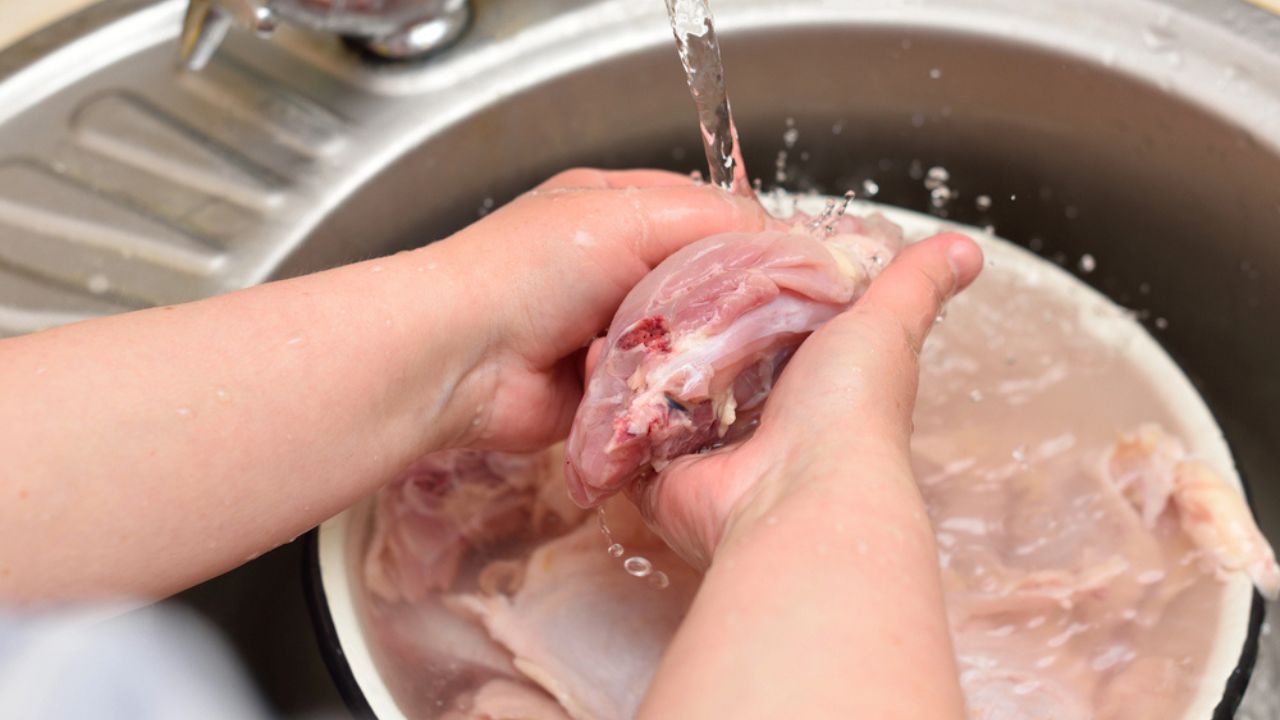
Image Credit: Deposit Photos.
Washing raw meat doesn’t kill bacteria; it spreads them. Experts warn that rinsing meat can splash germs like Salmonella onto surfaces, increasing the risk of cross-contamination. Skip the wash and cook meat thoroughly instead.
What to do instead: Skip the rinse entirely. The heat from proper cooking is what effectively kills any harmful bacteria. Simply pat the meat dry with paper towels before seasoning or cooking. This not only improves safety but also helps you achieve a better sear and crispier skin.
3. Thawing Meat at Room Temperature
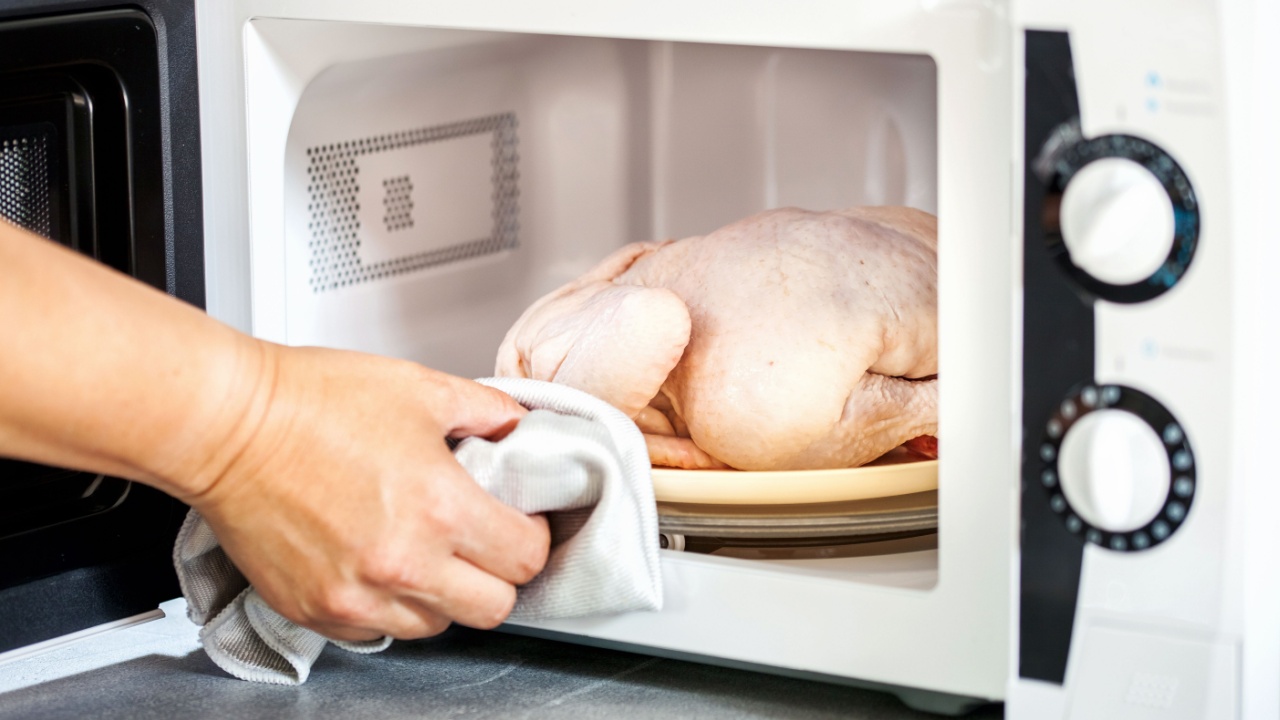
Image Credit: Shutterstock.
Leaving a frozen steak or chicken breast on the kitchen counter to thaw seems convenient, but it’s one of the most common food safety mistakes.
As the outer layers of the meat thaw and warm up, they quickly enter the “danger zone” (40°F to 140°F), where bacteria multiply rapidly. Even if the center is still frozen solid, the surface can become a breeding ground for germs, making the meat unsafe to eat.
What to do instead: Plan ahead and thaw meat safely in the refrigerator; it takes about 24 hours for every five pounds. For a quicker option, submerge the meat in a leak-proof bag in cold water, changing the water every 30 minutes. If you’re short on time, use your microwave’s defrost setting, but cook the meat immediately after, as it may start to cook.
4. Storing Raw Meat on the Top or Middle Shelves
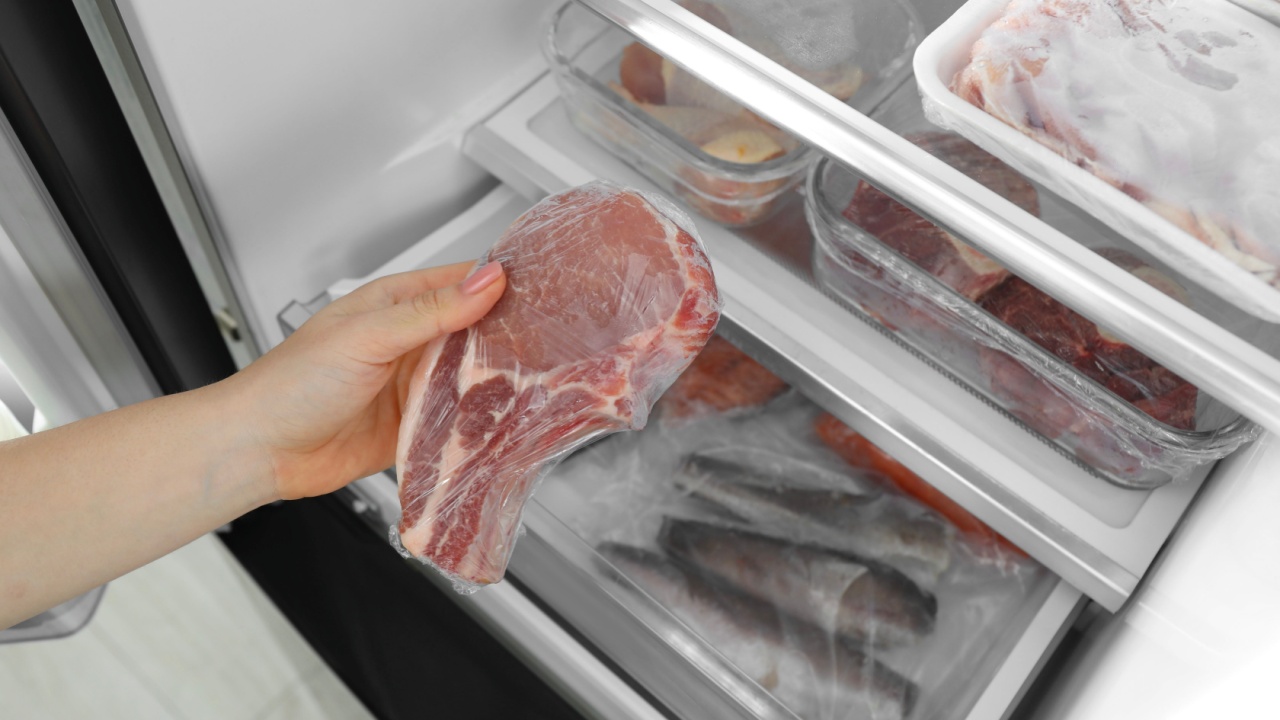
Image Credit: Shutterstock.
Got home with groceries? Don’t just cram raw meat anywhere in the fridge. Storing raw chicken, beef, or fish on upper shelves risks cross-contamination from dripping juices onto ready-to-eat foods below.
What to do instead: Designate the bottom shelf of your refrigerator as the official spot for all raw meat, poultry, and seafood. This shelf is typically the coldest part of the fridge and, most importantly, it prevents any potential leaks from contaminating other foods. For extra protection, place meat packages on a plate or in a container to catch any drips.
5. Marinating Meat on the Counter
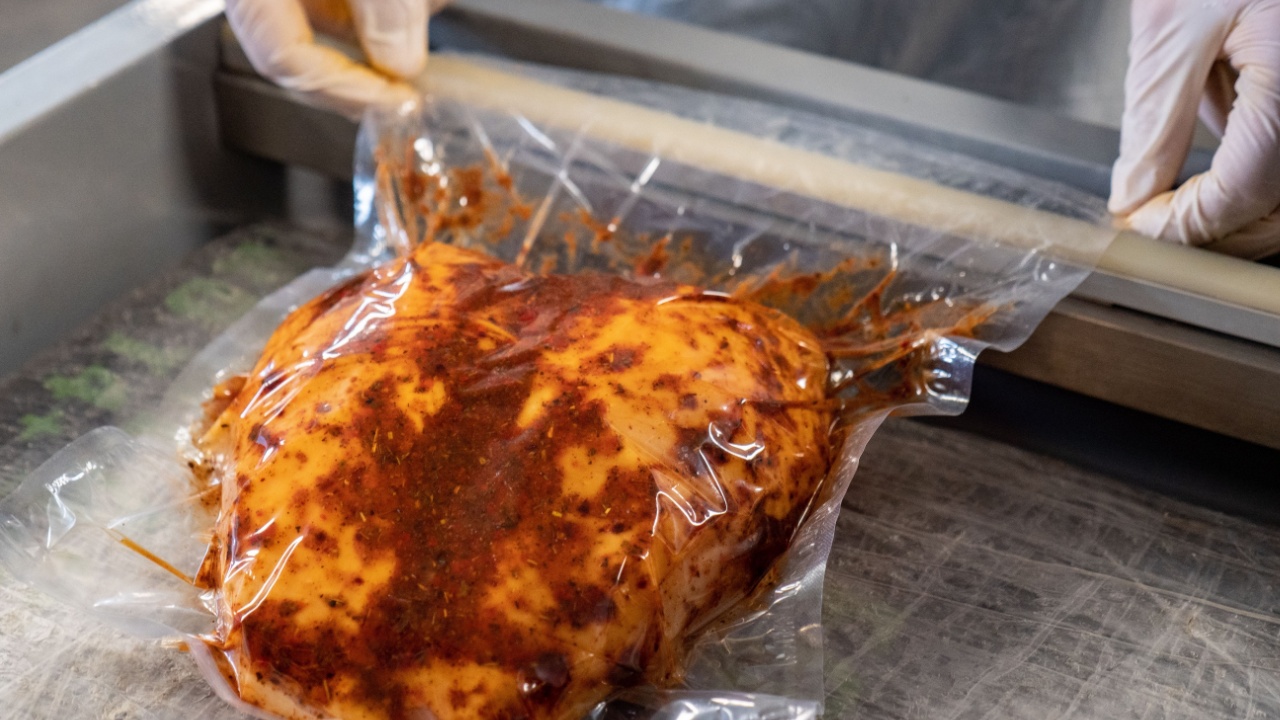
Image Credit: Shutterstock.
Marinades are fantastic for adding flavor and tenderness, but leaving meat to marinate on the counter puts it squarely in the temperature “danger zone.” Just like with thawing, bacteria can flourish at room temperature, even if the meat is submerged in a flavorful liquid. This rule applies to brines as well. While a quick 30-minute marinade on the counter might seem harmless, any longer period significantly increases the risk.
What to do instead: Always marinate meat in the refrigerator. Place your meat and marinade in a sealed bag or covered dish and let it soak in the safety of a cold environment. This ensures the meat stays below 40°F, preventing bacterial growth while allowing the flavors to penetrate.
6. Using the Same Cutting Board for Everything

Image credit: Deposit Photos.
Cross-contamination is one of the easiest ways to spread foodborne illness. A classic example is chopping raw chicken on a cutting board and then using the same board, without washing it, to slice tomatoes for a salad. The bacteria from the chicken can easily transfer to the fresh vegetables, which won’t be cooked to kill the germs. This mistake can happen with any utensil, plate, or surface that touches raw meat.
What to do instead: Always use separate cutting boards for raw meats and ready-to-eat foods. Color-coded boards (e.g., red for meat, green for produce) are helpful. If you only have one board, wash it thoroughly with hot, soapy water after raw meat contact and before using it for anything else.
7. Skipping the Meat Thermometer
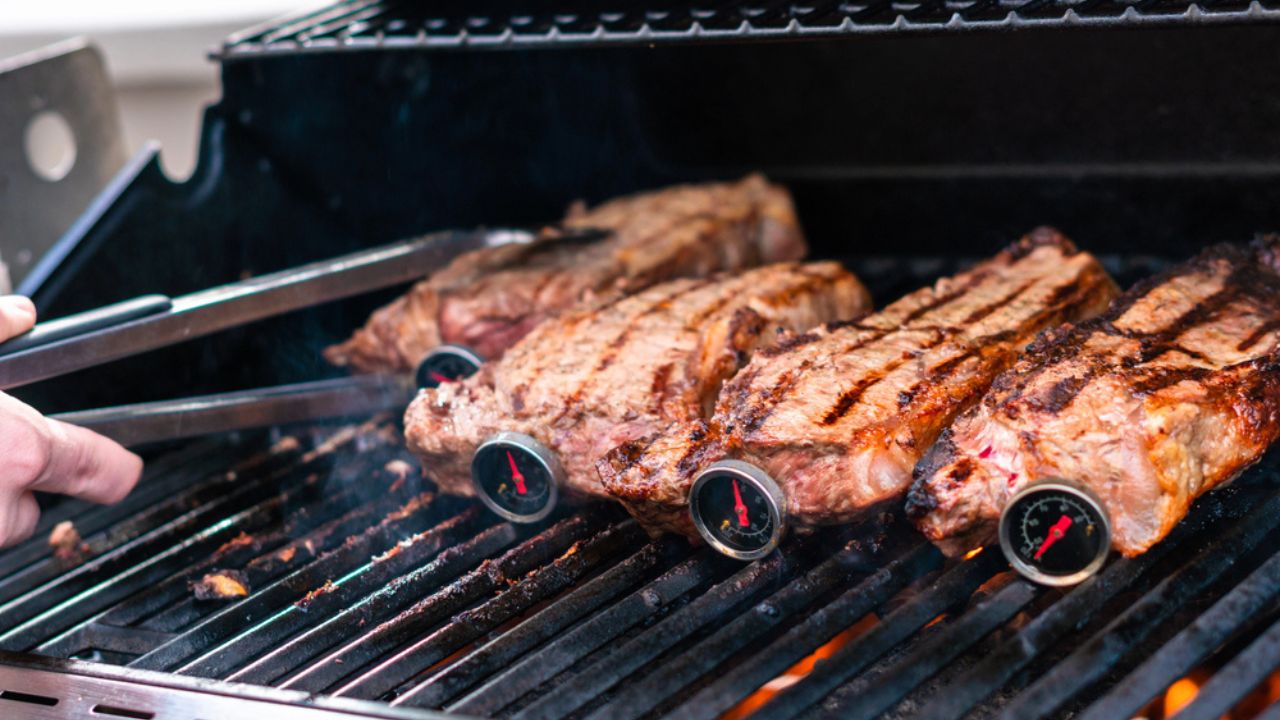
Image Credit: Deposit Photos.
Guessing whether meat is cooked through by its color or texture is an unreliable method that can lead to undercooked, unsafe food or overcooked, dry meals. The “it’s done when the juices run clear” trick isn’t foolproof. The only way to be absolutely certain that meat has reached a safe internal temperature to kill harmful bacteria is by using a food thermometer.
What to do instead: Invest in a reliable instant-read food thermometer and use it every time you cook meat. Insert it into the thickest part of the meat, avoiding bone or fat. The USDA recommends the following minimum internal temperatures: 165°F for all poultry, 160°F for ground meats (like beef and pork), and 145°F for whole cuts of beef, pork, veal, and lamb (followed by a three-minute rest time).
8. Neglecting Frequent Hand Washing

Image Credit: Shutterstock.
It might feel repetitive, but failing to wash your hands thoroughly after handling raw meat is a major food safety foul. Imagine you season a raw steak, then grab your pepper grinder. The next day, you use that same grinder to season a fresh salad. You’ve just transferred bacteria from the raw meat to your ready-to-eat meal. Bacteria can linger on spice jars, drawer handles, and faucets, creating hidden hazards all over your kitchen.
What to do instead: Make handwashing a reflex. After touching raw meat, its packaging, or any contaminated surface, stop and wash your hands with soap and clean water for at least 20 seconds. This simple but critical habit is one of the most effective ways to prevent the spread of germs.
9. Reusing Marinade as a Sauce
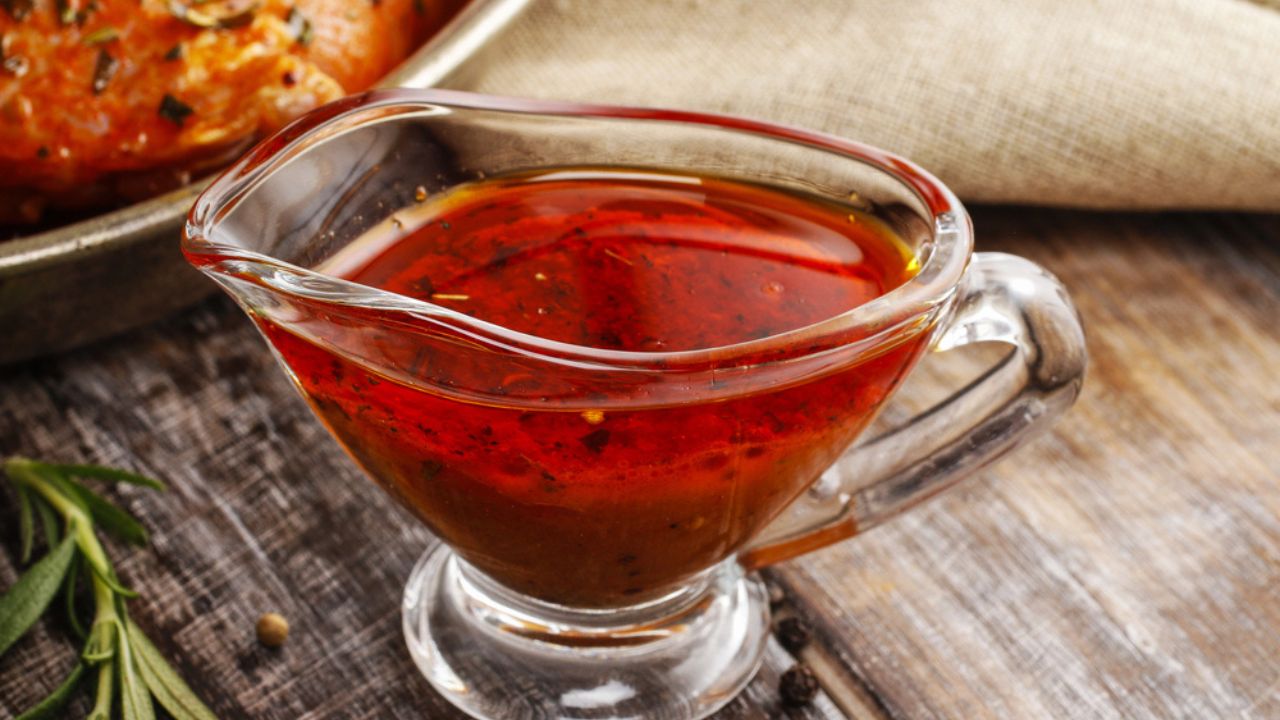
Image Credit: Deposit Photos.
That flavorful marinade your meat has been soaking in might seem like the perfect base for a sauce, but it’s teeming with raw meat juices and bacteria. Pouring used marinade directly over your cooked food is a guaranteed way to contaminate it and risk getting sick. This applies to any liquid that has been in contact with raw meat.
What to do instead: If you want to use your marinade as a sauce, you must make it safe first. Bring it to a rolling boil in a saucepan for at least one minute to kill any harmful bacteria. A better and safer alternative is to set aside a portion of the fresh, unused marinade before it touches the raw meat and use that as your sauce.
10. Leaving Contaminated Dishes in the Sink
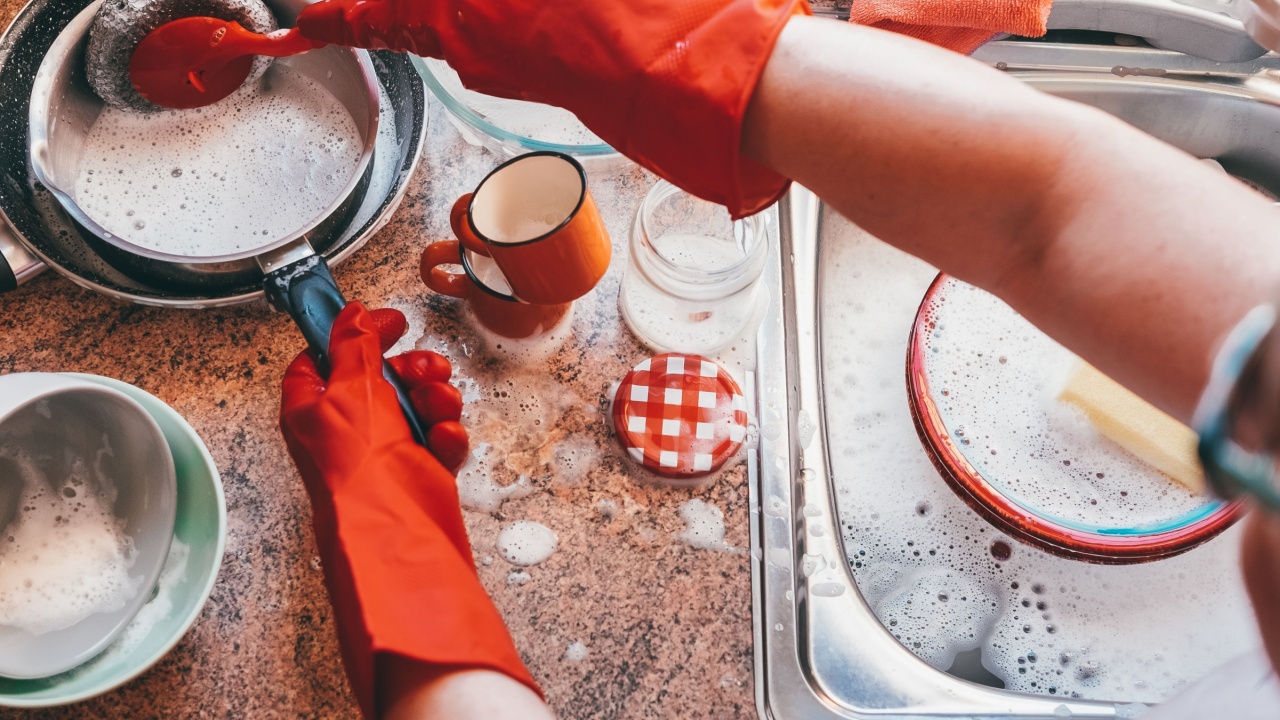
Image Credit: Shutterstock.
After a satisfying meal, the last thing anyone wants to do is tackle a mountain of dishes. However, leaving plates, cutting boards, and utensils that have touched raw meat sitting in the sink is a recipe for disaster. Not only can bacteria spread to the sink itself, but anyone in your household could unknowingly touch a contaminated dish. Furthermore, dried-on food particles are much harder to clean, making proper sanitization less effective.
What to do instead: Prioritize cleaning any items that came into contact with raw meat immediately after you’re done cooking. Wash them with hot, soapy water or place them directly in the dishwasher. This prompt action minimizes the window for bacteria to spread and makes the final cleanup much easier and safer.
11. Waiting to Clean and Sanitize Counters
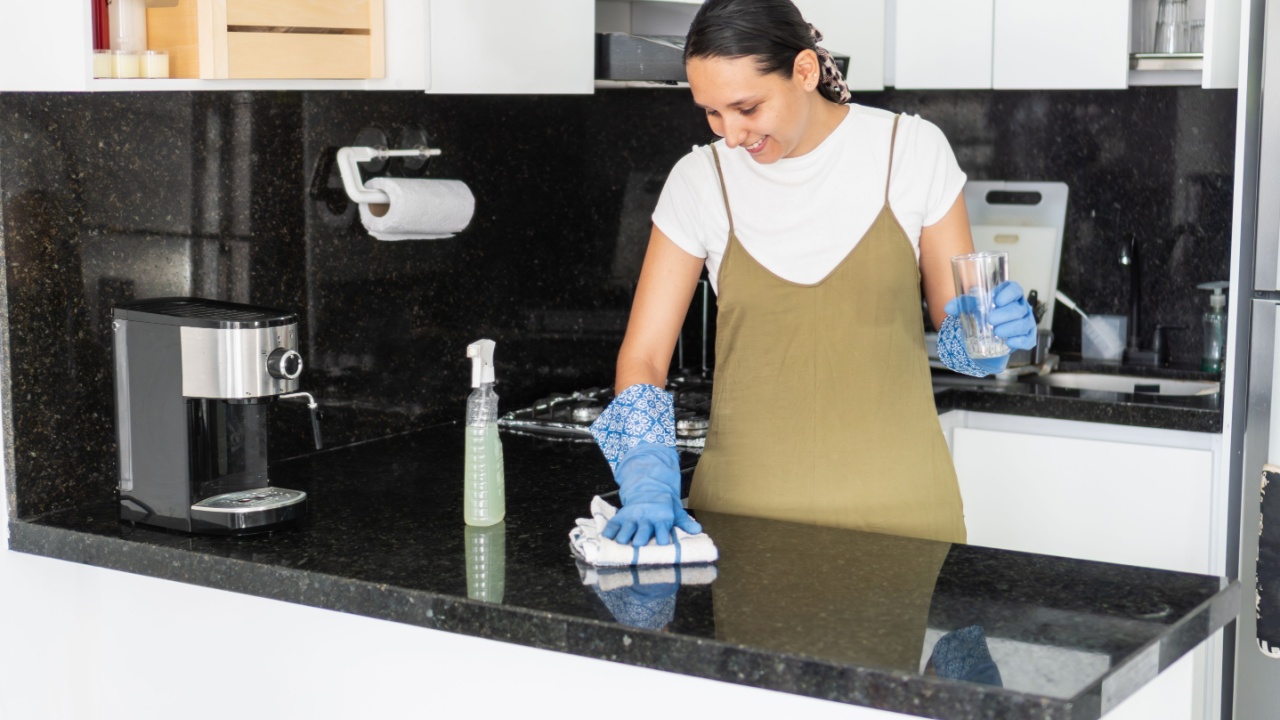
Image Credit: Shutterstock.
Wiping down your counters at the end of the night is good, but when raw meat is involved, you need to be more proactive. Invisible splatters and juices can contaminate your work surfaces during meal prep. If you then place a ready-to-eat item, like a piece of bread or a fresh vegetable, on that same spot, you risk cross-contamination. Crumbs and food scraps can also attract pests and create unpleasant odors.
What to do instead: Clean and sanitize your countertops immediately after they’ve been in contact with raw meat. First, wash the surface with soap and water to remove grease and debris. Then, use a food-safe sanitizer to kill any lingering bacteria. This two-step process ensures your kitchen surfaces are truly clean and safe for your next culinary creation.
Enjoy Safe Meals, Every Time

Image Credit: Shutterstock.
By incorporating these food safety practices into your routine, you can continue to enjoy all the wonderful meals your local butcher has to offer, with the peace of mind that you’re keeping your kitchen healthy.