
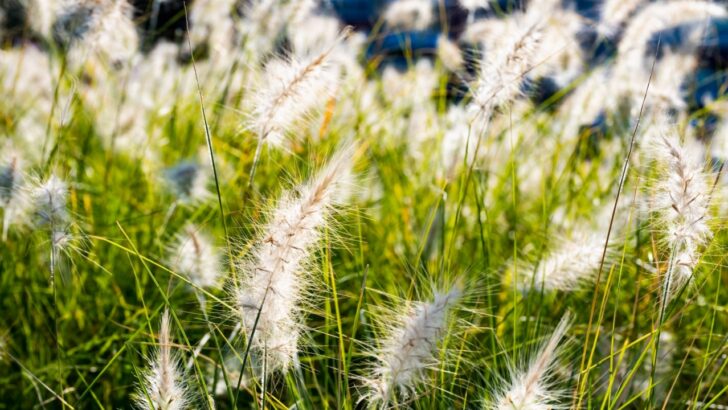
Looking for year-round texture, movement, and color without fussy upkeep? Perennial ornamental grasses deliver all three. They thrive in most climates, shrug off pests and drought once established, and weave beautifully into borders, meadows, and modern landscapes.
Below you’ll find 21 outstanding grasses with characteristics, care tips, and landscaping ideas to help you design with confidence.
Sourced from the Experts
This article’s plant recommendations, landscape functions, and care guidance are grounded in research and stewardship from reputable institutions, including Wisconsin and Iowa State Extension. You can make informed decisions based on their expert knowledge and observations.
1. Feather Reed Grass (Calamagrostis acutiflora ‘Karl Foerster’)
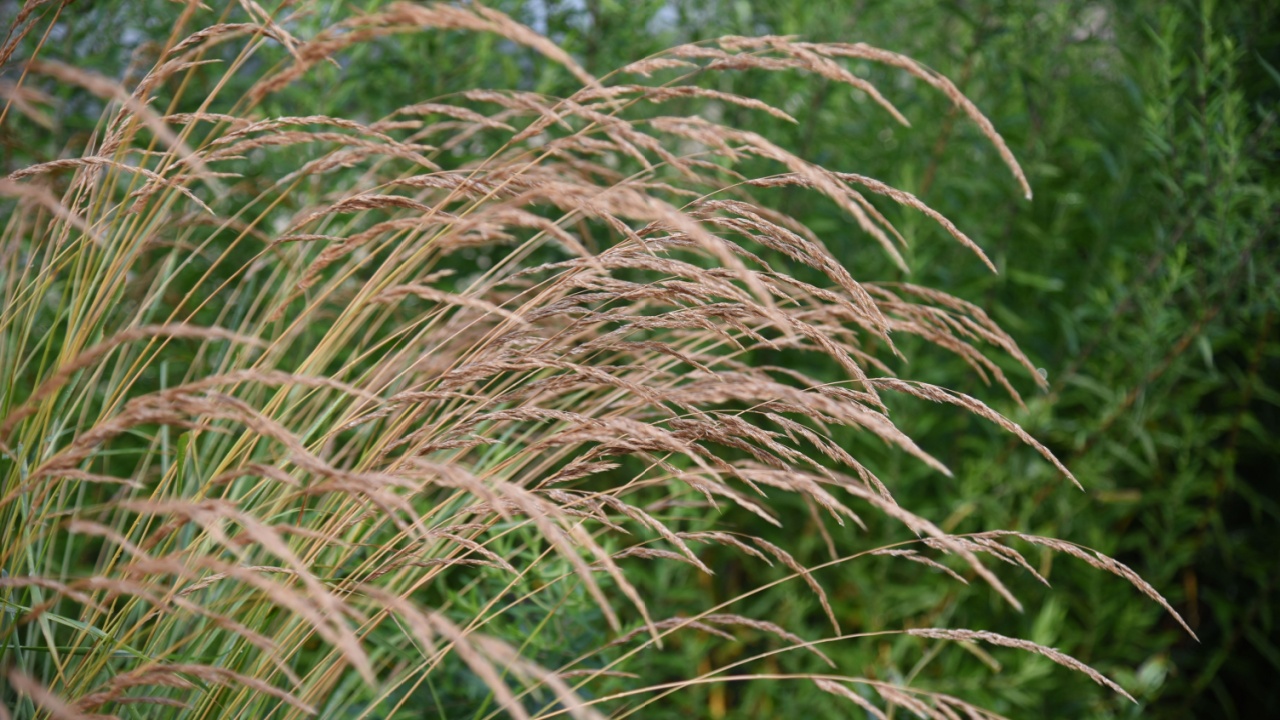
Image Credit: Shutterstock.
Feather reed grass thrives in USDA zones 4–9 and is known for its upright, slender clumps topped with wheat-like plumes that stay upright through wind, rain, and even snow—making it a reliable vertical accent for nearly any garden.
Care Tips
Plant in full sun for the strongest growth and most abundant flowering. This grass prefers moist, well-drained soil but is impressively drought-tolerant once its roots are established. Water young plants regularly until they settle in, then only during extended dry spells. Each late winter or early spring, cut back the old stalks to just above ground level to make way for fresh new shoots.
Landscaping Ideas
Feather reed grass creates a striking effect when planted in rhythmic rows along garden paths or driveways, providing strong year-round structure. It’s also a beautiful companion planted in groups with summer perennials like coneflowers, Russian sage, and alliums. Its upright habit makes it perfect as a soft screen or vertical anchor in mixed borders, and it brings attractive movement and texture in all four seasons.
2. Switchgrass (Panicum virgatum)

Image Credit: Shutterstock.
Switchgrass is a hardy native warm-season grass suitable for USDA zones 4–9, prized for its airy seed heads and blue-green foliage that transforms to orange-red in autumn.
Care Tips
Switchgrass thrives in full sun and is highly adaptable, tolerating everything from sandy to clay soils. Water moderately when establishing; once mature, it’s impressively drought-tolerant and needs minimal fertilizer. In early spring, cut back last season’s stems to encourage fresh, upright growth. Avoid heavy, wet soils, and consider mulching in the first season for extra protection.
Landscaping Ideas
This grass is outstanding when massed in naturalistic or prairie-style beds, where its upright habit brings vertical structure and subtle movement to the garden. It’s an excellent choice for stabilizing slopes and controlling erosion due to its deep roots. Switchgrass also attracts birds and beneficial insects, making it ideal for pollinator gardens and wildlife-friendly landscapes. Its golden seed heads add winter interest, and varieties with reddish hues can form bold accents in mixed borders.
3. Fountain Grass (Pennisetum alopecuroides)
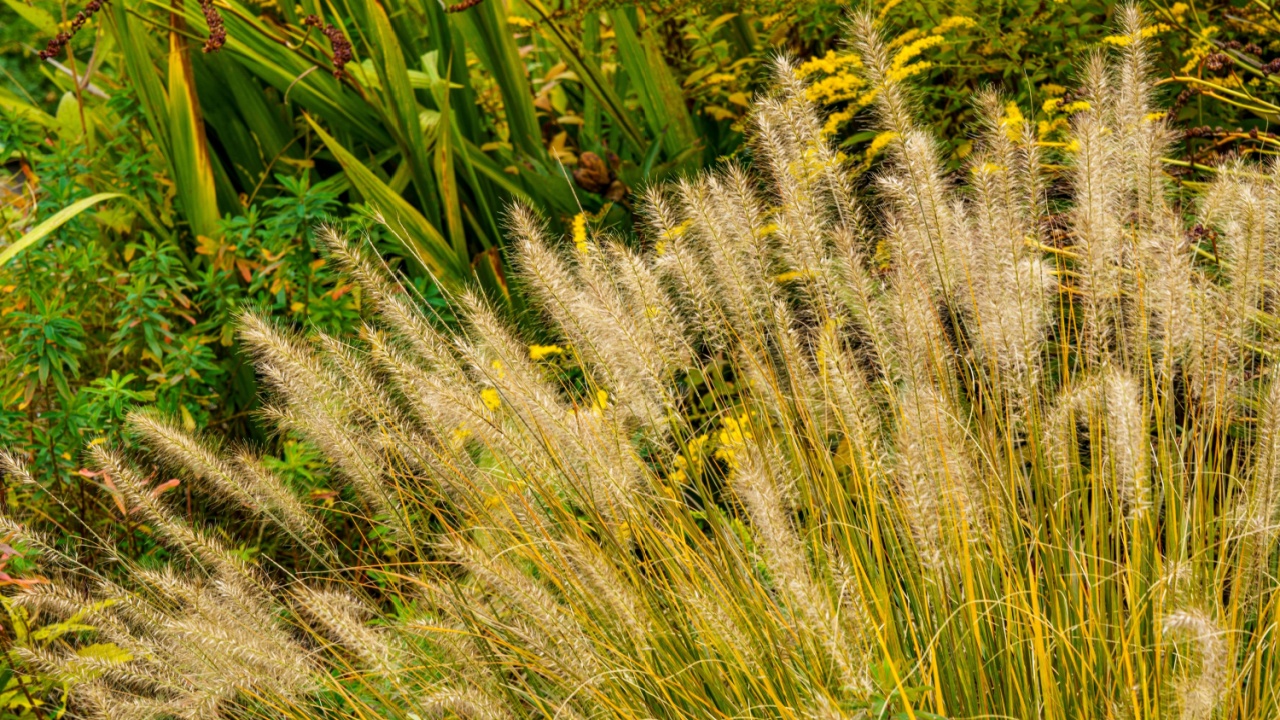
Image Credit: Shutterstock.
Fountain grass is a graceful, warm-season perennial suited for USDA zones 5–9, showcasing arching foliage and soft, bottlebrush plumes in late summer that sway beautifully in the breeze.
Care Tips
Plant fountain grass in full sun to ensure robust growth and the best flowering. Choose well-drained soil, as overly wet conditions can lead to root rot. After the first frost, leave the foliage standing for winter interest; it provides texture and movement when most plants are dormant. In early spring, cut back old growth to a few inches above the ground before new shoots emerge. Although many cultivars are perennial in the recommended zones, always check your specific variety for hardiness, especially in colder climates.
Landscaping Ideas
Fountain grass is ideal for edging pathways or lining patios, where its lush mounds create a soft, flowing effect along borders. Plant in drifts or clusters for a naturalistic look, and consider mixing with late-blooming perennials, such as sedums, coneflowers, or rudbeckias to extend seasonal color. It’s equally striking when used as a specimen in containers or combined with other drought-tolerant grasses for low-maintenance yet dramatic landscapes. Fountain grass easily complements modern, cottage, or prairie-style gardens, adding both visual movement and multi-season appeal.
4. Blue Fescue
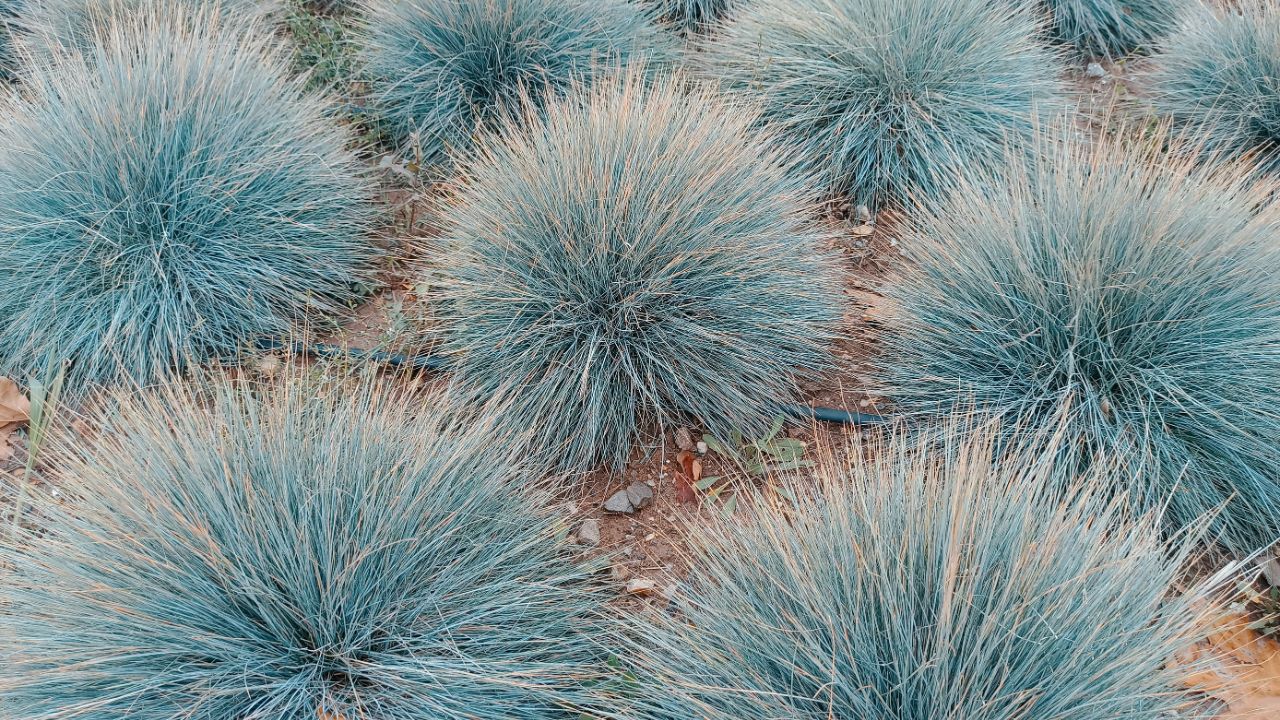
Image Credit: Shutterstock.
Blue fescue (Festuca glauca) thrives in USDA zones 4–8, forming compact, silvery-blue mounds that bring striking cool tones and tidy texture to the garden.
Care Tips
Blue fescue prefers full sun and sharply drained soil, making it a great option for dry spots and heat-prone areas. To keep plants looking fresh, divide clumps every few years as they start to decline or become crowded. Avoid heavy mulch around the base, as this grass dislikes excess moisture and needs good air circulation. Water only during extended dry spells, and remove spent flower stalks to keep the foliage looking neat.
Landscaping Ideas
This grass is ideal for rock gardens, where its small size and color stand out among boulders and gravel. Use blue fescue for edging along sunny, dry borders, or tuck it into gravel plantings paired with drought-loving companions like yucca, lavender, and sedums. It also looks charming as a low, tidy accent along paths, steps, or patios and offers subtle color contrast in mixed perennial beds. Try grouping several together for a bold patch of blue or using individual plants as cool-toned punctuation throughout the landscape.
5. Little Bluestem (Schizachyrium scoparium)
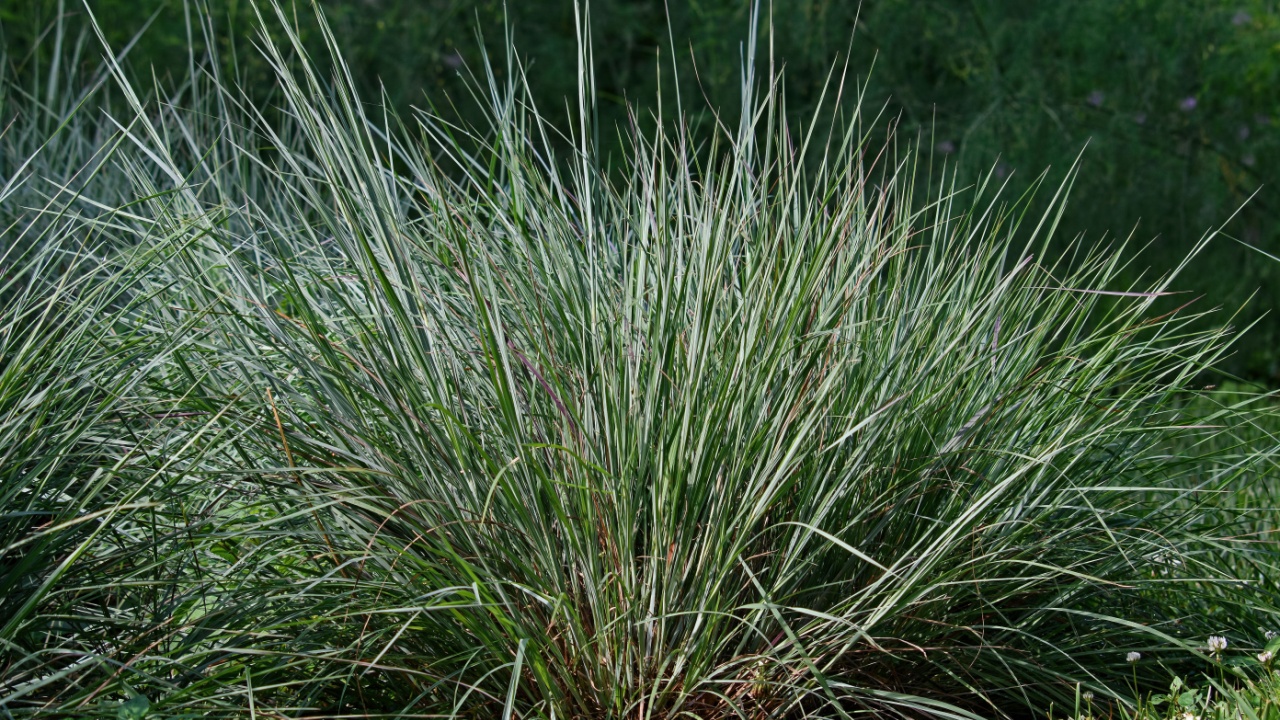
Image Credit: Shutterstock.
Little Bluestem is a hardy native grass that thrives in USDA zones 3–9, forming upright tufts with blue-green blades that transform to copper, red, and orange in the fall for an extended season of color.
Care Tips
Plant Little Bluestem in full sun for best color and structure. It prefers dry to moderately moist, well-drained soil, and flourishes even in poor or rocky conditions. Avoid highly fertile soils, which can cause it to flop instead of remaining upright and compact. Once established, it’s drought-tolerant and rarely troubled by pests or disease. Cut back old stems at the end of winter to make way for new spring growth.
Landscaping Ideas
Little Bluestem fits beautifully in meadow or prairie-style plantings, pairing well with black-eyed Susan, asters, coneflowers, and native wildflowers for a natural look. It provides structure and winter interest in pollinator gardens and is also a top pick for erosion control on slopes or in restoration projects. Use it as a colorful accent in sunny borders, blend into wildlife-friendly beds for seed and cover, or mass several together for a sweeping, low-maintenance effect. Its fine texture and warm autumn hues offer striking contrast next to broad-leafed or evergreen perennials.
6. Maiden Grass (Miscanthus sinensis)
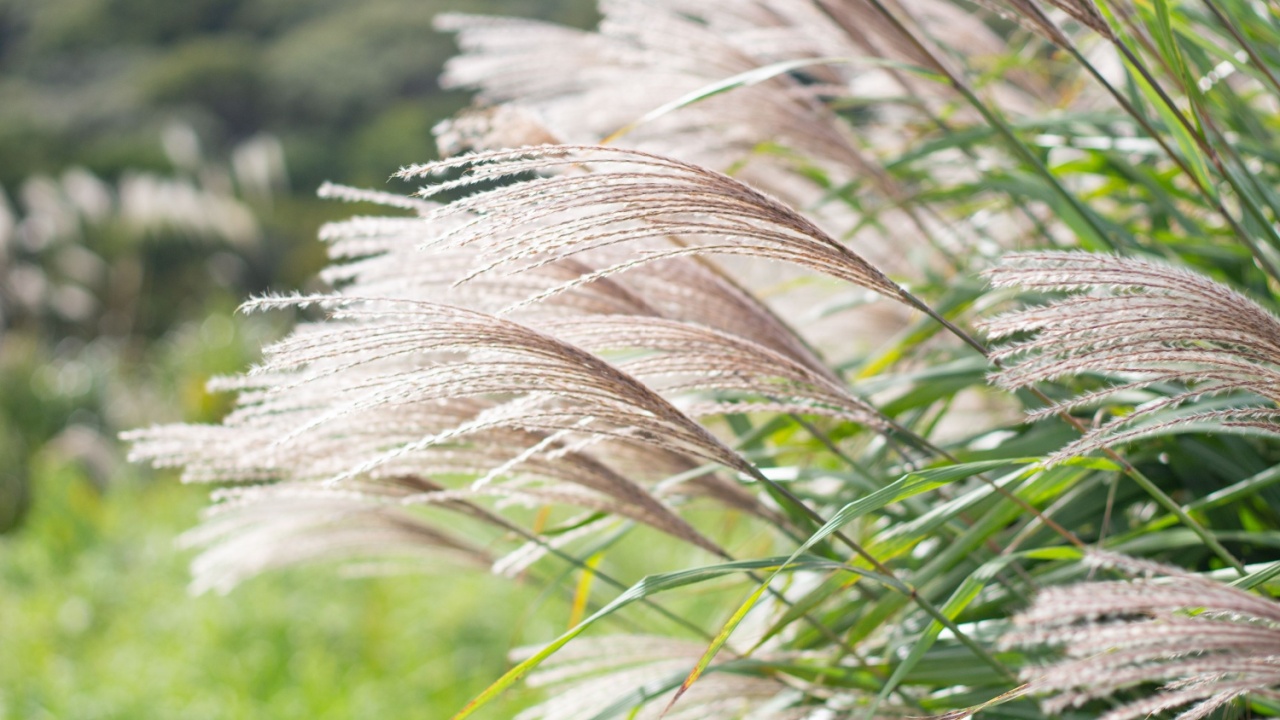
Image Credit: Shutterstock.
A standout perennial for USDA zones 5–9, maiden grass features tall, arching leaves and feather-soft plumes that add dramatic, upright structure to any landscape.
Note: While stunning, Miscanthus sinensis is considered **invasive in many U.S. regions**, as it can escape cultivation and spread into natural areas. Before planting, check your local extension service or invasive species list.
Care Tips
Maiden grass thrives in full sun and prefers well-drained soil, though it will tolerate a range of soil types once established. Water regularly during dry spells, especially while young, but once rooted, it can handle modest drought. If self-seeding is a concern in your area, choose sterile cultivars to prevent spreading. Each spring, trim back last year’s growth to a few inches above ground to allow new shoots to emerge vigorously.
Landscaping Ideas
Use maiden grass as a living privacy screen or a bold backdrop for perennial borders, where its height and movement catch the eye. It’s especially effective in modern, coastal, or prairie garden designs, providing texture and architectural interest all season long. Plant in clusters for an impactful accent along fences or property lines, or feature as a single specimen to highlight entryways and patios. Its plumes look beautiful when backlit by the sun or when paired with late-blooming perennials and colorful fall foliage.
7. Pink Muhly Grass (Muhlenbergia capillaris)
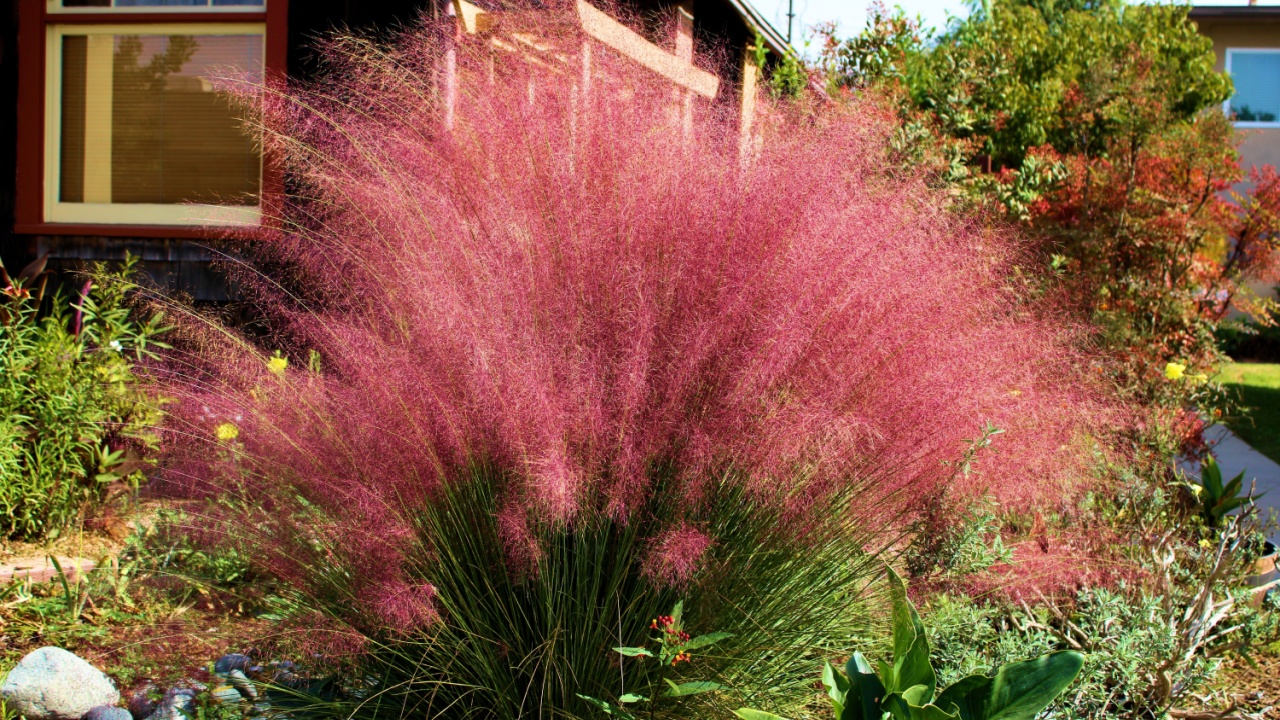
Image Credit: Shutterstock.
Pink muhly grass, hardy in USDA zones 6–9, dazzles with billowy clouds of pink-purple flowers that create a luminous display in the autumn landscape.
Care Tips
Plant pink muhly grass in full sun for the boldest color and the most abundant blooms. It thrives in well-drained soil, handling both drought and heat once established, but appreciates a little water during prolonged dry spells in the first year. Avoid heavy or clay soils that stay soggy, as wet feet can cause root rot. Each early spring, shear back last year’s growth to just a few inches above the ground—this encourages fresh, lush foliage and avoids a messy look.
Landscaping Ideas
Use pink muhly grass en masse for an unforgettable swath of color on slopes, along driveways, or at the edge of a gravel garden. Its feathery plumes catch the evening light, making it magical at sunset or when planted near outdoor spaces where you relax in the evening. Pink muhly also softens hardscapes like retaining walls, blends beautifully into cottage and prairie-style plantings, and makes a breathtaking companion to autumn-flowering asters and ornamental seed heads. Try mixing it with evergreen shrubs to provide winter structure after its plumes fade.
8. Indian Grass (Sorghastrum nutans)
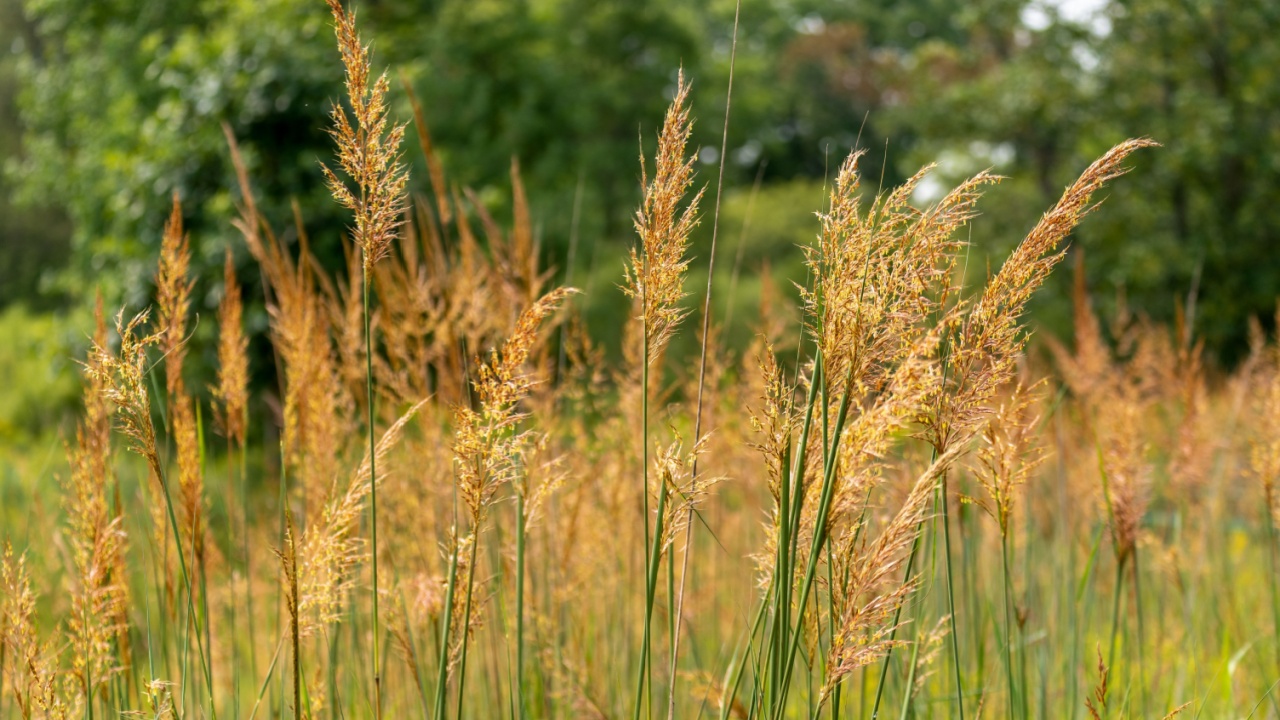
Image Credit: Shutterstock.
Native to prairies and thriving in USDA zones 4–9, Indian grass forms upright clumps topped with golden, feathery seed heads and bold vertical lines, bringing a touch of wild beauty to any landscape.
Care Tips
Plant Indian grass in full sun for the strongest growth and best flowering. This grass is versatile, tolerating both clay and dry soils, and requires very little fertilizer once established. To keep the clump tidy and promote lush new growth, cut back stems to the ground in late winter or early spring before shoots appear—the deep roots help it survive droughts with ease.
Landscaping Ideas
Indian grass shines in prairie-style gardens, where its vertical structure pairs beautifully with switchgrass, wildflowers, and native perennials such as purple coneflower. It attracts birds and beneficial insects, so it’s perfect for wildlife-friendly plantings and habitat restoration. Use it as a tall accent in sunny borders, as a backdrop for butterfly gardens, or massed along fences to create movement and visual interest all year long.
9. Big Bluestem (Andropogon gerardii)
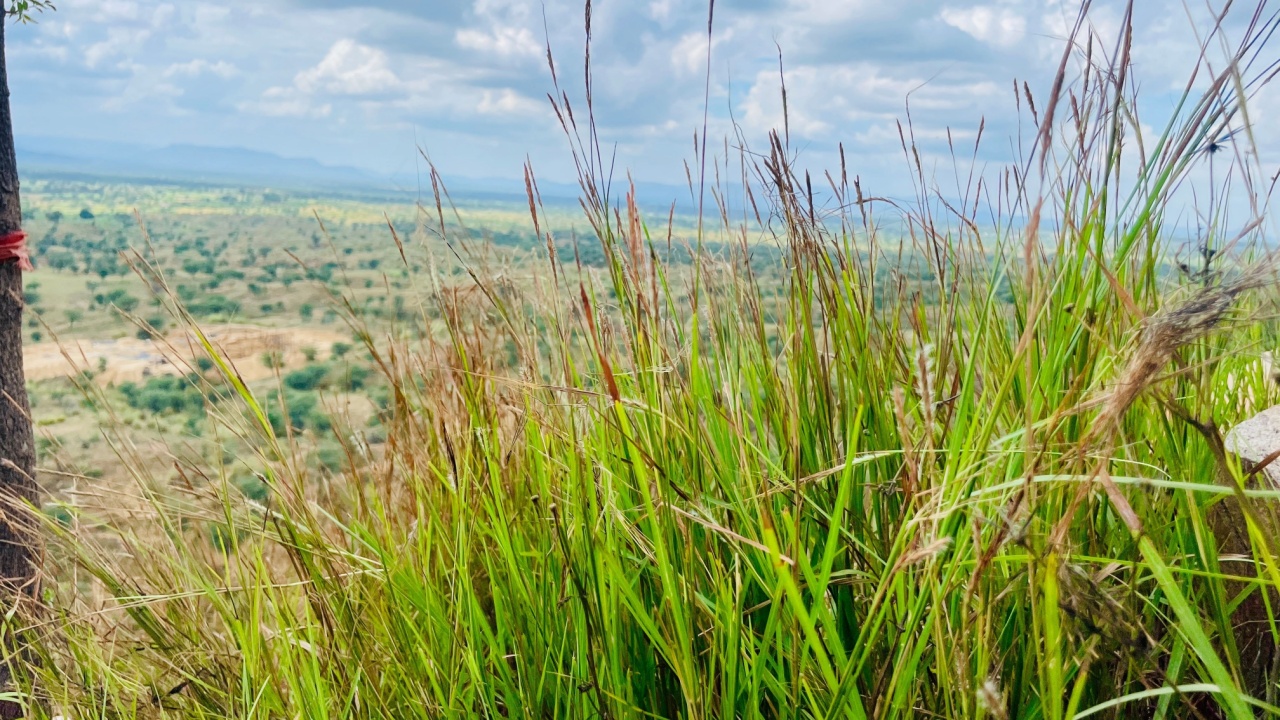
Image Credit: Shutterstock.
Big Bluestem, often called the “King of the Prairie,” is a tall, native grass suitable for USDA zones 3–9, prized for its blue-green stems and striking bronzy tones in fall.
Care Tips
Plant Big Bluestem in full sun and deep, well-drained soils for best vigor. Once established, it is highly drought-tolerant thanks to its deep root system and requires little supplemental water. Fertilizer needs are minimal; too much feeding can cause floppy growth. Cut back remaining stems in late winter before new spring shoots emerge to keep the clump tidy and healthy.
Landscaping Ideas
Big Bluestem is a natural anchor for large planting beds, prairie restorations, or wildflower meadows, where its tall architecture brings year-round structure. It works well as a living windbreak in naturalistic plantings and can be interplanted with bold perennials like joe-pye weed and native coneflowers. Use it where you want to attract birds—its seeds are a valuable food source in the colder months.
10. Japanese Forest Grass (Hakonechloa macra)

Image Credit: Shutterstock.
Japanese Forest Grass is a rare, shade-loving ornamental with cascading, bamboo-like blades that thrive in USDA zones 5–9. Spreading slowly in both gold and variegated forms, it’s a standout for brightening those shadowy nooks where little else will flourish.
Care Tips
Give Hakonechloa part to full shade with protection from harsh afternoon sun, especially in hot southern zones. It prefers consistently moist, well-drained soil rich in organic matter—think woodland floor. Keep roots cool and fed with a generous layer of mulch, particularly before winter to protect against temperature swings. Water regularly during dry spells, but avoid soggy soil. In colder regions, consider extra winter mulch to safeguard the crown.
Landscaping Ideas
This graceful grass is perfect for softening woodland pathways or for spilling elegantly over the edges of stone walls, where its golden or striped foliage makes a vibrant contrast. Use it as a lush underplanting beneath Japanese maples or shade-loving shrubs, or feature it in containers where its arching blades can spill over the rim for a sophisticated look. It also pairs beautifully with ferns, hellebores, and hostas to create a serene, textural shade garden.
11. Purple Moor Grass (Molinia caerulea)
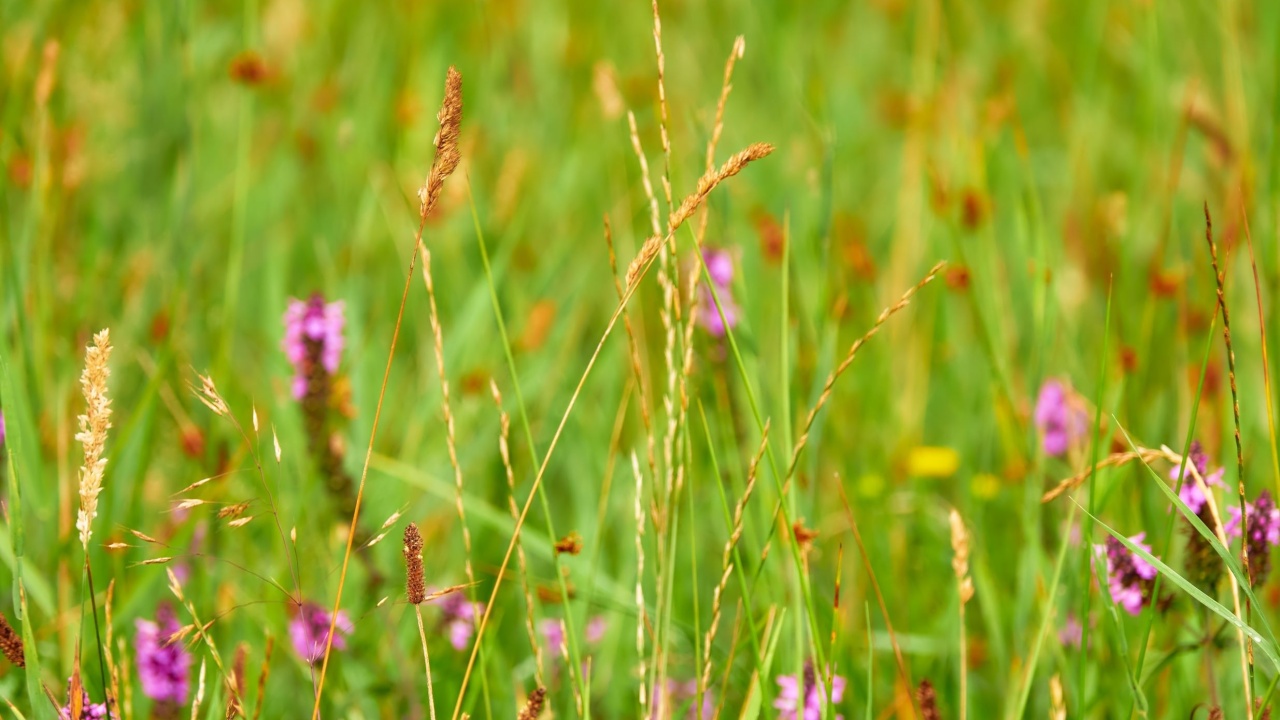
Image Credit: Shutterstock.
Purple moor grass, hardy in USDA zones 4–9, creates airy drama in the landscape with fine, upright stems and purple-tinged panicles that catch the light.
Care Tips
Plant in sun to part shade, providing moist, well-drained soil for best growth. This grass appreciates reliable moisture but tolerates brief dry spells once established. Minimal fertilization is needed, and trimming stems in late winter tidies up the clump before spring growth emerges.
Landscaping Ideas
Showcase purple moor grass in naturalistic meadows alongside late-summer perennials. Its transparent texture adds movement and finesse to mixed borders without overpowering neighboring plants. It also makes a delicate foil for bold-leaved companions like hosta or heuchera.
12. Tufted Hair Grass (Deschampsia cespitosa)
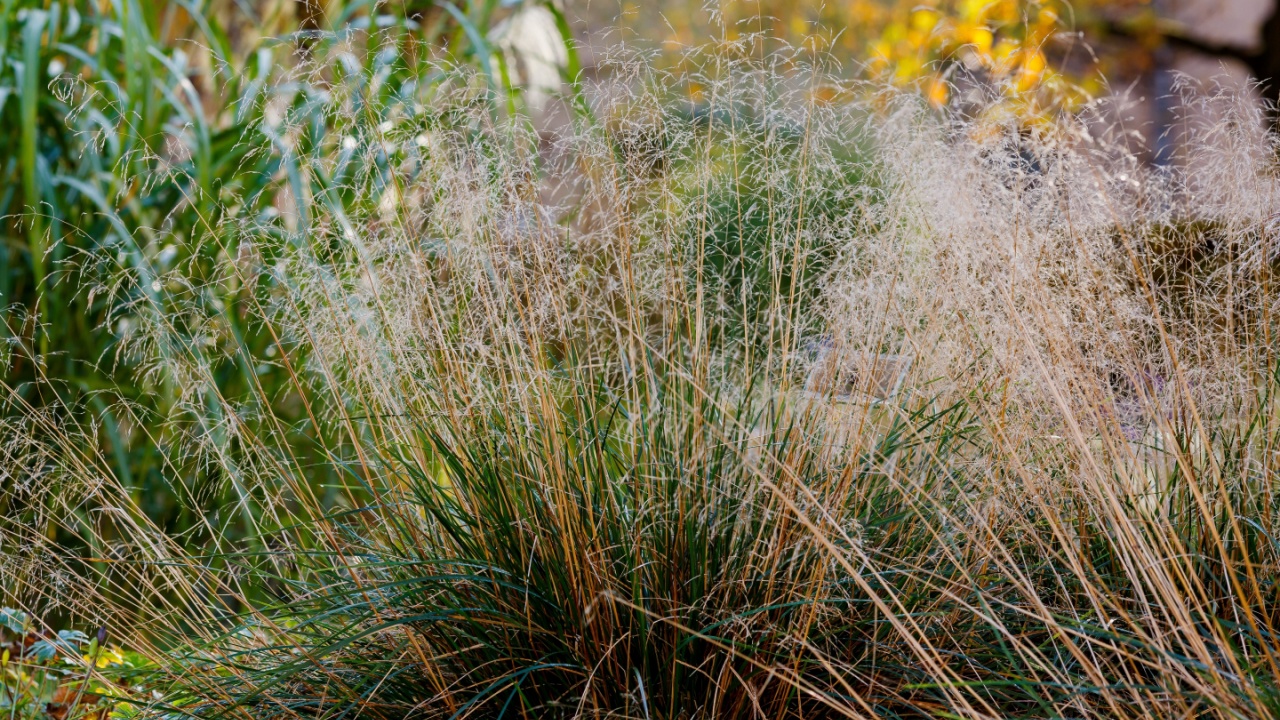
Image Credit: Shutterstock.
Tufted hair grass thrives in zones 4–9, producing airy, shimmering flowers above clumps of fine green leaves, lending elegance to woodland gardens.
Care Tips
Grow in part shade—full sun is fine in cooler climates—and provide moist, humus-rich soil to keep plants lush. Avoid letting the soil completely dry out. A light trim after flowering keeps the plant fresh, and dividing overly crowded clumps every few years encourages vigor.
Landscaping Ideas
This grass excels at the edge of woods, in rain gardens, or near ponds where consistent moisture abounds. Pair with ferns, astilbe, and irises for a textural tapestry, or mass as an eye-catching sweep beside shady walkways.
13. Prairie Dropseed (Sporobolus heterolepis)
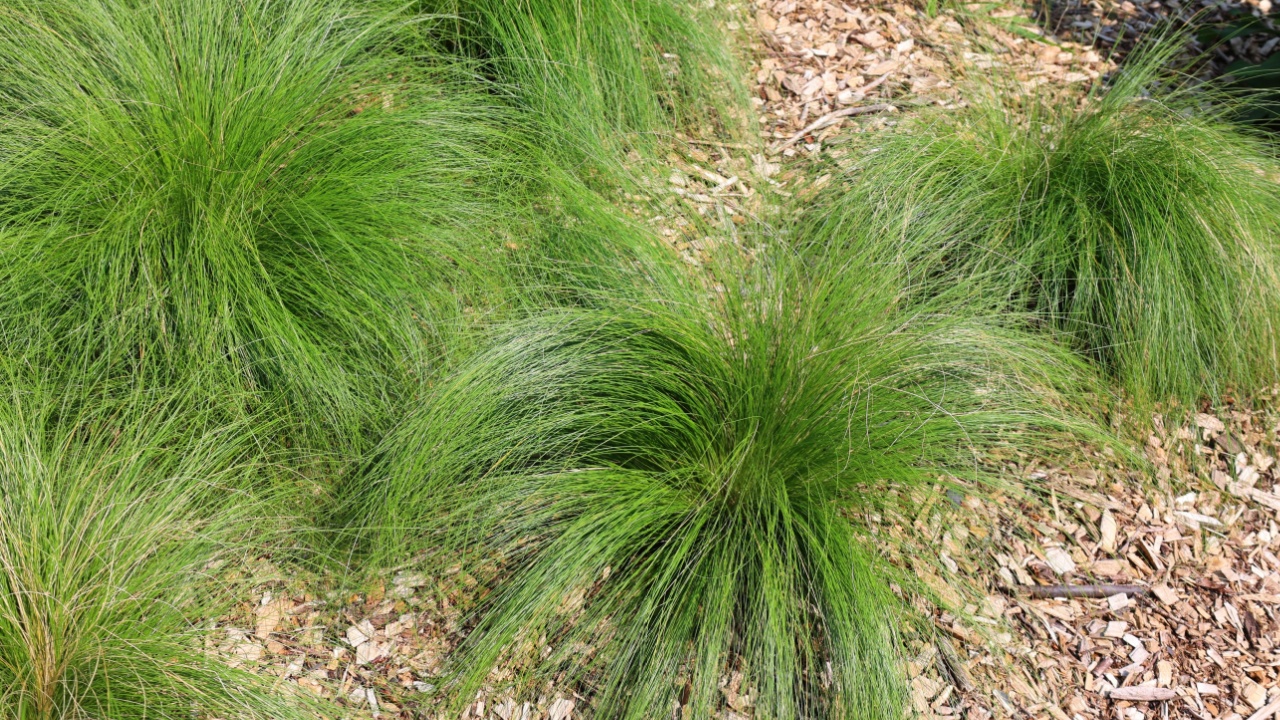
Image Credit: Shutterstock.
Prairie dropseed, reliable in zones 3–9, forms neat, fountain-like mounds with fragrant summer blooms and vibrant fall color.
Care Tips
Give it full sun and dry to average soil—this species detests soggy or overly rich sites. After establishment, it needs little extra water. It’s slow to fill in but requires minimal maintenance beyond the occasional thatch removal in late winter.
Landscaping Ideas
Use along sunny paths, in drifts, or as a soft, fragrant border. Prairie dropseed partners beautifully with echinacea, liatris, and black-eyed Susans in prairie-inspired beds. Try it for mass plantings that “flow” through the landscape or as a refined accent in minimalist gardens.
14. Northern Sea Oats (Chasmanthium latifolium)

Image Credit: Shutterstock.
Northern sea oats, suited to zones 3–8, mimic bamboo with drooping, oat-like seed heads and bright green foliage that glows in shade or sun.
Note: Seeds can spread aggressively, requiring attentive care.
Care Tips
Plant in part shade to full sun, but provide moist soil to keep this grass lush. Deadhead flowers if you want to prevent self-seeding and keep the patch tidy. Cut back old stems before new shoots appear in spring.
Landscaping Ideas
This is a go-to grass for naturalizing under trees or along moist streambanks. Its decorative seed heads look great in cut or dried flower arrangements. Use in woodland gardens or to soften shaded fence lines.
15. Side Oats Grama (Bouteloua curtipendula)
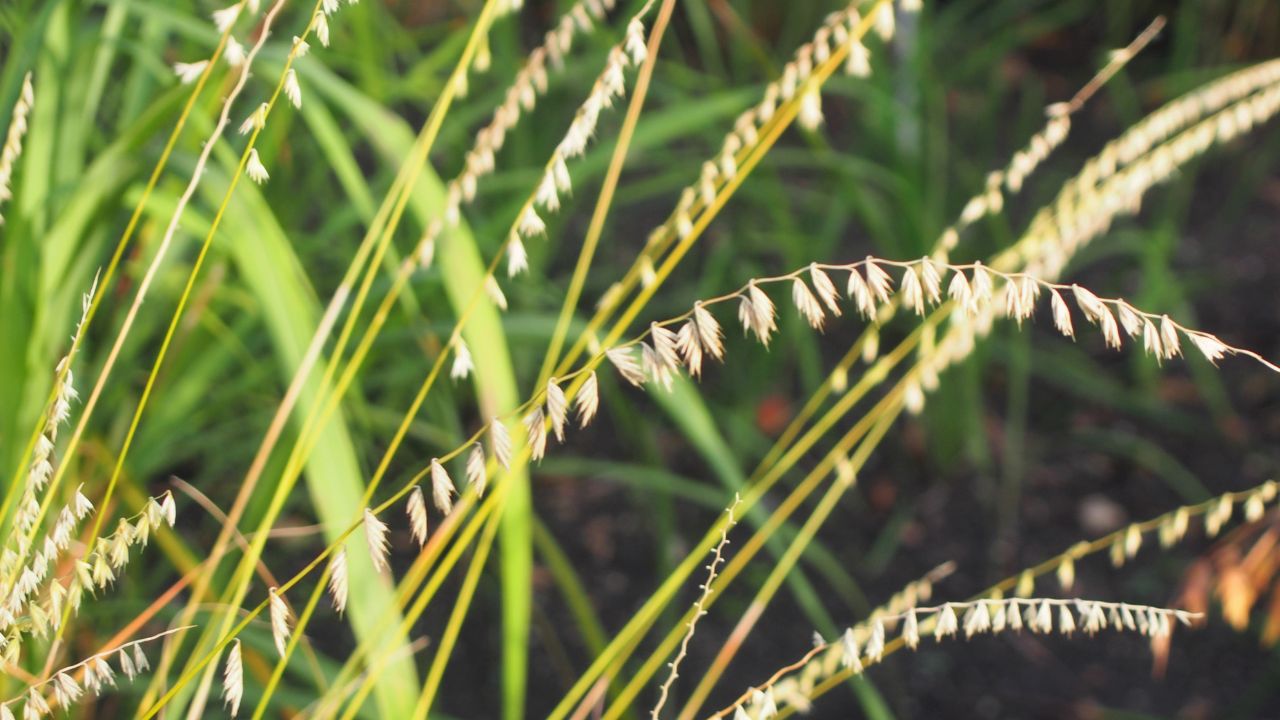
Image Credit: Agnieszka Kwiecień – Own work, CC BY-SA 4.0/Wiki Commons.
Thriving in zones 3–9, side oats grama is a low, drought-tolerant native with distinctive, oat-like seed spikes dangling from one stem side.
Care Tips
Give this grass a place in full sun and poor, well-drained soil—overly rich soils can cause flopping. It requires very little water or maintenance, and cutting back in late winter keeps it tidy.
Landscaping Ideas
Perfect for water-wise meadows, sunny slopes, or erosion-prone banks. Side oats grama mixes well with native wildflowers or as a textured layer in dryland gardens. Its tidy clumps add structure without crowding companions.
16. Japanese Blood Grass (Imperata cylindrica ‘Red Baron’)
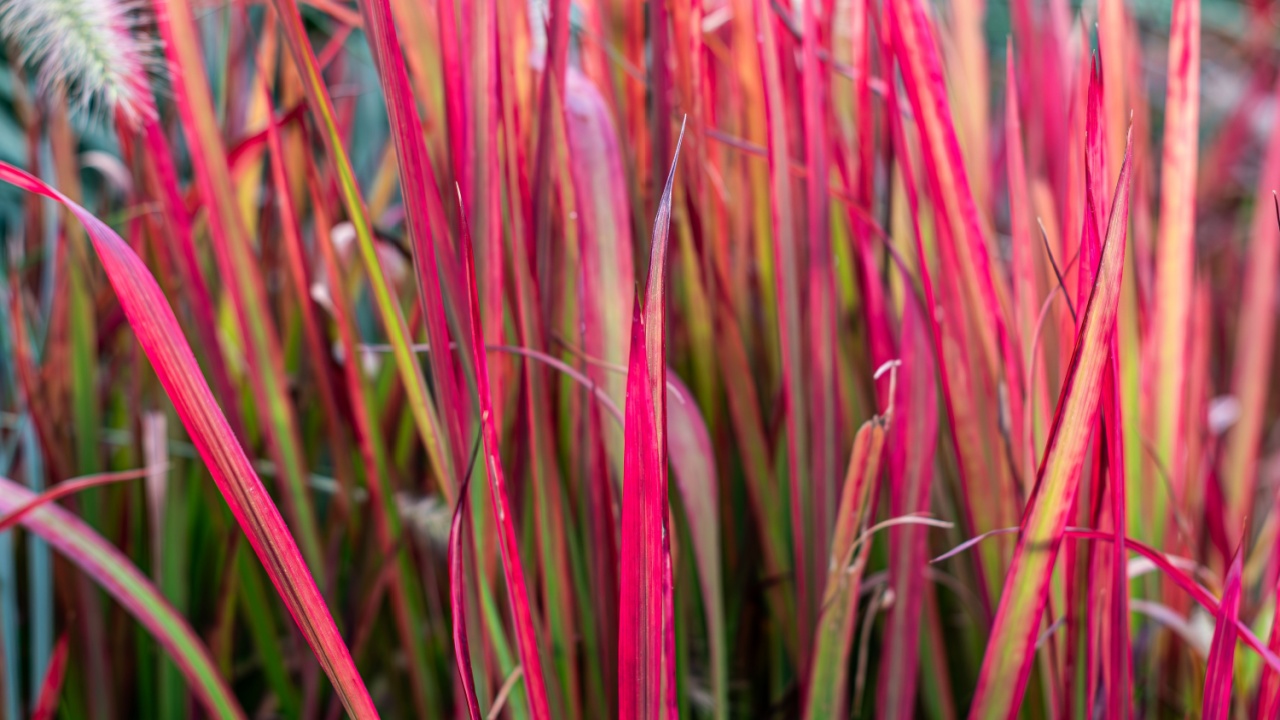
Image Credit: Shutterstock.
Japanese blood grass, best in zones 5–9, offers compact clumps topped with green blades and fiery red tips that intensify through the season.
Care Tips
For deepest color, plant in full sun and well-drained soil. Water regularly to establish strong roots, but avoid waterlogged sites. Only grow the ‘Red Baron’ cultivar, as other types can be invasive. Remove any pure-green shoots promptly.
Landscaping Ideas
Plant for brilliant color contrast along paths or in small accent beds. Its vivid tones pop against silver foliage, gravel, or near dark-leaved shrubs. Blood grass is stunning in containers or as an eye-catching edge for contemporary gardens.
17. Blue Grama (Bouteloua gracilis)
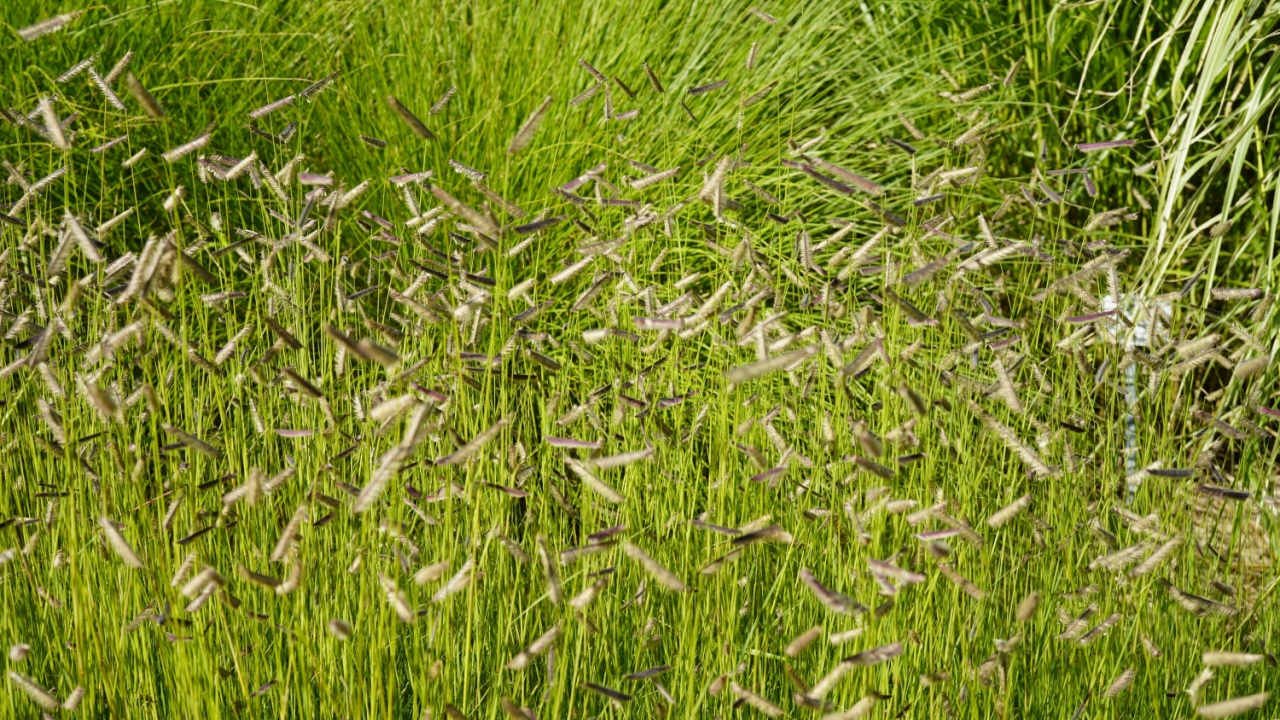
Image Credit: Shutterstock.
Blue grama, hardy in zones 3–10, is a native turf alternative with low growth and arching seed heads that look like tiny eyelashes.
Care Tips
Plant in full sun on lean, well-drained soil. Fertilize rarely, if at all, and thin clumps occasionally to prevent congestion and keep the look tidy.
Landscaping Ideas
Perfect for xeriscaping, blue grama creates informal lawns or open spaces in dry climates. Combine with agastache, yucca, and other drought-proof perennials for a native, pollinator-friendly lawn alternative, or use as an accent in gravel gardens.
18. Mexican Feather Grass (Nassella tenuissima)
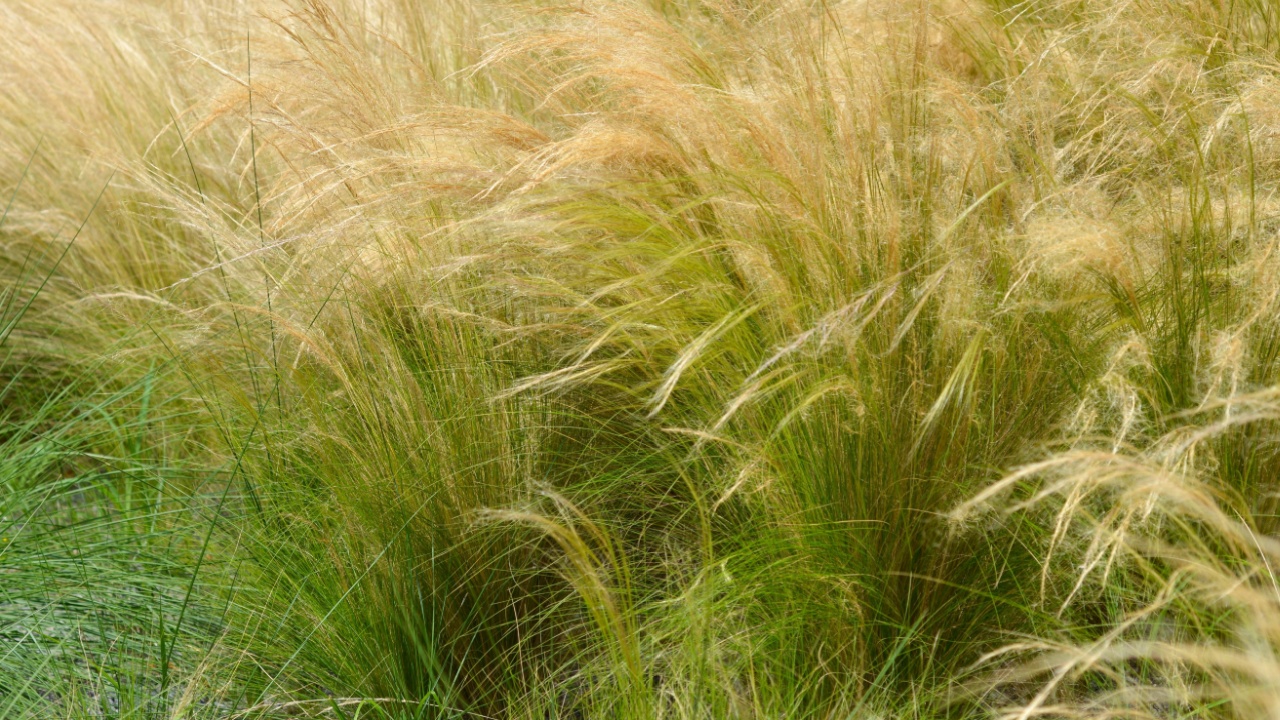
Image Credit: Shutterstock.
Mexican feather grass, hardy in zones 6–10, produces ultra-fine, arching leaves and feathery blooms that shimmer in the breeze.
Note: This is deemed invasive in California.
Care Tips
Grow in full sun and very well-drained soil—overwatering causes rot. This grass is drought-tolerant and requires little care after it’s established, but may self-seed, so deadhead as needed and check local regulations.
Landscaping Ideas
Soften harsh lines around patios, boulders, or gravel paths by massing this grass in golden waves. It pairs beautifully with Mediterranean herbs like rosemary and santolina or as a low-maintenance accent in rock gardens.
19. Purple Fountain Grass (Pennisetum setaceum ‘Rubrum’)
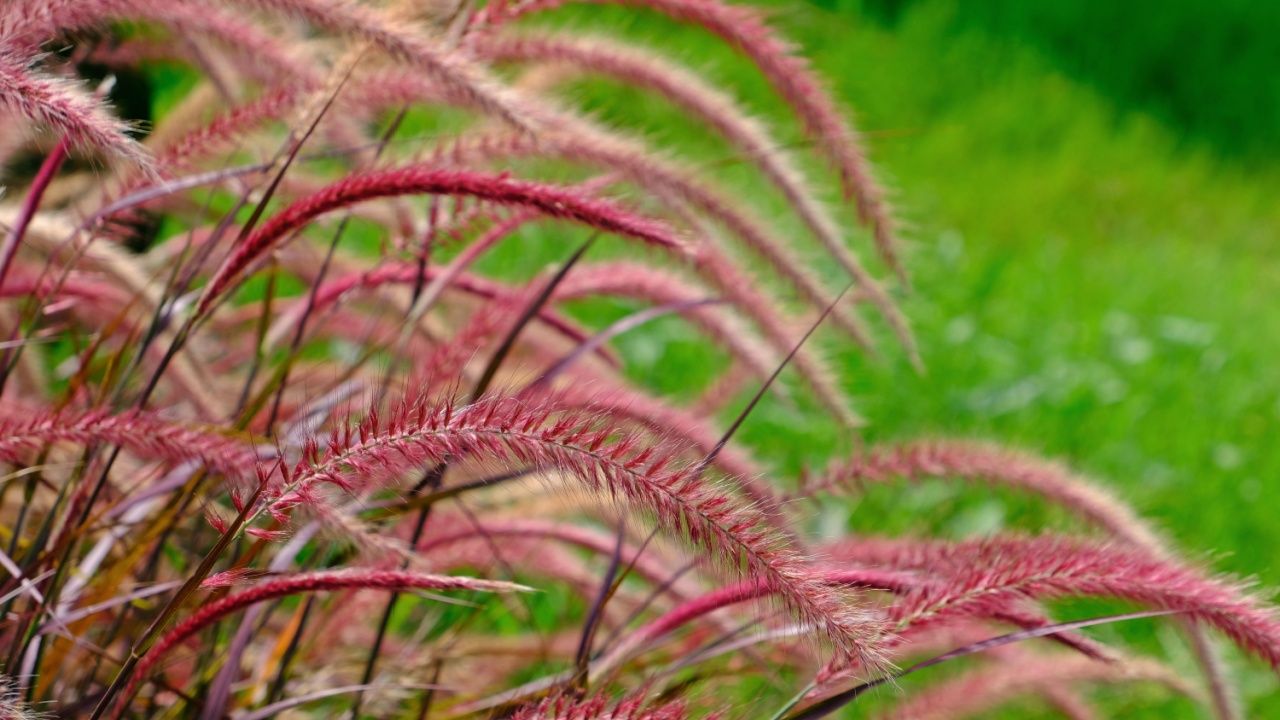
Image Credit: Shutterstock.
Perfect for zones 9–11 (annual elsewhere), purple fountain grass wows with arching burgundy foliage and bold purple plumes all summer and fall.
Warning: Some varietiies of fountain grass are considered invasive.
Care Tips
Plant in full sun and well-drained soil for lush growth; water regularly during hot spells. In frost-free climates, it will overwinter. In colder regions, treat it as an annual or bring pots indoors.
Landscaping Ideas
Let it take the spotlight in containers, flanked by golden lantana or coleus for dramatic contrast. It’s equally at home as a late-season border highlight, providing movement and color when most perennials fade.
20. Silver Grass (Miscanthus sinensis ‘Morning Light’)
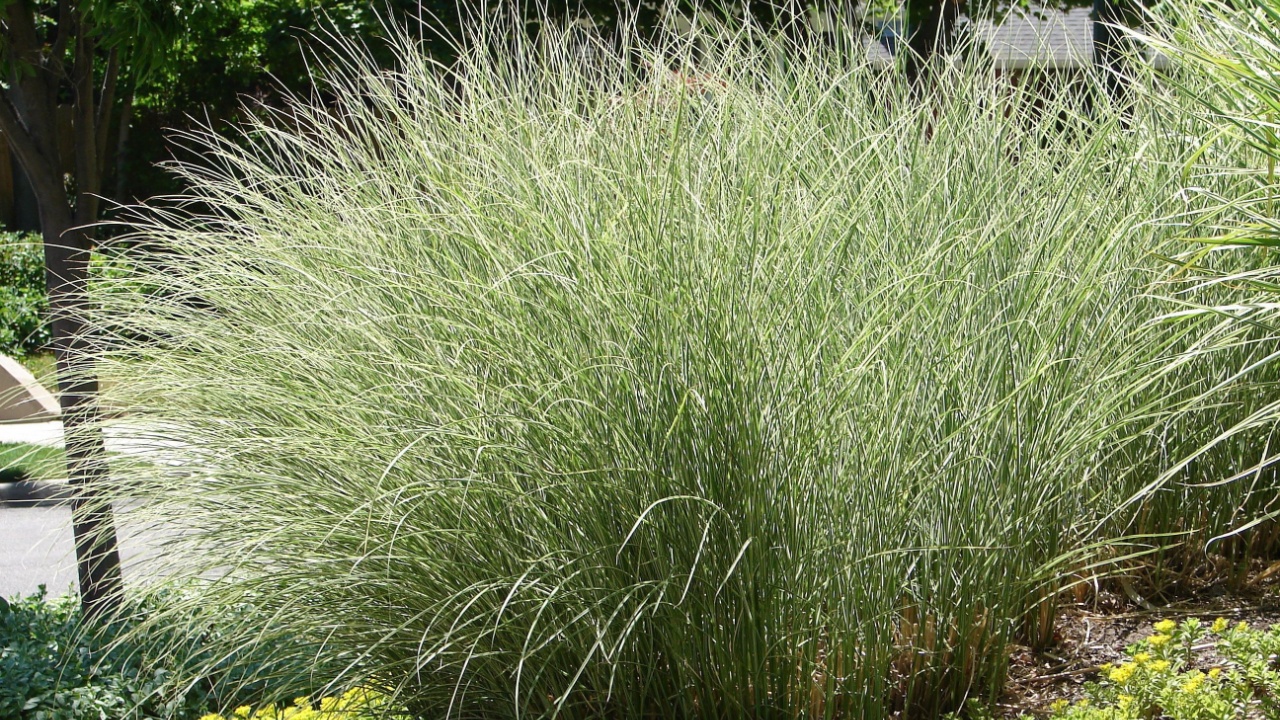
Image Credit: Shutterstock.
Silver grass ‘Morning Light’ shines in USDA zones 5–9 with narrow, variegated blades and a soft, upright form that glimmers in the sun.
Care Tips
Give this grass full sun and well-drained soil for best results. It’s low-maintenance but benefits from extra water until established. Choose sterile selections in regions prone to self-seeding. Cut clumps to the ground in late winter before new growth emerges.
Landscaping Ideas
This elegant grass makes a refined specimen by patios or as a softly textured backdrop for hydrangeas, tall perennials, and autumn-blooming flowers. Its upright form suits both traditional and modern designs, and it brings visual lightness to mixed borders or open lawns.
How to Plant and Maintain Ornamental Grasses
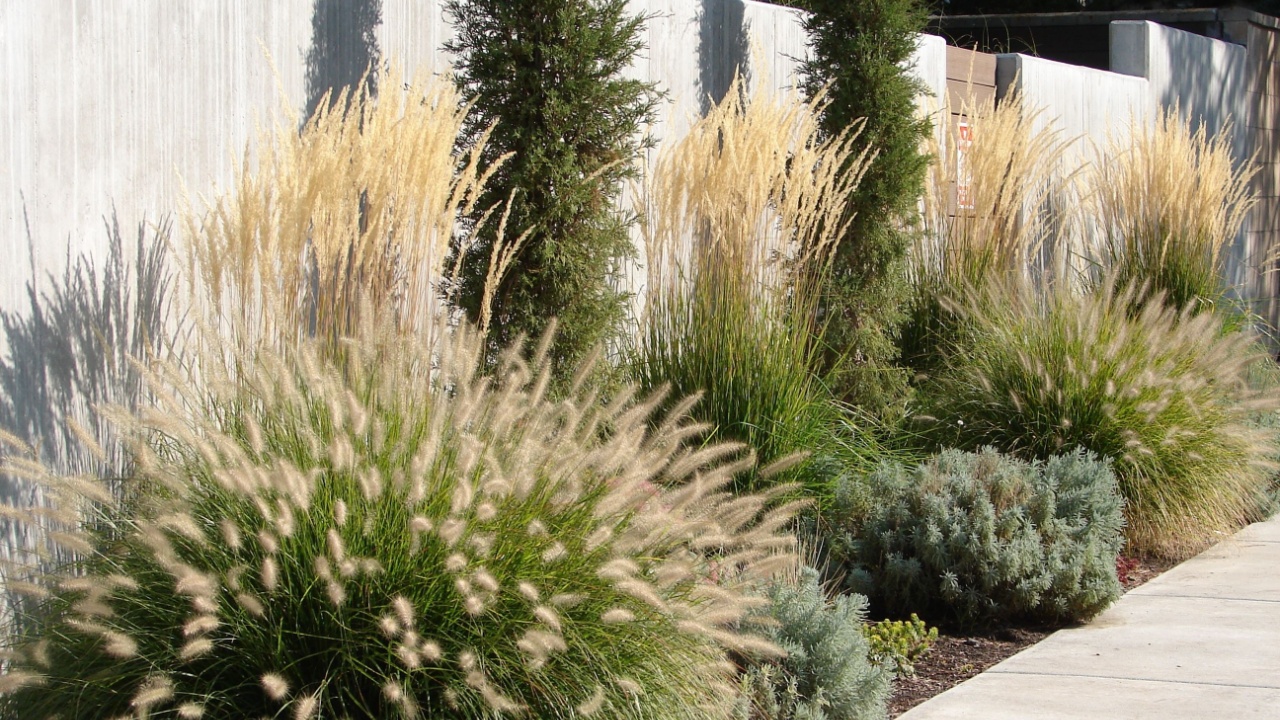
Image Credit: Shutterstock.
If you’re ready to incorporate ornamental grasses into your landscape, here are the top considerations for moving forward.
- Site selection: Most grasses want full sun (6–8 hours). Shade-tolerant exceptions include Hakonechloa and Deschampsia.
- Soil: Well-drained is key. For heavy clay, amend with compost and grit; for sand, add organic matter to retain moisture.
- Watering: Water deeply to establish (first season), then ease off. Most listed grasses handle short dry spells.
- Feeding: Go easy. Too much fertilizer makes grasses floppy and reduces color.
- Pruning: Leave stems over winter for habitat and structure; cut back late winter/early spring before new growth.
- Division: Every 3–5 years for cool-season clumps (like fescue and feather reed) to maintain vigor.
Design Tips That Always Work
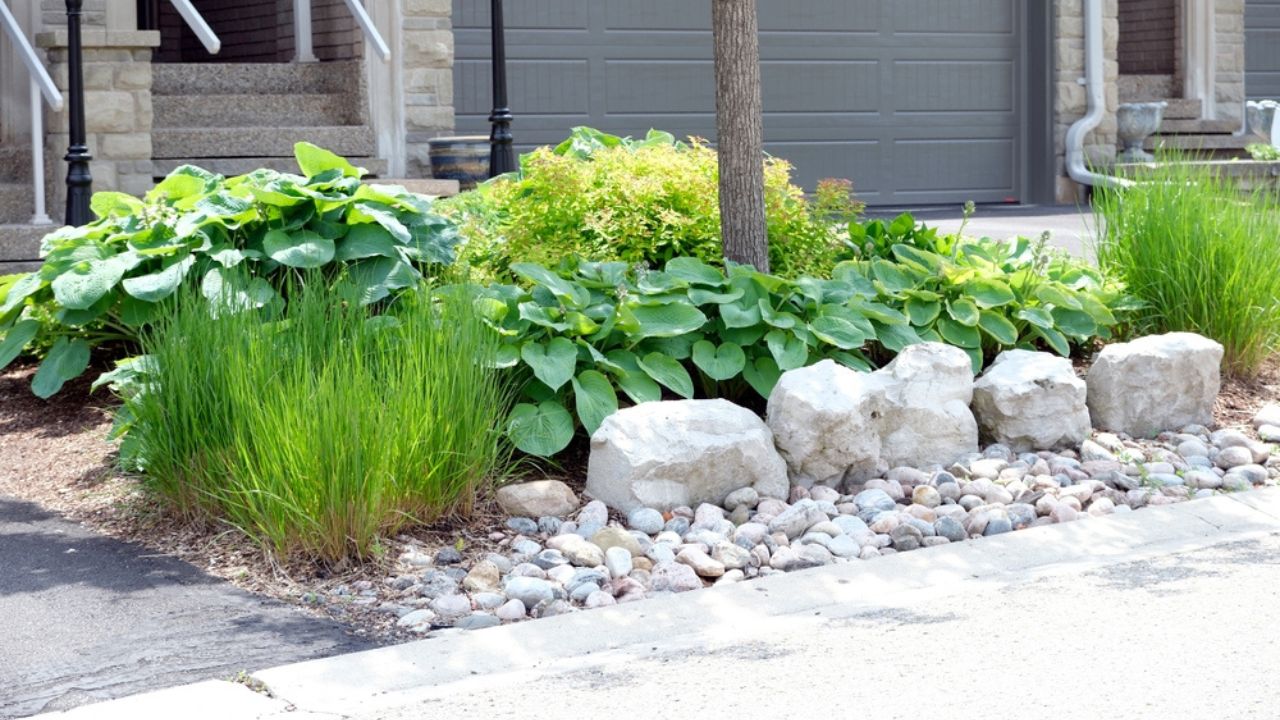
Image Credit: Shutterstock.
- Contrast textures: Pair fine blades (Deschampsia) with bold leaves (hosta, bergenia).
- Layer heights: Use tall forms (Miscanthus) at the back, medium (Panicum) mid-border, and low (Festuca, Blue Grama) at edges.
- Repeat for rhythm: Repeat the same grass in odd-number groupings to guide the eye through the garden.
- Four-season interest: Choose plants with strong winter silhouettes (Karl Foerster, Panicum) and fall color (Little Bluestem, Switchgrass).
- Consider optimal companion planting to help your yard thrive easier.
Choose Once, Enjoy for Years
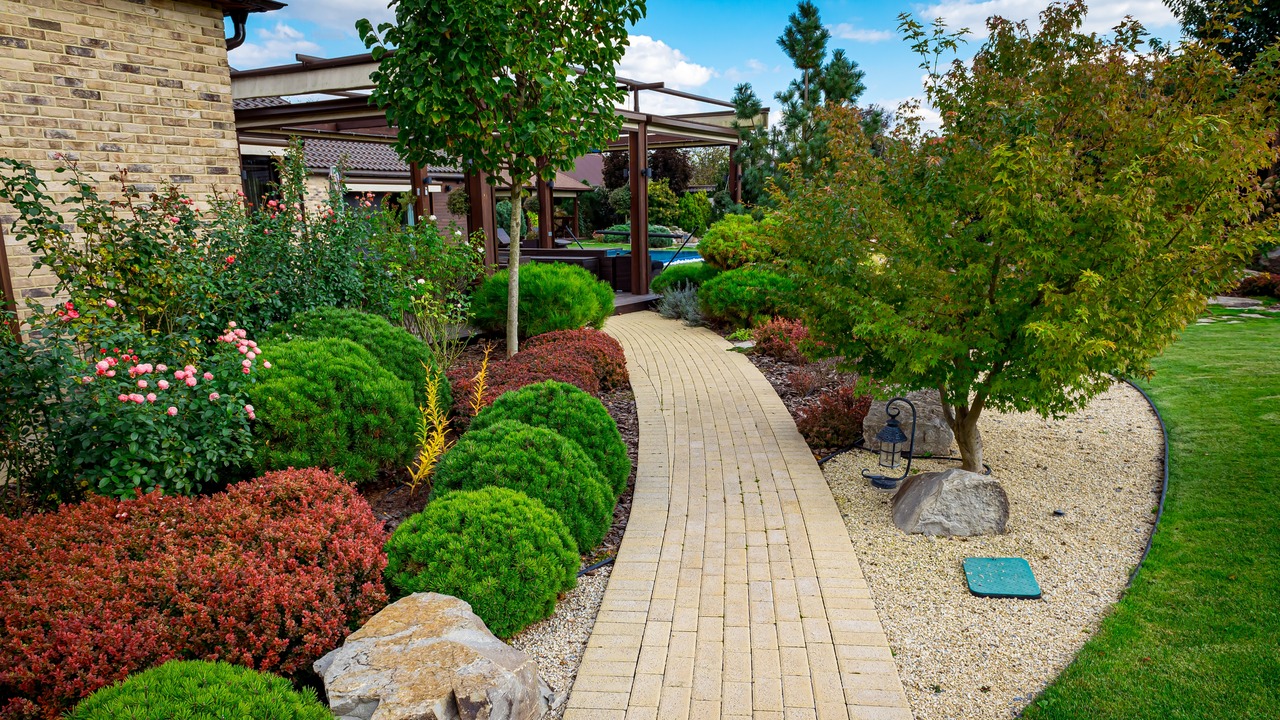
Image Credit: Shutterstock.
Perennial grasses work hard with minimal fuss. Pick a few that match your sun, soil, and style, plant them in drifts or defined clumps, and let them anchor your landscape through every season.
Start with two or three contrasting varieties, repeat them in key spots, and you’ll have a cohesive, low-maintenance garden that looks polished year after year.