

Your living room should be a personal sanctuary, a place where you can collapse after a long day and feel the stress melt away. It’s the room where movie marathons happen, where holiday cheer is imbibed, where deep conversations unfold, and where you perfect the art of doing absolutely nothing (sometimes).
Wouldn’t it be nice to transform it from just a room into a space that feels like a warm embrace? With just a few thoughtful details, you can create a space that’s all about pure comfort. Here are some ways to make your living room one of the most comfortable spots in the house.
1. Pile on the Pillows

Image Credit: Depositphotos.com.
A sofa without pillows is like a birthday cake without frosting. Throw pillows are the easiest way to add comfort, personality, and a sense of abundance to your living room. The trick is to mix and match sizes, shapes, and textures.
Don’t be afraid to combine a square velvet pillow with a round boucle one and a lumbar pillow in a fun pattern. This creates visual interest and gives you options for maximum lounging support.
Quick Look:
- Why it works: A variety of pillows offers both visual depth and physical comfort, making your seating look and feel more inviting.
- Next steps: Look for pillow covers that you can swap out seasonally. This is a budget-friendly way to refresh the room’s look. For a full, luxurious feel, choose inserts that are one to two inches larger than the pillow cover itself.
2. Introduce a Plush Velvet Sofa
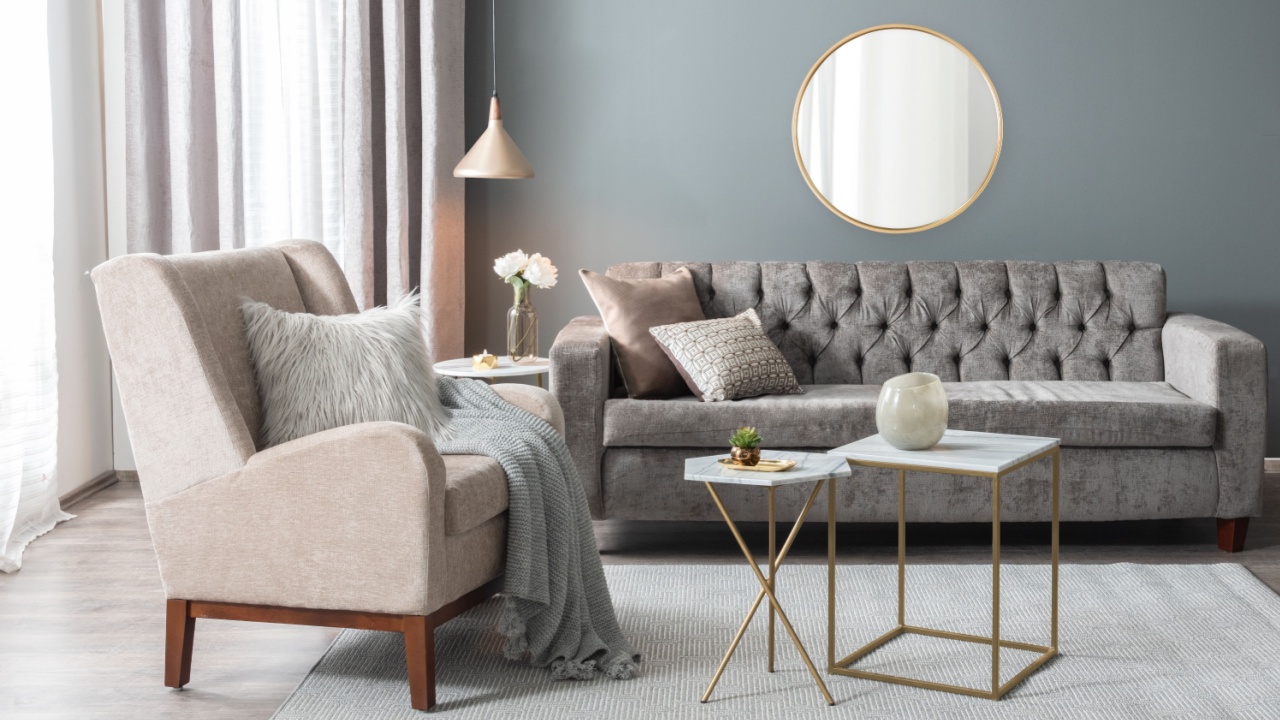
Image Credit: Shutterstock.
If you’re going to splurge on one piece of furniture, let it be a velvet sofa. Velvet has a unique way of looking completely glamorous while feeling incredibly soft and welcoming. It catches the light beautifully, adding richness and depth to your color scheme. Modern velvets are also surprisingly durable, so you don’t have to treat them with kid gloves. Just imagine sinking into a jewel-toned velvet sofa at the end of the day.
Quick Look:
- Why it works: Velvet provides a rich texture and a touch of luxury that instantly elevates the comfort level of a room.
- Next steps: To care for velvet, vacuum it regularly with a soft brush attachment. For spills, blot immediately with a clean, dry cloth. Avoid rubbing, which can damage the pile.
3. Embrace a Warm Earth Tone Palette
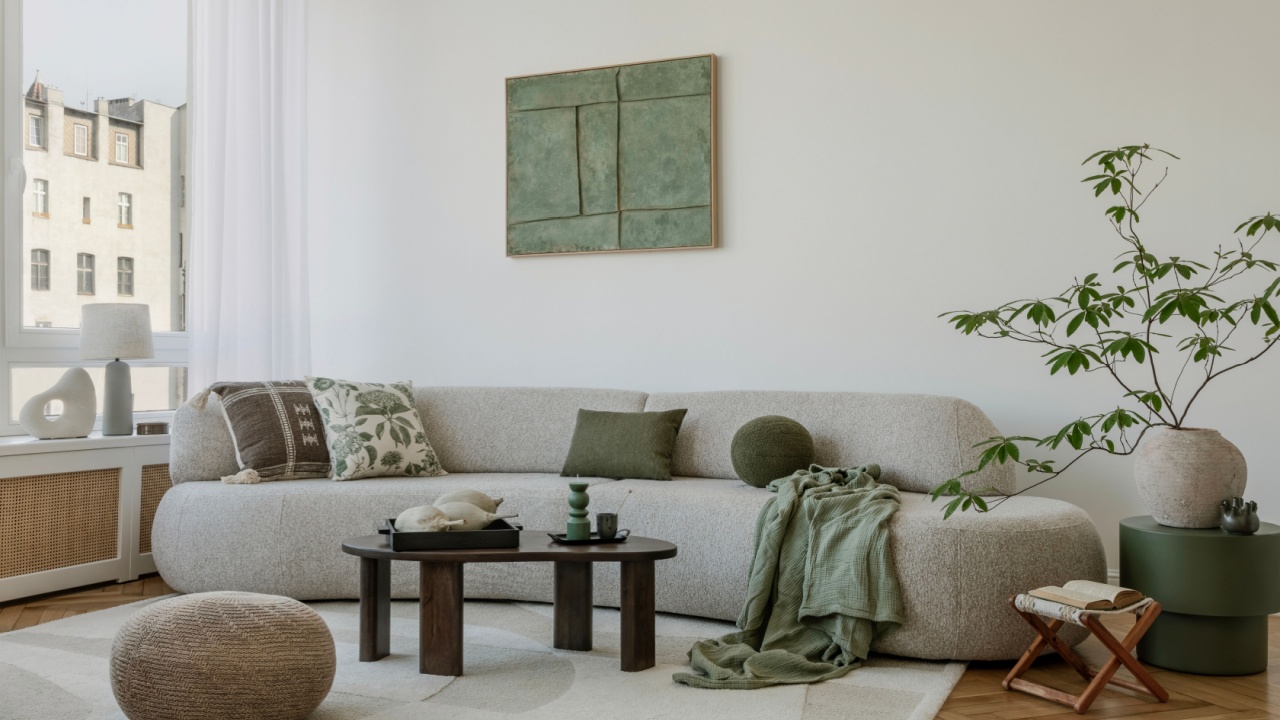
Image Credit: Shutterstock.
Colors have a powerful effect on our mood, and warm earth tones are like a balm for the soul. Shades of terracotta, rust, olive green, and sandy beige create a connection to the natural world, which is inherently calming. These colors are grounding and stable, making a space feel secure and serene. You can use them on your walls, in your textiles, or as accent colors in your decor.
Quick Look:
- Why it works: These natural hues are easy on the eyes and promote a sense of calm and stability, making the room feel grounded.
- Next steps: Get paint swatches and tape them to your walls. Observe how they look at different times of day before committing. If painting feels like too much, introduce these colors through artwork, rugs, or a statement armchair.
4. Layer Different Textures
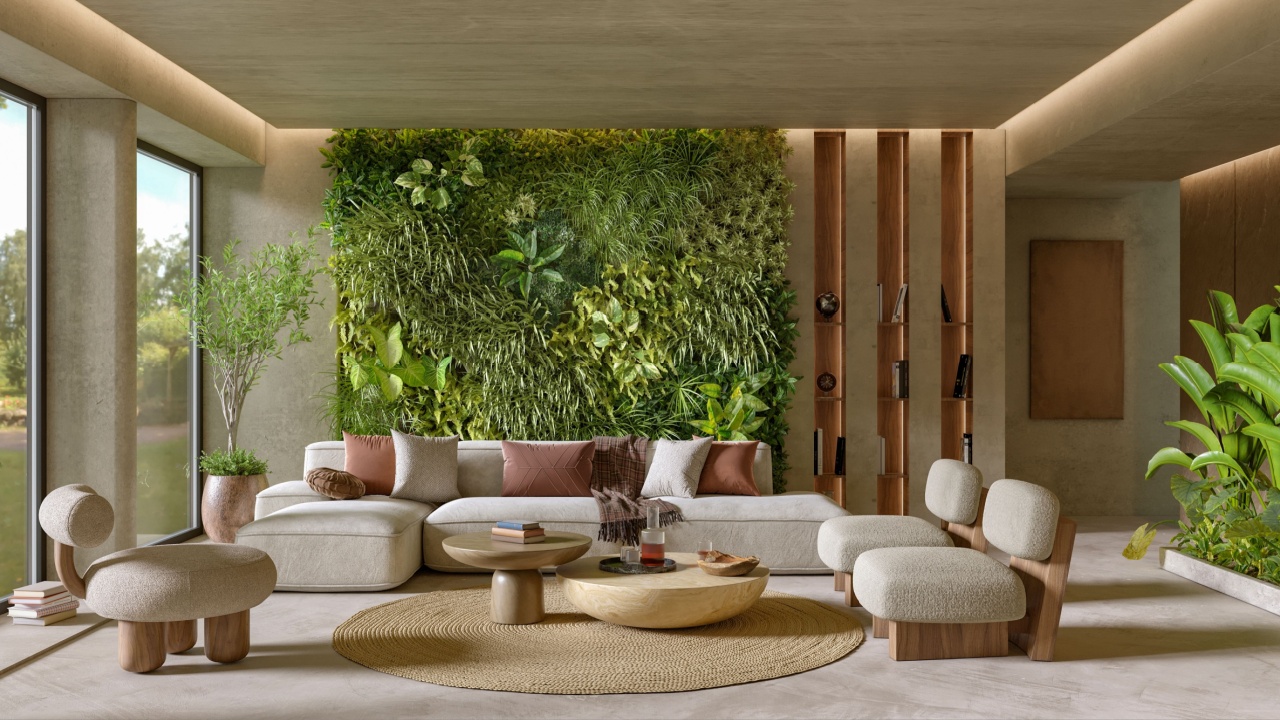
Image Credit: Shutterstock.
A room with a single texture can feel flat and uninteresting. The secret to a rich, enveloping space is layering a variety of textures. Combine smooth with rough, soft with hard. Imagine a nubby wool rug beneath a smooth leather armchair, with a faux fur blanket draped over the side, and a sleek metal lamp nearby. Your hands and eyes will love the variety, and your guests will be instantly at ease.
Quick Look:
- Why it works: Layering textures adds visual weight and complexity, making a room feel more complete and thoughtfully designed.
- Next steps: Take stock of the existing textures in your room. If everything is smooth, add a woven basket for storage, a chunky knit throw, or curtains made from a tactile material like linen or tweed.
5. Add a Wool Pile Rug

Image Credit: Shutterstock.
Your feet deserve to be happy, too. A thick, wool-pile rug feels fantastic underfoot and does wonders for a room’s acoustics by absorbing sound. It acts as a soft foundation for your entire design, anchoring the furniture and adding a significant layer of warmth. A good rug can define a seating area and make it feel more intimate and contained.
Quick Look:
- Why it works: A soft, high-pile rug provides physical warmth, dampens noise, and visually grounds the furniture arrangement.
- Next steps: When choosing a size, make sure that at least the front legs of your sofa and chairs are on the rug. This makes the space feel more connected. For high-traffic areas, a wool rug is a great choice because its natural fibers are durable and relatively easy to clean.
6. Get a Window Seat
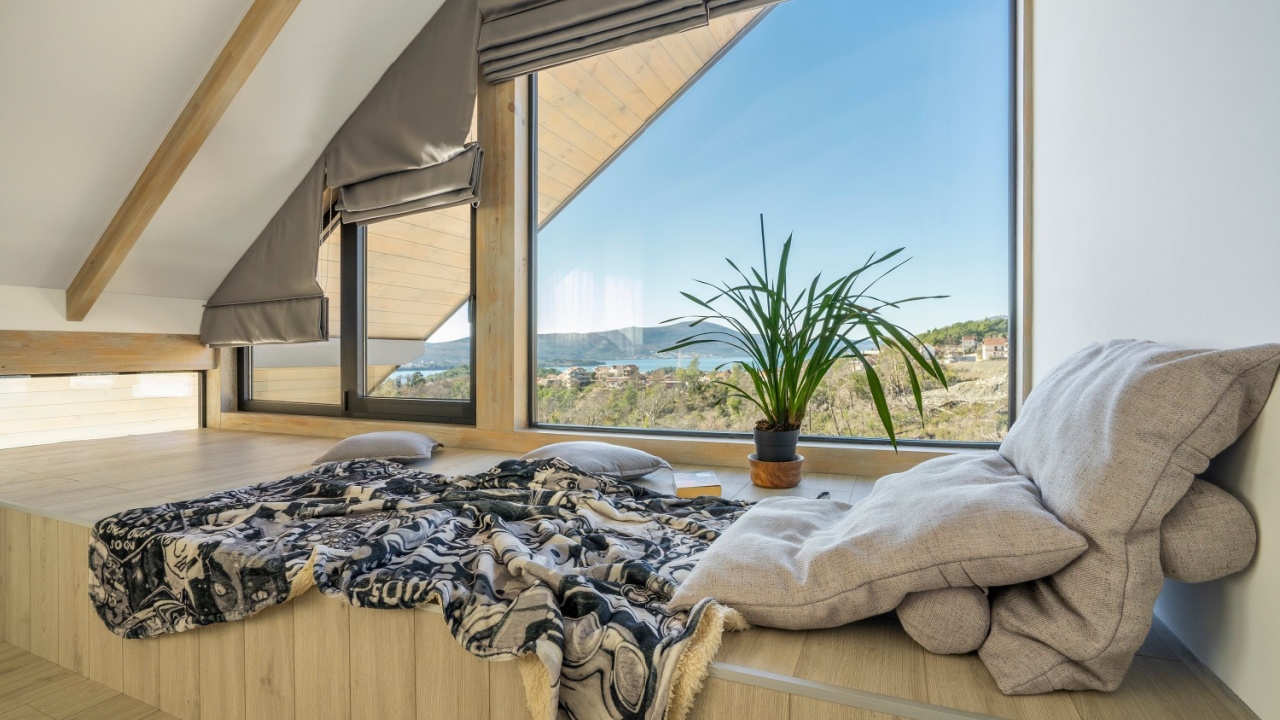
Image Credit: Shutterstock.
A window seat is the ultimate spot for reading, daydreaming, or enjoying a morning cup of coffee. It’s a room within a room, a special nook designed purely for relaxation. If you have a bay window or even just a standard window with some space below it, you can create one. It adds architectural interest and provides bonus seating and often hidden storage.
Quick Look:
- Why it works: It creates a dedicated relaxation zone that feels separate from the main living area, encouraging quiet moments.
- Next steps: You can build a custom bench or find a ready-made one that fits your space. Top it with a thick, comfortable cushion and an assortment of pillows to make it irresistible.
7. Style Your Shelves
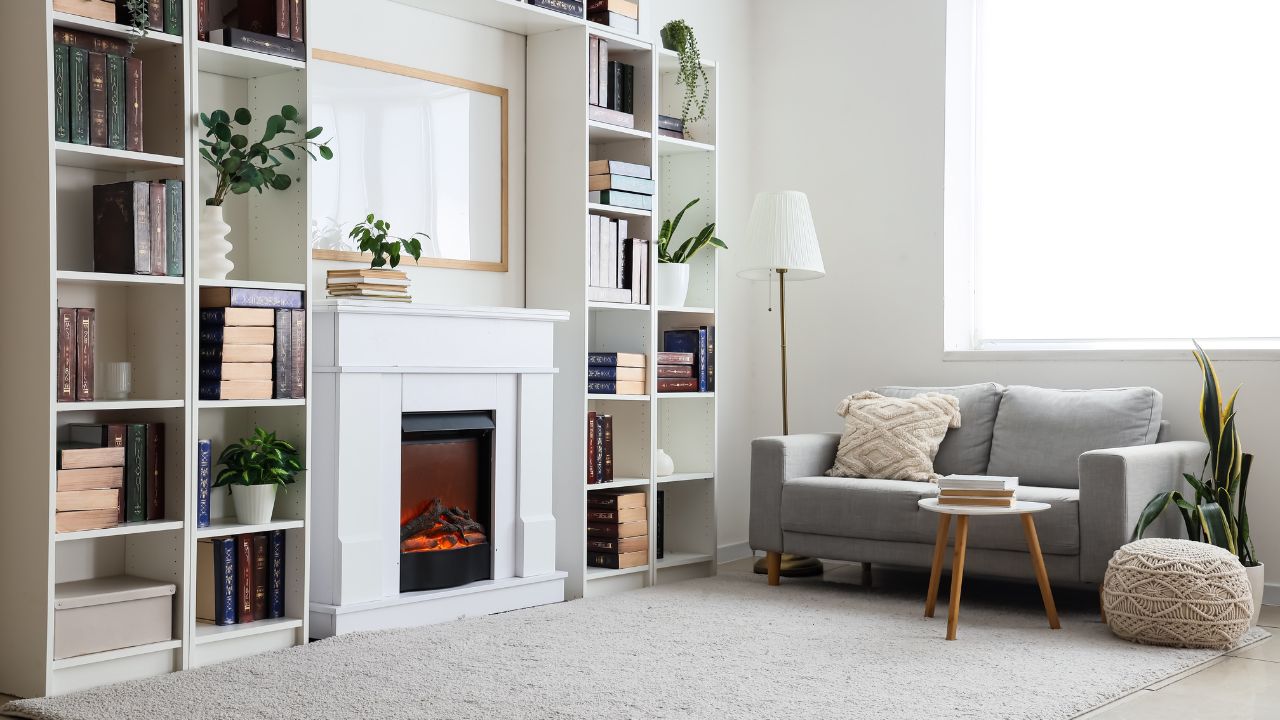
Image Credit: Shutterstock.
Bookshelves aren’t just for books anymore. They are a canvas for your personality. Styling your shelves with a mix of books, travel souvenirs, family photos, and small plants turns them into a focal point that tells your story. Instead of cramming every shelf full, leave some breathing room. This creates a look that is curated and personal, not cluttered.
Quick Look:
- Why it works: Well-styled shelves add personality and a sense of history to a room, making it feel uniquely yours.
- Next steps: Group items in odd numbers, like three or five, for a more dynamic look. Vary the height and shape of the objects. Stack some books horizontally and place a small object on top to create interesting visual layers.
8. Bring in Multiple Plants
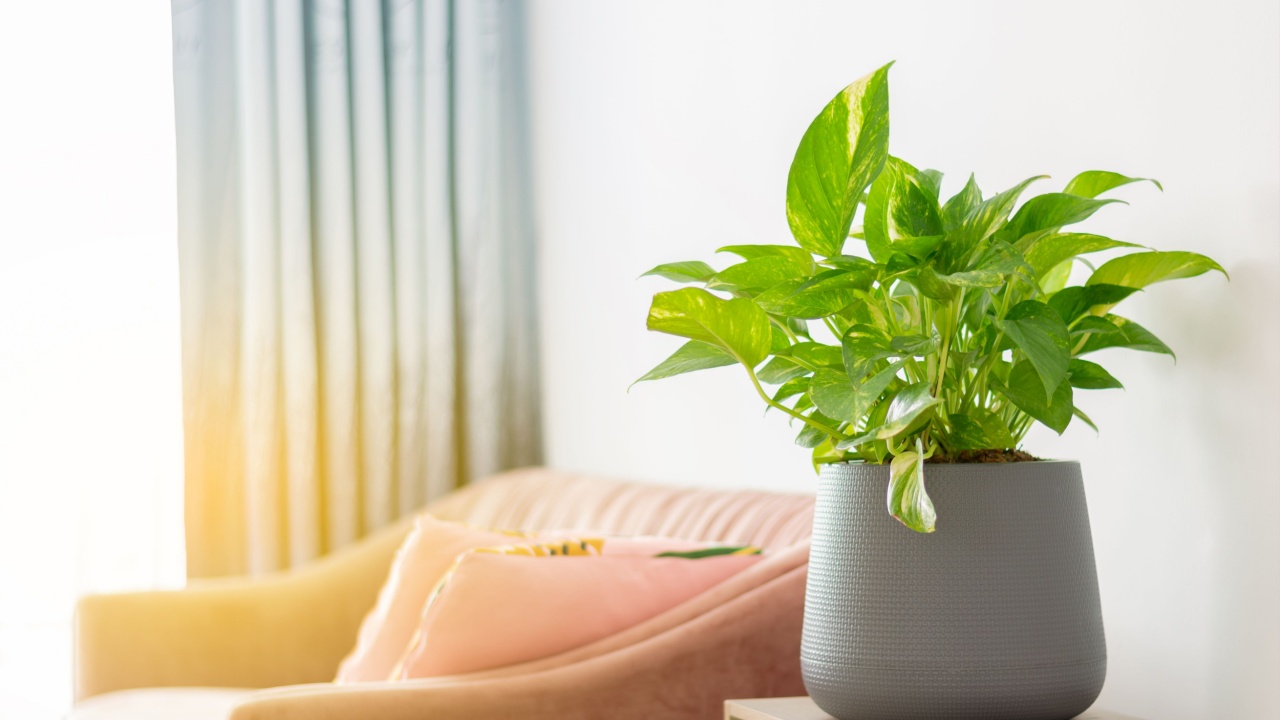
Image Credit: Shutterstock.
Plants are living decor that literally breathe life into a room. They purify the air, add a pop of natural color, and have been shown to reduce stress. A room with several plants just feels healthier and more vibrant. You can mix large floor plants, like a fiddle leaf fig, with smaller potted plants on shelves and tables. The more greenery, the better.
Quick Look:
- Why it works: Plants connect us to nature, improve air quality, and add organic shapes and colors that soften a room’s hard edges.
- Next steps: Choose plants that suit the light conditions in your living room. If you’re a beginner, start with low-maintenance options like snake plants, pothos, or ZZ plants. They are quite forgiving.
9. Use Moody Paint Colors
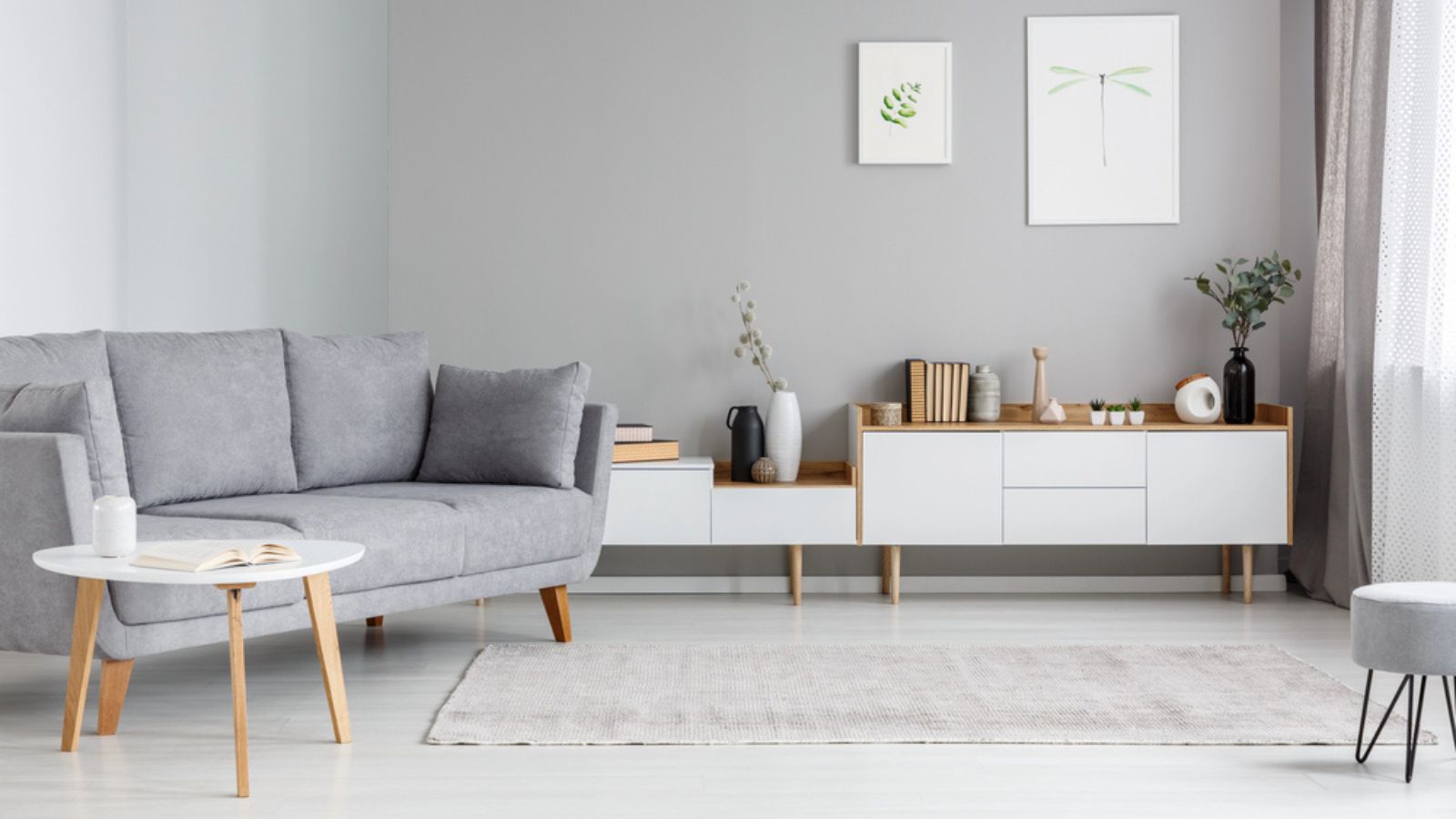
Image Credit: Depositphotos.com.
Forget the old rule that small or dark rooms must be painted white. A deep, moody color like charcoal gray, navy blue, or forest green can make a room feel incredibly intimate and sophisticated. These saturated colors absorb light, which makes the boundaries of the room blur and creates a snug, den-like atmosphere. It’s a bold move, but the payoff is a space that feels dramatic and enveloping.
Quick Look:
- Why it works: Dark, rich colors can make a room feel like a protective cocoon, especially in the evenings when you want to unwind.
- Next steps: If you’re hesitant to paint the whole room, try a single accent wall behind the sofa. Be sure to balance the dark walls with lighter furniture, warm lighting, and metallic accents to keep the space from feeling heavy.
10. Install Warm Lighting

Photo Credit: Depositphotos.com.
Harsh, overhead lighting is the enemy of a comfortable living room. The best approach is to use a layered lighting scheme with multiple light sources. This means having a mix of ambient, task, and accent lighting. Use table lamps, floor lamps, and maybe even a dimmer switch on your main light fixture. Warm-toned light bulbs (around 2700K) cast a soft, golden glow that is much more flattering and relaxing than cool, blue-toned light.
Quick Look:
- Why it works: Layered, warm-toned lighting eliminates harsh shadows and allows you to adjust the room’s brightness to suit any mood or activity.
- Next steps: Place lamps at different heights around the room to create a balanced feel. A floor lamp next to a reading chair and a table lamp on a side table are great places to start. Use dimmer switches wherever possible for ultimate control.
11. Drape Textiles Everywhere
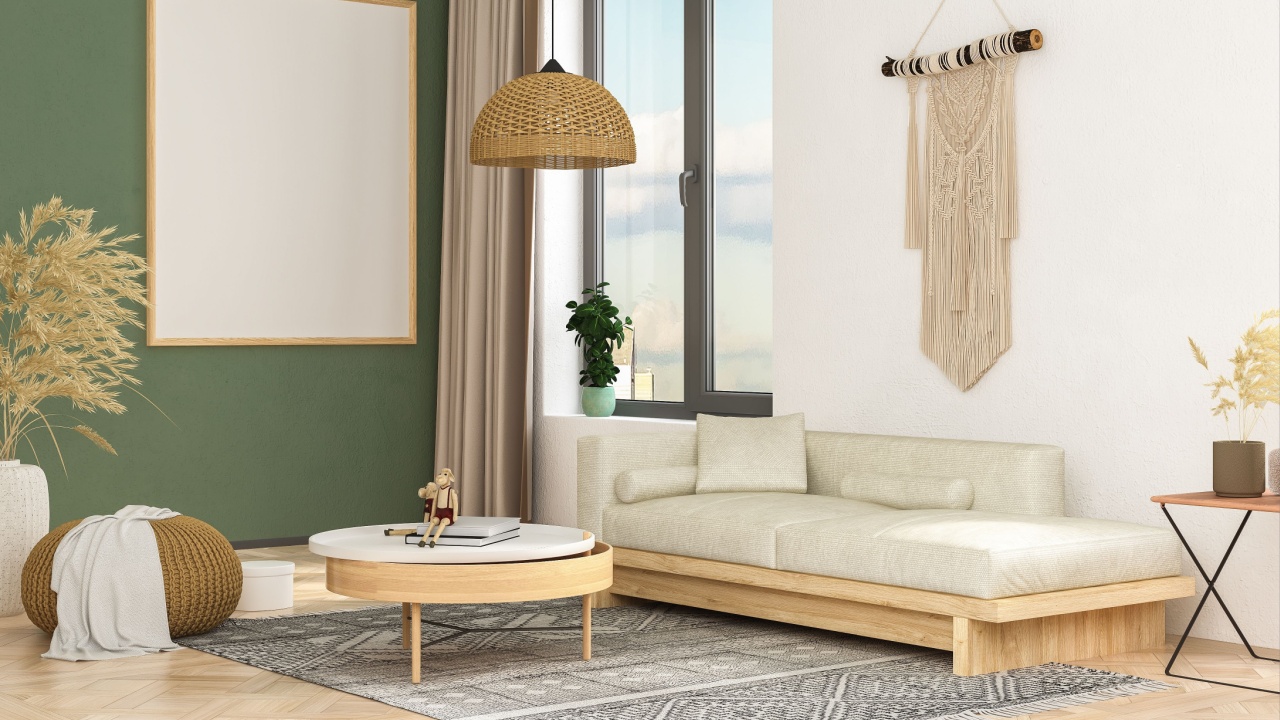
Image Credit: Shutterstock.
Don’t just limit textiles to your pillows and rugs. A soft throw blanket casually draped over the arm of a sofa or the back of a chair is an open invitation to get comfortable. You can also hang a beautiful textile, like a vintage quilt or a macrame wall hanging, as art. This adds another layer of softness and texture, contributing to the room’s overall sense of ease.
Quick Look:
- Why it works: Draped textiles soften the lines of furniture and walls, adding a relaxed and informal feeling to the space.
- Next steps: Choose throws made from materials like chenille, cashmere, or chunky knit wool for maximum touchability. When not in use, store them in a large woven basket for a look that is both tidy and stylish.
12. Mix in Antiques and Vintage Decor
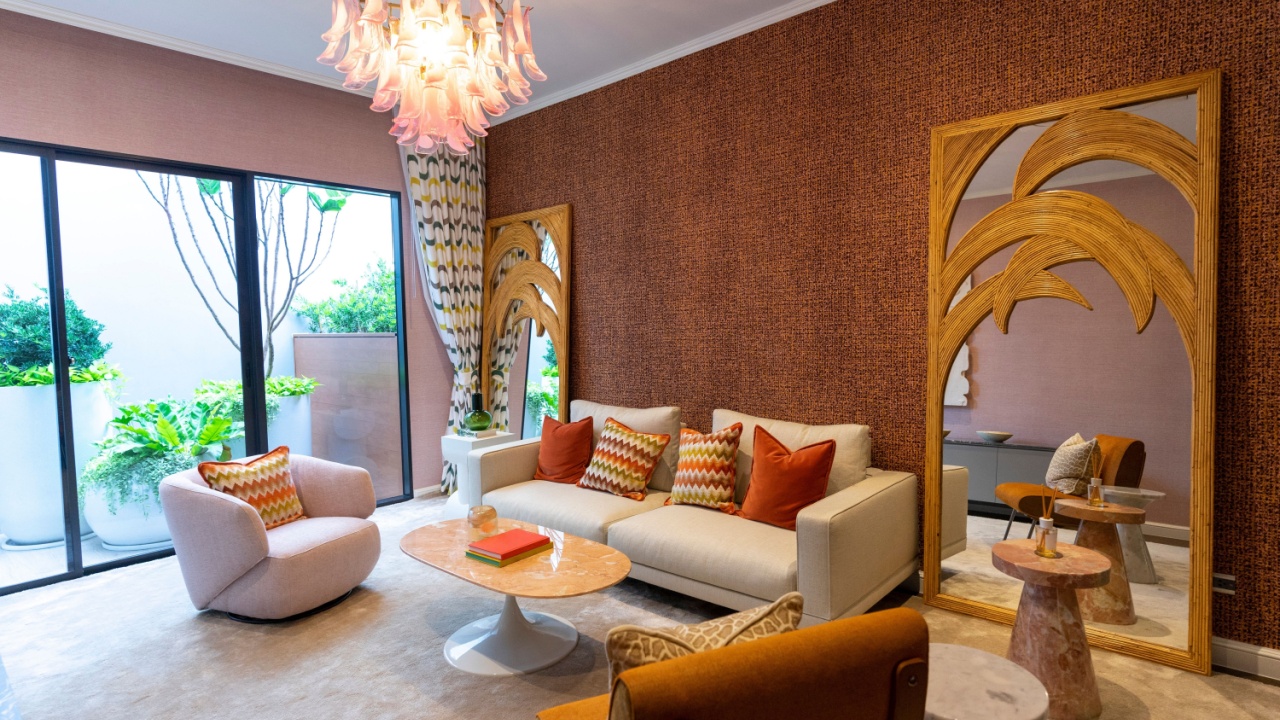
Image Credit: Shutterstock.
A room filled entirely with new, mass-produced furniture can lack soul. Incorporating antique or vintage pieces adds character, history, and a sense that the room has been carefully curated. A weathered wooden chest used as a coffee table or a pair of mid-century armchairs can tell a story that new items can’t. They bring a unique warmth and individuality to your space.
Quick Look:
- Why it works: Vintage pieces add a layer of history and character that prevents a room from feeling generic or sterile.
- Next steps: You don’t need a house full of antiques. Start with one or two pieces that you truly love. Scour flea markets, thrift stores, and online marketplaces for unique finds that speak to you.
13. Supersize Your Seating
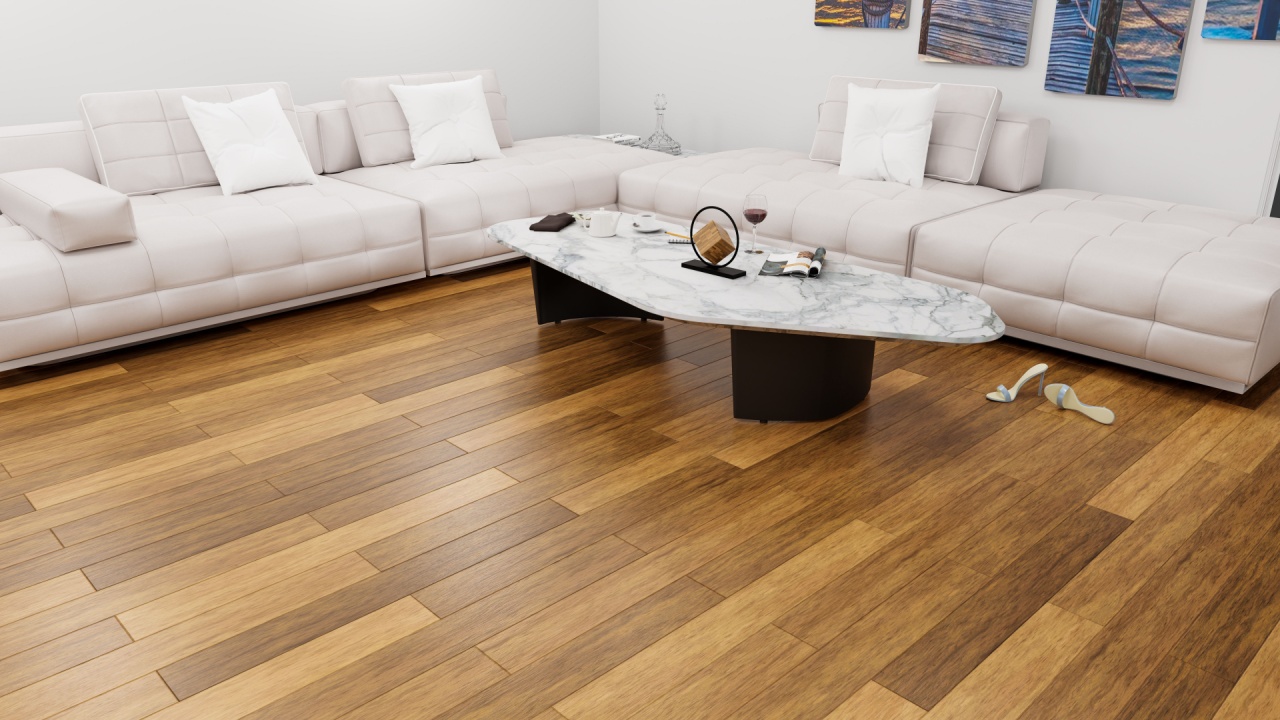
Image Credit: Shutterstock.
When it comes to comfortable seating, bigger can be better. A deep, oversized sofa or a sprawling sectional provides ample room for the whole family to pile on for movie night. It’s a piece of furniture that says, “Go ahead, put your feet up and stay a while.” This is about prioritizing pure, unadulterated comfort over formal seating arrangements.
Quick Look:
- Why it works: Generously sized seating encourages lounging and relaxation, making the living room the default spot for informal gatherings.
- Next steps: Measure your space carefully before buying. An oversized sofa can easily overwhelm a small room. Look for modular sectionals that you can configure to perfectly fit your layout.
14. Embrace a Symmetrical Layout
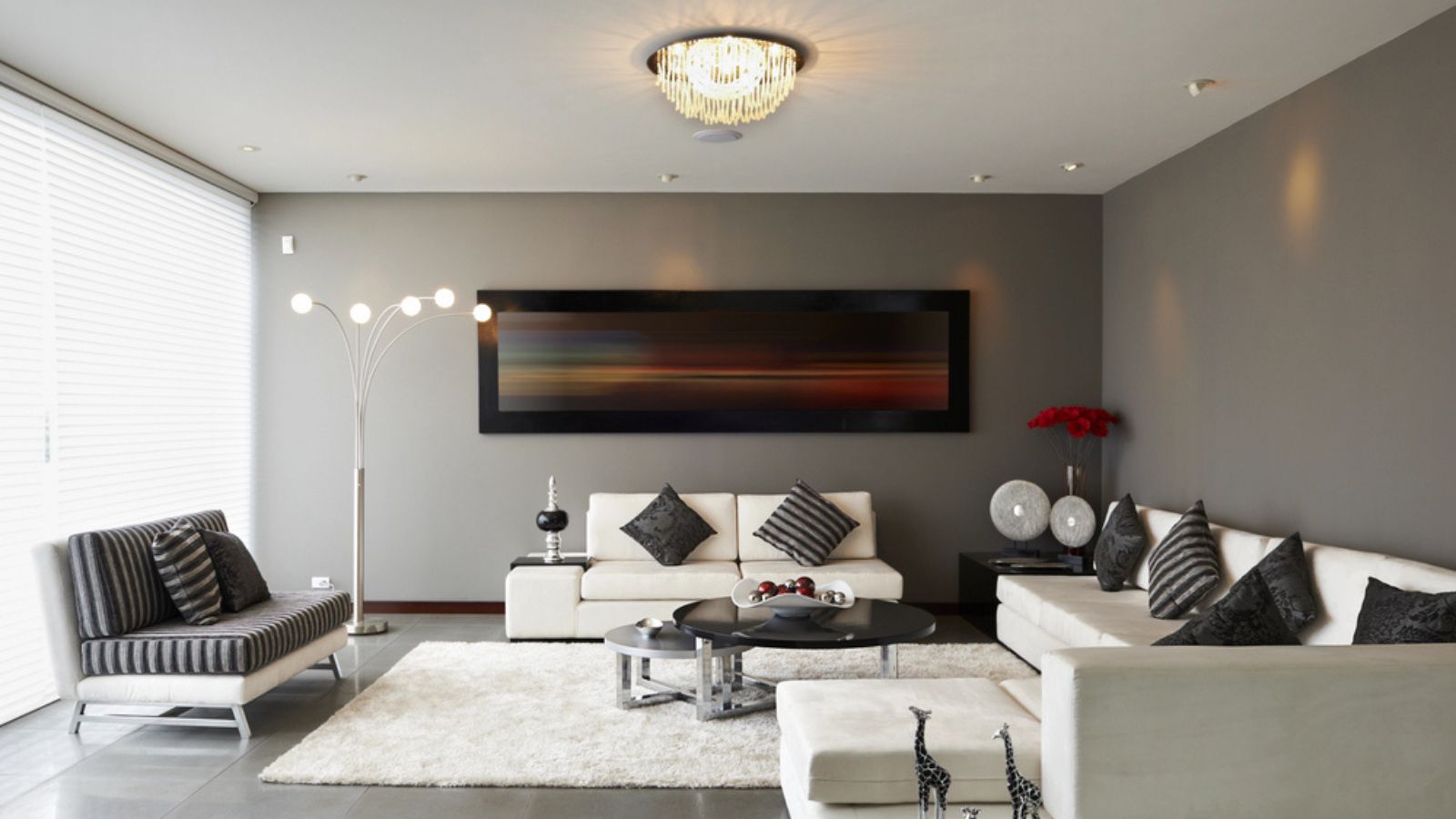
Image Credit: Depositphotos.com.
There is a sense of calm and order in symmetry. Arranging your furniture in a balanced layout can make a room feel peaceful and harmonious. This could mean placing matching sofas opposite each other, or flanking a fireplace with identical armchairs and lamps. The human brain is naturally drawn to symmetry, so this arrangement can feel very restful and pleasing to the eye.
Quick Look:
- Why it works: Symmetry creates a sense of visual order and balance, which translates to a feeling of calm and tranquility in the space.
- Next steps: Use a central point, like a fireplace or a large window, as your anchor. Arrange your main furniture pieces in a mirror image on either side of this focal point.
15. Create a Cozy Fireplace Focal Point
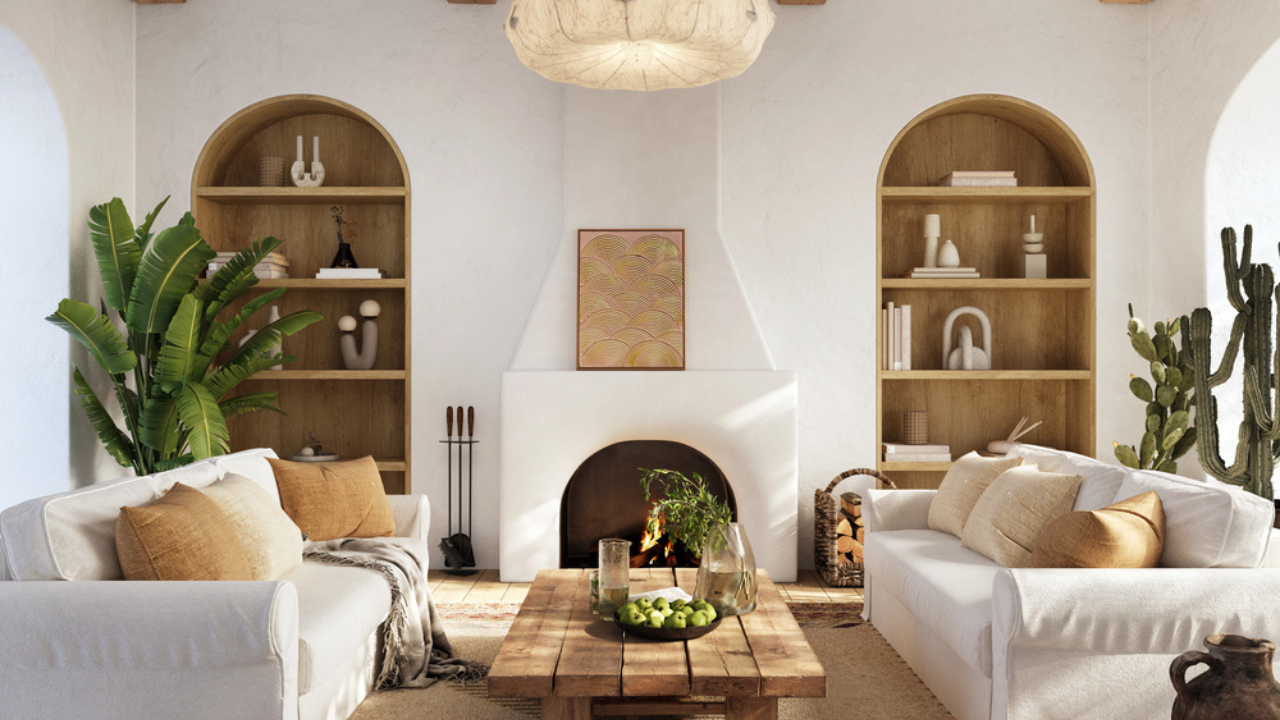
Image Credit: Deposit Photos.
If you are lucky enough to have a fireplace, make it the star of the show. Arrange your main seating to face it, creating a natural gathering spot. Even if your fireplace is non-functional, you can still make it a beautiful focal point by filling it with a cluster of pillar candles, a stack of logs, or a collection of plants. The psychological warmth of a hearth is powerful, drawing people in and encouraging them to linger.
Quick Look:
- Why it works: A fireplace serves as a natural and historic heart of the home, providing both literal and figurative warmth.
- Next steps: Keep the mantel decor simple but personal. A piece of art, a mirror, and a few cherished objects are all you need. Place a comfortable rug in front of the hearth to define the space and invite people to sit and enjoy its glow.
Creating Your Comfort Zone

Image Credit: Shutterstock.
A living room that truly comforts you doesn’t come from a checklist. It comes together piece by piece, guided by what feels right in your hands and what makes you exhale when you walk through the door. Choose textures that invite you to linger, colors that calm your mind, and furniture that welcomes you without pretense.
Let the space grow with you. Try one or two of these ideas, then see what else your home might be asking for. The most comforting rooms are those that feel lived in, loved, and like you’d never want to leave.