
Living in a small apartment presents a unique opportunity to get creative with your space. While limited square footage can feel like a challenge, it’s also a canvas for clever design and personal expression. Your living room, often the heart of the home, doesn’t need to be huge to be stylish, comfortable, and functional. It’s all about making smart choices that maximize both the look and feel of your area.
By focusing on key design principles, you can transform a compact room into a cozy and inviting haven. From choosing the right furniture to playing with color and light, even the smallest adjustments can make a significant impact. This guide will walk you through ten effective ideas to help you create a living room that not only supports your lifestyle but also reflects your unique personality.
1. Choose Smart, Right-Sized Furniture

Image Credit: Shutterstock.com.
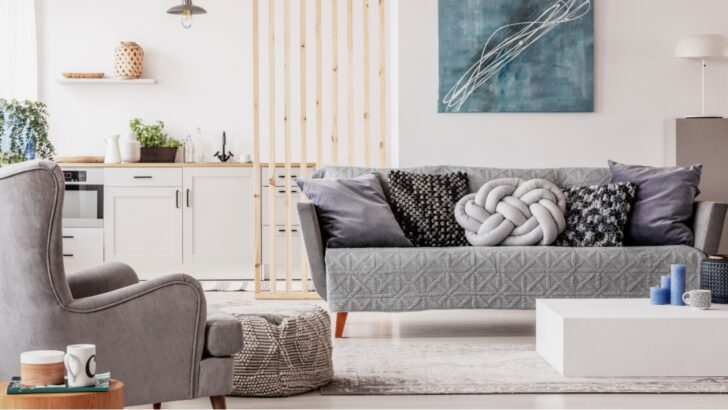
When space is at a premium, every piece of furniture counts. Opting for pieces that are appropriately scaled to the room is the most crucial step. A massive, overstuffed sofa can easily overwhelm a small living room, making it feel cramped and cluttered. Instead, look for sleeker designs, like a “small sofa” or loveseat that is deep enough for comfort but doesn’t dominate the floor plan. Furniture with exposed legs, such as mid-century modern couches or chairs, creates a sense of openness by allowing you to see the floor underneath.
This approach doesn’t mean you have to sacrifice comfort or style. A well-chosen, smaller sofa can be just as comfortable as a larger one. You can then build around it with other carefully selected items, like a slim armchair or a compact coffee table, to create a balanced and functional layout.
Summary & Next Steps:
- Why it works: Prevents the room from feeling cramped and improves flow.
- How to do it: Measure your space before shopping. Look for sofas under 70 inches wide and furniture with raised legs.
- Next step: Start by decluttering your current furniture. Identify the largest piece and consider if a smaller alternative would better suit the room.
2. Embrace a Bold Maximalist Style
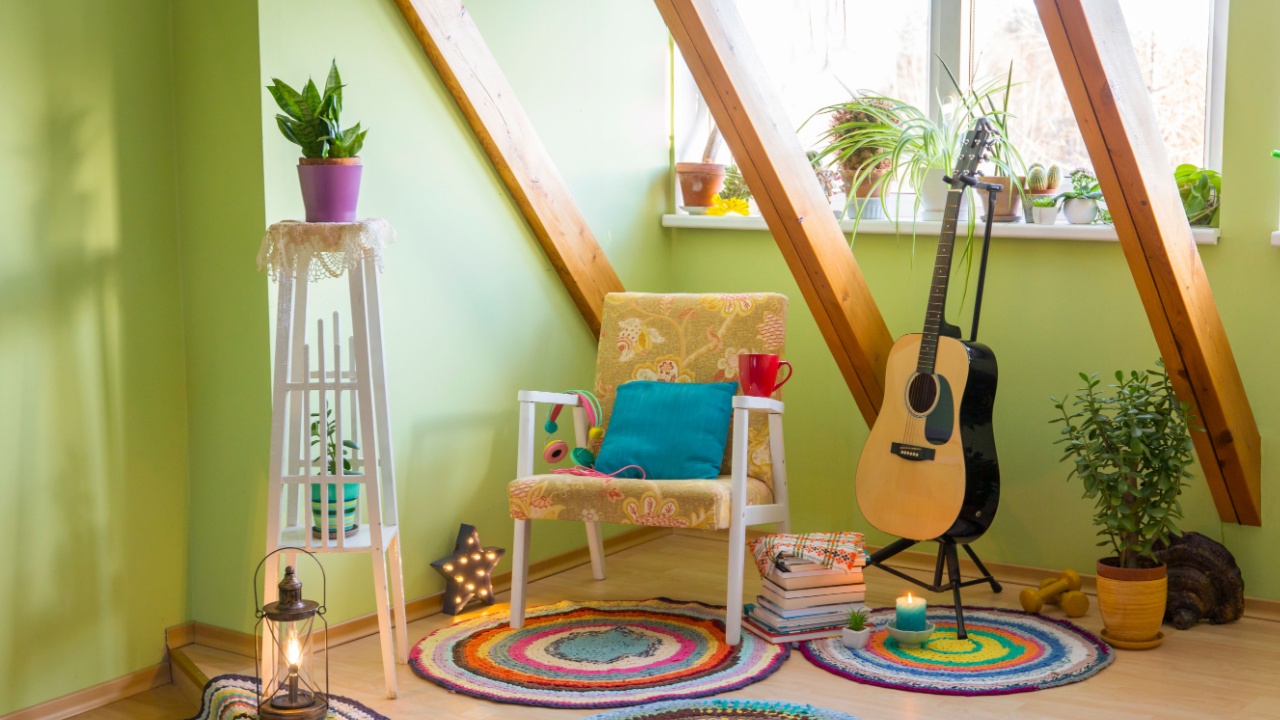
Image Credit: Shutterstock.com.
Minimalism isn’t the only option for small spaces. If your personal style leans more towards “more is more,” you can absolutely embrace maximalism. The key is to be intentional with your choices. A maximalist small living room feels curated and cozy, not chaotic. Think rich, dark wall colors, a vibrant velvet sofa, eye-catching patterns, and a gallery wall filled with art that you love.
The trick to pulling this off is creating a cohesive look through a consistent color palette or theme. For example, you might use a specific color, like emerald green or deep blue, as an anchor that appears in your sofa, artwork, and accessories. This creates a unified design that feels purposeful and inviting rather than messy. Don’t be afraid to fill the space with your personality.
Summary & Next Steps:
- Why it works: Creates a cozy, personalized, and visually interesting space that reflects your personality.
- How to do it: Choose a core color palette. Layer textures and patterns, and fill walls with art.
- Next step: Pick a bold piece of furniture or a dramatic paint color to act as the room’s focal point and build from there.
3. Utilize Neutrals for a Calm Atmosphere

Image Credit: Shutterstock.
While bold colors can be fantastic, a neutral color scheme is a classic strategy for making a small space feel larger, calmer, and more serene. Shades of white, beige, gray, and soft earth tones create a light and airy atmosphere that can feel like a relaxing retreat from the busy world outside. Decorating with neutrals doesn’t have to be boring.
The secret to a compelling neutral room is texture. Layer different materials like a soft wool rug, linen throw pillows, a smooth wooden coffee table, and woven wall hangings. These elements add depth and warmth, preventing the space from feeling flat or sterile. Adding a few houseplants can also introduce a natural, living element that complements the tranquil vibe.
Summary & Next Steps:
- Why it works: Makes the room feel more spacious, open, and relaxing.
- How to do it: Stick to a palette of whites, beiges, and grays. Introduce a variety of textures through textiles, wood, and plants.
- Next step: Select a primary neutral shade for your walls and largest furniture pieces. Then, gather accessories in different textures within that color family.
4. Add Personality with Pops of Color

Image Credit: Shutterstock.com.
If you love color but are hesitant to commit to a bold wall, using colorful accents is the perfect solution. A neutral base, such as white walls and a gray sofa, provides a perfect canvas for introducing vibrant pops of color through accessories. This strategy allows you to easily update your living room’s look without a major overhaul.
Incorporate color with bright throw pillows, a patterned area rug, dynamic artwork, or a colorful blanket ladder. Even small decorative objects on a shelf or coffee table can make a big impact. This approach gives you the flexibility to experiment with different shades and trends over time. A splash of sunny yellow or rich teal can instantly energize the room and make it feel uniquely yours.
Summary & Next Steps:
- Why it works: Adds energy and personality without overwhelming the space. It’s also easy and affordable to change.
- How to do it: Start with a neutral foundation. Add color through pillows, rugs, art, and decor.
- Next step: Choose two or three accent colors you love and find a few items to sprinkle throughout the room.
5. Play with Pattern for Visual Interest

Image Credit: Shutterstock.com.
Similar to color, patterns can inject a dose of fun and sophistication into a small living room. When working with a mostly neutral or minimalist design, adding a few patterned elements can prevent the space from looking bland. A striped rug, geometric-print pillows, or a floral armchair can serve as a stunning focal point.
The key is balance. You don’t want to mix too many competing patterns, which can make the room feel busy. A good rule of thumb is to use one large-scale pattern (like on a rug), one medium-scale pattern (on curtains or a chair), and one small-scale pattern (on a pillow). Stick to a cohesive color story across your chosen patterns to ensure they complement each other harmoniously.
Summary & Next Steps:
- Why it works: Breaks up solid colors and adds a layer of design sophistication.
- How to do it: Mix patterns of different scales. Keep the color palette consistent among the patterns.
- Next step: Find one patterned piece you absolutely love, like a rug or a piece of art, and use its colors as a guide for other accessories.
6. Go Vertical with Storage and Decor

Image Credit: Shutterstock.com.
In a small footprint, the only way to go is up. Utilizing your vertical space is one of the most effective ways to add storage and display areas without taking up precious floor space. Tall, narrow bookshelves, floating shelves, and wall-mounted cabinets draw the eye upward, making the ceiling feel higher and the room feel more spacious.
Think beyond traditional bookshelves. A leaning ladder shelf can hold books, plants, and decorative objects while maintaining an open feel. You can also create a stunning gallery wall that extends higher up the wall than you might typically place art. This not only showcases your collection but also adds height and drama to the room.
Summary & Next Steps:
- Why it works: Maximizes storage and draws the eye upward, creating an illusion of height.
- How to do it: Install floating shelves, tall bookcases, or use ladder-style shelving.
- Next step: Identify an empty wall and plan a vertical storage solution, whether it’s for books, plants, or decor.
7. Incorporate Reflective Surfaces

Image credit: Depositphotos.com.
Mirrors are a classic tool for making small spaces feel larger, and for good reason. A large mirror can visually double the size of a room by reflecting light and the space itself. Placing a mirror opposite a window is particularly effective, as it will bounce natural light around the room, making it feel brighter and more open.
Beyond mirrors, other reflective surfaces can have a similar effect. Consider a glass coffee table, metallic decor, or furniture with a glossy finish. These elements catch the light and add a touch of glamour and sophistication. They create a sense of lightness that helps to counteract the boxed-in feeling a small room can sometimes have.
Summary & Next Steps:
- Why it works: Reflects light and the room itself, creating an illusion of more space and brightness.
- How to do it: Hang a large mirror on a focal wall. Incorporate glass, metallic, or lacquered furniture and accessories.
- Next step: Find a spot for a large statement mirror, ideally opposite a window or light source.
8. Furnish on a Budget with Thrifted Finds
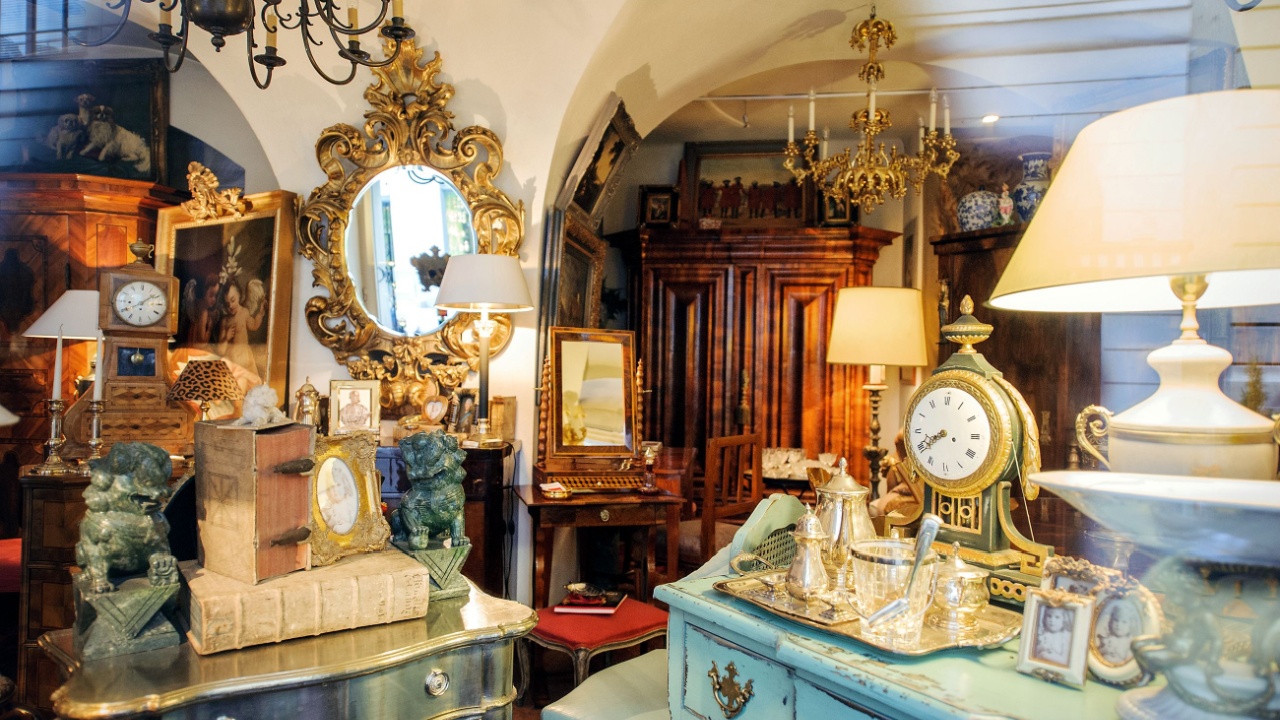
Image Credit: Hadrian / Shutterstock.com
Creating a beautiful living room doesn’t have to break the bank. Thrift stores, flea markets, and online marketplaces are treasure troves of unique and affordable furniture and decor. Decorating with second-hand finds allows you to curate a space that is full of character and personal history.
Look for pieces with good bones that might just need a little love. A wooden side table can be transformed with a fresh coat of paint, or an old chair can be reupholstered in a modern fabric. Mixing these vintage or thrifted items with a few new pieces creates an eclectic, collected look that is far more interesting than a room filled with matching furniture sets.
Summary & Next Steps:
- Why it works: It’s budget-friendly and results in a unique, character-filled space.
- How to do it: Regularly visit local thrift stores and browse online marketplaces. Be open to DIY projects to customize your finds.
- Next step: Make a list of items you need (e.g., side table, lamp, picture frames) and start your treasure hunt.
9. Bring the Outdoors In with Houseplants

Image Credit: Shutterstock.
No matter the size of your home, plants are always a good idea. They add life, color, and a touch of nature that can make any space feel fresher and more vibrant. In a small living room, plants can fill awkward empty corners, add height on top of a bookshelf, or bring a touch of green to your coffee table.
If you’re short on floor space, think vertically. Use hanging planters, wall-mounted planters, or place smaller pots on shelves and window sills. Choose plants that suit the light conditions in your room. For low-light apartments, consider a snake plant or a ZZ plant. If you have bright light, a fiddle leaf fig or a variety of succulents could thrive.
Summary & Next Steps:
- Why it works: Adds natural color, texture, and life to a room, improving air quality and ambiance.
- How to do it: Choose plants that match your room’s light levels. Use hanging planters or shelves to save floor space.
- Next step: Assess the natural light in your living room and visit a local nursery to find a plant that will be happy in your space.
10. Choose Multi-Functional Furniture

Image Credit: Shutterstock.
In a small apartment, every piece of furniture should work hard. Multi-functional furniture is your best friend when it comes to maximizing utility. Look for pieces that can serve more than one purpose, helping you to save space and reduce clutter.
An ottoman with hidden storage can hold extra blankets or magazines while also serving as a footrest or extra seating. A nesting set of coffee tables can be expanded when you have guests and tucked away for daily life. A console table can double as a small desk, and a C-shaped side table can slide over your sofa arm to hold a laptop or a drink.
Summary & Next Steps:
- Why it works: Maximizes the utility of each piece, saving space and reducing the need for extra furniture.
- How to do it: Look for storage ottomans, nesting tables, convertible desks, and sleeper sofas.
- Next step: Evaluate your current furniture. Identify one piece that could be replaced with a multi-functional alternative to better serve your needs.
Keep It Cozy, Cute, and Functional
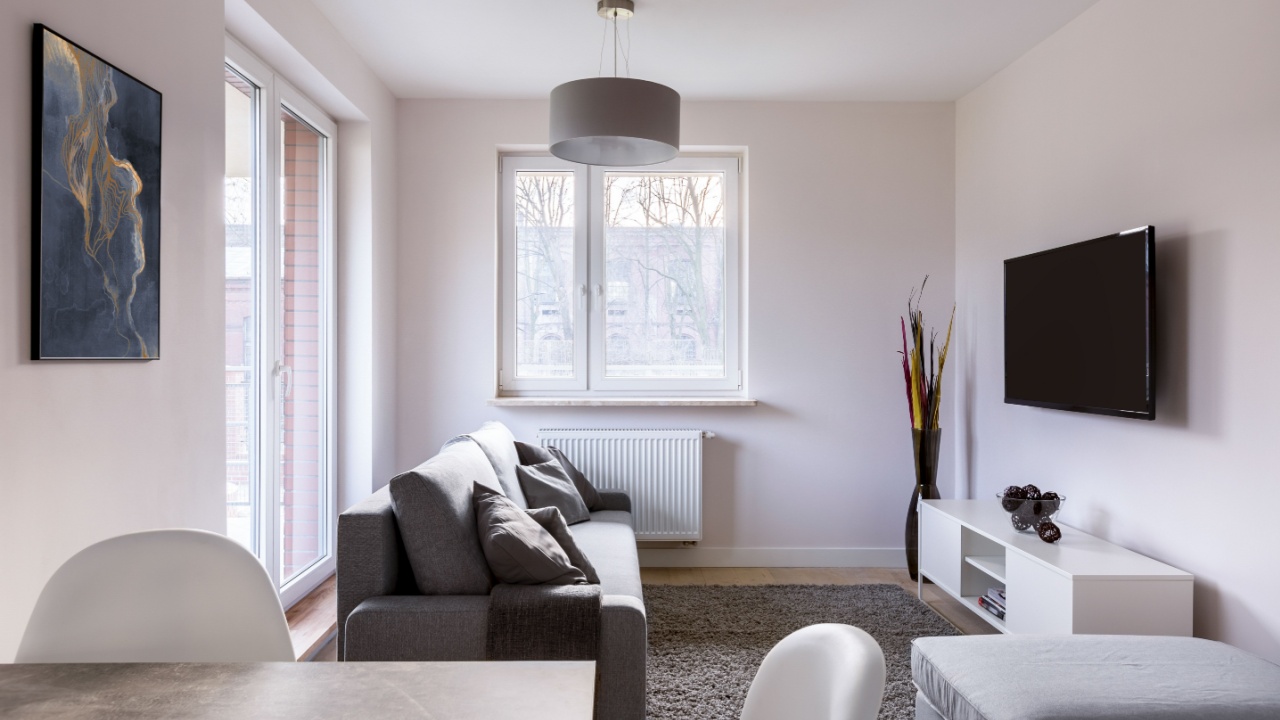
Image Credit: Shutterstock.com.
Now that you have these ideas, it’s time to put them into action. Start by choosing one or two tips that resonate most with you and seem achievable for your space. You don’t have to redesign your entire living room overnight. Begin by decluttering, measuring your space, and creating a simple plan.
Whether you decide to find a perfectly-sized sofa, hang a large mirror, or start a collection of houseplants, each small change will contribute to creating a living room you love. Your home is your sanctuary, and with a bit of creativity, you can make even the smallest apartment living room a beautiful and functional space.