
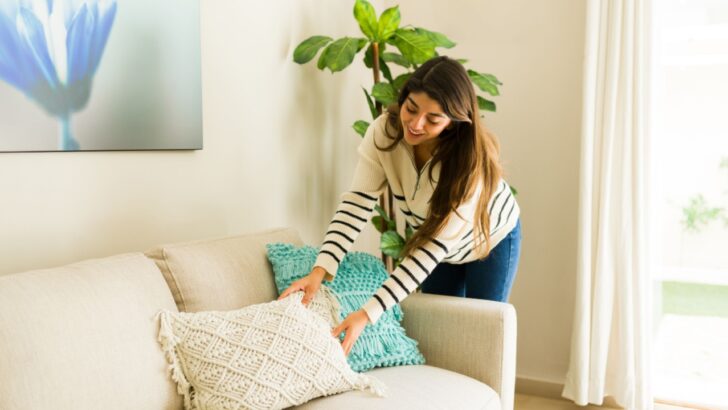
What words would you use to describe your home? Chaotic? Disorganized? Cozy? Calm? A slow living home leans toward the latter, emphasizing intentionality and ease. Creating a home that feels like a refuge is a common goal. Many of us find ourselves surrounded by stuff we don’t need, in rooms that don’t quite work, feeling a little overwhelmed by it all.
The concept of a slow living home offers a path away from clutter and complication. It’s a philosophy centered on creating a space that supports a more deliberate and meaningful life.
Here are five practical steps to cultivate a home environment that is peaceful, purposeful, and perfectly suited to you.
1. Let Every Object Serve a Purpose

Image Credit: Shutterstock.
Our homes can easily become accidental museums of things we once needed, gifts we felt obligated to keep, and impulse buys that seemed like a good idea at the time. A slow home is intentional and challenges this accumulation. It’s built on the principle that items should earn their place, either through their usefulness or the genuine joy they bring.
An object’s purpose can be purely practical, like a trusty can opener, or deeply personal, like a piece of art that makes you smile every time you see it. This approach simplifies cleaning, reduces decision fatigue, and creates a more serene atmosphere.
2. Clear Clutter — Physically and Emotionally

Image Credit: Shutterstock.
Clutter is more than just a physical mess; it carries emotional weight. That pile of papers represents undone tasks, the clothes that no longer fit are reminders of a different time, and unused gadgets can create a low-grade feeling of waste. Clearing out this physical clutter can have a surprisingly powerful effect on your mental state.
Tackle one drawer, one shelf, or one corner of a room. Make steady progress without becoming overwhelmed. As you clear items, you’re not just creating open space; you’re letting go of the obligations and memories tied to them. This act of releasing what no longer serves you makes room for peace and clarity, allowing you to feel lighter and more in control of your surroundings.
3. Bring Nature Inside and Emphasize Natural Materials
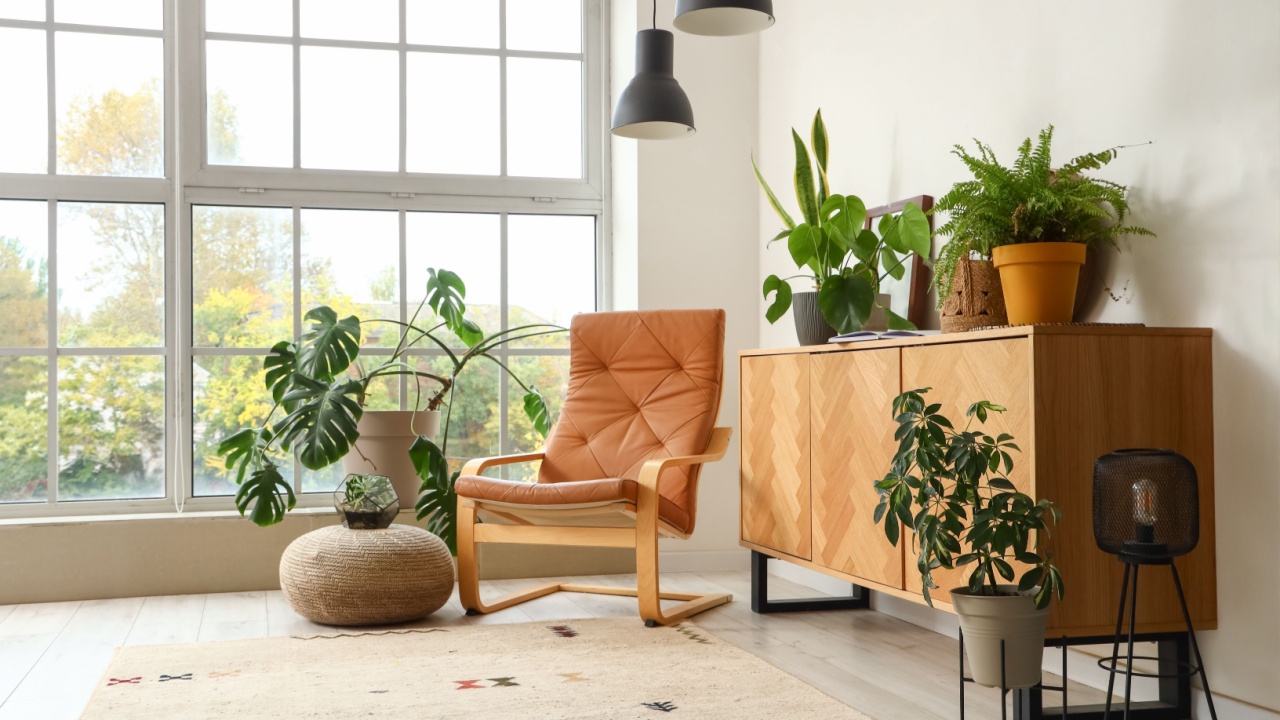
Image Credit: Shutterstock.
Humans have an inherent connection to the natural world. Incorporating elements of nature into your home is a simple way to foster a calming and grounded atmosphere. This can be as straightforward as adding houseplants to a room, which are known to improve air quality and boost mood. Placing a vase of fresh flowers on a table or growing herbs on a windowsill also brings life and vitality indoors.
Beyond living things, using natural materials in your decor can significantly impact the feel of your home. Add wood furniture, linen curtains, wool blankets, or stone coasters. These materials have a texture and warmth that synthetic alternatives often lack. They engage the senses and create a connection to the outdoors.
4. Allow Your Space to Breathe with Good Layout and Flow
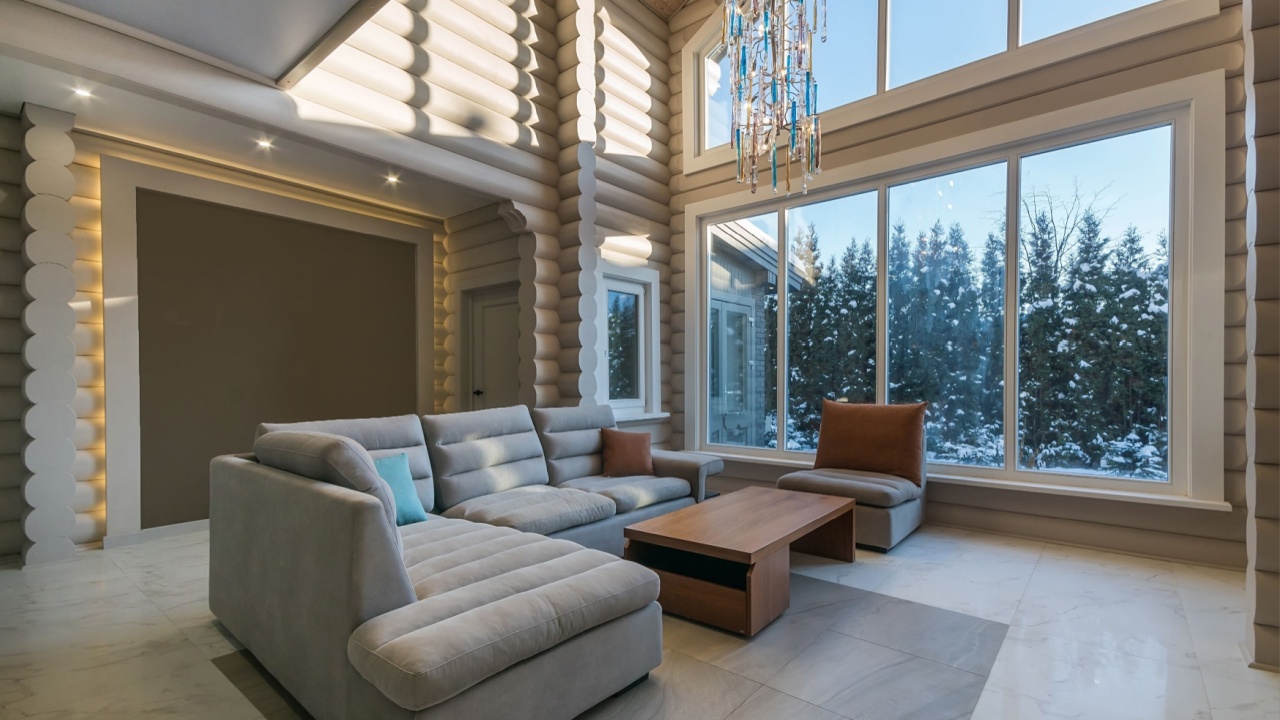
Image Credit: Shutterstock.
How you arrange your furniture has a major effect on how a room feels. A slow home prioritizes a layout that is intuitive, open, and functional. You create clear pathways and arrange furniture in a way that promotes both easy movement and comfortable living. You can organize your home in zones instead of just rooms.
Look at the main pathways in your home. Can you walk from the door to the sofa without navigating an obstacle course? Is there enough space around the dining table for people to sit down and get up comfortably? Leaving some parts of your shelves, tables, and walls empty gives the eyes a place to rest.
5. Embrace Slow Decorating

Image Credit: Shutterstock.
There’s often a rush to furnish and decorate a home completely right after moving in. A slow decorating approach encourages patience. Instead of buying a matching set of furniture from a single store, you can take your time to find pieces that you truly connect with. This allows you to build a home that is layered, personal, and unique.
This method is more sustainable and more budget-friendly. It allows you to invest in higher-quality items that you will love for a long time, rather than settling for cheap place-holders. Living with a bit of empty space can also be illuminating. It gives you time to understand how you actually use a room before deciding what it needs.
Cultivating Your Space
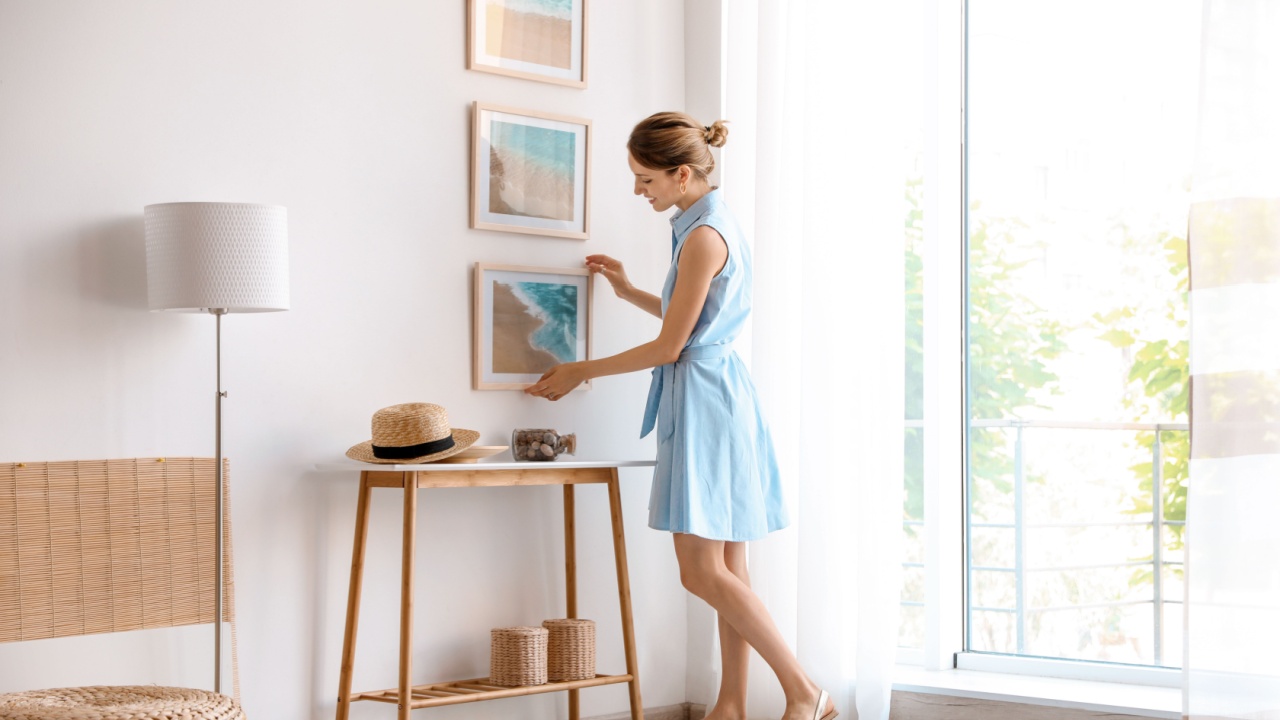
Image Credit: Shutterstock.
Creating a home that feels intentional is a journey that never really wraps up. It grows and changes just as you do, shaped by the routines you build and the memories you collect. Every now and then, take a moment to look at your rooms with fresh eyes: maybe the living room could use a shuffle, or the bookshelf’s ready for a new lineup.
Light adjustments can make the space fit your current needs without starting from scratch. Stay open to rearranging, swapping out what no longer fits, or freshening up with something that actually works for you right now. This ongoing care is what gives a home its warmth and a sense of genuine belonging.