Let Kids Play in the Dirt, Research Supports Its Immunity Benefits
Childhood spent outdoors until the streetlights turned on. Exploring the great outdoors. Tracking mud anywhere and everywhere. They’re familiar activities that defined childhood for many individuals—could these messy activities have also come with some unexpected health benefits?
What if making a playground healthier for children were as simple as adding some grass, soil, and a little forest floor? Researchers in Finland put that idea to the test, and the results suggest that getting dirty outdoors may have benefits that go well beyond fresh air and exercise.
The word “bacteria” comes with some negative baggage, but it is quite normal—even healthy and important—to have small microorganisms living on and inside us; it’s just a matter of how much and which type.
After just 28 days, preschoolers playing in newly greened playgrounds showed changes in the bacteria living on their skin and in their digestive systems. Blood tests also revealed changes in markers associated with immune system regulation.
To this day, the findings provide meaningful fuel to the debate about the spaces where children spend their days having fun and staying active, especially in cities where playgrounds may offer little contact with natural soil and vegetation. Could something as ordinary as a patch of grass make a measurable difference to their health?
Researchers Brought the Forest to the Playground
Embedded media follows. Please allow a moment for it to load.
Published in October 2020 in Science Advances, the study involved 75 children between the ages of three and five attending 10 day care centers in the Finnish cities of Lahti and Tampere.
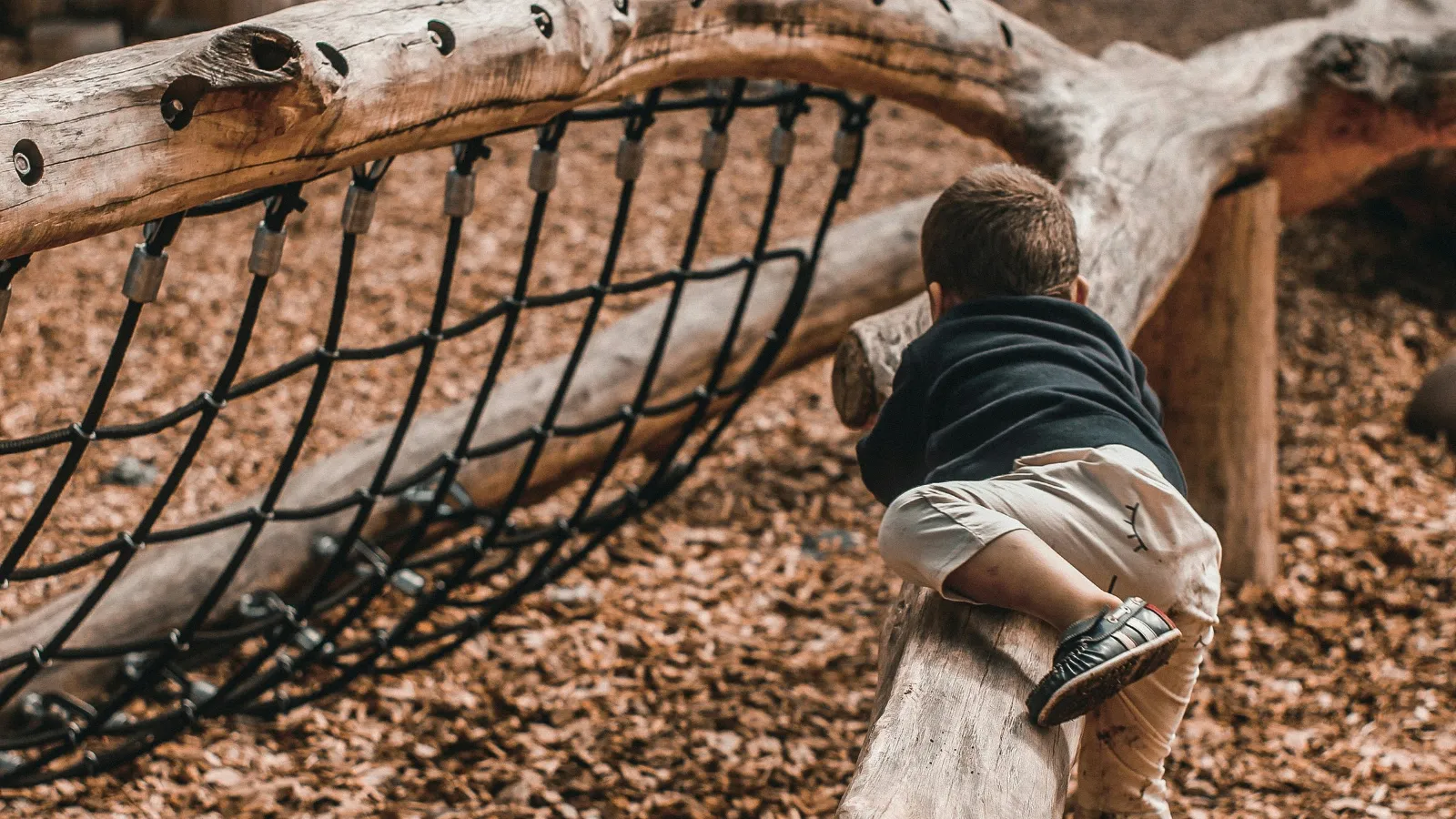
Four daycare centers received a very unique makeover. Researchers covered portions of their mostly gravel-covered yards with forest-floor vegetation and grass, adding planting boxes and blocks of peat that children could climb on and dig into. The children spent approximately 90 minutes outdoors each weekday.
For comparison, researchers also studied children at three conventional urban day care centers and three nature-oriented centers where outdoor activities included regular trips into forests and other natural environments.
After a month, the children in the modified playgrounds had developed more diverse communities of certain bacteria on their skin. Their gut microbiomes also showed similarities to those of children who regularly spent time in forests. As detailed by the National Institutes of Health (NIH), the gut microbiome is a community of bacteria and other microorganisms living in the digestive tract, many of which help break down food, support the immune system, and protect against other harmful microbes.
Additionally, blood samples showed changes in immune markers, including an increased proportion of regulatory T cells, which help control immune responses. The researchers also observed changes in proteins involved in inflammation and immune regulation.
The Findings Could Change How We Think About Outdoor Play
The experiment was designed to investigate the biodiversity hypothesis, which proposes that contact with a wide variety of environmental microorganisms helps the immune system develop and function properly.
The findings were encouraging, although the small study did not definitively establish that playing in forest soil prevents allergies, autoimmune diseases, or other illnesses. Researchers measured biological changes over a relatively short period rather than tracking whether the children became less likely to develop disease.
A follow-up study published in 2021 examined longer-term effects and found that some changes in microbial communities persisted. A year after the playground modifications, children in the greener daycare environments still showed differences in the bacteria found on their skin compared with children attending conventional centers.
Research scientist Aki Sinkkonen, who led the original experiment, encouraged bringing more natural environments into children’s everyday lives. He recommended greener daycare yards and more opportunities for children to dig in organic soil and explore nature. The findings suggest that even a relatively small urban playground could give children greater exposure to the rich variety of microorganisms found in forests.