
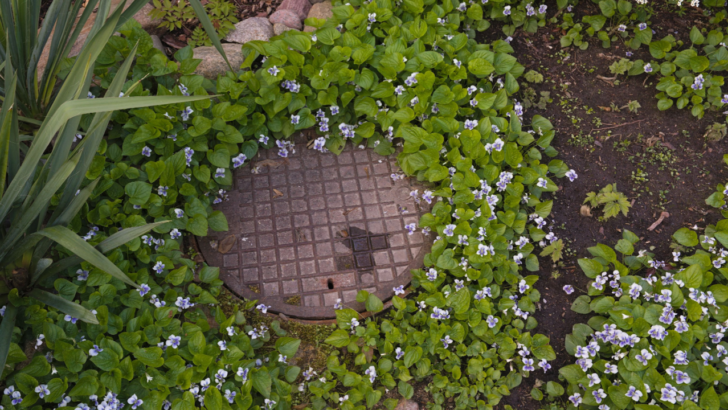
Have you ever thought of the area above a septic tank and drain field as an opportunity for creativity and beauty? Probably not. Yet, with the right plants and design, you can transform what’s often considered an eyesore into a thriving, attractive part of your landscape.
Thoughtful landscaping around your septic tank and drain field not only boosts curb appeal, but it also supports the health of the system itself. Plants help stabilize soil, prevent erosion, and assist with moisture control and nutrient absorption, all while blending the area seamlessly into your garden design.
Planting near a septic system comes with a few rules. The key is choosing the right plants and layout to protect your system while enhancing your space. Let’s dig into some smart and beautiful landscaping ideas that work with your septic setup, not against it.
1. Plant Herbaceous Groundcover
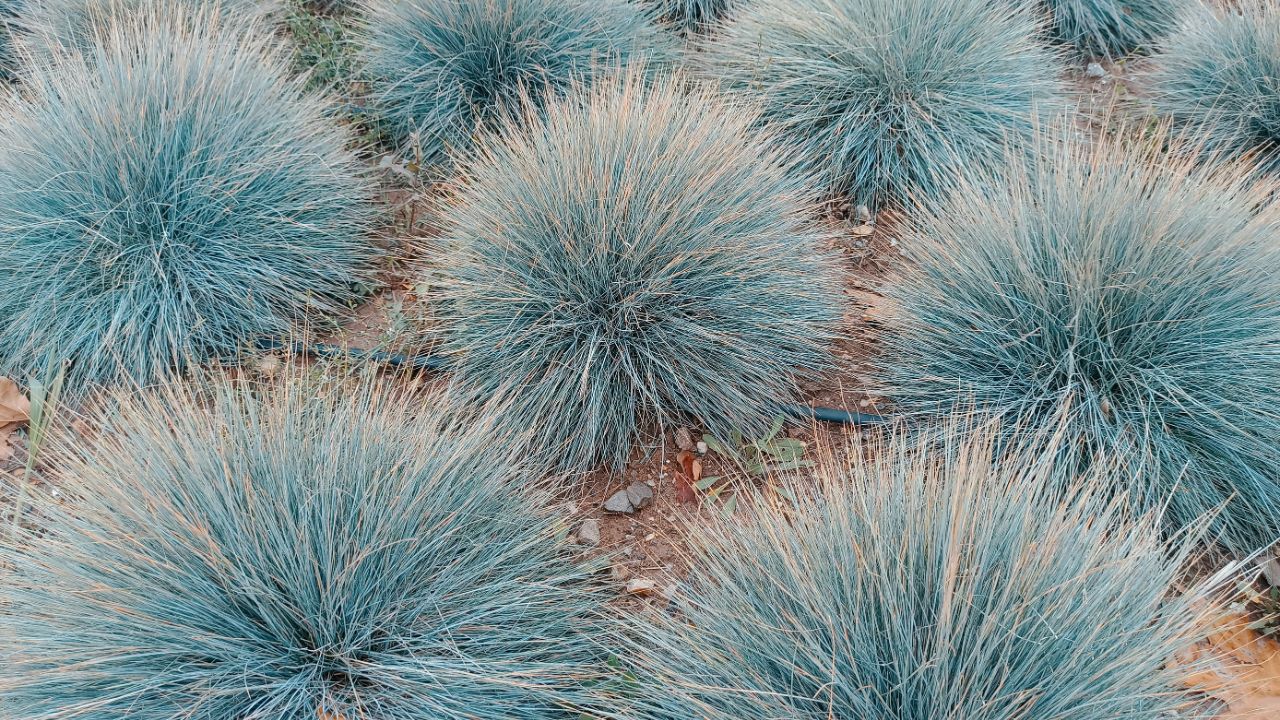
Image Credit: Shutterstock.
Native, shallow-rooted, drought-tolerant plants are the best choices for planting around septic tanks and over drainage fields. Because they have adapted to local growing conditions, native plants require little care, which means less traffic and disturbance around the septic system. Perhaps more importantly, though, shallow roots will remain above the system. Plants with extensive roots can grow down into the septic system and damage it.
Look for short grasses, herbaceous perennials, self-sowing annuals, and bulbs, such as the following (* indicates shade tolerance):
Herbaceous Option 1: Grasses and Sedges
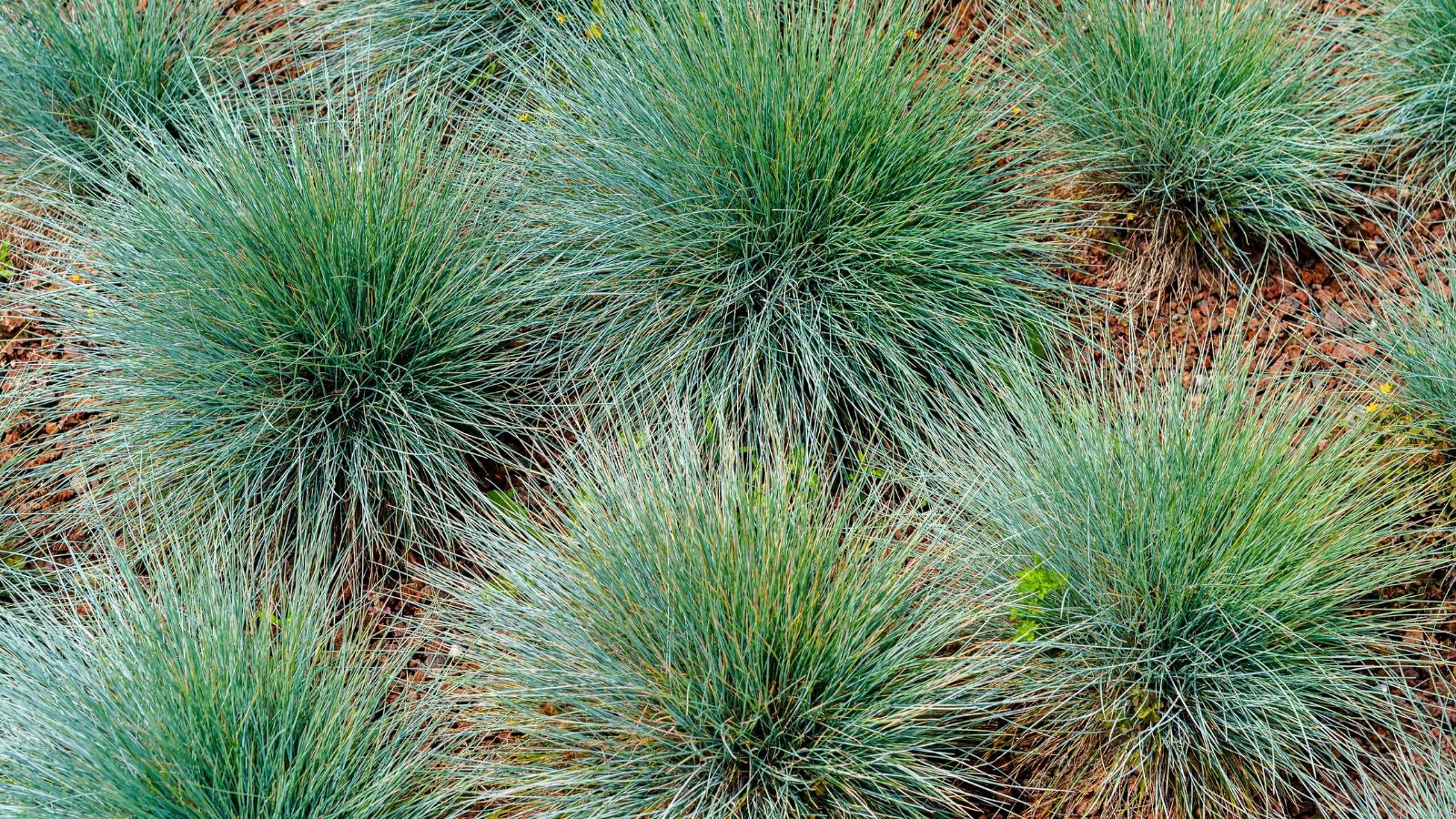
Image credit: Depositphotos.
Native shrubs and sedges with shallow roots are great options. Here are some top-notch plants to choose from:
- Appalachian sedge (Carex appalachica)
- Blue fescue (Festuca ovina)
- Little bluestem (Schizachyrium scoparium)
- Pennsylvania sedge (Carex pennsylvanica)*
- Prairie dropseed (Sporobolus heterolepis)*
- Sideoats grama (Bouteloua curtipendula)
- Texas needle grass (Stipa tenuissima)
Herbaceous Option 2: Perennials
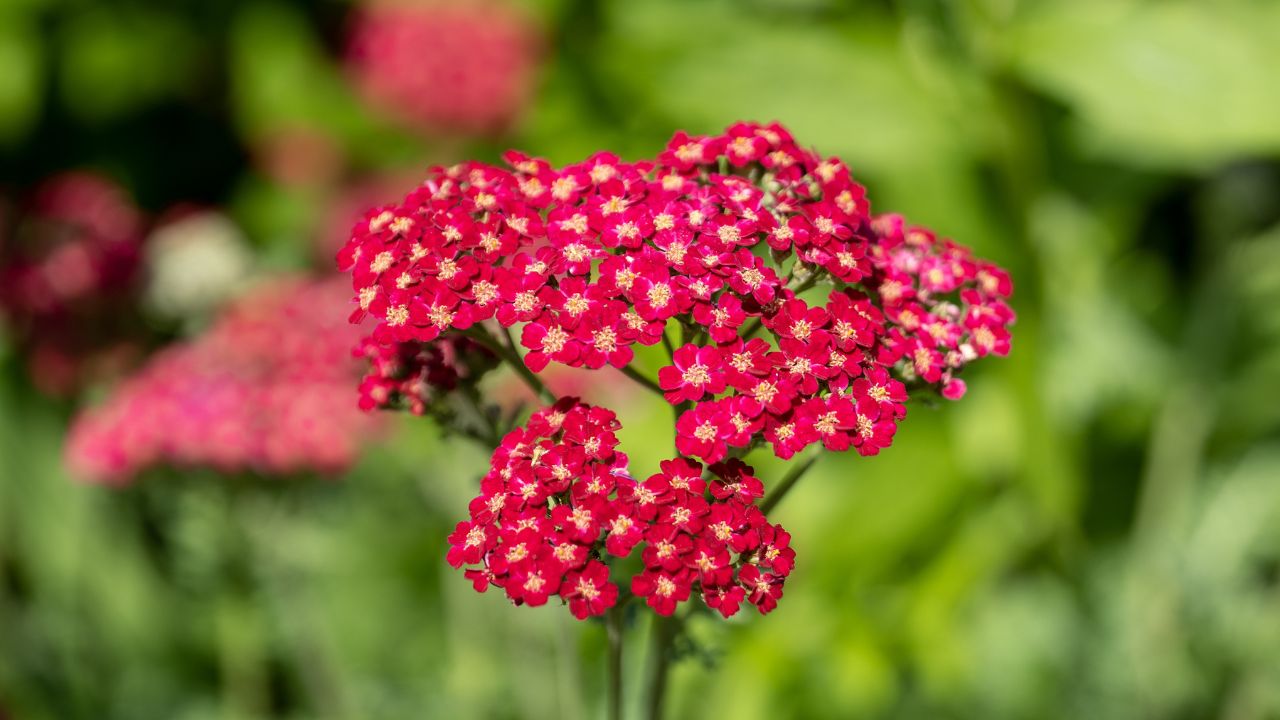
Image Credit: Shutterstock.
These perennials require minimal watering. Plus, you plant them once and they pretty much take care of themselves (awesome!). Choose form these beautiful options:
- Bunchberry (Cornus canadensis)*
- Columbine (Aquilegia spp.)*
- Stonecrop (Sedum spp.)
- Sweet woodruff (Galium odoratum)*
- Violet (Viola spp.)*
- Wild ginger (Asarum spp.)*
- Yarrow (Achillea spp.)
Herbaceous Option 3: Annuals

Image credit: Backyard Garden Lover.
These beautiful plants and flowers will also make a great addition to the ground above your septic tank:
- California poppy (Eschscholzia californica)
- Larkspur (Consolida ajacis)
- Plains coreopsis (Coreopsis tinctoria)
- Spotted jewelweed (Impatiens capensis)*
Herbaceous Option 4: Bulbs
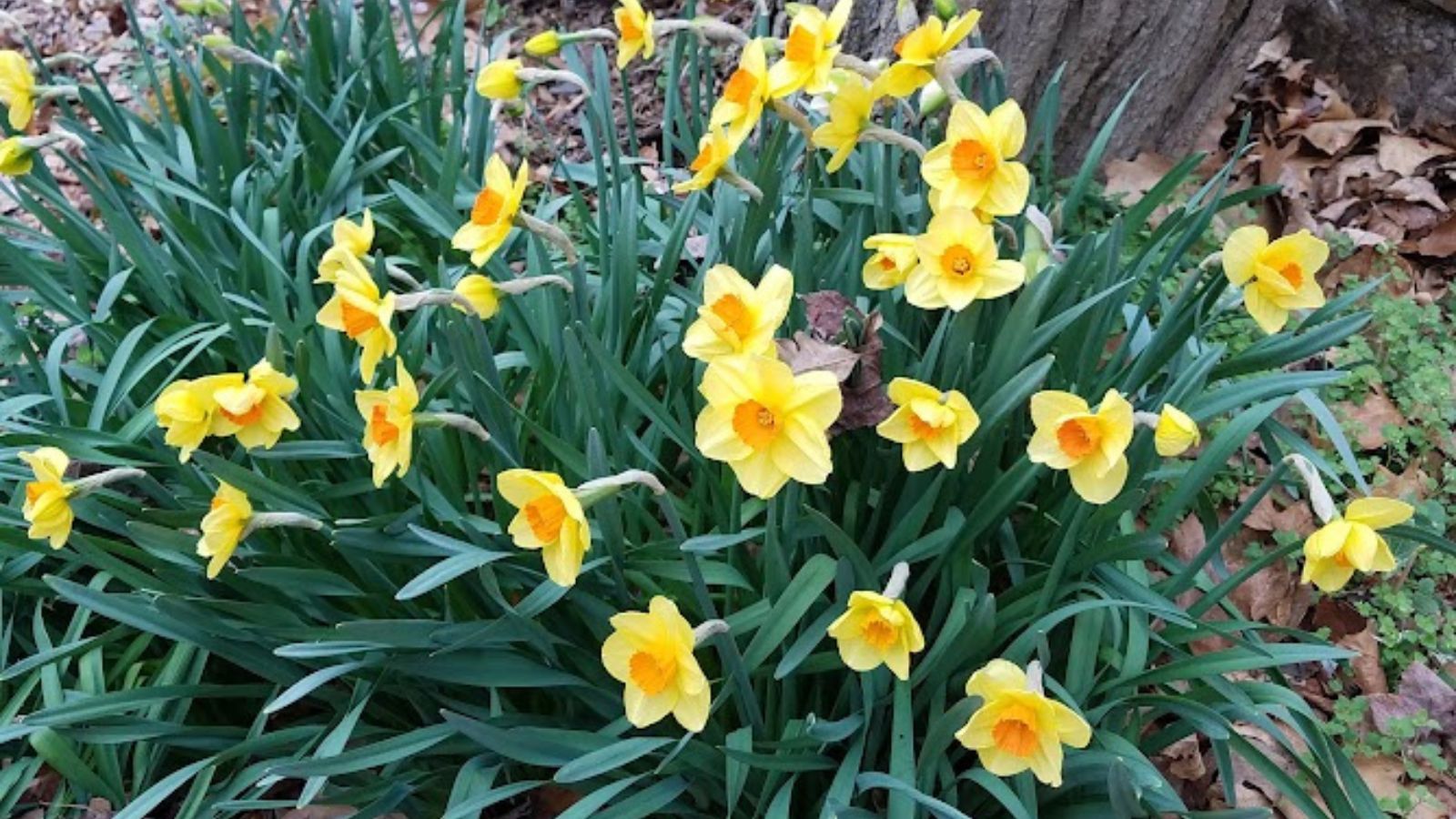
Image credit: Backyard Garden Lover.
Last, but certainly not least, are bulbs. These are known for their shallower roots and early spring colors.
- Anemone (Anemone spp.)*
- Crocus (Crocus spp.)
- Daffodil (Narcissus spp.)*
- Grape hyacinth (Muscari spp.)
- Iris (Iris spp.)*
- Star flower (Ipheion uniflorum)
- Tulip (Tulipa spp.)
2. Feed the Bees

Image Credit: Shutterstock.
Consider turning the area around your septic tank into a wildflower meadow or pollinator garden. Native wildflowers attract bees, butterflies, hummingbirds, songbirds, and other wildlife, turning your unsightly septic tank into a natural oasis.
While most flowering plants will attract pollinators, flowers native to your region will provide the best, most natural habitat. Remember to choose herbaceous perennials and self-sowing annuals with shallow roots to protect your septic system.
Many reputable seed companies offer wildflower meadow seed mixes, allowing you to grow a variety of native flowers with minimal effort. Here are a few suggestions to help get you started:
- Bee balm (Monarda didyma)
- Clustered mountain mint (Pycnanthemum muticum)
- Joe Pye weed (Euthrochium spp.)
- Goldenrod (Solidago spp.)
- Milkweed (Asclepias spp.)
- Purple coneflower (Echinacea spp.)
3. Choose Woody Plants Carefully

Image Credit: Shutterstock.
Because woody plants often have deep, aggressive root systems, they should be avoided when landscaping around the septic tank. Shrubs with less aggressive roots may be planted 10 feet or further from the septic field, and less aggressive trees 20 feet or further.
Remember that tree roots can grow two to four times wider than the canopy, so those with aggressive root systems should be planted well away from the septic field. Here are some shallow-rooted shrubs and trees that may be safely planted near the septic system:
- Azalea (Rhododendron spp.)
- Boxwood (Buxus spp.)
- Ornamental cherry (Prunus spp.)
- Dogwood (Cornus spp.)
- Eastern redbud (Cercis canadensis)
- Japanese maple (Acer palmatum)
- Holly (Ilex opaca)
With cherry trees, keep in mind that fruit grown on or near a septic field should not be eaten (see number 6 for details).
4. Mark (and Disguise!) the Access Hatch
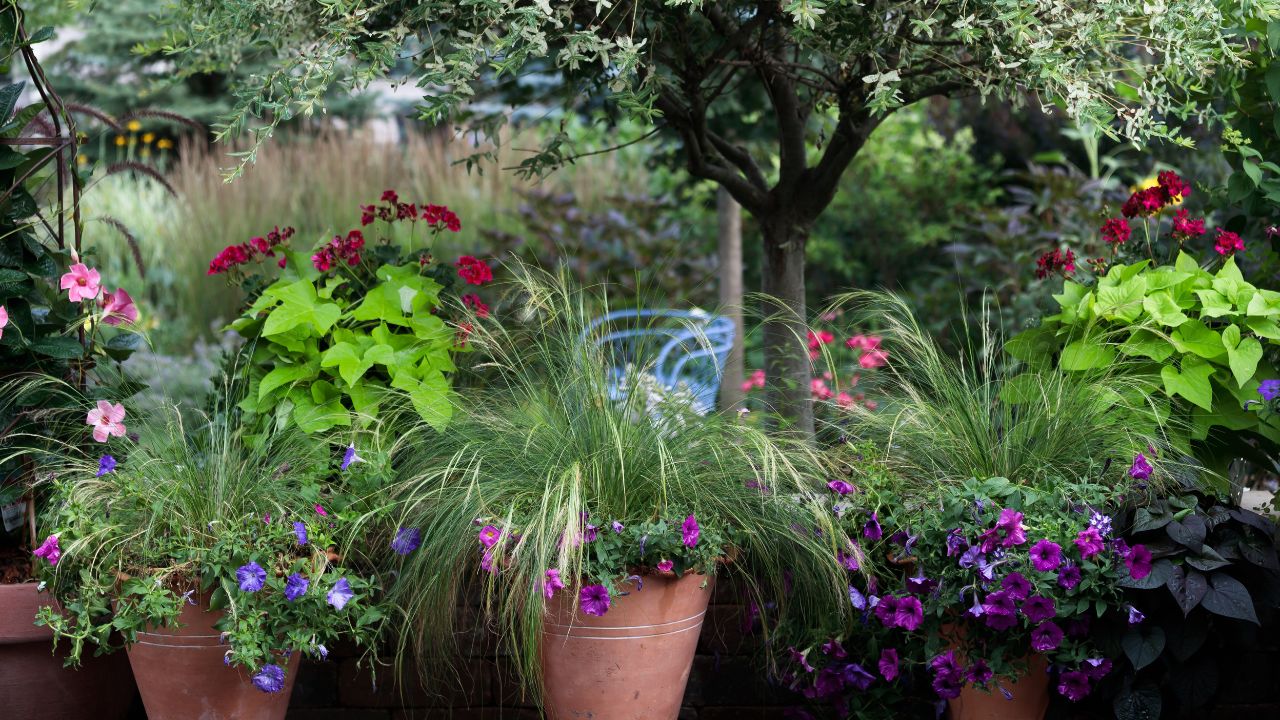
Image Credit: Shutterstock.
One reason to landscape around a septic system is to disguise any unsightly visible infrastructure, such as the access hatch. Conversely, if the access hatch is not visible, marking it will make any required septic maintenance easier and minimize the destruction of your beautiful landscaping.
Potted plants can be placed around and even on top of the access hatch to both mark and disguise it. Choose small to medium, lightweight planters that will be easy to move when you need to access the septic tank. Similarly, a small statue or another lawn ornament can serve this decorative and functional purpose. You can also purchase a decorative cover designed to fit over the hatch, turning it into a pretty convincing boulder.
5. Prepare and Maintain

Image Credit: Shutterstock.
When preparing the soil around the septic tank, wear gloves and take care not to damage any part of the system. Disrupt the soil as little as possible, keeping tilling and cultivation to a minimum.
Do not lay down any weed barrier fabric, plastic sheeting, gravel, or thick bark mulch. A thin layer of topsoil is okay, but refrain from adding more than a few inches. Ponds should not be installed near the septic system, and you’ll want to minimize foot traffic over the area, so route walking paths around it.
Remember that the tank may need to be pumped occasionally, which means workers and their maintenance truck will need easy access to it. Having chosen low-maintenance plants according to the tips above, you shouldn’t have much to do around the septic system once the plants have become established. Water the new plants as needed, but be careful not to overwater them. Too much water can contribute to soil compaction and back up the septic system.
6. Put the Vegetables Somewhere Else

Image Credit: Shutterstock.
The flat, open septic field might look like the perfect place for a vegetable garden, but it definitely is not! The wastewater filtering through a drain field can contain bacteria, residue from household cleaning chemicals, and other harmful substances. These can end up in the plants growing on or near the septic system, thus contaminating any fruits, vegetables, or herbs.
Plus, vegetable gardens require frequent maintenance that could damage a septic system, and raised bed gardens can reduce evaporation, which is important for the septic system to work properly. Locate vegetable gardens, herb beds, fruit trees, and berry bushes well away from the septic system.
A Smart Design Requires Planning
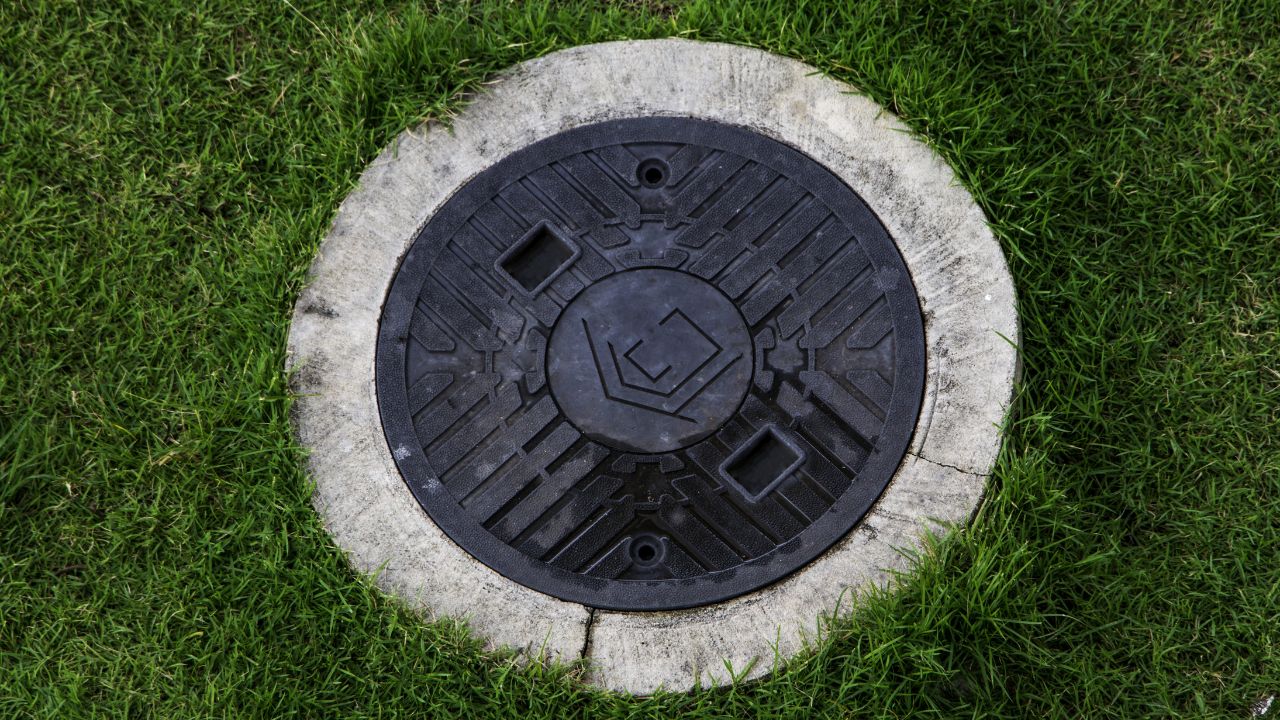
Image Credit: Shutterstock.
Keep in mind your specific septic system needs and regular maintenance that may be needed. If you’re unsure about large trees, root barriers, woody stems, landscape fabric, or other potential hazards, it’s a good idea to contact a landscape designer who can help you with the unique needs of your individual property, since no two are exactly alike. They will help you do a great job and stay on the safe side when it comes to landscaping around your septic tank.
It pays to do some research into the best plants for this area, your septic system drain fields, and the best options for your needs. A good rule of thumb is to get help from professionals in this area, but I hope that these landscaping ideas helped you decide the look and feel you want for your own design.
Properly landscaping around septic tank areas benefits the septic system and makes the area far more attractive. With the tips above in mind, you can install a beautiful, low-maintenance garden where there used to be only an unsightly septic field and access hatch.