
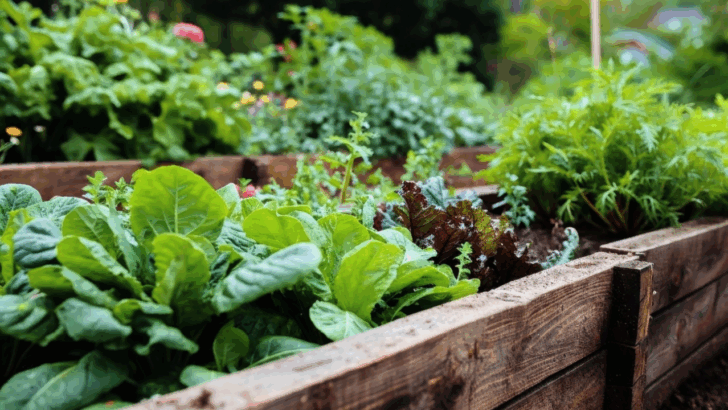
At this point in summer, it might feel like everything is wilting, including your will to water your garden. But when it comes to sowing seeds, you haven’t missed a thing. Some crops actually do better when planted now, after the soil has warmed up, the frosts are behind you, and the weather has stopped throwing tantrums (at least in the cold direction).
If your seed packets are still sitting unopened on a shelf, there’s still time to catch the planting train. A YouTube video by GrowVeg shows us ten crops that are perfectly happy being planted mid-summer, and how to give each one the best start.
1. Zucchini
-
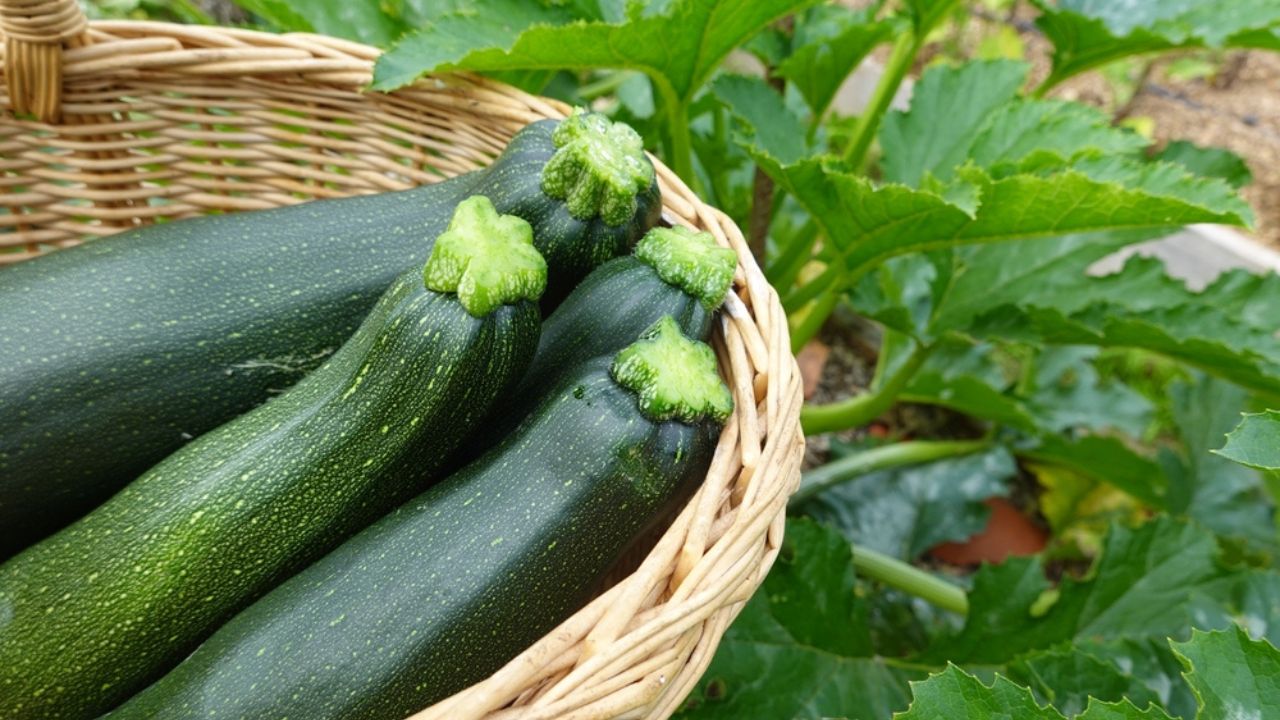
Image Credit: Shutterstock.
Zucchini seeds germinate quickly and grow aggressively once established. Start them in trays if your soil’s still too cold or wet, and angle the seeds on their sides to prevent rot. Once they have a couple of true leaves, transplant them into well-draining soil with plenty of sun.
They need space—at least 2 feet apart—to avoid mildew and allow airflow. Keep the soil consistently moist, and you’ll be harvesting faster than you expect. He says to plant angles sideways rather than laying them flat on the ground. Water may pool on top of the seed, and a waterlogged seed is a dead seed.
If you already have some zucchini growing, you can still add a few seeds now to space out the harvest and have a buffer in case vine borers move in.
2. Squash
-

Image Credit: Shutterstock.
Summer squash, winter squash, pattypans, if you’re feeling fancy—whatever your flavor, there’s still time. Squash likes to spread out wide, so give each plant at least 3 feet of space to avoid crowding and poor airflow. You can start seeds in trays if the soil is still cool, or plant them directly once the ground warms up.
Plant seeds on their sides to keep them from rotting in standing water. Keep the soil rich and evenly moist—too dry or too wet will slow growth. Mulching helps lock in moisture, keeps weeds down, and stops the squash from getting dirty. Watch for squash bugs and powdery mildew, common issues that can slow your crop if left unchecked.
3. Beans
-
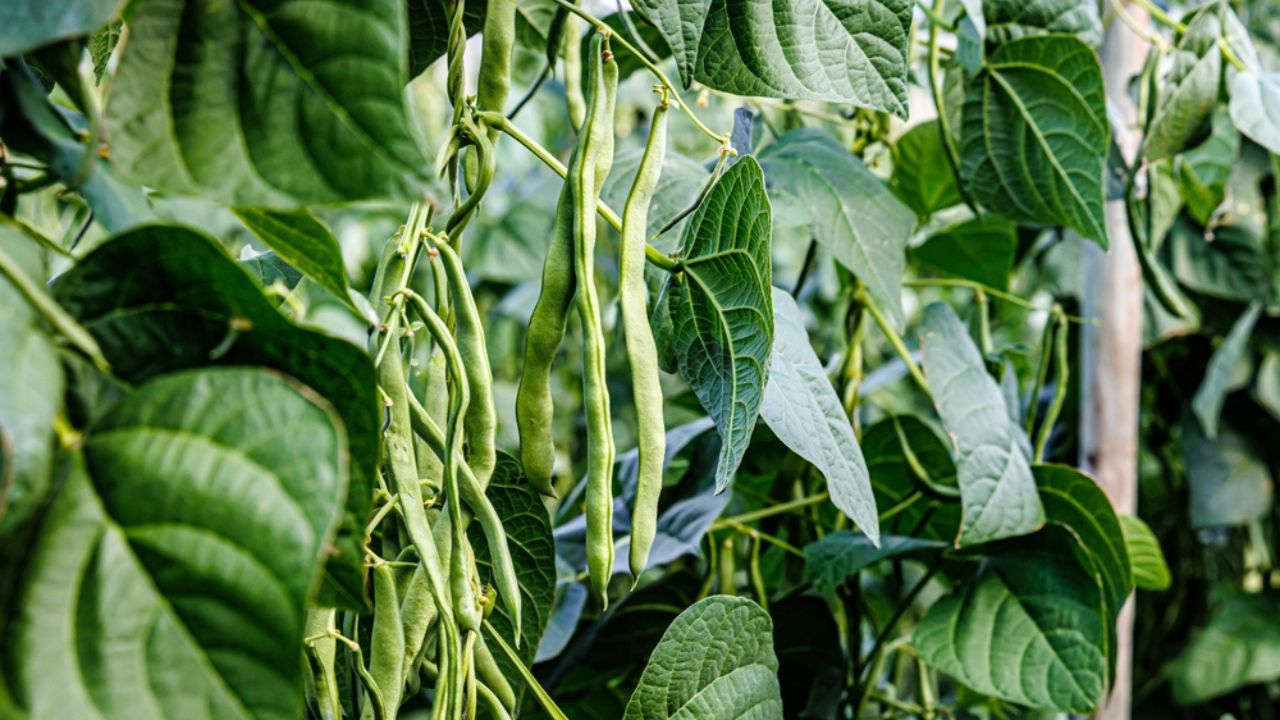
Image Credit: Shutterstock.
Beans are easy to grow and forgiving, making them perfect for late sowing. You can plant climbing beans or bush types, and mixing varieties is smart—it spreads the risk if one doesn’t do well. Sow seeds directly where they’ll grow, or start them in trays if you want a jump on the season.
If you start in trays, he advises to harden them off before moving them outside so they adjust without shock. Beans like well-drained soil and plenty of sun. You can try growing them in containers too. Keep the soil moist but not soaked, and provide support like stakes or a trellis for climbing types.
4. Sweet Corn
-
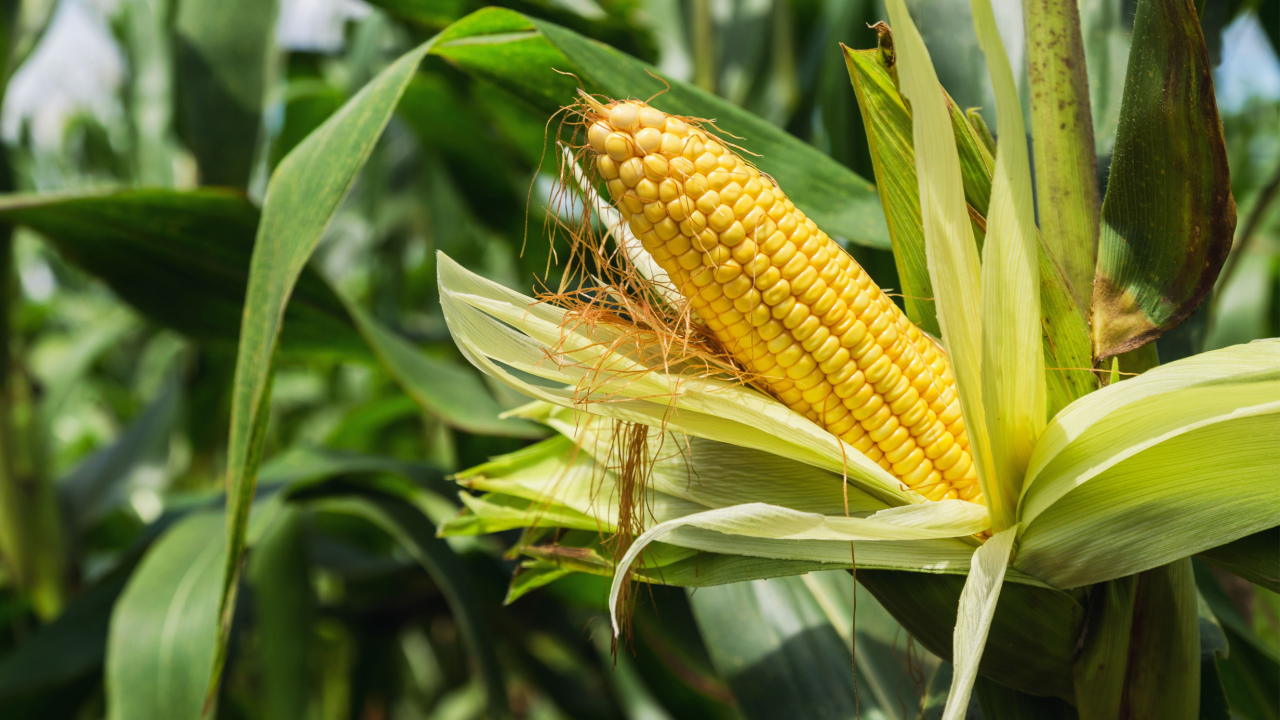
Image Credit: Shutterstock.
Corn’s on the clock, but the window’s still open (if you’re in a warmer zone at least). Choose a variety that matches your summer length—short-season types if your growing time is tight. Sow directly where they’ll stay, or in trays if your soil’s not quite there yet. If you plant them in trays, keep them inside a container unless you enjoy feeding the mice.
5. Carrots
-

Image Credit: Shutterstock.
Carrots hate being moved once they start growing, so it’s best to sow seeds directly where you want them. Plant them in shallow trenches and space the seeds thinly—crowded carrots end up small and bitter. Once they sprout, thin them out so each has enough room to grow straight and strong. Carrots need loose, well-draining soil and consistent moisture to develop those sweet, crunchy roots you’re after.
6. Parsnips
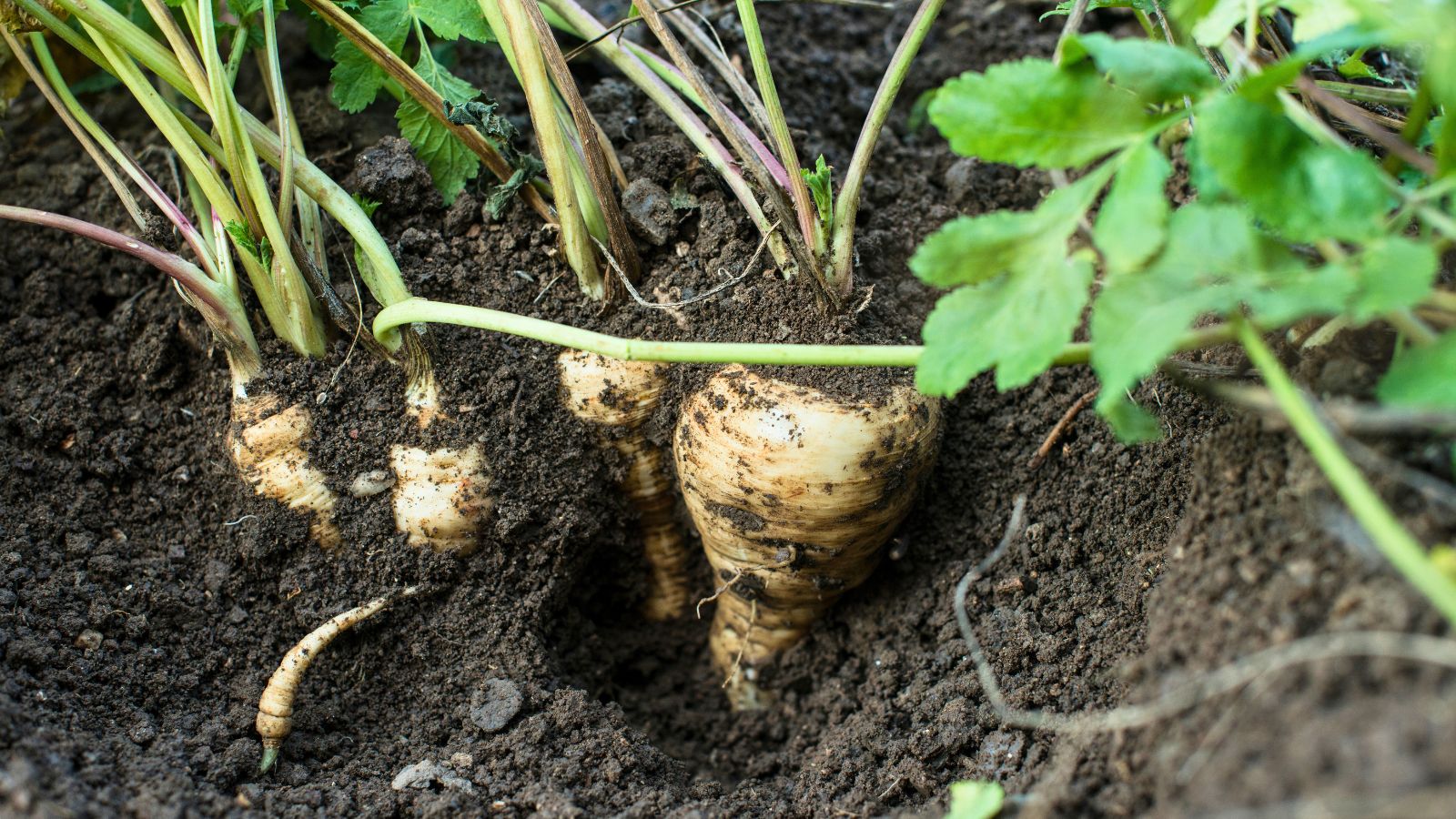
Image credit: YAY Images.
Parsnips are the introverts of root crops. They take up to a month to germinate, especially in cold soil, so don’t panic. Warm-ish soil helps. If you’re unsure, he says you can stick a hand in and see if your fingers feel like spring. To keep track of your rows while you wait, plant fast-growing radishes between them—they’ll show up early and make space for the slowpokes.
7. Broccoli

Image Credit: Shutterstock.
Start broccoli in small pots with potting mix, just barely covered. It sprouts fast and likes a bit of attention early on. Once those seedlings peek through, move them outside when the time’s right. Don’t forget the netting—cabbage white butterflies see broccoli as their baby nursery. Unless you’re raising caterpillars on purpose, keep them out.
8. Celery

Image Credit: DepositPhotos.com.
Celery is technically a marshland diva. Start seeds on top of wet seed-starting mix—no need to cover them. They’re tiny shy, so treat them like high-maintenance guests: warm, wet, and protected.
He recommends slipping a clear plastic bag over the pot and holding it down with a rubber band until they sprout. Then get them into the ground and keep the hose handy. Slugs love celery like kids love soda, so protect your greens.
9. Leeks
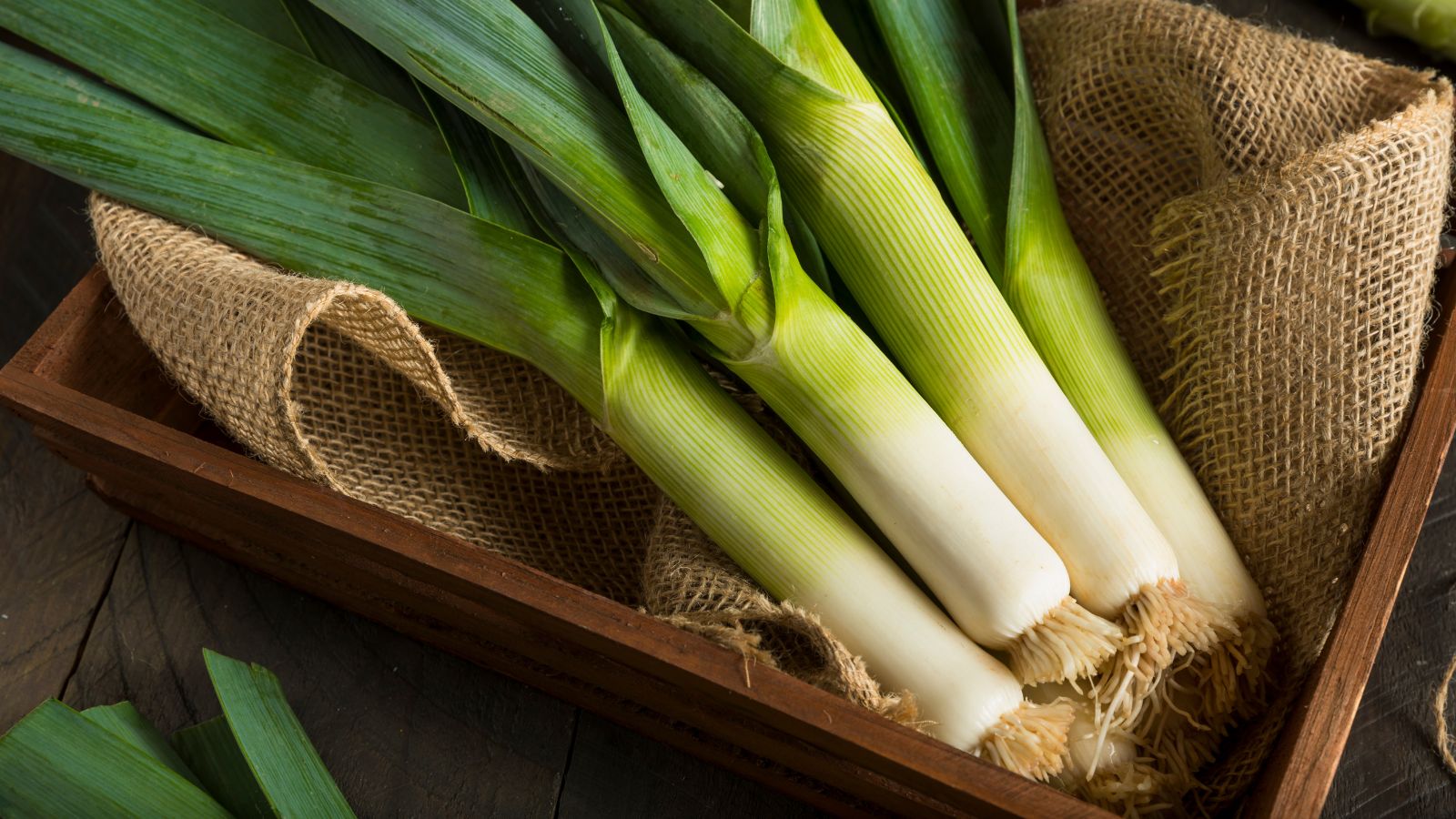
Image credit: Depositphotos.com.
Leeks are late starters; you can count on them. Sow in pots or trays, let them do their thing, then plant them out once they’re the thickness of a pencil. They’ll take their sweet time maturing, but you won’t regret it when you’re stirring them into soup come fall. Give them space, sunshine, and soil that doesn’t turn into concrete.
Other More Obvious Choices
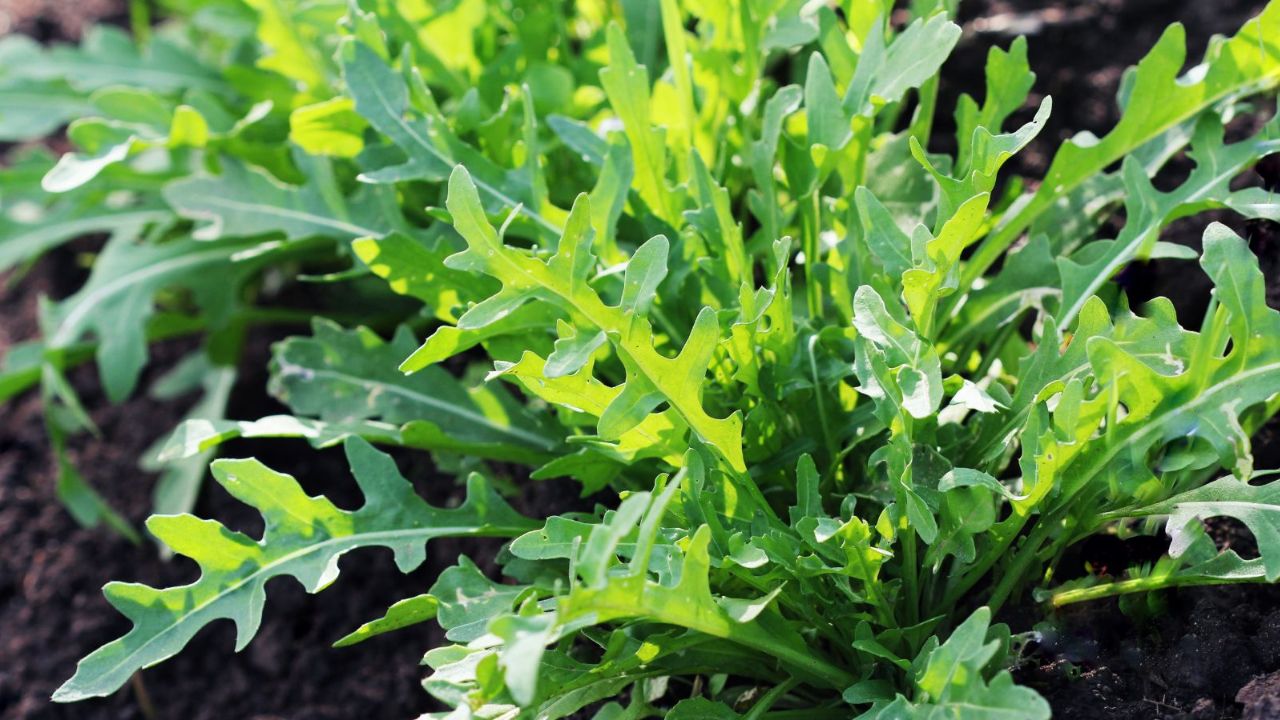
Image Credit: Depositphotos.com.
In addition to these less obvious options, there are plenty of fast-growing options you can still grow. These include:
- Green onion
- Lettuce, spinach, arugula
- Radish
- Bok Choy
- Turnips
- Beets
It’s Not Too Late
Image Credit: Shutterstock.
Gardeners in every zone miss a date or two, then pull off incredible harvests by leaning into what still works. Use this stretch to experiment a little—try a variety you’ve never grown, stagger your sowing, or test which method works better for your setup: direct sowing or transplanting. What you plant now can fill your table, boost your confidence, and keep the garden momentum going long after everyone else throws in the towel. There’s still plenty to dig into.