
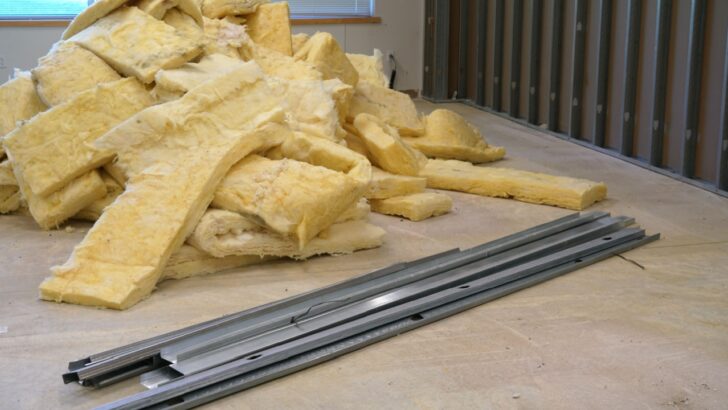
The basement often becomes the final resting place for items we promise to use “someday.” It’s a land of dreams and forgotten projects. Before long, this valuable space can turn into a cluttered archive of things that no longer serve a purpose.
Reclaiming that square footage starts with one act: decluttering. By clearing out what you don’t need, you open up possibilities for a workshop, a home gym, or just a more organized storage area.
Here are six specific categories of items that tend to accumulate downstairs:
1. Unfinished Projects and Renovation Scraps

Image Credit: Deposit Photos.
Every half-finished birdhouse and pile of leftover tile represents a moment of creative ambition. While the initial spark was admirable, these items can become monuments to procrastination. Scraps from a bathroom remodel five years ago, or the supplies for a craft you never started, are just taking up space.
Letting them go frees you from the silent pressure to finish them and clears physical and mental clutter. If a project has been sitting untouched for more than a year, it’s time to assess its future realistically. Donating usable supplies gives them a new life with someone else. Recycling wood scraps or disposing of old materials properly is an environmentally responsible choice.
2. Old Electronics and Tangled Cables
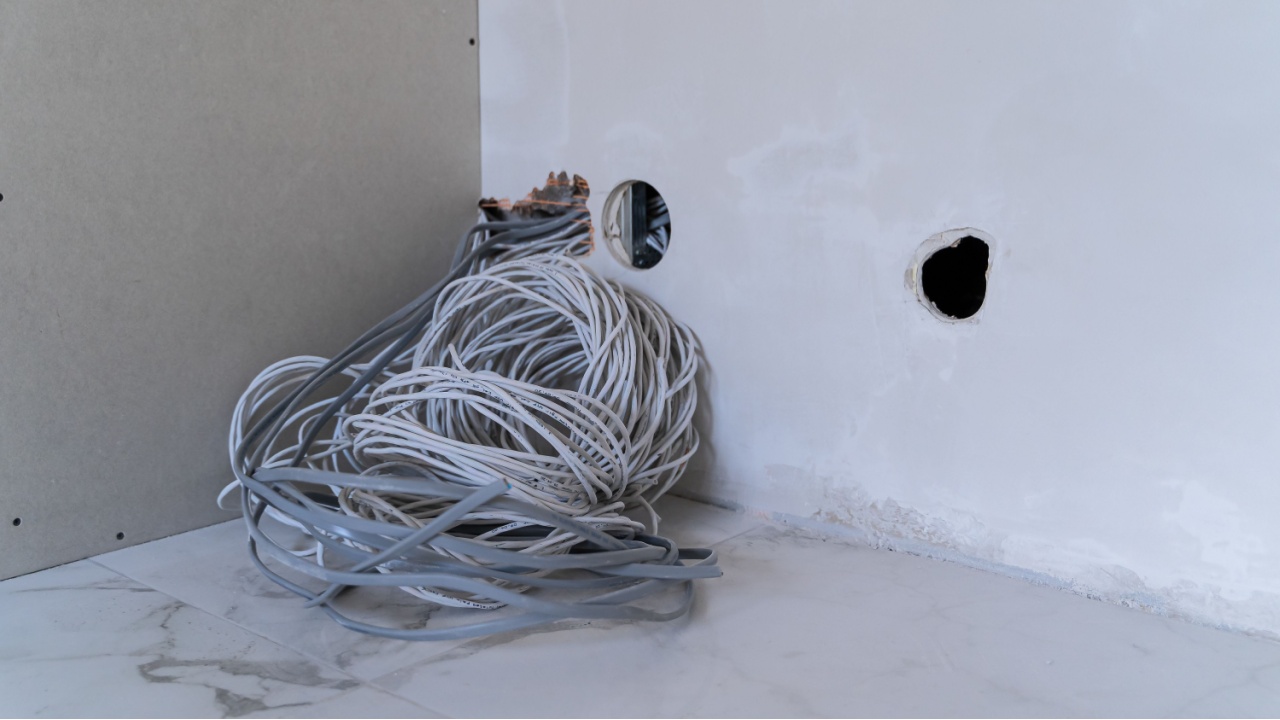
Image Credit: Shutterstock.
Technology moves fast, leaving a trail of obsolete gadgets in its wake. That first-generation tablet, the VCR that nobody has used since 2005, and the mysterious box of tangled cords all belong in this category. Some of these items often contain hazardous materials like lead and mercury, which can be harmful if they break or end up in a landfill. They are also notoriously difficult to repair and nearly impossible to use with modern devices.
Most communities offer e-waste recycling programs designed to handle these items safely. These services salvage usable components and dispose of hazardous materials according to environmental regulations. Clearing out these electronic relics makes your basement safer and prevents a jumble of cords from becoming a permanent fixture in the corner.
3. Unnecessary Paperwork
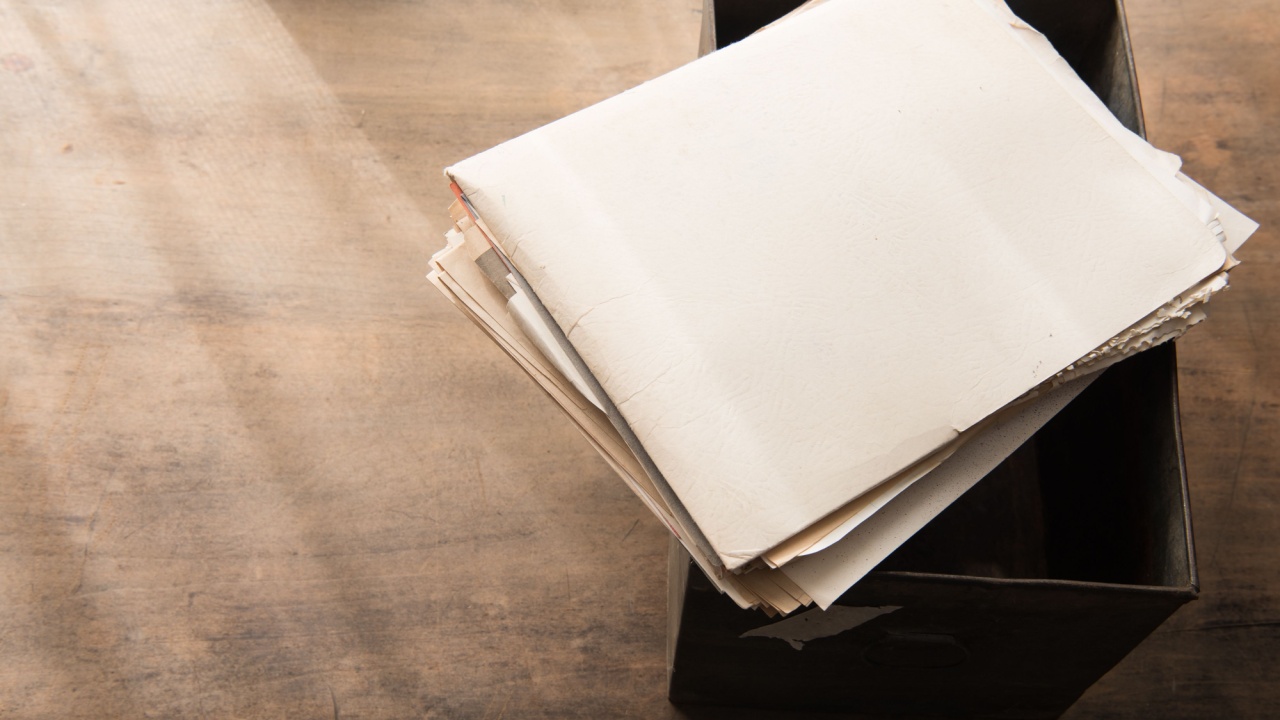
Image Credit: Shutterstock.
While basements can seem like a good spot for long-term document storage, they are often damp, which is not ideal for paper. Many people hold onto old receipts, expired warranties, and utility bills from years ago out of a fear of needing them later. However, most financial experts suggest keeping tax-related documents for seven years and shredding most other bills and receipts after one year.
Digitizing important documents by scanning them is a great way to preserve them without taking up physical space. For the papers you must keep, invest in waterproof, airtight containers to protect them from moisture and pests. Shredding everything else is a satisfying way to protect your personal information and declutter simultaneously.
4. Unwanted or Expired Paint
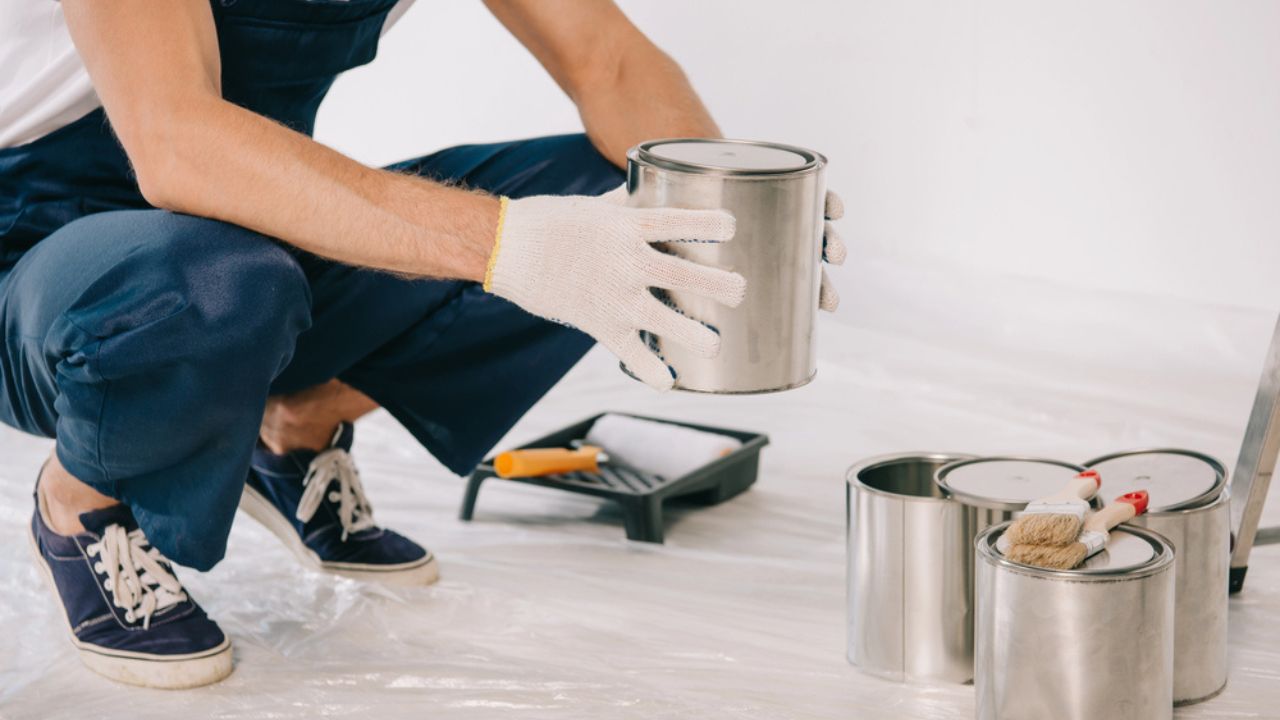
Image Credit: Deposit Photos.
Leftover paint is a common basement resident. While keeping a small amount for touch-ups is practical, gallons of a color you’ll never use again are just a problem waiting to happen. Paint has a limited shelf life; it can separate, grow mold, or dry out, rendering it useless. Additionally, old oil-based paints are considered hazardous waste and cannot be thrown in the regular trash.
Check the paint’s condition. If it’s still good and you have a significant amount, consider donating it to a local theater group, a community center, or a housing charity. For paint that has gone bad or for oil-based varieties, you will need to take it to a hazardous waste collection site. Proper disposal protects the environment and removes a bulky and potentially messy item from your home.
5. Holiday Decorations You Skip Over
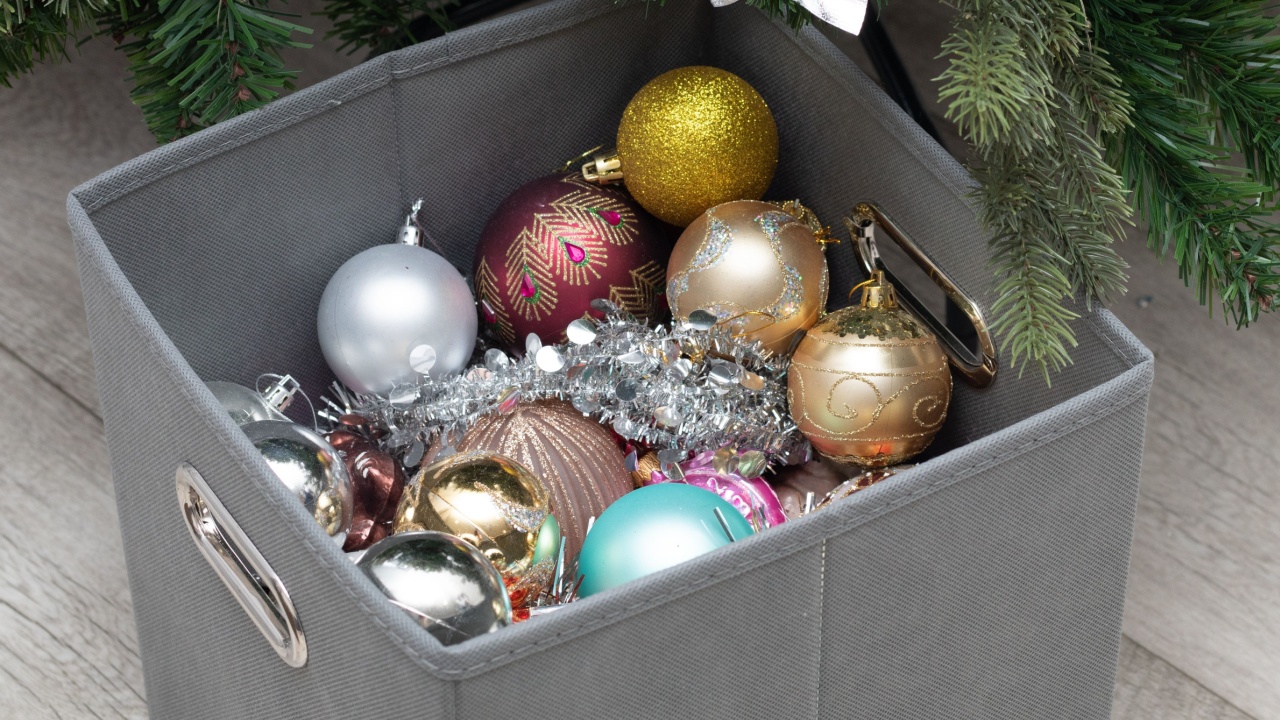
Image Credit: Shutterstock.
Holiday decorating should be a joyful activity, not an archaeological dig through years of accumulated items. If you consistently leave certain decorations in the box year after year, it’s a sign they no longer fit your style or bring you happiness. Broken ornaments, tangled lights that you swear you’ll fix “next year,” and themes you’ve outgrown just add to the clutter.
The two-year rule is effective here: if you haven’t used a holiday item for two consecutive seasons, it’s unlikely you will use it again. Donate decorations that are in good condition. This simple edit of your collection will make decorating next year much faster and more enjoyable. You will be surrounded only by the items you truly love.
6. Old Cookware and Unused Appliances
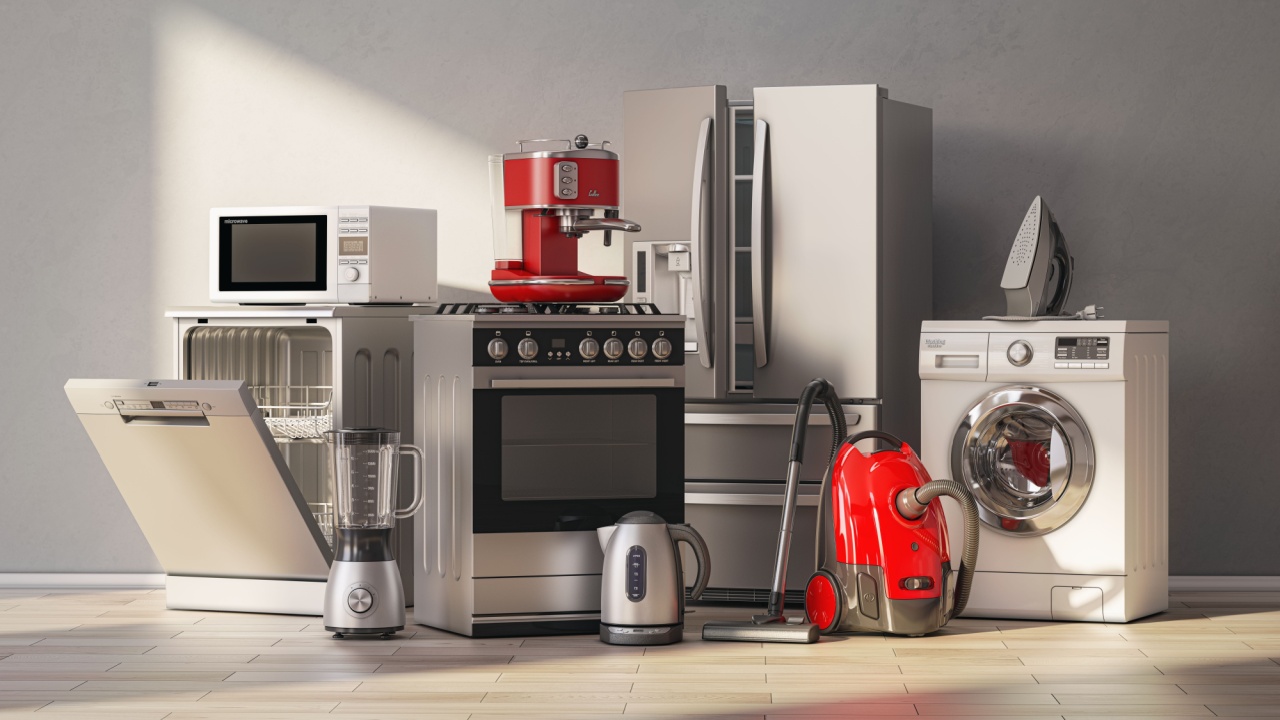
Image Credit: Shutterstock.
The basement often catches the overflow from the kitchen. That bread maker you received as a gift, the extra set of pots from your first apartment, or the fondue pot that sees the light of day once a decade all fall into this category. These bulky items consume a large amount of shelf space that could be used for more practical storage.
A good guideline is to get rid of any kitchen tool or appliance you have not used in the last 12 months. Specialty appliances that perform only one function are prime candidates for donation. Cookware that is scratched, warped, or has a damaged non-stick coating should be discarded for safety reasons. Giving these items to a local shelter, a college student, or a thrift store puts them back into circulation, where they will be appreciated.
What Comes Next
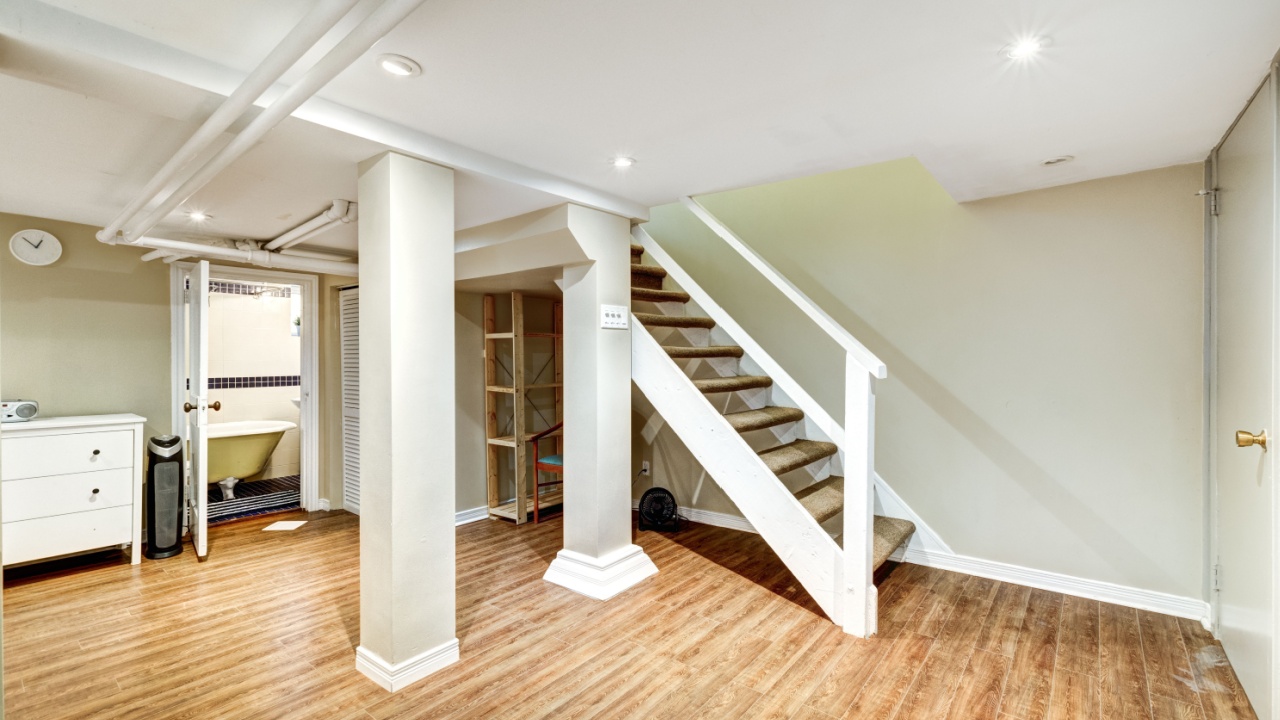
Image Credit: Shutterstock.
Clearing out your basement is more than just a cleaning project; it’s an opportunity to redefine the space. After you’ve sorted, donated, and discarded, you can start fresh. Protect your remaining belongings by upgrading from cardboard boxes to durable, sealed plastic totes that guard against moisture and pests. Add sturdy shelving to get items off the floor, which improves organization and protects against potential water damage. With the clutter gone, you can finally see the room for what it can be: a functional, organized, and useful part of your home.