
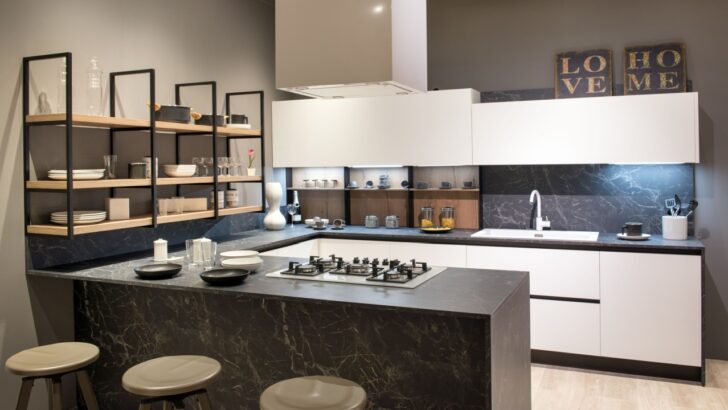
Open shelves look so effortless in magazines and online galleries. They present a curated world where everything is beautiful, accessible, and perfectly placed. But then reality hits. You install them, step back to admire your handiwork, and are immediately confronted with the visual chaos of everyday life.
Suddenly, your carefully planned display looks less like a design statement and more like a yard sale. If this sounds familiar, you might be a victim of impractical open shelving. But it’s not your fault; it’s what you’re putting on them.
Here are the items that are best kept behind closed doors and how to fall back in love with your shelves.
1. Bulky Kitchen Appliances and Clutter

Image Credit: Shutterstock.
Large appliances are almost always placed on the countertop for convenience, but on an open shelf, they look like misplaced machines. These items are heavy, awkward, and consume a huge amount of visual space, making your shelves feel crowded and unbalanced. Similarly, the daily accumulation of keys, mail, and sunglasses turns a stylish shelf into a messy drop zone.
What to Do:
- Dedicate cabinet or pantry space to these larger tools.
- If countertop storage is your only option, consider an appliance garage to keep them hidden but accessible.
- For the daily odds and ends, place a decorative bowl or tray near the door. It contains the clutter while looking intentional.
2. Packaged Pantry Goods
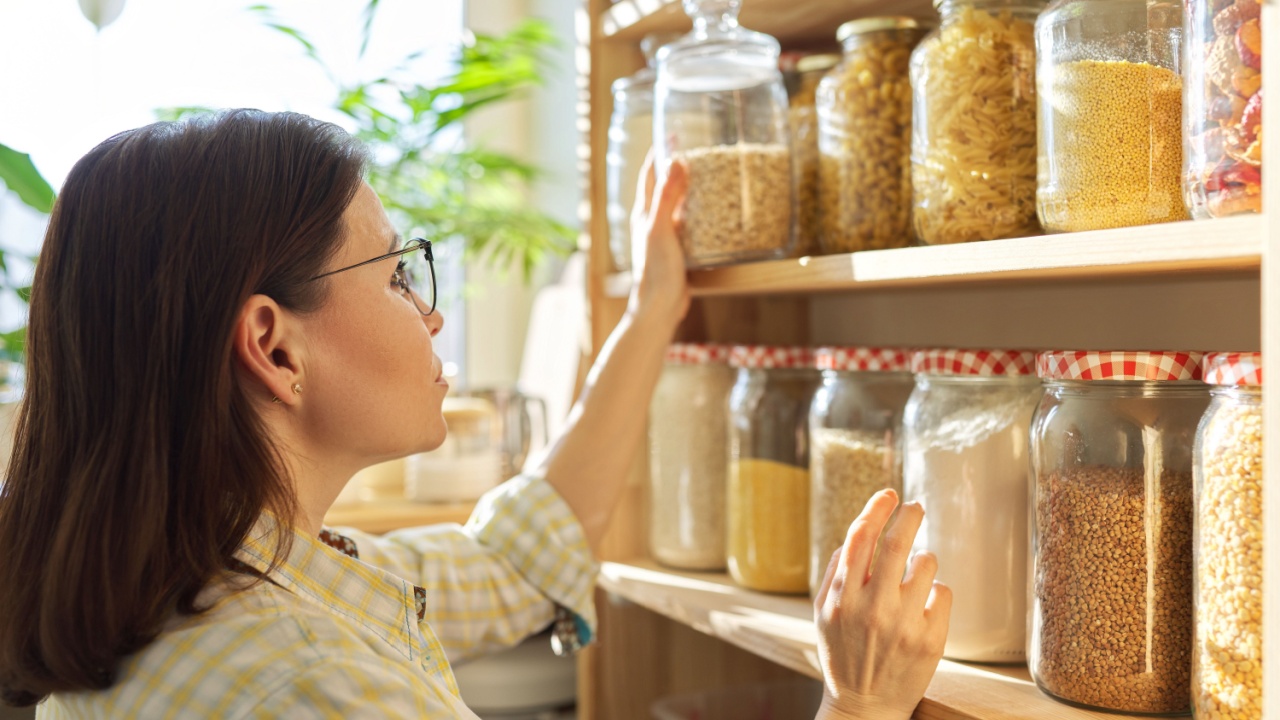
Image Credit: Shutterstock.
Those colorful cereal boxes and crinkly chip bags are designed to grab attention in a grocery store aisle, not to live peacefully on your kitchen shelves. Original packaging is often flimsy, inconsistent in size, and creates a tremendous amount of visual noise. A collection of mismatched boxes, bags, and containers can make even the most organized pantry shelf look messy and cluttered. It completely undermines the aesthetic you were trying to achieve.
What to Do:
- Decanting is the answer. Transfer pantry staples like flour, pasta, rice, and snacks into uniform, airtight containers to create a cohesive and streamlined look.
- Use clear glass or plastic jars that allow you to see what you have at a glance. It also helps keep food fresher for longer.
- Alternatively, dedicate hidden pantry space to items that you leave in the box.
3. An Overabundance of Personal Photos
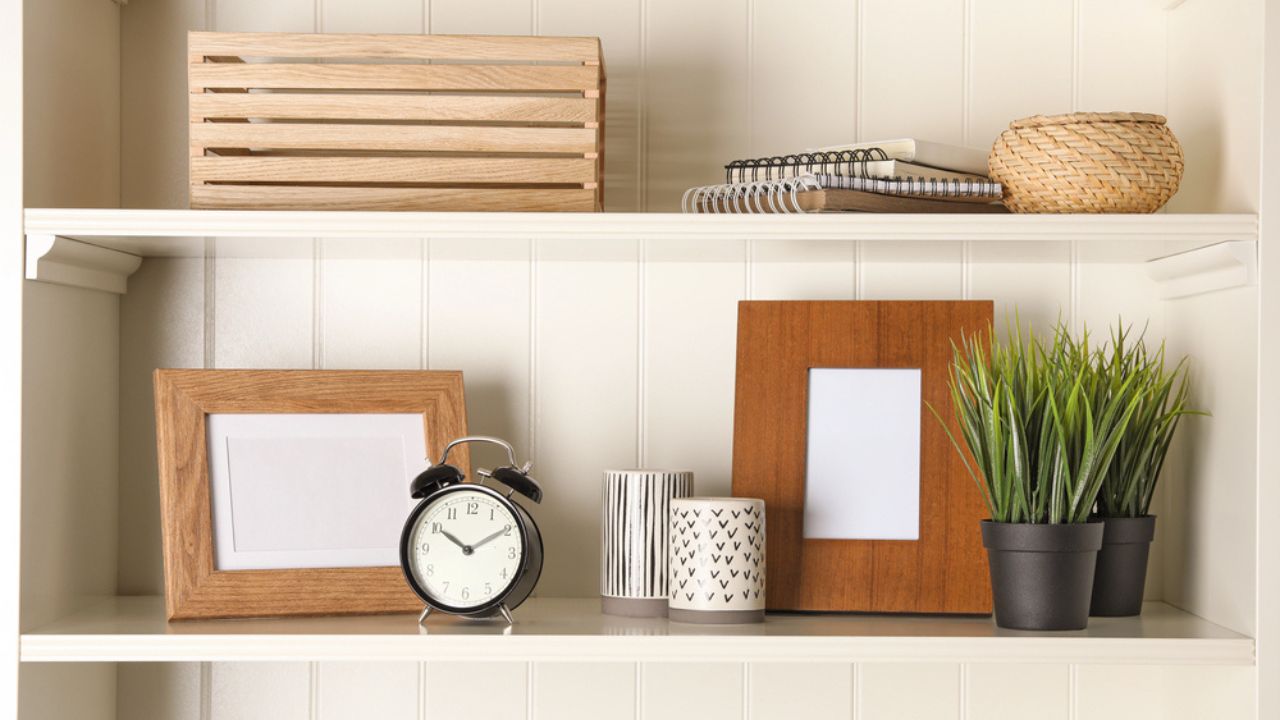
Image Credit: Deposit Photos.
A few well-placed family photos can add warmth and personality to a room. However, when open shelves become a shrine to every vacation, birthday party, and school picture, the effect can be overwhelming for both you and your guests. A large collection of frames in different sizes, materials, and styles creates visual clutter that detracts from the individual importance of each picture. Your special memories get lost in the crowd.
What to Do:
- Curate a small, rotating collection. Select a few of your absolute favorites and house them in coordinating frames.
- Organize the rest in beautiful albums or store them digitally.
4. Clear Glassware and Hard-to-Maintain Plants
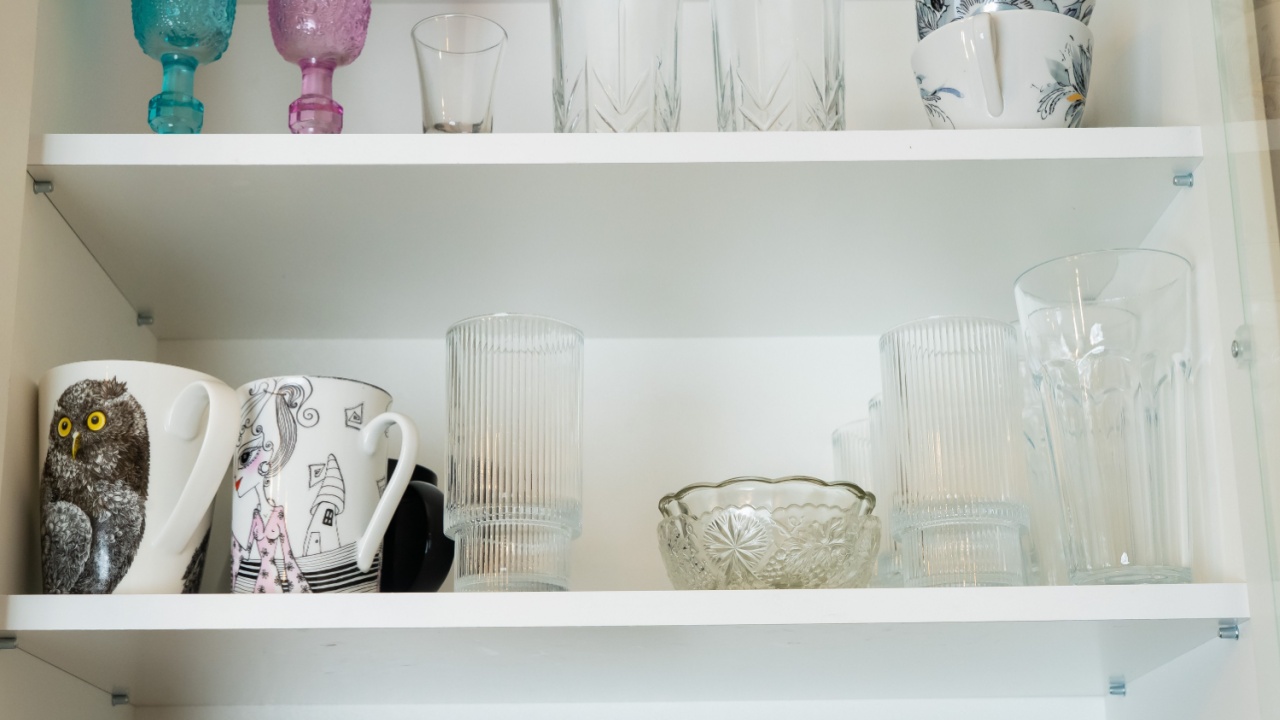
Image Credit: Shutterstock.
In theory, a row of sparkling, clear glasses on an open shelf is the picture of elegance. In practice, those glasses attract dust, grease, and fingerprints. Unless you are committed to polishing them daily, they will quickly look grimy, especially under direct lighting. The same principle applies to certain houseplants. That gorgeous fern looks great until you realize it needs constant humidity, and watering it involves a precarious balancing act that threatens your floor.
What to Do:
- For glassware, opt for everyday dishes or mugs that get used and washed frequently, preventing dust from settling. If you want to display glasses, choose colored or textured glass that helps camouflage minor dust.
- For plants, select low-maintenance varieties that thrive with less frequent watering, like succulents, snake plants, or ZZ plants. Placing them in pots with built-in drainage trays also makes watering a less perilous task.
5. Stacks of Books and Loose Papers

Image Credit: Shutterstock.
Books are a wonderful addition to any home, but how they are displayed matters. Stacking them horizontally in teetering piles or cramming them onto a shelf with broken spines facing out creates a look of disarray. The same goes for loose papers, magazines, and notebooks. Without structure, these items quickly become disorganized piles that communicate stress rather than style.
What to Do:
- Arrange books vertically, using attractive bookends to keep them upright. Mix in a few horizontal stacks to add visual interest, but keep them short and neat.
- For loose papers and magazines, use stylish magazine files or decorative boxes. This contains the paper clutter while adding a structural element to your shelf.
Curing Open Shelf Regret
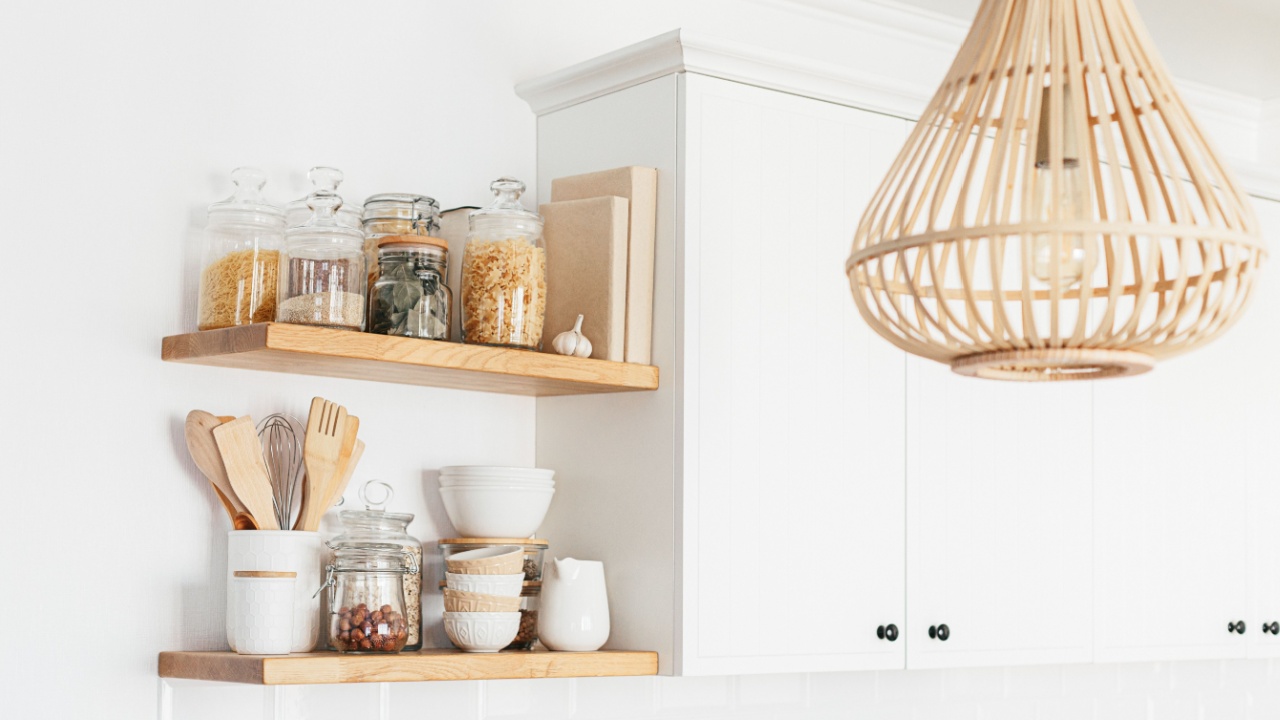
Image Credit: Shutterstock.
Feeling a little discouraged by your open shelves? Don’t be. Many designers don’t like them much either, but regret is just an opportunity to make a change. You don’t need to rip them out or start from scratch. The fix is often more straightforward: intentional editing. Start by emptying the shelves and cleaning them. Then select a few items from around your home that are both attractive and meaningful, like ceramics, a small set of matching bowls, or a favorite piece of art.
Arrange items in groups of three or five, mixing heights and textures for visual balance. Leave some space unfilled. Open shelves need breathing room, and negative space keeps the display from feeling cluttered. With thoughtful curation, your shelves can feel balanced, calm, and functional. If you no longer want them open, you can put some glass doors.