
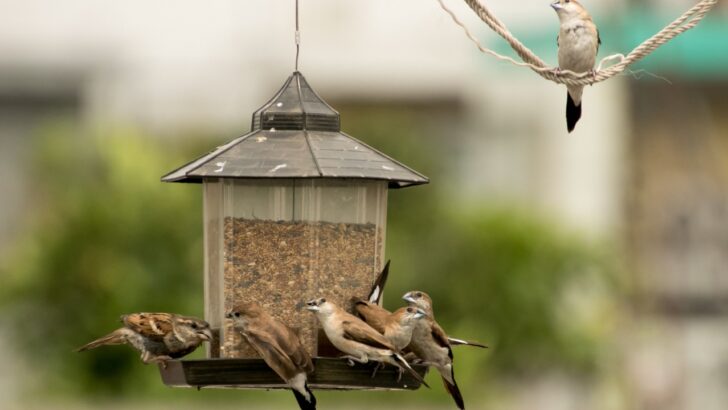
Have you ever watched a pair of sparrows hopping around your feeder in midsummer and wondered whether the setup should even stay up that long? Bird feeders have a way of turning a regular backyard into a tiny wildlife station, and it’s easy to assume they work the same no matter the season. But the truth is, what happens around a feeder changes dramatically throughout the year, and understanding those shifts can make a huge difference for the birds that stop by.
A year-round feeder invites different visitors, different behaviors, and different responsibilities as the seasons roll by. Taking a closer look at that rhythm can help anyone create a safer, healthier, and more vibrant feeding space for the birds that bring life to the garden.
1. Seasonal Food Availability Changes How Birds Use Your Feeder

Image Credit: Shutterstock.
During winter and early spring, many natural food sources shrink. Insects vanish, berry-producing plants slow down, and seed heads disappear. This is the time when feeders naturally become a hotspot. Birds may stop by more often because food is harder to find, and a well-maintained feeder can help them keep their energy levels up during cold snaps.
Winter feeding is most beneficial; summer reliance is generally unnecessary for most species. Veterinary wildlife guidance recommends focusing support during temperature extremes, migration, and late winter/early spring, when natural seed sources are depleted, while many birds shift to insects in summer
2. Feeder Maintenance Requirements Shift Throughout the Year
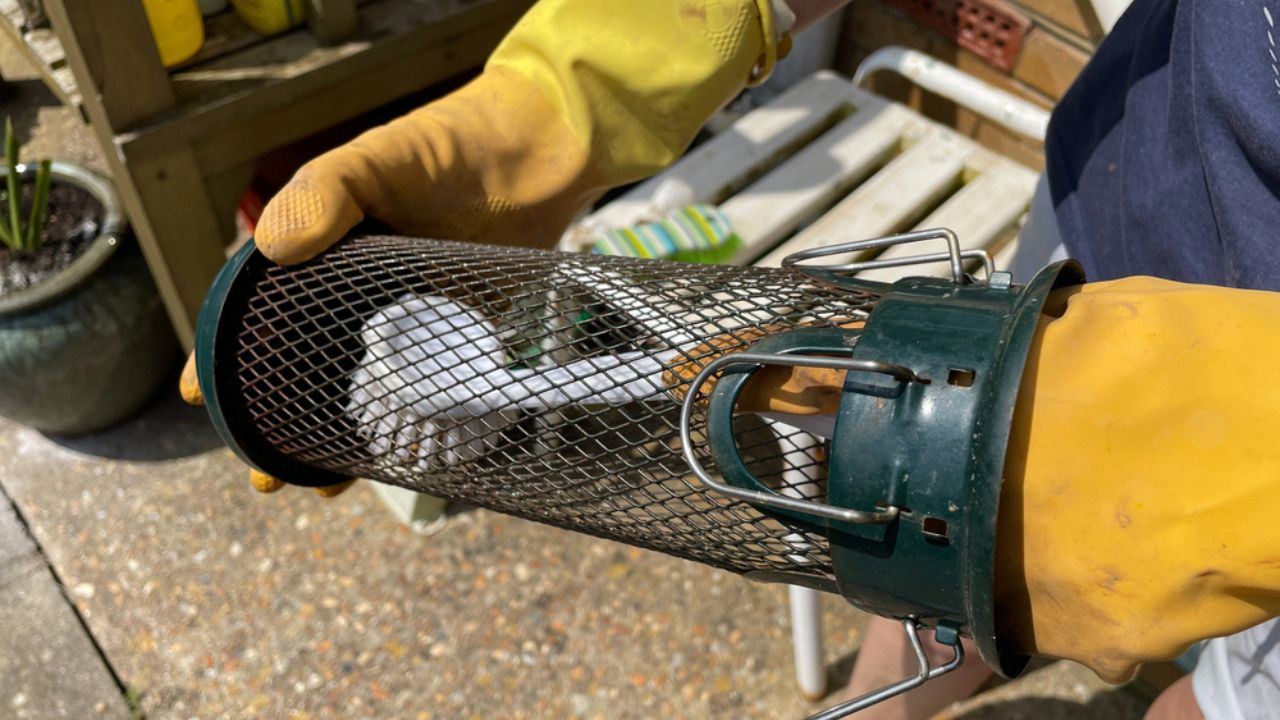
Image Credit: Deposit Photos.
Leaving a feeder up all year means accepting that maintenance won’t look the same in every season. Wet winters, rainy springs, and hot summers all create different hygiene challenges. Year‑round feeding can be safe if hygiene follows seasonal conditions, which means more frequent cleaning in warm/wet weather, and quick removal of wet or moldy seeds.
Wet, hot, or crowded conditions raise risks of mold, clumped seed, and pathogen transmission at feeders. National guidance highlights feeder‑associated disease outbreaks and recommends routine cleaning, rotating feeding stations, and removing spoiled feed to reduce risk.
3. Placement, Safety, and Ecosystem Balance Matter More Than the Calendar
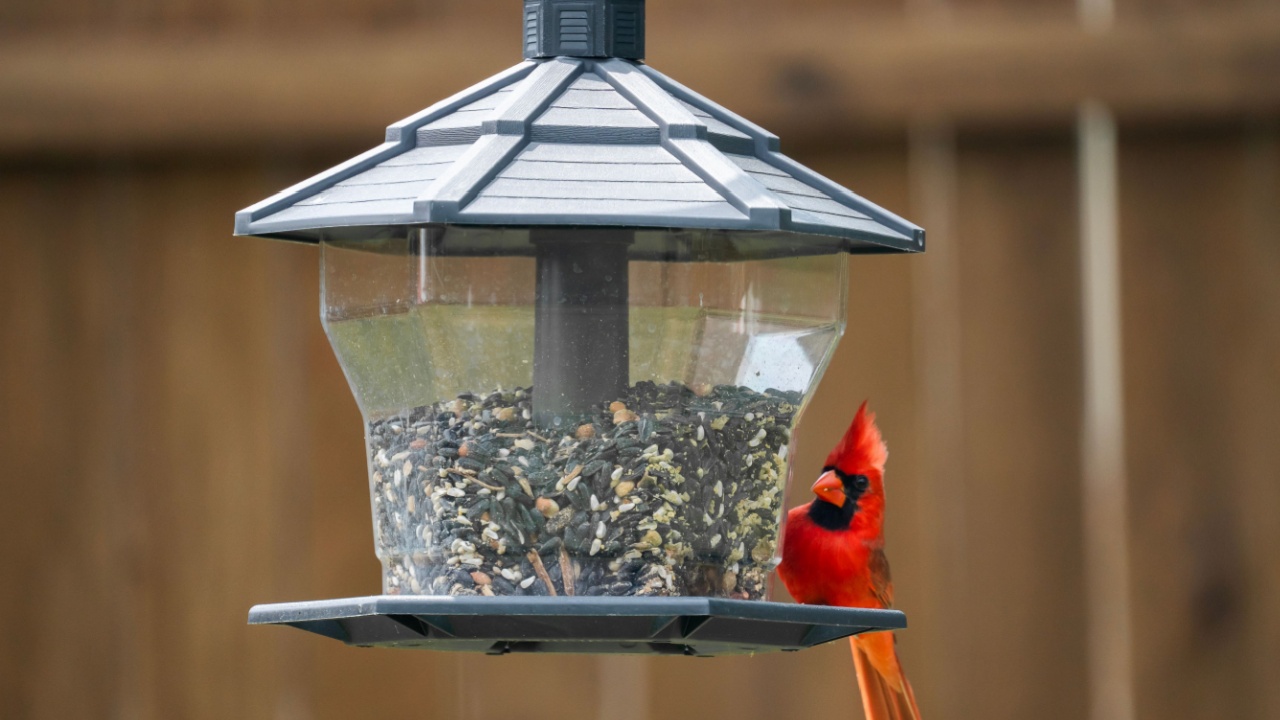
Image Credit: Shutterstock.
The biggest factor isn’t whether the feeder stays up; it’s how it interacts with your local environment. Birds need safe staging spots, predictable feeding zones, and clear escape paths. A feeder placed too close to shrubs may give predators a hiding place. One hung in the open, leaving birds exposed to swooping hawks. The sweet spot is usually several feet from cover but still near enough trees or bushes that birds feel comfortable.
The calendar matters much less than the overall setup. A year-round feeder is perfectly reasonable when safety and cleanliness stay in check. Placing feeders with both visibility and accessible cover, balancing safety and comfort for birds.
Creating a Safe And Inviting Space for Birds
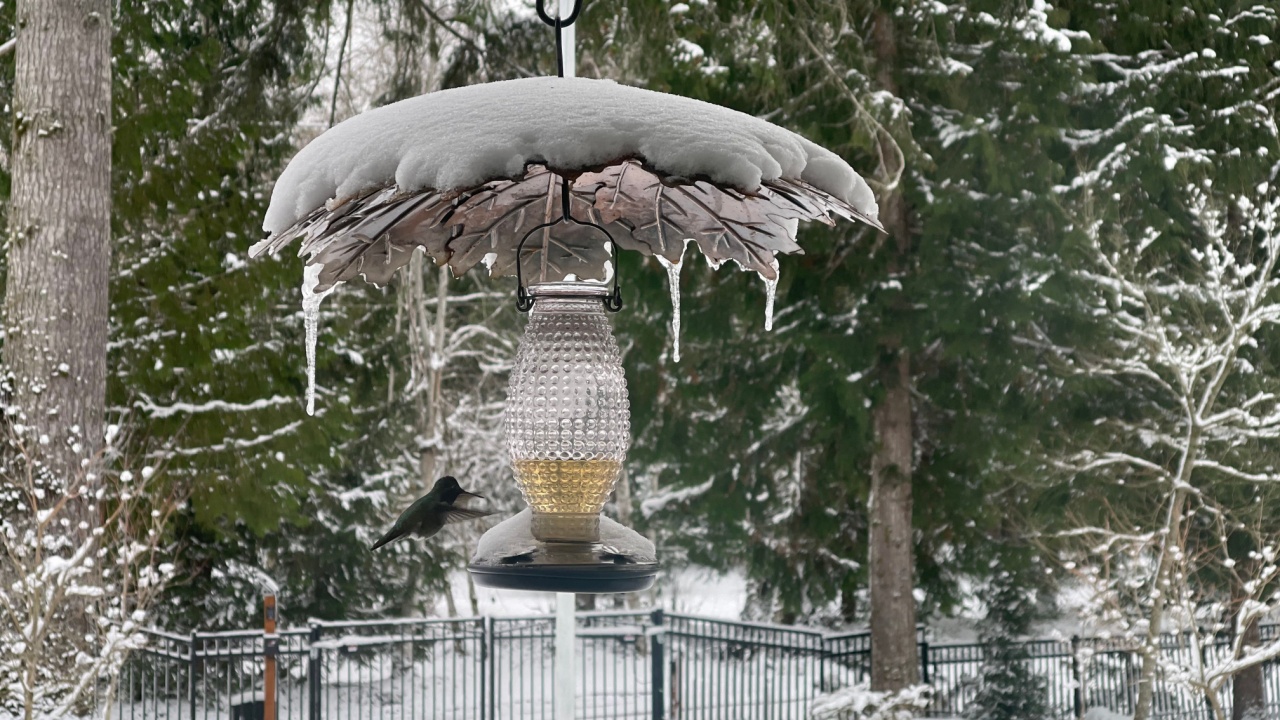
Image Credit: Shutterstock.
A year-round bird feeder works best when it fits the rhythm of the seasons, not just the calendar. When food types shift with the weather, the feeder stays clean, and the setup is placed safely, it becomes a steady source of support rather than a risk. Small habits like brushing away old seed, refreshing food before it spoils, and adding clean water create a healthier, more inviting space for every bird that passes through.
With a few easy adjustments and a little awareness, the feeder can stay up all year while keeping the backyard vibrant, balanced, and buzzing with feathered visitors.