

With summer’s heat in full swing, staying hydrated is essential for feeling your best. While drinking water is key, many fruits and vegetables are packed with water and can help you maintain optimal hydration, straight from your own backyard. Scientific research shows that a significant portion of your daily fluid intake can come from these water-rich foods.
Below, discover 12 highly hydrating foods, supported by research and university health extensions, and tips on how you can grow them at home.
Choosing the Foods on this List
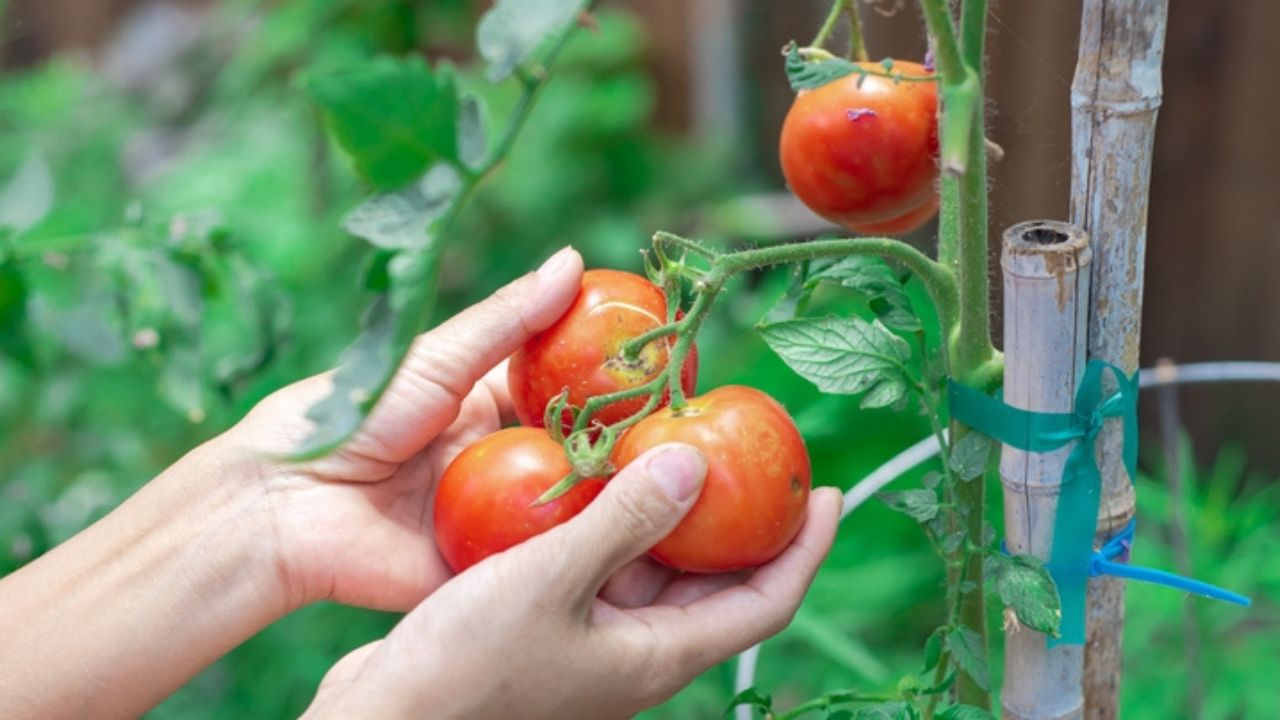
Image Credit: Shutterstock.
A quick online search reveals a surprising number of fruits and vegetables that have over 90% water content. This means that they are excellent sources of hydration for your body, especially during hot summer months or after a workout.
However, to make it onto this list, the foods have to meet certain criteria. They must
- It can be easily grown in a backyard garden, a container, or a tree
- Have high water content (over 90%)
- Be supported by scientific research and university health extensions as hydrating foods
This ensures that not only are these foods great for hydration, but they are also accessible and easy to grow at home.
1. Cucumber
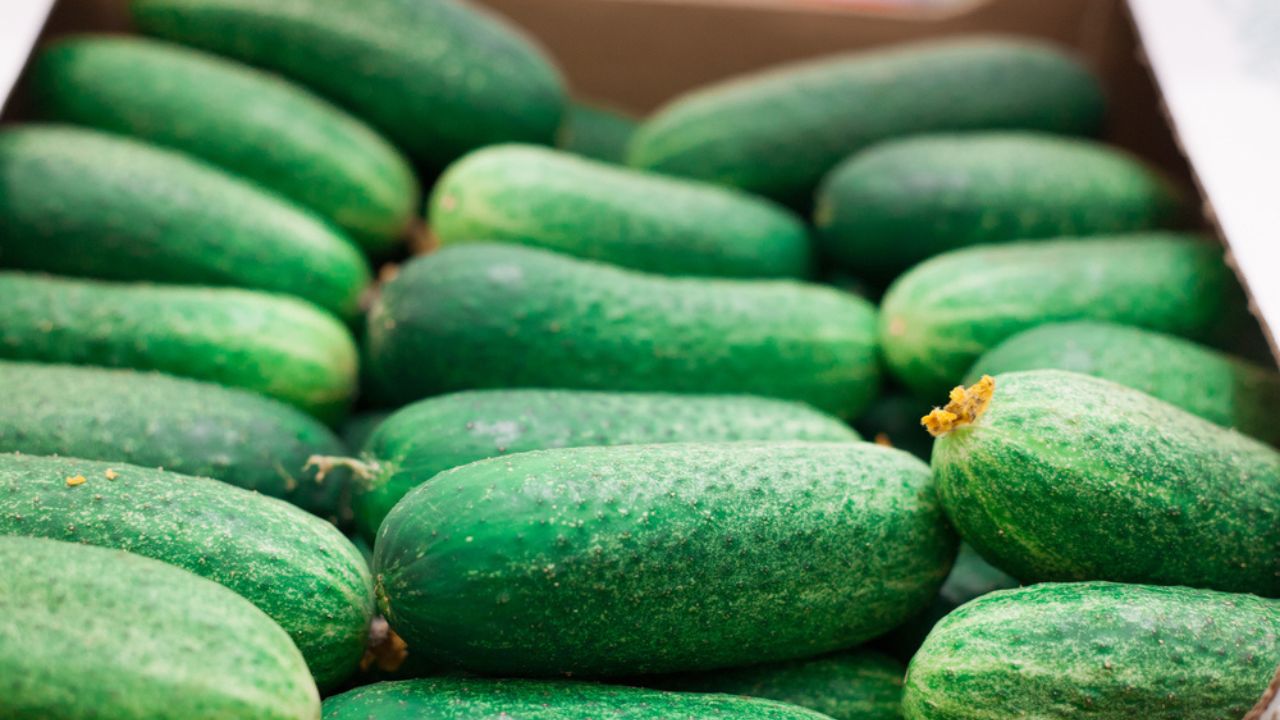
Image Credit: Shutterstock.
Hydrating Power: Cucumber consists of about 95% water, one of the highest among garden vegetables. It’s a crisp, low-calorie veggie that contributes meaningfully to hydration and electrolyte balance.
Growing Tips: Cucumbers love warmth, sun, and consistently moist soil. Direct sow after frost or start indoors and transplant once temps are reliably above 60°F. Provide a trellis or support for best results.
2. Watermelon
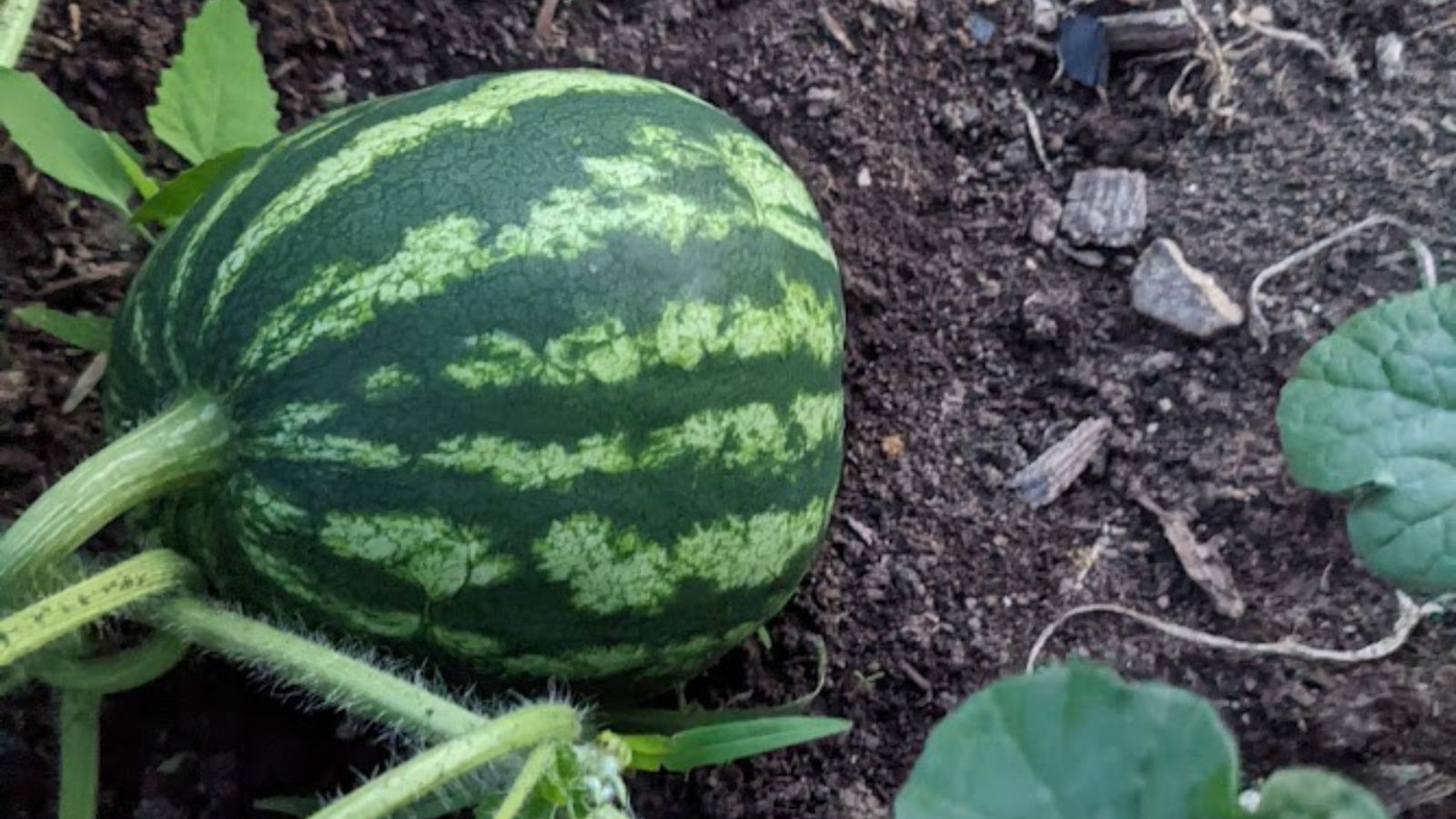
Image credit: Backyard Garden Lover.
Hydrating Power: Watermelon is about 92% water, making it a classic thirst-quencher. It’s naturally sweet, low in calories, and contains vitamins A and C.
Growing Tips: Watermelons flourish in warm climates with full sun and rich, loose soils. Direct seed after the soil has warmed, and space plants about 6 feet apart. Keep the soil evenly moist during fruit set.
3. Zucchini
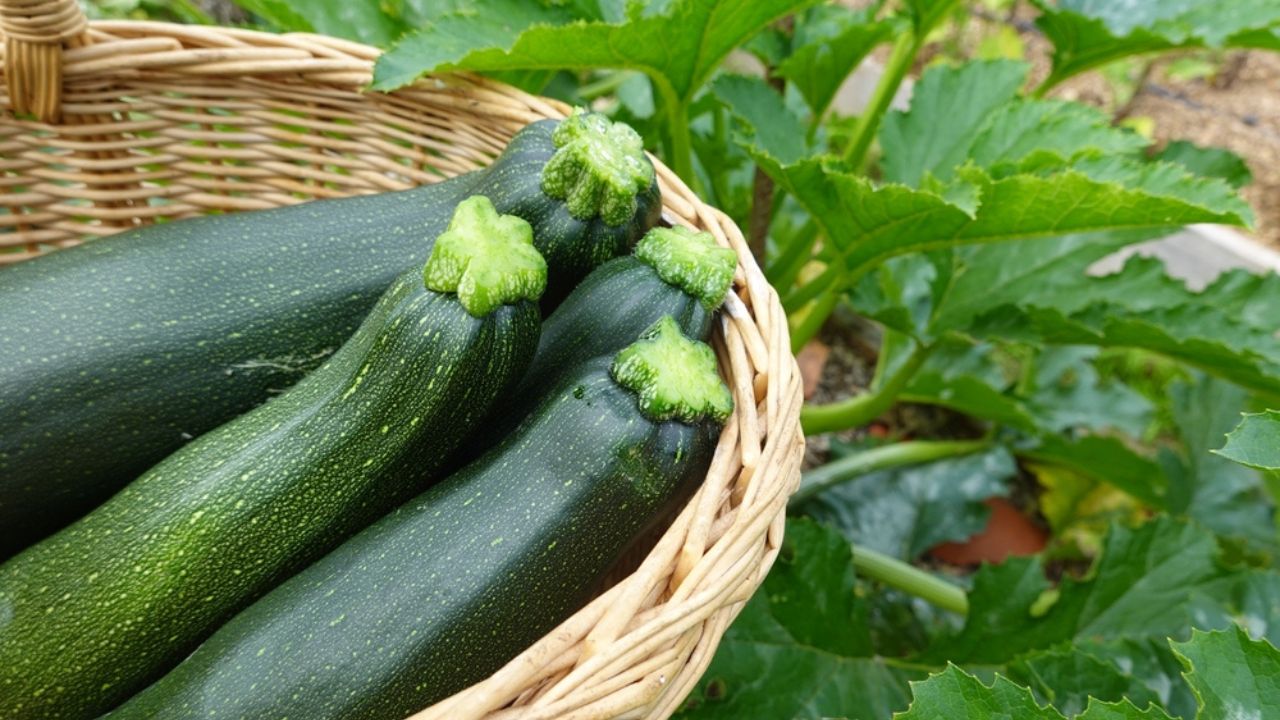
Image Credit: Shutterstock.
Hydrating Power: Zucchini is notoriously watery (if you’ve ever cooked with it or frozen it). Its mild flavor and soft texture make it an easy addition to salads, sautés, or as a low-calorie snack.
Growing Tips: Plant in full sun and rich, well-drained soil post-frost. Zucchini needs regular watering to produce tender, non-bitter fruits.
4. Strawberries

Image Credit: Shutterstock.
Hydrating Power: Strawberries are hydrating and loaded with vitamin C, fiber, and antioxidants.
Growing Tips: Grow in a sunny location with rich, well-drained soil. Strawberries do best with consistent watering, especially while fruiting. Use mulch to preserve moisture and protect fruit.
5. Lettuce

Image Credit: Shutterstock.
Hydrating Power: With a water content up to 96%, lettuce (especially iceberg) is among the most hydrating foods you can eat. Leafy greens also add fiber, folate, and some potassium to your diet.
Growing Tips: Sow lettuce in cool seasons, using moist soil in part sun for best results. Water frequently to keep the soil consistently damp and harvest leaves regularly.
6. Tomatoes
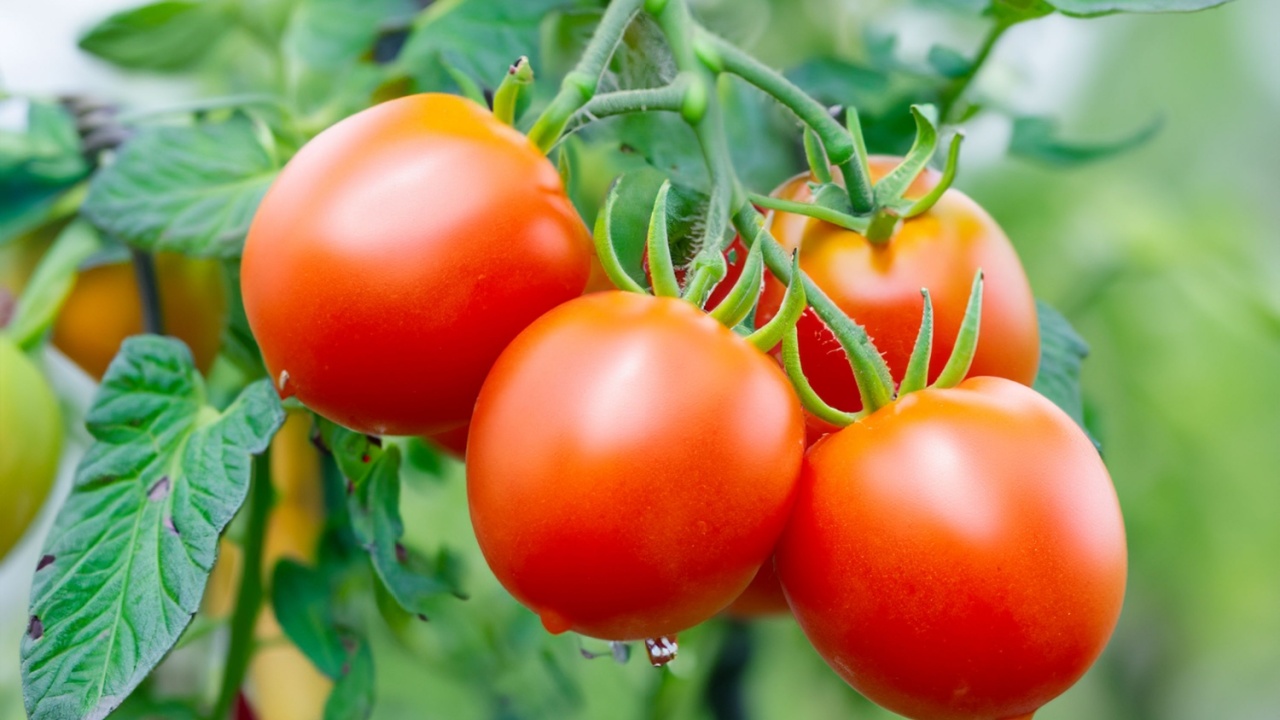
Image Credit: Shutterstock.
Hydrating Power: Tomatoes are juicy for a reason and serve up potassium, vitamin C, and antioxidants. Consuming tomatoes can contribute to your hydration and nutrient needs.
Growing Tips: Start seeds indoors and transplant after frost to a sunny location with rich soil. Regular, deep watering prevents blossom end rot and produces juicier fruit.
7. Bell Peppers
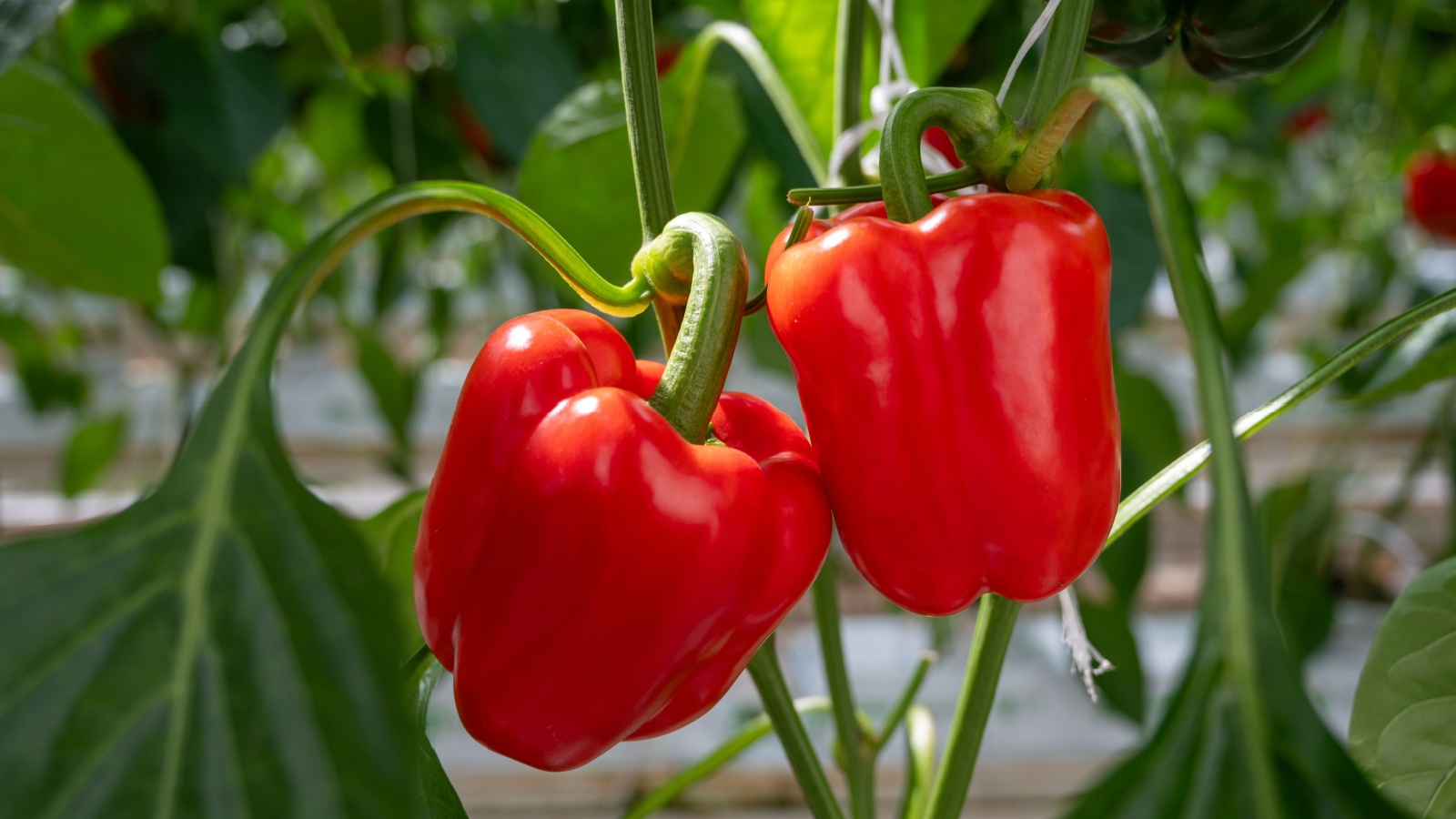
Image Credit: Shutterstock.
Hydrating Power: Bell peppers are another juicy favorite, as well as packed with vitamin C and antioxidants.
Growing Tips: Start seeds indoors and transplant to the garden after the danger of frost. Peppers thrive in full sun and well-drained soil. Mulch to conserve moisture and water consistently.
8. Celery

Image Credit: DepositPhotos.com.
Hydrating Power: Celery is noted for being among the most hydrating and low-calorie snack vegetables. It’s a source of vitamin K, fiber, and potassium.
Growing Tips: Celery prefers cooler temps and moisture-retentive soil. Start indoors, transplant as seedlings, and keep the soil moist throughout the season
9. Bok Choy
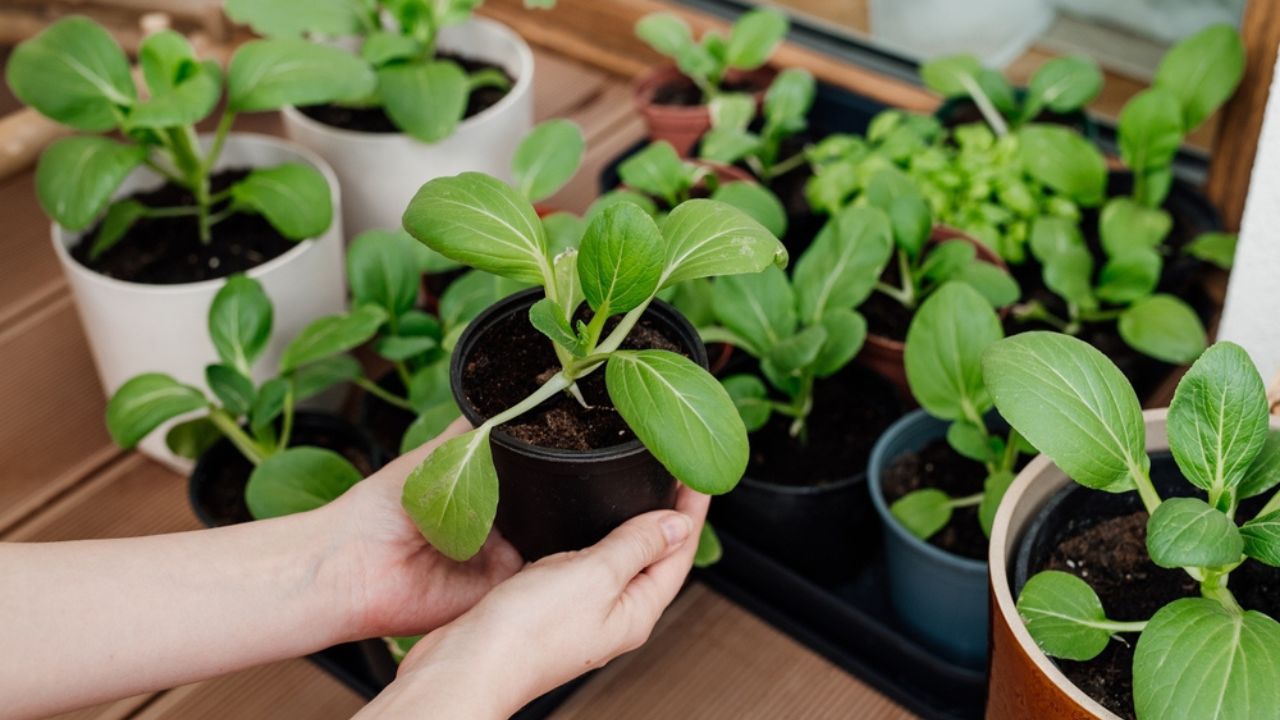
Image Credit: Shutterstock.
Hydrating Power: Bok choy is hydrating and offers calcium, vitamins K and C, and is particularly hydrating in cooked or raw dishes.
Growing Tips: Bok choy grows best in cool temps, so sow in early spring or late summer. Space plants about 6 inches apart and water consistently.
10. Peaches
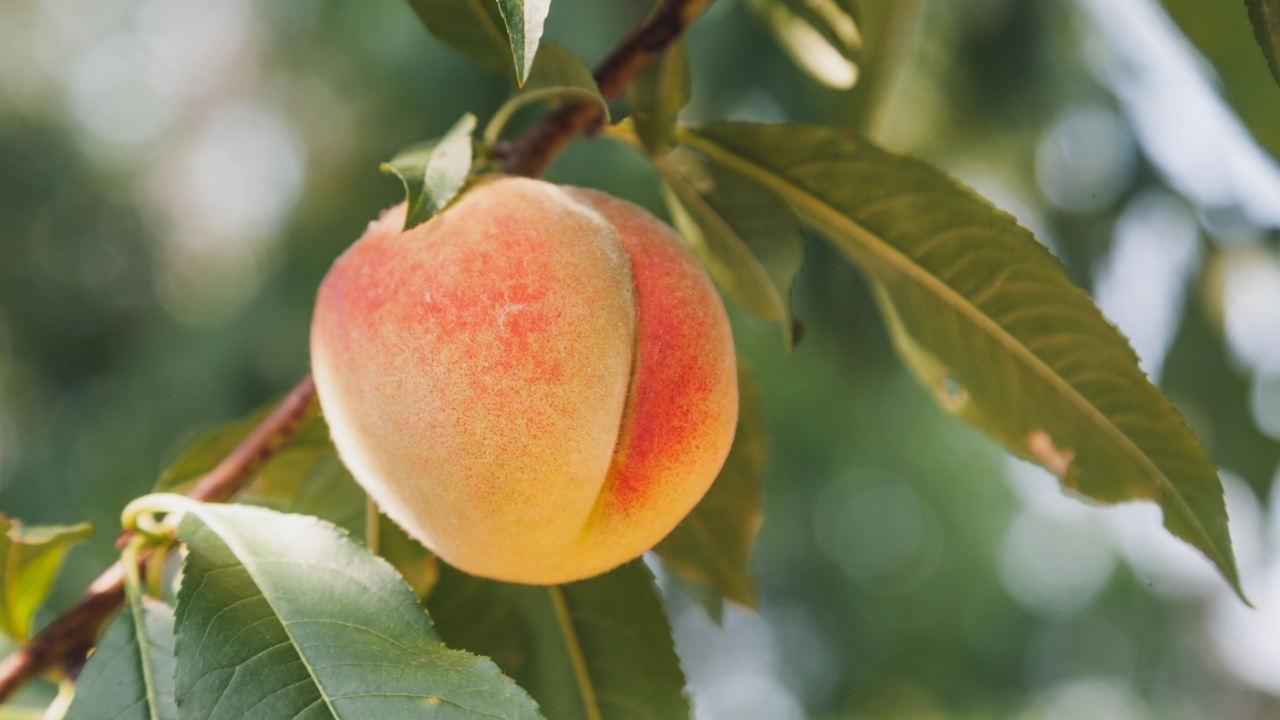
Image Credit: Shutterstock.
Hydrating Power: Peaches are full of juice (when ripe) and an excellent source of vitamin C and potassium.
Growing Tips: Plant young trees in full sun with well-drained soil. Peaches need deep watering during fruiting, and regular pruning keeps the tree healthy.
11. Grapefruit

Image Credit: Shutterstock.
Hydrating Power: Grapefruit is not only juicy but high in vitamin C and potassium.
Growing Tips: Grow grapefruit trees in frost-free, sunny locations (warm zones only). Regular watering and proper fertilization help maximize hydration (and flavor).
12. Cantaloupe
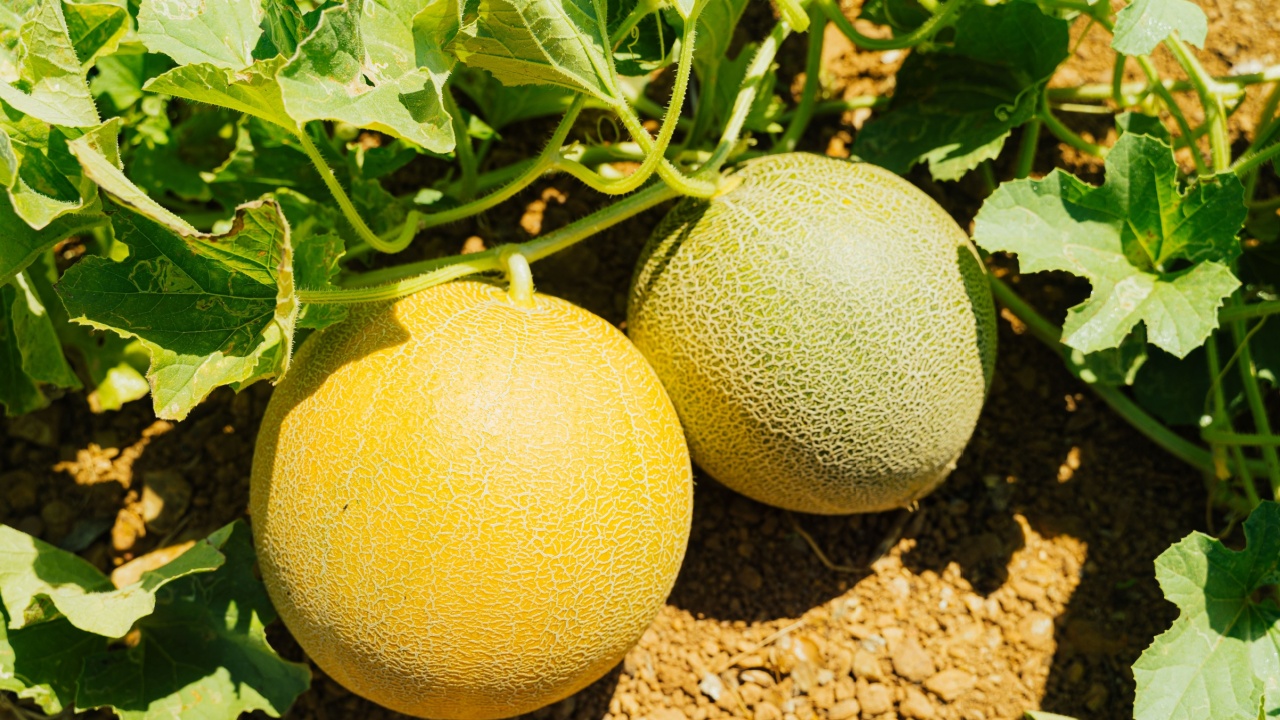
Image Credit: Shutterstock.
Hydrating Power: Cantaloupe contains about 90% water, making it an excellent fruit for hydration. It’s also a good source of vitamin A and potassium, which help support overall fluid balance in the body.
Growing Tips: Plant cantaloupe seeds in full sun and well-drained soil after the last frost. Space vines about 2 to 3 feet apart, keep the soil consistently moist, and harvest fruits when the blossom end yields slightly to gentle pressure.
Fitting More of These in Your Garden and Diet
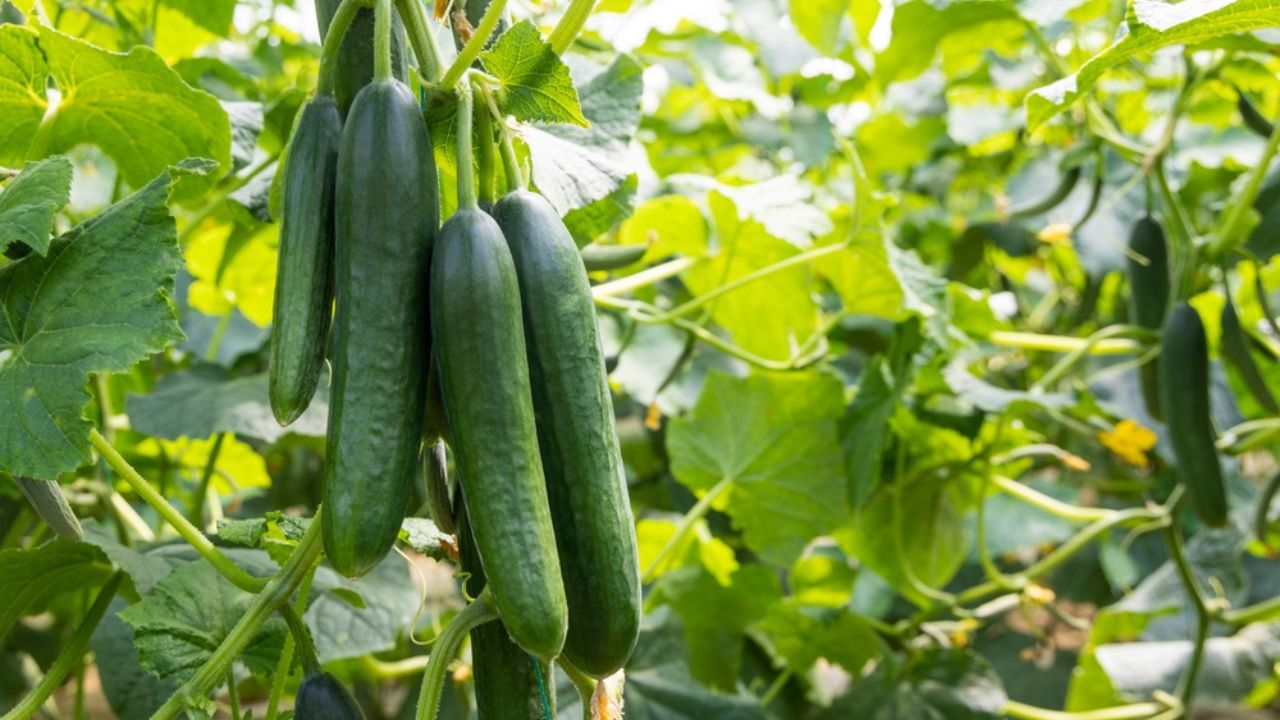
Image Credit: Shutterstock.
In reality, most fruits and vegetables have relatively high water content. If you can juice it, blend it, or eat it raw, chances are that it’s mostly water. Fruits and vegetables like cucumbers, celery, strawberries, and lettuce all have a high water content. By incorporating these high-water foods into your diet and garden, you can increase your daily hydration levels.
Other ways to incorporate more of these hydrating foods into your diet include adding them to smoothies or salads, or simply snacking on them throughout the day. Your body will thank you for staying hydrated and nourished, especially during these hot summer days.