
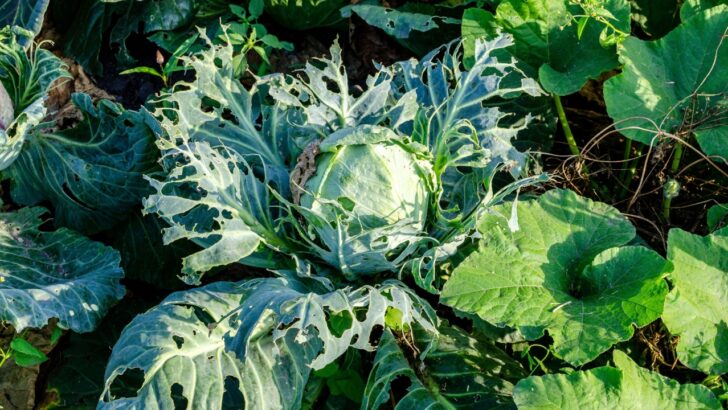
Last year, I bought a few broccoli starts at a local greenhouse on a whim, excited to add another of my favorite vegetables to the garden. My excitement soon turned to disappointment, however, when something(s) began devouring the little plants. Each day, new holes appeared in the foliage, and entire leaves disappeared almost overnight.
I had cabbage worms in my garden. Although my experimental broccoli crop that season was a lost cause, I looked into how to get rid of cabbage worms in the garden for future attempts at growing brassicas. Here is what I’ve learned.
How to Get Rid of Cabbage Worms in the Garden
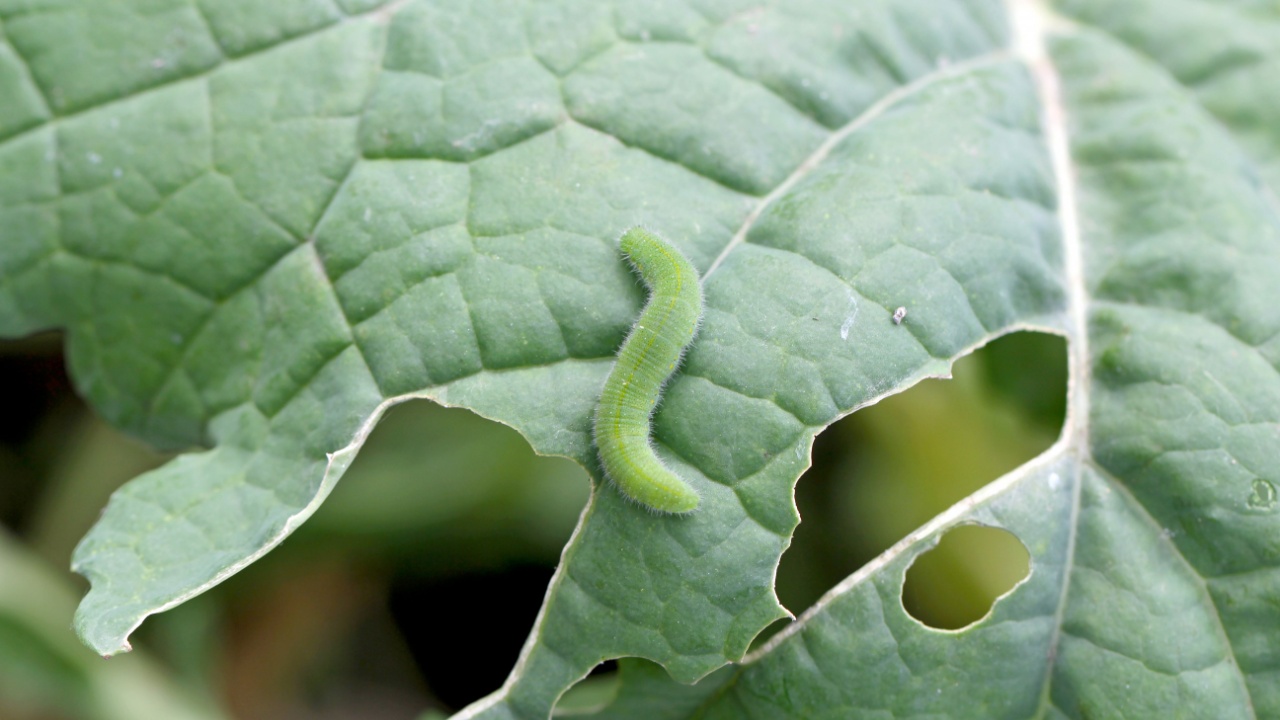
Image Credit: Shutterstock.
While there are several caterpillars that feed on brassicas (broccoli, cabbage, kale, etc.), the most common is the imported cabbage worm. Others, such as the cabbage looper and diamondback moth larvae, cause similar damage and can also be controlled with the methods described below.
How to identify cabbage worms
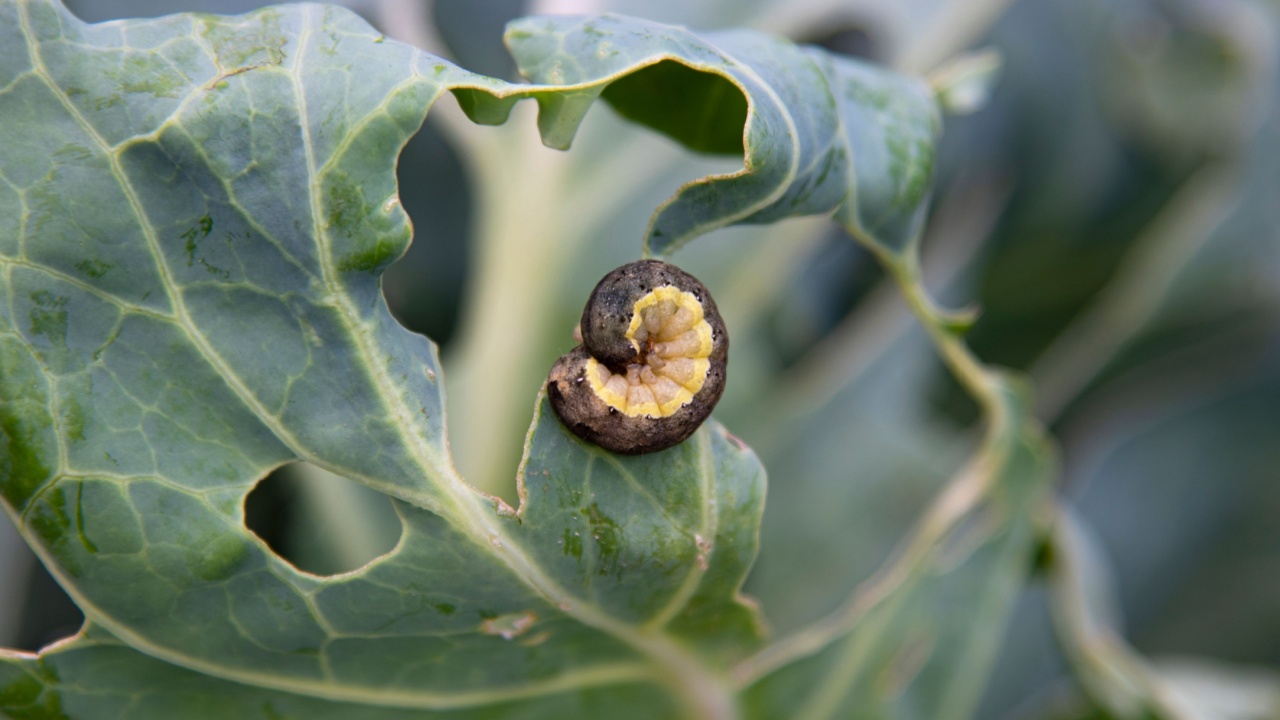
Image Credit: Shutterstock.
Cabbage worms are velvety green caterpillars that grow to about an inch long. If you look closely, you might notice a thin, faint yellow stripe down the center of the caterpillar’s back. The adult butterflies have white wings with black spots on the forewings, and the oblong eggs are white to yellow and laid on the end on the undersides of leaves.
Imported cabbage worms are often confused with cabbage loopers and diamondback moth larvae. With no legs in the middle of its body, the pale green cabbage looper is easily identified by the loop its body makes as it moves. Also light green, the diamondback moth caterpillar tapers at both ends and only reaches 1/3 inch long.
What cabbage worm damage looks like
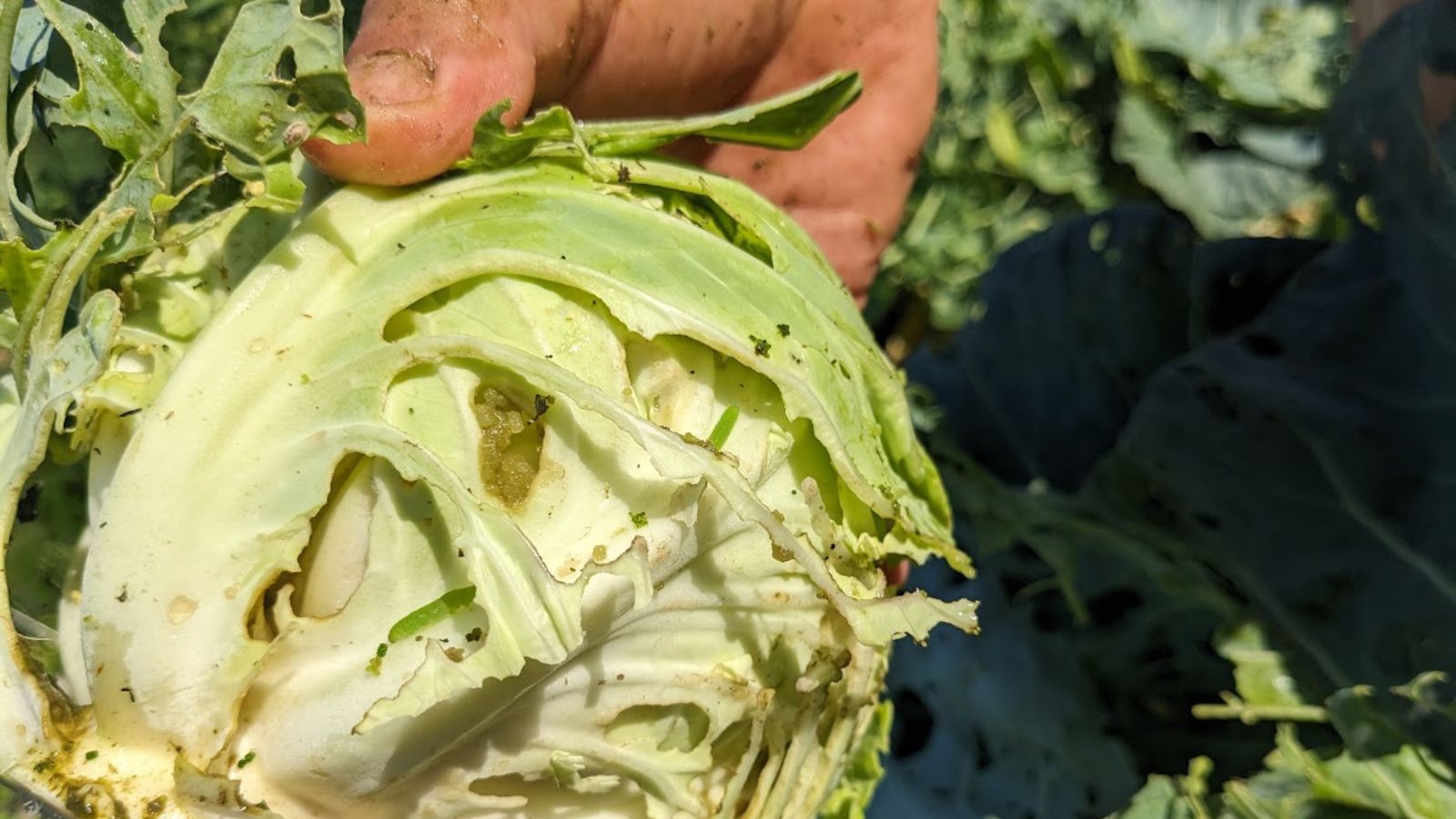
Image credit: Backyard Garden Lover.
All three caterpillars feed between the midribs and large veins of the leaves of brassicas, such as broccoli, Brussels sprouts, cabbage, cauliflower, collards, and radishes. Cabbage worms might also bore into broccoli, cauliflower, or cabbage heads. Look for dark green droppings on the plants and damage ranging from small, smooth feeding holes to only the leaf’s midrib remaining.
How to Control Cabbage Worms- 1. Keep the garden tidy

Image Credit: Shutterstock.
While severe defoliation can prevent head formation or even cause death, older plants can lose up to 30 percent of their foliage with little effect on production. This means that signs of cabbage worms on seedlings are more concerning than on more mature plants. Regardless of the threat posed based on the age of the plant, note also that older, larger, caterpillars cause more damage, so the sooner you act, the better. Here are a few tips for ridding your garden of cabbage worms. First up, keeping the garden tidy.
To prevent cabbage worms from overwintering and attacking next year’s crops, remove plant debris from the garden at the end of the growing season. Also, pull any weeds in the Brassicaceae family, such as peppergrass, shepherd’s purse, and wild mustard, as these can attract cabbage worms and other brassica pests to the garden.
2. Handpick
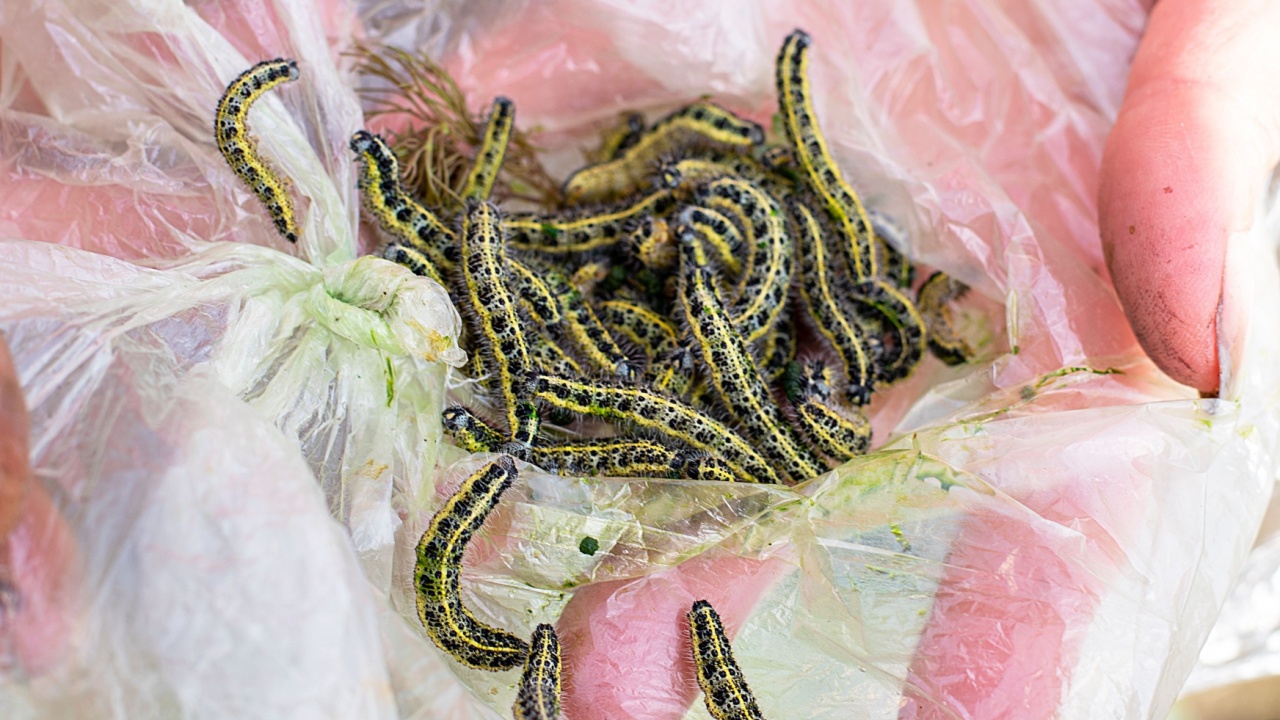
Image Credit: Shutterstock.
Handpicking is a great way to control small numbers of any kind of insect pest. Look for droppings, which indicate the presence of a caterpillar, and pay special attention to the midribs of leaves, where the well-camouflaged cabbage worms like to rest.
Drop cabbage worms into a container of soapy water if, like me, you don’t like squishing them (ew).
3. Exclude pests

Image Credit: Depositphotos.com.
This year, immediately after transplanting my brassicas, I covered them with row cover. This keeps the adult butterflies from laying eggs on the leaves, to begin with.
Although the row cover can be laid directly on the plants, I recommend using some kind of hoops to support it; otherwise, the weight of the cloth can distort the growth of tender seedlings. You can purchase premade wire hoops or fashion your own out of wire or plastic piping.
Similarly, you can choose from a variety of row covers. A lightweight mesh fabric made specifically for insect exclusion might be a little more expensive, but won’t keep the cool-loving brassicas too warm. An all-purpose row cover, on the other hand, is often cheaper and can extend your growing season by a few weeks because it traps in heat. This is a great option when you get your fall crops planted a little late.
4. Welcome predators

Image Credit: Shutterstock.
Welcome cabbage worm predators into the garden to help you out. Paper wasps and parasitic flies and wasps feed on cabbage worms as well as cabbage loopers and diamondback moth larvae.
To attract predators, plant pollen- and nectar-rich flowers in and around the vegetable garden. Zinnias and marigolds are classics for a reason! Plus, they add a bright, cheerful splash of color.
Here are more cabbage companion plants to help keep your cabbage plants happy.
5. Choose resistant varieties
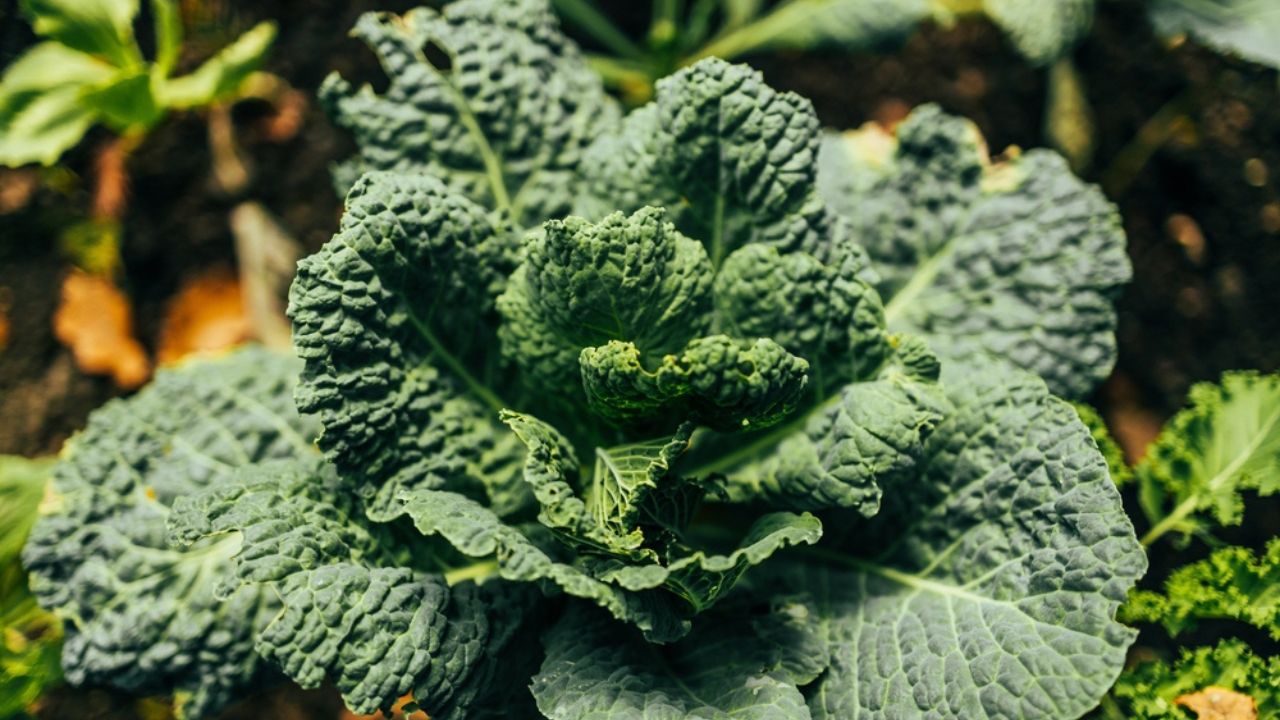
Image Credit: Shutterstock.
When perusing seed catalogs this winter, look for fast-maturing brassica cultivars, which often sustain less damage from cabbage worms. It’s also worth noting that cabbage worms are less likely to eat kale, rutabaga, and turnip. I’ve noticed that while my broccoli plants get devoured, the kale leaves only end up with a few holes in them.
6. Resort to organic pesticides
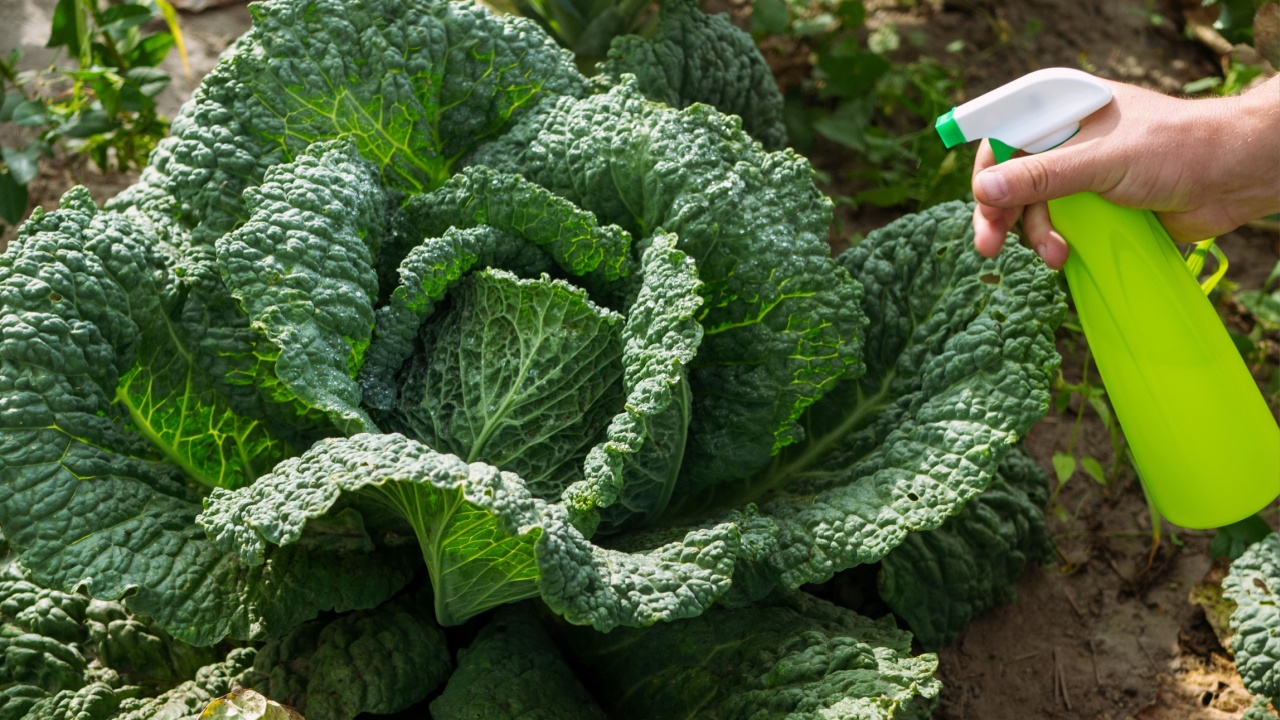
Image Credit: Shutterstock.
I say “resort to” because I never recommend starting with pesticides; other, safer methods, such as those listed above, are almost always sufficiently effective. If you have tried other methods and still have cabbage worms devouring your crops, look for organic pesticides like Bt, neem, pyrethrins, or spinosad. Of course, these work best on younger caterpillars.
Nonorganic, and sometimes organic, pesticides kill predators as well as pests, plus they can be harmful to you, pets, children, and the natural environment. Always use pesticides responsibly.
If your brassicas are suffering from the munching of hungry caterpillars, I hope the above tips help you save your crop from devastating damage and enjoy a bountiful harvest.