
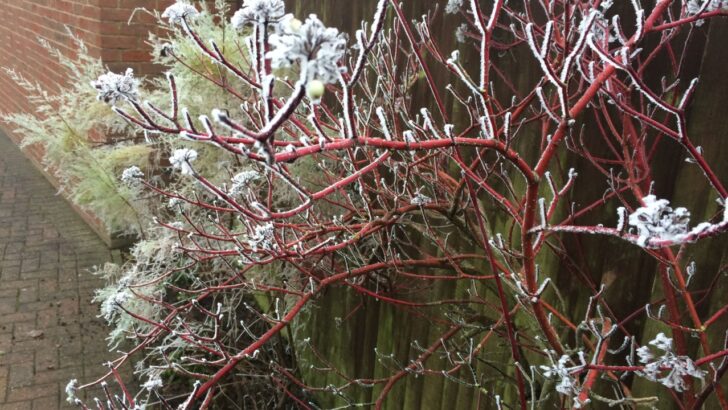
When the last of the autumn leaves have fallen, and the garden beds are put to rest, it can feel like the show is over until spring. A garden in its quiet season doesn’t have to be a barren landscape, though. With a little planning, it can become a serene and beautiful space that offers a different kind of appeal.
The muted colors and strong shapes of winter create a unique backdrop, and a few strategic additions can transform a dormant yard into a point of interest that lasts until the first thaw.
Here are 6 ways to create beautiful winter interest in the garden.
1. Fill Hardy Planters with Evergreens
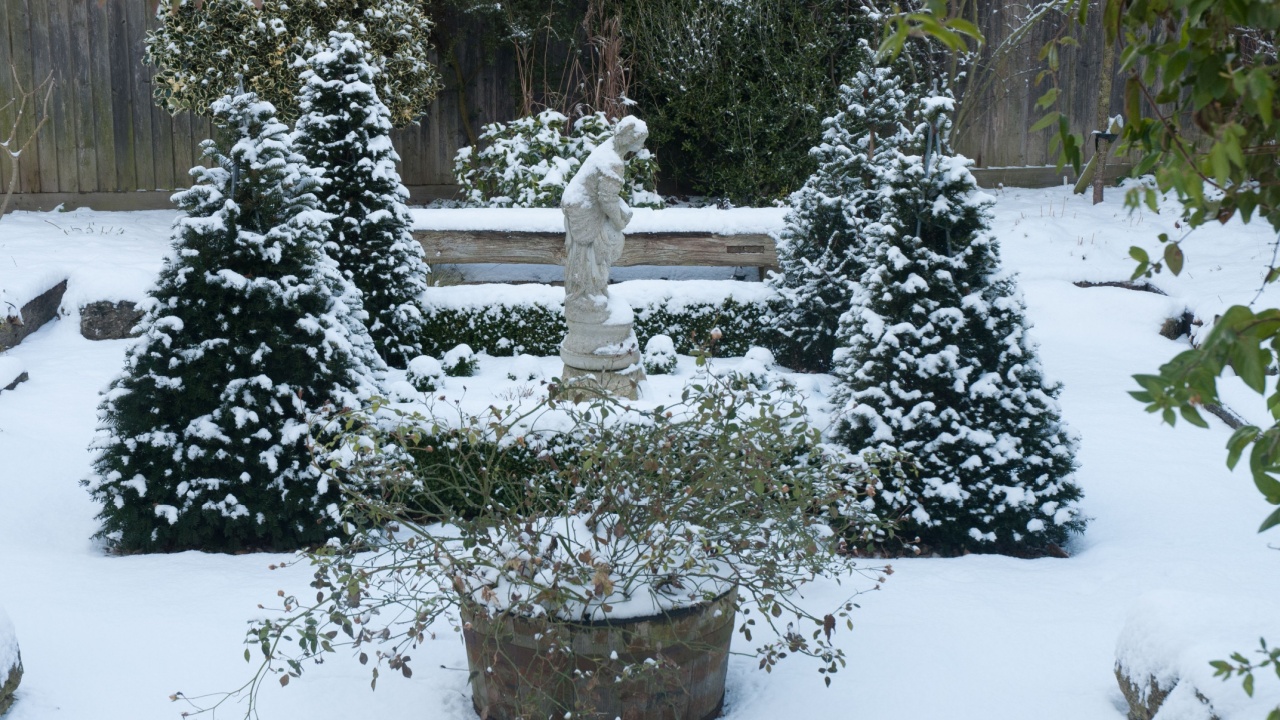
Image credit: Shutterstock.
The easiest way to inject life into a winter garden is with containers. Grouping several planters together creates a strong focal point, drawing the eye away from bare soil. Using pots made from frost-resistant materials like fiberglass, concrete, or thick terracotta is important to prevent cracking when temperatures drop.
Filling these containers with a mix of small evergreens provides instant structure and color. Consider varieties with different textures and shades of green, from the deep green of a dwarf Alberta spruce to the silvery-blue of a juniper. Adding trailing ivy or plants with colorful foliage, like heuchera, can soften the edges and add another layer of visual appeal. These mini-gardens can be placed on patios, near doorways, or anywhere the landscape needs a lift.
2. Edge Pathways with Winter-Flowering Plants
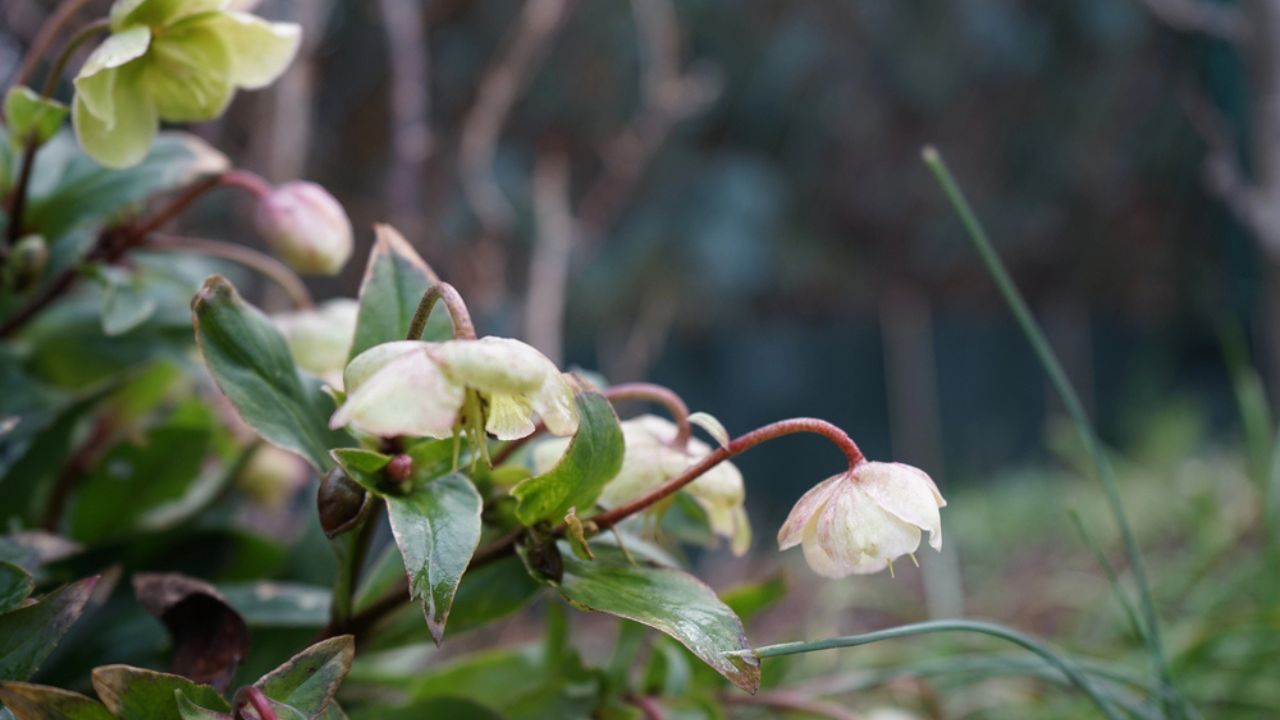
Image Credit: Deposit Photos.
Walking through the garden in winter can be a delightful experience, especially when the path is lined with color and fragrance. Certain plants are at their best during the coldest months, and using them to edge walkways or garden beds is a smart design choice.
Hellebores, also known as Lenten Roses, are fantastic for this purpose. Their downward-facing blooms come in shades of white, pink, deep purple, and green, often appearing when snow is still on the ground. Another great option is Winter Daphne, a shrub prized for its intensely fragrant pink flowers that bloom in late winter. Placing these plants along high-traffic areas means their subtle beauty and scent can be appreciated up close.
3. Rely on Ornamental Grasses and Shrubs
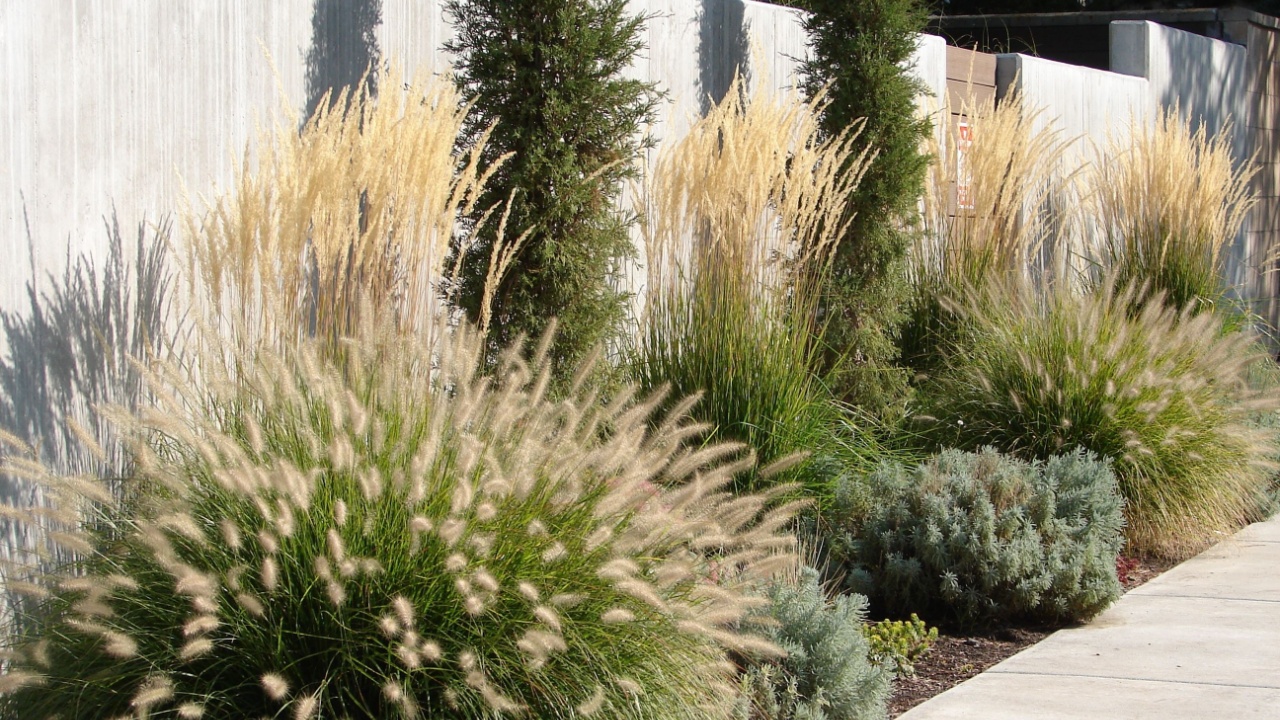
Image Credit: Shutterstock.
Structure is the backbone of the winter garden. When perennials die back, and deciduous trees lose their leaves, the garden’s underlying design is revealed. Evergreen shrubs and ornamental grasses are perfect for creating this framework.
Evergreen shrubs like Boxwood, Holly, and Yew provide solid green forms that look striking against snow. They can be used as hedges, foundation plantings, or standalone specimens. Ornamental grasses, such as Feather Reed Grass or Little Bluestem, add a different kind of structure. Their fine texture and tan or golden color provide a beautiful contrast to evergreens. Left standing, they catch the frost and sway gracefully in the winter wind, adding movement to the quiet landscape.
4. Add Vibrancy with Colorful Stems

Image Credit: Shutterstock.
Even without leaves or flowers, some plants manage to put on a brilliant show. Certain species of shrubs are grown specifically for the stunning color of their bare winter stems. These can provide a surprising and welcome splash of color on the grayest of days.
Red-twig and yellow-twig Dogwoods are classic choices. Their upright stems glow in shades of fiery red, bright coral, or electric yellow. They are most effective when planted in groups, where their collective color creates a significant visual impact. The peeling, coppery bark of a Paperbark Maple or the stark white trunks of a Birch tree also provide distinct texture and form that stand out in the winter sun.
5. Designate a Woodland-Themed Area

Image Credit: Shutterstock.
A woodland garden capitalizes on the natural, layered look that feels right at home in winter. This style focuses on plants that thrive in dappled light and creates a feeling of a peaceful, wild space. It’s a low-maintenance approach that looks intentional even in dormancy.
Plants like Witch Hazel are stars here, producing spidery, fragrant flowers in yellow or orange on bare branches in the dead of winter. Combine them with shade-loving, ground-covering evergreens and clumps of hellebores. Leaving a few fallen logs or a small brush pile adds to the rustic aesthetic and provides a critical habitat for insects and small animals during the cold months.
6. Attract Birds with Berries and Water
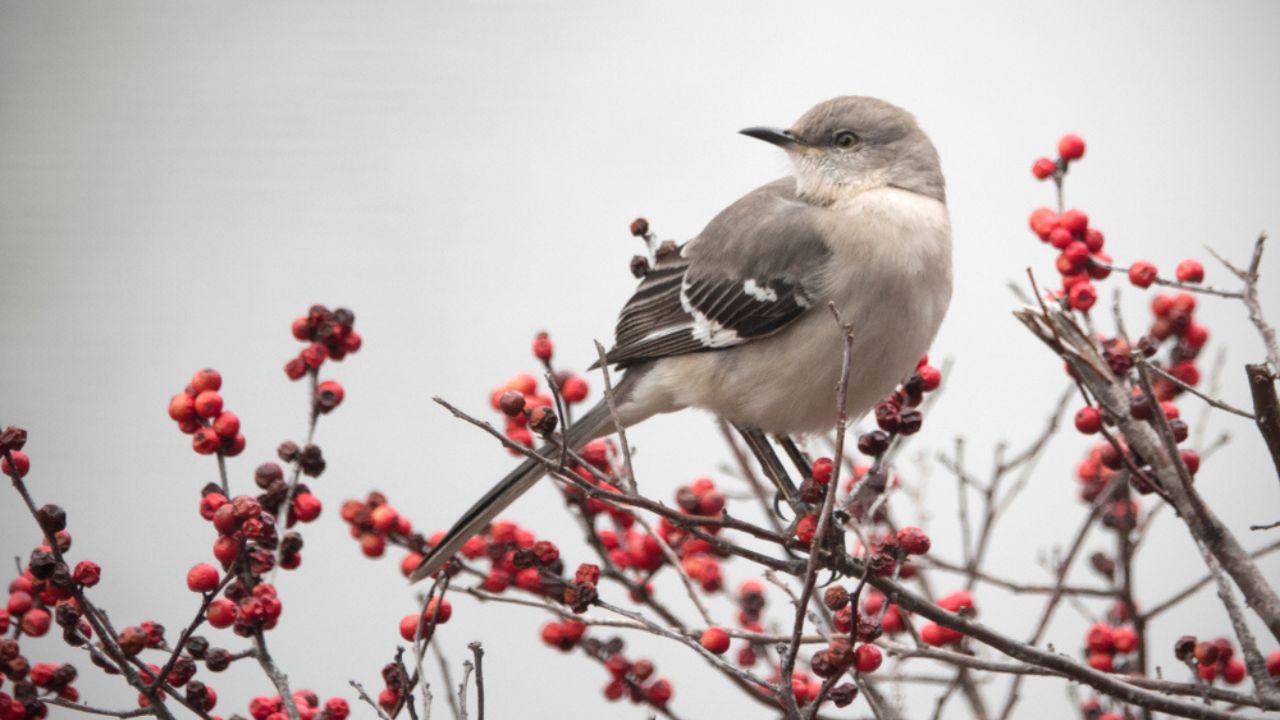
Image Credit: Shutterstock.
Bringing wildlife into the garden is one of the most rewarding ways to create winter interest. The movement and sound of birds can animate an otherwise still landscape. Providing food and water is the best way to invite them in.
Shrubs that produce persistent berries are a great food source. Winterberry Holly offers a spectacular display of bright red berries on bare branches, a favorite of many bird species. Crabapple trees often hold their small fruits well into winter, attracting cedar waxwings and robins. A heated birdbath is also a valuable addition. When other water sources are frozen solid, a reliable spot for a drink will draw a wide variety of feathered visitors.
Looking Ahead
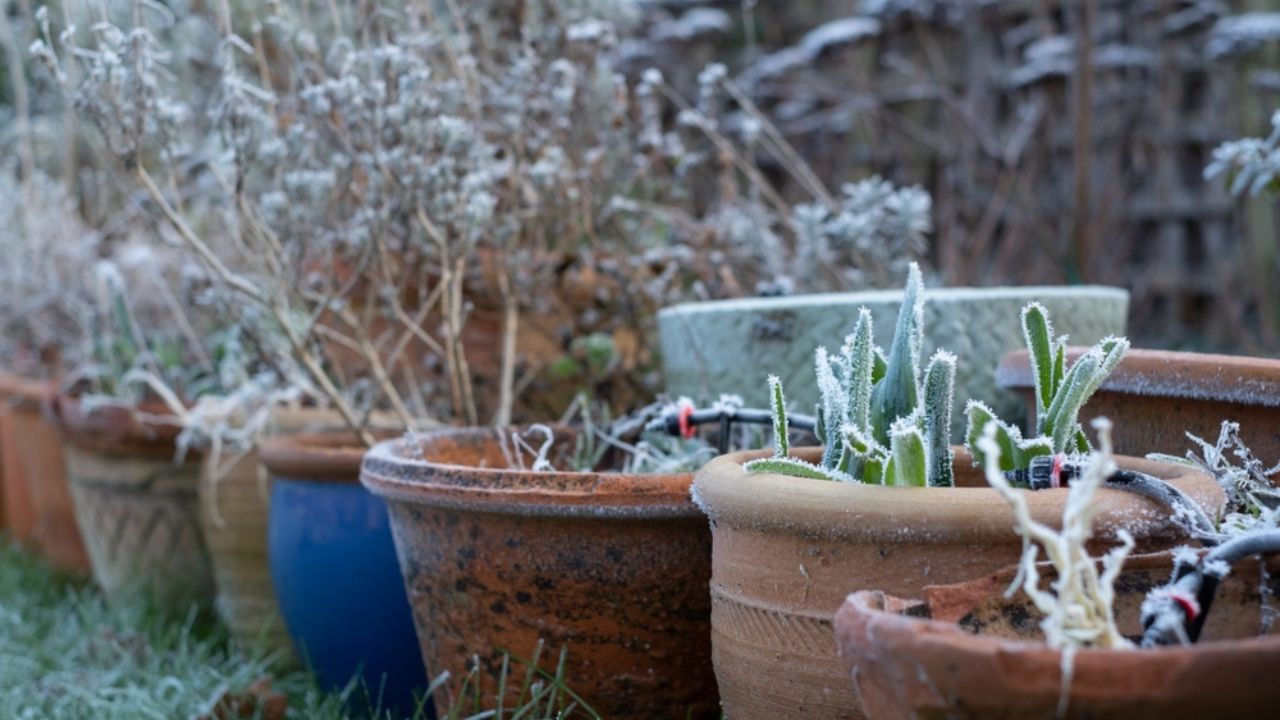
Image Credit: Shutterstock.
Creating a garden that shines in winter does not require a complete redesign. It is about making thoughtful additions that provide color, structure, and life during the quieter months. As you plan for next season, look for opportunities to incorporate some of these elements. Introduce a few hardy containers, plant a shrub with colorful stems, or add a group of hellebores along a path.
These small changes can have a large impact, turning your garden into a space that offers beauty and enjoyment all year long.