
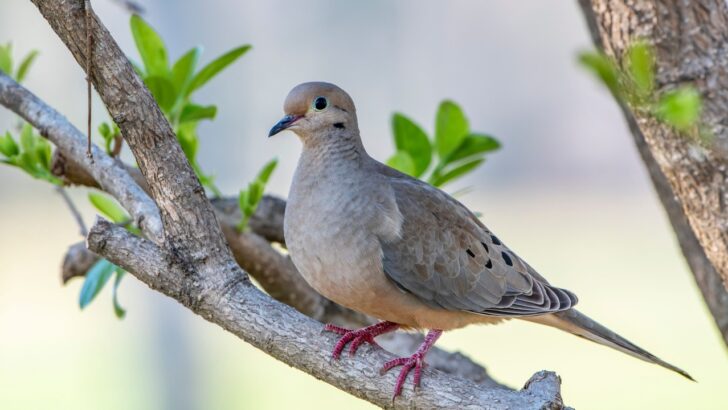
Mourning doves bring calm, soft coos, and gentle movement to the garden. They also help by cleaning up weed seeds and waste grain. This guide shows you how to welcome them with 14 practical, science-backed tips—each with why it works and how to do it—plus care basics and reasons these birds are worth inviting in.
Key takeaways:
- Use open, ground-level or platform feeding, with the right seed mix.
- Keep feeding and watering areas clean and predator-aware.
- Add nesting and roosting options with open structure.
- Grow seed-rich and sheltering plants to make your yard a dove-friendly habitat.
Straight from the Bird Experts

Image Credit: Shutterstock.
Every tip and recommendation in this article is backed by trusted, research-based sources, including leading ornithology organizations, university extension programs, and certified wildlife experts.
We consulted resources from the Missouri Department of Conservation and multiple state cooperative extensions to ensure accuracy. This means the advice you’ll find here reflects proven, science-based practices—not just hearsay—so you can feel confident in applying them to your own backyard.
Why Mourning Doves Are Special
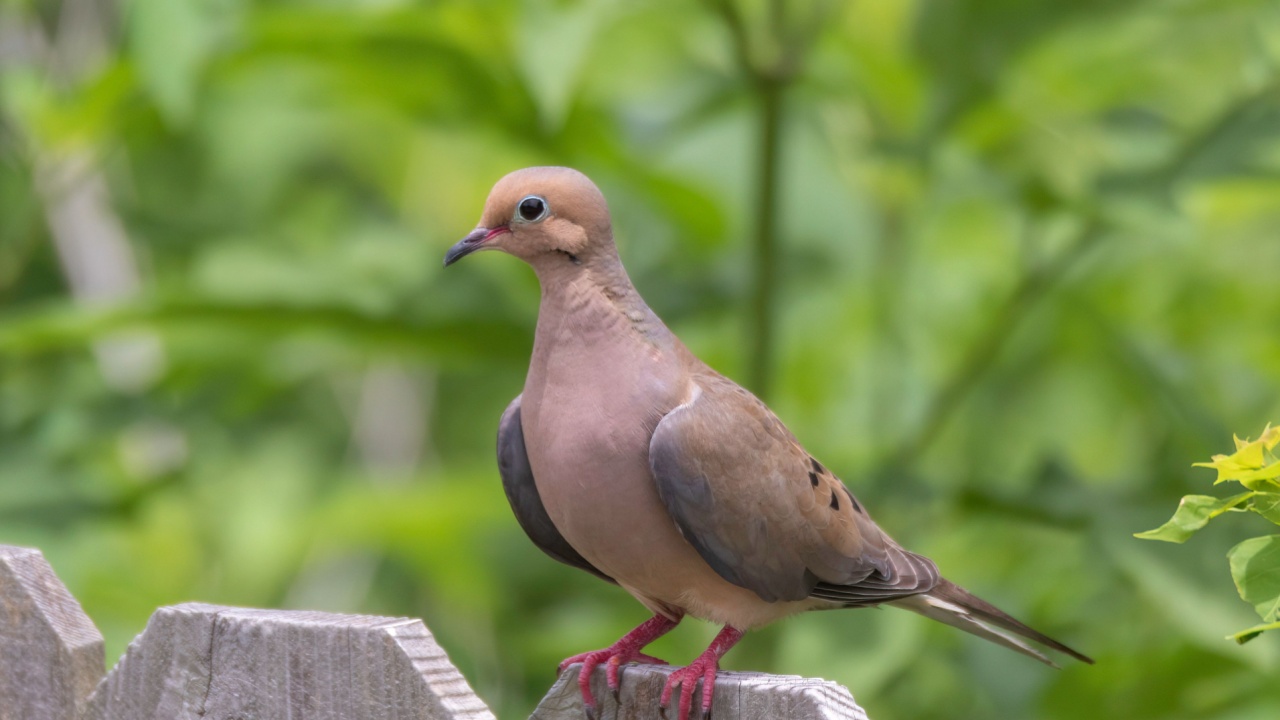
Image Credit: Shutterstock.
Why do you want mourning doves in your yard in the first place. In case you don’t already, here are the top reasons!
- Gentle presence: Their soft, haunting coo is a classic backyard soundscape that many people find calming.
- Partners for life: Pairs often mate long-term and share parenting, a touching behavior to observe quietly from a distance.
- Garden helpers: They clean up waste grain and weed seeds, reducing unwanted sprouts without chemicals.
- Family-friendly wildlife: Doves are non-aggressive and coexist peacefully with most backyard birds.
1. Offer a Large Platform Feeder
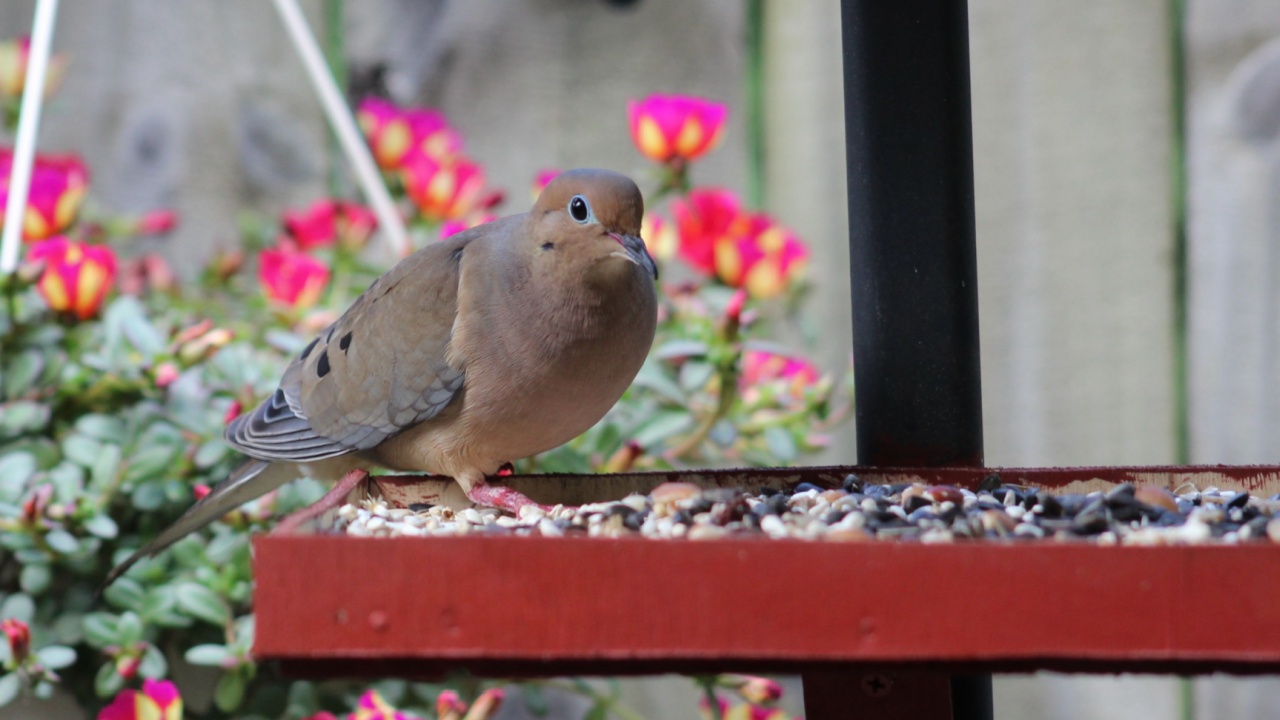
Image Credit: Shutterstock.
Why it works
Mourning doves are larger, ground-feeding birds with plump bodies and short legs. They prefer open, flat spaces where they can land and feed without perching gymnastics. A stable platform mimics their natural foraging style and makes them feel safe.
How to implement
- Choose a 12–18 inch platform feeder with low edges so seed doesn’t roll off.
- Mount 3–5 feet high on a sturdy pole or set it as a low table.
- Add a mesh floor or drainage holes so rain doesn’t puddle.
2. Create a Clean Ground-Feeding Zone
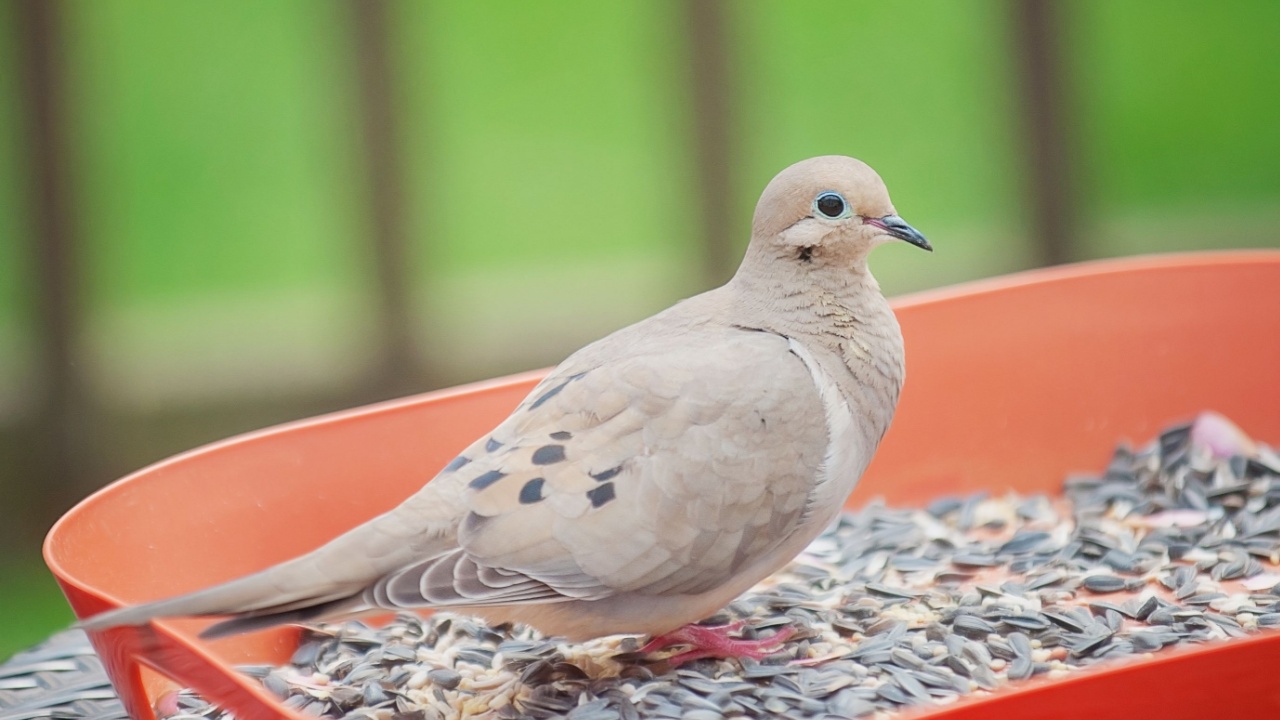
Image Credit: Shutterstock.
Why it works
Doves naturally forage on the ground for spilled grain and seeds. A designated, clean feeding pad reduces disease risk and keeps them returning to a reliable spot.
How to implement
- Rake a 3–4 foot area clear of debris; lay down pea gravel or paving stones for drainage and easy cleanup.
- Scatter seed in thin layers so it’s eaten within a day.
- Clean hulls and droppings weekly to prevent mold and bacteria.
3. Serve the Right Seeds (Shelled When Possible)
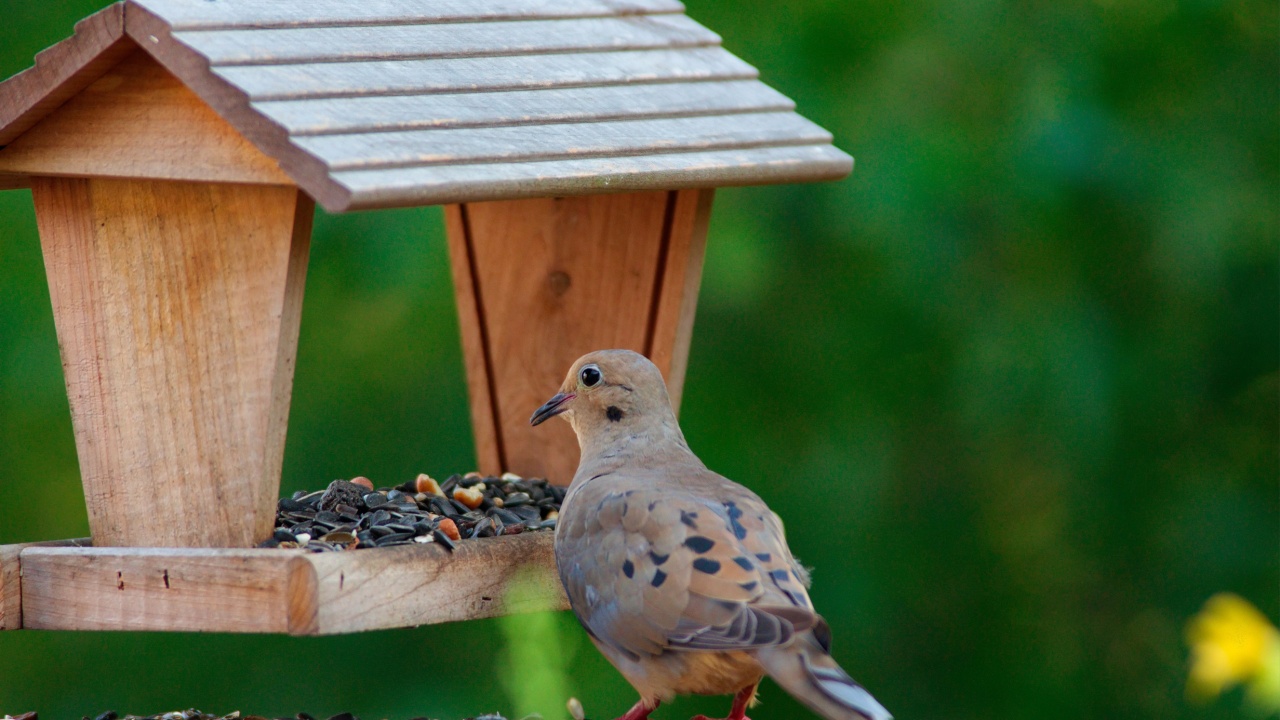
Image Credit: Shutterstock.
Why it works
Mourning doves love small, easy-to-swallow seeds and benefit from shelled options because their beaks aren’t specialized for cracking tough shells. High-energy foods support frequent feeding and long flights.
How to implement
- Prioritize: white proso millet, cracked corn, safflower, shelled sunflower hearts/chips, and milo (in moderation).
- Avoid: whole peanuts, salted mixes, bread, and iceberg lettuce (poor nutrition).
- Rotate blends to prevent boredom and attract mixed flocks without deterring doves.
4. Keep It Squirrel-Savvy Without Deterring Doves
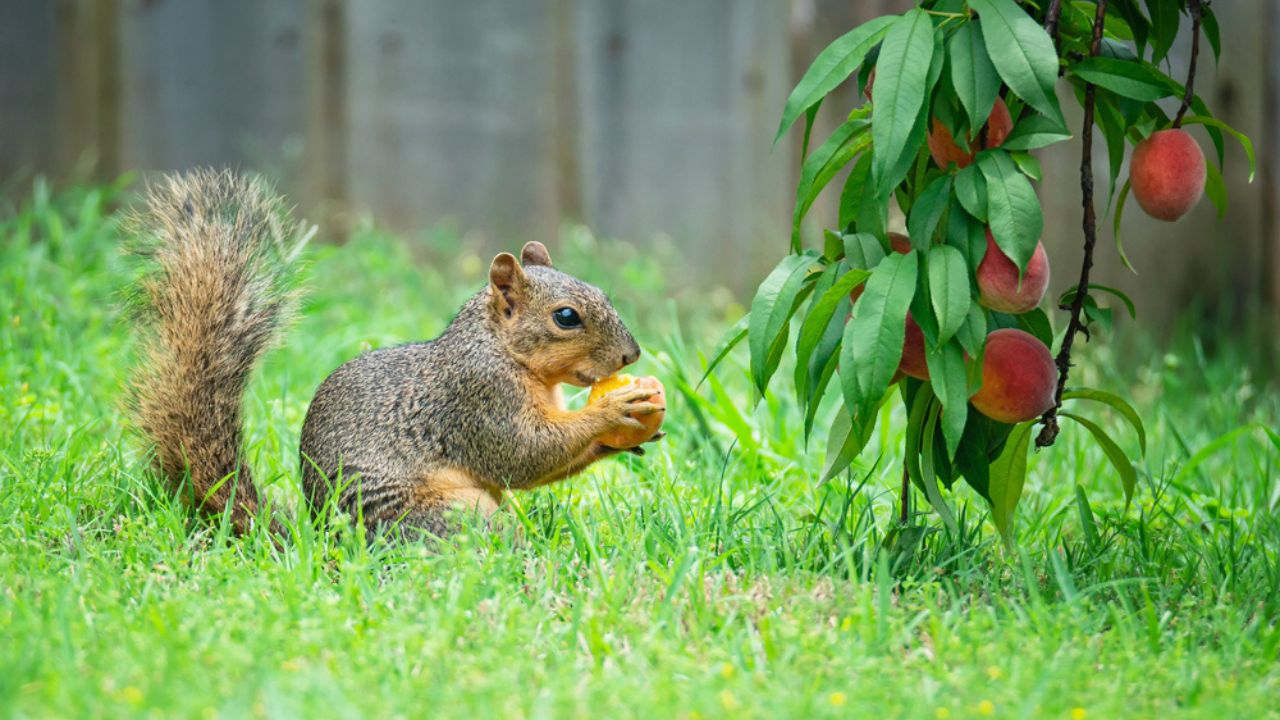
Image Credit: Shutterstock.
Why it works
Competition from squirrels and big corvids can empty feeders before doves arrive. Managing access preserves food for your target birds without making feeding stressful.
How to implement
- Use a pole-mounted platform with a baffle 4–5 feet above ground.
- Include safflower in the mix (less appealing to squirrels).
- Offer a small, separate corn-cob station far from dove feeders to distract critters.
5. Add a Shallow Birdbath With Gentle Slopes
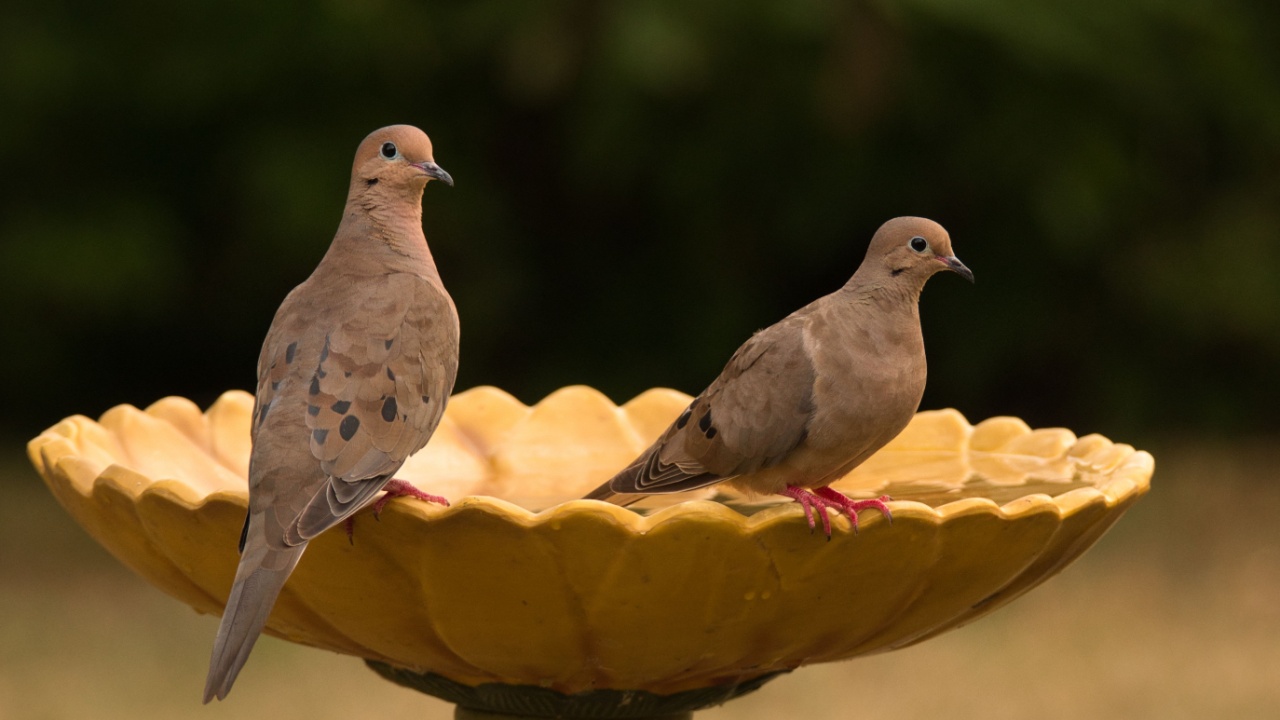
Image Credit: Shutterstock.
Why it works
Doves need daily water for drinking and bathing. A shallow bath (1–2 inches) with an easy entry gives them a safe place to hydrate and clean feathers for flight.
How to implement
- Choose a wide basin with a textured bottom or add river stones for footing.
- Place near but not under feeders (to keep seed debris out).
- Refresh water daily; scrub weekly to prevent algae and pathogens.
6. Place Feeders Near Quick Cover, Not Inside It
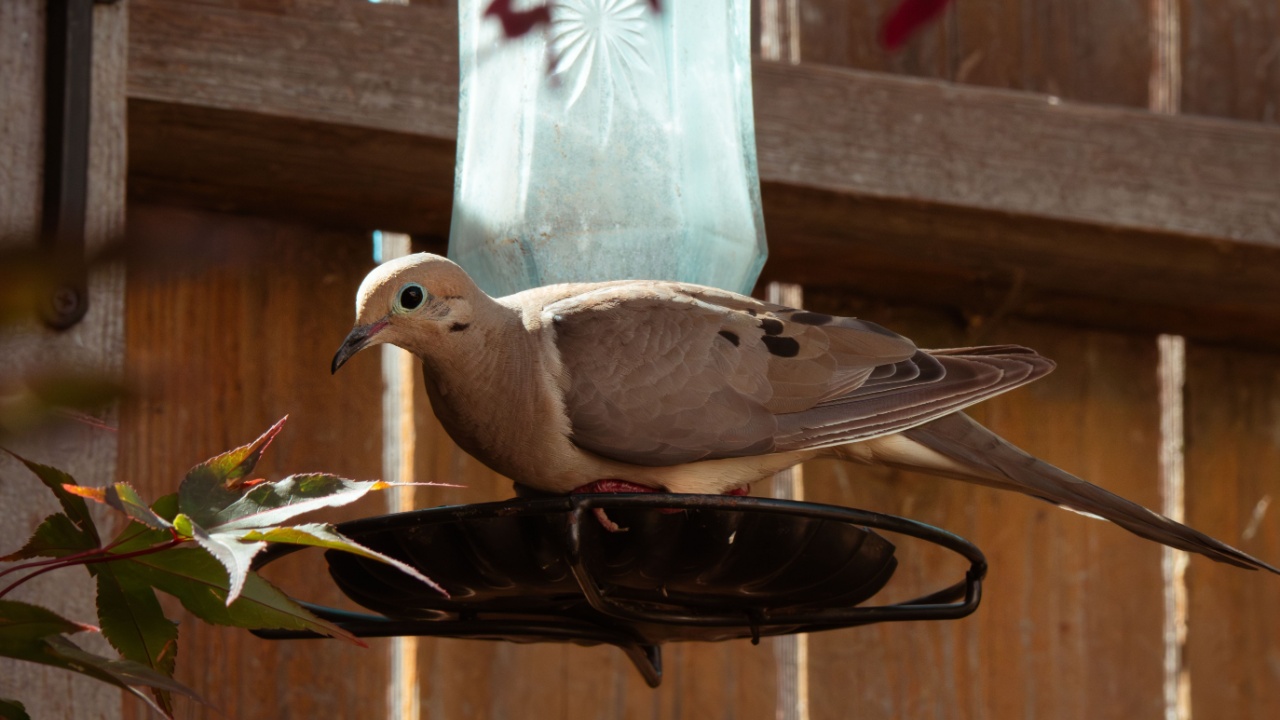
Image Credit: Shutterstock.
Why it works
Doves are wary. They like open areas with a clear view to spot predators but want quick access to cover for safety. The right placement balances visibility and escape routes.
How to implement
- Set feeders 8–12 feet from shrubs or small trees.
- Keep lawn or ground area around the feeder trimmed to remove ambush cover for cats.
- Position baths and feeders where you can observe and clean easily.
7. Keep Feeding Areas Tidy to Prevent Disease
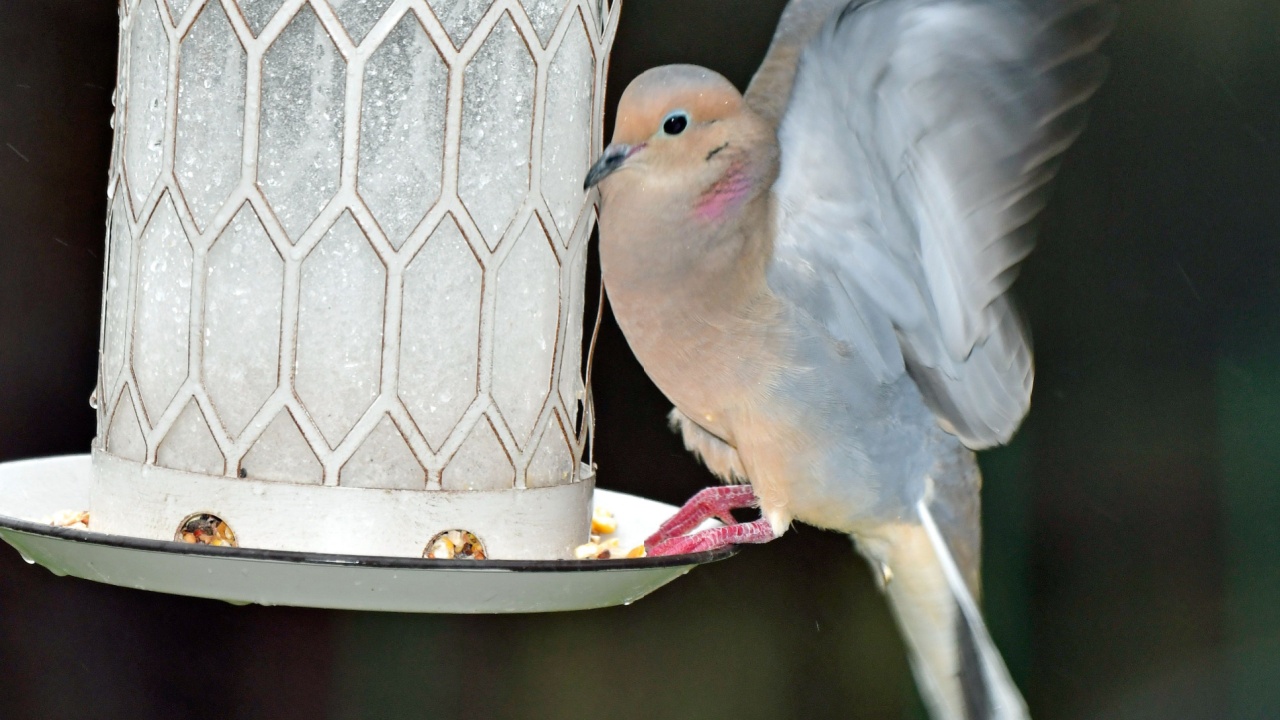
Image Credit: Shutterstock.
Why it works
Doves often gather in groups. Crowded feeding can spread illness if droppings and moldy seed build up. Clean stations keep birds healthy and returning.
How to implement
- Every few days: brush off platforms, dump old seed, and wipe with a 10% bleach solution; rinse and dry.
- Weekly: rake under feeders; replace any damp seed.
- During wet spells: feed smaller amounts more often to prevent spoilage.
8. Offer Grit and Calcium
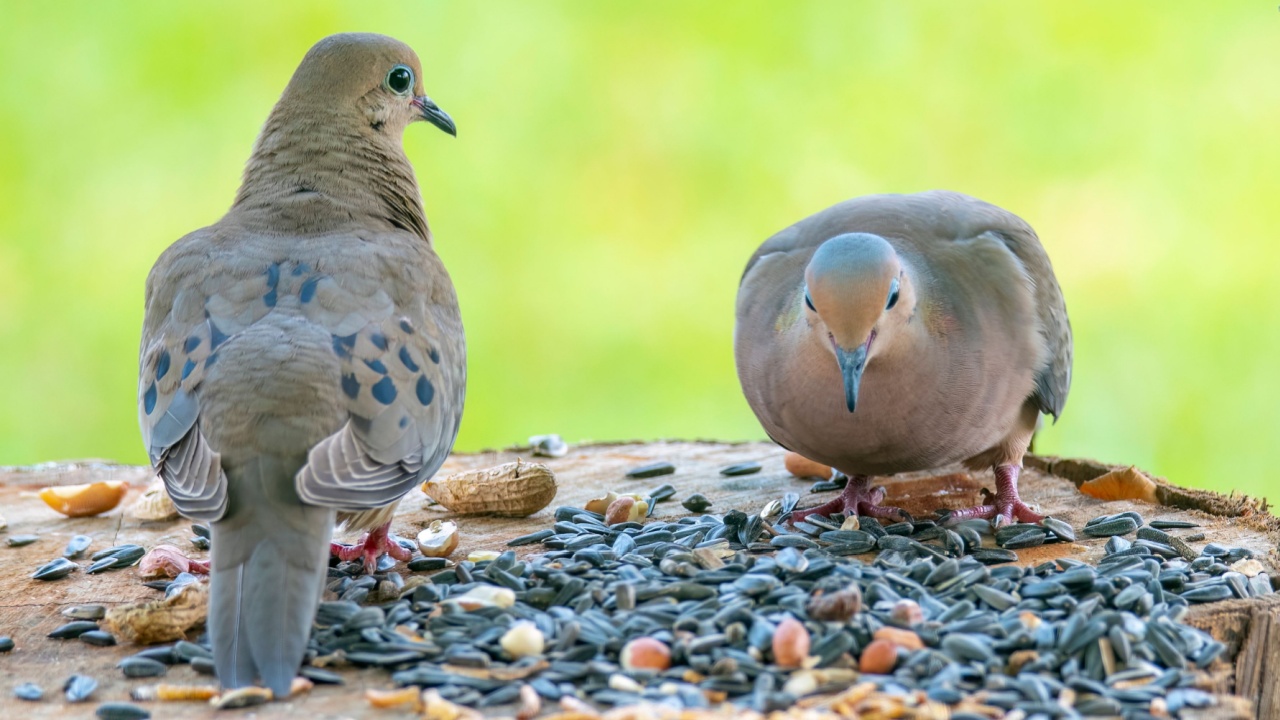
Image Credit: Shutterstock.
Why it works
Doves store food in their crop and rely on grit in their gizzard to grind seeds. Calcium supports strong eggshells during the breeding season.
How to implement
- Provide a shallow dish of fine grit (commercial bird grit or clean, coarse sand).
- During nesting months, add a separate dish of crushed, baked eggshells or oyster shell (rinse eggshells, bake 10 minutes at 250°F, crush finely).
9. Grow Seed-Rich Plants Doves Love

Image Credit: Shutterstock.
Why it works
Natural food sources keep doves visiting even when feeders are empty. Seed-bearing plants also support other songbirds and beneficial insects.
How to implement
- Plant: native grasses (little bluestem, switchgrass), coneflowers, black-eyed Susans, sunflowers, and millet as a summer annual.
- Let some seed heads mature; deadhead selectively so plants self-sow.
- Leave fall seed stalks standing into early winter for extended forage.
10. Create Open, Sparse Nesting Sites
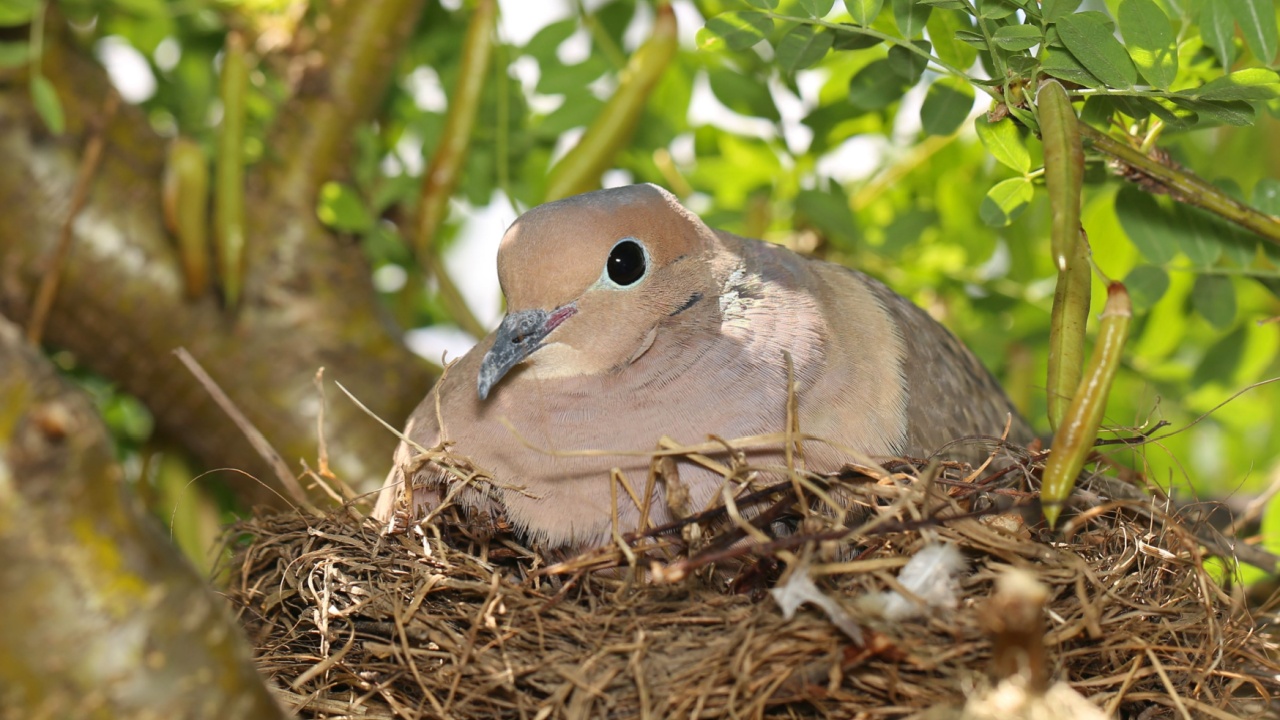
Image Credit: Shutterstock.
Why it works
Doves build flimsy, open-platform nests on horizontal branches 6–20 feet high or on sturdy ledges. Offering safe, open structure encourages nesting near your yard.
How to implement
- Prune a few small trees to maintain horizontal branching.
- Install a simple open nesting shelf (about 8×8 inches) on a quiet wall under an eave.
- Keep these areas away from heavy foot traffic and bright night lighting.
11. Keep Cats Indoors and Deter Ground Predators
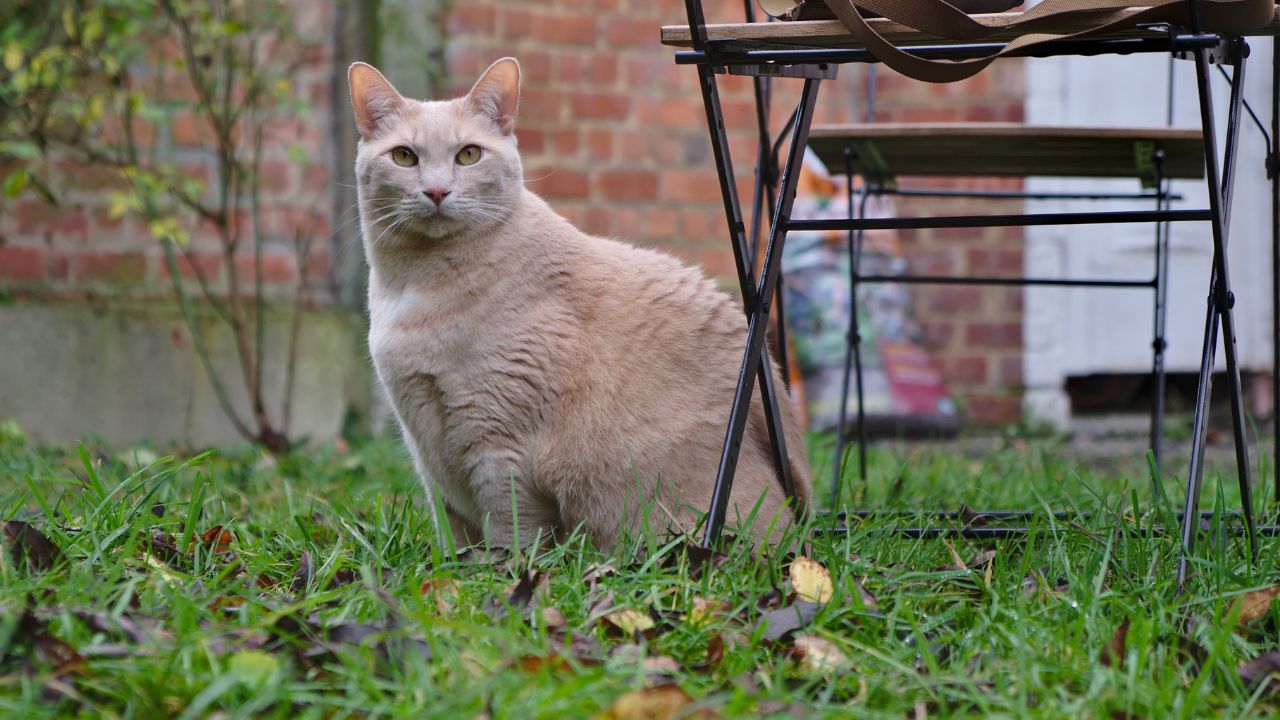
Image Credit: Trougnouf – Own work, CC BY 4.0/Wiki Commons.
Why it works
Ground-feeding doves are vulnerable to cats and other predators. Reducing risk makes your yard a safer, more attractive stop.
How to implement
- Keep pet cats indoors; ask neighbors kindly to do the same during fledgling season.
- Use motion sprinklers or ultrasonic deterrents aimed at ground approaches (not at birds).
- Avoid low, dense shrub tangles right under feeders where ambushes occur.
12. Offer Quiet Roosting Spots
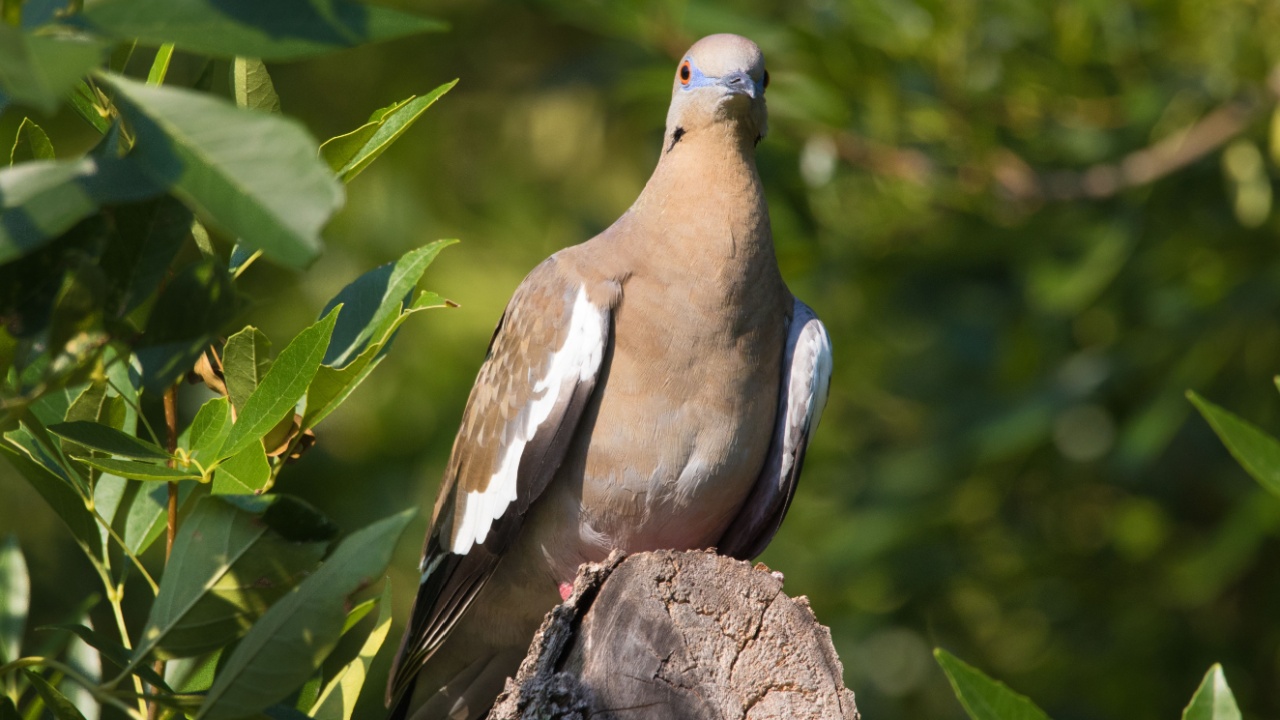
Image Credit: Shutterstock.
Why it works
Doves roost together in calm, sheltered places at dusk. Safe roosts increase your odds of daily visits and seasonal loyalty.
How to implement
- Plant small evergreens or leave parts of hedges untrimmed for wind protection.
- Add a few horizontal perches (untreated dowels or branches) on a fence line.
- Reduce nighttime disturbances: no bright motion lights near roosts.
13. Keep a Consistent Feeding Schedule
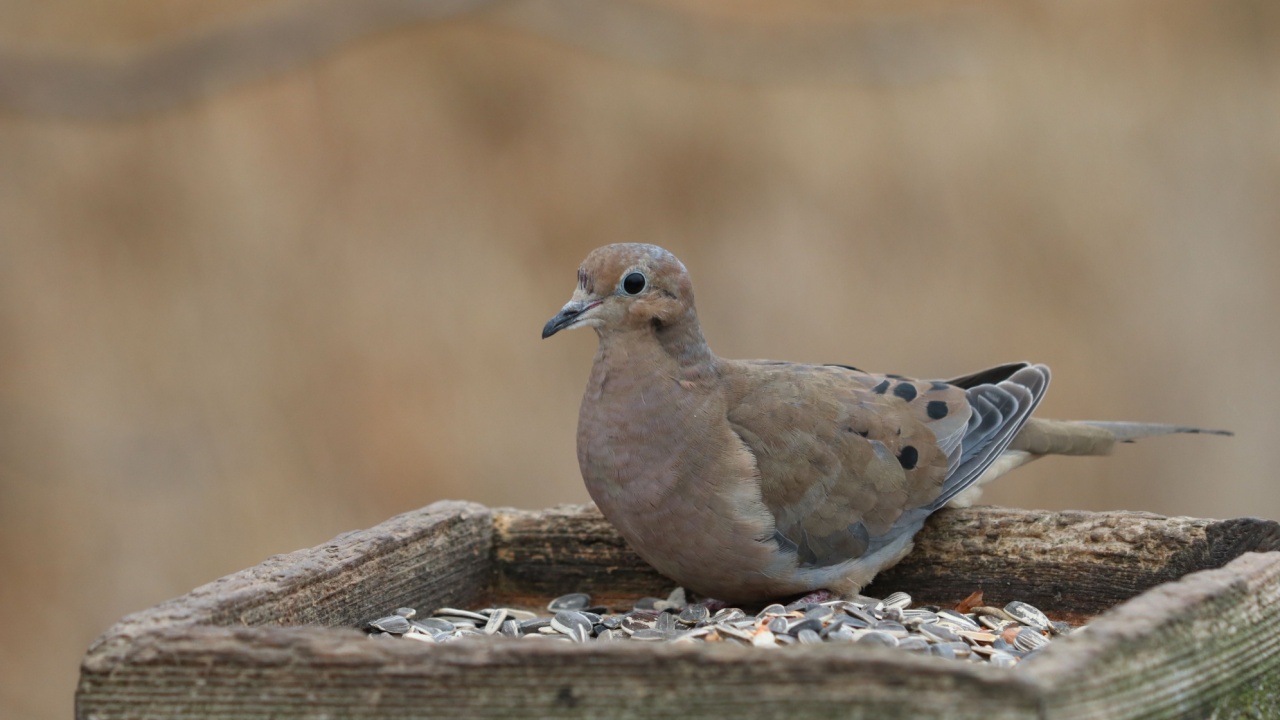
Image Credit: Shutterstock.
Why it works
Doves are creatures of habit. Regular timing helps them cue into your yard as a reliable resource, especially in winter and dry spells.
How to implement
- Refill feeders in the early morning and late afternoon when doves are most active.
- Offer modest amounts that are eaten within a day to keep food fresh.
- In extreme heat or cold, add a mid-day top-off and ensure water isn’t frozen.
14. Provide Seasonal Support (Heat and Cold)
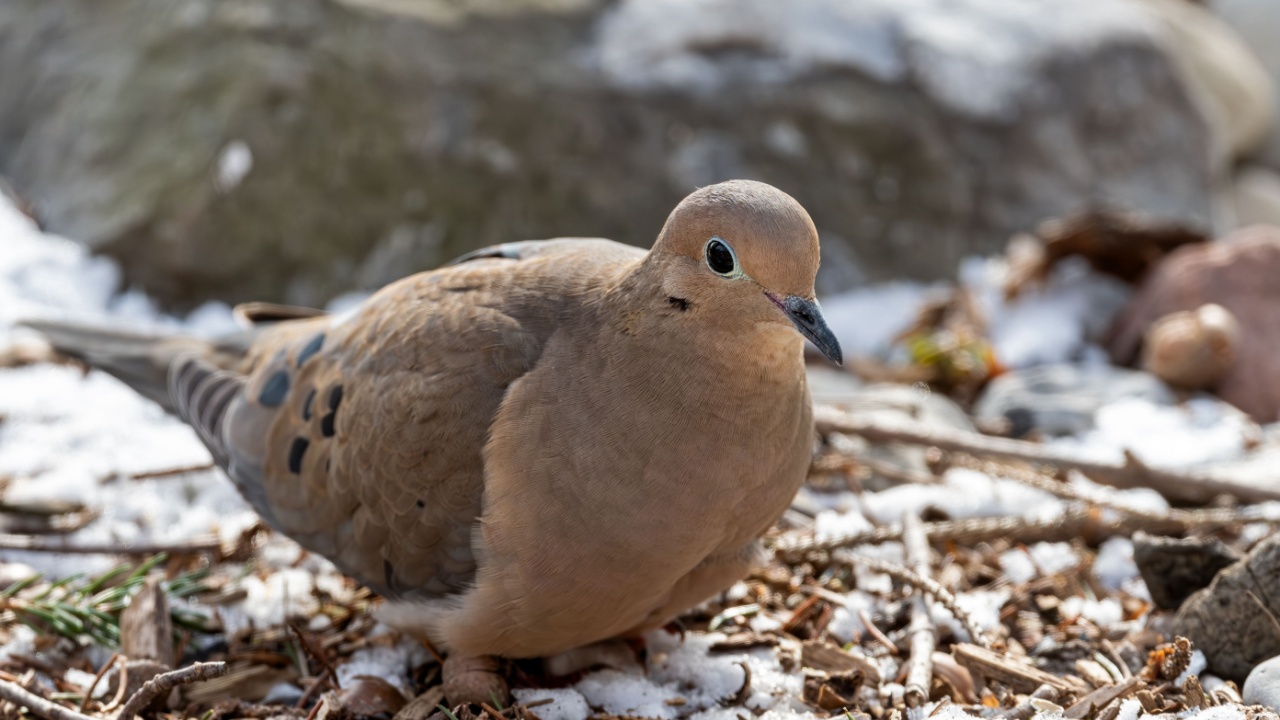
Image Credit: Shutterstock.
Why it works
Weather extremes challenge doves’ energy balance and hydration. Seasonal tweaks help them thrive and keep visiting year-round.
How to implement
- Summer: keep baths shaded; add a dripper for movement to attract birds and keep water cooler.
- Winter: use a thermostatically controlled heated birdbath; increase high-fat seed (sunflower hearts, safflower).
- Storm prep: move platform feeders slightly under eaves to keep seed dry; reduce perch clutter so birds can land easily in wind.
Build a Calm, Dove-Friendly Habitat
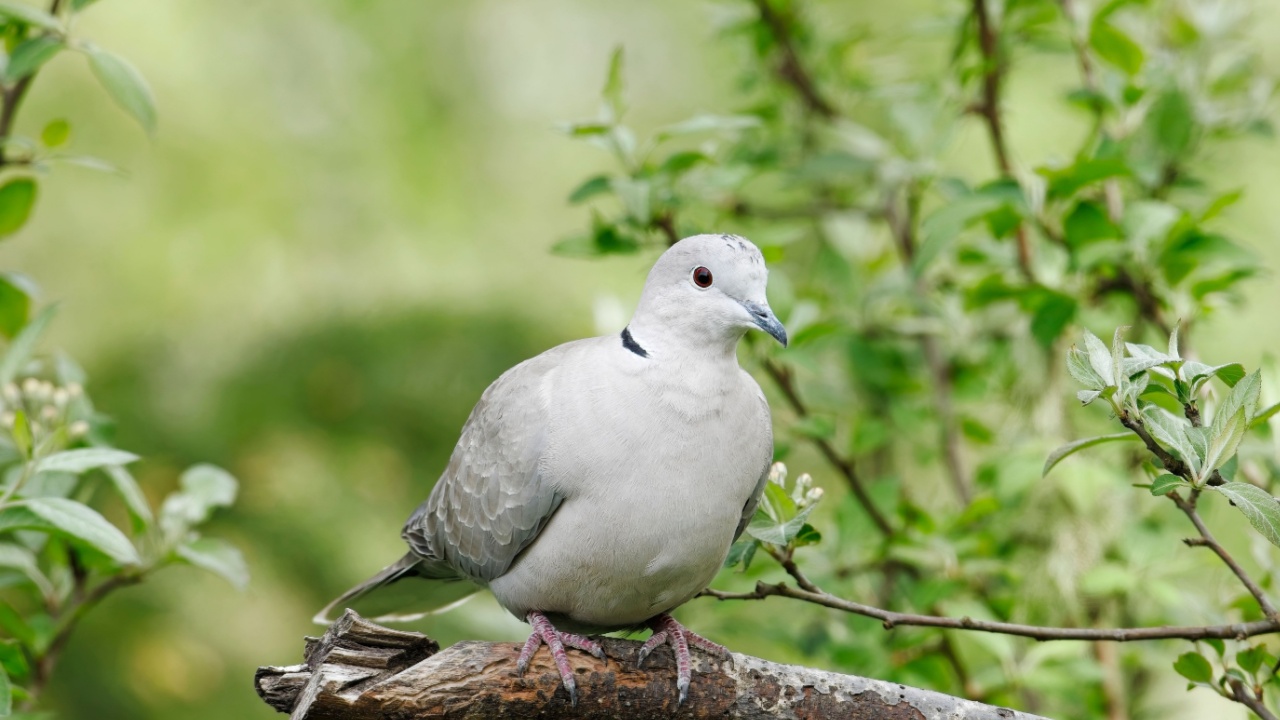
Image Credit: Shutterstock.
Attracting mourning doves is simple when you think habitat-first: open feeding areas, the right seed mix, clean water, safe roosts, and low predator pressure. Start with a platform feeder, a shallow birdbath, and a clean ground-feeding pad. Add native grasses and seed-rich flowers, and keep things tidy. In return, you’ll enjoy gentle songs, graceful flights, and a garden that supports