
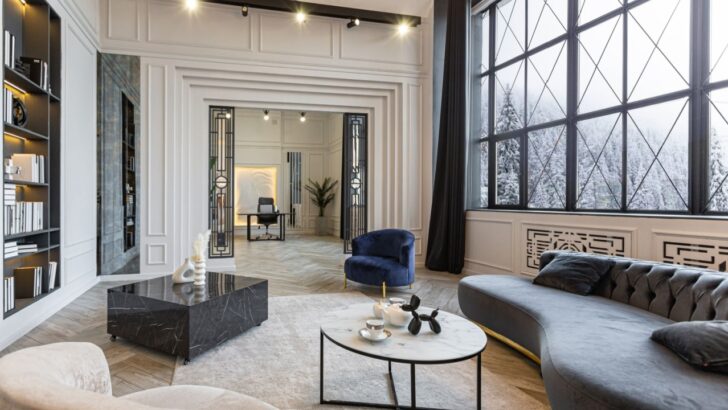
Walking into a house that has the personality of a cardboard box is a common struggle for anyone trying to decorate. Professional stagers possess a specific logic for transforming a cold, empty house into an inviting sanctuary without needing a massive construction crew.
While many people struggle to find a balance between a cluttered home and a sterile showroom, these experts focus on a few intentional adjustments to create an immediate sense of belonging. Here is how they do it.
1. Maximize Brightness with Mirrors

Image Credit: Shutterstock.
Mirrors serve as a vital tool for expanding the perception of a room. Expert stagers place them strategically to catch and bounce natural light, which makes small or dim areas feel much larger and more open. This technique is particularly effective in entryways or living rooms where a sense of spaciousness is desired.
Positioning a mirror directly across from a window allows the glass to reflect the outdoor view, effectively doubling the visual depth of the room. This helps a resident feel less cramped and more connected to the exterior environment. Beyond just adding light, a well-framed mirror acts as a polished focal point that grounds the furniture around it.
2. Introduce Layers of Light
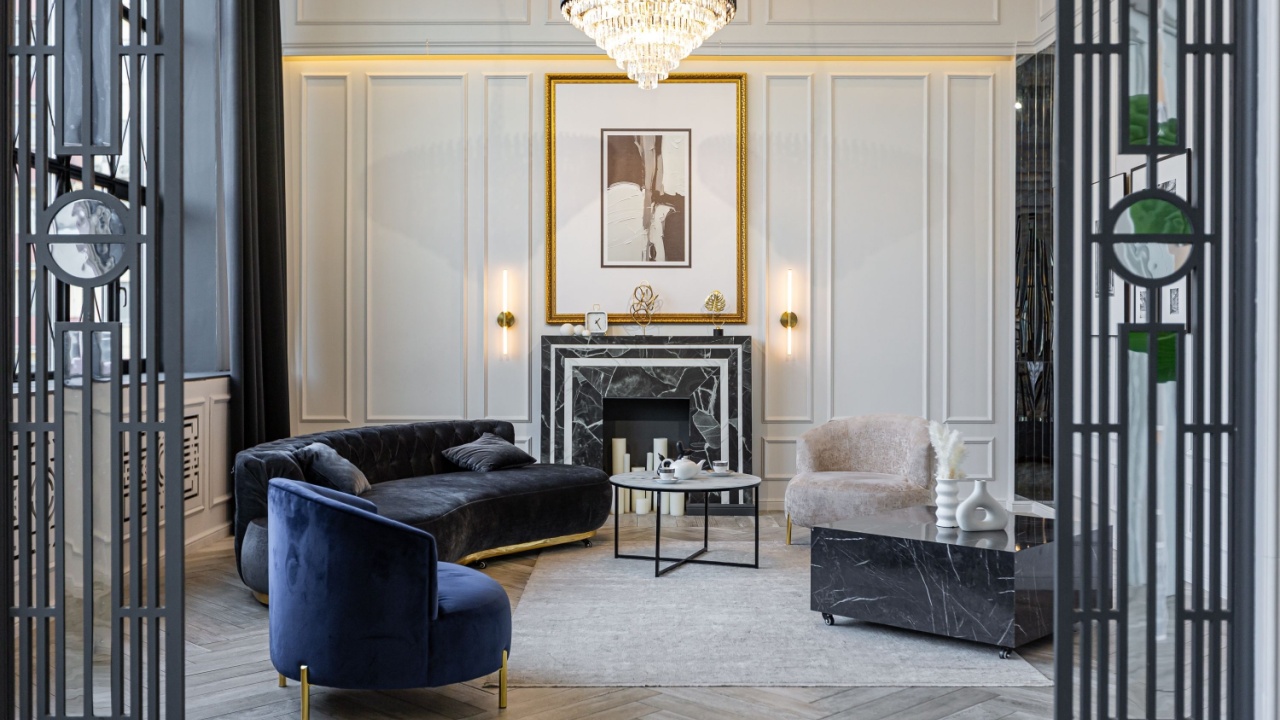
Image Credit: Shutterstock.
Relying on a single overhead light source often results in harsh shadows and a flat environment. Professionals suggest incorporating multiple sources, such as table lamps, floor lamps, and even specialized picture lights. With the availability of battery-operated bulbs, adding a light fixture is now possible in any location without needing complex electrical work.
Layered lighting enables individuals to adjust the brightness according to the time of day or the specific activity taking place in the room. Warm-toned bulbs are preferable because they create a sense of comfort and luxury. This variety in light sources helps define different areas within a large room, making the entire floor plan feel intentional and well planned.
3. Apply a Neutral Color Palette
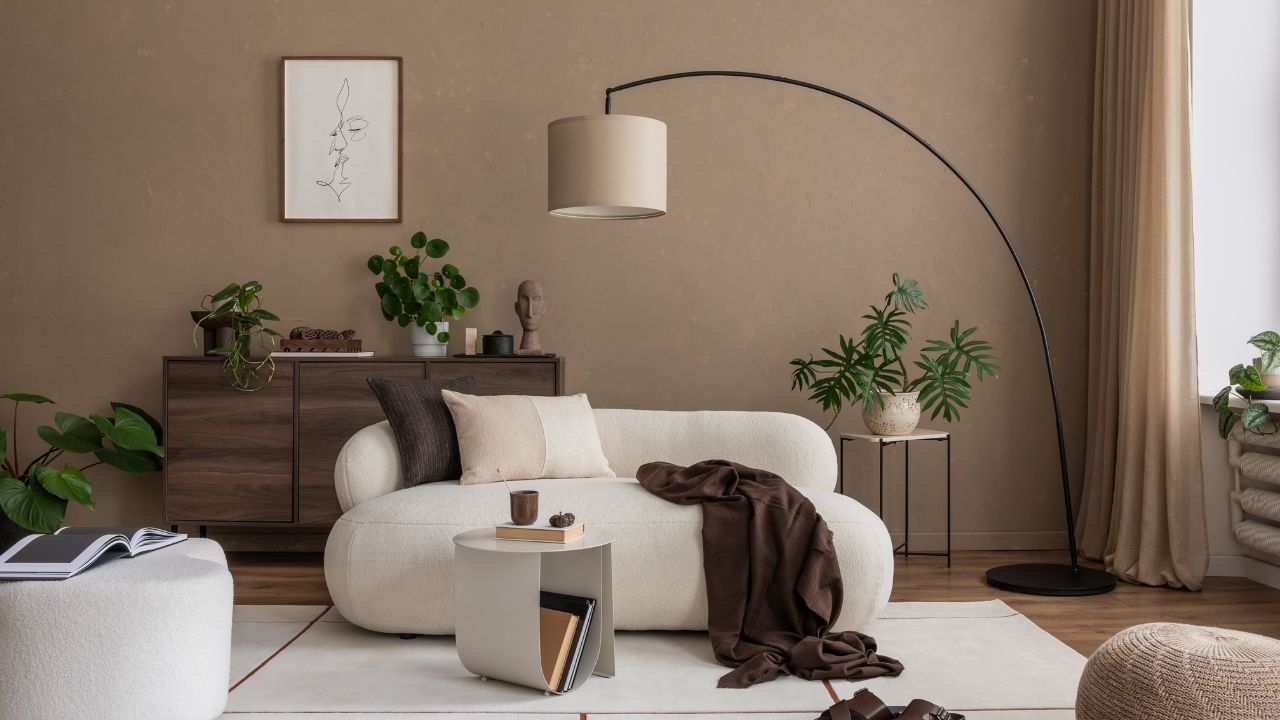
Image Credit: Shutterstock.
A fresh coat of paint in a light neutral shade is a reliable way to make a property feel brand new. Professionals recommend soft grays, warm taupes, or creamy whites because these tones create a clean canvas that appeals to a wide range of preferences. These colors highlight the architectural details of a room without dominating the visual field.
Avoiding bold or specific colors like bright yellow or deep blue prevents the decor from becoming too distracting. Neutral walls provide a sense of calm and let the furniture and artwork stand out. If a space feels too plain, adding an accent wall in a slightly deeper hue can provide depth and interest without making the room feel smaller.
4. Install Floor-to-Ceiling Drapery
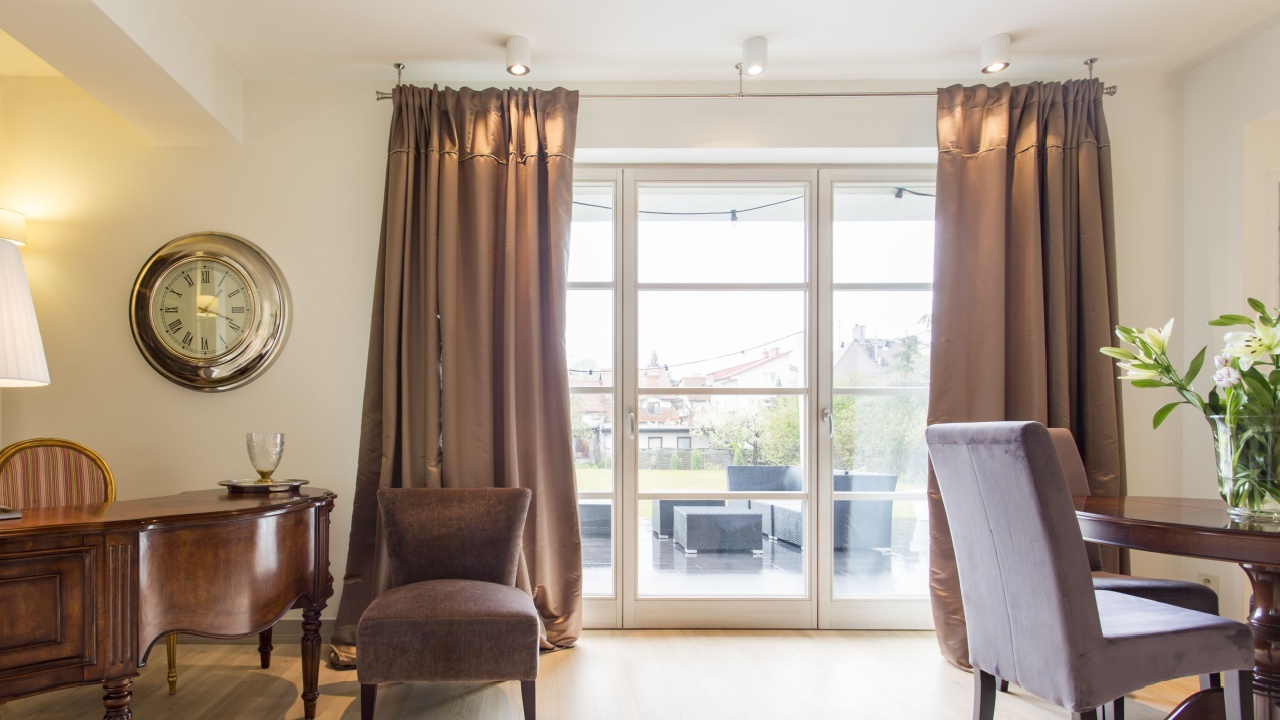
Image Credit: Shutterstock.
Hanging drapes from the ceiling down to the floor is a technique used to draw the eye upward and make ceilings appear much higher. When these panels are placed to flank the windows rather than cover the glass, they frame the view and allow maximum natural light to enter. This approach creates a sense of height and openness in any room.
Fabric adds a layer of softness that balances the hard edges of furniture, walls, and flooring. Choosing high-quality materials, such as linen or silk, for window treatments immediately elevates the interior’s look. This simple addition makes a room feel finished and carefully curated rather than temporary or incomplete.
5. Arrange Strategic Furniture Layouts
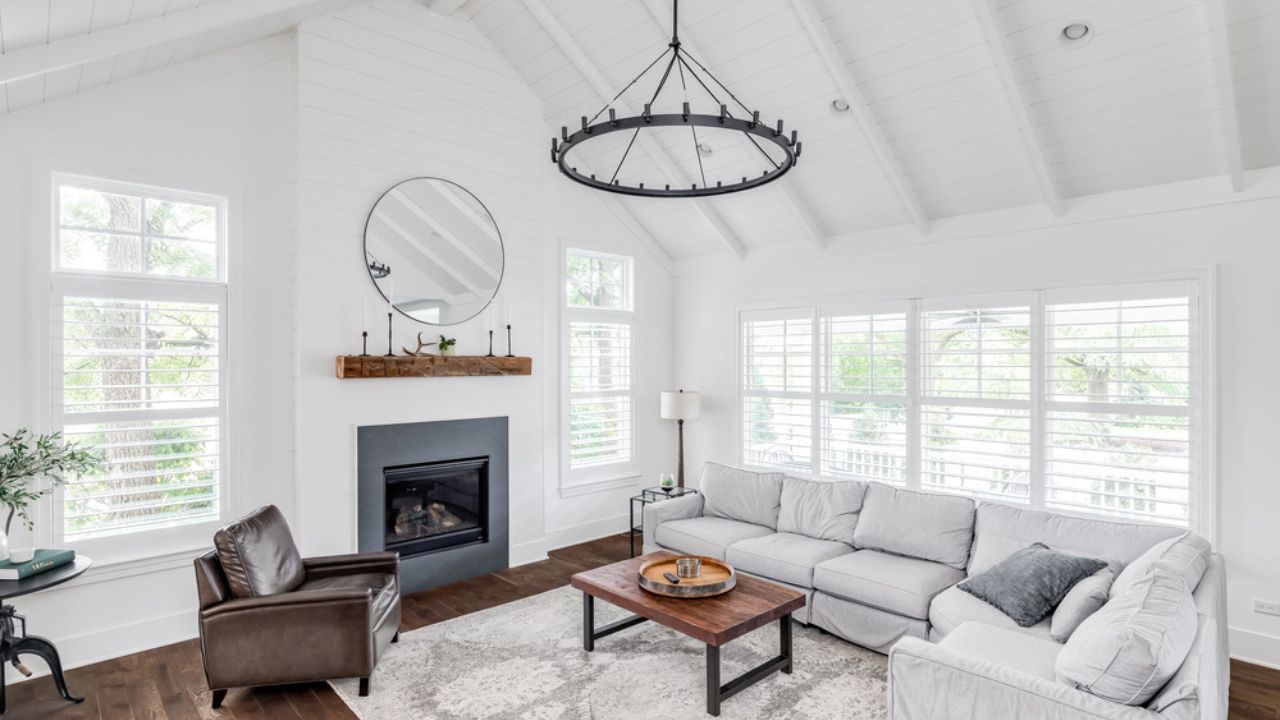
Image Credit: j.hendrickson3 at Deposit Photos.
Professional stagers often reimagine furniture placement to showcase the architecture of a house rather than strictly following how someone might live in it day to day. Removing unnecessary pieces can create a better flow and allow the best features, such as a fireplace or large windows, to take center stage.
In large rooms, creating distinct zones helps the space feel more approachable and functional. For example, placing sofas symmetrically around a fireplace creates a clear conversation area. Using round tables or oval rugs can also help break up the sharp angles of a rectangular room, making the layout feel more organic and less rigid.
6. Focus on Comfort with Textiles

Image Credit: Shutterstock.
Soft textures are essential for making a house feel lived in and welcoming. Staged homes frequently use plush rugs, decorative pillows, and soft throws to add a layer of physical and visual warmth. These items encourage a person to sit down and relax, which is a primary goal when trying to create a hospitable environment.
Consistency in color across these textiles helps maintain harmony throughout the room. By picking a few main accent colors and repeating them in the pillows, rugs, and artwork, the design feels cohesive. Investing in a single high-quality throw can change the entire feel of a sofa, providing a tactile element that makes the furniture more inviting.
Executing the Vision
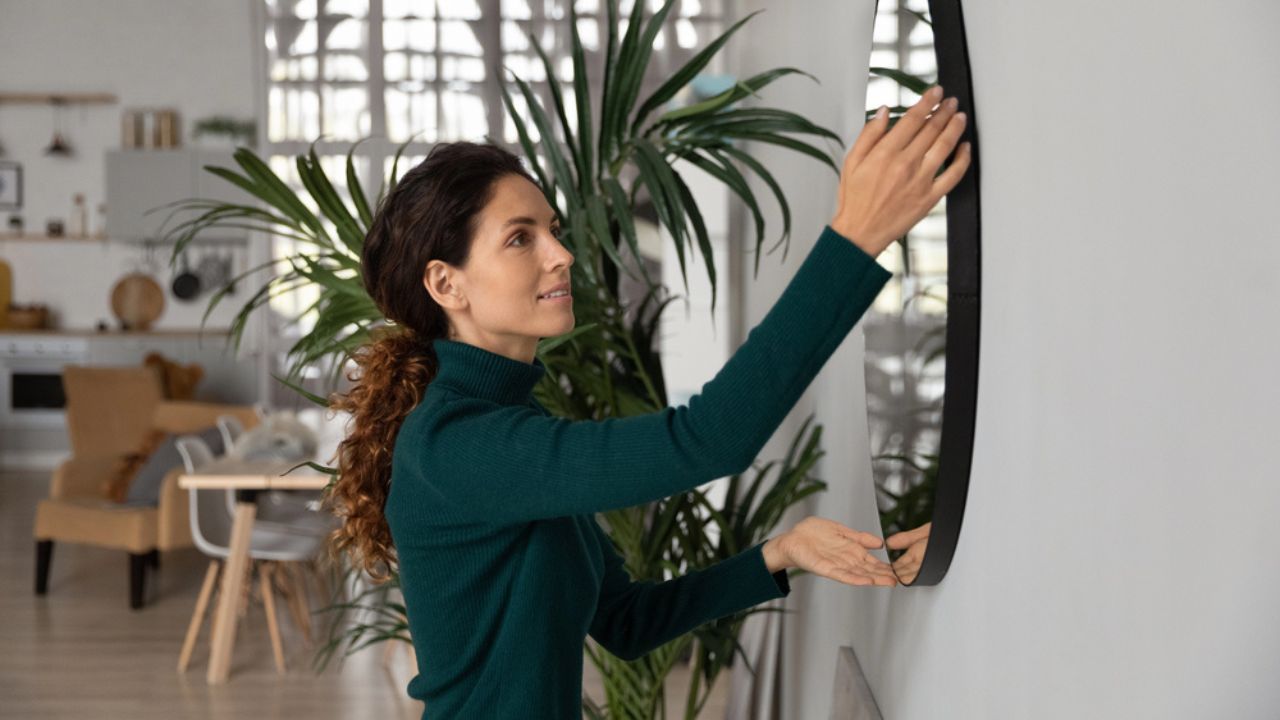
Image Credit: Deposit Photos.
To begin improving a space, look at the room from the doorway and identify the first thing that catches your eye. If the area feels dark, adding a mirror or a new lamp is an effective first step. Focusing on one room at a time prevents the process from becoming overwhelming and allows for careful consideration of how each change impacts the overall atmosphere. Applying these professional standards helps transform any house into a place that feels curated and genuinely welcoming.