
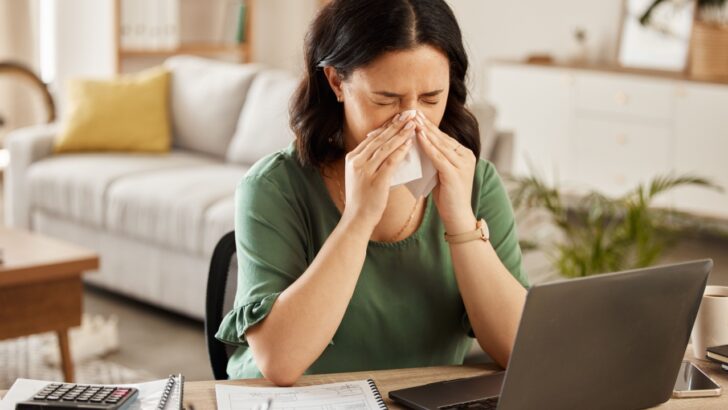
You spend so much time at home thinking it’s your safe haven, but what if everyday household items could be unknowingly jeopardizing your health? Many of your daily essentials harbor bacteria, mold, and chemicals that could make you sick when left unchecked and may contribute to various health issues such as allergies, respiratory problems, or even long-term illnesses.
For instance, did you know that even regular old household dust can contain harmful chemicals like flame retardants and phthalates? These can accumulate over time and ultimately impact indoor air quality
Thankfully, awareness is the best self-defense, and knowing how to handle such products can help you create a healthier environment. (This list isn’t meant to make you anxious, just aware!) Let’s find out the 15 household items that could risk your health, sourced from research and health experts.
1. Non-stick Cookware

Image Credit: Depositphotos.com.
Non-stick cookware has made your life easier by making cooking and cleaning a breeze. However, most non-stick pans are coated with polytetrafluoroethylene (PTFE), commonly called “Teflon.”
Scratched Teflon pans can release harmful chemicals, such as perfluorooctanoic acid (PFOA) in older pans made before 2013, which has been linked to health issues like hormonal disruption, developmental problems, and even certain cancers. However, most Teflon products are now considered safe with normal use. But when overheated to temperatures above 500°F, they release toxic fumes that may cause flu-like symptoms, known as “Teflon flu” in humans.
2. Flea Products

Image Credit: Depositphotos.com.
If you have pets around the house, flea products are a lifesaver. However, if not used properly, they may pose serious health risks to both pets and humans.
Flea collars, sprays, and topical treatments contain chemicals like permethrin or pyrethroids. These chemicals do keep ticks and fleas away, but they can be toxic if ingested, inhaled, or absorbed through the skin in high doses.
3. Mothballs
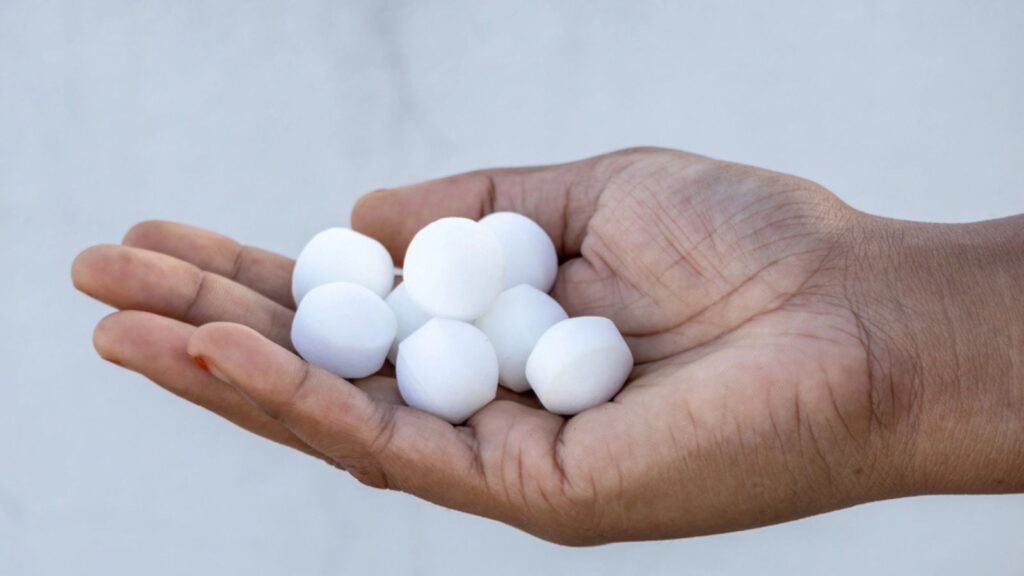
Image Credit: Depositphotos.com.
Mothballs are small, pungent balls typically made from naphthalene or paradichlorobenzene. Both of these chemicals release toxic fumes that repel moths and insects.
The fumes can cause harm to both humans and animals in poorly ventilated spaces. This can result in symptoms like headaches, nausea, and dizziness, and long-term inhalation has been linked to more serious health issues like liver and kidney damage.
4. Air Freshener

Image Credit: Depositphotos.com.
Many air fresheners, including sprays and plug-ins, might emit volatile organic compounds (VOCs) like formaldehyde and phthalates.
These chemicals trigger headaches and allergic reactions, especially in people with asthma and other sensitivities.
5. Cell Phones

Image Credit: Depositphotos.com.
Living without cell phones in this era is almost impossible, but the germs they contain are insane! A study conducted by researchers found that cell phones carry ten times more bacteria than most toilet seats.
These microorganisms include E. coli and Staphylococcus aureus, which can potentially make you sick if you accidentally touch your mouth or nose after handling your phone.
6. Printers

Image Credit: Depositphotos.com.
Laser printers release minute particles of toner dust and volatile organic compounds (VOCs) during work, which contribute to indoor air pollution. These little bits are known as ultrafine particles (UFPs) ,and they can reach deep into the lungs and contribute to respiratory problems.
7. Humidifiers

Image Credit: Depositphotos.com.
As much as humidifiers are lifesavers in dry weather, they might do more harm than good if they are not maintained properly.
Although they do help eliminate dryness-related issues, dirty humidifiers can become breeding grounds for mold. When mold is dispersed into the air, it can cause allergies and even respiratory infections.
8. Plastic Containers

Image Credit: Depositphotos.com.
Almost everyone uses plastic containers or bottles in their household, but these seemingly innocent items can cause serious health issues.
These containers are usually made from polyvinyl chloride (PVC) or contain chemicals like bisphenol A (BPA), which can leech into your food when heated. Research shows that this chemical can disrupt hormone levels and cause reproductive problems in both men and women.
9. Oven Cleaners

Image Credit: Depositphotos.com.
Oven cleaners are powerful agents developed to remove tough grease and grime, but their harsh composition might make you sick.
Many oven cleaners contain corrosive ingredients like sodium hydroxide, which can cause skin irritation, respiratory issues, and eye damage if inhaled or touched.
10. Gas Heaters

Image Credit: Depositphotos.com.
The warmth that gas heaters provide is irresistibly comforting. Sadly, if you’re exposed to them for a long time, they can make you sick. They release harmful gases like carbon monoxide and nitrogen dioxide, which can cause respiratory problems, headaches, and even death in severe cases.
To minimize these risks, make sure that your gas heater is well-ventilated, regularly serviced, and has a carbon monoxide detector.
11. Flaking Paint

Image Credit: Depositphotos.com.
Old flaky paint may look like a minor cosmetic issue, but it is more than that. It can pose serious health risks, especially in older homes.
Paints made in the 1970s contain high levels of lead, which can cause lead toxicity if inhaled. Paint flakes later turn into dust, and lead particles can contaminate the air, surfaces, and even the soil around your home.
12. Bathroom Towels

Image Credit: Depositphotos.com.
You probably can’t stop using bathroom towels anytime soon, but you can at least take proper care of them. Damp towels provide the perfect environment for bacterial growth, mold, and mildew, especially in humid bathrooms.
Studies have shown that towels contain pathogens like E. coli, Staphylococcus, and fungi, which can transfer to your skin and cause infections or irritation.
13. Cutting Boards

Image Credit: Depositphotos.com.
Cutting boards are lifesavers in the kitchen, but they can also make you sick and provide a hotspot for bacterial growth if not properly maintained.
The grooves and cuts caused by knives on the surface can trap food particles and moisture, allowing harmful microbes like E. coli and Salmonella to thrive.
14. Reusable Grocery Bags

Image Credit: Depositphotos.com.
Reusable bags are a fantastic step towards reducing waste and protecting the planet, but did you know they can also be a hidden source of bacteria if left unwashed? Many forget that these bags come directly in contact with raw meat, fresh produce, and other groceries, creating the perfect environment for bacteria like E. coli and Salmonella to thrive.
To prevent it, toss your bags in the wash regularly to prevent cross-contamination.
15. Kitchen Sponges

Image Credit: Depositphotos.com.
The kitchen sponge is one of the dirtiest items in your home, and it often has more bacteria than a toilet seat. It constantly comes in contact with food particles and has a porous structure that creates the perfect breeding ground for harmful microorganisms.
A 2017 study showed that used kitchen sponges contain dense populations of bacteria, including some that are potentially pathogenic.
Now that you are more aware of potential dangers in your own home, you can take small steps to remove anything that might be making you feel “off” or sick. Even a minor change can make a big difference in how you feel!