
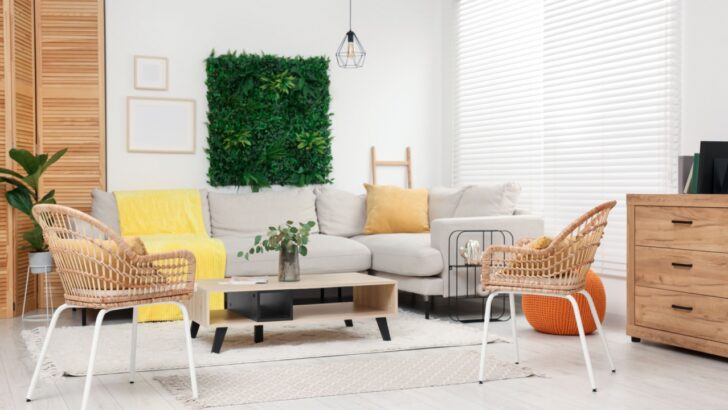
Your home should tell your story, not look like a showroom floor. Yet, many well-intentioned design choices end up creating spaces that feel generic, dated, or disconnected from the people who inhabit them.
Many homeowners regret at least one major design purchase, usually because it was impractical or quickly went out of style. Many professional designers agree, pointing to everyday items that make homes feel generic and unwelcoming.
Fortunately, once you understand what’s working against you, it’s easier to create a home that feels authentically yours. So, if you’re refreshing a single room or considering a complete home makeover, avoiding these common missteps can help you create a timeless and deeply personal space.
1. Matching Furniture Sets That Flatten Your Space
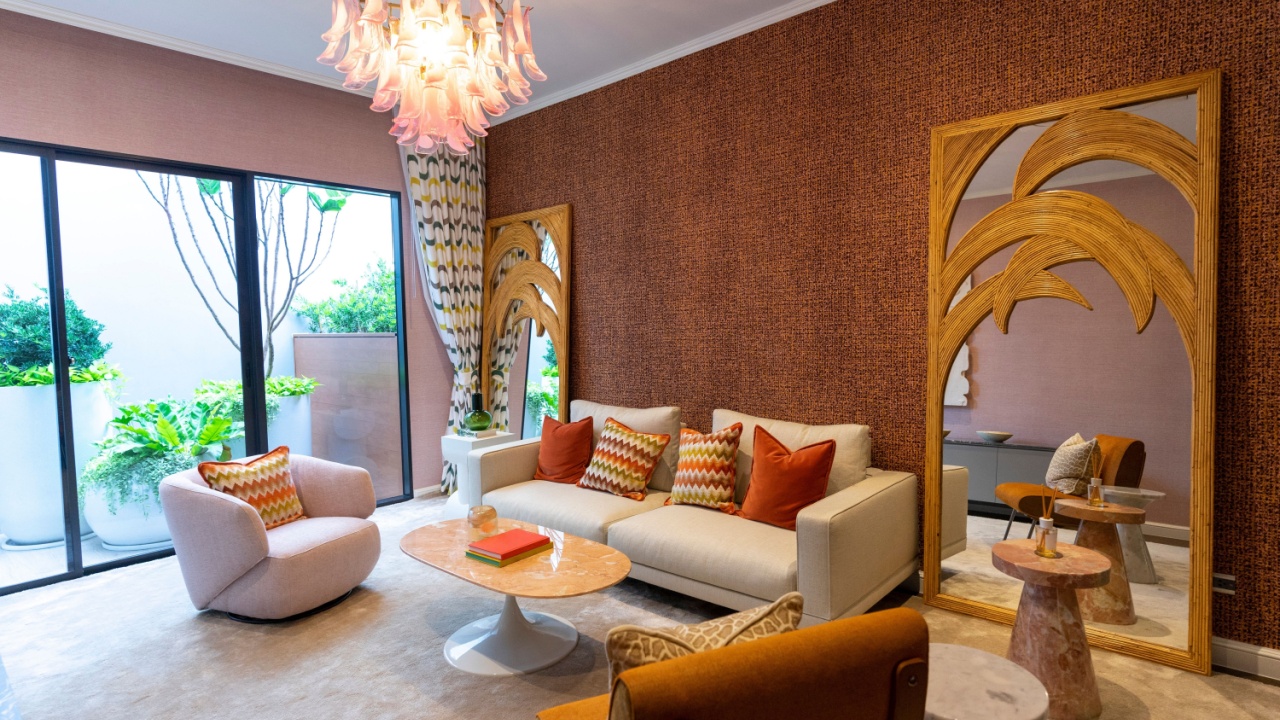
Image Credit: Shutterstock.
Buying an entire bedroom or living room makes a space look flat and impersonal. When every piece comes from the same collection, rooms lose the layered, collected-over-time quality that makes a house feel like a home. Designers argue that mixing different materials, silhouettes, and even eras creates more depth and character.
Many homeowners preferred curated, collected looks over matched sets, as they age better and allow for more flexible updates over time.
Quick Tips:
- Mix wood tones instead of matching them perfectly
- Pair vintage finds with modern pieces for contrast
- Choose one hero piece per room and build around it
- Update gradually rather than replacing everything at once
2. Generic Quote Wall Art That Says Nothing About You

Image Credit: Shutterstock.
Mass-produced wall art, such as “Live, Laugh, Love,” has become forgettable and lacks personal significance. Instead, opt for unique pieces, such as personal photography, children’s artwork, or creations by local artists.
In recent years, “custom wall art” preferences have increased dramatically, showing people prioritize self-expression over generic decor. Make your walls a reflection of your tastes and experiences!
Quick Tips:
- Frame personal photos in consistent frames for a gallery wall
- Support local artists at markets and art fairs
- Use meaningful quotes sparingly and in interesting typography
- Mix art styles and frame types for an eclectic, collected look
3. Over-Themed Décor That Feels Like a Stage Set

Image Credit: Shutterstock.
A room filled with anchors or roosters can feel more like a stage set than a home. When every item follows the same theme, it loses its lived-in charm and becomes a caricature.
Instead of covering every surface with seashells, integrate a coastal theme with a blue and white palette, natural textures, and one or two meaningful nautical elements.
A few well-chosen pieces create atmosphere; too many become distracting and can even lower resale appeal.
Quick Tips:
- Limit theme-specific items to 20% of a room’s décor
- Focus on color palette and texture over literal objects
- Choose quality over quantity for themed pieces
- Allow your theme to inform choices without dictating them
4. Visible Plastic Storage Bins That Undermine Your Style
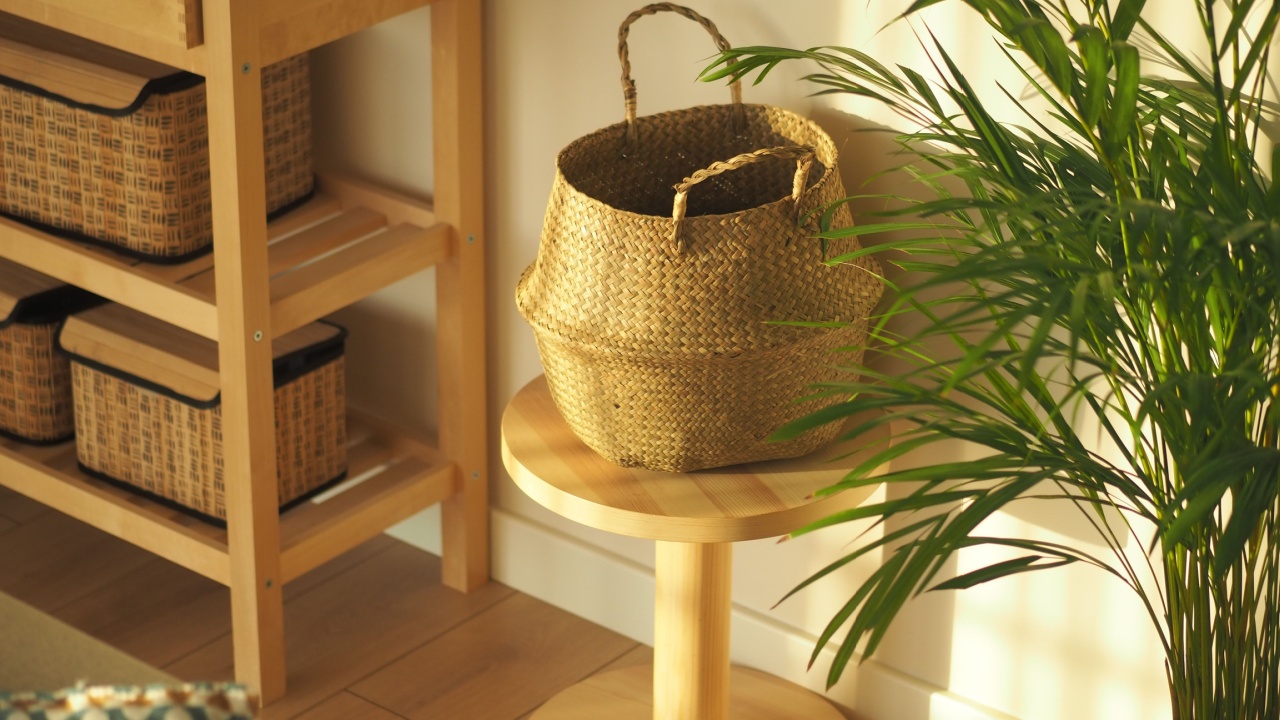
Image Credit: Shutterstock.
While practical, cheap plastic bins look out of place in visible areas like living rooms or on open shelving. They detract from your home’s style. Designers prefer woven baskets, wood crates, or fabric bins that serve the same purpose with a more polished finish.
The National Association of Home Builders confirms that storage is another factor home-buyers seriously consider, with both garage storage and a walk-in closet proving that style and function can go hand in hand.
If you need visible storage, invest in attractive solutions that complement your aesthetic, like seagrass baskets for casual spaces or leather bins for offices.
Quick Tips:
- Reserve plastic bins for closets and hidden storage
- Choose natural materials like wicker, canvas, or wood for visible areas
- Match basket colors and styles within the same room
- Use decorative boxes on bookshelves instead of exposed plastic
5. Artificial Plants That Look Painfully Fake
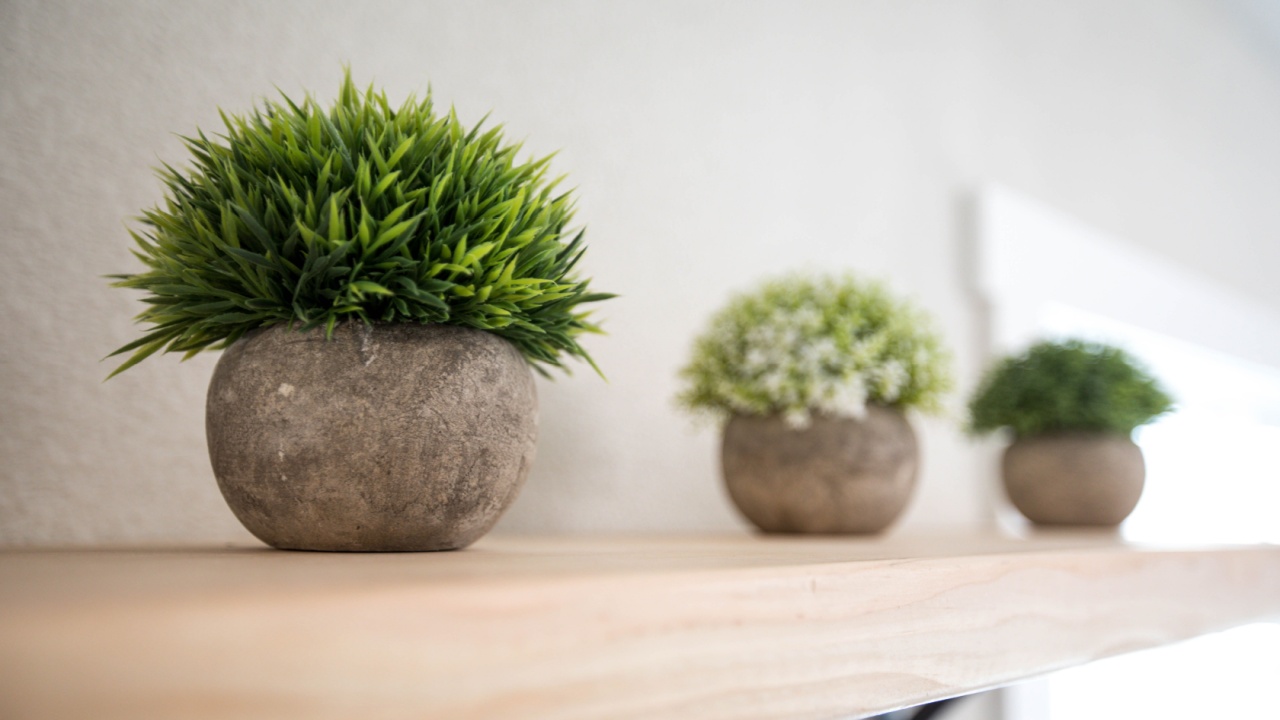
Image Credit: Shutterstock.
High-quality faux greenery can elevate a space, but overly shiny or plastic plants cheapen the look. Invest in realistic options, such as silk or preserved botanicals, or opt for low-maintenance real plants like pothos or succulents.
For faux plants, choose ones with varied leaf colors, natural stems, and matte finishes, and keep them dust-free. Dried options, such as pampas grass or eucalyptus, offer a more authentic and lasting alternative.
Quick Tips:
- Touch leaves before buying; they should feel natural, not plastic
- Mix real and high-quality faux plants for the best effect
- Consider dried or preserved options for lasting botanicals
- Place faux plants where real ones would naturally thrive (near windows, not dark corners)
6. Oversized Sectionals That Dominate Everything
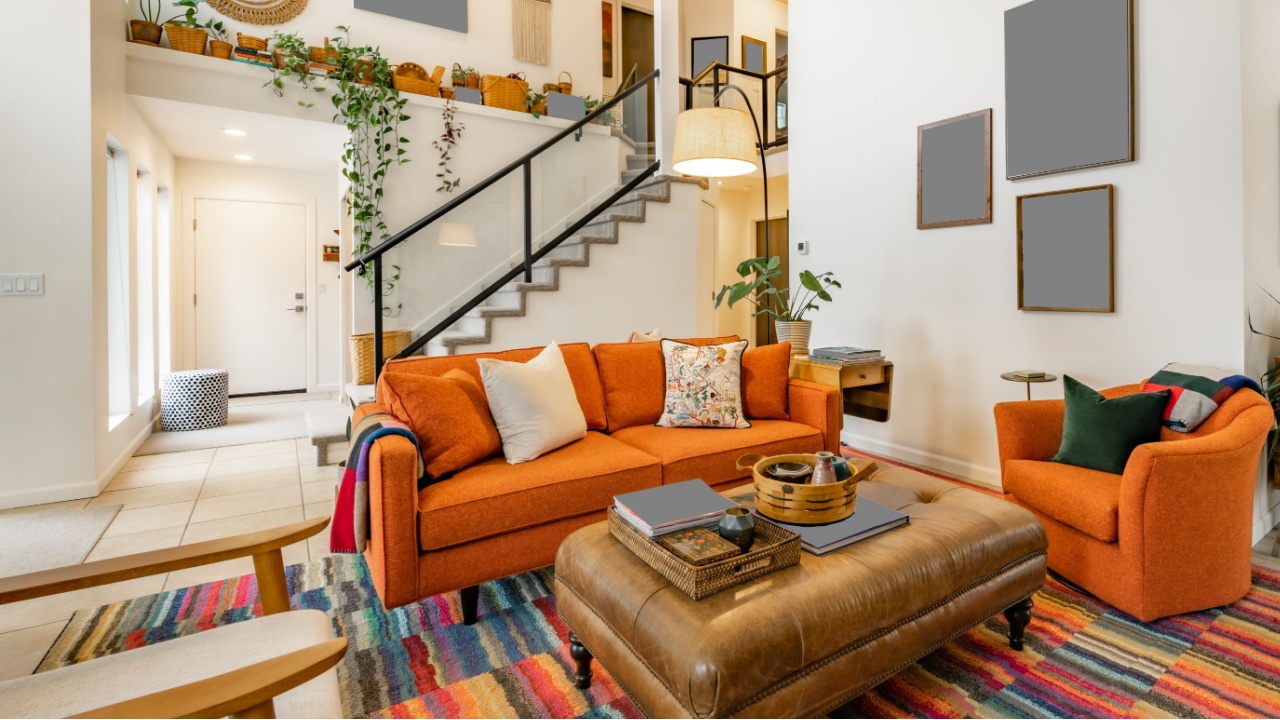
Image Credit: Shutterstock.
While sectionals are terrific for prominent families or movie lovers, oversized ones can swallow a room and kill your layout options. When your sofa touches three walls, you’re stuck with one setup.
Designers favor proportion, suggesting modular or smaller sofas for flexibility and better flow. Instead of a massive sectional, try two smaller sofas or a sofa with accent chairs for more seating options and visual appeal.
Quick Tips:
- Leave at least 30 inches between furniture and walls
- Measure doorways and stairwells before purchasing
- Consider modular pieces that can be reconfigured
- Test the scale with cardboard cutouts before buying
7. Disposable Fast Furniture That Won’t Last
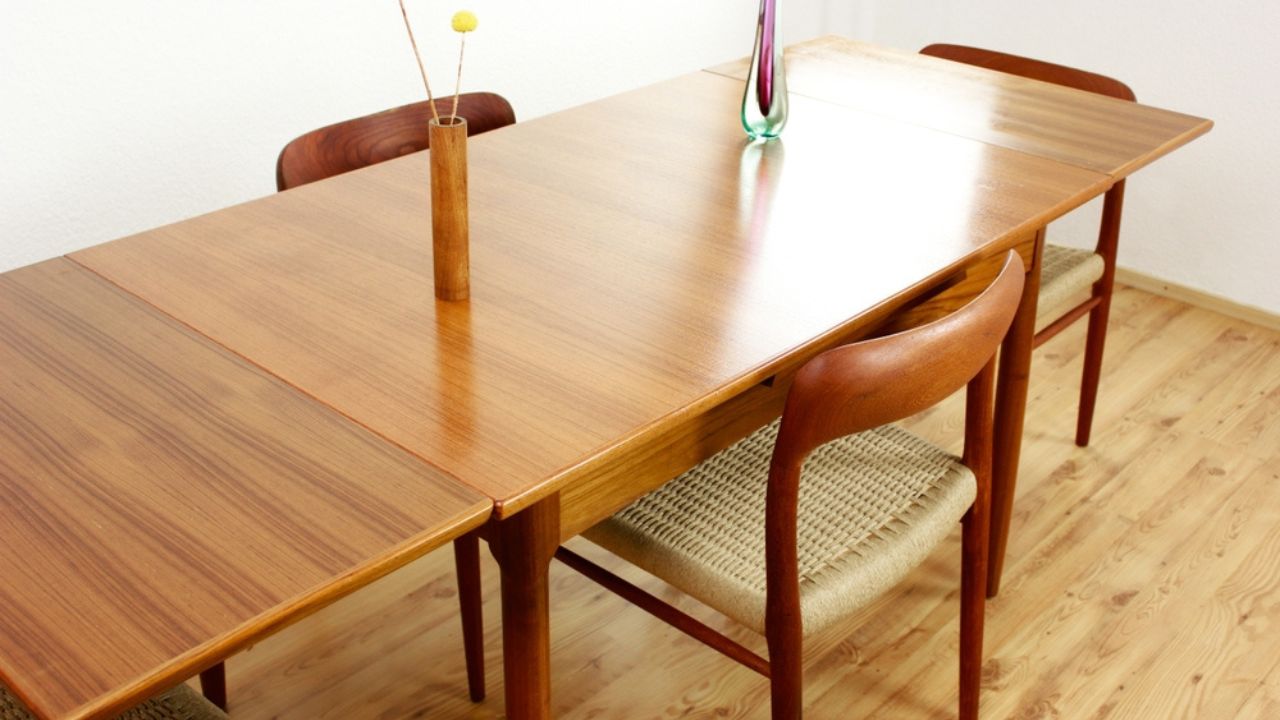
Image Credit: Shutterstock.
Trendy, low-cost furniture often breaks down quickly, creating waste and costing more in replacements. That cheap dresser might last only 18 months before falling apart, contributing to the 12 million tons of furniture in landfills yearly. Designers advise investing in fewer, sturdier pieces that last.
This doesn’t mean expensive; vintage and secondhand options offer solid quality at a lower cost. Look for real wood and classic designs. A well-made item saves money and reduces waste in the long term.
Quick Tips:
- Check construction: solid wood beats particle board
- Read reviews focused on durability, not just style
- Mix investment pieces with budget-friendly accents
- Consider buying used for quality at lower prices
8. Heavy Curtains That Block Natural Light
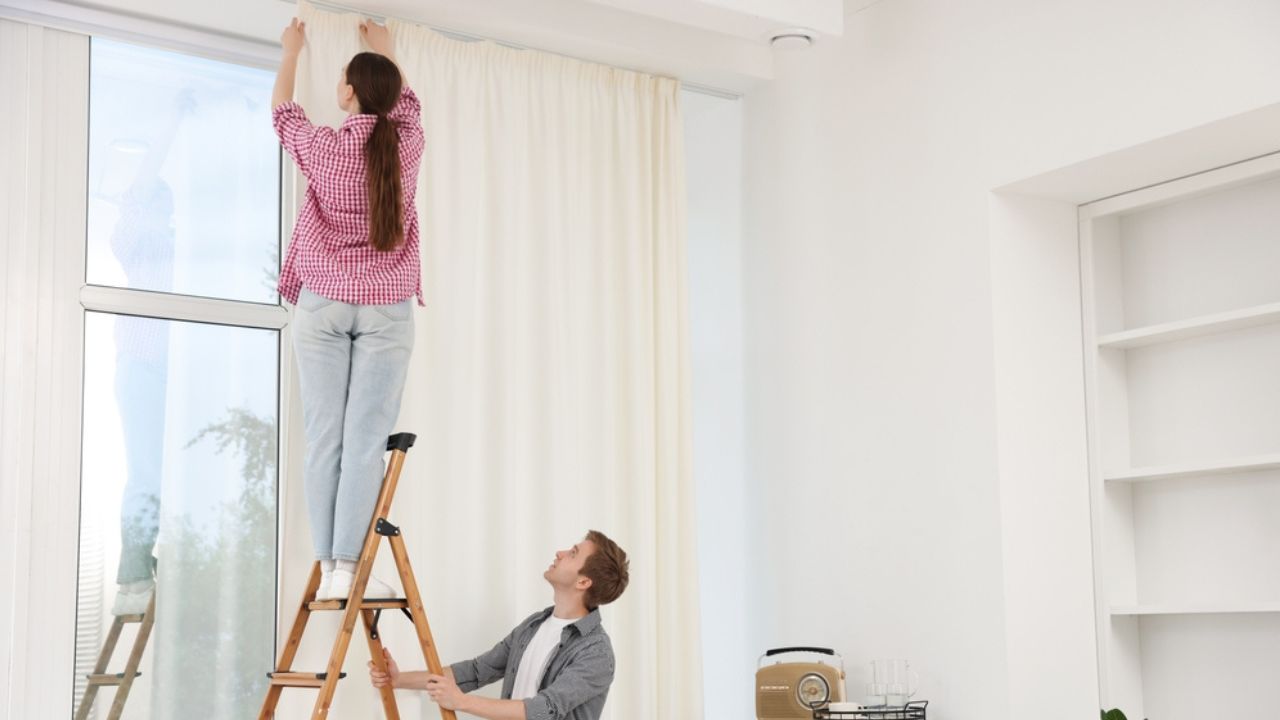
Image Credit: Shutterstock.
Thick, heavy drapes can make a room feel dated and dark, especially in smaller spaces. While useful in old, drafty houses, they’re less necessary with modern windows. Designers suggest airy fabrics, such as linen or sheer blends, to brighten a room while still offering privacy.
For better insulation without the bulk, the U.S. Department of Energy recommends modern options, such as cellular shades. If you need blackout capability, layer sheer curtains over blackout blinds for flexibility without making the room feel like a cave.
Quick Tips:
- Hang curtains high and wide to maximize light when open
- Choose light-filtering fabrics for living areas
- Layer sheers with blinds for flexible light control
- Consider roman shades for a streamlined, modern look
9. Too Many Small Trinkets Creating Visual Clutter
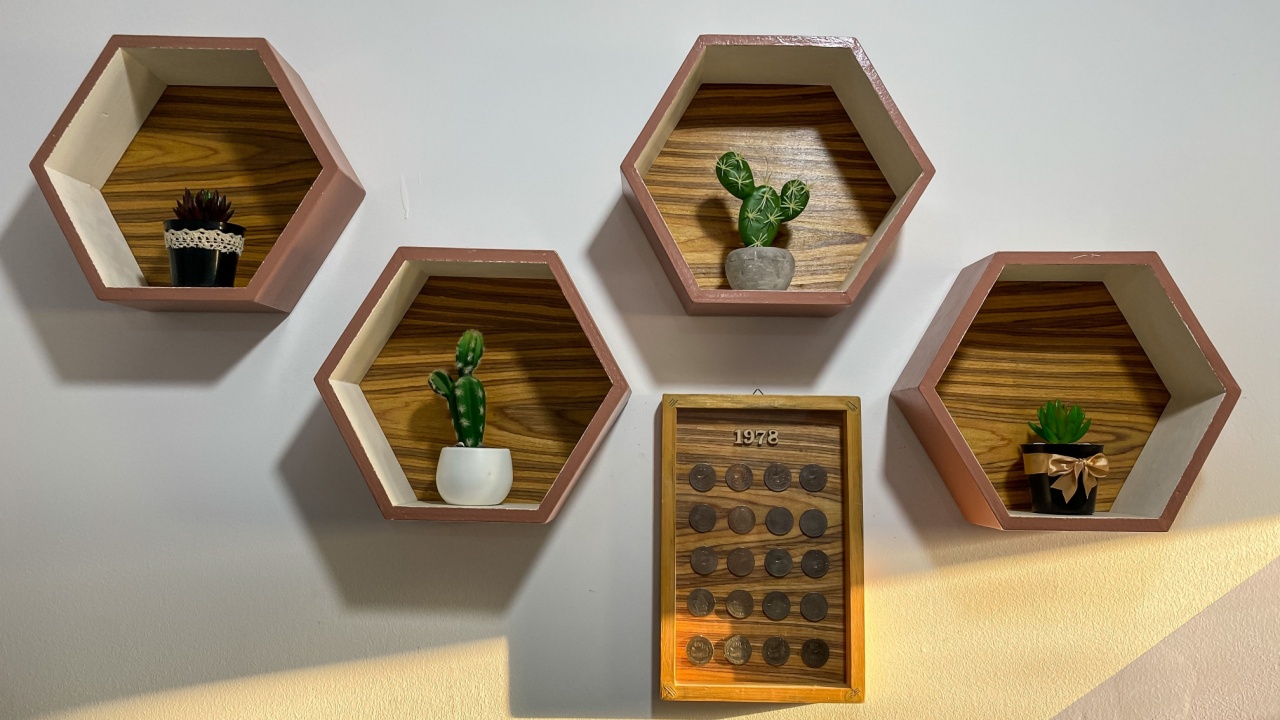
Image Credit: Shutterstock.
Too many small decorative items can create clutter instead of charm. Designers recommend grouping pieces in threes, leaving space for balance, and focusing on meaningful items. With 54% of Americans overwhelmed by excess stuff, the key is to be selective. Display what you love, rotate collections seasonally, and let your space feel fresh and curated.
Quick Tips:
- Use the “rule of three” for grouped objects
- Leave at least 50% of surfaces clear
- Store and rotate collections rather than displaying everything
- Choose one statement piece per vignette
10. Harsh LED Bulbs That Flatten Atmosphere
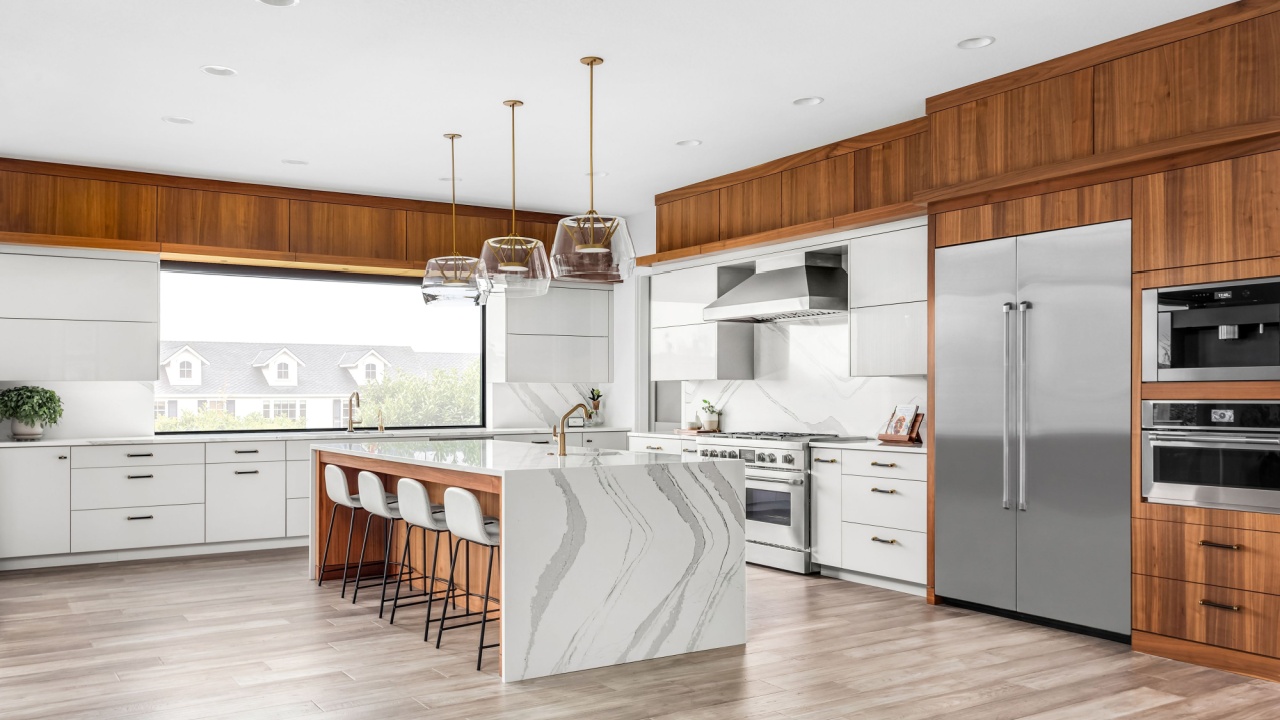
Image Credit: Shutterstock.
Bright, cool-toned LED bulbs can make a room feel sterile and uninviting. Lighting is a crucial design element that significantly impacts mood. For a cozier atmosphere that mimics natural light, designers suggest using warm white bulbs (2700K-3000K).
To further enhance a room’s ambiance, use layered lighting. Instead of a single overhead light, incorporate various fixtures like table lamps, floor lamps, and sconces at different heights. Installing dimmer switches also allows you to control the light’s intensity, making your space more versatile and inviting.
Quick Tips:
- Replace bulbs above 3000K with warm alternatives
- Add multiple light sources at different heights
- Install dimmers on overhead fixtures
- Use lampshades to diffuse and soften light
Creating a Home That Reflects You
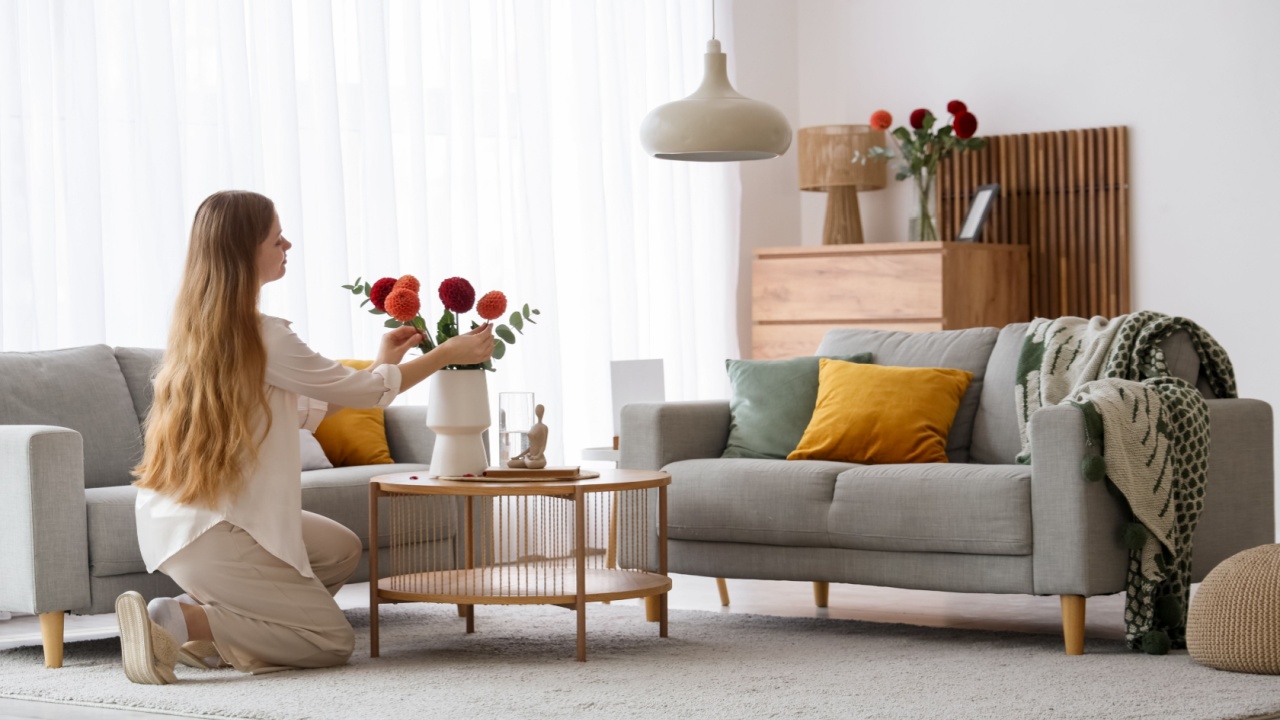
Image Credit: Shutterstock.
The typical design mistake is a lack of personal connection, which happens when you prioritize trends or convenience over personal taste. This can make your home feel generic. The most inviting spaces reflect the personalities of their inhabitants and are built thoughtfully over time.
To fix this, start with what you own and love, and build around those pieces. When purchasing new items, opt for quality, long-lasting pieces over trendy ones. Focus on authenticity rather than perfection.