

Homeownership often comes with a sense of freedom—but did you know that some everyday habits can actually land you in legal trouble? While most homeowners don’t set out to break the law, local and state regulations can be surprisingly specific. Depending on where you live, you could be violating laws without even realizing it.
Below are 20 surprisingly common homeowner habits that are technically illegal in some states or cities. Whether it’s about noise, property boundaries, or how you manage your home improvements, it’s worth staying informed.
How We Chose These Recommendations

Image Credit: Shutterstock.
To create this list, we reviewed municipal codes, state laws, and public warnings issued by city governments, homeowner associations, and legal experts.
We focused on laws that are frequently misunderstood or violated unintentionally. Each habit included is linked to a real regulation or legal precedent. When applicable, we’ve included primary sources so you can dig deeper into what may apply in your specific area.
What Does “Illegal” Really Mean for Homeowners?

Image Credit: Shutterstock.
When we say something is “illegal” for homeowners, it doesn’t always mean you’re breaking a federal law or facing criminal charges. In many cases, these are civil infractions, code violations, or local ordinances that vary by state, county, or even city. What’s perfectly fine in one neighborhood could be a fine-worthy offense in another. These laws and rules are often meant to protect the environment, preserve community standards, or ensure public safety—but they can catch even the most well-meaning homeowners off guard.
This article highlights 20 common homeowner habits that are, technically, against the law somewhere in the U.S.—often with citations to help you check your local rules and avoid unintentional trouble.
1. Grading Your Yard Without a Permit (California)

Image Credit: Shutterstock.
A homeowner couple was fined $165,000 after grading their yard in Pismo Beach without a permit, which damaged habitat for an endangered flower.
Local grading regulations require permits for any earthwork that alters drainage or landscape—even on private property.
2. Damaging Protected Native Plants (California)

Image Credit: Shutterstock.
California law prohibits harming designated rare or endangered plants—like the Pismo clarkia—even on private land without exemption.
Accidental removal or disturbance may trigger enforcement or restoration orders.
3. Collecting More Rainwater Than Allowed (Colorado)

Image Credit: Shutterstock.
Colorado homeowners may use up to two rain barrels with a 110‑gallon limit, under House Bill 16‑1005. Collecting more or using unauthorized systems violates water-rights laws.
4. Burying Structures Too Near Property Lines Without Approval (State Dependent)

Image Credit: Shutterstock.
Building sheds, decks, or fences within regulated setbacks or without proper zoning clearance can lead to violations, enforced through municipal code provisions. This, of course, will vary by state, and whether you live in an urban or country setting.
5. Removing Protected Trees or Vegetation Without Permits (State Dependent)
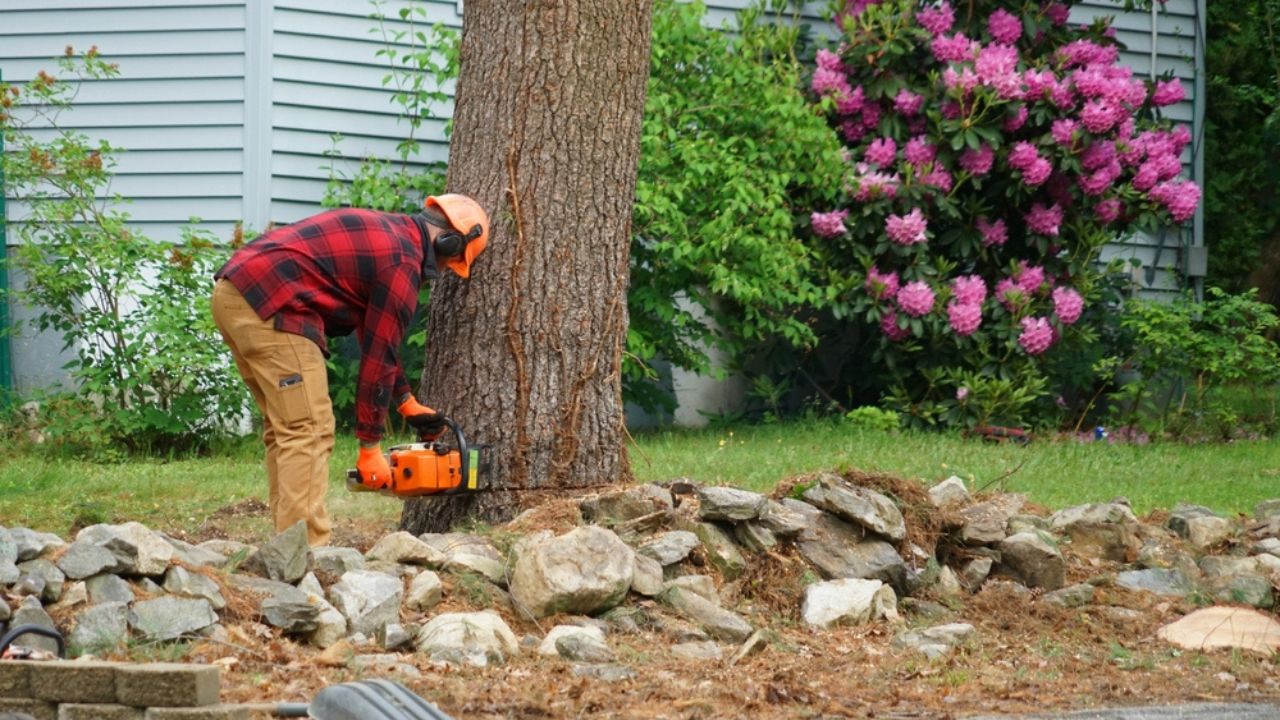
Image Credit: Shutterstock.
Many city codes require permits to remove or significantly trim trees and shrubs—especially in designated preservation areas. Violations may result in fines or required tree replacement.
6. Installing Native Landscaping That Conflicts with HOA Rules (Illinois)

Image Credit: Shutterstock.
Despite Illinois laws protecting native gardens, HOAs may still issue citations if native plantings appear “unkempt.” One homeowner was fined over concerns about appearance rather than ecological intent.
This is likely a conflict in other districts, too.
7. Operating an Unregistered Short-Term Rental (New York)

Image Credit: Shutterstock.
NYC prohibits unregistered whole-unit rentals. Hosts must register and follow safety rules—fines can be $1,000–$5,000 per day.
Similar rules apply in various cities and counties across the nation.
8. Parking Vehicles on Lawns or Unapproved Surfaces (South Dakota)

Image Credit: Shutterstock.
Some cities, like Sioux Falls, prohibit parking on grass or dirt surfaces. Parking is only allowed on paved surfaces, making a paved driveway a necessity for off-street parking. Violators can receive tickets or have vehicles towed.
9. Blocking Sidewalks with Vehicles

Image Credit: Shutterstock.
Parking across public sidewalks is a violation in many cities (e.g., NYC), and can result in fines or towing orders. Even if it’s technically “your” sidewalk in front of your home, if it’s blocking pedestrians, it’s a problem that can cost you.
10. Feeding Wildlife Such as Deer or Squirrels

Image Credit: Shutterstock.
In Illinois, feeding wild deer and similar wildlife is prohibited to prevent disease spread and dependency. Violations are subject to fines.
11. Performing Unlicensed Electrical or Plumbing Work

Image Credit: Shutterstock.
Major home electrical or plumbing changes often require a licensed professional. DIY work may violate building codes and can void insurance coverage if something goes wrong.
12. Burning Leaves, Trash, or Yard Waste Without Permits
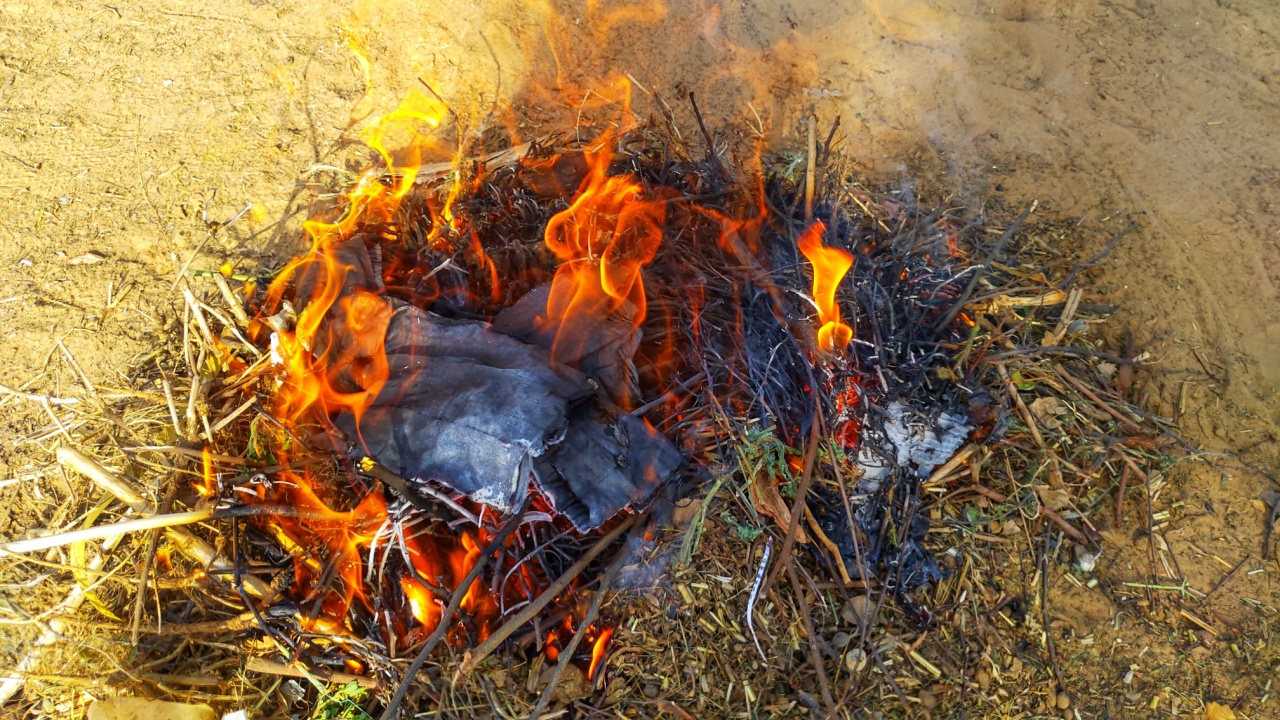
Image Credit: Shutterstock.
Many municipalities ban the open burning of yard debris or trash unless a specific permit is obtained. Violation can result in fines and public safety enforcement.
13. Operating a Home-Based Business Without Approvals

Image Credit: Depositphotos.com.
Even quiet ventures like tutoring or online sales may require zoning permission or a general business license. Failing to register can lead to violations and enforcement actions in some states.
14. Installing Fire Pits or Outdoor Structures Without Permits

Image Credit: Shutterstock.
Outdoor fire pits, kitchens, or structures may need permits to ensure fire safety and compliance with land-use codes. Unpermitted installations can be declared unsafe and removed.
15. Ignoring HOA Covenants When Installing Solar Panels or Major Landscaping

Image Credit: Depositphotos.com.
Even in states with solar rights laws, an HOA may still fine homeowners for panel color, placement, or appearance if they violate neighborhood covenant rules.
16. Letting Grass or Weeds Grow Beyond Legal Height

Image Credit: Shutterstock.
Many cities or ordinances set a maximum allowed height for lawn grass and weeds (e.g., 8 inches). Failing to mow can result in code enforcement fines or forced maintenance.
17. Using Loud Outdoor Equipment Outside Permitted Hours

Image Credit: Shutterstock.
Mowing, snow blowing, or using power tools outside local “quiet hours” can violate noise ordinances—even if you’re working on your own property.
18. Posting Unauthorized Signs (For Sale, Political, or Decorative)

Image Credit: Shutterstock.
Zoning codes and HOA policies often restrict signage; oversized real estate or political signs placed without permission can trigger penalties.
19. Conducting Car Repairs or Parking Commercial Vehicles in Residential Driveways

Image Credit: Shutterstock.
Vehicle maintenance in plain view may breach local ordinance or HOA rules. Commercial vehicle parking or visible repairs on the property are often prohibited.
20. Installing Unapproved Additions (Garages, ADUs, Kitchens)

Image Credit: Shutterstock.
Adding internal kitchens, converting garages into living space, or building accessory dwelling units without permits violates zoning and code requirements—and may result in fines or forced deconstruction.
Helping a Community Stay Organized, Or Overstepping?

Image Credit: Depositphotos.com.
Many of these laws may seem trivial or outdated, but they often exist to protect communities from safety hazards, nuisances, or property disputes. If you’re unsure what local ordinances apply to your home, contact your city government or consult a real estate attorney. When in doubt, it’s always safer to double-check.