

When you decide to sell your home, you’re not just selling a structure; you’re selling a dream. Potential buyers want to envision their future life within your walls and, just as importantly, in your yard.
Home staging is the art of making that vision as clear and appealing as possible. It goes beyond cleaning and decluttering, it’s about creating an atmosphere that feels both aspirational and welcoming. From the front curb to the back fence, every detail contributes to a powerful first impression that can significantly speed up your sale and increase the final offer.
Getting staging right can transform your property from just another listing into a must-have home. However, common missteps can easily derail the process, leaving buyers feeling uninspired or, worse, put off. This guide will walk you through 18 critical home staging mistakes that could be costing you a sale.
1. Forgetting to Stage Your Backyard

Image Credit: Shutterstock.
The garden and outdoor spaces are often a huge selling point, but sellers frequently focus all their energy on the interior. Neglecting your backyard is a massive missed opportunity. Buyers today are looking for a seamless indoor-outdoor living experience. An unkempt yard with overgrown weeds, a dilapidated deck, or a sad, empty patio suggests extra work and expense.
A beautiful outdoor space, on the other hand, allows buyers to imagine themselves hosting barbecues, playing with their kids, or enjoying a quiet morning coffee. It extends the home’s living area and adds significant value.
To fix this, start by tidying up. Mow the lawn, trim overgrown bushes, and pull any weeds. Add a fresh layer of mulch to garden beds for a clean, polished look. Set up a simple seating area on your patio or deck with a couple of chairs and a small table. A few colorful potted plants can instantly add life and charm, making the space feel like a true outdoor retreat.
Quick Fix:
- Clean Up: Mow, weed, and mulch for a manicured look.
- Define the Space: Create a simple, inviting seating area.
- Add Life: Use potted plants to add color and vibrancy.
2. Having Little to No Curb Appeal
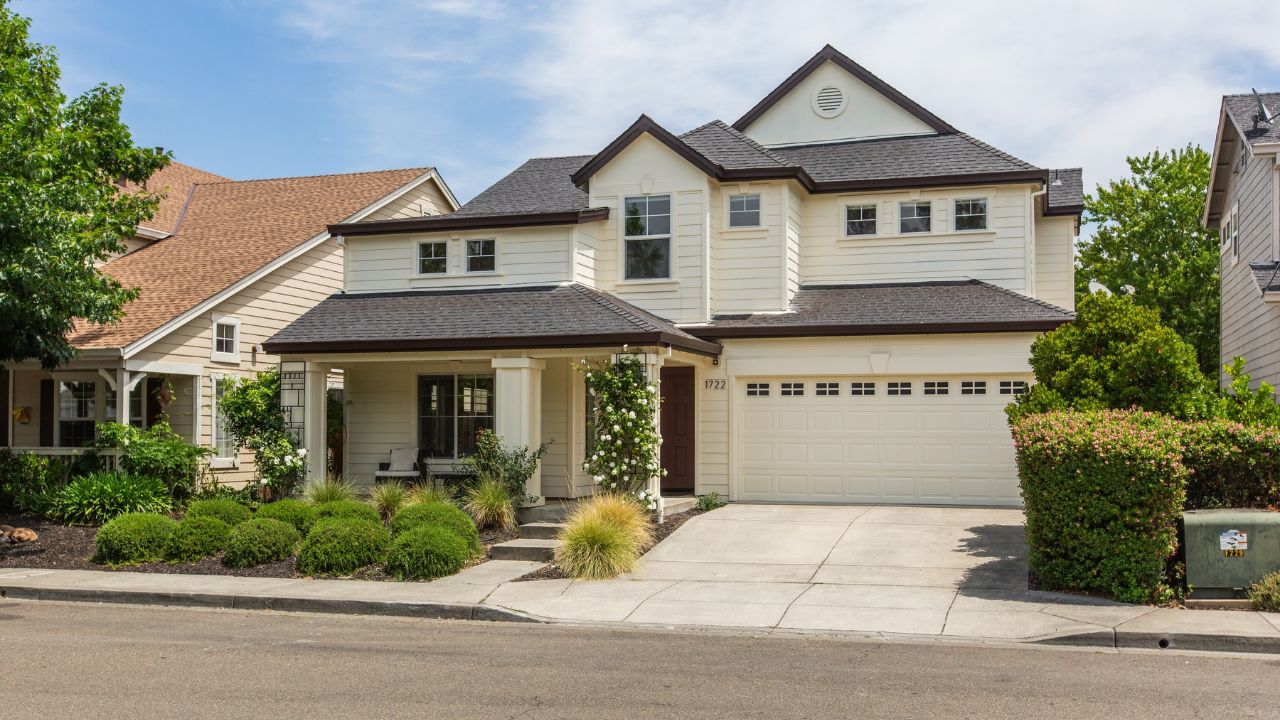
Image Credit: Shutterstock.
A buyer’s first impression is formed the moment they pull up to your house. If the exterior is lackluster, their expectations for the interior will immediately drop. Poor curb appeal, such as peeling paint, an overgrown lawn, or a cluttered porch, can make buyers feel that the home has not been well-maintained.
Your home’s exterior sets the tone for the entire viewing. You want to communicate that this property is cared for and move-in ready. A welcoming entrance draws people in and makes them excited to see what’s inside.
Boost your curb appeal by giving your front door a fresh coat of paint in a classic, inviting color. Ensure your house numbers are clean and easy to read. Add a new welcome mat and flank the entrance with a pair of matching planters filled with seasonal flowers. These small, inexpensive touches can make a world of difference.
Quick Fix:
- Front Door: Repaint the door and polish the hardware.
- Greenery: Add symmetrical potted plants for a balanced, welcoming feel.
- Finishing Touches: Update house numbers and lay down a new welcome mat.
3. Not Decluttering Your Home
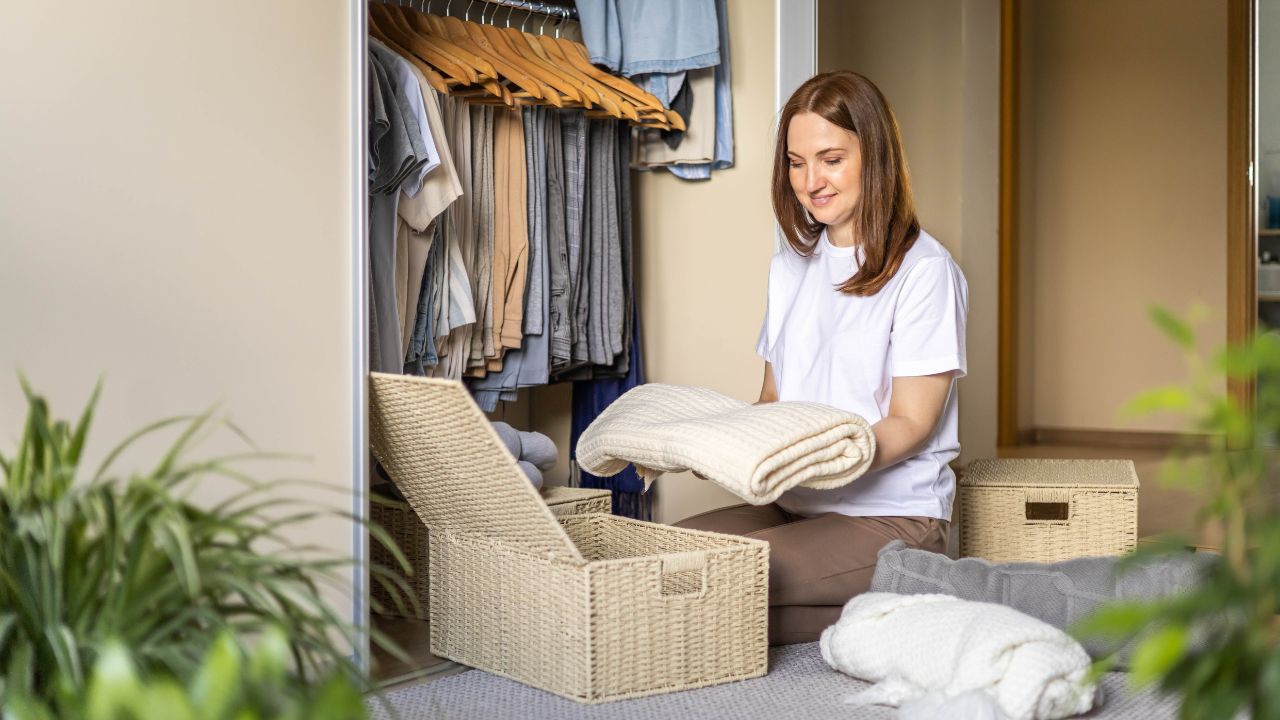
Image Credit: Shutterstock.
One of the most common and damaging mistakes is leaving too much stuff out. When a home is filled with personal belongings, furniture, and general clutter, it’s difficult for buyers to see the actual space. Crowded rooms appear smaller and can distract from your home’s best features, like beautiful floors or large windows.
Buyers need to be able to visualize their own belongings in the space. Your personal collections, stacks of mail, and overflowing countertops create a barrier to that vision. They may also worry that the home lacks adequate storage if they see clutter everywhere.
Be ruthless in your decluttering process. Pack away at least half of the items in your closets, bookshelves, and cabinets. Clear off all kitchen and bathroom counters, leaving only a few decorative items. Renting a small storage unit for excess furniture and boxes is often a worthwhile investment.
Quick Fix:
- Rule of Half: Remove 50% of the items from closets and shelves.
- Clear Surfaces: Keep kitchen and bathroom counters almost completely empty.
- Store It: Use off-site storage for excess items to maximize perceived space.
4. Poor Furniture Placement

Image Credit: iSky Media / Shutterstock.
Awkward furniture arrangements can make a room feel cramped, block natural pathways, and hide your home’s assets. Pushing all the furniture against the walls is a classic mistake that often makes a space feel less intimate and smaller. Conversely, using oversized pieces can swallow a room whole.
The goal of furniture placement is to highlight the room’s size and flow while creating inviting conversation areas. Proper arrangement can make a room feel larger, brighter, and more functional. It helps buyers understand how they could use the space effectively.
Pull furniture away from the walls to create “floating” arrangements. In a living room, for example, group a sofa and two chairs around a coffee table to define a cozy zone. Ensure there are clear, wide pathways for walking through the room. If a piece of furniture feels too large, it’s better to remove it entirely.
Quick Fix:
- Float Furniture: Pull pieces away from the walls to create a better flow.
- Create Zones: Arrange furniture in groups to define conversation or activity areas.
- Prioritize Flow: Ensure there are clear and easy paths to walk through every room.
5. Not Cleaning Thoroughly
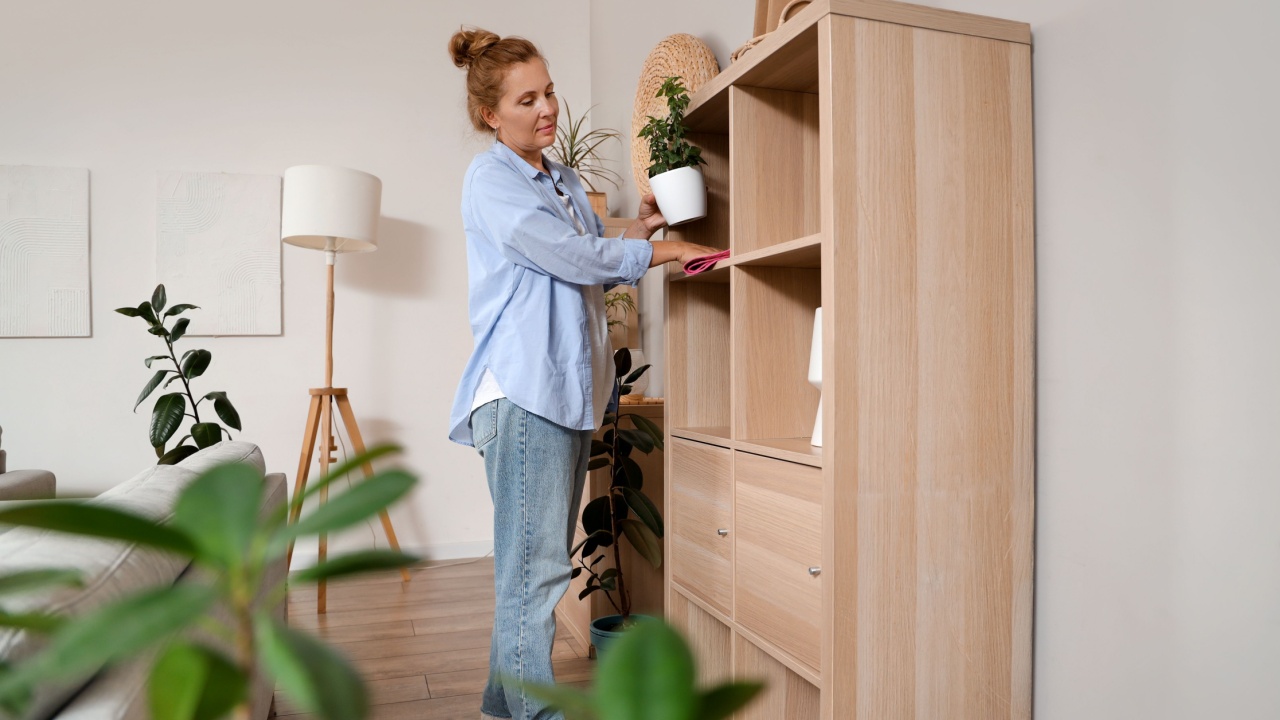
Image Credit: Shutterstock.
A dirty home is an immediate red flag for buyers. Grime in the bathroom, grease on the stove, or dust bunnies in the corners can give the impression that the entire property has been neglected. Even if the issues are only superficial, buyers may wonder what bigger, hidden problems exist.
A sparkling clean home signals that the property has been well-maintained. It smells fresh, looks bright, and allows buyers to focus on the home itself, not the dirt. A deep clean is one of the most cost-effective ways to improve your home’s appeal.
Hire a professional cleaning service for a top-to-bottom deep clean. They’ll tackle areas you might miss, like baseboards, light fixtures, and inside appliances. Pay special attention to kitchens and bathrooms, ensuring grout is scrubbed, faucets are polished, and windows are spotless inside and out.
Quick Fix:
- Hire a Pro: Invest in a one-time deep cleaning service.
- Focus on Kitchens & Baths: Make these rooms shine, as they are key selling points.
- Don’t Forget Details: Clean windows, baseboards, and light fixtures.
6. Using the Wrong Paint Colors

Image Credit: Depositphotos.com.
Bold, dark, or highly specific paint colors are a reflection of your personal taste, but they can be a major turn-off for buyers. Colors like deep red or bright orange can make a room feel smaller and darker. They also make it very difficult for buyers to imagine their own furniture and decor in the space.
The goal is to create a neutral and bright canvas. Light, neutral colors like off-white, light gray, or greige appeal to the widest range of buyers. They make spaces feel larger, brighter, and cleaner. A neutral palette helps buyers focus on the home’s architecture and potential, not your color choices.
Repaint any rooms that have dark or overly vibrant colors. Choose a single, light neutral color to use throughout the main living areas to create a sense of cohesion and flow. This simple change can dramatically transform your home’s appeal for a relatively low cost.
Quick Fix:
- Go Neutral: Repaint bold walls with light, neutral colors like off-white or light gray.
- Create Cohesion: Use one neutral color throughout the main living spaces.
- Freshen Up: Even if your colors are neutral, apply a fresh coat to cover scuffs and marks.
7. Not Depersonalizing the Space

Image Credit: Shutterstock.
Your house is filled with memories, but buyers don’t want to see them. Walls covered in family photos, shelves of personal trophies, and refrigerator doors plastered with kids’ artwork make it hard for potential buyers to emotionally connect with the home. They may feel like they are intruding on your life rather than picturing their own.
Depersonalization is the process of creating a blank slate. By removing your personal stamp, you invite buyers to mentally move in. It helps them see the property as their future home, not your current one.
Take down all family photos and replace them with neutral art. Pack away personal collections, awards, and sentimental items. The goal is to make the home feel inviting and stylish, but anonymous.
Quick Fix:
- Remove Photos: Pack away all family pictures.
- Pack Collections: Store personal memorabilia and collections out of sight.
- Aim for “Hotel Chic”: Strive for a look that is stylish but impersonal.
8. Ignoring Bad Odors

Image Credit: Shutterstock.
Every home has a unique scent, but you may have become nose-blind to yours. Unpleasant odors from pets, smoking, cooking, or dampness can be a deal-breaker for buyers. The moment they walk in, a bad smell can create a negative impression that is nearly impossible to shake.
A fresh, clean-smelling home is crucial. It reassures buyers that the property is clean and well-maintained. You don’t want to simply mask odors with strong air fresheners, as this can seem like you’re hiding something. The key is to eliminate the source of the smell.
Identify and address the source of any odors. Have carpets and upholstery professionally cleaned to remove pet smells. Wash all curtains and bedding. Ensure good ventilation by opening windows before a showing. For a subtle, pleasant scent, simmer a pot of water with citrus slices and a cinnamon stick, or use a light essential oil diffuser.
Quick Fix:
- Eliminate the Source: Deep clean carpets, fabrics, and drains.
- Ventilate: Air out the house thoroughly before every showing.
- Add a Subtle Scent: Use a light, natural fragrance like citrus or vanilla.
9. Poor Lighting
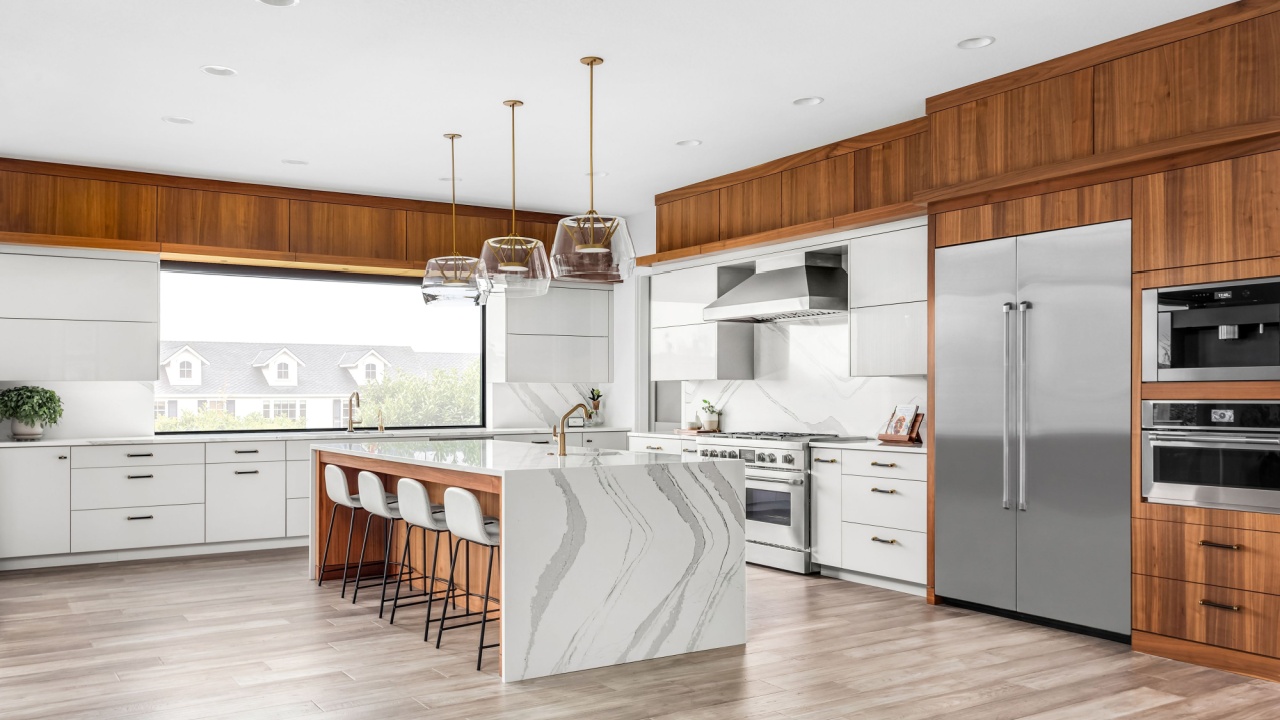
Image Credit: Shutterstock.com.
A dark, poorly lit home feels gloomy and small. Outdated light fixtures or dim bulbs can make even a great space feel uninviting. Buyers are drawn to bright, airy homes, and good lighting is essential for creating that feeling.
Proper lighting makes rooms feel larger, cleaner, and more welcoming. A well-lit space allows buyers to see all the features of your home clearly. It’s about layering different types of light ambient (overall), task (for activities), and accent (to highlight features).
Maximize natural light by opening all curtains and blinds. Clean your windows to let in as much sunlight as possible. Replace any burned-out or dim bulbs with bright, warm-toned LED bulbs. Update dated light fixtures with simple, modern alternatives. Add table lamps and floor lamps to any dark corners.
Quick Fix:
- Let the Sun In: Open all blinds and curtains and clean the windows.
- Brighten Bulbs: Replace all bulbs with bright, consistent-colored LEDs.
- Layer Lighting: Add lamps to create a warm and inviting ambiance.
10. Hanging Artwork Incorrectly

Image Credit: Shutterstock.
Artwork that is hung too high, too low, or is the wrong scale for the wall can throw off the entire balance of a room. A common mistake is hanging pictures close to the ceiling, which draws the eye upward and makes the space feel off-kilter. Small pieces of art on a large, empty wall can look lost and insignificant.
Correctly hung artwork helps to ground the space and adds a layer of polish and sophistication. It should relate to the furniture and scale of the room, creating a cohesive and visually pleasing look.
The general rule is to hang artwork so that its center is at eye level, which is typically 57-60 inches from the floor. When hanging art above furniture like a sofa or headboard, it should be about 6-8 inches above the top of the piece. Choose art that is proportionate to the wall a large statement piece for a big wall, or a gallery wall of smaller frames.
Quick Fix:
- Eye-Level Rule: Hang art with its center 57-60 inches from the floor.
- Relate to Furniture: Position art 6-8 inches above sofas or headboards.
- Mind the Scale: Use large art for large walls or group small pieces together.
11. Overlooking Your Storage Areas

Image Credit: Shutterstock.
Buyers will open closets, pantries, and cabinets. If they are met with an avalanche of stuff, it sends a clear message: this home doesn’t have enough storage. Messy, disorganized storage spaces can be a major concern and suggest the house won’t meet their needs.
Organized and half-empty storage areas create the illusion of abundant space. It shows buyers that the home has more than enough room for all their belongings. This attention to detail reinforces the idea that the entire property is well-maintained.
Go through every closet and storage space. Remove at least half of the contents and pack them away. Neatly organize what’s left. Use matching hangers in closets, group similar items together in the pantry, and stack dishes tidily in cabinets. The goal is for these spaces to look spacious and orderly.
Quick Fix:
- Empty It Out: Remove at least 50% of the contents from all closets.
- Organize Everything: Neatly arrange the remaining items.
- Show Off Space: Let buyers see that there is plenty of room to spare.
12. Not Showing Off Your Home’s Best Features
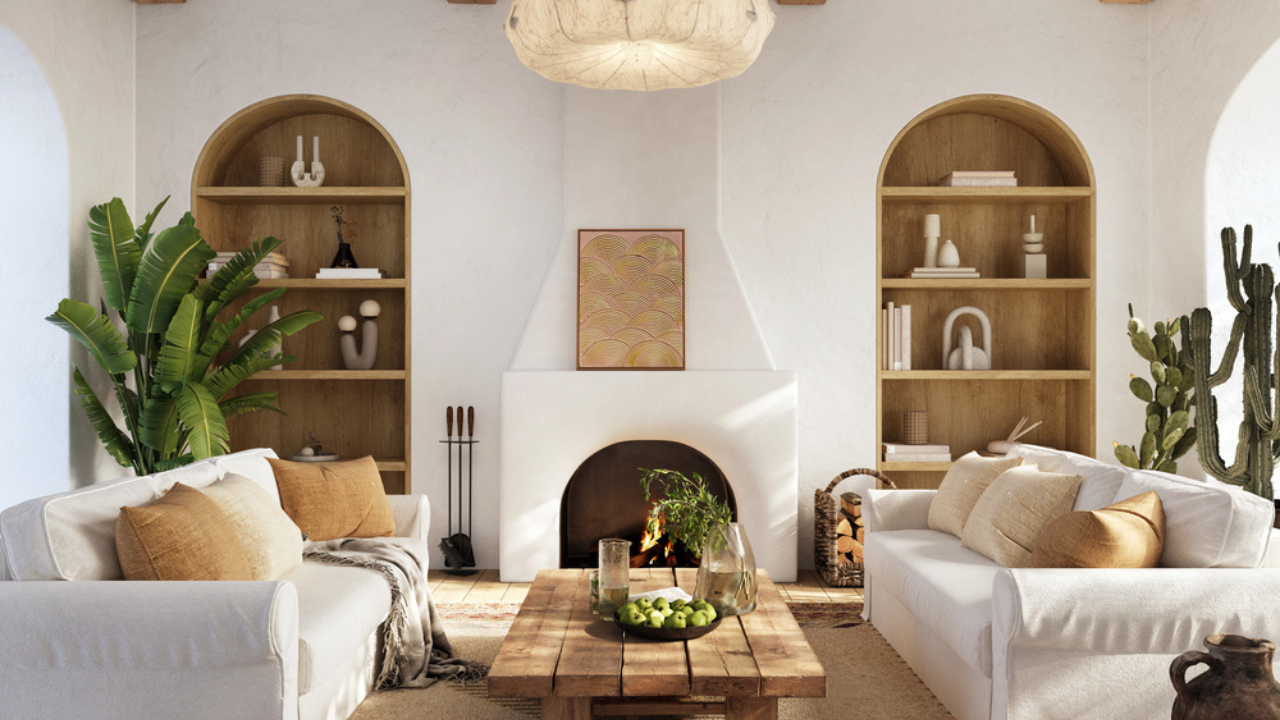
Image Credit: Deposit Photos.
Every home has unique selling points, whether it’s original hardwood floors, a stunning fireplace, or a beautiful view. A common staging mistake is unintentionally hiding or downplaying these features with poor furniture placement or clutter.
Highlighting your home’s best assets is what makes it memorable and desirable. You need to strategically draw buyers’ eyes to the features that set your property apart from the competition. This helps justify your asking price and creates a stronger emotional connection.
Identify your home’s top three features. Then, stage each room to showcase them. If you have a great fireplace, arrange the furniture to make it the undeniable focal point. If you have beautiful floors, don’t cover them entirely with large rugs. For a great view, make sure the windows are unobstructed and have seating oriented towards them.
Quick Fix:
- Identify Strengths: Know what makes your home special.
- Create Focal Points: Arrange furniture to draw attention to key features.
- Remove Obstructions: Clear away anything that blocks views or architectural details.
13. Using Too Much Decor
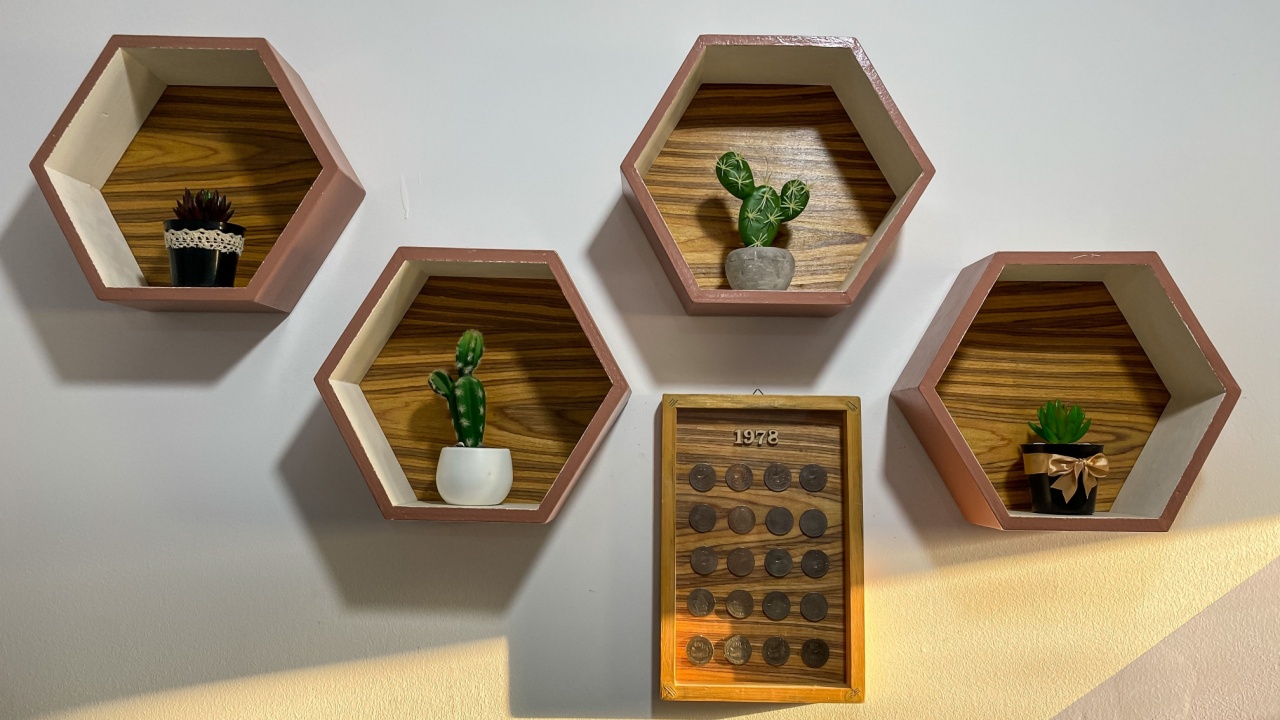
Image Credit: Shutterstock.com.
While you want your home to feel styled, going overboard with knick-knacks, pillows, and decorative objects can make it feel cluttered and distracting. Too much decor can overwhelm a space and prevent buyers from seeing the “bones” of the house. It can also read as dated or overly personal.
The principle of “less is more” is key in home staging. A few well-chosen accessories can add warmth and style, but the focus should always remain on the home itself. The goal is to suggest a lifestyle, not to showcase your collection of curiosities.
Follow the “rule of three” for styling surfaces like coffee tables and shelves. Group items in odd numbers, varying their height and texture. When accessorizing a sofa, use just a few pillows that complement the room’s color scheme. Edit ruthlessly and put away anything that doesn’t serve a clear purpose.
Quick Fix:
- Edit Aggressively: Remove most small decorative items.
- Rule of Three: Group accessories in small, odd-numbered clusters.
- Less is More: Keep surfaces mostly clear to emphasize space.
14. Creating Too Many Focal Points

Image Credit: Shutterstock.
Every room needs a focal point to anchor it, but having too many competing elements creates visual chaos. When a fireplace, a gallery wall, a bold rug, and a statement light fixture are all screaming for attention in the same room, buyers won’t know where to look.
A single, strong focal point gives a room a sense of purpose and order. It directs the eye and creates a feeling of calm and balance. This allows buyers to appreciate the space without feeling visually overwhelmed.
Choose one primary focal point for each room. This might be an architectural feature like a large window or a fireplace. If the room lacks a natural focal point, create one with a large piece of art or a well-styled bed. Arrange the rest of the room’s decor and furniture to support and complement this main feature, not compete with it.
Quick Fix:
- Choose One Star: Select a single, primary focal point for each room.
- Support, Don’t Compete: Arrange other elements to complement the main feature.
- Create Calm: Avoid visual clutter by simplifying the number of standout pieces.
15. Forgetting an Area Rug
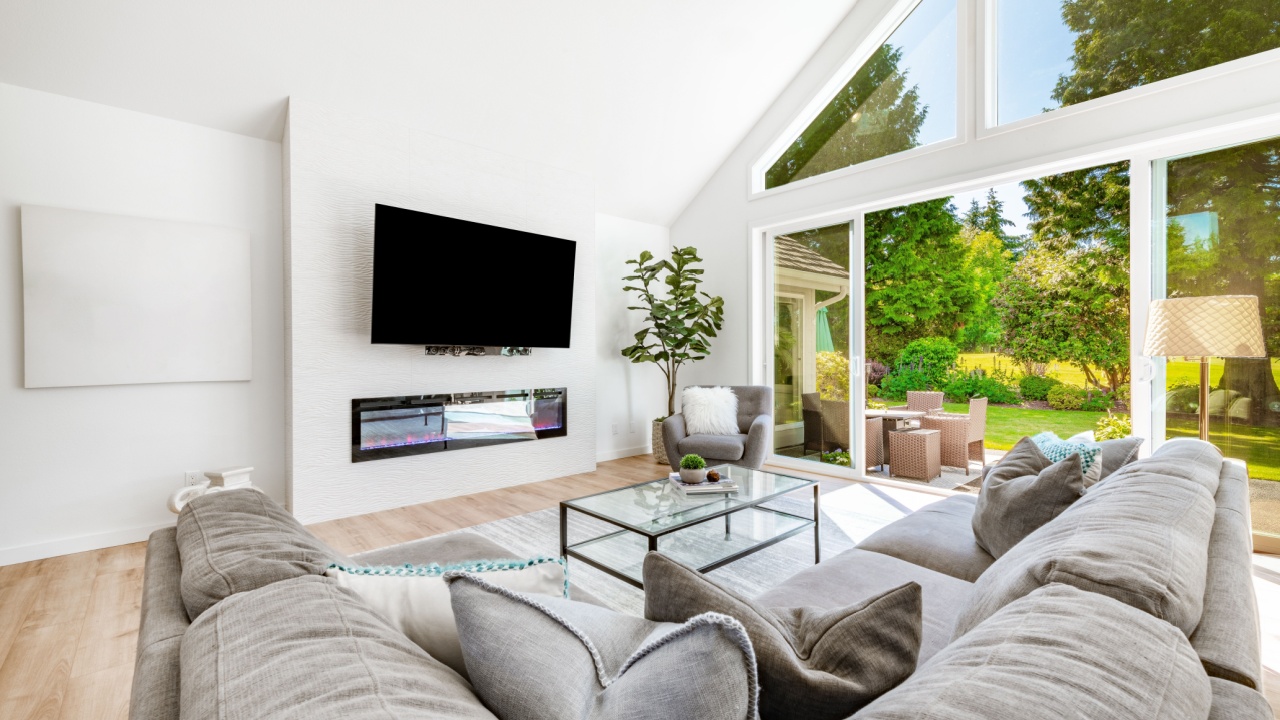
Image Credit: Shutterstock.
Bare floors, especially in large, open-concept spaces, can make a room feel cold, undefined, and echoey. Without a rug, furniture can seem like it’s floating aimlessly in the space, and the room may lack a sense of cohesion and warmth.
Area rugs are powerful tools for defining spaces, adding texture and color, and making a room feel cozier and more complete. In an open-plan home, a rug can clearly delineate the living area from the dining area. It anchors the furniture and ties the whole design scheme together.
Choose a rug that is large enough for the space. In a living room, at least the front legs of your sofa and chairs should sit on the rug. The rug should complement your neutral wall color but can be a place to introduce a subtle pattern or a bit of color.
Quick Fix:
- Define the Zone: Use a rug to anchor a furniture grouping.
- Get the Size Right: Ensure the rug is large enough to fit under the front legs of your furniture.
- Add Warmth: Use the rug to add texture and a touch of color.
16. Following Fleeting Trends

Image Credit: Shutterstock.
It might seem smart to stage your home with the latest and greatest trends, but this can backfire. Ultra-trendy decor and finishes can be polarizing and may go out of style quickly. What looks fashionable today might look dated to a buyer in six months, suggesting that they’ll need to spend money on updates.
Timeless, classic style has the broadest appeal. It creates a look that is sophisticated and move-in ready, without tying the home to a specific, fleeting moment in design. Buyers can more easily envision their own furniture, whether it’s modern or traditional, in a classically styled space.
Stick with classic furniture shapes and a neutral color palette. Avoid trendy design elements like accent walls in a bold, “color-of-the-year” shade or highly specific finishes. The goal is to create a look that is stylish but not pigeonholed into a particular trend.
Quick Fix:
- Choose Classic Over Trendy: Opt for timeless furniture and decor.
- Stick to Neutrals: Avoid highly specific or loud color and pattern trends.
- Broaden Appeal: Aim for a look that will appeal to the largest number of buyers.
17. Not Making a Strong First Impression in the Entryway

Image Credit: Shutterstock.
The entryway is the first space buyers step into, and it sets the stage for their entire tour. A dark, cramped, or cluttered entryway can create an immediate sense of disappointment and make the whole house feel unwelcoming.
A bright, clean, and welcoming entryway makes a powerful positive first impression. It signals to buyers that they are about to see a well-cared-for home. It should offer a preview of the style and quality they can expect to see throughout the rest of the house.
Ensure your entryway is brightly lit. If you don’t have a window, use a stylish overhead fixture or a lamp on a console table. Add a slim console table to provide a surface for a small plant or a bowl for keys. Place a mirror on the wall to reflect light and make the space feel larger. Keep it free of clutter like coats and shoes.
Quick Fix:
- Brighten Up: Ensure the entryway is well-lit with a lamp or overhead light.
- Add a Mirror: A mirror will make the space feel larger and brighter.
- Keep It Clear: Remove all clutter, including shoes, coats, and mail.
18. Not Hiring a Professional Stager

Image Credit: Depositphotos.com.
While you can certainly tackle staging yourself, it can be hard to view your own home objectively. You’re attached to your furniture and decor, and you may not see the flaws that a buyer would notice immediately. Trying to do it all yourself can be overwhelming and may lead to mistakes that cost you in the long run.
A professional home stager has a trained eye and a deep understanding of what today’s buyers are looking for. They can quickly identify what needs to be done to maximize your home’s appeal. Their expertise can save you time, reduce stress, and often lead to a faster sale at a higher price, providing a significant return on investment.
If your budget allows, consider a consultation with a professional stager. They can provide a detailed report of recommendations that you can implement yourself. For a bigger impact, hiring them for full-service staging can transform your property and give you a major competitive edge.
Quick Fix:
- Get an Objective Eye: A professional can see your home from a buyer’s perspective.
- Maximize ROI: Staging is an investment that can lead to a higher sale price.
- Consider a Consultation: Even a one-time meeting can provide a valuable action plan.
Designing a Space That Sells and Help You Move On

Image Credit: Shutterstock.
Successfully staging your home is one of the most powerful steps you can take toward a quick and profitable sale. By avoiding these 18 common mistakes, you can create an environment that resonates with buyers and highlights your property’s full potential.
Now that you understand what to avoid, your next step is to create a clear action plan. Walk through your home, room by room, and make a checklist based on the advice above. Start with the most impactful, low-cost changes like decluttering, deep cleaning, and maximizing light. Then, move on to bigger tasks like painting or addressing your curb appeal. Don’t be afraid to ask for help, whether it’s from friends for a weekend of packing or from a professional for expert guidance. With a little effort, you can ensure your home is perfectly presented to win over buyers.