

Keeping your home spotless doesn’t have to feel like climbing Mount Everest every weekend. The secret isn’t working harder—it’s working smarter by eliminating habits that create unnecessary mess and extra work. Whether you’re juggling a full-time job, raising kids, or simply want more time to enjoy your beautiful backyard garden, these simple changes will transform your cleaning routine from a dreaded chore into a manageable task.
After years of battling dust bunnies and clutter, I discovered that the real game-changer wasn’t buying fancy cleaning products or spending hours scrubbing. It was identifying and stopping the habits that made cleaning harder in the first place. From tracking dirt through the house to letting spills sit until they become permanent stains, these seemingly small habits compound into major cleaning headaches.
Ready to reclaim your weekends and maintain a home that stays cleaner with less effort and headache? Let’s look at 17 habits that are secretly sabotaging your cleaning routine, according to trusted professional cleaners, and how to break them for good.
1. Leaving Shoes On in the House
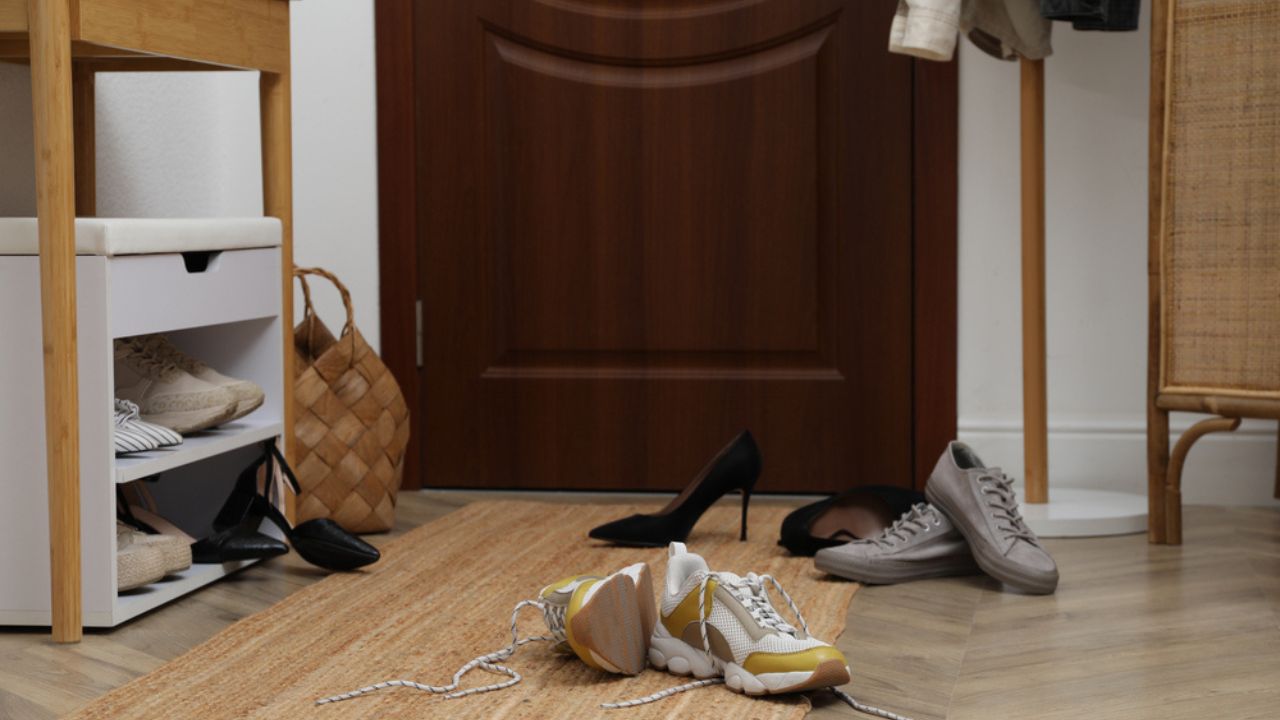
Image Credit: Depositphotos.com.
Your shoes are like tiny dirt magnets, collecting everything from sidewalk grime to garden soil as you move through your day. When you wear them indoors, you’re essentially giving your floors a daily coating of outdoor debris, pet waste particles, and even harmful bacteria. This habit forces you to vacuum and mop far more frequently than necessary. Outdoor dirt is abrasive and can permanently damage hardwood floors, while moisture from shoes can create the perfect breeding ground for mold in carpets.
Action Steps:
- Create a designated shoe station near your main entrance
- Invest in a waterproof mat or tray to catch drips
- Keep indoor slippers by the door for immediate comfort
- Train family members and guests by example
Quick Tip: Place a small bench near your entrance to make shoe removal more convenient and appealing.
2. Ignoring Spills and Stains
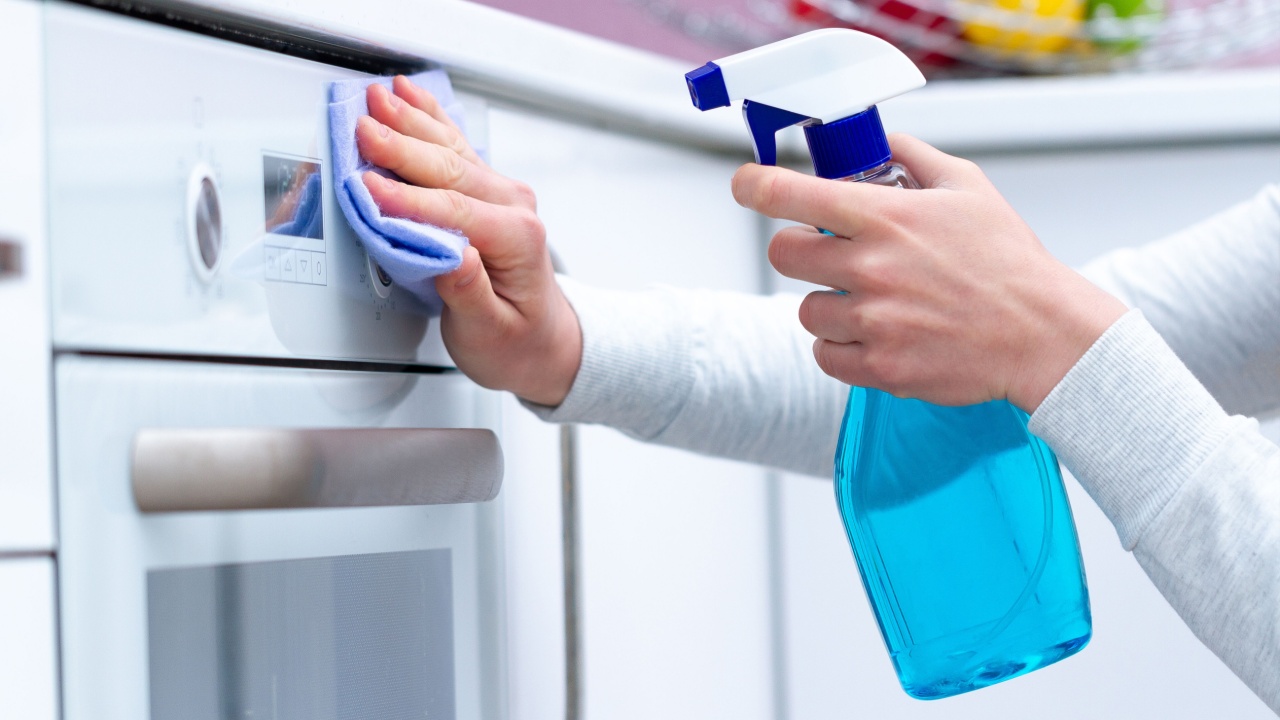
Image Credit: Shutterstock.
That “I’ll clean it later” mentality transforms minor accidents into major cleaning projects. Fresh spills wipe up in seconds, but once they dry, they often require special cleaners, scrubbing, and sometimes professional intervention. Wine spills set into fabric, grease spatters on stovetops, and juice drips on counters all become exponentially harder to remove with time. Heat, air exposure, and foot traffic can make temporary stains permanent fixtures in your home.
Action Steps:
- Keep cleaning supplies accessible in every major room
- Use the “clean as you go” method while cooking
- Address spills immediately, even if you’re in a hurry
- Stock up on versatile cleaners that work on multiple surfaces
Quick Tip: Keep a small cleaning caddy that you can grab and carry to any spill location instantly.
3. Hoarding Unnecessary Items

Image Credit: Shutterstock.
Reality check: every item in your home is something you have to clean, dust, or organize. Multiply that by hundreds of unnecessary objects, and you’ve created a cleaning nightmare. Clutter doesn’t just look messy—it makes every cleaning task take longer and feel more overwhelming. Excess belongings also trap dust, make surfaces harder to access, and create visual chaos that makes even clean spaces feel dirty. Studies show that people in cluttered environments experience higher stress levels and feel less satisfied with their homes.
Action Steps:
- Implement a “one in, two out” rule for new purchases
- Schedule monthly decluttering sessions
- Donate items you haven’t used in the past year
- Use the “does this spark joy?” test from Marie Kondo
Quick Tip: Take photos of sentimental items you don’t actually need to keep—you’ll preserve the memory without the clutter.
4. Not Using Liners in Trash Cans
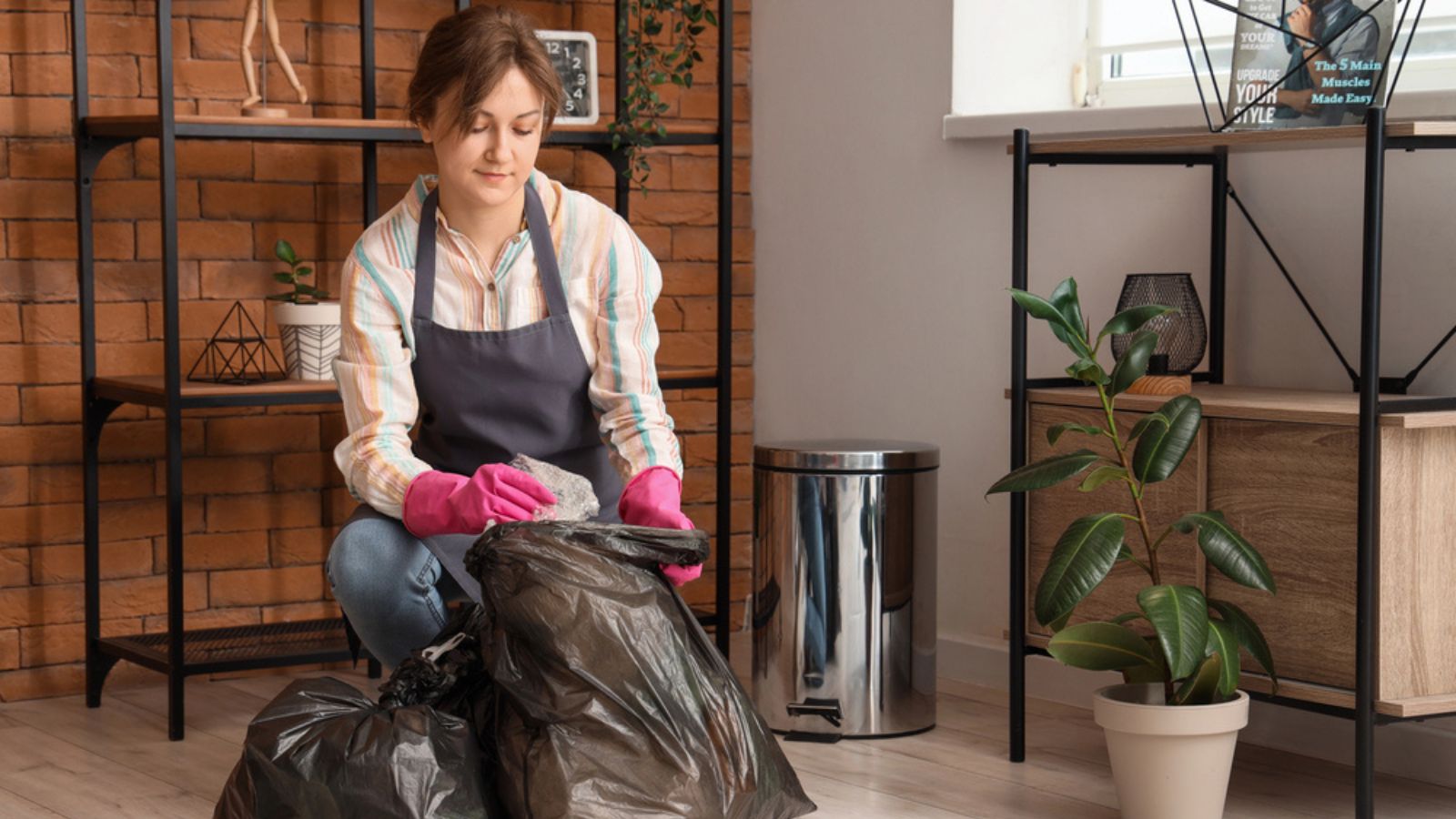
Image Credit: Depositphotos.com.
You might be trying to go “plastic-free” in your home and have opted to skip trash bags. Unfortunately, unlined trash cans become sticky, smelly repositories for leaked liquids, food residue, and bacteria. Without liners, you’re forced to scrub and sanitize trash cans regularly—a job that’s both unpleasant and time-consuming. Leaked liquids can stain plastic bins permanently, while organic matter creates odors that permeate your home. The money you might “save” by skipping liners gets eaten up by cleaning products and the time spent deep-cleaning containers.
Note: It’s up to you to decide what’s most important to your lifestyle goals, going plastic-free or having an easier to clean space, it’s up to you!
Action Steps:
- Buy trash bags in bulk to reduce the cost per liner
- Choose the right-sized bags to prevent overstuffing
- Double-line bins in messy areas like kitchens and bathrooms
- Replace liners immediately after emptying
Quick Tip: Keep extra liners at the bottom of each trash can so you never run out when it’s time to change them.
5. Leaving Dishes in the Sink
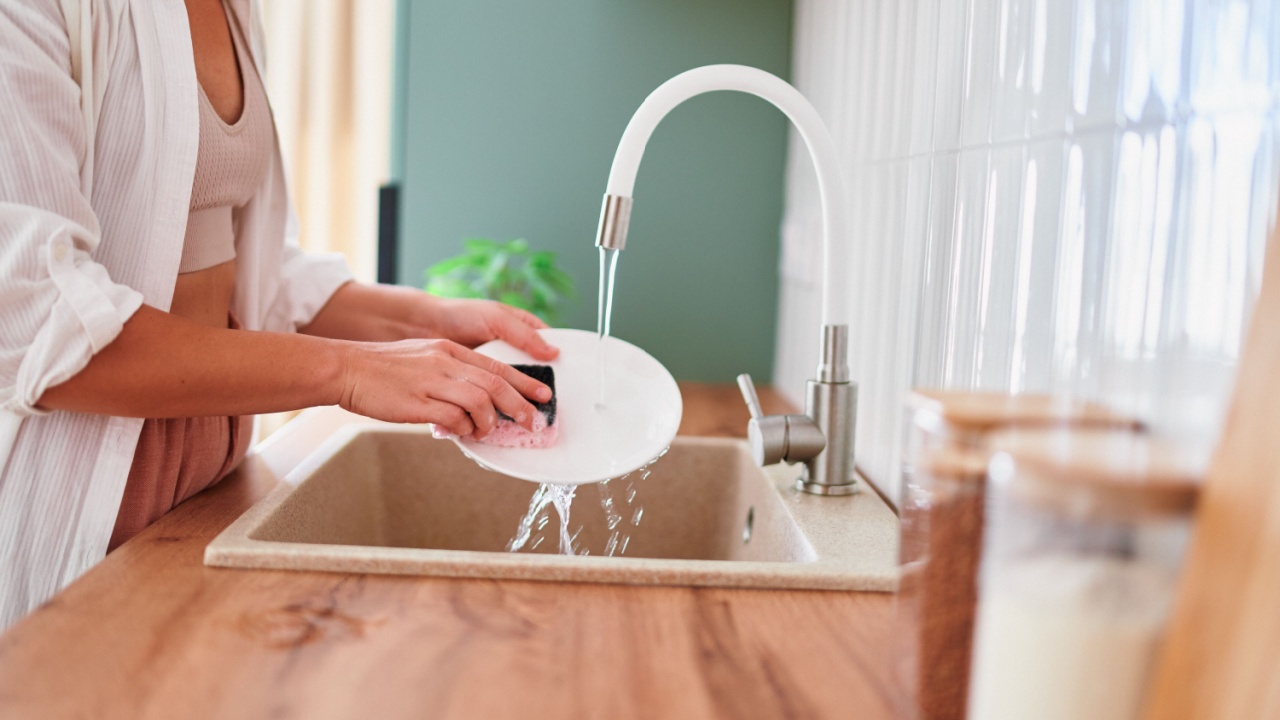
Image Credit: Shutterstock.
Dirty dishes multiply like rabbits—leave one bowl, and suddenly your entire sink is full. Dried food residue becomes cement-hard, requiring soaking time and extra scrubbing that could have been avoided with immediate washing. Standing water in sinks creates perfect breeding conditions for bacteria and can attract fruit flies and other pests. Stacked dirty dishes also block your sink, making other cleaning tasks more difficult.
Action Steps:
- Wash dishes immediately after eating when possible
- At a minimum, rinse dishes to prevent food from hardening
- Load the dishwasher throughout the day, not just at night
- Keep dish soap and a sponge within easy reach
Quick Tip: Set a timer for 5 minutes after each meal for a quick dish-washing sprint—you’ll be amazed at how much you can accomplish.
6. Using Too Much Cleaning Product

Image Credit: Depositphotos.com.
More isn’t always better when it comes to cleaning products. Excess soap, detergent, or spray cleaner leaves behind sticky residues that actually attract dirt and dust. This creates a cycle where you’re cleaning more frequently but never achieving truly clean results. Over-application of cleaning products also wastes money and can damage surfaces over time. Harsh chemicals in high concentrations can discolor fabrics, pit natural stone, and create buildup that’s harder to remove than the original mess.
Action Steps:
- Read and follow label instructions for proper dilution ratios
- Start with less product and add more only if needed
- Invest in quality microfiber cloths that work with minimal product
- Use measuring caps or spray bottles for consistent application
Quick Tip: For most surfaces, a few drops of dish soap in a bowl of water creates an effective, residue-free cleaner.
7. Not Cleaning Your Cleaning Tools
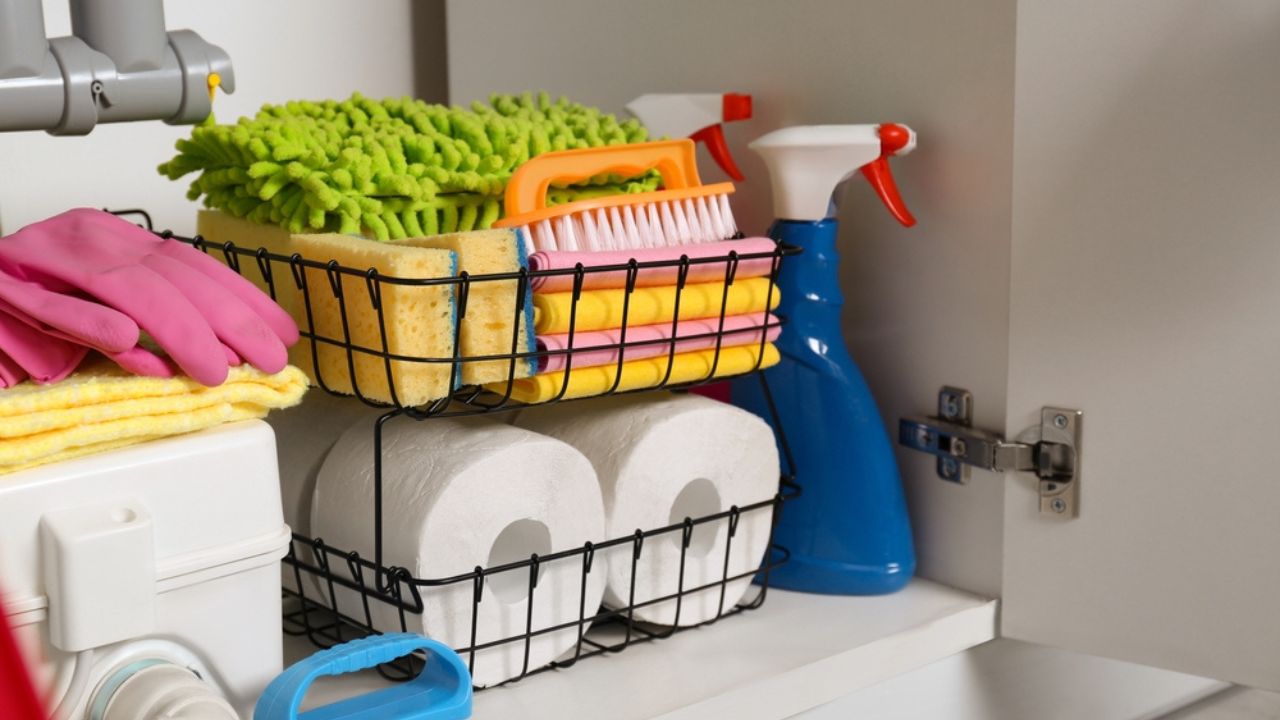
Image Credit: Shutterstock.
Dirty cleaning tools spread germs instead of eliminating them. A grimy mop pushes dirty water around floors, while a clogged vacuum loses suction and redistributes dust into the air you breathe. Neglected cleaning tools also wear out faster, forcing you to replace them more frequently. A well-maintained vacuum or mop can last years with proper care, while neglected tools may fail within months.
Action Steps:
- Rinse mops and cleaning cloths after each use
- Replace vacuum bags before they’re full
- Clean vacuum filters monthly or as recommended
- Store tools in clean, dry locations to prevent mold and odors
Quick Tip: Set monthly reminders on your phone to perform maintenance on all cleaning tools—your future self will thank you.
8. Not Organizing Your Stuff
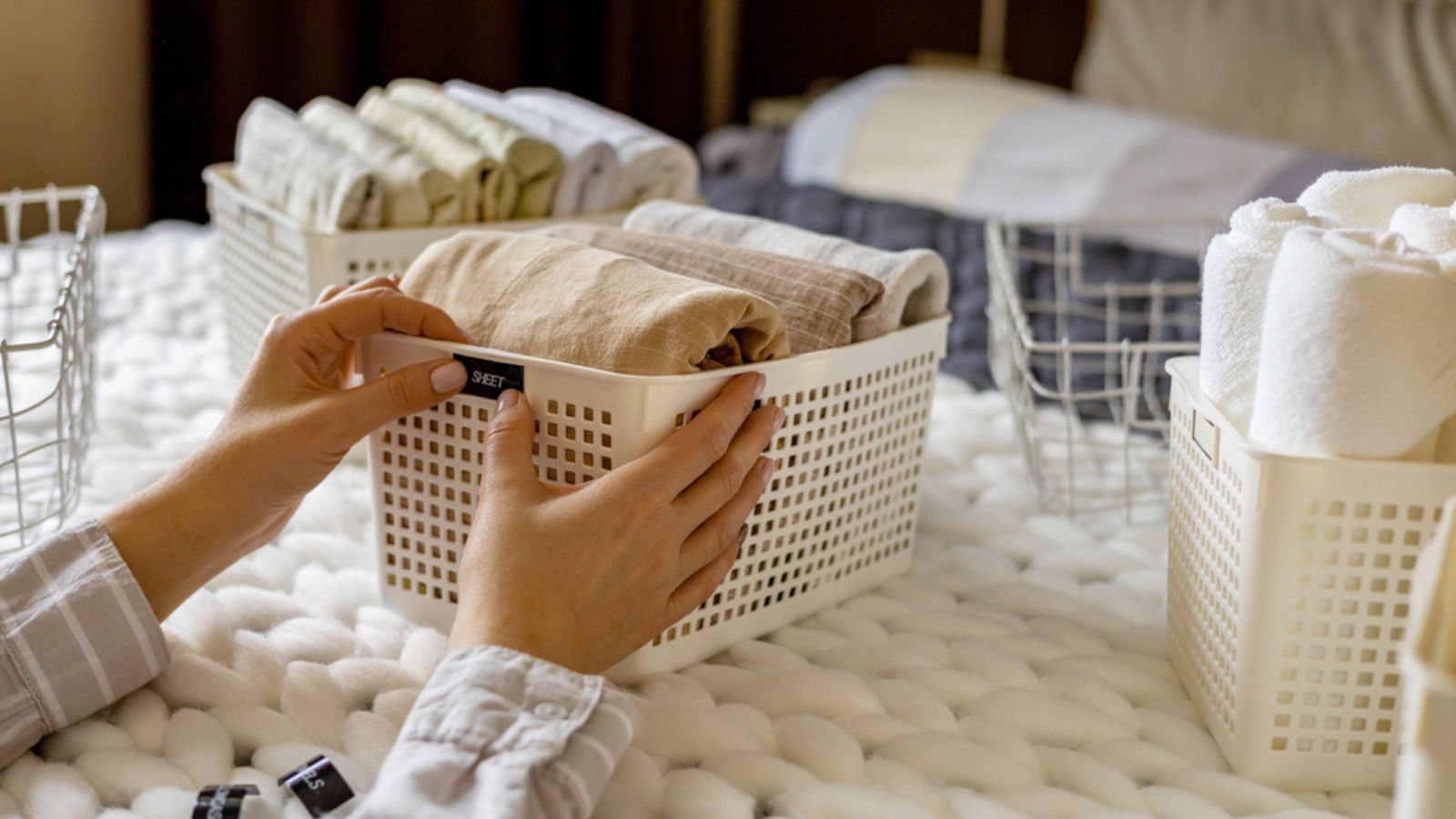
Image Credit: Depositphotos.com.
When everything has a designated home, cleaning becomes a simple matter of returning items to their proper places. Without organization systems, “cleaning” becomes a frustrating game of finding places to stash random objects. Disorganized spaces take longer to clean because you’re constantly moving items around to access surfaces. They also create visual clutter that makes rooms feel dirty even when they’re technically clean.
Action Steps:
- Label storage containers and shelves clearly
- Group similar items together (all batteries, all batteries, all craft supplies)
- Create landing zones for frequently used items like keys and mail
- Use vertical storage to maximize space efficiency
Quick Tip: Start with one small area, like a junk drawer, and let the satisfaction of organization motivate you to tackle larger spaces.
9. Not Cleaning Regularly
Image Credit: Shutterstock.
It should be obvious by now: cleaning becomes exponentially harder when you wait until your home looks visibly dirty. Daily maintenance prevents the buildup that turns simple dusting into major scrubbing sessions. Regular cleaning also prevents permanent damage. Soap scum that’s wiped away weekly comes off easily, but soap scum that sits for months may require professional removal or surface replacement.
Action Steps:
- Create a daily 15-minute tidying routine
- Assign specific tasks to specific days of the week
- Use timers to make cleaning sessions feel manageable
- Celebrate small wins to build sustainable habits
Quick Tip: Clean one room thoroughly each day rather than attempting to clean the entire house at once—it’s less overwhelming and more effective.
10. Not Dusting from Top to Bottom
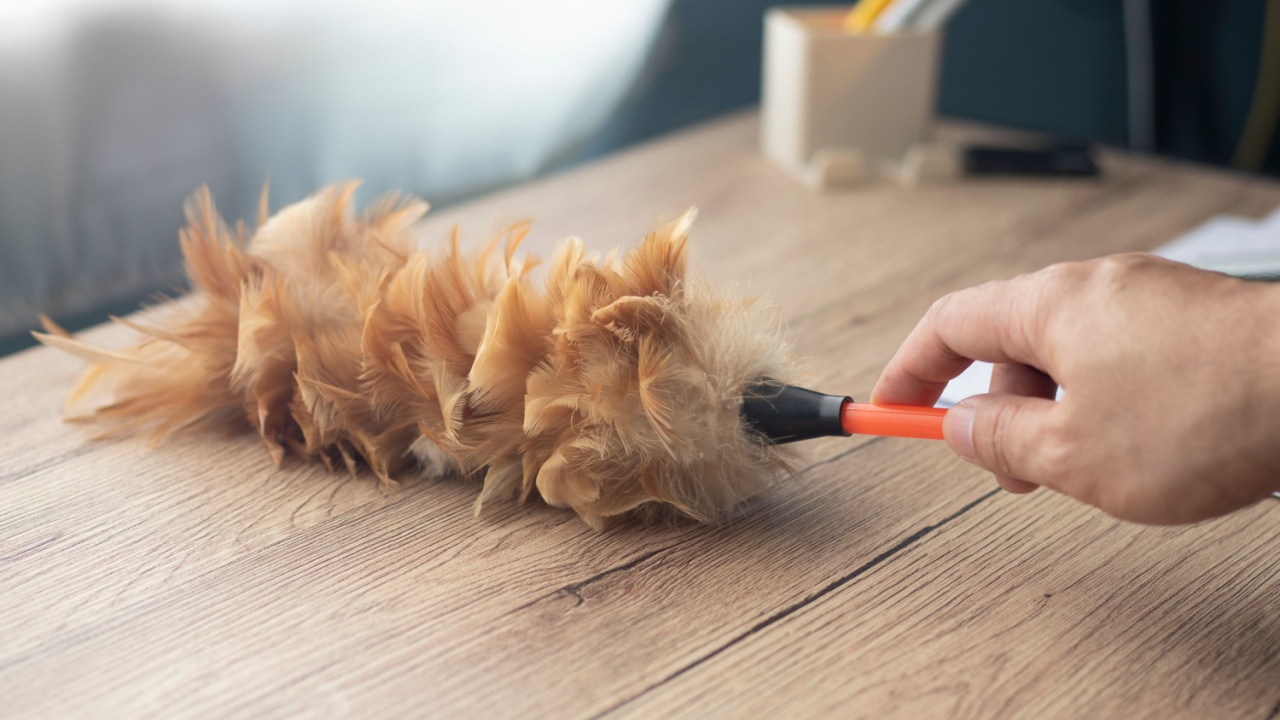
Image Credit: Depositphotos.com.
Gravity works against you when you dust bottom-to-top. All that carefully removed dust from higher surfaces settles right back onto the areas you just cleaned, forcing you to do double work. Starting at the bottom also kicks dust into the air, where it resettles on surfaces throughout the room. Professional cleaners always work top-to-bottom for maximum efficiency.
Action Steps:
- Begin with ceiling fans and light fixtures
- Work down to furniture surfaces, then floors
- Use damp microfiber cloths that trap dust instead of spreading it
- Open windows while dusting to help dust particles exit the room
Quick Tip: Dust in long, smooth strokes rather than circular motions to capture more particles with each pass.
11. Leaving Wet Towels Around

Image Credit: Shutterstock.
Wet towels left crumpled on floors or beds quickly develop musty odors and mildew. This forces you to wash them more frequently and may require special treatments to remove stubborn smells. Moisture from wet towels can also damage flooring and create humid conditions that encourage mold growth in bathrooms and bedrooms.
Action Steps:
- Install hooks or towel bars in convenient locations
- Spread towels out fully to promote faster drying
- Wash towels every 3-4 uses or sooner if they smell
- Consider investing in quick-dry towel materials
Quick Tip: Give towels a quick shake before hanging to fluff the fibers and improve air circulation for faster drying.
12. Not Cleaning Behind Furniture

Image Credit: Shutterstock.
The spaces behind and under furniture become dust warehouses that continuously release particles into your living space. This hidden dust contributes to allergies and makes your entire home feel less clean. Large furniture pieces can hide significant amounts of debris, pet hair, and even mold in humid conditions. Ignoring these areas means you’re only addressing part of your home’s cleaning needs.
Action Steps:
- Move lightweight furniture monthly for cleaning underneath
- Use vacuum attachments to reach behind heavy pieces
- Consider furniture sliders to make moving heavy items easier
- Schedule quarterly deep-cleaning sessions for hard-to-reach areas
Quick Tip: Use a flat mop or long-handled duster to clean behind furniture without moving it every time.
13. Not Changing Your Bedding Regularly
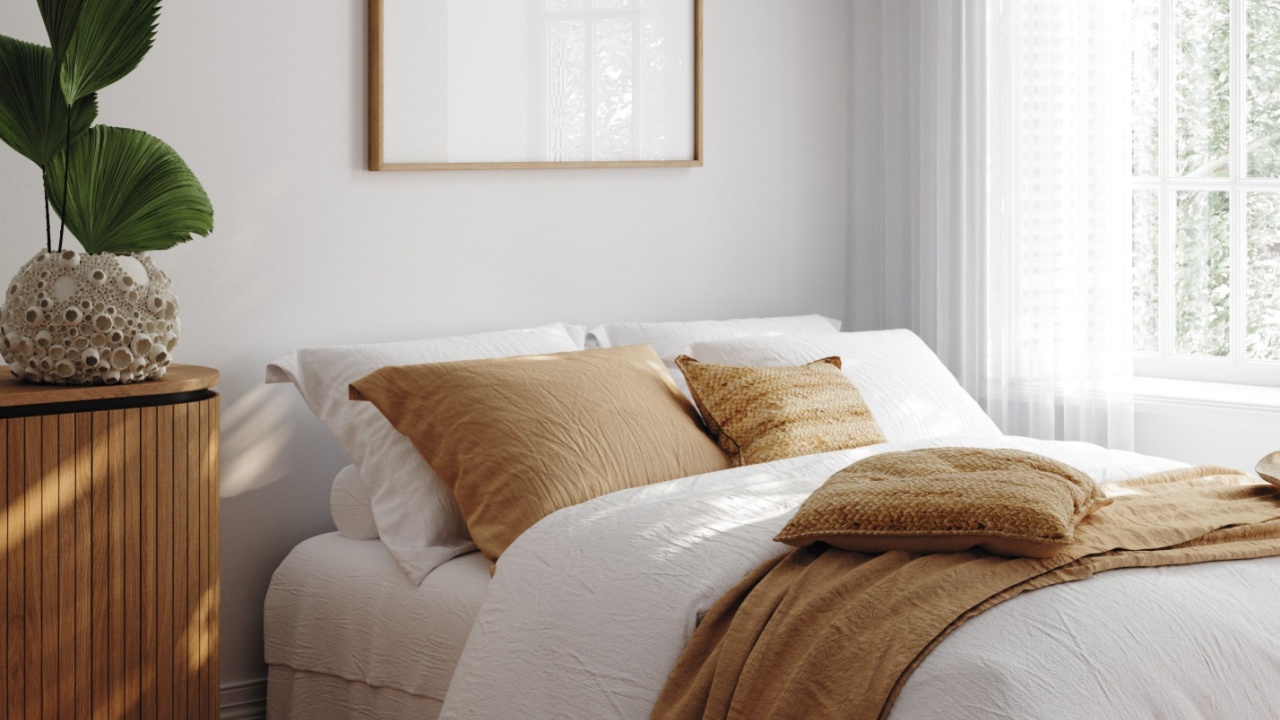
Image Credit: Shutterstock.
Your bed collects dead skin cells, body oils, dust mites, and moisture every night. Without regular washing, bedding becomes a breeding ground for allergens that affect sleep quality and overall health. Infrequent washing also makes stains and odors harder to remove, potentially ruining expensive sheets and comforters that could last years with proper care.
Action Steps:
- Wash sheets weekly in hot water to kill dust mites
- Rotate between two sets of bedding for convenience
- Wash pillows and comforters monthly or seasonally
- Use mattress protectors to extend the life of your mattress
Quick Tip: Strip beds first thing in the morning and immediately put them in the washer—you’ll have fresh bedding ready by bedtime.
14. Not Cleaning Your Pet’s Items

Image Credit: Shutterstock.
Pet toys, bedding, and food bowls harbor bacteria, parasites, and odors that affect your entire home. Dirty pet items can create health risks for both you and your furry friends. Pet hair and dander also accumulate on unwashed items, contributing to allergies and making your home feel less clean overall.
Action Steps:
- Wash pet bedding weekly with pet-safe detergent
- Clean food and water bowls daily
- Rotate pet toys and wash them regularly
- Vacuum pet areas more frequently than other spaces
Quick Tip: Keep pet cleaning supplies separate from your regular cleaning products to avoid cross-contamination.
15. Not Emptying Your Vacuum Cleaner
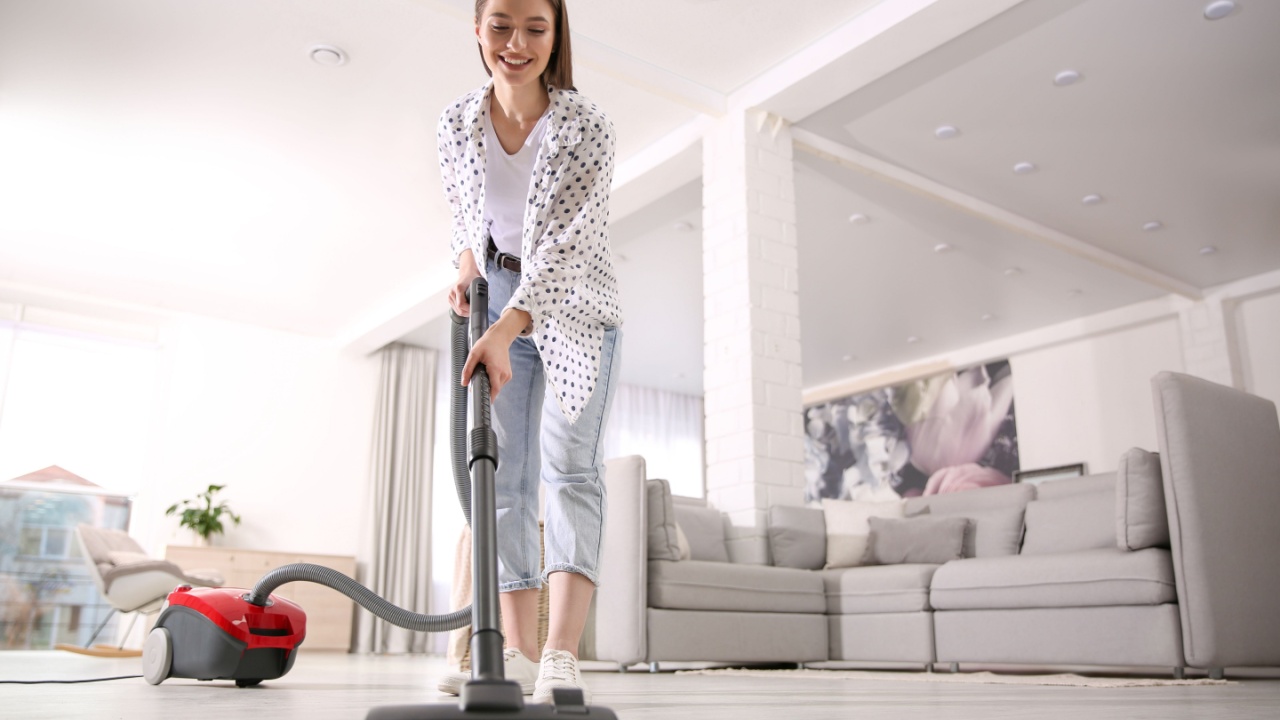
Image Credit: Shutterstock.
A full vacuum bag or canister reduces suction power dramatically, making your vacuuming efforts far less effective. Some debris may even get blown back into the room through the exhaust. Overfull vacuum canisters can also damage the motor and other components, leading to expensive repairs or early replacement.
Action Steps:
- Empty bagless canisters when they’re 2/3 full
- Replace vacuum bags before they’re full
- Clean filters according to manufacturer recommendations
- Check for clogs in hoses and attachments regularly
Quick Tip: Keep spare vacuum bags or wash spare filters so you’re never without a clean replacement when needed.
16. Not Wiping Down Surfaces Immediately After Use

Image Credit: Shutterstock.
Kitchen counters, bathroom sinks, and other frequently used surfaces accumulate grime throughout the day. When you wait until your weekly cleaning session to address them, simple spills become stubborn stains requiring extra time and stronger cleaners. Immediate wipe-downs prevent bacteria growth and keep surfaces looking clean between deep-cleaning sessions. This habit also prevents cross-contamination of germs between family members.
Action Steps:
- Keep disinfecting wipes or spray bottles in each room
- Wipe counters immediately after food preparation
- Clean bathroom sinks after each use
- Address spills and splatters as soon as they happen
Quick Tip: Make wiping down surfaces part of your routine—after cooking, before leaving the kitchen; after brushing teeth, before leaving the bathroom.
17. Bringing Garden Tools and Supplies Indoors Without Cleaning
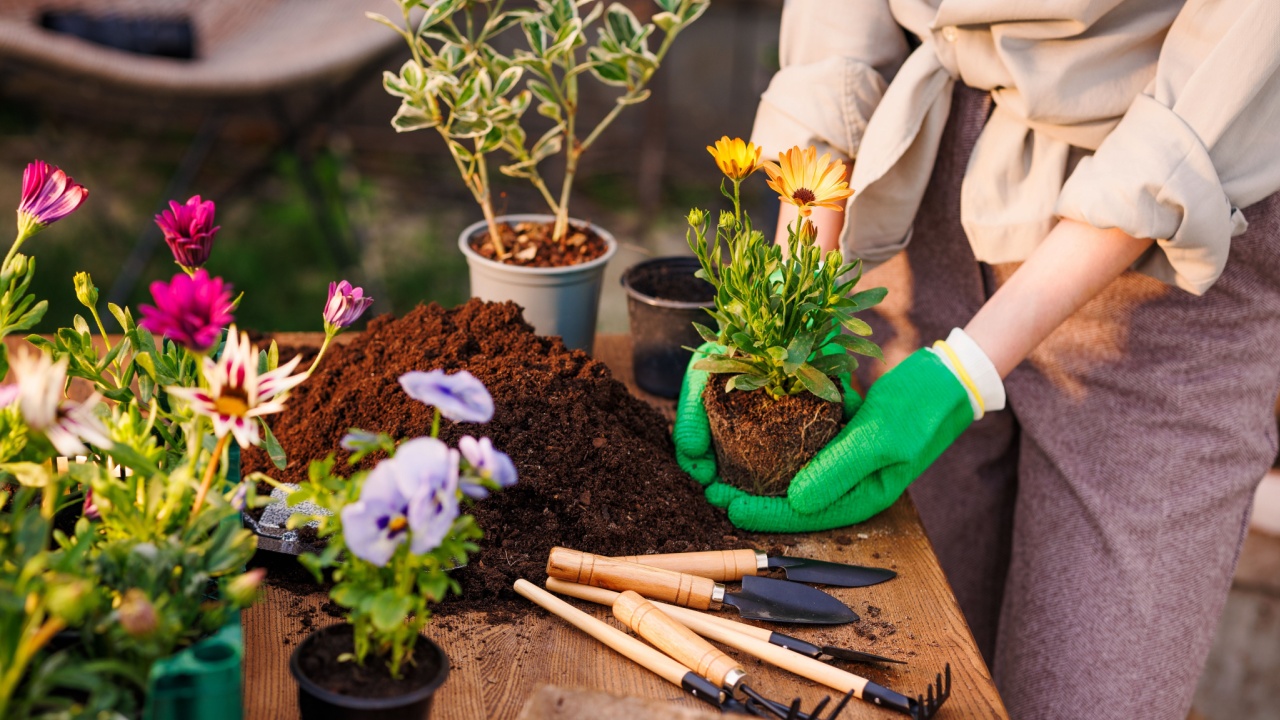
Image Credit: Shutterstock.
As garden enthusiasts, we often bring dirt-caked tools, muddy boots, and plant debris into our homes without thinking about the cleaning consequences. Garden soil contains microorganisms that can stain surfaces and create odors indoors. Wet or dirty gardening supplies can damage flooring, create tracking patterns throughout your home, and introduce pests or plant diseases to your indoor spaces.
Action Steps:
- Create a designated cleaning station in your garage or mudroom
- Keep a bucket of water and a brush for cleaning tools before storage
- Use outdoor mats to clean boots before entering
- Store gardening clothes separately from regular laundry
Quick Tip: Install a small outdoor sink or use a garden hose station for quick tool and boot cleaning before heading indoors.
Your Next Steps to a Cleaner Home
Image Credit: Shutterstock.
Transforming your cleaning routine doesn’t happen overnight, but every small change compounds into significant results. Start by choosing just three habits from this list that resonate most with your current challenges. Master those before adding more—sustainable change happens gradually. Remember that the goal isn’t perfection; it’s progress.
Start with one small change, and watch as your home becomes the clean, serene sanctuary you’ve always wanted. The most successful people don’t work harder—they work smarter. Apply that same principle to your home maintenance, and discover just how much easier cleaning can be when you stop making it harder for yourself.