Great Smoky Mountains Warns Visitors After Several People Were Injured by Elk
Great Smoky Mountains National Park is warning visitors to stay away from elk after several people were recently injured by getting too close.
One person suffered a puncture wound to the arm over the weekend and was also cited for violating park rules. The National Park Service shared the warning on October 7.
According to NPS, it is illegal to get within 25 yards of an elk intentionally. Visitors must also move farther away if an animal changes its behavior because it is nearby.
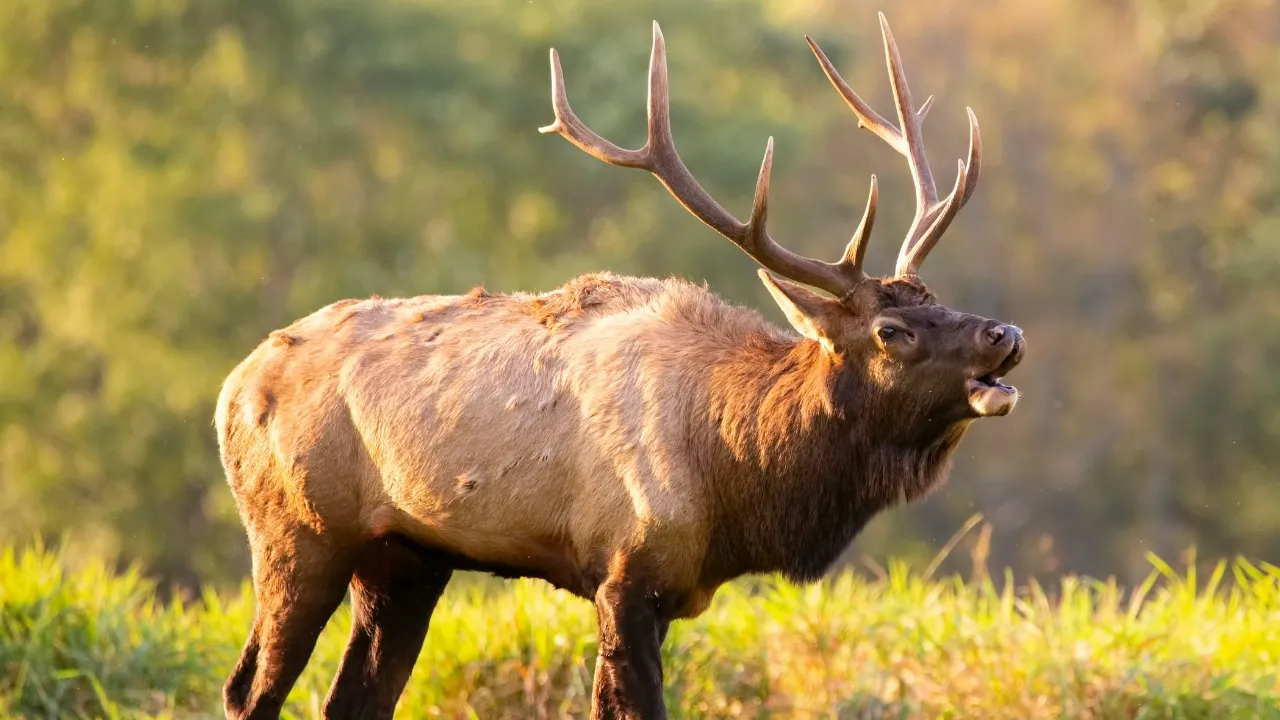
The warning comes during the fall rut, or elk mating season. Bulls can become more aggressive during this time, while cows are still protective of their calves.
One visitor was cited after getting hurt
Embedded media follows. Please allow a moment for it to load.
NPS did not provide details about all recent injuries, but said several visitors were hurt after getting too close to elk.
The person injured over the weekend suffered an arm puncture. Rangers also issued that visitor a citation.
The park says visitors are responsible for keeping enough distance, even when the elk moves closer. If that happens, NPS says to back away calmly. Fields around Oconaluftee and Cataloochee are also closed to visitors during the rut.
Bull elk can weigh up to 1,000 pounds
Elk are the largest animals in Great Smoky Mountains National Park, and bulls can weigh as much as 1,000 pounds.
During the rut, bulls bugle and use their antlers while competing with other males. The park says the higher testosterone levels at this time of year can also make them more defensive around people, pets, and vehicles.
The rut usually runs from early September through late October. NPS says you can sometimes hear the bugling calls from more than a mile away.
Visitors are most likely to see elk around Cataloochee, Oconaluftee and Balsam Mountain. NPS says early morning and late evening are usually the best times to look for them.
Elk returned to the Smokies in 2001
Elk once lived throughout the southern Appalachian Mountains but disappeared from the area in the 1800s.
NPS began bringing them back to Great Smoky Mountains National Park in 2001, when it released 25 elk in Cataloochee Valley. Another 27 were added the following year.
Today, visitors can regularly see elk on the North Carolina side of the park. Anyone watching from the road should use a designated pull-off and get the entire vehicle out of traffic. NPS also tells visitors to stay in or near their vehicle when elk are close to the roadway.