
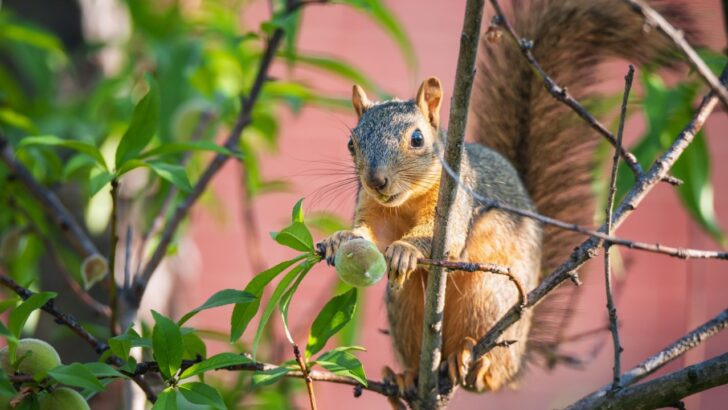
Squirrels may be cute, but they can wreak havoc in a garden. From nibbling on flowers to digging up bulbs, these critters are a common headache for gardeners. The good news? Nature provides plenty of plant-based solutions. By incorporating certain plants into your garden, you can create a natural barrier that keeps squirrels at bay.
Below are 17 plants that not only deter squirrels but also add beauty and functionality to your garden.
1. Daffodils
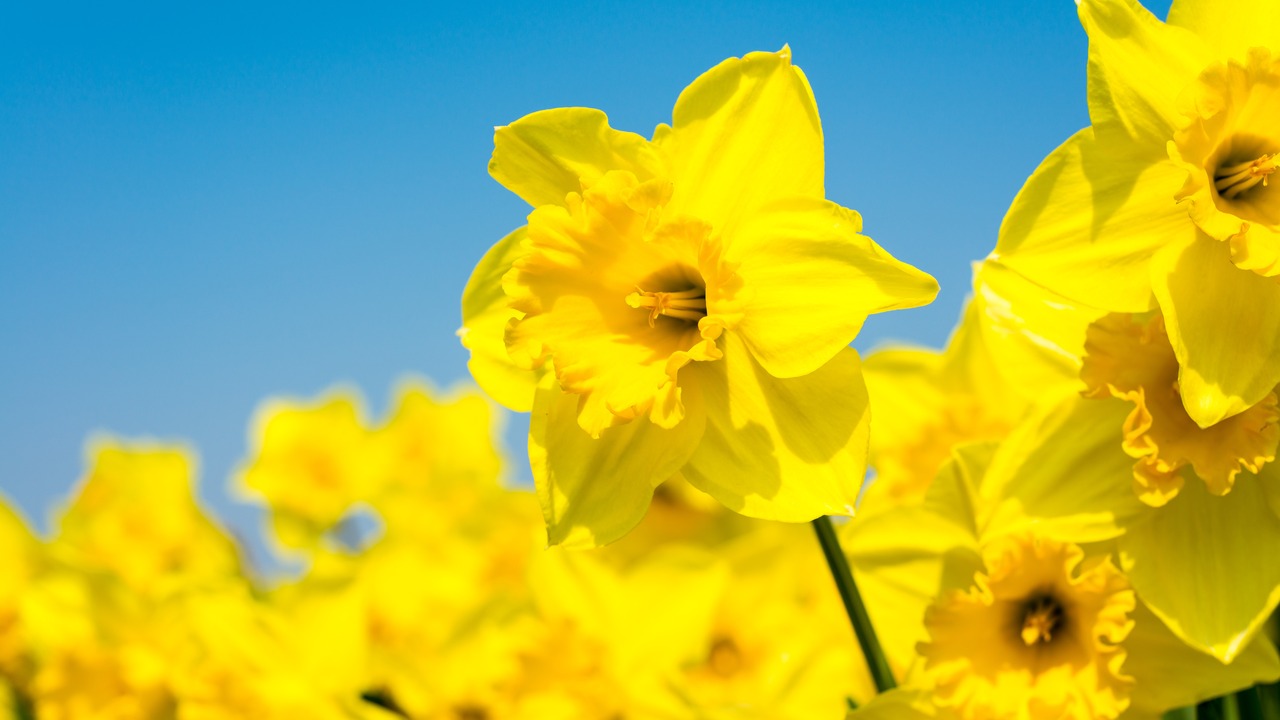
Image Credit: Shutterstock.
Daffodils not only brighten up your garden in early spring but also repel squirrels with their unappealing aroma and toxic compound, lycorine. Squirrels instinctively stay away from these flowers, which makes them a perfect choice for a natural barrier.
Plant daffodils in clusters around vegetable beds or garden borders. They thrive in well-draining soil and sunny to partially shaded areas.
2. Alliums
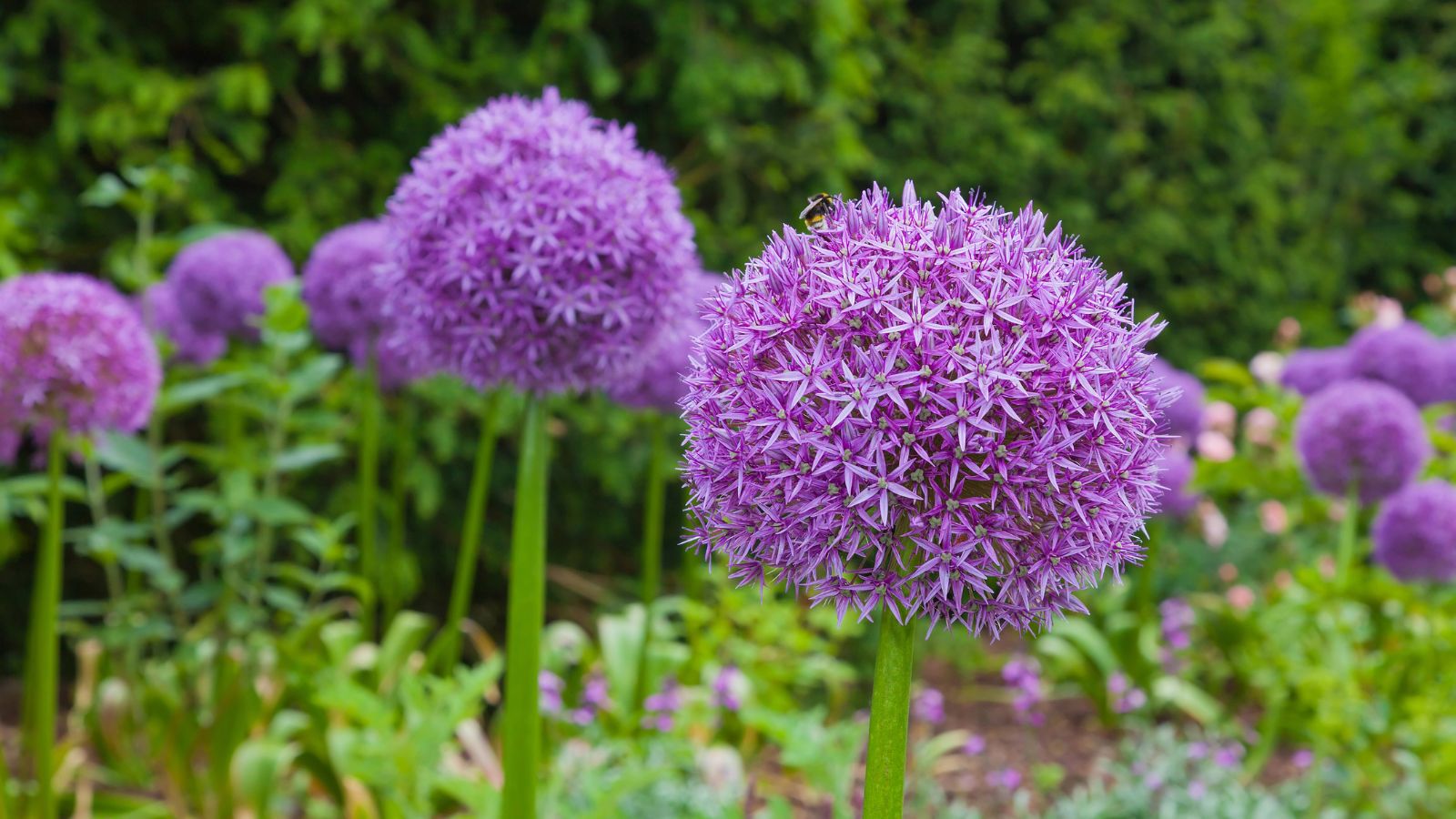
Image Credit: Depositphotos.com.
Part of the onion family, alliums have a strong scent (sulfurous) that squirrels dislike. With their towering stalks and round blooms, they’re both ornamental and effective.
Allium varieties like ‘Purple Sensation’ or Allium giganteum thrive in full sun and are perfect as a decorative barrier around your garden. Ensure the soil drains well to prevent bulb rot.
3. Fritillaries
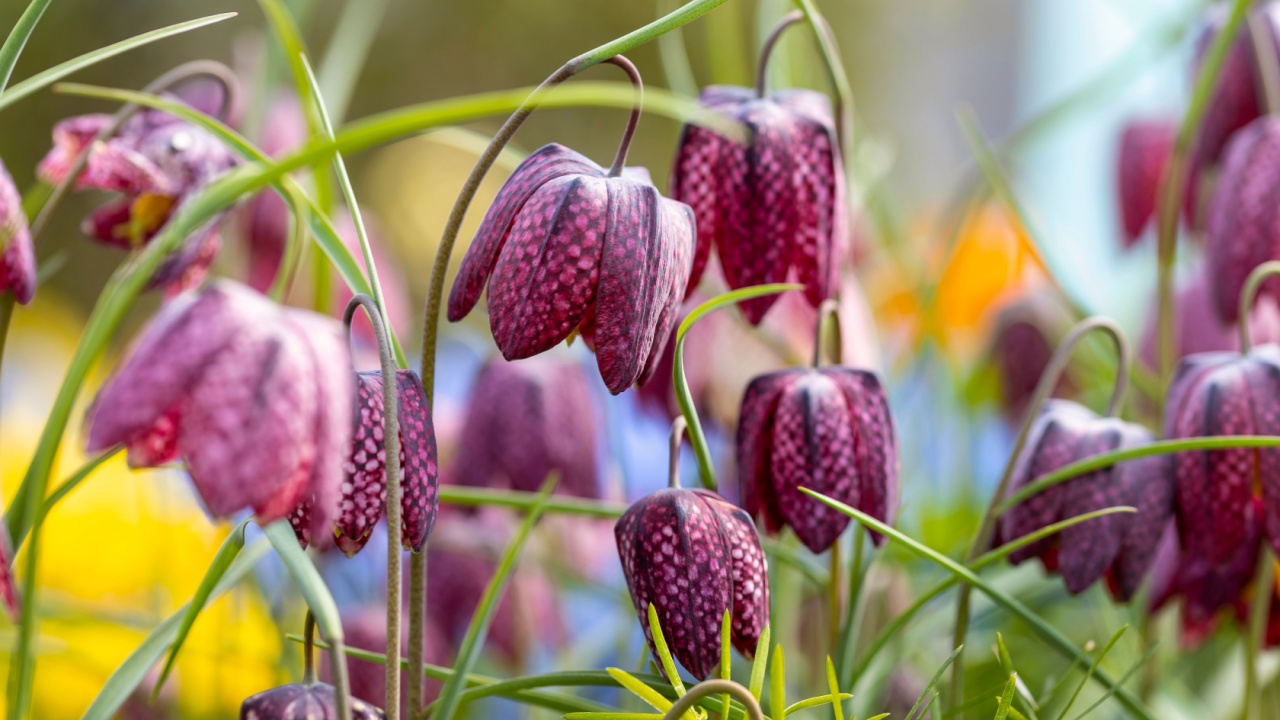
Image Credit: Shutterstock.
The unique checkerboard-patterned flowers of fritillaries make them a striking addition to any garden. Their slightly musky smell is a natural squirrel repellent.
Plant fritillaries in shaded areas with rich, moist soil. They work especially well along the edges of flower beds or vegetable patches.
4. Snowdrops (Galanthus)
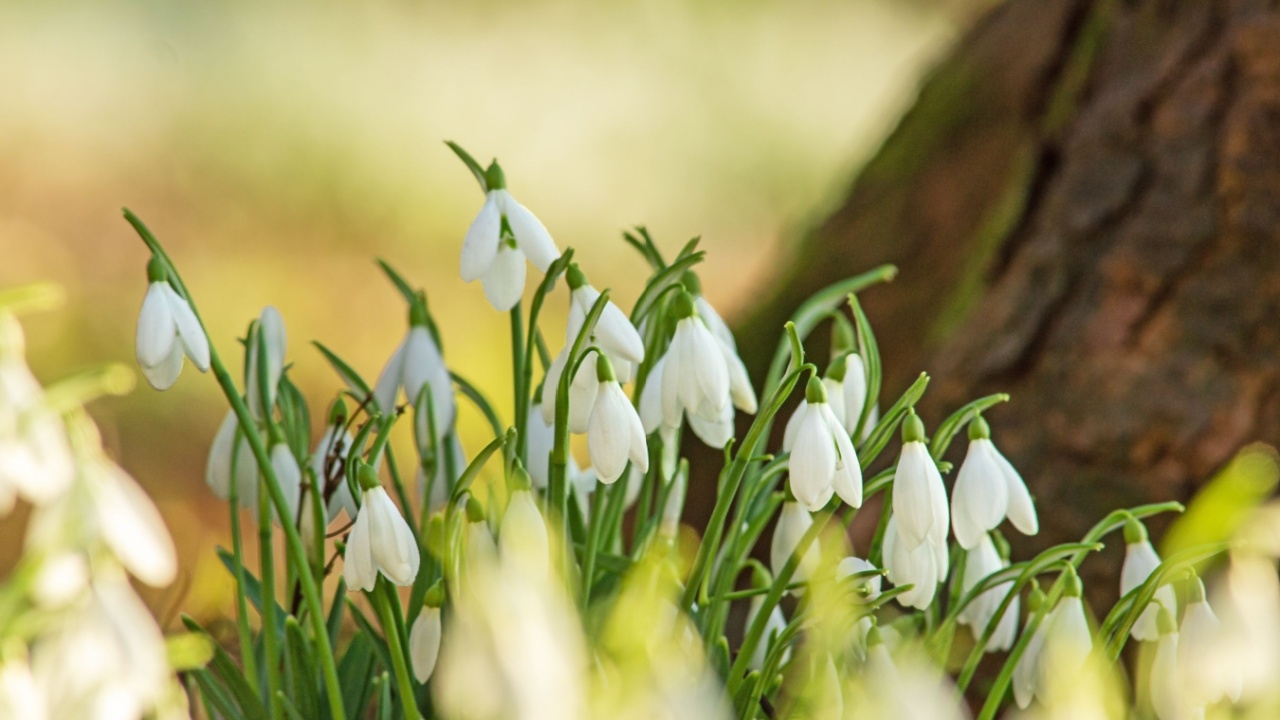
Image Credit: Shutterstock.
Snowdrops bloom in late winter or early spring and are effective at keeping squirrels at bay. These delicate flowers contain galantamine, which squirrels avoid.
They do best in well-draining, enriched soil and partially shaded areas, such as under trees. Consider planting them in clusters for an impactful display.
5. Hyacinths
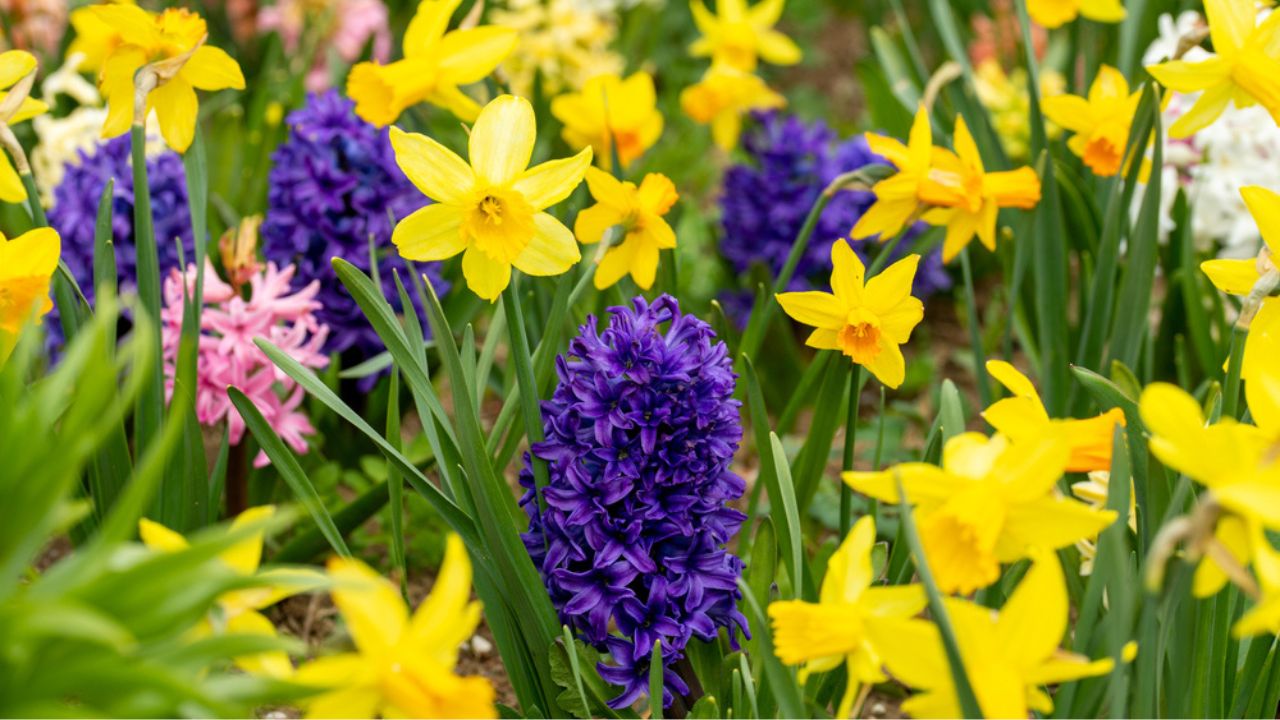
Image Credit: Shutterstock.
Known for their vibrant colors and strong fragrance, hyacinths are another excellent squirrel deterrent. The strong scent and slightly toxic bulbs make them unappealing to these critters.
Plant hyacinths in well-draining soil and full or partial sun. They look stunning along garden borders or in decorative pots.
6. Geraniums
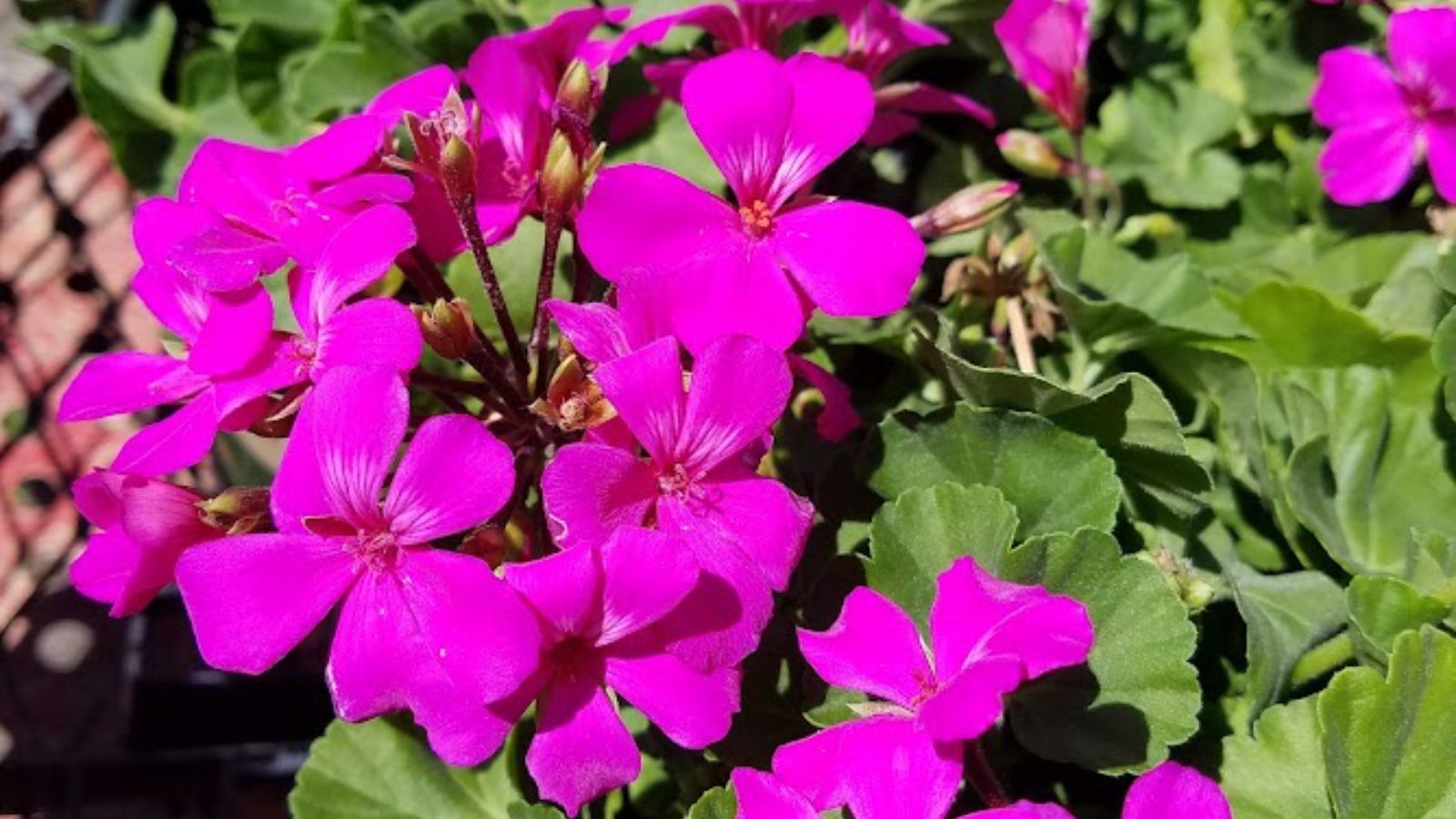
Image credit: Backyard Garden Lover.
Geraniums add cheerful color to any garden while keeping squirrels away with their potent smell and fuzzy leaves. However, some gardeners still find that a hungry enough squirrel might nibble on these.
These hardy plants thrive in pots or flower beds and are perfect for areas with full sun or partial shade. Geraniums are also drought-tolerant, making them a low-maintenance option.
7. Lily of the Valley
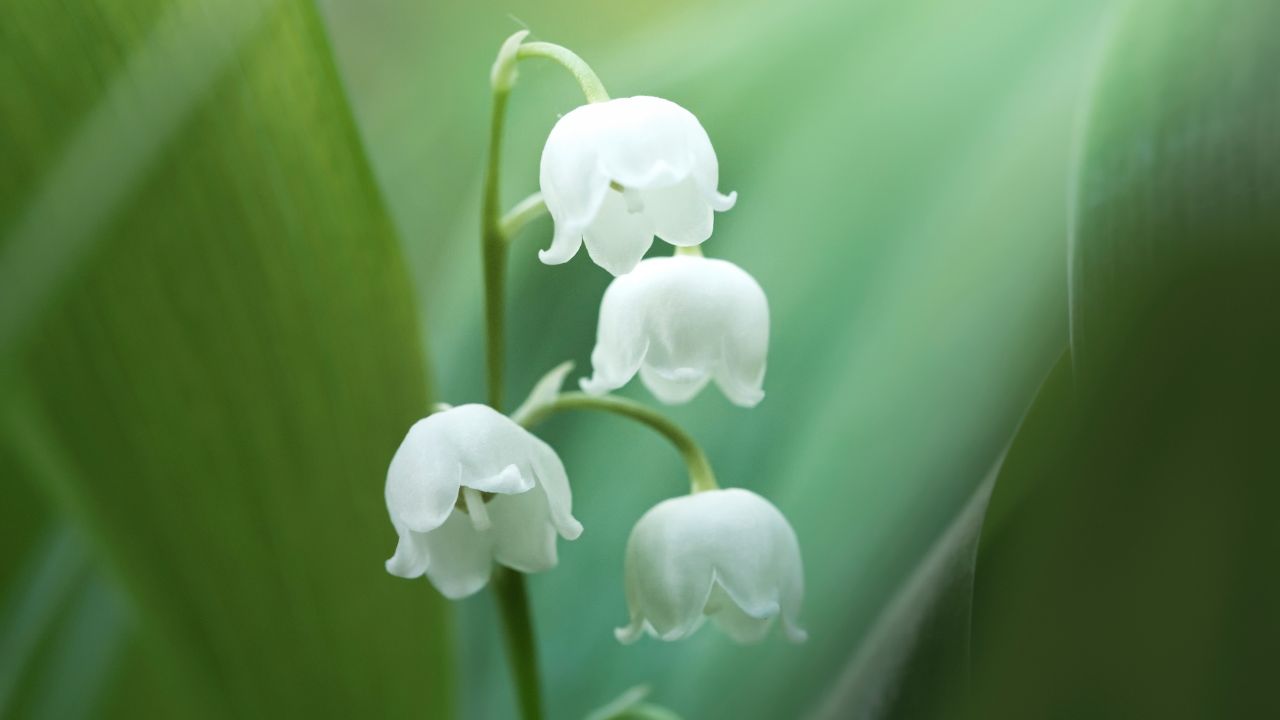
Image Credit: Shutterstock.
With its delicate bell-shaped blooms, Lily of the Valley emits a fragrance that squirrels find unappealing. However, this plant is toxic to both pets and humans, so plant it with care if you have animals or small children.
It grows well in shaded areas with moist soil, making it ideal for woodland gardens.
8. Marigolds
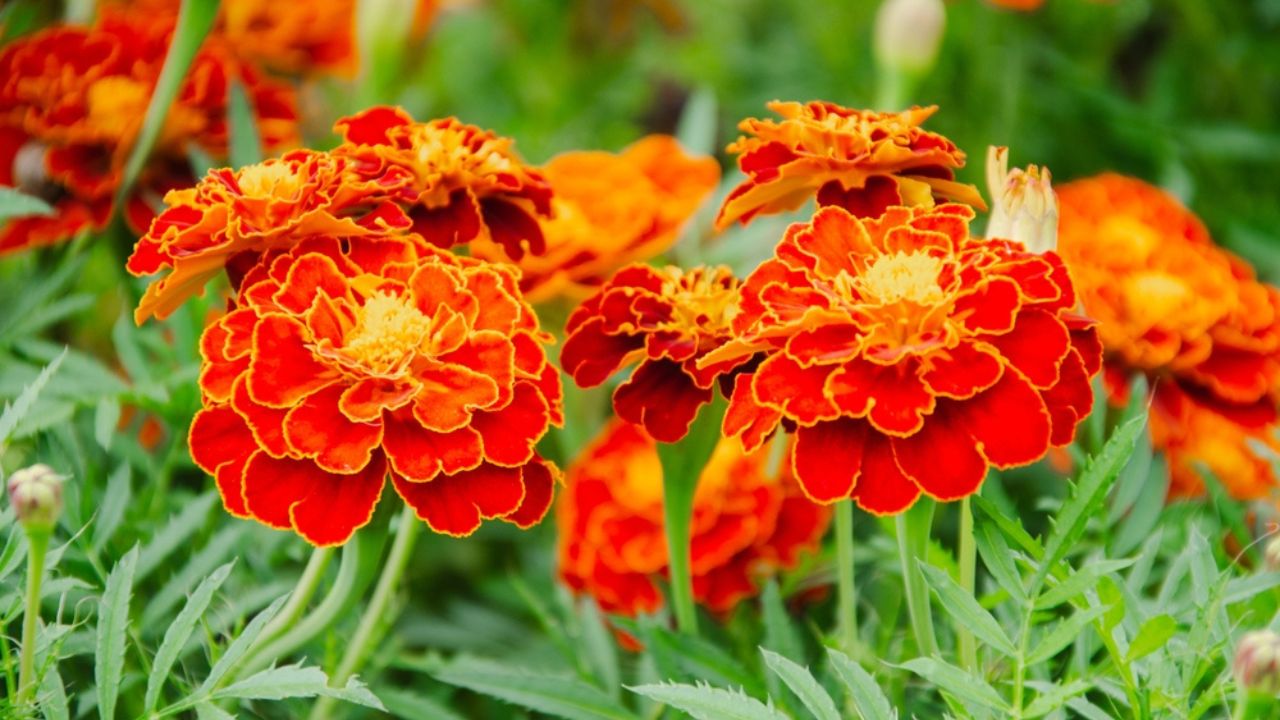
Image Credit: Shutterstock.
Marigolds are well-loved for their easy care and bright blooms, but they’re also effective at deterring squirrels. Their pungent aroma masks the scent of vegetables or fruits, making your garden less enticing.
Plant marigolds liberally around your crops or flowers. They thrive in sunny locations and require minimal watering.
9. Peppermint
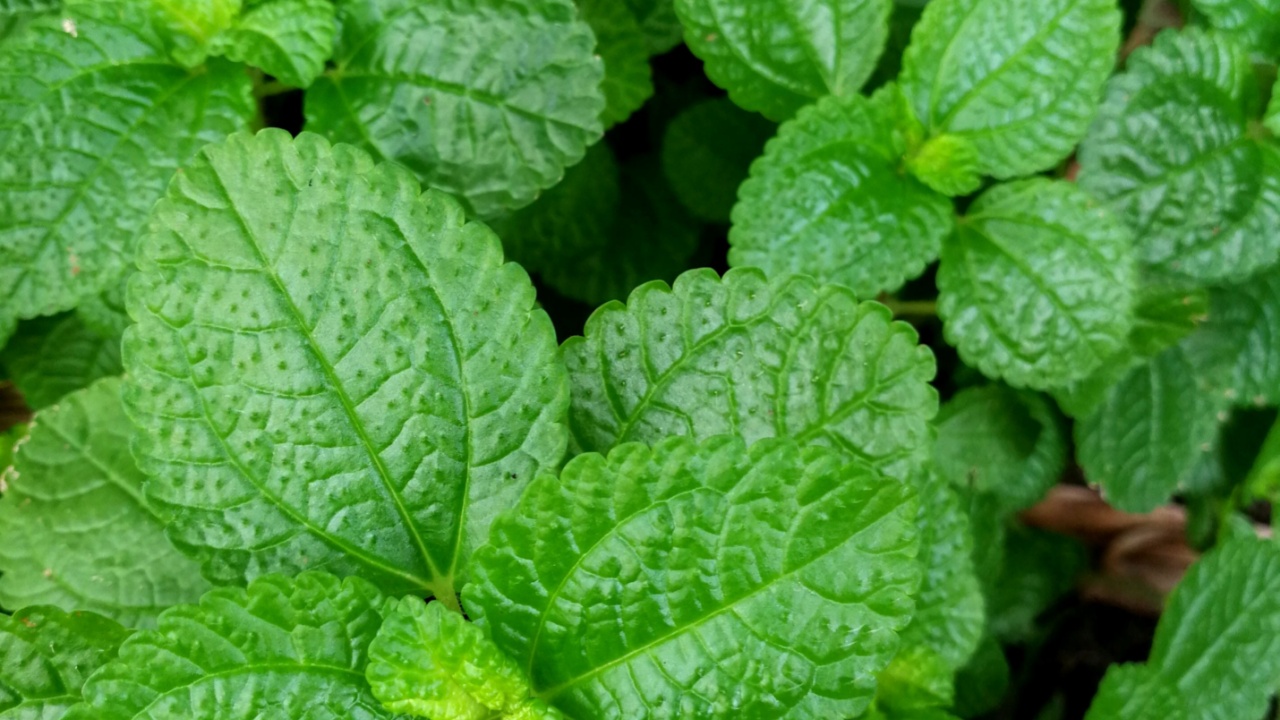
Image Credit: Shutterstock.
The strong, refreshing scent of peppermint overwhelms squirrels’ sensitive noses, making it an effective deterrent. However, since they aren’t toxic, squirrels may get used to the scent and require the other stronger options listed in 1 through 8.
Plant peppermint along garden borders or in pots to contain its spreading habit. Peppermint thrives in partial shade and moist, well-draining soil. Bonus: it can double as a kitchen herb!
10. Spearmint
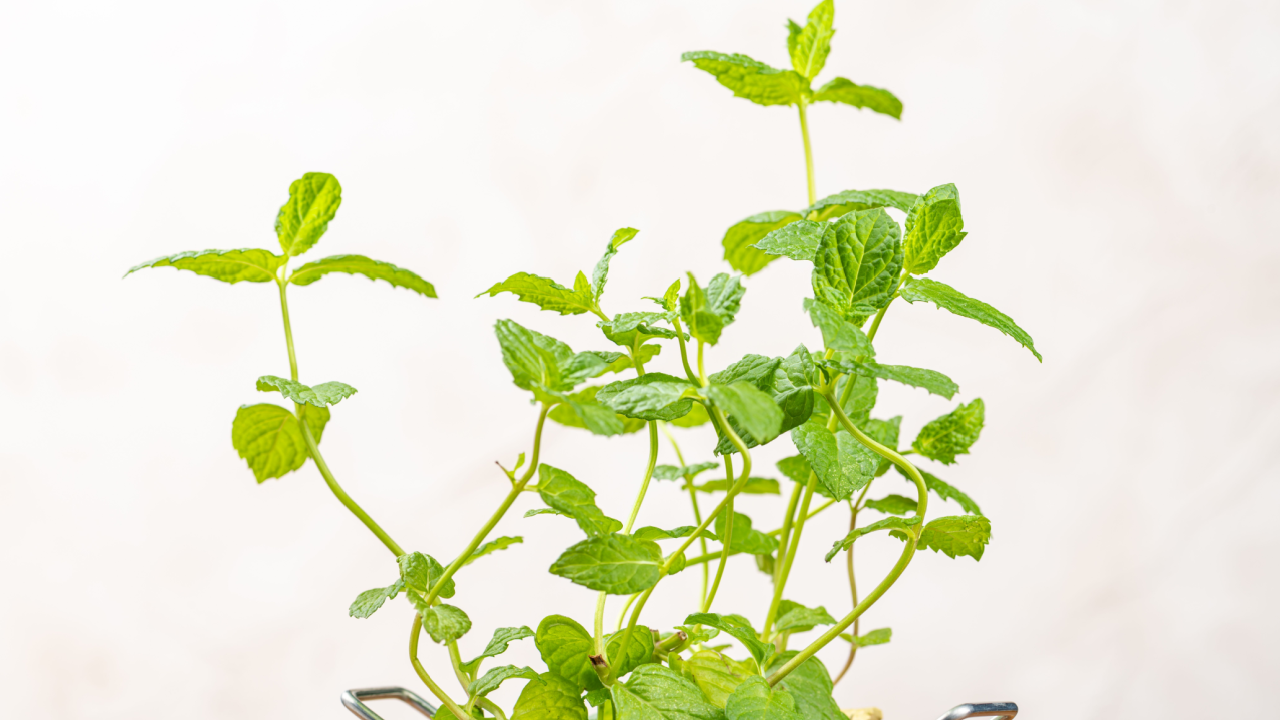
Image Credit: Shutterstock.
Like peppermint, spearmint is a reliable squirrel repellent (at least short term). Its powerful aroma discourages squirrels from approaching sensitive areas of your garden.
However, spearmint grows aggressively, so consider confining it to pots or raised beds. Provide plenty of water and sunlight for healthy growth.
11. Garlic

Image Credit: Shutterstock.
The potent aroma of garlic deters squirrels while offering the bonus of fresh bulbs for your kitchen. Plant garlic cloves throughout your garden to mask the scents of more attractive plants. Garlic thrives in well-drained soil with plenty of sunlight and is low-maintenance once established.
12. Capsicum (Hot Peppers)
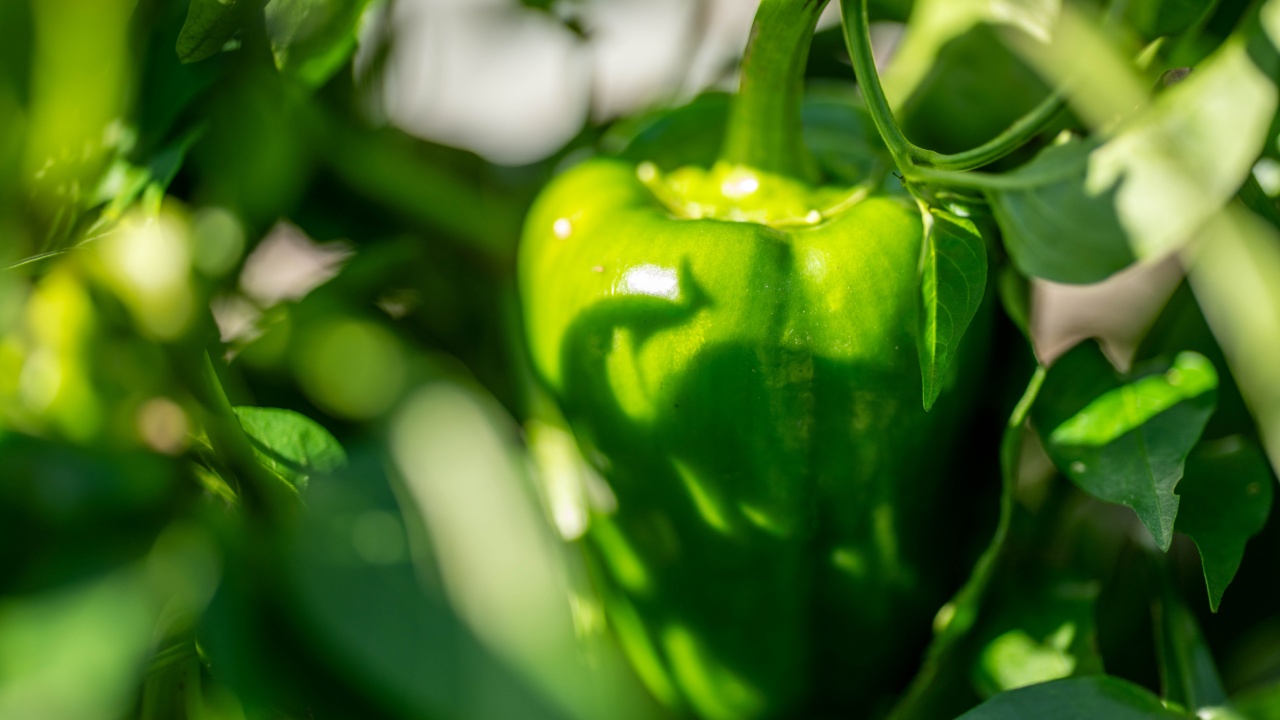
Image Credit: Shutterstock.
Hot pepper plants are more than just spicy—they’re an effective solution for repelling squirrels. The capsaicin in the plants irritates their senses.
Plant varieties like jalapeños or cayenne peppers around vulnerable areas. Ensure your peppers receive plenty of sunlight and regular watering. Wear gloves during handling to avoid skin irritation.
13. Rosemary

Image Credit: Shutterstock.
Rosemary’s woody fragrance confuses squirrels, making it a great addition to a protective plant lineup.
Grow rosemary in pots or as a groundcover around your garden borders. It thrives in well-drained soil with plenty of sunlight and can even be pruned into a decorative hedge.
14. Thyme
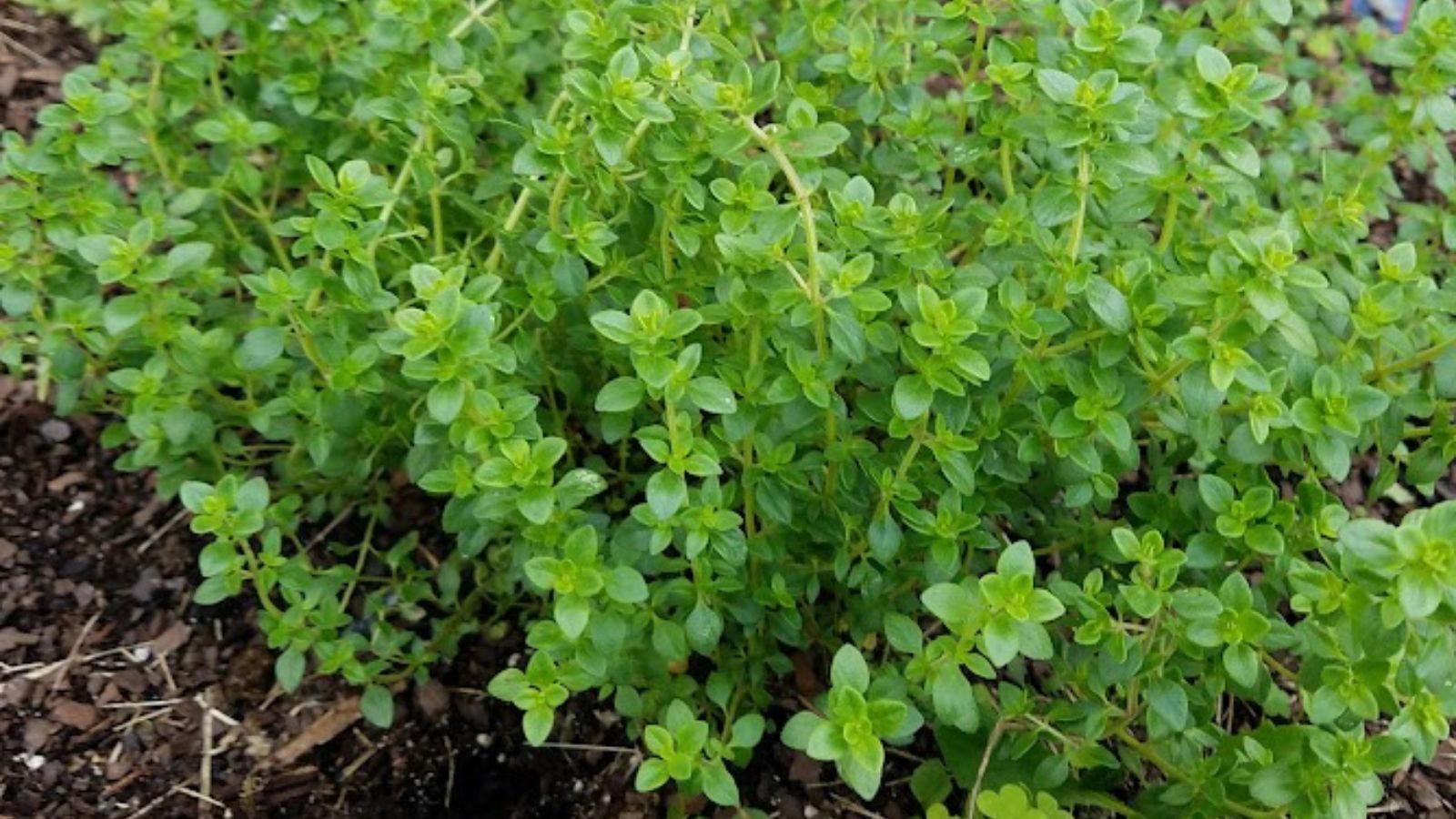
Image credit: Backyard Garden Lover.
Thyme’s strong scent and dense growth pattern make it an effective ground cover and squirrel deterrent.
This low-maintenance herb grows well in sunny spots with arid soil. Use it as a border for your garden beds or sprinkle it among more vulnerable plants.
15. Lavender
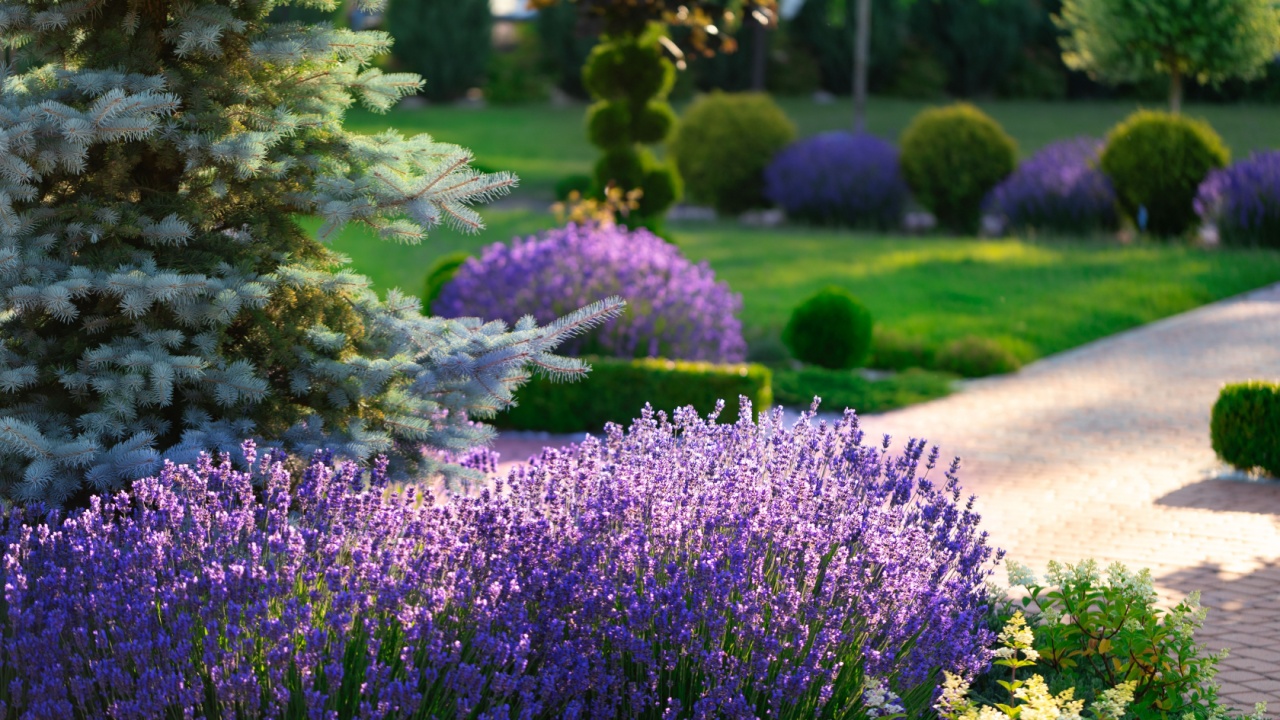
Image Credit: Shutterstock.
Squirrels steer clear of lavender due to its strong, calming fragrance. This plant is drought-tolerant and thrives in full sun with well-draining soil. Lavender also attracts beneficial pollinators like bees and butterflies, creating a balanced ecosystem in your garden.
Plant it along pathways or near entry points for maximum impact.
16. Nasturtiums

Image Credit: Shutterstock.
Nasturtiums are vibrant flowers that do double duty as a squirrel deterrent and companion plant for vegetables. Squirrels often dislike their slightly peppery scent, and bonus—they’re edible for humans!
Nasturtiums thrive in sunny spots with well-drained soil, growing quickly even in poorer conditions.
17. Chives
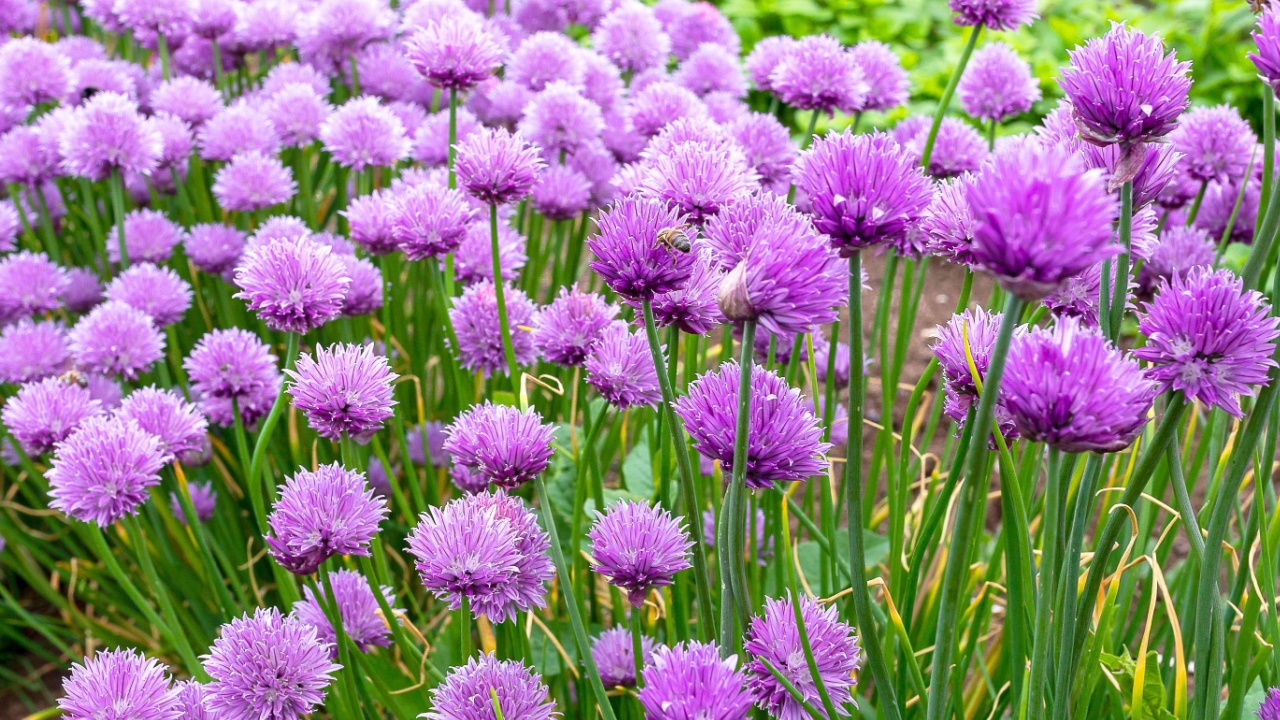
Image Credit: Shutterstock.
The onion-like smell of chives is a natural deterrent for squirrels, and their foliage provides year-round appeal. Plant chives in sunny areas with moist, well-draining soil. These hardy perennials return yearly, making them a practical, long-term solution for squirrel control. Plus, they’re a flavorful kitchen herb!
By carefully selecting and arranging these plants, you can create a garden that’s both beautiful and functional. Not only will you keep pesky squirrels at bay, but you’ll also enjoy a diverse and vibrant outdoor space.