
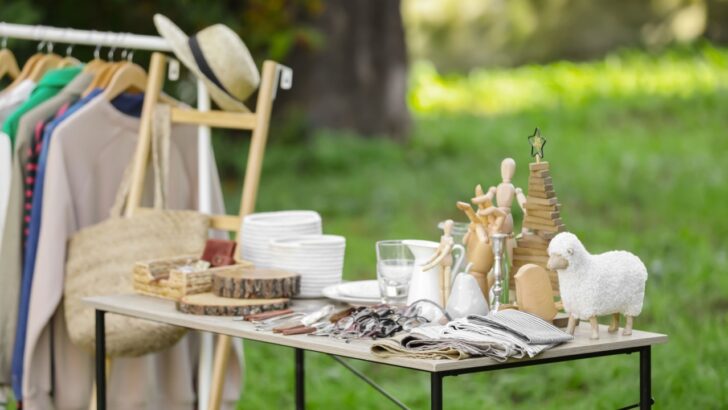
A successful garage sale is about more than just setting out a few tables and hoping for the best.
For those of us who love curating our homes and gardens, a garage sale is a chance to clear out the old to make way for the new. It’s an opportunity to pass on items that no longer serve us and find a few dollars to reinvest into our next garden project or home refresh. But the key to a profitable (and painless) sale is knowing what shoppers are actually looking for. Understanding the psychology of a garage sale buyer can mean the difference between a driveway full of treasures and a pile of leftovers you have to haul away.
This guide will walk you through the items that consistently get overlooked and the ones that fly off the tables. By focusing on what sells, you can streamline your efforts, maximize your profits, and get back to what you love—tending to your backyard oasis. We sourced our insight from sites that specialize in garage sales, flipping, thrifting, and digging for treasure to give you the best ideas possible.
What Not to Sell- 1. Used Mattresses and Bedding

Image Credit: Depositphotos.com.
Concerns over hygiene are the number one reason shoppers will walk right past used mattresses and bedding. No matter how clean you believe your items are, buyers are immediately wary of stains, odors, dust mites, and the dreaded possibility of bed bugs. These items are bulky, difficult for a buyer to transport, and carry too much risk for a small reward.
- Why It Doesn’t Sell: The “ick” factor is just too high. Shoppers can’t verify the history of the mattress or pillows, and the thought of sleeping on something used by a stranger is a major turn-off.
- Next Steps: Instead of trying to sell them, check with your local sanitation department. Many municipalities have specific days for large item or mattress disposal. Some recycling centers also accept mattresses to break them down responsibly.
2. Outdated Electronics
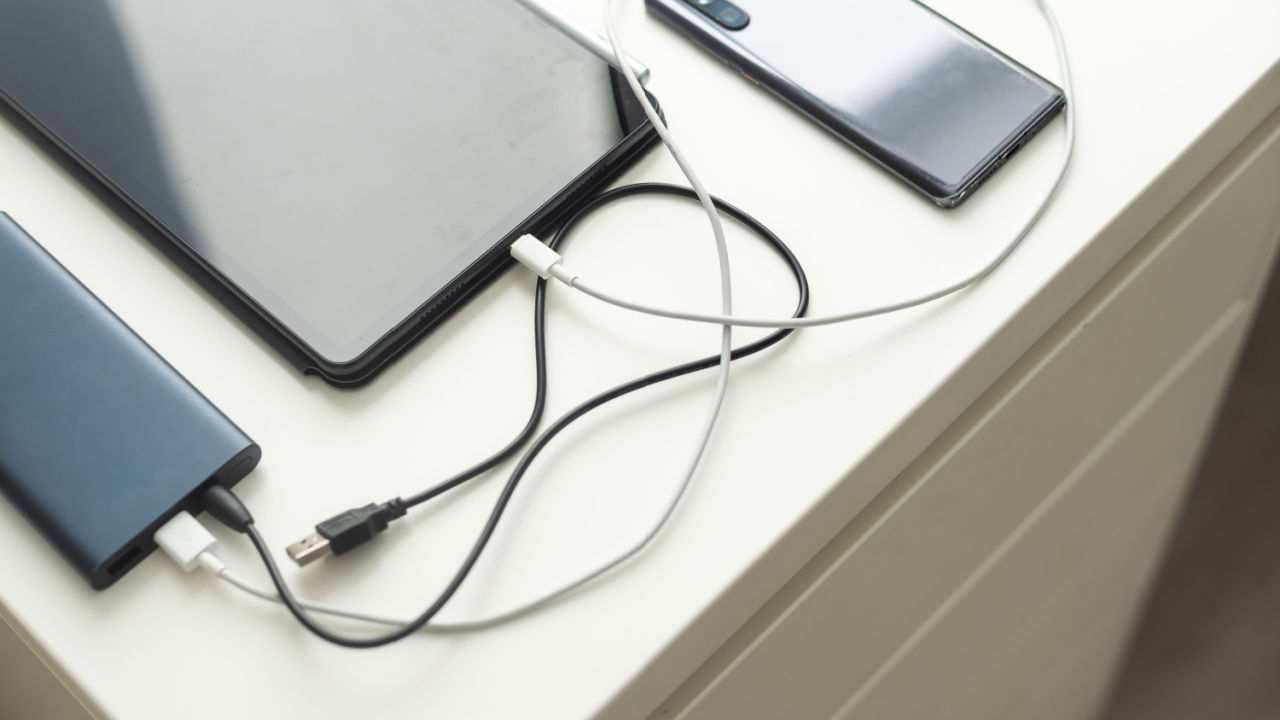
Image Credit: Shutterstock.
That box of VHS tapes, old DVD players, bulky desktop computer monitors, and ancient stereo systems might feel nostalgic, but to a buyer, it’s just obsolete junk. Technology moves so fast that most of these items are incompatible with modern devices. Cords are often missing, and there’s no easy way for a shopper to test if the item even works.
- Why It Doesn’t Sell: These items are essentially useless without the corresponding technology, which most people no longer own. They take up space and offer little to no practical value.
- Next Steps: Look for a local e-waste recycling event. Many communities or electronic stores like Best Buy offer programs to safely dispose of old electronics, preventing harmful materials from ending up in landfills.
3. Stained or Damaged Adult Clothing

Image Credit: Shutterstock.
Garage sale shoppers are hunting for bargains, but they still want quality. A shirt with a coffee stain, jeans with a broken zipper, or a sweater covered in pills will likely be ignored. Buyers are looking for ready-to-wear items, not a repair project.
- Why It Doesn’t Sell: Damaged clothing signals poor value. Shoppers don’t want to spend their money and time trying to fix something.
- Next Steps: If the clothing is beyond simple repair, cut it up for use as workshop rags or drop it in a textile recycling bin. For items that are just out of style but in good condition, consider donating them.
4. Worn-Out Outdoor Furniture
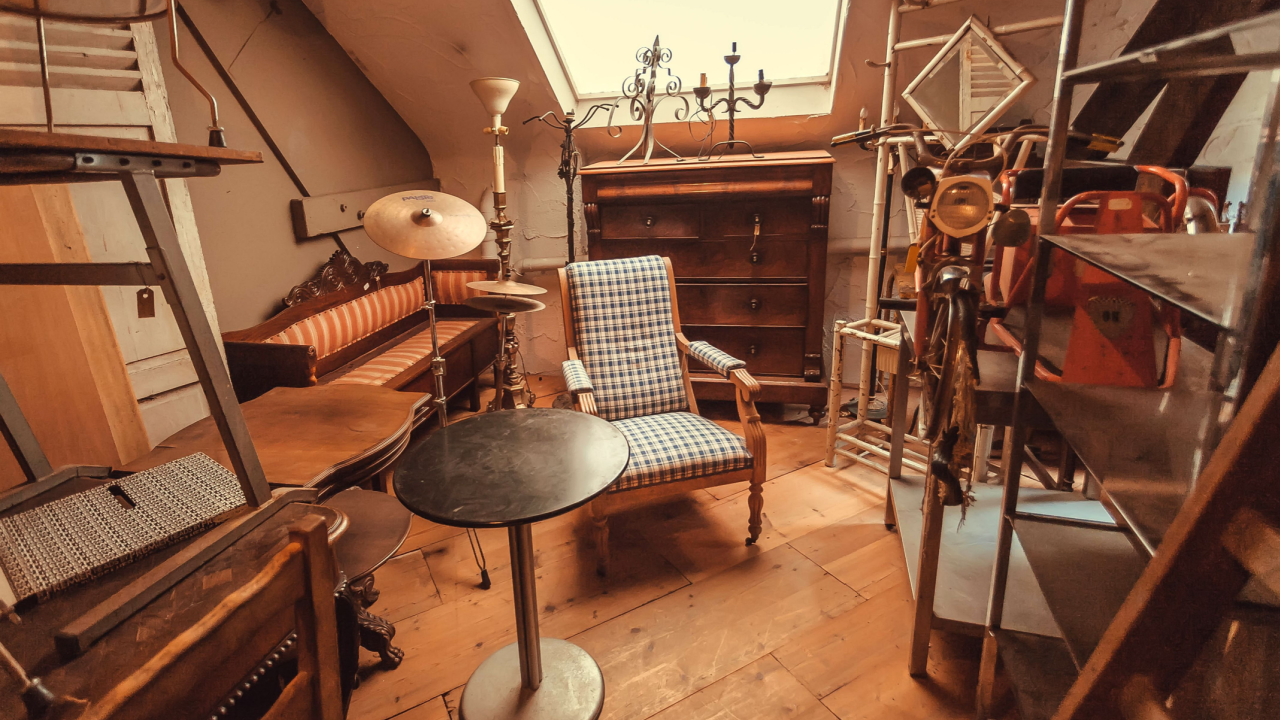
Image Credit: Radiokafka at Shutterstock.
This one might seem surprising for a garden-focused audience, but rusty metal chairs, cracked plastic loungers, and faded, torn cushions are a tough sell. While people are looking for patio furniture, they are seeking items that can withstand the elements. Furniture that already looks beaten down by the weather is an instant pass.
- Why It Doesn’t Sell: Buyers see tired outdoor furniture not as a bargain, but as something they’ll have to replace again in a year. The cost and effort of refurbishing—sanding, painting, re-upholstering—often outweigh the low price.
- Next Steps: If the frame is still solid metal, you might be able to sell it for scrap. Otherwise, it’s best to break it down for disposal according to your local guidelines.
5. Cheap Dish Sets and Old Tupperware
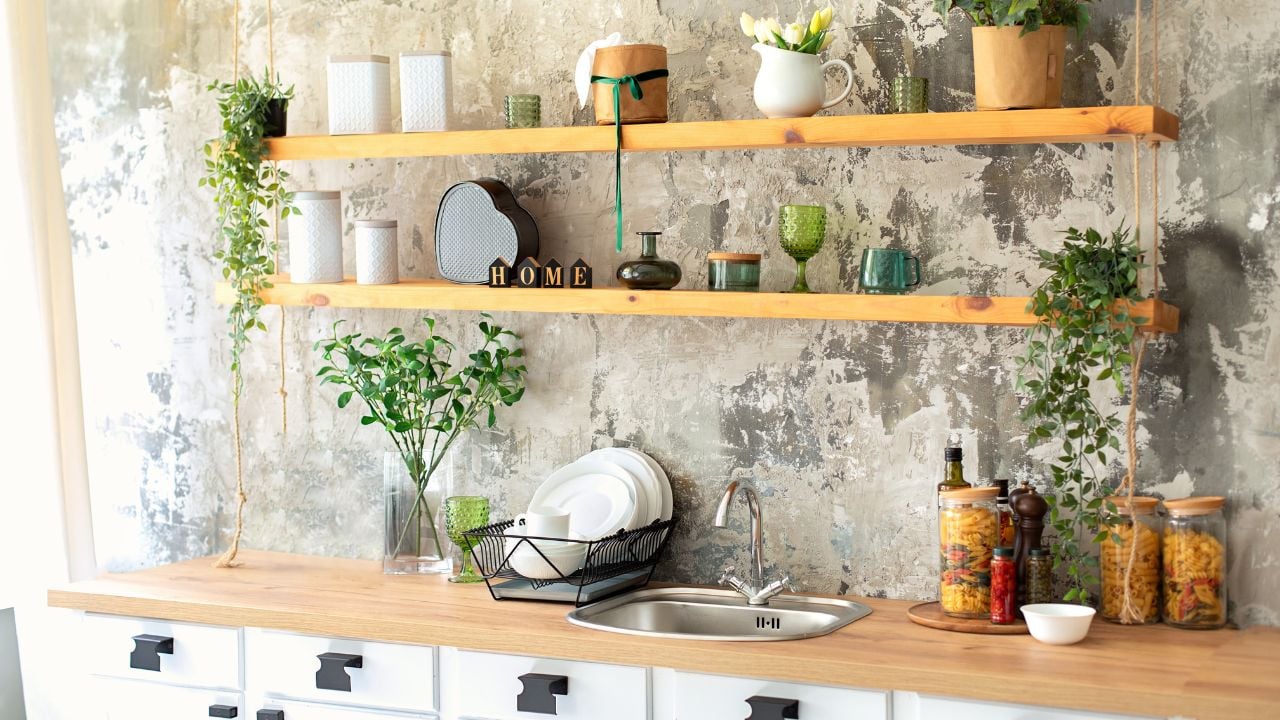
Image Credit: Shutterstock.
Mismatched coffee mugs, chipped plates, and scratched plastic containers with missing lids are common sights at garage sales, and they rarely sell. People often have an excess of these items already. Incomplete sets or heavily used plasticware feel more like someone else’s clutter than a valuable find.
- Why It Doesn’t Sell: Shoppers want complete, usable sets. A stack of mismatched items is inconvenient and often looks cheap and undesirable.
- Next Steps: Consider donating complete, unchipped dish sets. For the old plastic containers, check the recycling number on the bottom; many can be recycled with your regular household plastics.
6. Bulky Exercise Equipment

Image Credit: Shutterstock.
That treadmill that became a laundry rack or the stationary bike collecting dust might seem like a great deal, but buyers see a logistical nightmare. These items are incredibly heavy, difficult to move, and many shoppers know from experience that they will likely go unused in their own homes.
- Why It Doesn’t Sell: The size and weight are major deterrents. It’s a huge commitment for a buyer to figure out how to get it home and where to put it.
- Next Steps: Try selling it on a platform like Facebook Marketplace or Craigslist, where the buyer is specifically searching for that item and is prepared to haul it. Be sure to specify “buyer must pick up.”
7. Encyclopedias and Textbook Sets

Image Credit: Shutterstock.
In the age of the internet, a multi-volume set of encyclopedias is completely obsolete. They are heavy, take up a massive amount of shelf space, and contain outdated information. Textbooks are similarly difficult to sell unless they are for a current, popular course.
- Why It Doesn’t Sell: The information is no longer relevant or useful. Google has replaced the need for physical reference books.
- Next Steps: Don’t just toss them. Artists and decorators sometimes use old books for creative projects. You can offer them for free online for “craft purposes.” Otherwise, paper recycling is the best option.
8. Large Entertainment Centers

Image Credit: Shutterstock.
These massive furniture pieces were designed to hold bulky, box-style televisions. With today’s sleek, wall-mounted flat screens, entertainment centers are often too large and impractical for modern living rooms.
- Why It Doesn’t Sell: They are designed for outdated technology and are too big for most contemporary spaces. They are also extremely heavy and difficult to transport.
- Next Steps: Offer it for free online. Someone looking for garage storage shelving might be willing to haul it away. Some people also successfully transform them into play kitchens for kids or potting benches.
9. Personalized Items
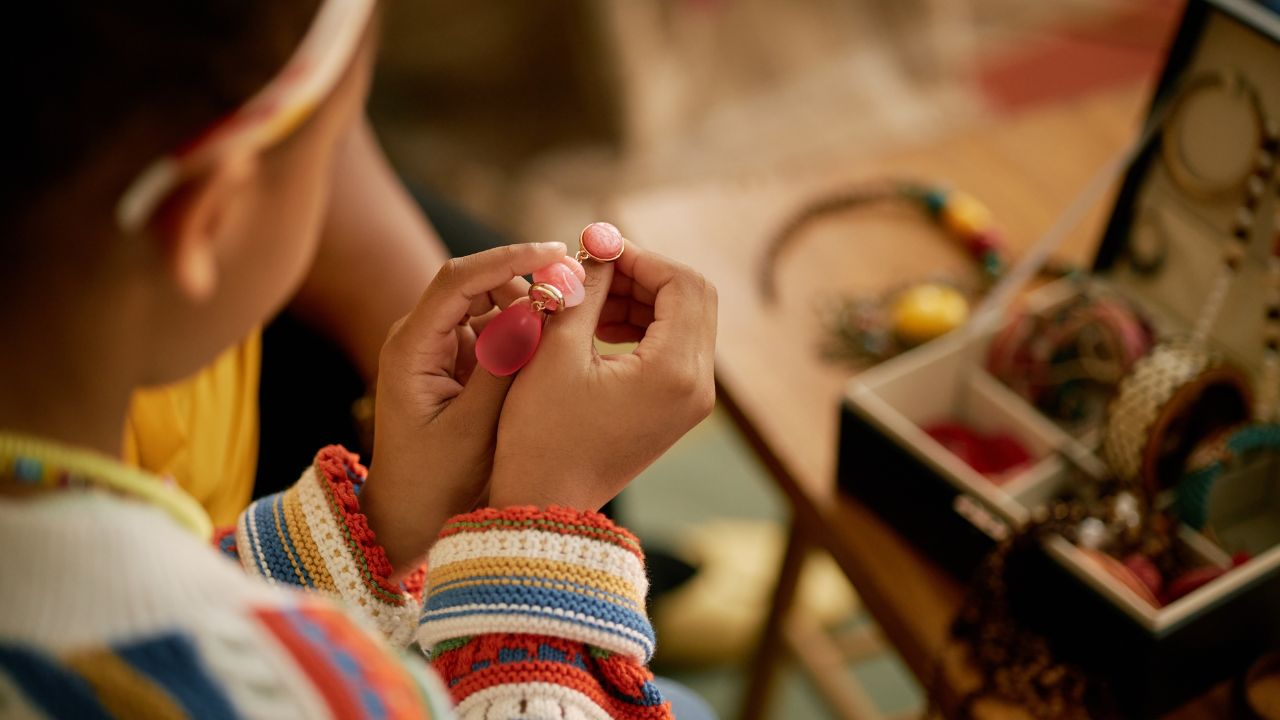
Image Credit: Shutterstock.
That “World’s Best Grandma” mug or a wedding favor engraved with names and a date holds sentimental value only for you. For a stranger, it’s just an item with someone else’s memories on it, making it feel awkward and unusable.
- Why It Doesn’t Sell: Personalization makes an item non-transferable. Buyers can’t connect with it, so it has no value to them.
- Next Steps: These items are difficult to repurpose. Unless you can remove the personalization, it’s best to dispose of them or keep them for their sentimental value.
10. Generic Wall Art and Framed Prints

Image Credit: Shutterstock.
Those mass-produced floral prints or sunset posters from big-box stores were likely popular a decade ago, but tastes change. Shoppers at garage sales are often looking for unique, quirky, or genuinely vintage pieces, not something that was available at every department store.
- Why It Doesn’t Sell: This type of art lacks personality and often looks dated. It’s hard for a buyer to justify hauling home a large, generic frame.
- Next Steps: Donate them. Someone else might be happy to find an inexpensive frame, even if they plan to replace the art inside.
11. Well-Worn Toys
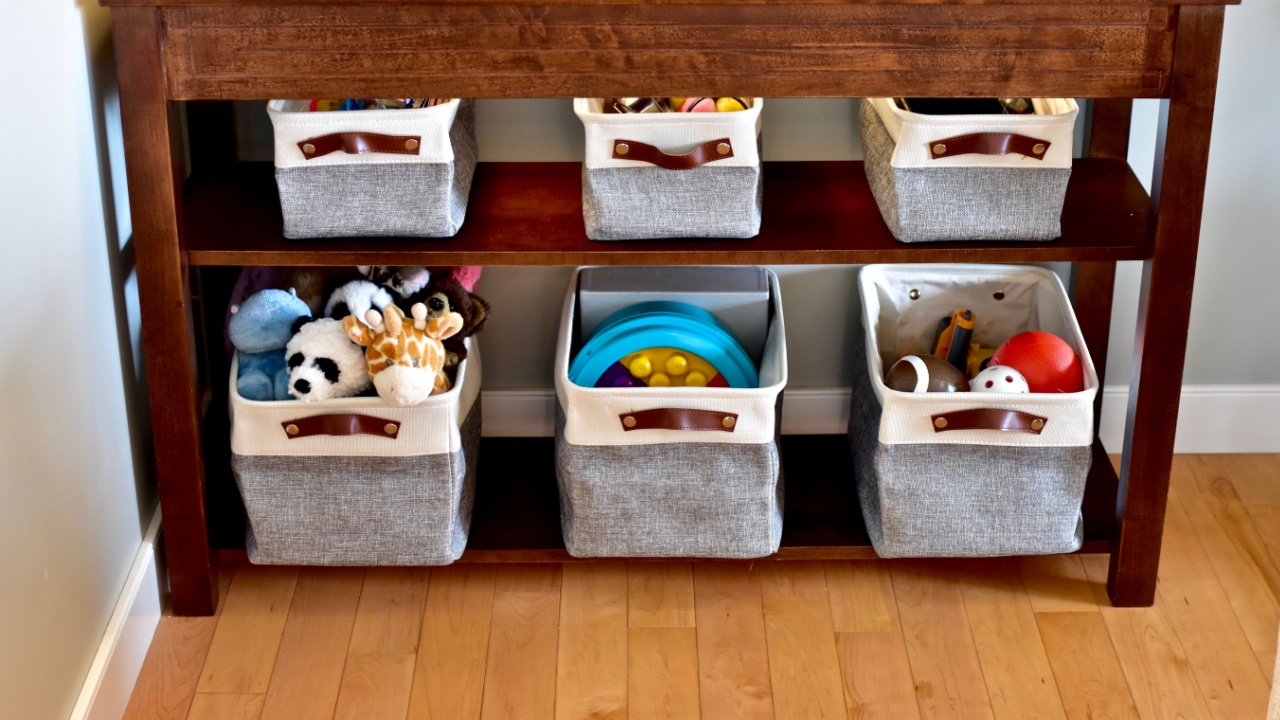
Image Credit: Shutterstock.
While kids’ items are a hot category, toys that are visibly dirty, faded, or have missing pieces will be quickly passed over by discerning parents. No one wants to give their child a broken or incomplete toy.
- Why It Doesn’t Sell: Parents are cautious about safety and cleanliness. A toy that looks grimy or has small broken parts is an immediate red flag.
- Next Steps: Throw away any broken toys. Before trying to sell toys, clean them thoroughly and ensure all parts are present. If you have a bin of random small toys (like LEGOs or army men), sell them by the bag at a low price.
What to Sell- 1. Garden Tools and Pottery
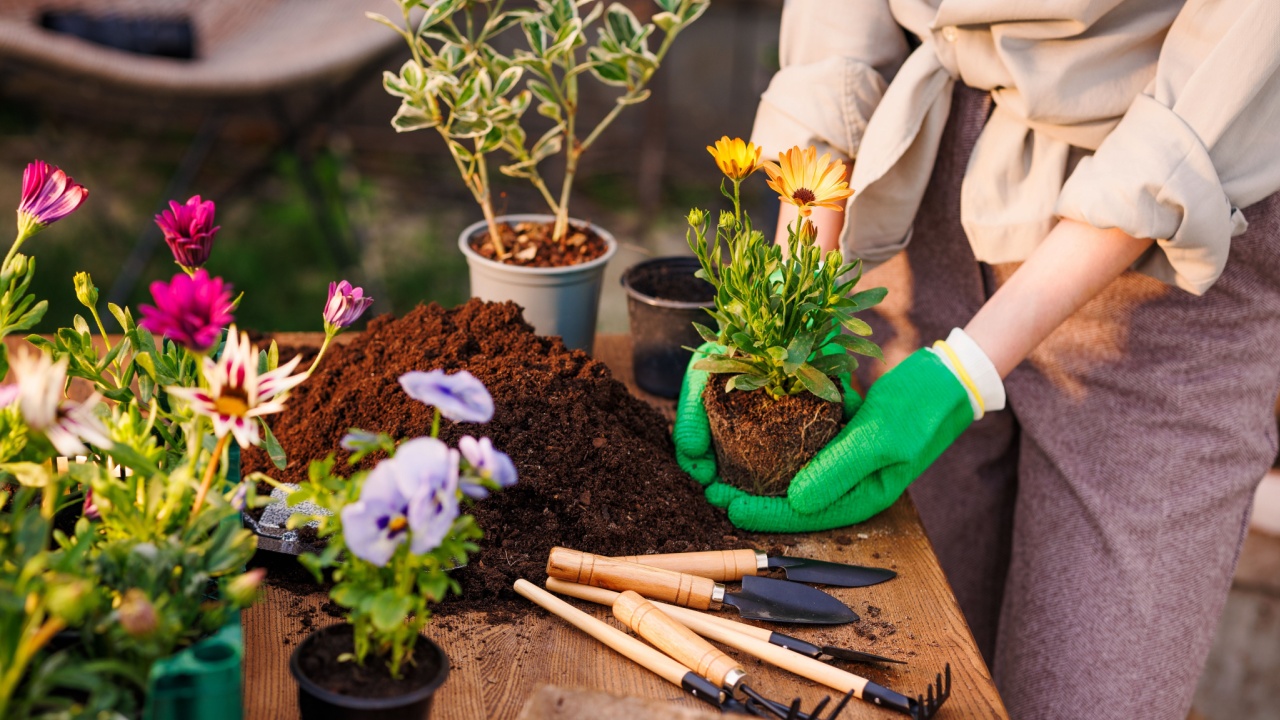
Image Credit: Shutterstock.
For any backyard garden lover, this is the sweet spot. Quality garden tools—shovels, rakes, trowels, and pruners—are always in demand. Brand-name tools are a bonus. Similarly, terracotta pots, ceramic planters, and unique garden decor are hits. Gardeners are always in need of more pots and know how expensive they are brand new.
- Why It Sells: These items are expensive to buy new, and gardeners can never have too many. A little dirt doesn’t deter a buyer who knows they can easily clean them up.
- Care Tips: Before the sale, clean the tools and sharpen any blades if you can. Wipe down the pots to make them look their best. Bundle smaller hand tools together with twine for an easy-to-grab bargain.
2. Power Tools

Image Credit: Shutterstock.
Working power tools from recognizable brands like DeWalt, Ryobi, or Makita are like magnets for garage sale shoppers. DIY enthusiasts and homeowners are always on the lookout for a drill, circular saw, or sander at a fraction of the retail cost.
- Why It Sells: The high price of new power tools makes secondhand ones an incredible value. Even if they have some cosmetic wear, as long as they work, they will sell.
- Care Tips: Make sure the tools are clean and have all their essential parts. Have an extension cord handy so buyers can test them on the spot. This builds trust and speeds up the sale.
3. Bicycles

Image Credit: Shutterstock.
Bikes are one of the fastest-selling items at any garage sale. Parents look for affordable kids’ bikes their children will outgrow in a year, and adults look for cruisers for casual rides or “project bikes” they can fix up. Vintage models are especially popular.
- Why It Sells: A new bike is a significant expense. Garage sales offer a budget-friendly way for the whole family to get cycling.
- Care Tips: Pump up the tires and wipe down the frame. A bike that looks ready to ride will sell much faster than one with flat tires and a layer of dust.
4. Small Kitchen Appliances

Image Credit: Shutterstock.
Coffee makers, blenders, air fryers, slow cookers, and stand mixers are consistent top-sellers. These are useful, practical items that people use every day. They are especially popular with college students, people moving into their first apartment, or someone looking for a backup appliance.
- Why It Sells: They offer huge value. A $10 coffee maker that works is a steal compared to a $50 one from the store.
- Care Tips: Clean the appliances thoroughly, inside and out. Ensure all carafes, lids, and attachments are included and clearly displayed with the item. Plug them in to show they are in working order.
5. Solid Wood Furniture
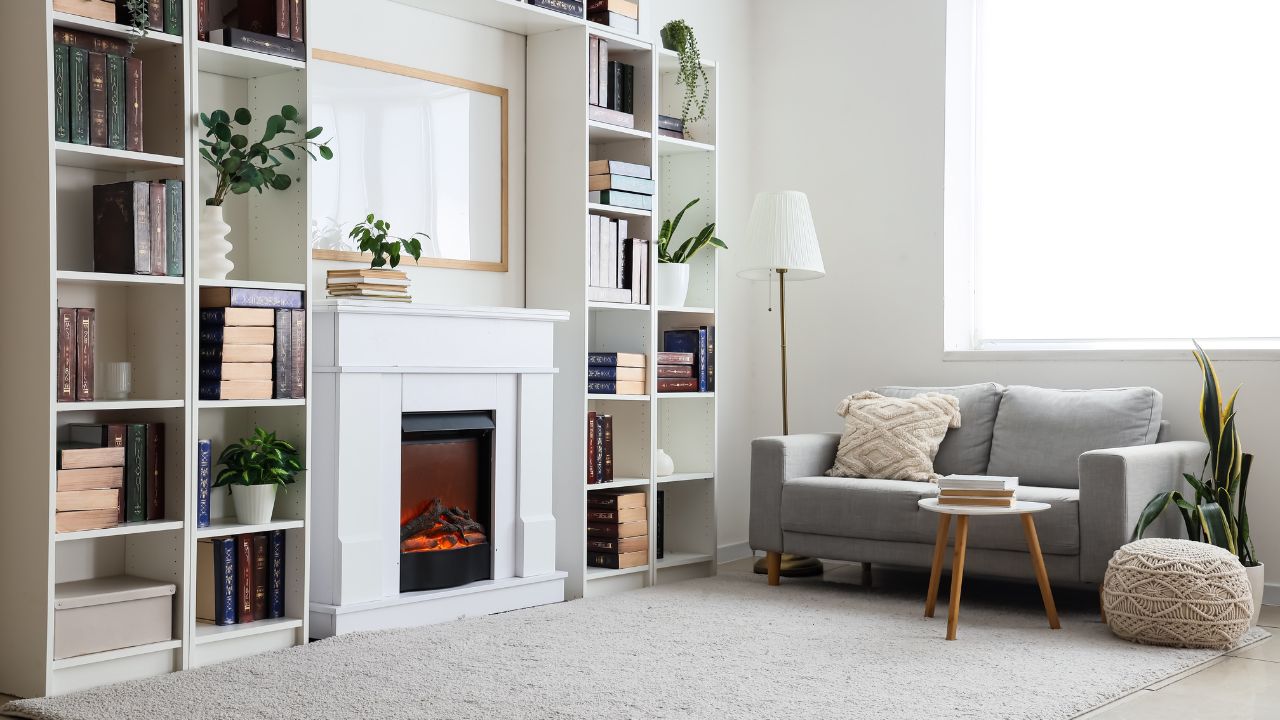
Image Credit: Shutterstock.
Unlike cheap particleboard pieces, solid wood furniture—like dressers, nightstands, and small bookshelves—is a major draw. Buyers recognize the quality and longevity of real wood. DIYers and furniture flippers actively hunt for these sturdy pieces to repaint or refinish.
- Why It Sells: Shoppers know that solid wood means durability. These pieces have “good bones” and are seen as a worthwhile investment, even if they need a little TLC.
- Care Tips: Clean the furniture and make any simple repairs, like tightening a loose knob. Display it in a way that highlights its quality. You can even mention “solid wood” on the price tag.
6. Children’s Clothing and Baby Gear
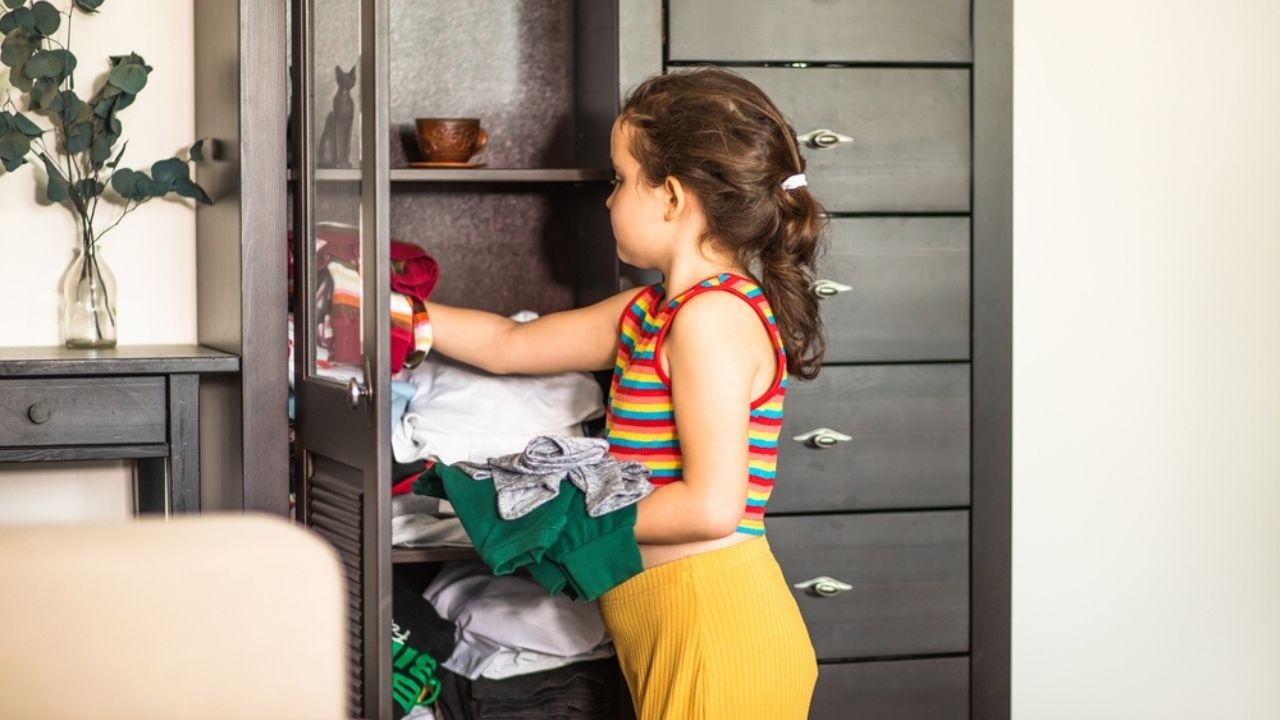
Image Credit: Shutterstock.
Kids grow fast, and parents are always looking for ways to save on clothing. Gently used and clean children’s clothes are a guaranteed seller. Items like high chairs, strollers, and pack-n-plays are also in high demand.
- Why It Sells: Practicality and cost-savings drive these sales. Parents know it’s smarter to pay $1 for a shirt their toddler will stain tomorrow than to pay $15.
- Care Tips: Wash and fold the clothes neatly. Group them by size and gender to make it easy for shoppers to browse. For larger gear, clean it thoroughly and have the instruction manual ready if you still have it.
7. Camping and Outdoor Gear
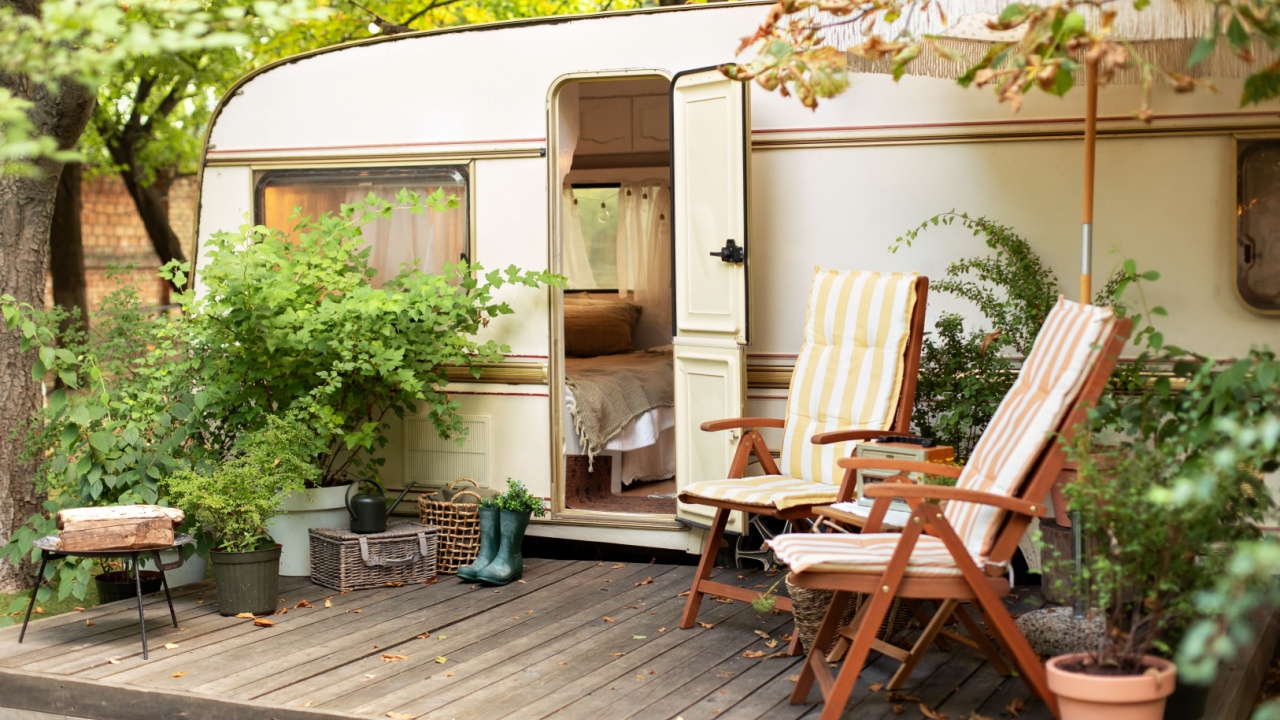
Image Credit: Shutterstock.
Tents, coolers, sleeping bags, lanterns, and folding camp chairs are very popular, especially if you hold your sale in the spring or summer. This gear is expensive new, and many families only use it a few times a year, making a secondhand purchase a smart choice.
- Why It Sells: Outdoor enthusiasts are always looking for a deal. They know the value of good gear and will snap up bargains for their next adventure.
- Care Tips: Set up the tent so buyers can see its condition and size. Clean out coolers and air out sleeping bags. Make sure lanterns work and have batteries or fuel.
8. Board Games and Puzzles

Image Credit: Depositphotos.com.
Complete board games and puzzles are an easy impulse buy. They offer a cheap and fun option for family game night. Classic games that everyone recognizes, like Monopoly, Scrabble, or Catan, sell almost instantly.
- Why It Sells: They are inexpensive, easy to carry, and provide hours of entertainment. It’s a low-risk, high-reward purchase for shoppers.
- Care Tips: Before selling, make sure all the pieces are in the box. For puzzles, you can write “All pieces included” on a piece of tape to seal the box. This small assurance makes a big difference.
9. Jewelry and Watches

Image Credit: Shutterstock.
A small table with jewelry and watches can be a major profit center. Costume jewelry is great for buyers looking for a unique accessory. Vintage or unique pieces are even better. Even non-working watches can sell to tinkerers who use them for parts.
- Why It Sells: Jewelry is small, eye-catching, and feels like a special treasure. It’s an easy item for a shopper to treat themselves to without spending much.
- Care Tips: Display the jewelry on a dark cloth to make it pop. Use small bowls or an egg carton to organize earrings and rings.
10. Sports Equipment

Image Credit: Shutterstock.
Kids’ sports gear, like cleats, balls, gloves, and bats, sells very quickly. Since kids either lose interest or outgrow the equipment season after season, parents are reluctant to buy new. Adult gear like golf clubs, tennis rackets, and dumbbells are also great sellers.
- Why It sells: The high cost and short lifespan of kids’ sporting goods make used items the logical choice for many families.
- Care Tips: Clean the equipment and group related items together. For example, sell a baseball bat and glove as a set. Pump up any inflatable balls.
11. Musical Instruments

Image Credit: Shutterstock.
An old guitar, a keyboard, or even a drum set can be the star of your garage sale. Beginner instruments are perfect for parents who aren’t sure if their child will stick with lessons. Unique or vintage instruments will attract collectors and musicians.
- Why It Sells: It’s a chance for someone to pick up a new hobby or find a unique piece without a huge financial commitment.
- Care Tips: Clean the instrument and have it accessible for someone to try. If it’s a guitar, make sure it’s tuned. Even instruments with minor damage can be sold as “for parts or repair” or as a decorative object.
Your Next Steps for a Successful Sale
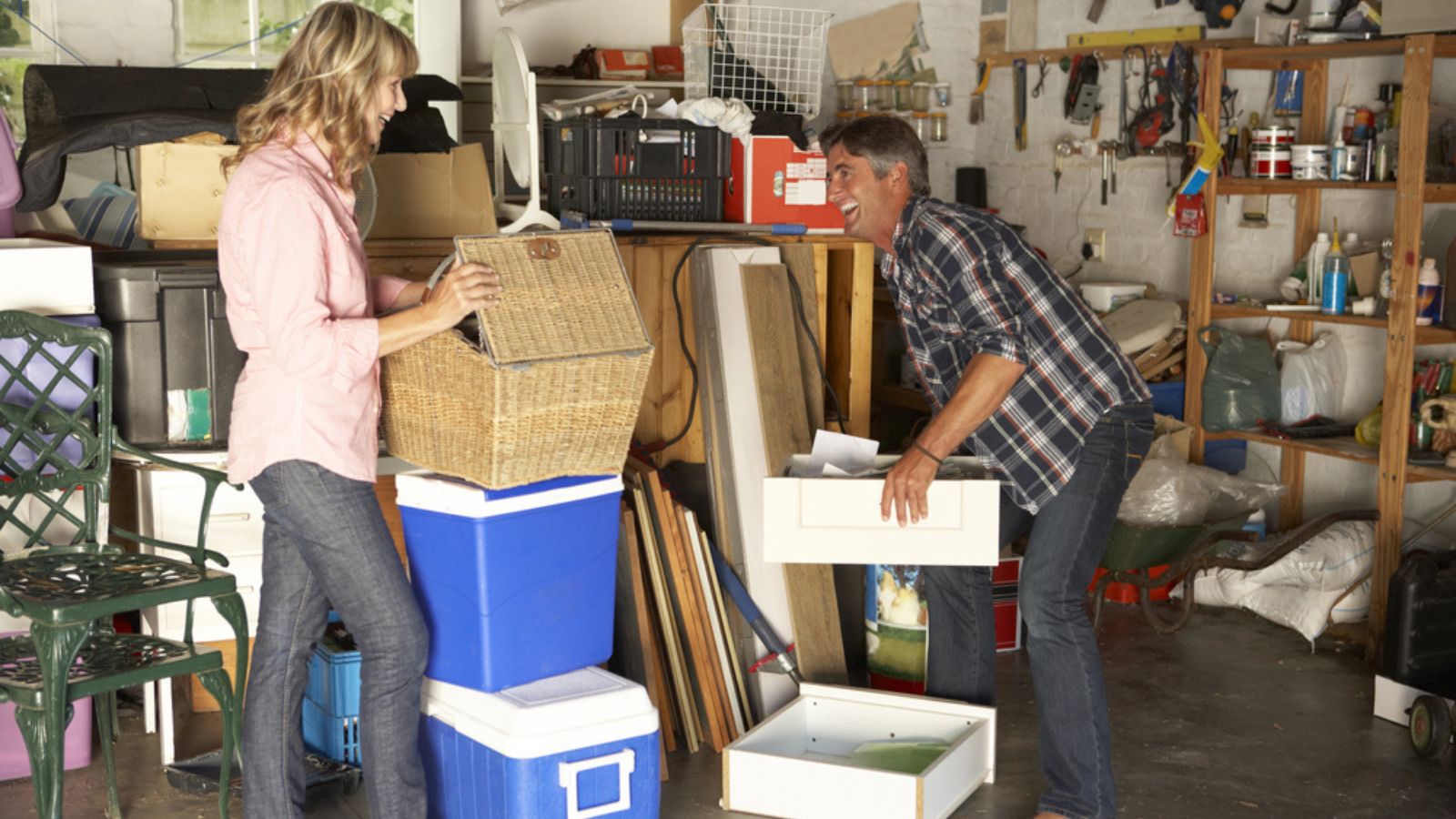
Image Credit: Depositphotos.com.
Now that you know what to put out on your tables, it’s time to plan. Your next step is to go through your garage, shed, and home, sorting items into three piles: sell, donate, and discard. Be honest with yourself about what is likely to sell based on this guide.
For your “sell” pile, focus on presentation. Clean every item, make sure it works, and price it to move. Remember, the goal is to clear out space and make some money for your next project—perhaps a new raised garden bed or a set of beautiful perennials. By curating your garage sale like you curate your garden, you’re setting yourself up for a successful and satisfying day.