
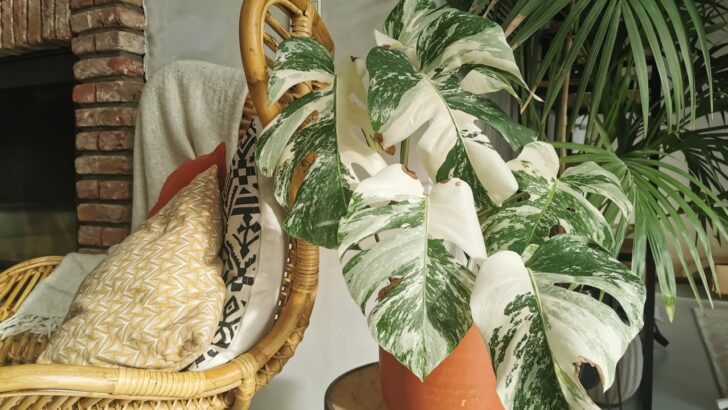
Bringing plants into your home does more than just brighten up a room. It connects you with nature, purifies your air, and can even boost your mood. While classic houseplants like spider plants and pothos are always great, adding a few unique specimens can transform your indoor garden into a truly special collection. Unusual shapes, stunning colors, and fascinating features can turn a simple plant corner into a conversation piece.
This list is for anyone looking to step beyond the ordinary. Whether you’re an experienced plant parent searching for a new challenge or a beginner wanting to start with something memorable, you’ll find inspiration here (we have a mix of plant options- to a seasoned indoor gardener, some will be familiar, undoubtedly). We’ll explore 20 fun and unique indoor plants that bring character and life to any space.
1. Alocasia Polly (Alocasia x amazonica)

Image Credit: Shutterstock.
Alocasia Polly, also known as the African Mask Plant, is a showstopper. Its deep green, arrowhead-shaped leaves feature dramatic, silvery-white veins that create a stunning visual contrast. This plant brings an exotic, jungle-like feel to your home, making it a perfect focal point for a living room or office. Its bold structure and striking appearance are what make it truly unique. It’s a great option for those who want a plant with a strong architectural presence.
While it may look high-maintenance, its care is manageable once you understand its needs. Alocasia Polly thrives in high humidity and bright, indirect light, mimicking its native tropical environment. Keep the soil consistently moist but never soggy, as this can lead to root rot.
Quick Care Guide:
- Light: Bright, indirect light. Avoid direct sun, which can scorch its leaves.
- Water: Water when the top inch of soil feels dry. Use filtered or distilled water if your tap water is hard.
- Humidity: Prefers high humidity. Mist regularly, use a pebble tray, or place it near a humidifier.
- Soil: A well-draining, airy potting mix.
2. Venus Flytrap (Dionaea muscipula)

Image Credit: Shutterstock.
For a plant that’s truly interactive, look no further than the Venus Flytrap. This carnivorous plant is famous for its jaw-like traps that snap shut on unsuspecting insects. It’s a fascinating display of nature’s ingenuity and a definite conversation starter. Native to the bogs of North and South Carolina, it has very specific care needs that differ from typical houseplants.
The Venus Flytrap is an excellent choice for curious gardeners and families with children. It offers a live biology lesson right on your windowsill. The key to keeping it happy is to replicate its native habitat. It requires distilled water or rainwater, as minerals in tap water can be fatal. It also needs a nutrient-poor soil mix, typically peat moss and perlite.
Quick Care Guide:
- Light: Needs at least 4-6 hours of direct sunlight per day.
- Water: Keep the soil consistently moist. Set the pot in a tray of distilled water.
- Humidity: High humidity is ideal (warning: this makes it a tough plant for many home conditions).
- Soil: Nutrient-poor mix, like one part peat moss to one part perlite. Never use fertilizer.
3. Pilea Peperomioides (Chinese Money Plant)

Image Credit: Shutterstock.
With its round, coin-shaped leaves that seem to float on delicate stems, the Pilea peperomioides, or Chinese Money Plant, has a cheerful and modern aesthetic. It’s incredibly popular for its unique look and ease of propagation. The plant produces small “pups” or offshoots from its base, which can be separated and shared with friends, earning it the nickname “Pass-it-on Plant.”
This plant is perfect for adding a touch of minimalist charm to shelves, desks, or windowsills. It’s relatively easy to care for and communicates its needs clearly—droopy leaves often mean it’s thirsty. Its rapid growth and ability to be shared make it a rewarding plant for any collection.
Quick Care Guide:
- Light: Bright, indirect light. Rotate the plant regularly to keep its growth symmetrical.
- Water: Water thoroughly when the top 1-2 inches of soil are dry.
- Humidity: Average household humidity is fine.
- Soil: A well-draining potting mix.
4. Lithops (Living Stones)
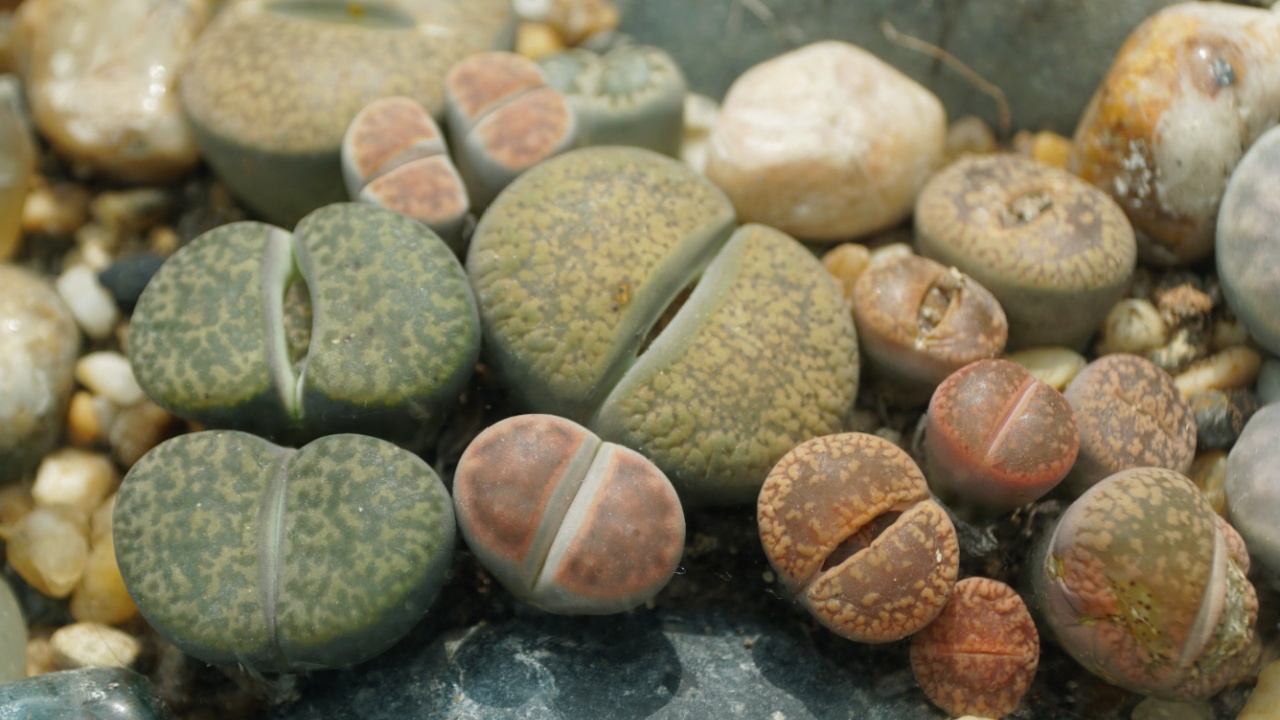
Image Credit: Shutterstock.
Lithops are one of the most unusual succulents you can grow. As their common name “Living Stones” suggests, they have evolved to look exactly like small pebbles to avoid being eaten in their native southern African habitat. They come in a variety of colors and patterns, and each plant consists of two fleshy leaves with a fissure in the middle where a new set of leaves and a flower will emerge.
These are a fantastic choice for collectors of oddities and those with bright, sunny spaces. Their care cycle is very specific and tied to the seasons. They require almost no water during their summer dormancy and winter months. The biggest mistake is overwatering, which will cause them to rot almost instantly.
Quick Care Guide:
- Light: As much direct sun as you can provide (at least 5-6 hours).
- Water: Water only during their growing seasons (spring and fall) and only when the leaves look slightly shriveled. Do not water in summer or winter.
- Humidity: Low humidity is essential.
- Soil: A very gritty, fast-draining cactus/succulent mix.
5. Echeveria ‘Perle von Nürnberg’

Image Credit: Shutterstock.
This classic succulent is beloved for good reason. ‘Perle von Nürnberg’ forms a beautiful, symmetrical rosette of fleshy leaves. What makes it special is its coloring—the leaves are a dusty, pearlescent mix of gray-green, blue, and pink, with the pink tones intensifying in bright light. It’s an elegant and timeless plant that adds a touch of soft color to any succulent arrangement.
It’s a great option for beginners to succulents because it’s both beautiful and relatively forgiving. It thrives on a bit of neglect, as long as it gets enough sunlight. Its compact size makes it perfect for windowsills, rock gardens, or as part of a mixed container display.
Quick Care Guide:
- Light: Bright, direct sunlight for at least 6 hours a day to maintain its compact shape and vibrant color.
- Water: Water deeply but infrequently. Allow the soil to dry out completely between waterings.
- Humidity: Low humidity.
- Soil: Fast-draining cactus or succulent soil.
6. Tradescantia Zebrina (Inch Plant)
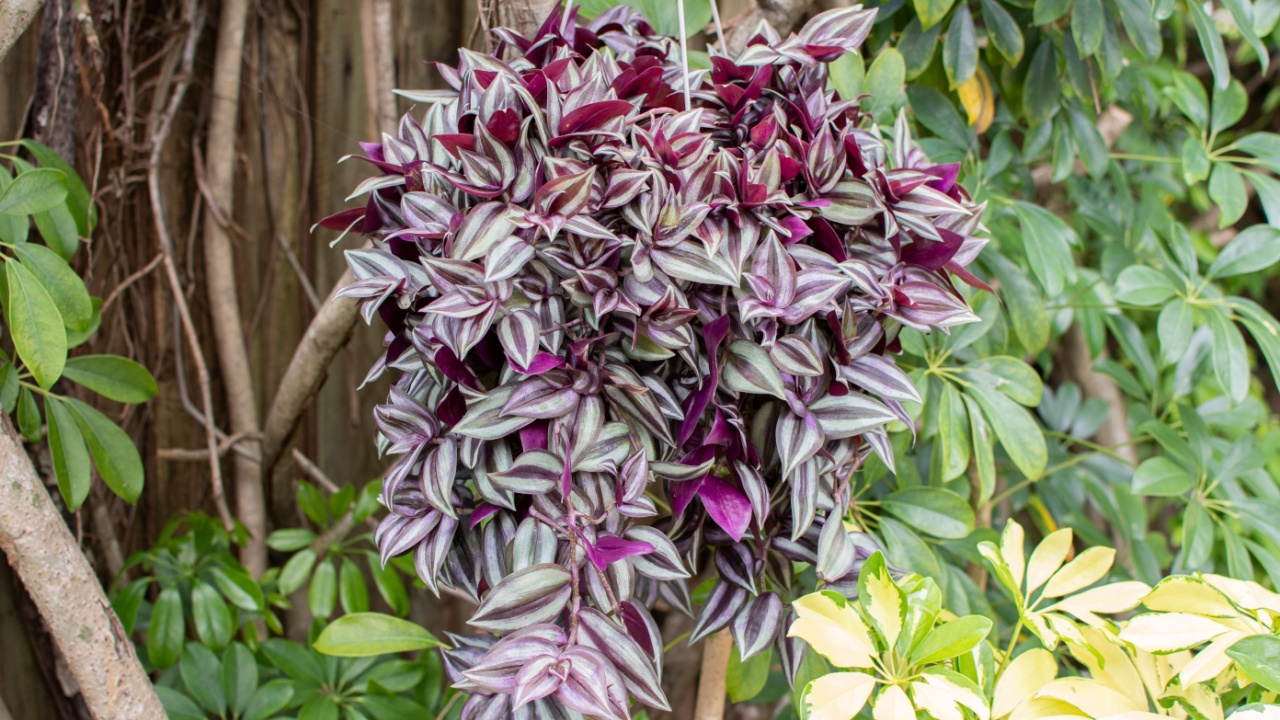
Image Credit: Shutterstock.
Formerly known as the Wandering Jew, Tradescantia zebrina is prized for its stunning, colorful foliage. The leaves have stripes of silver and green on top and a rich, deep purple underneath. This fast-growing, vining plant is incredibly easy to care for and propagate, making it perfect for beginners. Its trailing habit looks wonderful in a hanging basket or cascading down a bookshelf.
This plant is a fantastic choice if you want a big impact with little effort. Its vibrant colors can brighten up any corner of your home. It’s also very forgiving; if it gets too leggy, you can simply trim it back, and it will grow back bushier. The cuttings root easily in water or soil.
Quick Care Guide:
- Light: Bright, indirect light. More light brings out the best color, but direct sun can burn the leaves.
- Water: Keep the soil consistently moist but not waterlogged.
- Humidity: Appreciates higher humidity but tolerates average levels.
- Soil: Standard, well-draining potting soil.
7. Ponytail Palm (Beaucarnea recurvata)
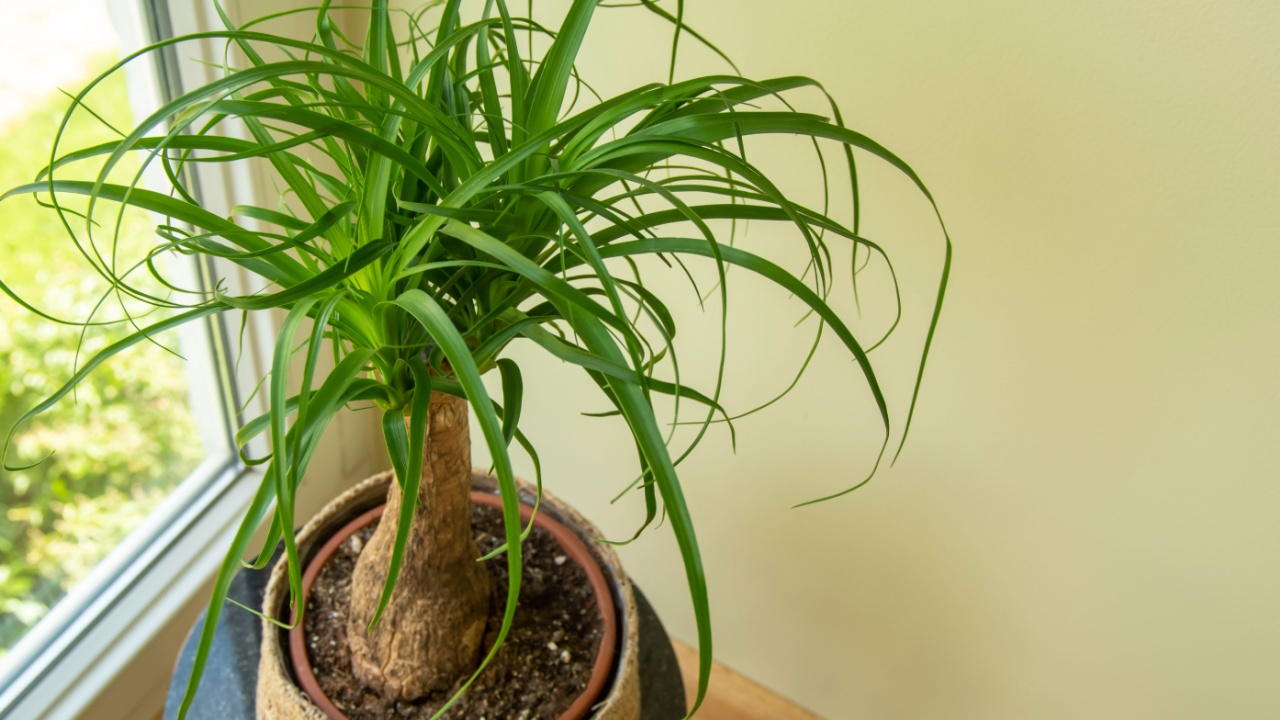
Image Credit: Shutterstock.
Despite its name, the Ponytail Palm is not a true palm but a member of the succulent family. Its unique features are its swollen, bulbous base (caudex), which stores water, and the fountain of long, slender leaves that erupt from the top, resembling a ponytail. This slow-growing plant is incredibly drought-tolerant and long-lived.
The Ponytail Palm is an excellent choice for people who are busy or tend to forget to water their plants. Its quirky, sculptural appearance adds a touch of playful desert style to a room. It’s a statement plant that requires very little in return, thriving on benign neglect.
Quick Care Guide:
- Light: Bright, indirect light or full sun.
- Water: Water thoroughly, then allow the soil to dry out completely before watering again. Reduce watering in the winter.
- Humidity: Tolerates dry air well.
- Soil: A fast-draining cactus or succulent mix.
8. Staghorn Fern (Platycerium bifurcatum)

Image Credit: Shutterstock.
Staghorn Ferns are epiphytes, meaning they grow on other plants or trees in their native environment. They have two types of fronds: small, flat, shield-like fronds that anchor the plant and absorb nutrients, and large, branching “antler” fronds that give the plant its name. They are most often grown mounted on a piece of wood or in a wire basket, making them a living piece of wall art.
This is the perfect plant for someone looking to create a vertical garden or add a dramatic, natural element to their decor. It loves humidity, making it an excellent choice for a bright bathroom or kitchen. Its soil-free nature and unique form set it apart from almost any other houseplant.
Quick Care Guide:
- Light: Bright, indirect light. Avoid direct sun.
- Water: Soak the entire plant (root ball and all) in a sink or tub for 10-20 minutes every 1-2 weeks, depending on humidity. Let it drip dry before rehanging.
- Humidity: High humidity is crucial. Mist frequently.
- Soil: Does not grow in soil; typically mounted on wood with sphagnum moss.
9. Rhipsalis Baccifera (Mistletoe Cactus)
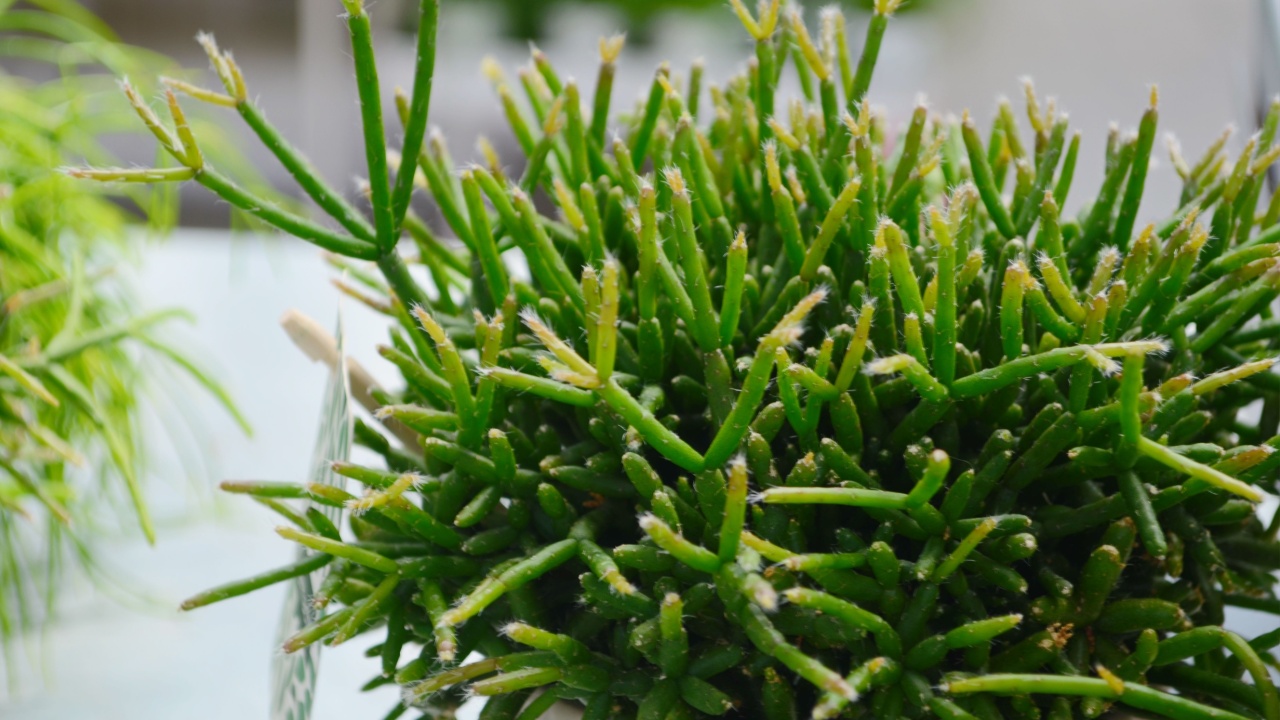
Image Credit: Shutterstock.
The Mistletoe Cactus is a delightful, jungle-style cactus with a soft, cascading form. Unlike its desert cousins, this epiphytic cactus is native to rainforests and has long, thin, branching stems without any sharp spines. It produces small, white flowers followed by translucent, pearl-like berries, resembling mistletoe. Its delicate, trailing habit is perfect for hanging baskets.
This is a great choice for those who love the look of trailing plants but want something a bit different from the usual suspects. It’s also a cactus for people who don’t have scorching hot, sunny windows, as it prefers dappled light. It’s easy-going and adds a gentle, graceful touch.
Quick Care Guide:
- Light: Bright, indirect light. Can tolerate lower light conditions.
- Water: Water when the top inch of soil is dry. It prefers more water than desert cacti.
- Humidity: Enjoys high humidity.
- Soil: A well-draining mix, such as an orchid or succulent mix with added peat.
10. Kalanchoe Blossfeldiana (Flaming Katy)
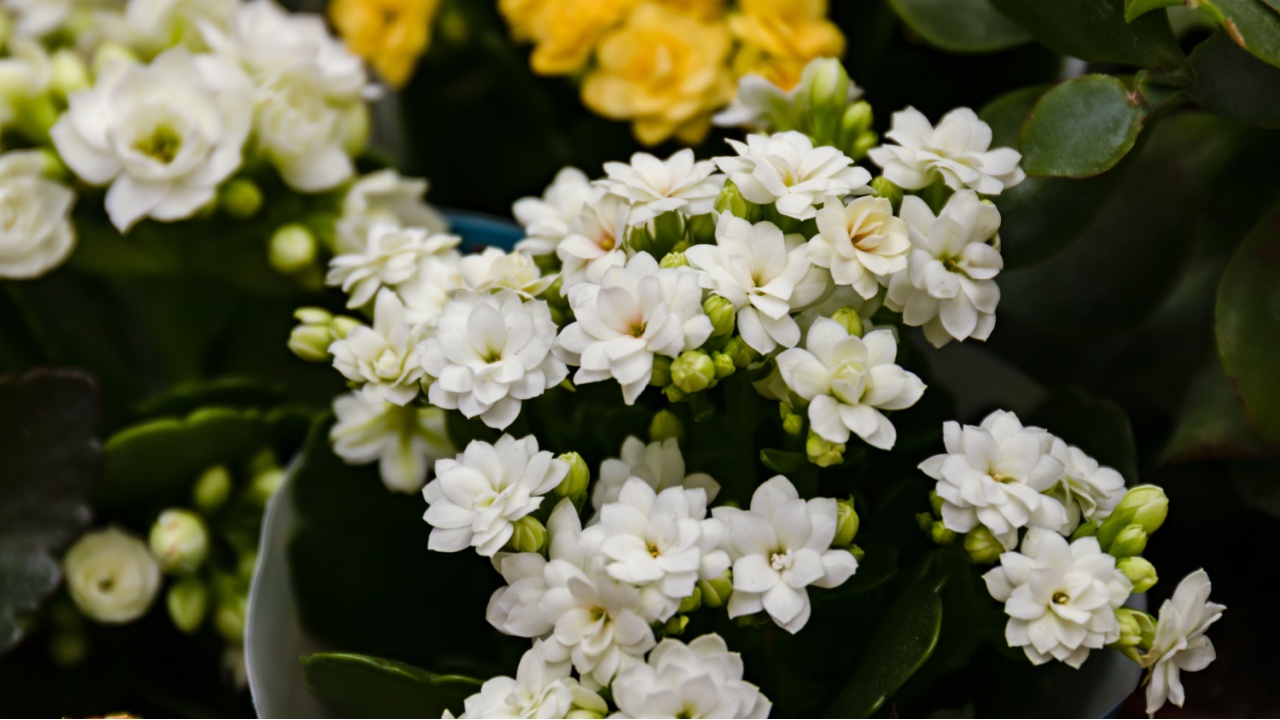
Image Credit: Shutterstock.
If you’re looking for a pop of long-lasting color, Kalanchoe blossfeldiana is an excellent choice. This succulent is known for its ability to produce dense clusters of small, vibrant flowers in shades of red, pink, orange, yellow, and white. The blooms can last for several weeks or even months, and the dark green, scalloped leaves are attractive even when the plant isn’t flowering.
This is the perfect plant to brighten a dreary winter day or to give as a gift. It’s widely available and easy to care for, thriving on the same conditions as other succulents. To encourage reblooming, the plant needs about 14 hours of complete darkness each day for 6-8 weeks.
Quick Care Guide:
- Light: Bright, indirect light.
- Water: Allow the soil to dry out between waterings.
- Humidity: Average household humidity is fine.
- Soil: Well-draining succulent or potting mix.
11. String of Hearts (Ceropegia woodii)
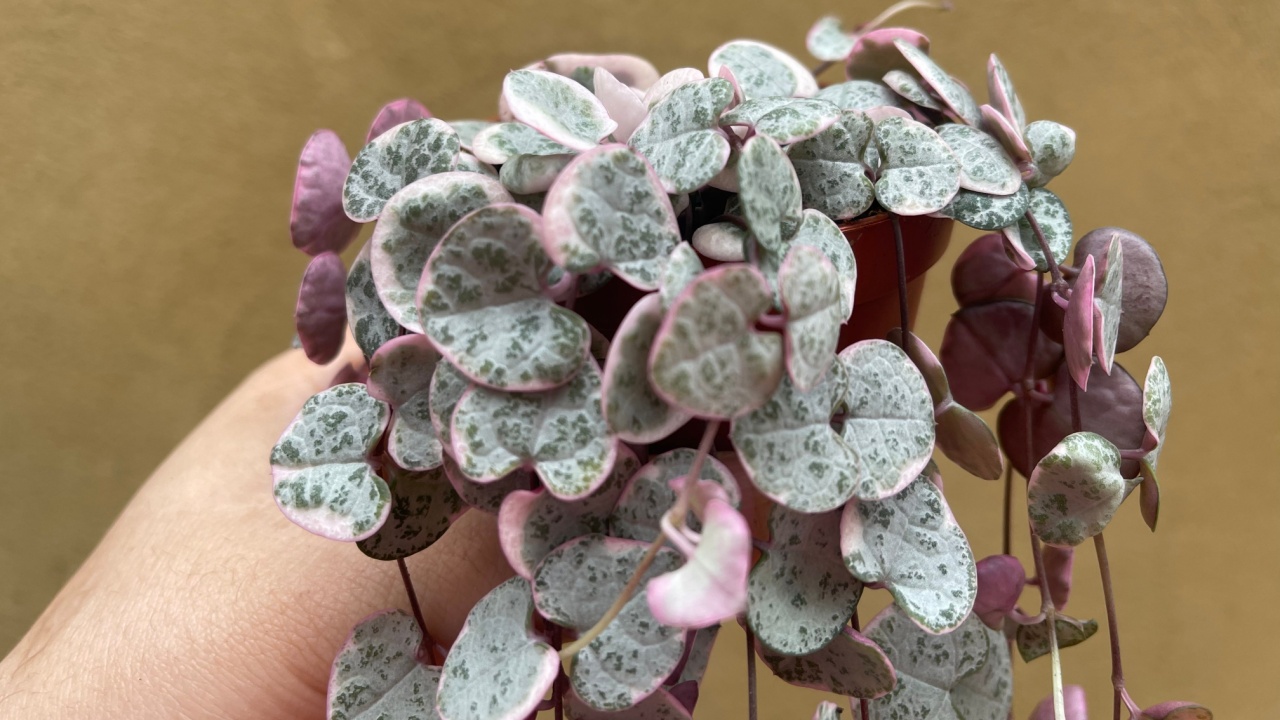
Image Credit: Shutterstock.
String of Hearts is a delicate, trailing succulent with an undeniable charm. Its long, thin, purplish vines are adorned with small, heart-shaped leaves that are patterned with silver variegation on top and a purplish hue underneath. It also produces unusual, vase-shaped pink flowers. This plant looks stunning cascading from a high shelf or a hanging planter.
This is a wonderful choice for adding a touch of romance and whimsy to your home. Despite its delicate appearance, it’s quite resilient and stores water in small tubers along its stems, making it relatively drought-tolerant. It’s a fast grower when it’s happy, quickly creating a beautiful curtain of hearts.
Quick Care Guide:
- Light: Bright, indirect light. Some direct morning sun can enhance the leaf color.
- Water: Water when the soil is dry and the leaves at the base feel slightly soft. Be careful not to overwater.
- Humidity: Average household humidity is fine.
- Soil: A well-draining cactus/succulent mix.
12. Rex Begonia (Begonia rex)
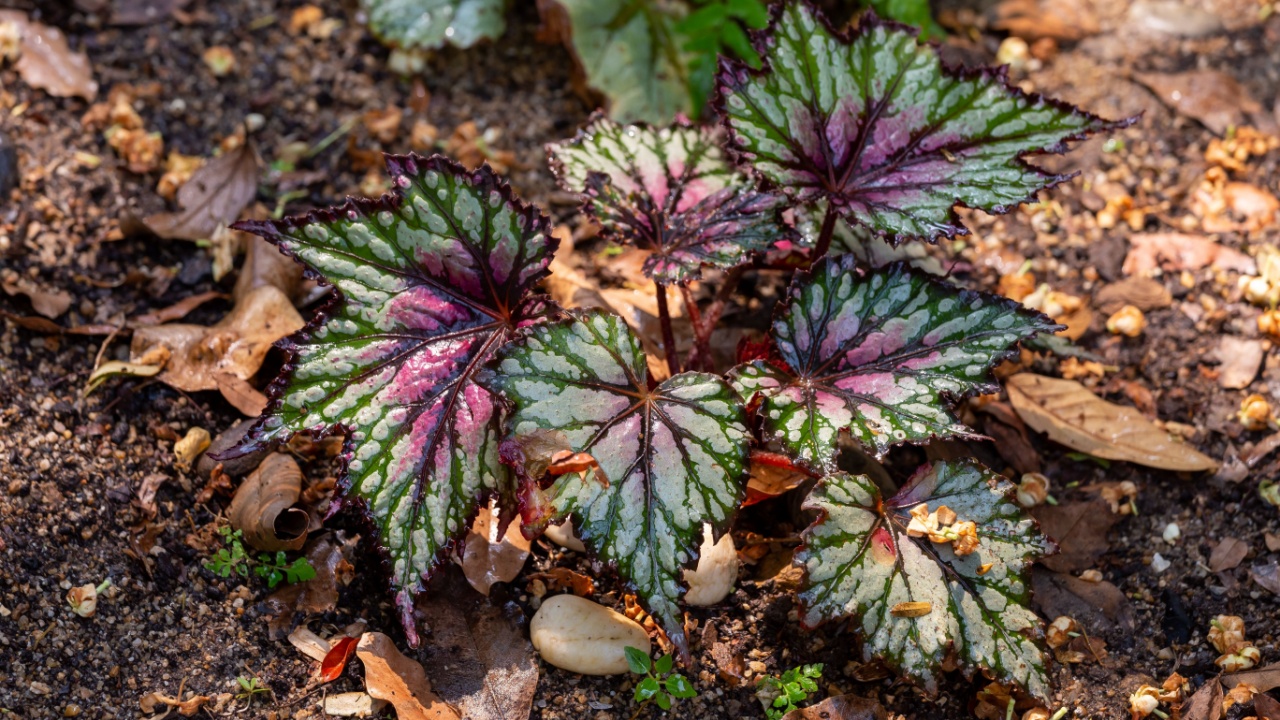
Image Credit: Shutterstock.
Rex Begonias are grown for their spectacular foliage, not their flowers. They offer an incredible diversity of leaf shapes, textures, and colors. You can find varieties with swirling patterns, metallic sheens, and dramatic colors ranging from deep purple and red to silver and green. Each leaf is a work of art.
This is the plant for someone who loves color and pattern. They are a bit more demanding than other plants on this list, requiring high humidity and consistent moisture to thrive. However, their stunning beauty makes the extra effort worthwhile. They are perfect for terrariums or a humid bathroom.
Quick Care Guide:
- Light: Bright, indirect light. Too much sun will fade the colors.
- Water: Keep the soil evenly moist but not soggy. Water at the base to avoid wetting the leaves, which can cause powdery mildew.
- Humidity: High humidity is essential.
- Soil: A light, well-draining, and well-aerated potting mix.
13. Anthurium Clarinervium
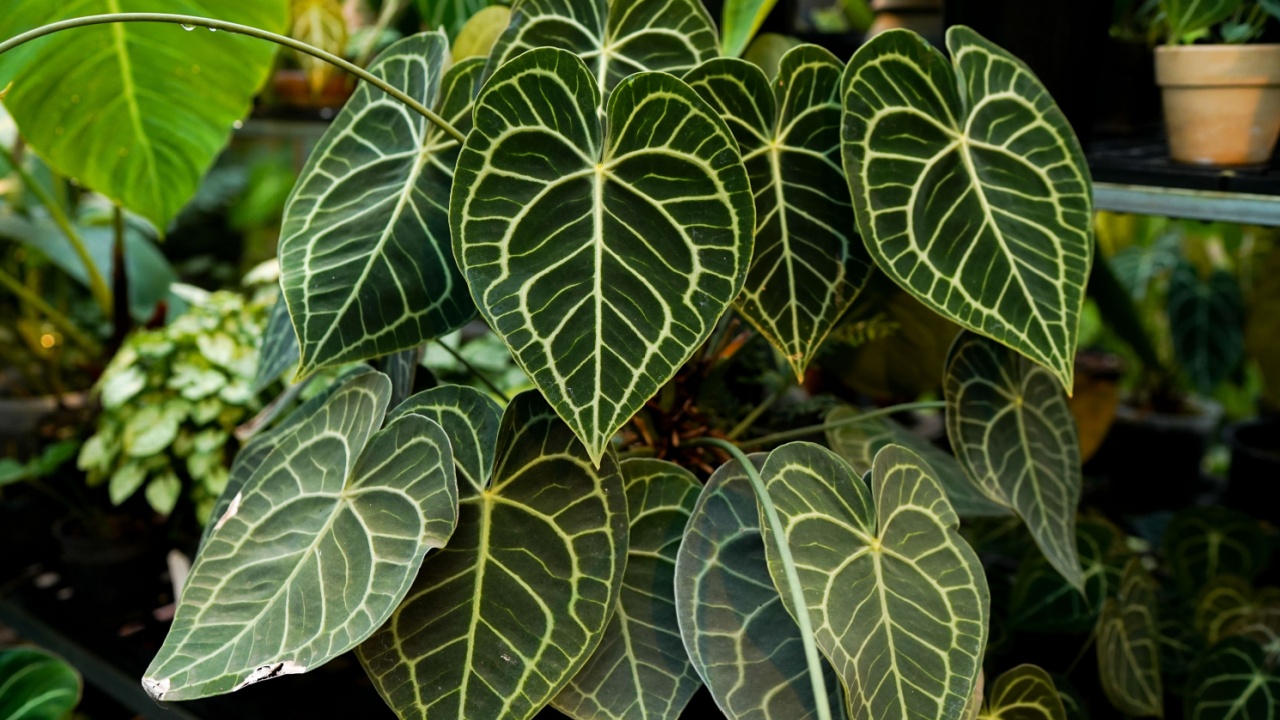
Image Credit: Shutterstock.
Anthurium clarinervium is a plant for the true connoisseur. It features large, heart-shaped, leathery leaves that have a dark green, velvety texture. What makes it so striking are the bright, crystalline-white veins that trace a beautiful pattern across each leaf. It has a sophisticated and luxurious feel.
This is a great choice for someone looking to elevate their plant collection with a rare and beautiful specimen. It’s a slow grower that requires patience and specific conditions, particularly high humidity. It makes a stunning centerpiece on a table or plant stand where its foliage can be admired up close.
Quick Care Guide:
- Light: Medium to bright indirect light.
- Water: Water when the top 1-2 inches of the potting medium feel dry.
- Humidity: Needs high humidity (60% or more) to thrive.
- Soil: A very chunky, airy, well-draining aroid mix (e.g., orchid bark, perlite, and peat).
14. Haworthia Fasciata (Zebra Plant)

Image Credit: Shutterstock.
The Zebra Plant is a small, tough succulent that packs a big graphic punch. It has spiky, dark green leaves that are covered in horizontal, white, “zebra-like” stripes or bumps. It grows in a rosette shape and remains compact, making it an ideal plant for small spaces.
This is a fantastic, low-maintenance plant for beginners or for adding structure to a succulent arrangement. It’s much more tolerant of lower light conditions than many other succulents, making it a great choice for a desk or a north-facing window. It’s resilient, stylish, and asks for very little.
Quick Care Guide:
- Light: Bright, indirect light. Can tolerate some lower light.
- Water: Water thoroughly when the soil is completely dry.
- Humidity: Low humidity is fine.
- Soil: A fast-draining cactus/succulent mix.
15. Aglaonema Silver Bay (Chinese Evergreen)
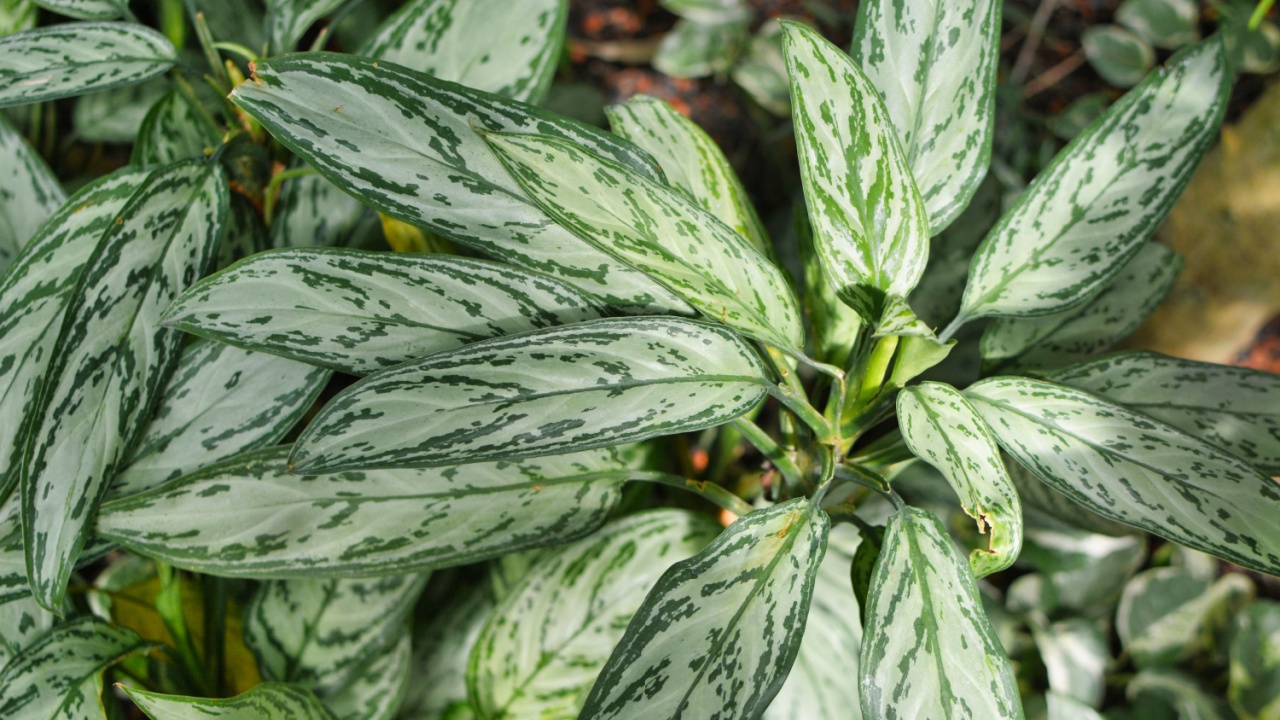
Image Credit: Shutterstock.
Aglaonema ‘Silver Bay’ is a variety of Chinese Evergreen known for its beautiful, lush foliage. The lance-shaped leaves are a lovely sage-green with a wide, silvery-green center and darker green edges. It is an incredibly durable and adaptable houseplant, making it a favorite for many.
This is one of the best plants for lower-light situations. If you have a spot in your home where other plants have struggled, a Chinese Evergreen will likely thrive. It’s also known for its air-purifying qualities. Its full, leafy appearance is great for adding a touch of life to a dim corner.
Quick Care Guide:
- Light: Tolerates low light but prefers medium to bright indirect light.
- Water: Water when the top half of the soil is dry. It’s tolerant of some drying out.
- Humidity: Appreciates higher humidity but adapts to average levels.
- Soil: A well-draining potting soil.
16. Monstera Standleyana ‘Albo Variegata’
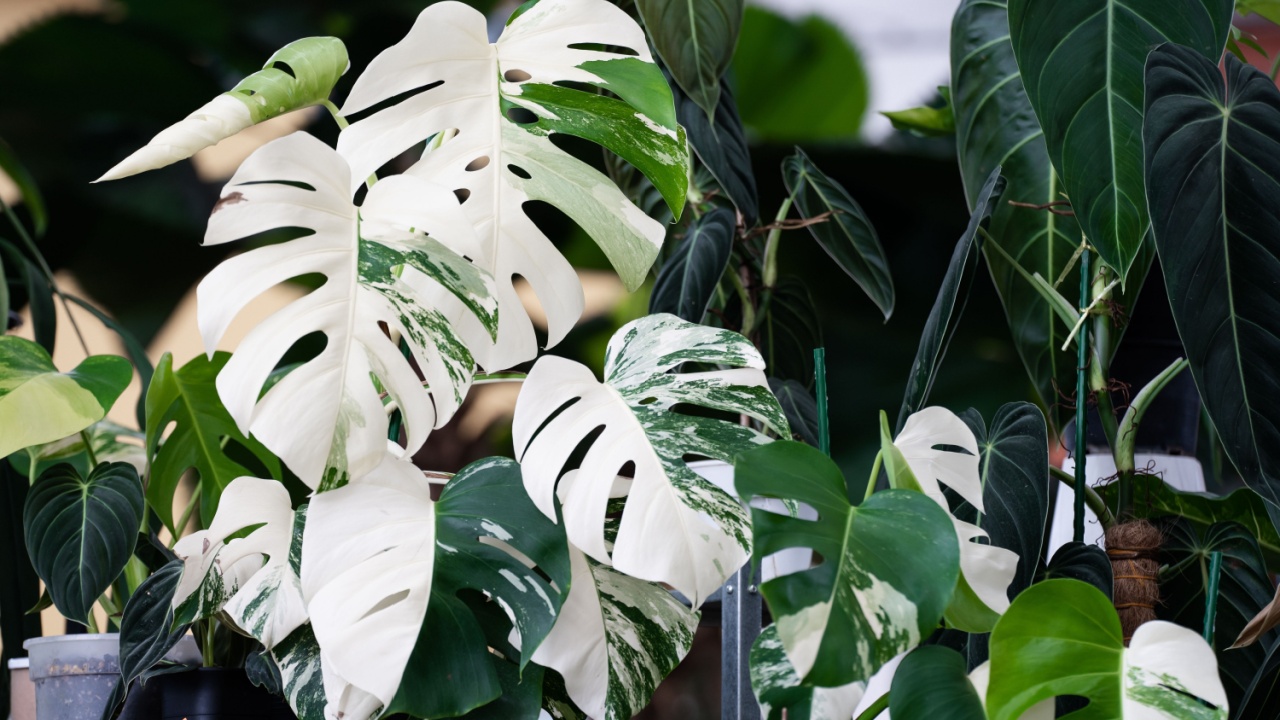
Image Credit: Shutterstock.
While many know the large Monstera deliciosa, the Monstera standleyana offers a different kind of charm. This vining plant has smaller, elongated, deep-green leaves. The ‘Albo Variegata’ variety is particularly sought after for its stunning splashes and speckles of pure white variegation. Each leaf is unique, making the plant a living piece of abstract art.
This is a great choice for collectors and those who love variegated plants. It can be grown climbing up a moss pole, which encourages larger leaves, or left to trail from a hanging basket. It’s relatively easy to care for compared to some other highly variegated plants.
Quick Care Guide:
- Light: Bright, indirect light is essential to maintain the white variegation. Avoid direct sun.
- Water: Water when the top 1-2 inches of soil are dry.
- Humidity: Prefers high humidity.
- Soil: A well-draining, chunky aroid mix.
17. Peperomia Caperata (Ripple Peperomia)
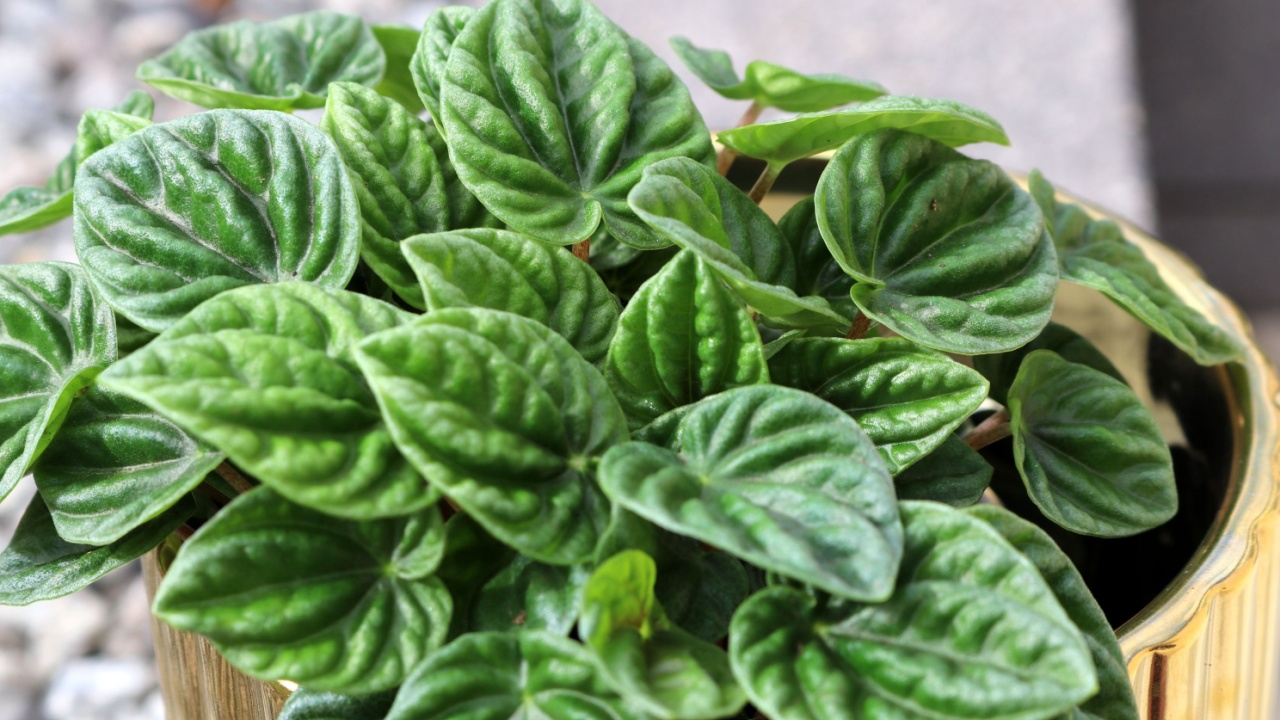
Image Credit: Shutterstock.
Ripple Peperomia is a compact plant that is all about texture. Its heart-shaped leaves are deeply corrugated or “rippled,” giving them a fascinating, crinkly appearance. They come in various colors, from deep green and burgundy to silvery frost. It also sends up unusual, spike-like flower stalks that resemble mouse tails.
This small plant is perfect for desks, terrariums, or grouped with other plants where its unique texture can stand out. It stays relatively small, making it ideal for those with limited space. It’s a great low-maintenance option that adds a lot of visual interest.
Quick Care Guide:
- Light: Medium to bright indirect light.
- Water: Water when the top half of the soil feels dry. The semi-succulent leaves store water, so be careful not to overwater.
- Humidity: Prefers higher humidity but does well in average conditions.
- Soil: A standard, well-draining potting mix.
18. Fishbone Cactus (Disocactus anguliger)

Image Credit: Shutterstock.
Also known as the Zig Zag Cactus, this plant is famous for its unique stems. The leaves are flat, succulent, and deeply lobed, creating a pattern that looks exactly like a fish skeleton. It’s a fun, quirky cactus that trails beautifully, making it perfect for a hanging basket. As a jungle cactus, it also produces large, fragrant, nocturnal flowers.
The Fishbone Cactus is a great choice for someone who wants a low-maintenance trailing plant with a strong personality. It’s easy to care for and grows relatively quickly. Its distinctive shape adds a modern and playful vibe to any room.
Quick Care Guide:
- Light: Bright, indirect light.
- Water: Water when the top inch of soil is dry. It appreciates more moisture than desert cacti.
- Humidity: Average to high humidity.
- Soil: A well-draining mix, like orchid bark or a succulent mix with added peat.
19. String of Pearls (Senecio rowleyanus)
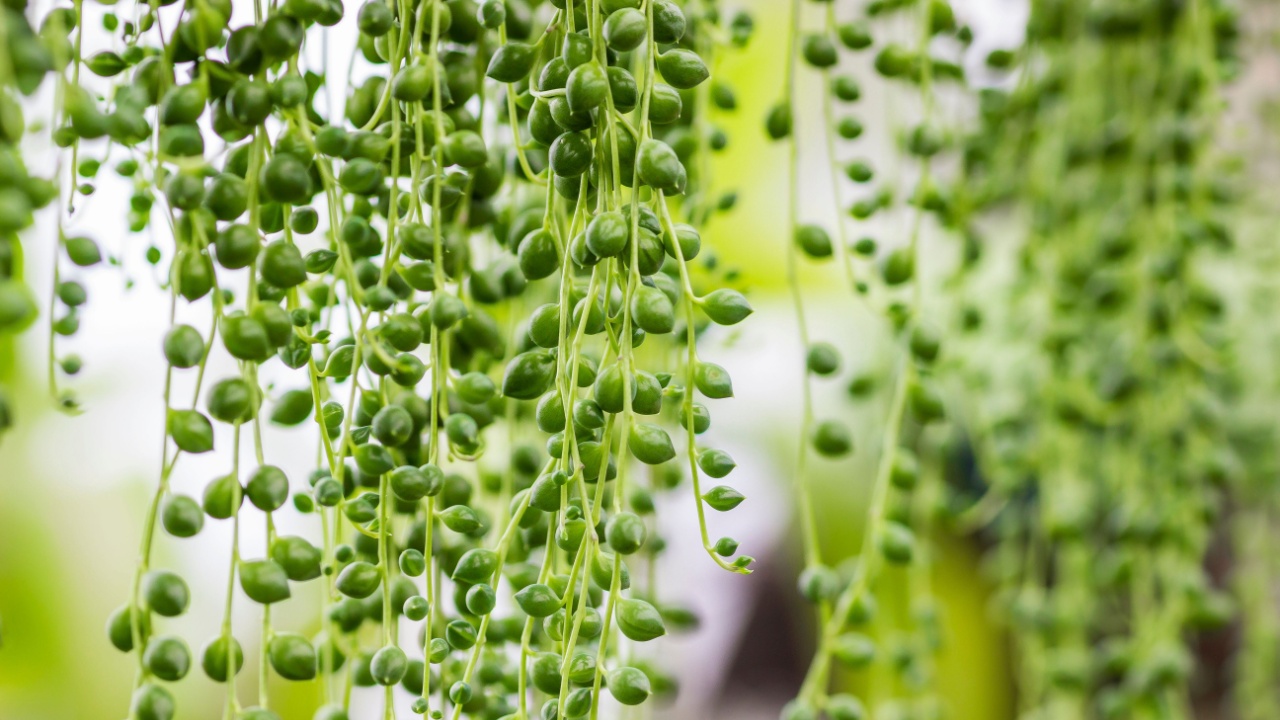
Image Credit: Shutterstock.
String of Pearls is an iconic trailing succulent. Its long, thread-like stems are adorned with small, spherical leaves that look just like a string of green peas or pearls. This unique structure is an adaptation to its arid native environment, as the spherical shape minimizes surface area to reduce water loss.
This plant is a must-have for succulent lovers and fans of trailing plants. It creates a stunning waterfall effect when hung from a high pot or shelf. It can be a bit tricky to care for, as it’s very susceptible to root rot from overwatering, but its one-of-a-kind appearance is worth the effort.
Quick Care Guide:
- Light: Bright, indirect light. The top of the pot needs light to avoid the stems rotting.
- Water: Water thoroughly only when the soil is completely dry. Look for the small “window” on each pearl to close or the pearls to slightly pucker as a sign of thirst.
- Humidity: Low humidity.
- Soil: A very fast-draining cactus/succulent mix.
20. Raven ZZ (Zamioculcas zamiifolia ‘Raven’)
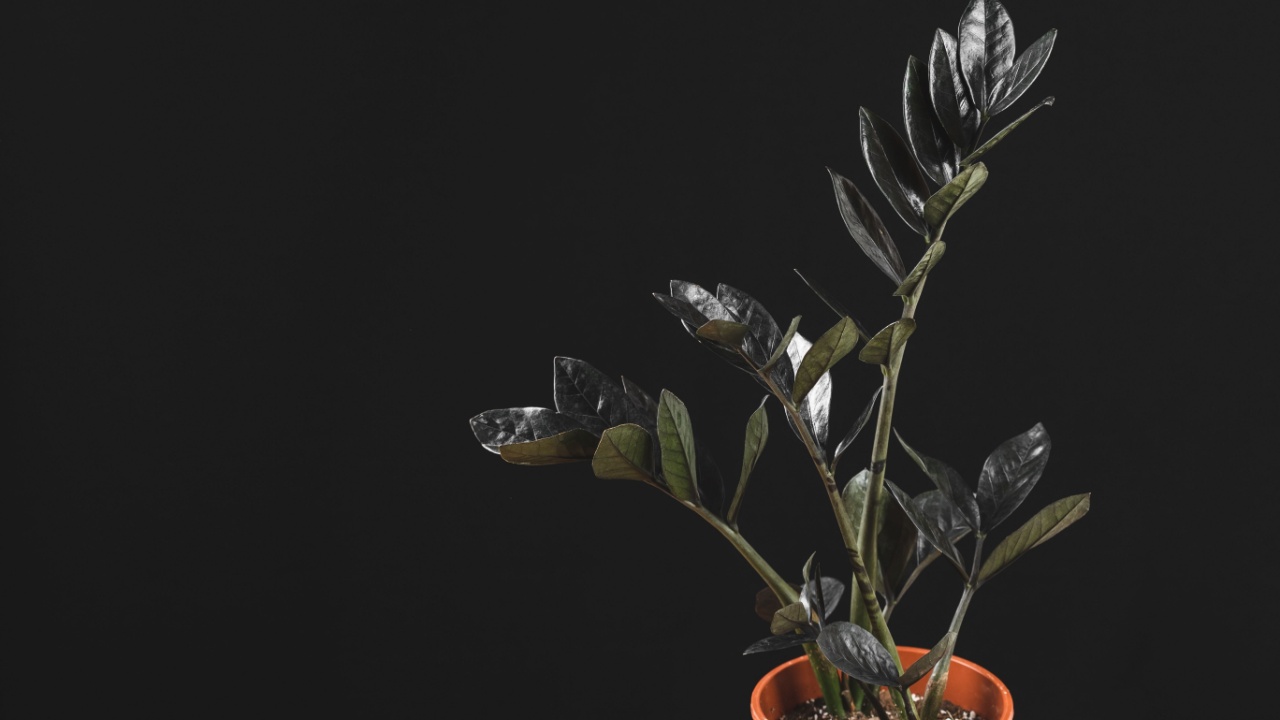
Image Credit: Shutterstock.
The Raven ZZ plant is a stunning, goth-chic version of the nearly indestructible classic ZZ plant. What makes it unique is its foliage, which emerges a bright, lime green and slowly darkens to a rich, purple-black color as it matures. The contrast between new and old growth on the same plant is striking.
This is arguably one of the best houseplants for beginners or anyone with a self-proclaimed “black thumb.” It is extremely drought-tolerant thanks to its large, potato-like rhizomes that store water, and it thrives in low-light conditions where other plants would perish. Its dramatic color and easy-care nature make it a perfect statement plant for modern interiors.
Quick Care Guide:
- Light: Thrives in low to bright indirect light. Avoid direct sun.
- Water: Water only when the soil has dried out completely. It’s better to underwater than overwater.
- Humidity: Average household humidity is fine.
- Soil: A well-draining potting mix.
Adding Flare to Your Indoor Garden

Image Credit: Dbwolfe – Own work – CC BY-SA 4.0/Wiki Commons.
Now that you’ve seen the incredible variety of unique plants available, it’s time to start your collection. Don’t feel like you need to find all of them at once. Begin by choosing one or two that caught your eye and match the conditions in your home. Before you buy, take a moment to assess your space.
Notice where the windows are and how much light those spots get throughout the day. Do you have a sunny, south-facing window perfect for a succulent, or a dimmer corner that would welcome a Raven ZZ? Thinking about this first will set you and your new plant up for success. Your next adventure could be visiting a local nursery to see these plants in person or exploring online plant shops.