
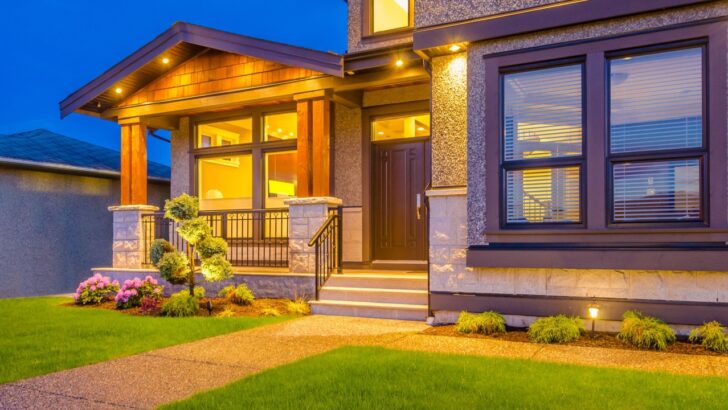
Your front yard is your canvas—a place where you can express creativity, showcase your gardening skills, and create a welcoming entrance to your home. But unlike your backyard oasis, your front yard sits in full view of neighbors, passersby, and the entire community. What feels like personal expression to you might inadvertently create tension with those living nearby.
Neighborhood harmony matters more than many realize. Research shows that positive relationships among neighbors can enhance overall quality of life, increase satisfaction with your community, and even have measurable effects on neighborhood desirability and home values. While you shouldn’t sacrifice your personal style entirely, understanding which decorating choices commonly cause friction can help you make informed decisions about your outdoor space.
This guide explores 11 front yard decor choices that frequently spark neighborly complaints. We’ll examine why each might cause issues, what alternatives exist, and how to modify your approach if you love a particular style but want to maintain good relationships with your community.
A Word About Personal Choice
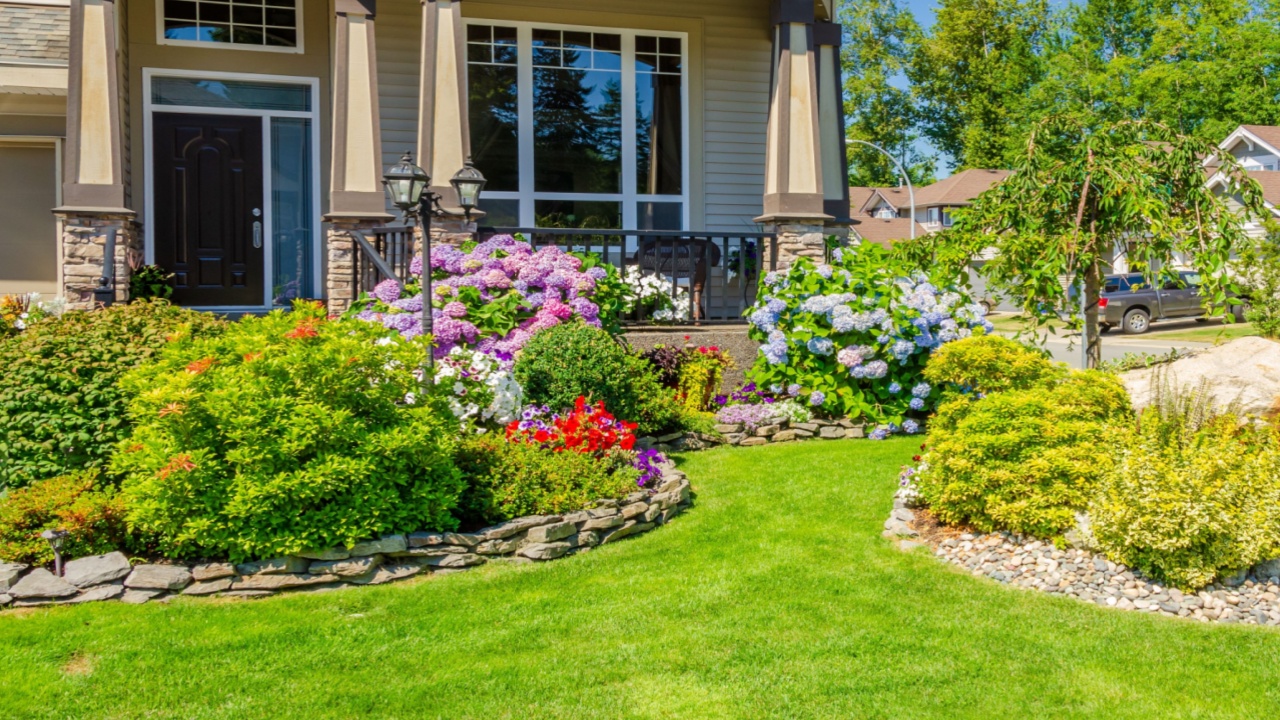
Image Credit: Shutterstock.
Before diving into specific decor choices, it’s important to acknowledge that your front yard is your property. If maintaining neighborly relations isn’t a priority for you, feel free to decorate exactly as you please within local ordinances and HOA guidelines. Some homeowners genuinely don’t mind if their choices raise eyebrows, and that’s perfectly valid. Or they might have wildly particular neighbors that they’ve stopped caring a long time ago.
However, if you value community harmony, want to maintain property values, or simply prefer to avoid potential conflicts, considering your neighbors’ perspectives can be worthwhile. The goal isn’t to eliminate personality from your landscape—it’s to find ways to express yourself that don’t inadvertently create ongoing friction with people you see daily.
Each recommendation is based on evidence-based insights from studies and surveys conducted by real estate experts and environmental agencies. These tips not only help foster positive relationships with your neighbors but can also improve the overall quality of life in your neighborhood.
1. Overly Bright Security Lighting
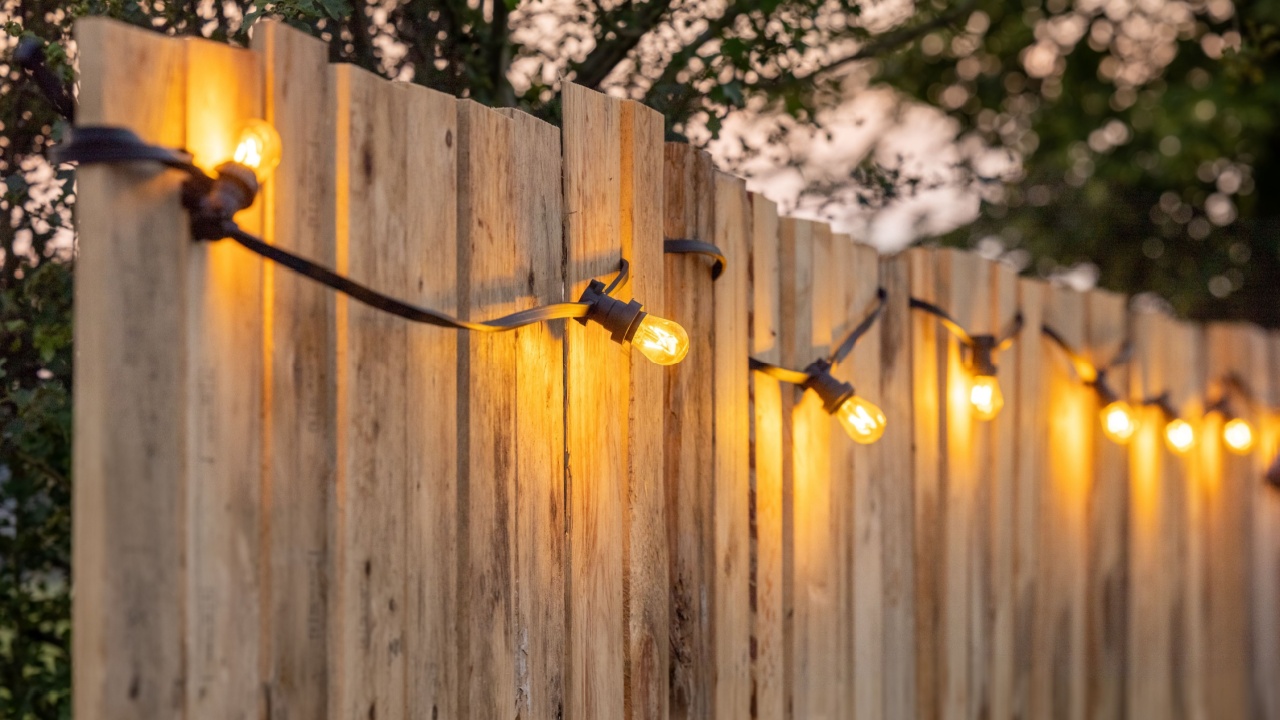
Image Credit: Shutterstock.
Motion-activated security lights serve legitimate safety purposes, but excessively bright fixtures can transform your front yard into an interrogation zone that disrupts the entire neighborhood after dark.
Why This Bothers Neighbors
Ultra-bright LED spotlights can penetrate closed curtains and wake sleeping neighbors when triggered by passing cats, delivery trucks, or wind-blown branches. The sudden flare of intense light creates a jarring experience that can trigger anxiety and disrupt sleep patterns for anyone within the illumination zone.
Better Alternatives
- Install motion sensors with adjustable sensitivity settings to reduce false triggers
- Choose warm-toned LED bulbs (3000K or lower) instead of harsh white light
- Position fixtures to illuminate your property without bleeding onto neighboring lots
- Consider pathway lighting or subtle accent lights for ongoing security without harsh spotlights
Quick Fix Solutions
The American Medical Association urges outdoor lighting to be ≤3000 Kelvin (warm tone) and properly shielded to minimize negative effects.
Add light shields or directional covers to existing fixtures, reducing spread while maintaining security coverage for your property.
2. Indoor Furniture on Outdoor Porches
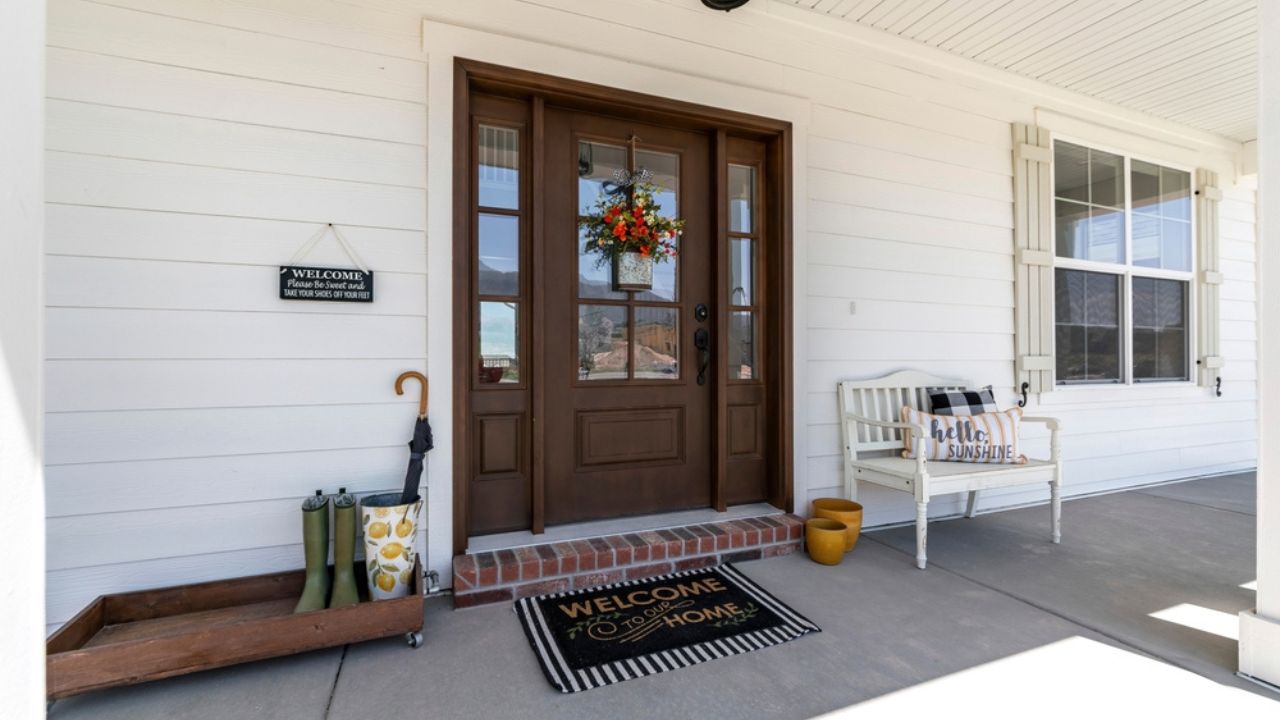
Image Credit: Shutterstock.
Dragging that old living room sofa onto your covered porch might seem like an economical seating solution, but indoor furniture deteriorates rapidly outdoors and signals neglect to everyone who passes by.
Why This Bothers Neighbors
Weather-damaged upholstered furniture looks shabby and decreases perceived neighborhood quality. Faded fabrics, warped wood, and sagging cushions create an impression of abandonment that can negatively impact surrounding property values.
Better Alternatives
- Search Facebook Marketplace or Craigslist for weather-resistant outdoor furniture
- Visit end-of-season sales at garden centers for discounted patio sets
- Build simple outdoor seating using weather-treated lumber and outdoor cushions
- Create DIY solutions with repurposed materials designed for exterior use
Quick Fix Solutions
If budget constraints require using indoor furniture temporarily, protect pieces with weather-resistant covers and bring cushions inside during storms.
3. Seasonal Decorations Left Year-Round
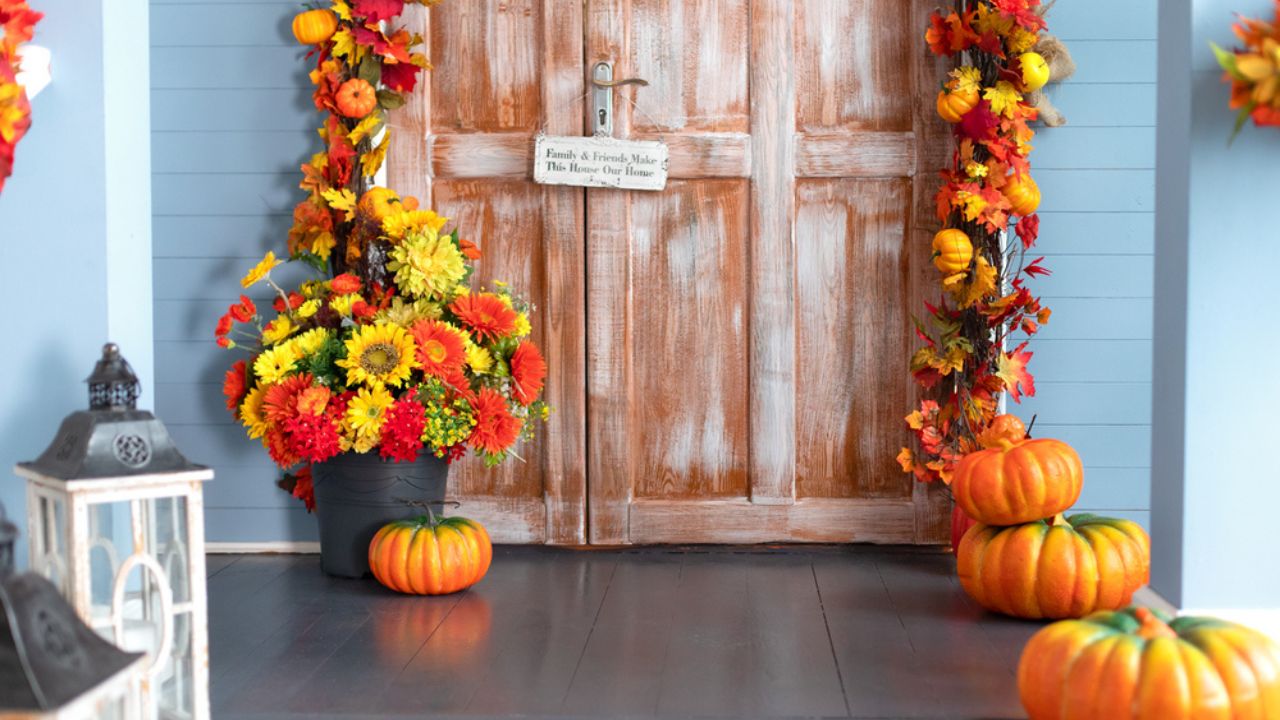
Image Credit: Depositphotos.com.
Holiday decorations create festive charm during appropriate seasons, but Christmas lights in July or Halloween skeletons in March signal either forgetfulness or indifference to community standards.
Why This Bothers Neighbors
Out-of-season decorations suggest a lack of property maintenance that neighbors worry might indicate broader neglect. They also create visual confusion and can make the entire neighborhood feel less cared-for to visitors and potential homebuyers.
Better Alternatives
- Set calendar reminders for decoration removal dates
- Choose transitional pieces that work across multiple seasons
- Invest in neutral decorative elements like planters or architectural features
- Create a storage system that makes seasonal swapping convenient
Quick Fix Solutions
Gradually transition seasonal items—replace Halloween orange with autumn burgundy, then winter white, creating smoother visual progressions.
4. Excessive or Flashing Light Displays
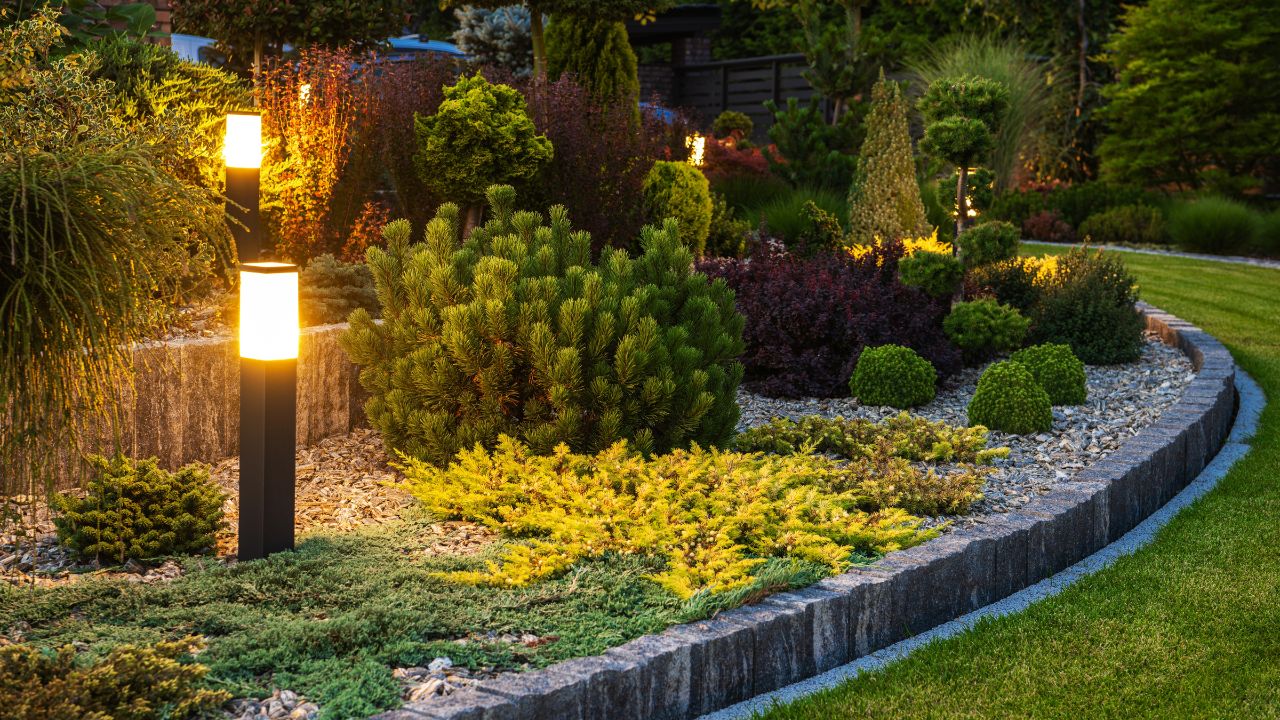
Image Credit: Shutterstock.
Being considerate of lighting choices goes beyond security flood lights (as mentioned earlier). While tasteful exterior lighting enhances curb appeal, overwhelming light displays or constantly flashing sequences can create sensory overload for neighbors trying to enjoy quiet evenings.
Why This Bothers Neighbors
Flashing lights can trigger headaches, interfere with television viewing, and make it difficult to relax in their own outdoor spaces. The visual chaos disrupts the peaceful atmosphere that most residential neighborhoods strive to maintain.
Better Alternatives
- Use steady, warm lighting instead of flashing sequences
- Install timer systems that automatically dim lights after a reasonable hour
- Choose subtle accent lighting that highlights landscape features
- Coordinate with neighbors during holiday seasons for complementary rather than competing displays
Quick Fix Solutions
Add manual switches to control lighting intensity and timing, allowing you to adjust based on weather, events, or neighbor feedback.
5. Oversized or Inappropriate Signage
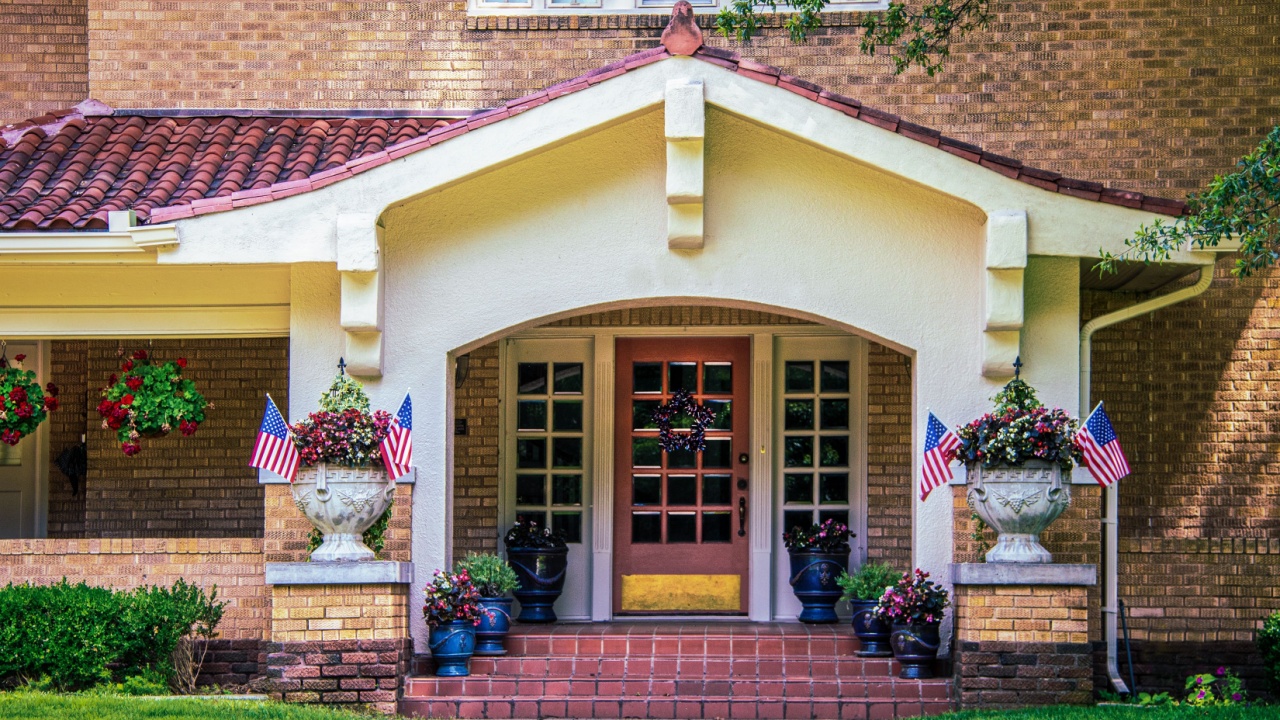
Image Credit: Shutterstock.
While expressing personality through yard signs is common, excessive signage or inappropriate messages can create ongoing tension and make neighbors uncomfortable in their own neighborhood.
Why This Bothers Neighbors
Too many signs create visual clutter that neighbors must view daily from their own properties. Plus, clutter has been linked to lower property values in the neighborhood. Controversial or crude messages can make families with children feel unwelcome and decrease the neighborhood’s family-friendly reputation.
Better Alternatives
- Limit signs to one or two tasteful pieces that reflect your interests
- Choose messages that are welcoming rather than divisive
- Use attractive materials like carved wood or painted slate instead of mass-produced plastic
- Consider removable options that can be changed seasonally
Quick Fix Solutions
Evaluate your current signage and remove pieces that might be controversial, keeping only those that add genuine charm to your landscape.
6. Artificial Plants and Landscaping
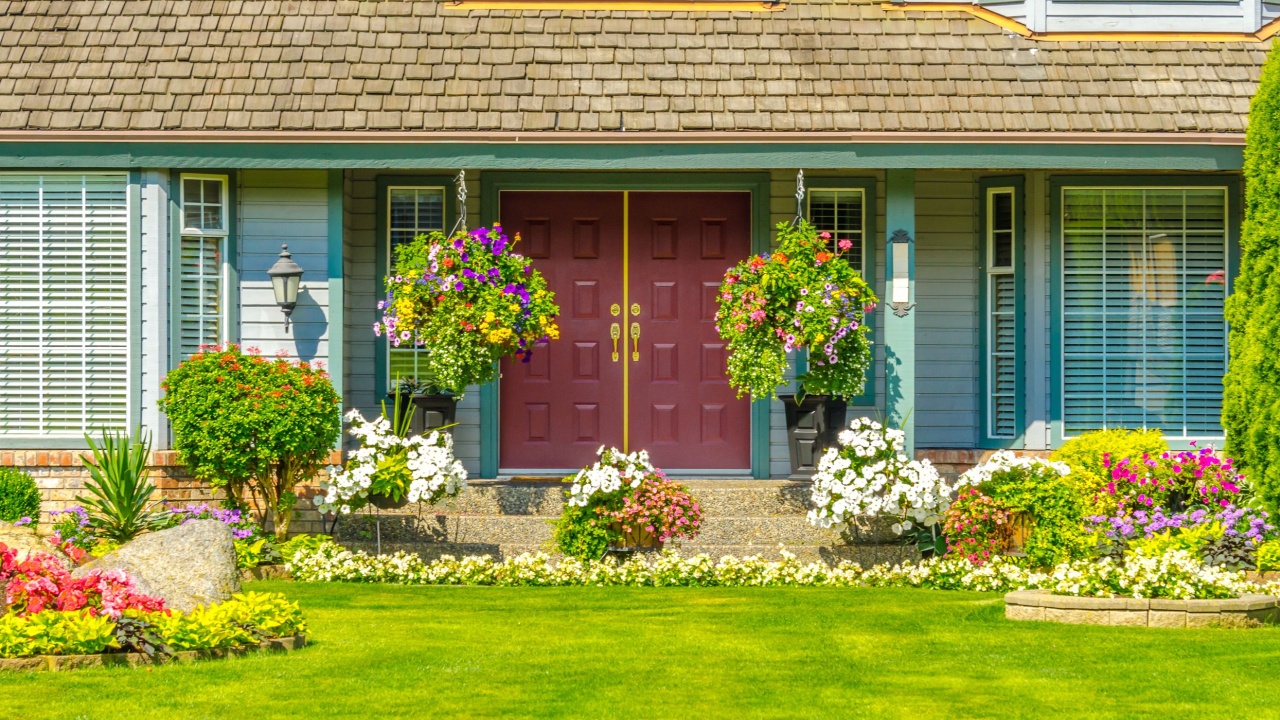
Image Credit: Shutterstock.
While an aesthetic choice, fake flowers, plastic shrubs, and artificial grass might seem like low-maintenance solutions. They often create an uncanny valley effect that neighbors find unsettling.
Why This Bothers Neighbors
Artificial landscaping looks increasingly obvious over time as it fades, collects dust, and lacks the seasonal changes that make real gardens engaging. Neighbors may interpret fake plants as a lack of commitment to the neighborhood’s natural beauty.
Better Alternatives
- Choose low-maintenance native plants that thrive without intensive care
- Install drip irrigation systems to minimize watering responsibilities
- Create hardscape features with natural stone or attractive mulched areas
- Consult local extension offices for plant recommendations suited to your climate and skill level
Quick Fix Solutions
Replace the most obvious artificial elements first, gradually transitioning to living plants or attractive hardscape features.
7. Excessive Lawn Ornaments and Kitsch
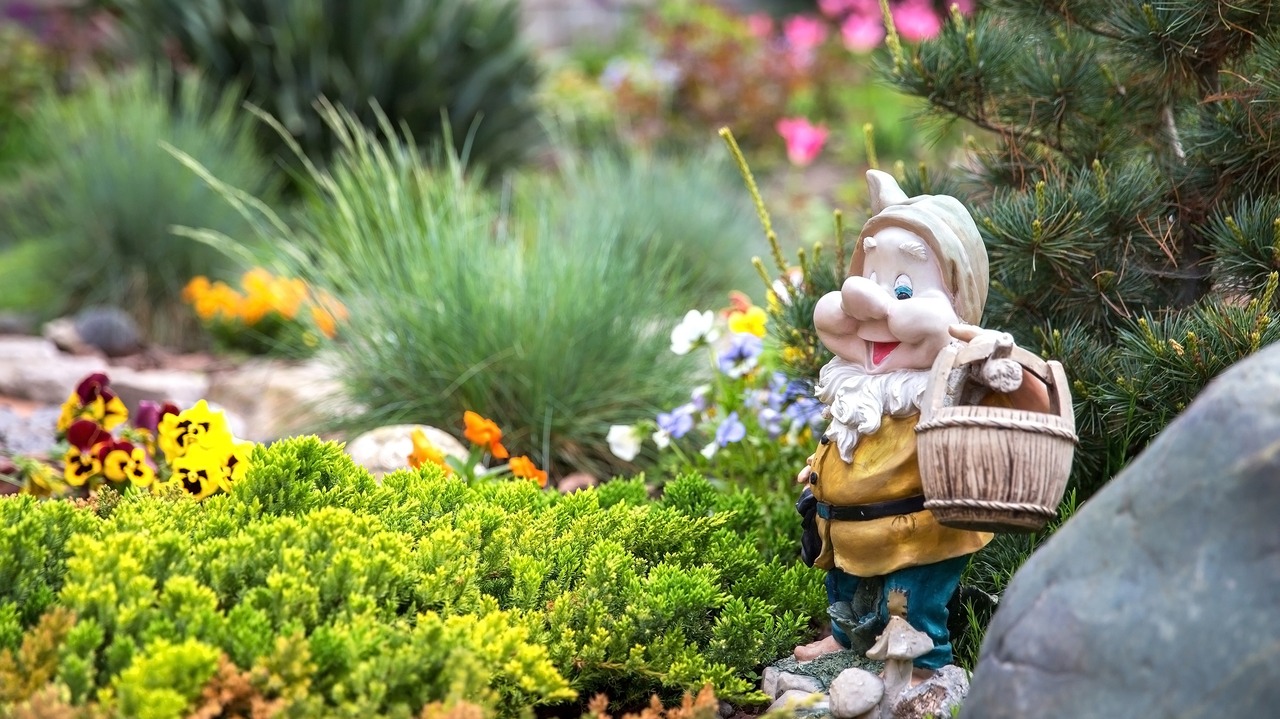
Image Credit: Shutterstock.
Garden gnomes, pink flamingos, and whimsical sculptures can add personality to your landscape, but too many decorative elements can overwhelm the space and clash with neighbors’ aesthetic preferences.
Why This Bothers Neighbors
Visual overload from too many lawn ornaments can make the neighborhood feel chaotic and decrease the sophisticated appearance that many homeowners work to maintain. Neighbors may worry that excessive decoration indicates a lack of judgment that could extend to other property maintenance issues.
Better Alternatives
- Follow the “less is more” principle, choosing one or two high-quality pieces
- Group similar items together rather than scattering them throughout the yard
- Choose ornaments that complement your home’s architectural style
- Invest in weather-resistant materials that maintain their appearance over time
Quick Fix Solutions
Store half of your current ornaments and rotate them seasonally, reducing visual clutter while still enjoying your collection.
8. Elaborate Water Features
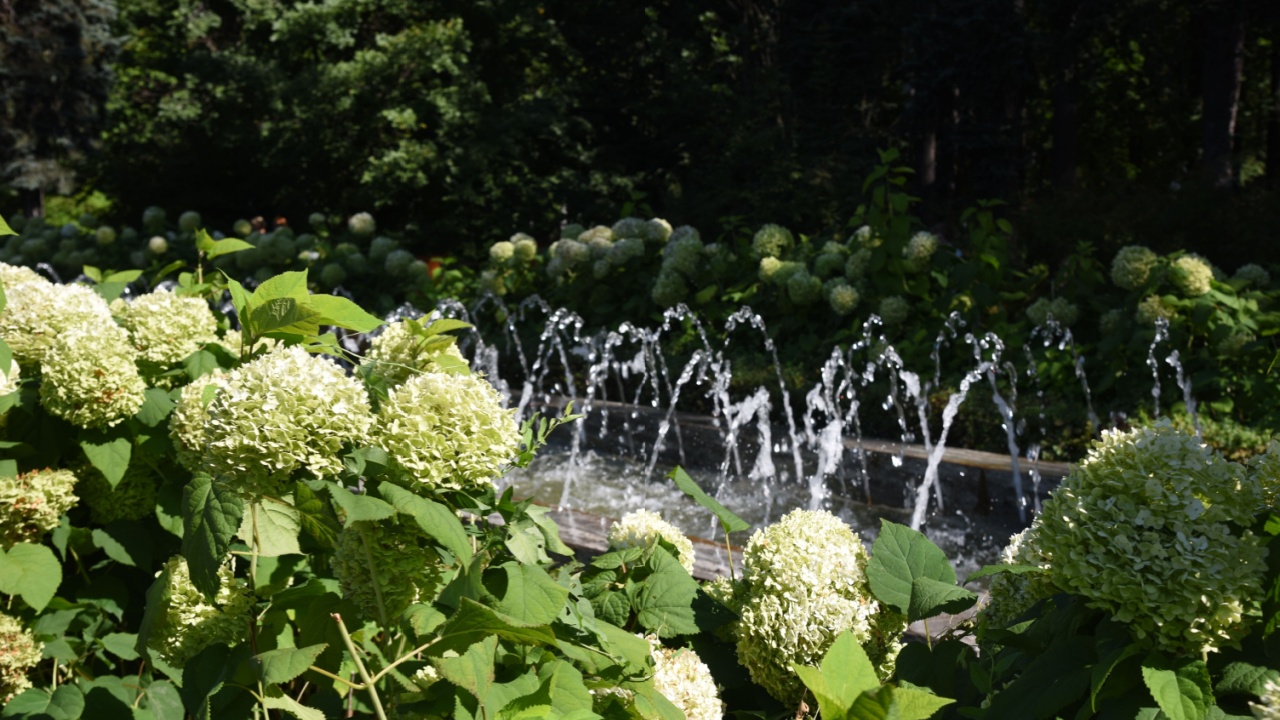
Image Credit: Shutterstock.
Grand fountains and oversized water features can seem impressive to homeowners but may appear ostentatious or inappropriate for typical residential neighborhoods.
Why This Bothers Neighbors
Large water features can seem pretentious in modest neighborhoods and may suggest that homeowners are trying to show off wealth or status. The constant sound of running water might also be annoying to neighbors who prefer quiet outdoor spaces. Plus, there might be reasonable concerns about water use in drought prone areas.
Better Alternatives
- Choose smaller, more subtle water features that complement rather than dominate your landscape
- Install features with adjustable flow rates to control sound levels
- Position water elements to enhance your enjoyment without impacting neighboring properties
- Consider bird baths or small pond features that attract wildlife
Quick Fix Solutions
Reduce water flow rates or add sound-dampening elements like strategically placed plants to minimize noise impact.
9. Peeling Paint and Neglected Maintenance
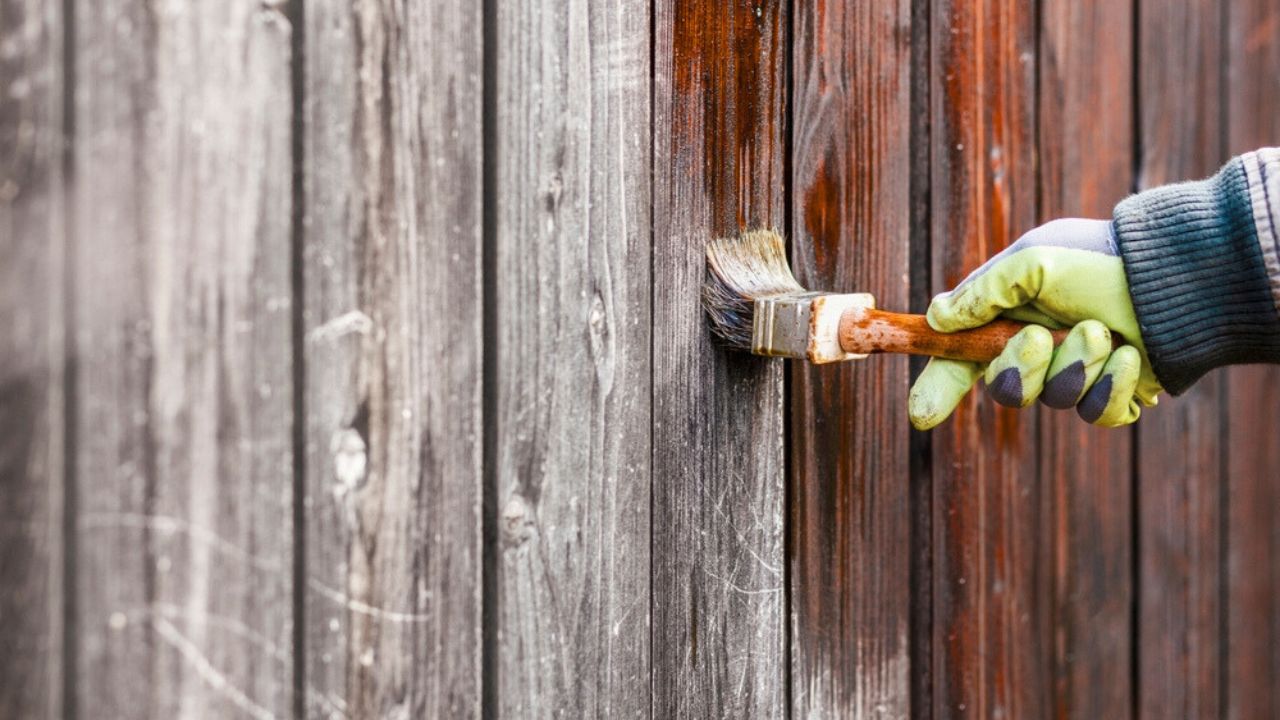
Image Credit: Shutterstock.
Faded, peeling, or obviously neglected exterior surfaces create the impression of declining property values and can make conscientious neighbors worry about their own investments.
Why This Bothers Neighbors
Visible maintenance neglect suggests that property values in the area might be at risk. Neighbors who invest time and money in maintaining their homes feel frustrated when nearby properties appear abandoned or uncared-for.
Better Alternatives
- Address the most visible maintenance issues first, focusing on areas seen from the street
- Create a maintenance schedule to prevent small problems from becoming large ones
- Choose paint colors and materials that age gracefully and require less frequent touch-ups
- Consider hiring professionals for complex jobs that are beyond your skill level
Quick Fix Solutions
Power wash surfaces to remove dirt and mildew, which can dramatically improve appearance even when paint isn’t perfect.
10. Oversized or Inappropriate Mailbox Installations

Image Credit: Shutterstock.
While a unique mailbox can add character to your property, oversized installations or inappropriate themes can clash with neighborhood aesthetics and postal service requirements.
Why This Bothers Neighbors
Elaborate mailbox displays can make the neighborhood feel inconsistent and may violate postal regulations, potentially affecting mail delivery for everyone. Neighbors may view oversized installations as attention-seeking behavior that disrupts the area’s cohesive appearance.
Better Alternatives
- Choose mailboxes that complement your home’s architectural style
- Check local regulations and HOA guidelines before installing custom designs
- Consider subtle decorative elements like attractive post materials or small landscaping around the base
- Coordinate with neighbors to create a cohesive street appearance
Quick Fix Solutions
Add attractive but understated elements like a small flower bed or decorative mulch around your existing mailbox.
11. Dead or Dying Front Yard Landscaping
Image Credit: Shutterstock.
Brown lawns, dead trees, and wilted flower beds create an impression of neglect that neighbors find concerning and potentially property-value-damaging.
Why This Bothers Neighbors
Dead landscaping suggests that homeowners either lack the knowledge to maintain plants or don’t care about their property’s appearance. This creates anxiety among neighbors who worry about property values and neighborhood reputation. A 2021 Realtor study found that bad landscaping can bring down property values in the area as much as 30%.
Better Alternatives
- Replace high-maintenance plants with drought-tolerant native species
- Install efficient irrigation systems to ensure consistent watering
- Choose groundcover options that require minimal maintenance
- Create attractive hardscape features in areas where plants consistently fail
Quick Fix Solutions
Remove obviously dead plants immediately and replace them with inexpensive, hardy alternatives that can establish quickly.
Creating Neighborhood-Friendly Front Yard Spaces
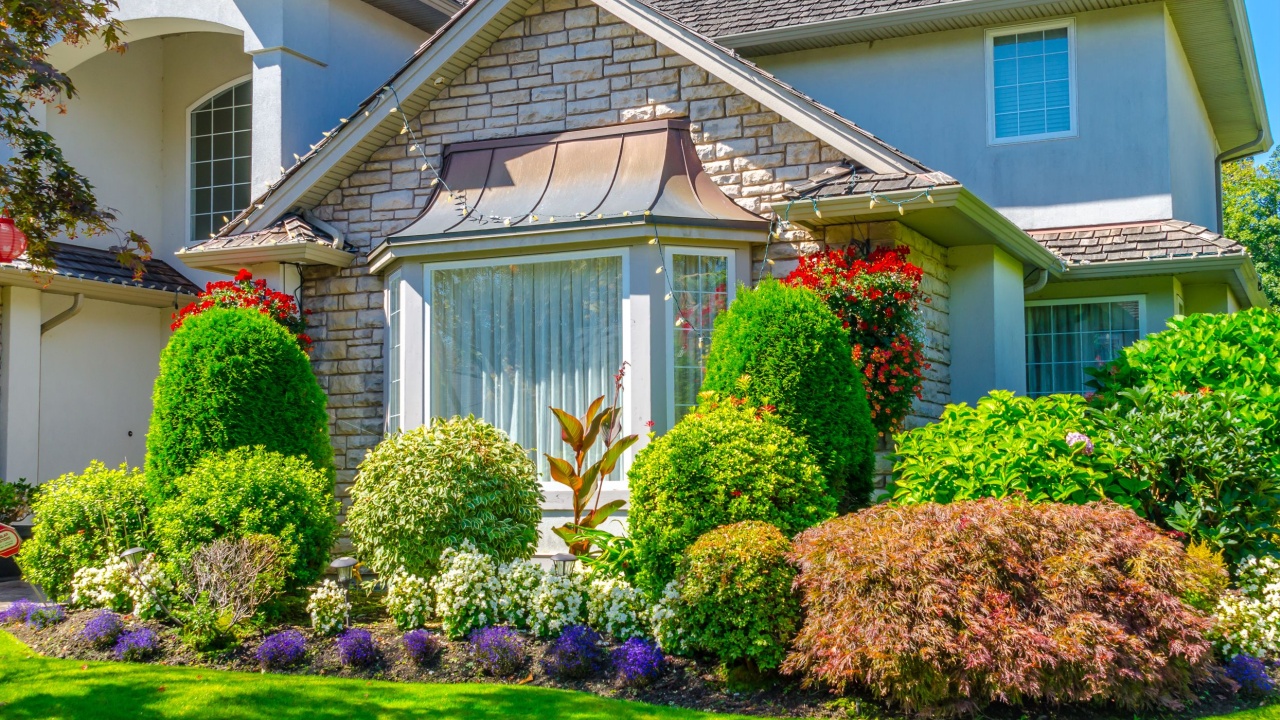
Image Credit: Shutterstock.
The key to successful front yard design lies in balancing personal expression with community consideration. This doesn’t mean sacrificing your style—it means being thoughtful about how your choices impact the shared visual environment that everyone in your neighborhood experiences daily.
Consider starting conversations with neighbors about landscape plans, especially for larger installations. Many conflicts arise from misunderstandings rather than fundamental disagreements. A brief discussion about your vision can prevent problems and might even result in collaborative improvements that benefit everyone.
Remember that neighborhood relationships are long-term investments. The extra effort you put into considering others’ perspectives often pays dividends in the form of helpful neighbors, maintained property values, and a more pleasant living environment for everyone involved.
Your front yard should reflect your personality while contributing positively to the community you call home. With thoughtful planning and open communication, you can create a space that brings you joy without causing stress for those around you.