

Economic hardship has a funny way of shaping what ends up on our plates. When wallets tighten, practicality, affordability, and comfort often take center stage. Many of the foods we turn to during tough times aren’t just about survival; they have become a resilient tradition of the region. Think of it as a way people show their creativity when times were lean.
Some of these foods are pantry staples that can be grown in your own backyard, while others only resurface when we’re collectively trying to stretch a dollar. Each one has a story tied to resilience, showing how people around the world have made the best of limited resources. If you’ve ever had a meal that felt humble yet comforting, odds are it has its roots in this kind of history.
Of course, everyone’s experience is a little different. Regional preferences and cultural staples mean not every food here will be familiar to everyone. But these examples highlight the resourcefulness that’s universal when it comes to putting food on the table during leaner times.
1. Potatoes

Image Credit: Depositphotos.com.
Potatoes are the MVP of hard times. They’re cheap, filling, and ridiculously versatile. Mashed, fried, or turned into soup, potatoes have a way of stretching meals and satisfying hunger.
Historically, potatoes have been lifesavers during major crises like World War II. A sack of spuds could last for weeks, offering essential nutrients like vitamin C and potassium when other foods were scarce.
2. Rice

Image Credit: Depositphotos.com.
Rice has been a global staple for centuries, and it shines brightest during economic slumps. It’s inexpensive, filling, and pairs well with almost anything, making it the ultimate meal stretcher.
During the Great Depression, rice found its way into countless casseroles and soups, helping families feed everyone at the table. Today, it’s still a go-to option for budget-conscious households.
3. Beans

Image Credit: Depositphotos.com.
Beans are a powerhouse of protein and fiber, and they’re easy on the wallet. From black beans to chickpeas, they’ve been a key ingredient in countless hearty dishes.
In tough times, beans have been the star of stews, chilis, and baked dishes. They’re easy to store, packed with nutrients, and adaptable to almost any cuisine.
4. Bread

Image Credit: Depositphotos.com.
Bread has long been a symbol of sustenance, especially when money is tight. Store-bought or homemade, it’s a comforting staple that fills bellies without breaking the bank.
During economic downturns, baking bread at home became common as a way to save money and make meals go further. The aroma alone makes it feel like things aren’t so bad.
5. Cabbage

Image Credit: Depositphotos.com.
Cabbage (and other brassicas) doesn’t get enough credit. It’s cheap, lasts forever in the fridge, and is packed with vitamins. Plus, you can use it in soups, stir-fries, or even as the base for sauerkraut.
During wars and depressions, cabbage soup became an icon of frugality. It wasn’t fancy, but it kept people nourished and satisfied.
6. Eggs

Image Credit: Depositphotos.com.
Eggs are a go-to in tight financial spots. They’re versatile, quick to cook, and rich in protein, perfect for everything from breakfast scrambles to dinner omelets.
During the Great Depression, eggs were a common choice for their affordability and ability to bulk up meals. They remain a staple for families looking to eat well on a budget.
7. Oats

Image Credit: Depositphotos.com.
Oats might be humble, but they’re also hearty and comforting. A warm bowl of oatmeal has helped countless people start their day without spending much.
Back in the Great Depression, oats weren’t just for breakfast. They were often stretched into dinner recipes like oatcakes and meatloaf fillers to make meals go further.
8. Canned Goods

Image Credit: Depositphotos.com.
Canned vegetables, soups, and meats have been a lifeline during lean times. They’re inexpensive, last ages, and require minimal preparation.
During wartime rationing and economic collapses, canned goods ensured families had something to eat even when fresh food wasn’t an option. They remain essential in emergency pantries today.
9. Cornmeal
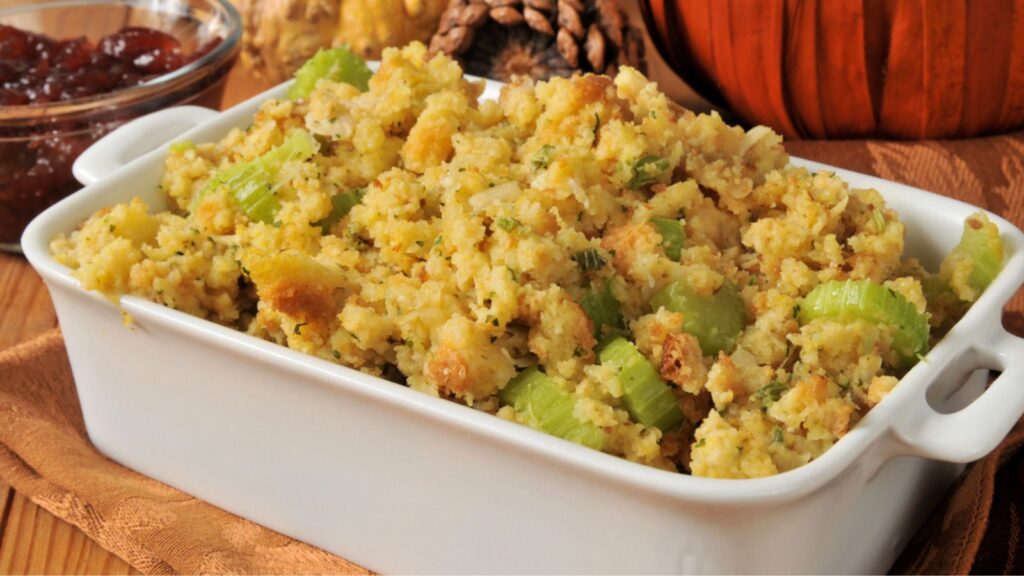
Image Credit: Depositphotos.com.
Cornmeal is the backbone of many thrifty dishes. Grits, cornbread, and polenta have all been go-to options when money is tight, thanks to their affordability and versatility.
During hard times, cornmeal proved its worth by providing a cheap, filling base for meals. It’s no wonder it’s been a staple across so many cultures.
10. Pasta

Image Credit: Shutterstock.
When times are tough, pasta is the friend that never lets you down. It’s cheap, easy to cook, and can turn into a filling meal with just a little creativity.
Pasta surged in popularity during the Great Depression as families found ways to stretch their resources. Today, it’s still a comfort food for many, no matter the financial situation.
11. Peanut Butter

Image Credit: Depositphotos.com.
Peanut butter is the hero of quick, affordable meals. Slather it on bread or eat it straight from the jar, it’s a protein-packed lifesaver.
During the Great Depression, peanut butter sandwiches became a staple lunch for kids and adults alike. Even now, it’s hard to find a pantry without it.
12. Lentils

Image Credit: Depositphotos.com.
Lentils are often overlooked, but they’re a nutritional powerhouse. They’re high in protein, affordable, and cook faster than other legumes.
In hard times, lentil soups and stews were common, providing hearty meals with minimal effort. They’re still a favorite for stretching dollars without sacrificing flavor.
13. Powdered Milk

Image Credit: Depositphotos.com.
Powdered milk might not be glamorous, but it’s practical. It’s cheaper than fresh milk and lasts a lot longer, making it a favorite during financial crises.
During World War II, powdered milk was a staple in ration kits, and it’s still used today for its convenience and cost-effectiveness.
14. Sardines

Image Credit: Depositphotos.com.
Sardines might not win popularity contests, but they’re affordable, nutritious, and long-lasting. Plus, they’re surprisingly versatile.
During economic hardships, canned sardines became a go-to for their convenience and ability to pair with simple staples like bread or rice.