
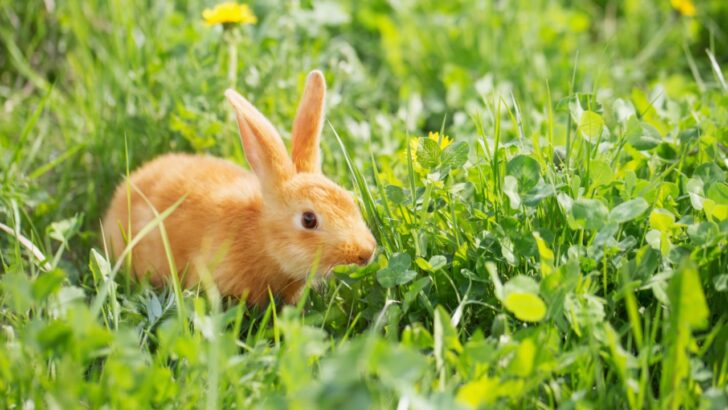
Gardening brings a special kind of joy, from watching seeds sprout to seeing your yard burst into color. But if you’re a rabbit owner or have wild bunnies visiting your property, you know the challenge of keeping your flowers from becoming a snack bar. While some blooms are a definite no-go for these furry friends, many flowers are not only safe but can also be a nutritious treat.
Understanding which flowers are rabbit-friendly is a win-win. You can either plant a “sacrificial” garden bed for your local wildlife or selectively harvest beautiful, homegrown treats for your pet rabbit. It might be enough to keep them away from your more prized items (aka, tomatoes, cucumbers, etc.).
This guide will walk you through 16 flowers that rabbits love, helping you create a garden that coexists peacefully with your hopping visitors or provides a healthy supplement for your beloved pet.
1. Dandelion
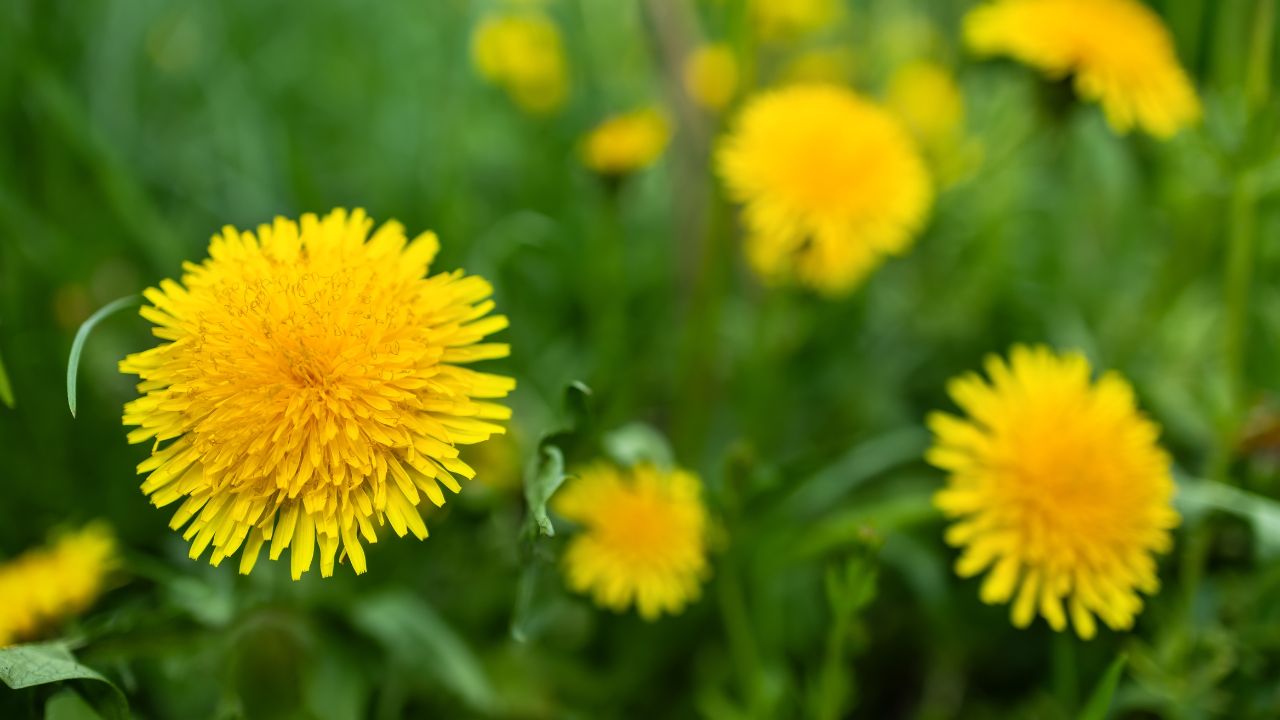
Image Credit: Shutterstock.
Often dismissed as a common weed, dandelions are a superfood in the rabbit world. Every part of this plant, the flower, leaves, and stem, is safe and highly nutritious for your bunny. They are one of the most readily available and beneficial plants you can offer.
Dandelions are packed with vitamins A, B, C, D, and E, as well as minerals like potassium, calcium, and iron. Their high fiber content is excellent for a rabbit’s digestive system, helping to keep things moving smoothly. The slight bitterness of the leaves can also help stimulate appetite.
Gardener’s Guide: Dandelions are incredibly easy to grow and will likely appear in your yard without any effort. If you plan to feed them to your rabbit, ensure they are from an area free of pesticides, herbicides, and other chemical treatments. Wash them thoroughly before serving.
2. Rose
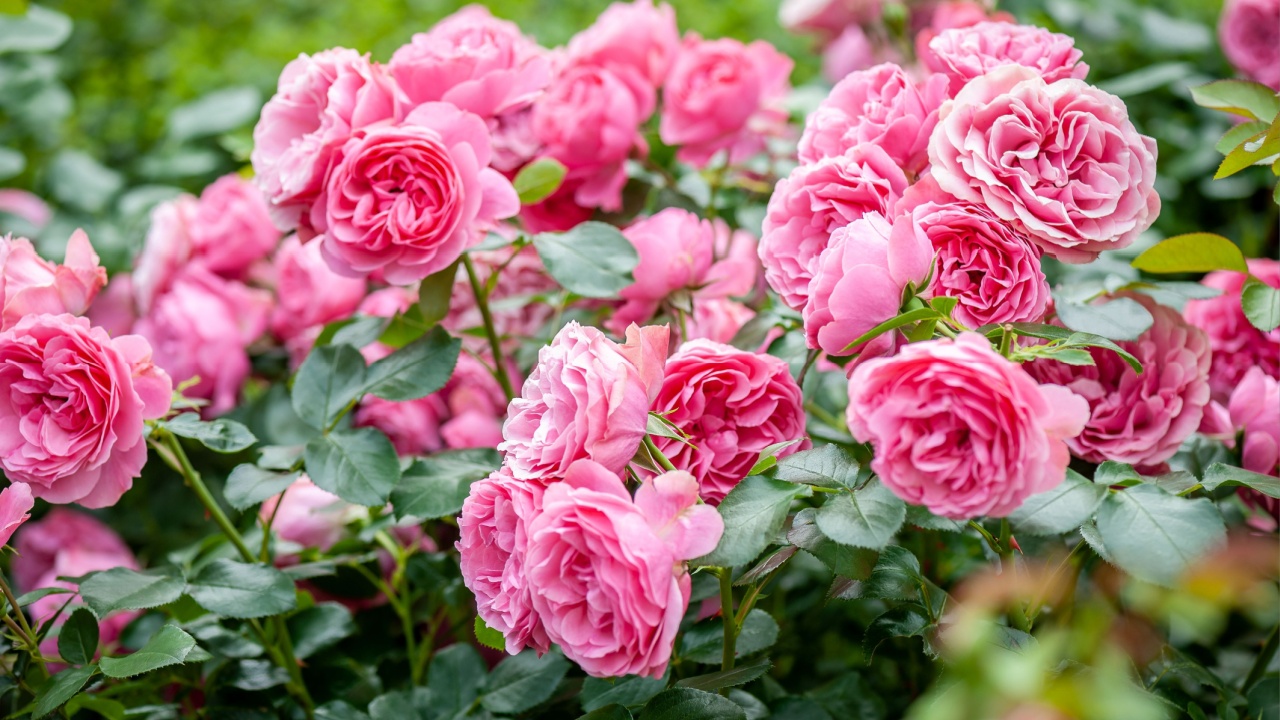
Image Credit: Shutterstock.
Roses are more than just a symbol of love; their petals, leaves, and stems are a wonderful treat for rabbits. The petals are particularly hydrating, with a water content of about 95%, making them a refreshing snack on a warm day.
Beyond hydration, roses offer fiber, vitamin C, iron, and calcium. They introduce new textures and flavors into a rabbit’s diet, which can help prevent boredom. Just be sure to snip off any sharp thorns from the stems before offering them.
Gardener’s Guide: When sharing roses from your garden, only use blooms that have not been treated with systemic pesticides or chemical sprays. Avoid giving store-bought roses, as they are often heavily treated with preservatives to extend their vase life.
3. Nasturtium
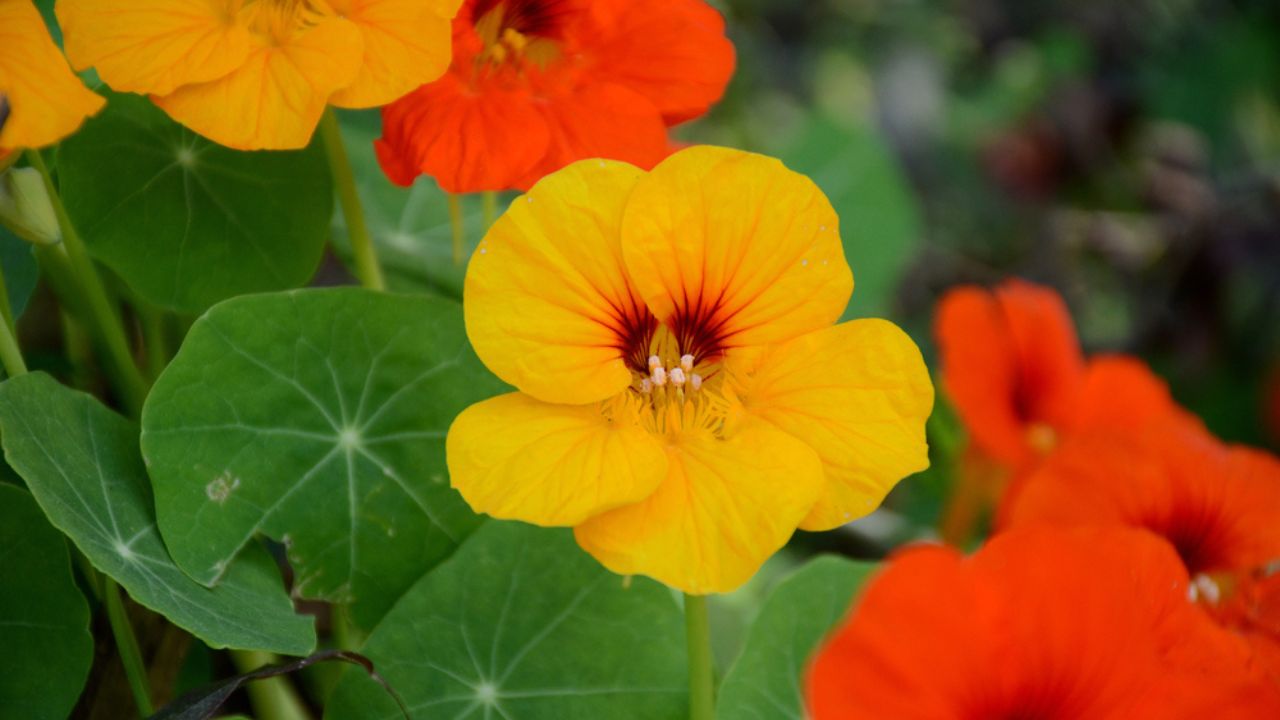
Image Credit: Shutterstock.
These vibrant, cheerful flowers are a fantastic addition to any garden, and even better, they are completely edible for rabbits. From the peppery flowers to the round leaves, every part of the nasturtium is a safe and tasty treat.
Nasturtiums are rich in vitamin C, iron, and calcium. They also contain compounds that have natural antibiotic properties, which can help support a rabbit’s immune system. Their unique, slightly spicy flavor makes them an interesting and stimulating food for bunnies.
Gardener’s Guide: Nasturtiums are easy to grow from seed and thrive in sunny spots with well-drained soil. They are an excellent choice for a designated rabbit-friendly garden bed. An added bonus is that they can help deter pests like aphids from other plants in your garden.
4. Clover
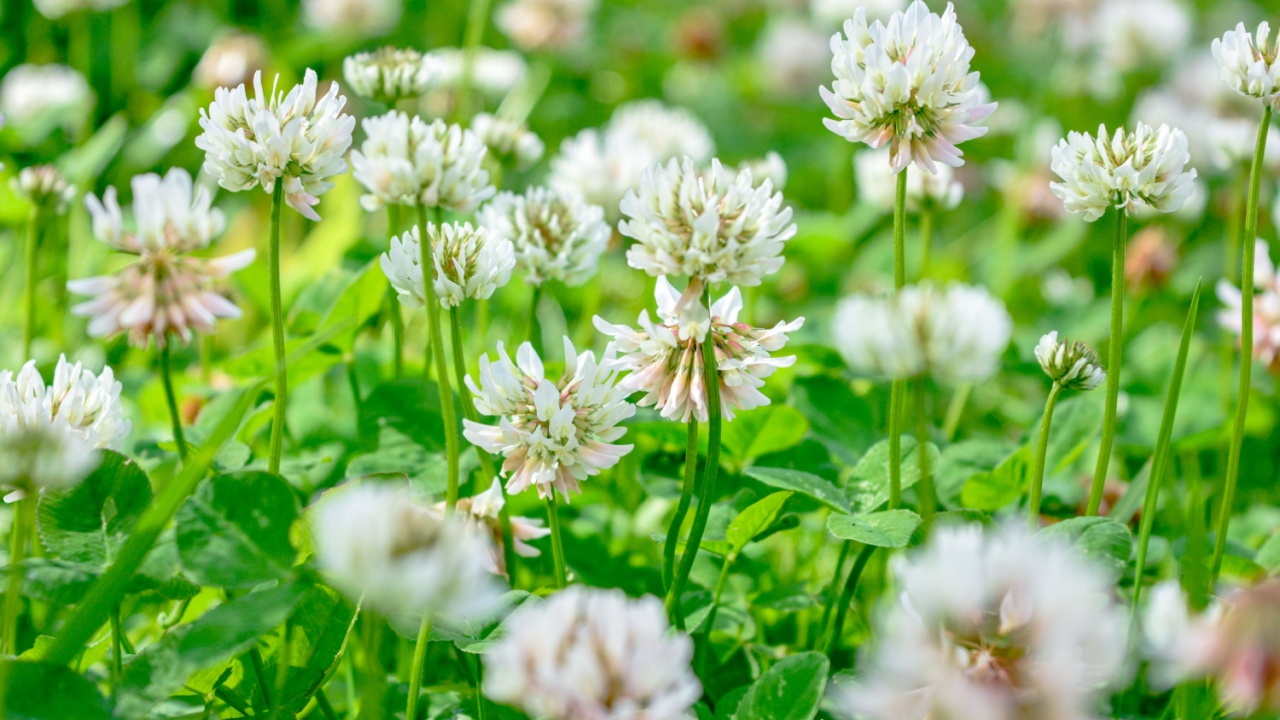
Image Credit: Shutterstock.
A common sight in lawns and fields, clover is a favorite foraging food for wild rabbits, and for good reason. Both the white and red varieties are safe for domestic rabbits to enjoy, providing a taste of the wild.
Clover is a good source of protein, fiber, and various vitamins. However, it should be given in moderation. Its high protein content can be too rich for some rabbits, potentially leading to gas, bloating, or soft stools. Always introduce it slowly and watch for any digestive upset.
Gardener’s Guide: Like dandelions, clover often grows naturally in untreated lawns. If you collect it for your rabbit, make sure it’s from a clean, chemical-free area. It’s a great way to add variety to your rabbit’s diet without any extra gardening effort.
5. Pansy

Image Credit: Shutterstock.
With their charming “faces,” pansies are a delightful sight in any garden. They are also a favorite snack for rabbits, who enjoy their tender petals and leaves.
Pansies offer vitamins A and C and possess anti-inflammatory properties, making them a healthy treat. They are a good source of fiber, which is crucial for a rabbit’s gut health. You can offer them fresh or dried as a tasty topper on their hay.
Gardener’s Guide: Pansies are cool-weather flowers, perfect for spring and fall gardens. They are easy to grow in containers or beds. As with any edible flower, ensure they are grown without pesticides if you plan to share them with your bunny.
6. Coneflower (Echinacea)
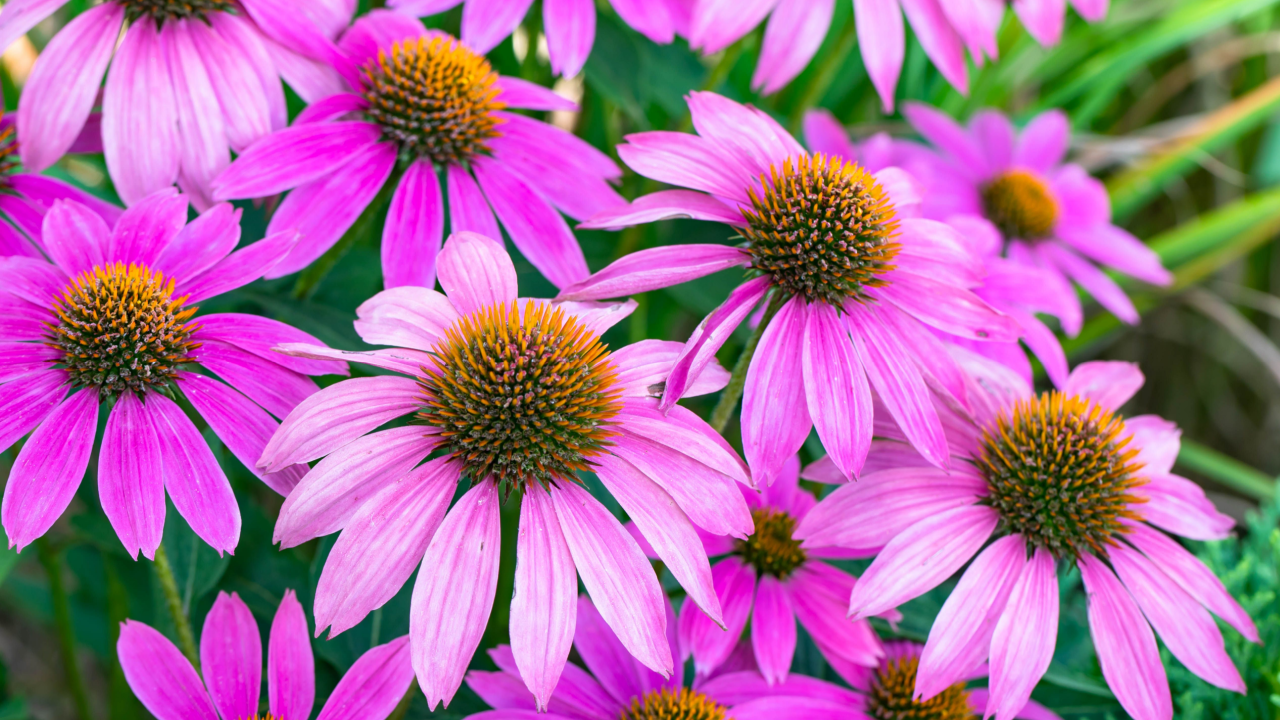
Image Credit: Shutterstock.
Also known as Echinacea, coneflowers are sturdy perennials that attract pollinators and, as it turns out, rabbits. While deer tend to avoid them, bunnies find the flowers and leaves to be a tasty snack.
Coneflowers are well-known for their immune-boosting properties and are rich in fiber and antioxidants. However, they should be offered in moderation. Too much can be overly potent for a rabbit’s system. A small portion a few times a week is a safe guideline.
Gardener’s Guide: Coneflowers are drought-tolerant and love full sun, making them a low-maintenance choice for your garden. If you notice a rabbit nibbling on them, you can rest easy knowing it’s a safe and even beneficial snack.
7. Daisy
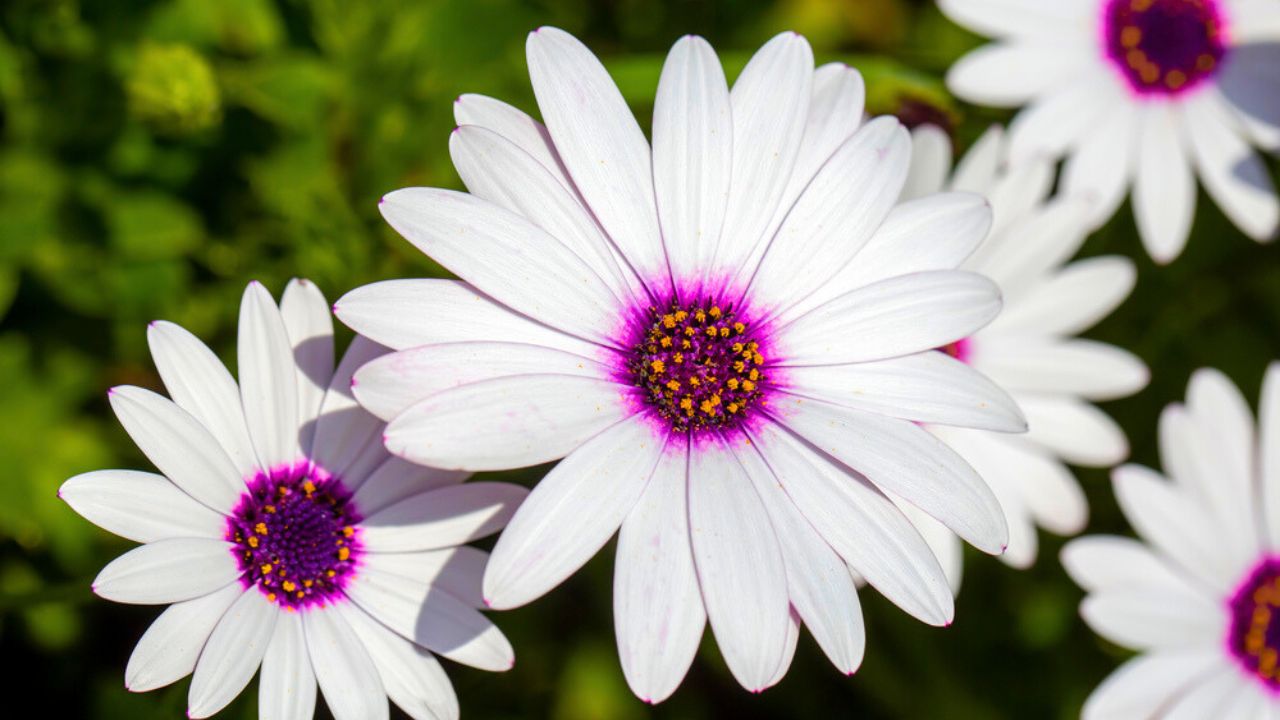
Image Credit: Shutterstock.
The classic, cheerful daisy is another flower that is safe for rabbits to consume. Their sweet petals make them an appealing treat, and chewing on the stems and leaves can help wear down a rabbit’s ever-growing teeth.
Daisies contain iron, calcium, and potassium, along with a good amount of fiber. They are a healthy snack, but should only be offered once or twice a week to avoid any potential digestive issues like GI stasis from overconsumption.
Gardener’s Guide: Shasta daisies and English daisies are common garden varieties that are safe for rabbits. Always wash them before feeding to remove any dirt or potential contaminants. Their simple beauty makes them a lovely addition to any cottage garden.
8. Sunflower
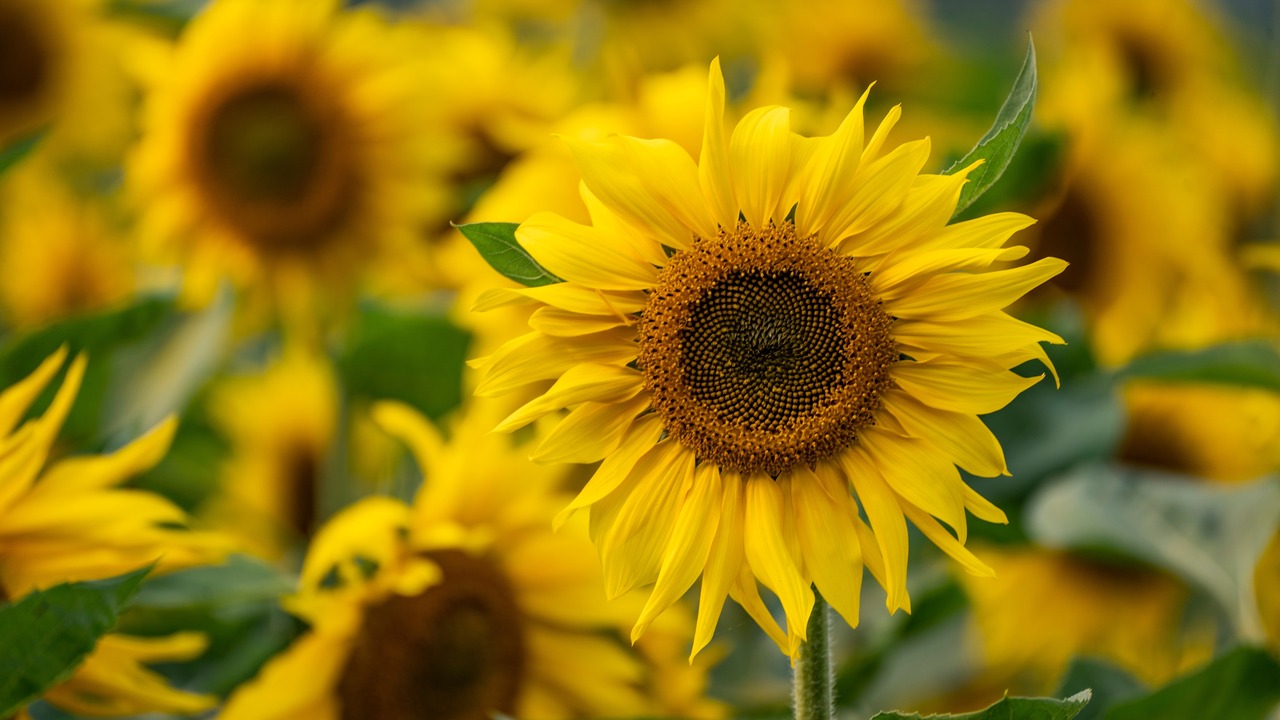
Image Credit: Shutterstock.
Every part of the sunflower plant, petals, leaves, and stem, is safe for a rabbit to eat. They are a powerhouse of nutrients and can be a fun and engaging treat for your pet.
The leaves are particularly high in antioxidants like vitamin E. The petals provide fiber and hydration. The seeds, while safe, are very high in fat and should be given sparingly, if at all, to avoid weight gain. The main plant parts are the best bet for a healthy snack.
Gardener’s Guide: Sunflowers are easy to grow and bring a dramatic flair to the garden. If you let your rabbit have a whole flower head, it can provide hours of entertainment as they pick it apart. Just remember to limit access to the seeds.
9. Petunia

Image Credit: Shutterstock.
These popular, prolific bloomers are another safe option for your rabbit’s diet. Petunias are tender and low in sugars and starches, making them a healthy choice for a treat.
Rabbits often enjoy the entire plant, from the soft flower heads to the leaves and stems. They provide good fiber and a satisfying crunch. Because they are not overly rich, they are a good option for a frequent, small treat.
Gardener’s Guide: Petunias thrive in hanging baskets and containers, making it easy to grow them away from wild rabbits if you want to save them for your pet. Let your bunny forage for them in a supervised setting or mix them into a salad of greens.
10. Aster
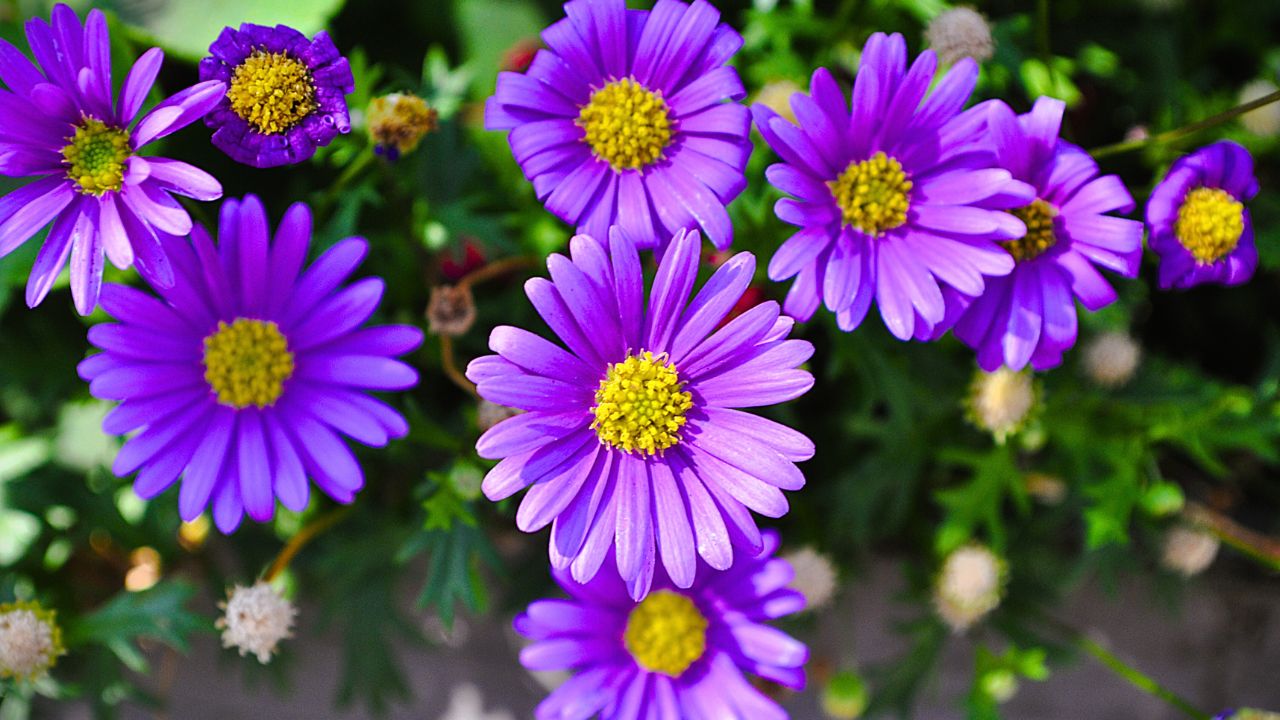
Image Credit: Shutterstock.
While some animals avoid asters, many rabbits find them quite palatable. They often prefer the leaves, but the flowers are perfectly safe for them to eat as well.
Asters are a good source of vitamin C and calcium, which support a rabbit’s immune system, bones, and teeth. Their high fiber content also aids digestion, helping to prevent issues like bloating and gas.
Gardener’s Guide: Asters bloom in late summer and fall, providing a splash of color when other flowers are fading. They come in many varieties, including purple coneflowers and blanket flowers, all of which are safe for bunnies.
11. Zinnia
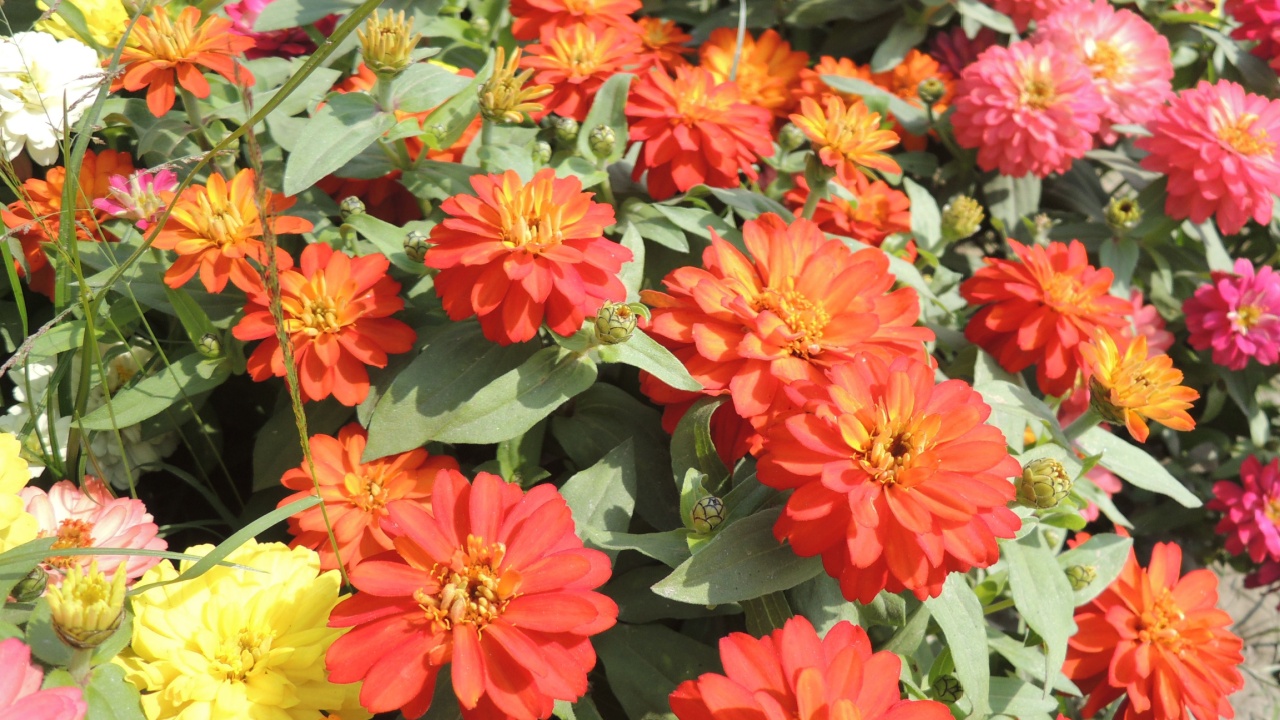
Image Credit: Shutterstock.
Zinnias are tough, vibrant flowers that are easy to grow, and they happen to be safe for rabbits. Some bunnies love their unique flavor, while others might be put off by their slightly prickly texture. It often comes down to individual preference.
High in fiber, zinnias are great for a rabbit’s digestive health. Some species also possess antioxidant and antiviral properties. Offering a zinnia can be a good way to introduce a new and interesting texture to your rabbit’s diet.
Gardener’s Guide: Zinnias are annuals that love the sun and will produce a profusion of blooms all summer long. If you’re planting them, you can feel comfortable letting your bunny have a taste to see if they enjoy this colorful flower.
12. Celosia
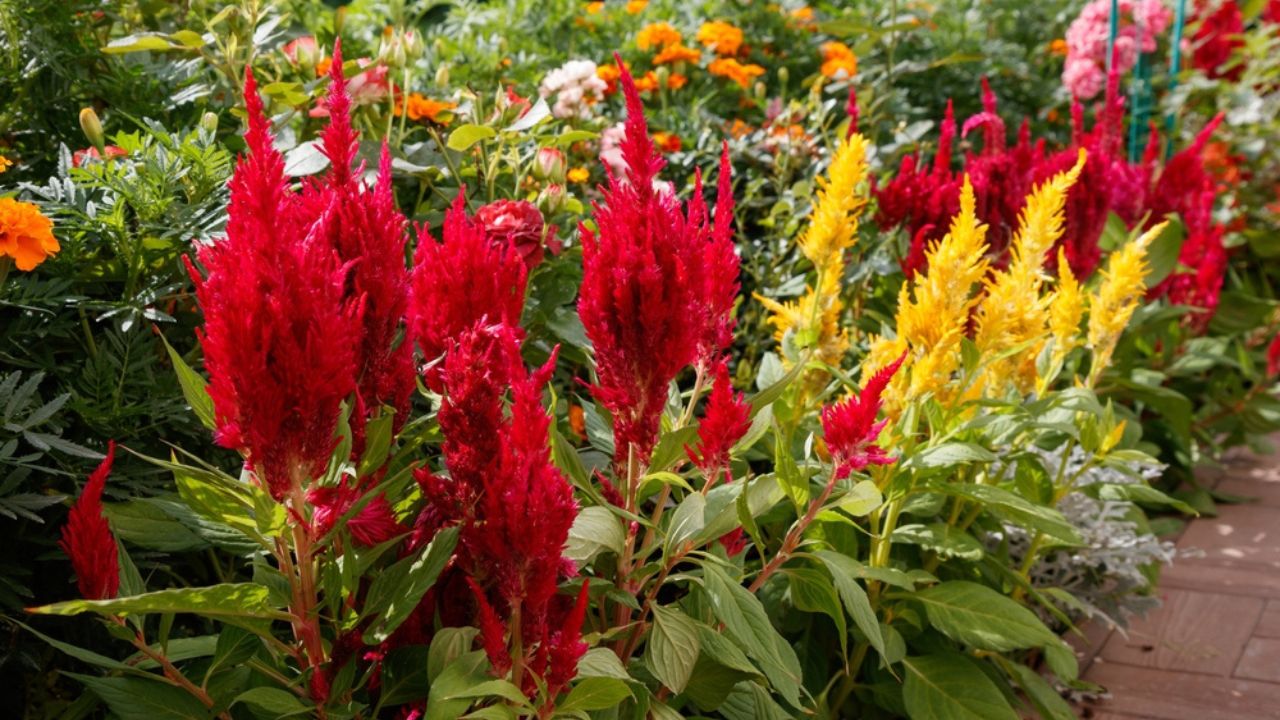
Image Credit: Shutterstock
With their unusual, flame-like plumes, celosias add a unique touch to any garden. These tender plants are also a favorite of rabbits, who are drawn to their soft texture.
Celosia is a nutritious choice, containing beta-carotene, folic acid, calcium, and protein. These nutrients are essential for a rabbit’s overall health, contributing to good eyesight, strong bones, and a healthy coat.
Gardener’s Guide: Celosias do well in warm, sunny locations. Because they are so tender and appealing to rabbits, you may need to protect them with a fence if you don’t want them to be eaten down to the ground by wild visitors.
13. Hollyhock
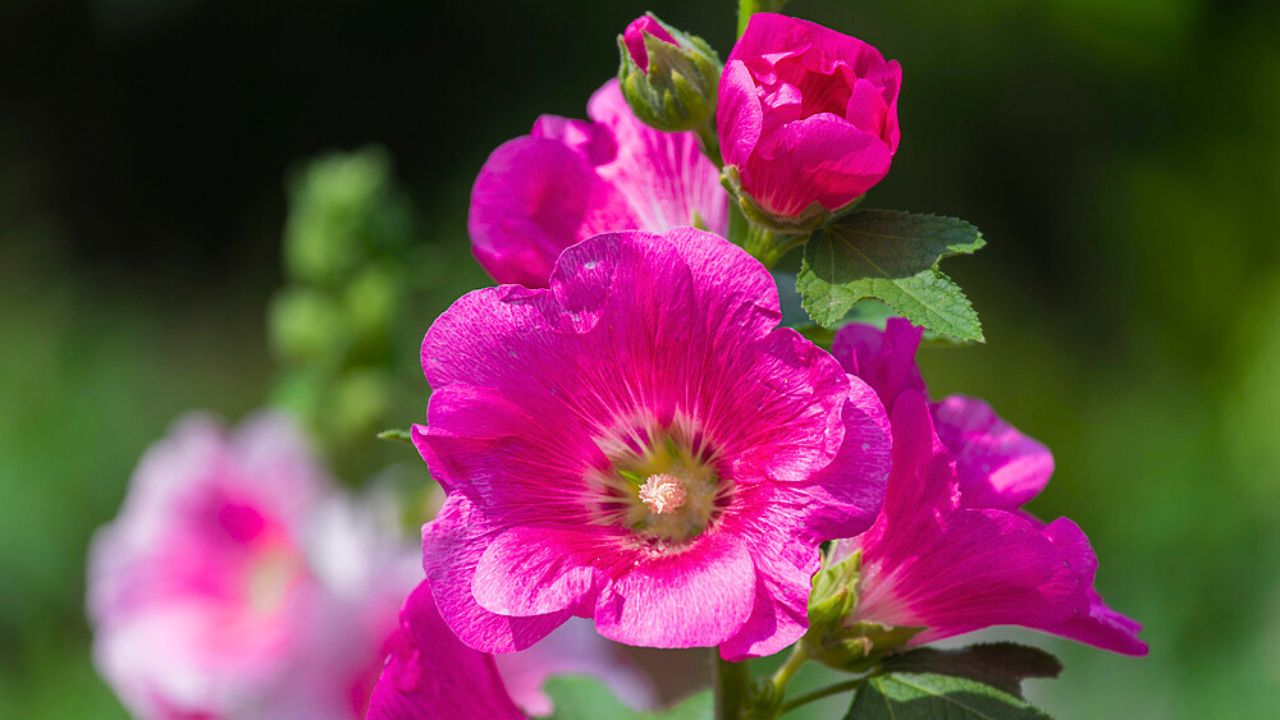
Image Credit: Shutterstock.
These tall, stately flowers are a cottage garden classic. They are also a good source of calories and nutrients for rabbits, making them a beneficial treat when given in small amounts.
Hollyhocks contain vitamins and antioxidants that can help protect your pet from disease. However, rabbits can’t digest large quantities of them, so they should only be offered as an occasional treat. A few petals or a small piece of a leaf is plenty.
Gardener’s Guide: Hollyhocks are biennials, meaning they typically flower in their second year. Plant them along a fence or wall for support. They are a beautiful backdrop plant, and you can spare a few flowers for your rabbit without worry.
14. Violets
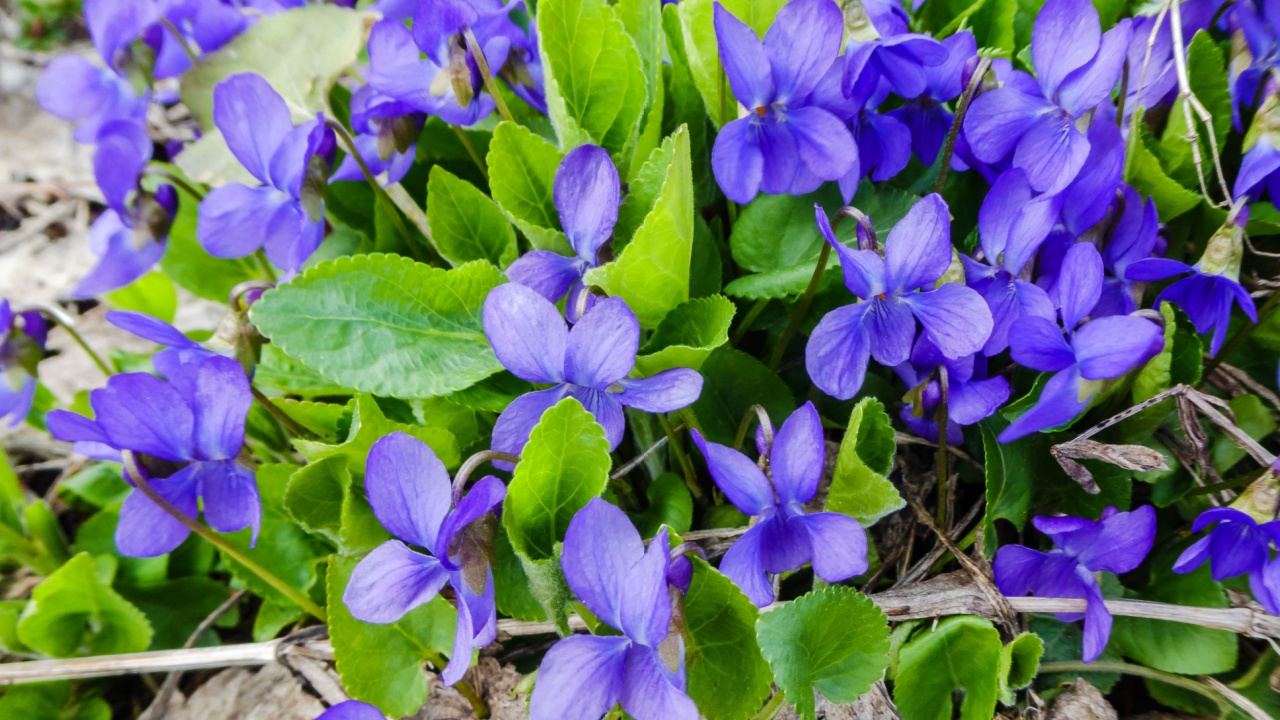
Image Credit: Shutterstock.
Wild violets that pop up in your lawn or garden are a safe and tasty snack for rabbits. They provide potassium, phosphorus, and nitrogen, all of which contribute to a rabbit’s digestive health.
It’s important to stick to common garden violets (Viola species). Do not confuse them with African violets, which are a different, unrelated houseplant that is toxic to rabbits.
Gardener’s Guide: Violets thrive in shady, moist areas of the yard. Before feeding them to your rabbit, break them into smaller pieces. Offering one or two fresh flowers a day is a safe amount.
15. Coral Bells (Heuchera)
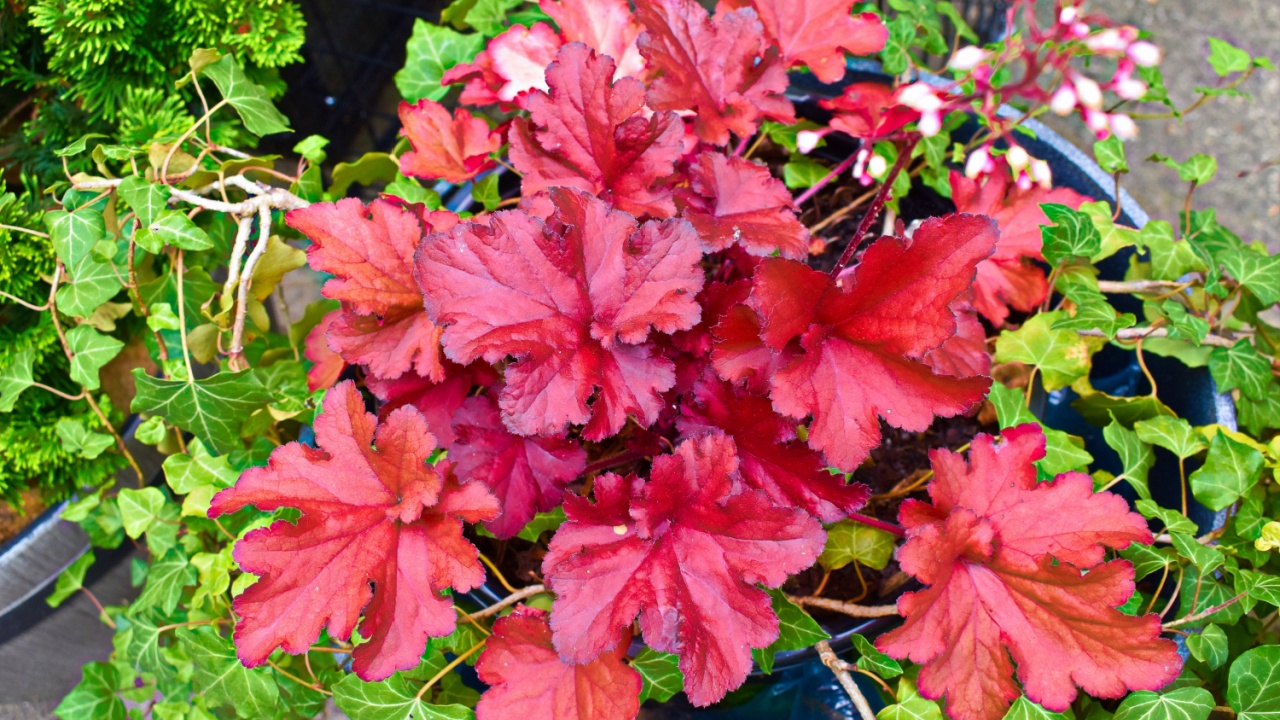
Image Credit: Shutterstock.
These shade-loving perennials are prized for their colorful foliage, but rabbits are often drawn to their delicate flowers and leaves. They are a safe and hydrating snack.
With high fiber and water content, coral bells are a healthy choice. They also provide some vitamin C and calcium. As with all treats, they should be given in moderation to prevent any digestive upset.
Gardener’s Guide: Coral bells are fantastic for adding color to shady spots in your garden. They come in an astonishing range of foliage colors, from deep purple to lime green. If you find your plants have been nibbled, it was likely a bunny enjoying a safe meal.
16. Chamomile
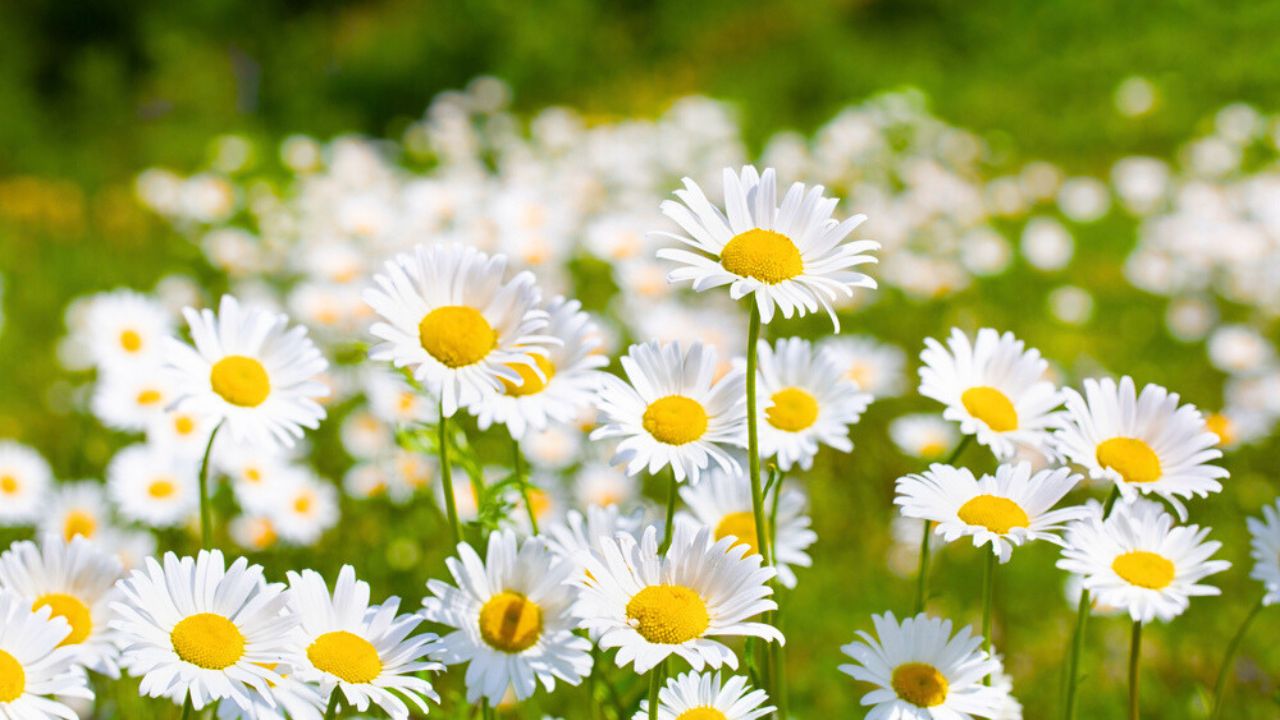
Image Credit: Shutterstock.
This delicate, daisy-like flower is not just for calming teas; it’s also a wonderful and beneficial treat for rabbits. Both German and Roman chamomile are safe for bunnies to enjoy.
Chamomile is well-known for its soothing properties, which can help calm an anxious rabbit and may even ease mild digestive discomfort. It has anti-inflammatory and muscle-relaxing effects, making it a great addition to a rabbit’s diet, especially for older or arthritic bunnies.
Gardener’s Guide: Chamomile is easy to grow from seed in a sunny spot with well-drained soil. It reseeds readily, so you’ll have a continuous supply. You can offer the flowers fresh or dry them for later use as a calming hay topper.
A Bunny’s Paradise
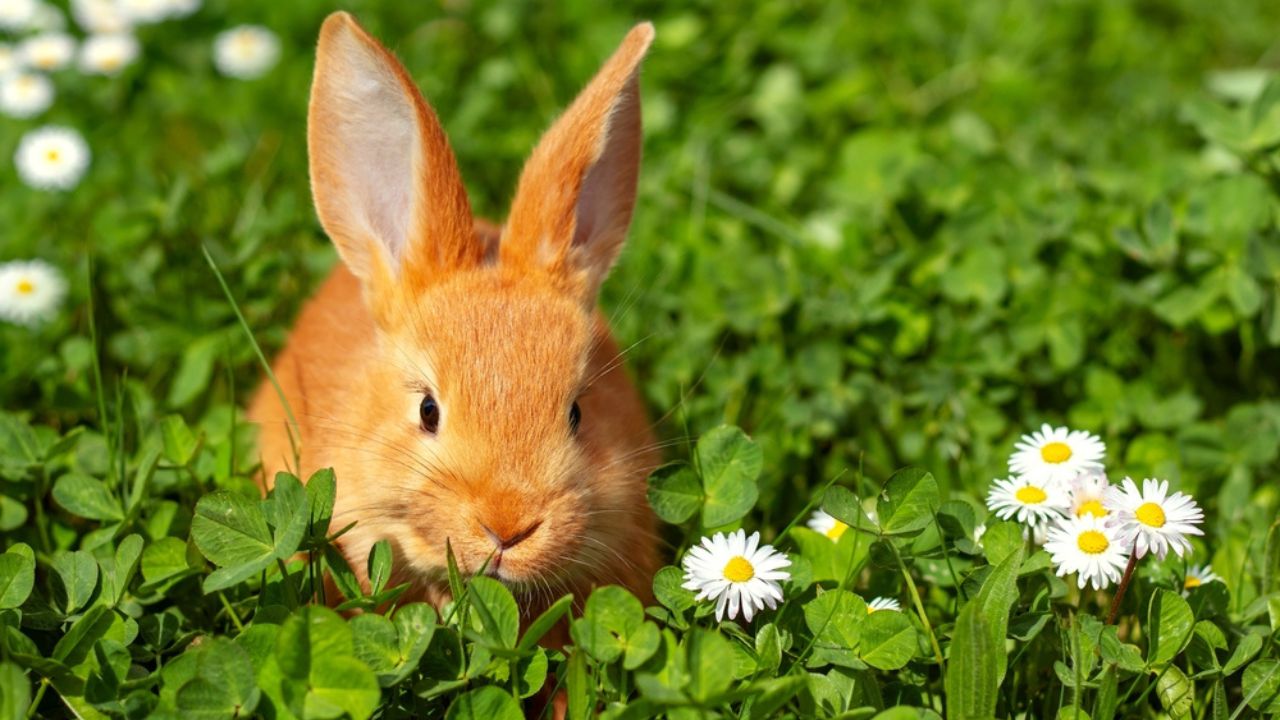
Image Credit: Shutterstock.
Now that you know which flowers are safe, you can confidently manage your garden and your rabbit’s diet. Here are a few ideas to get started:
- Plant a Rabbit-Friendly Patch: Designate a small area of your garden for rabbit-safe flowers like nasturtiums, pansies, and zinnias. This can serve as a “sacrificial” bed for wild rabbits or a fresh source of treats for your pet.
- Forage Safely: When you see dandelions, clover, or violets pop up in your yard, you can gather them for your bunny friends, as long as your lawn is free from chemicals. Always wash foraged plants thoroughly.
- Introduce Treats Slowly: Whenever you offer a new flower, start with a very small amount. A single petal or a tiny piece of a leaf is enough. Monitor your rabbit for the next 24 hours to ensure there are no signs of digestive upset, like soft stools.
- Create a Flower Salad: For a special treat, mix a few different types of safe flower petals and leaves together. This adds variety, enrichment, and a boost of nutrients to your rabbit’s day.
By incorporating these beautiful and beneficial flowers into your garden, you can create a space that is both visually stunning and a safe, delicious haven for rabbits.