
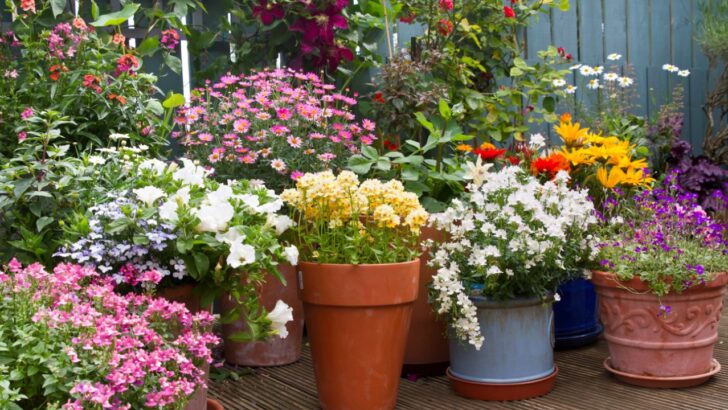
A splash of color on your porch, patio, or balcony can transform your outdoor space into a personal oasis. If you lack a sprawling yard or simply love the flexibility of movable planters, container gardening is a perfect solution. It allows you to control the soil, manage pests more easily, and place your plants exactly where they’ll get the perfect amount of sun. The only downside can be the wait for your garden to flourish.
That’s where fast-growing flowers come in. Choosing varieties that mature and bloom quickly means you can enjoy a vibrant, lush display in a fraction of the time. These plants offer the instant gratification that makes gardening so rewarding, letting you create stunning arrangements that evolve throughout the season. Get ready to fill your pots with these 21 speedy bloomers, perfect for containers- recommended by local extension guides from universities like the University of Illinois and Penn State (plus, we threw in a few of our personal favorites).
1. Zinnia
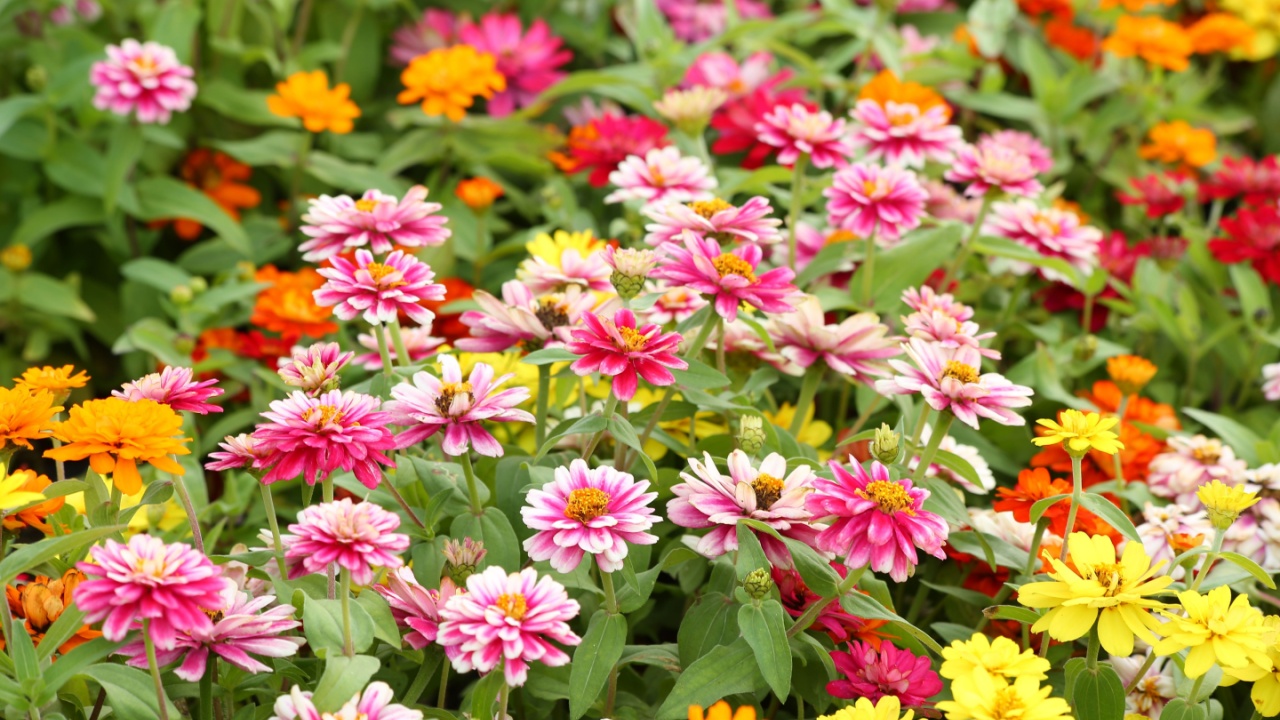
Image Credit: Shutterstock.
Zinnias are the sprinters of the flower world, often going from seed to bloom in just a couple of months. Their cheerful, daisy-like flowers come in a rainbow of vibrant colors, from fiery reds and oranges to soft pinks and creams. They are incredibly easy to grow, making them a fantastic choice for beginners who want a guaranteed pop of color.
Care at a Glance:
- Sun: Full sun (6+ hours per day)
- Soil: Well-draining potting mix
- Water: Keep soil consistently moist but not waterlogged.
- Pro Tip: Choose dwarf or compact varieties like the ‘Thumbelina’ or ‘Profusion’ series for the best performance in pots.
2. Petunia

Image Credit: Shutterstock.
Petunias are a container garden classic for a reason. Their trumpet-shaped flowers spill beautifully over the sides of hanging baskets and pots, creating a cascade of color that can last from spring until the first frost. With an incredible range of colors, patterns, and sizes available, you can create any look you desire, from a single-color statement to a multi-hued mix.
Care at a Glance:
- Sun: Full sun is ideal for maximum blooms.
- Soil: Fertile, well-draining soil.
- Water: Water regularly, as containers can dry out quickly.
- Pro Tip: For bushier plants and more flowers, pinch back the stems by about half in mid-summer.
3. Marigold
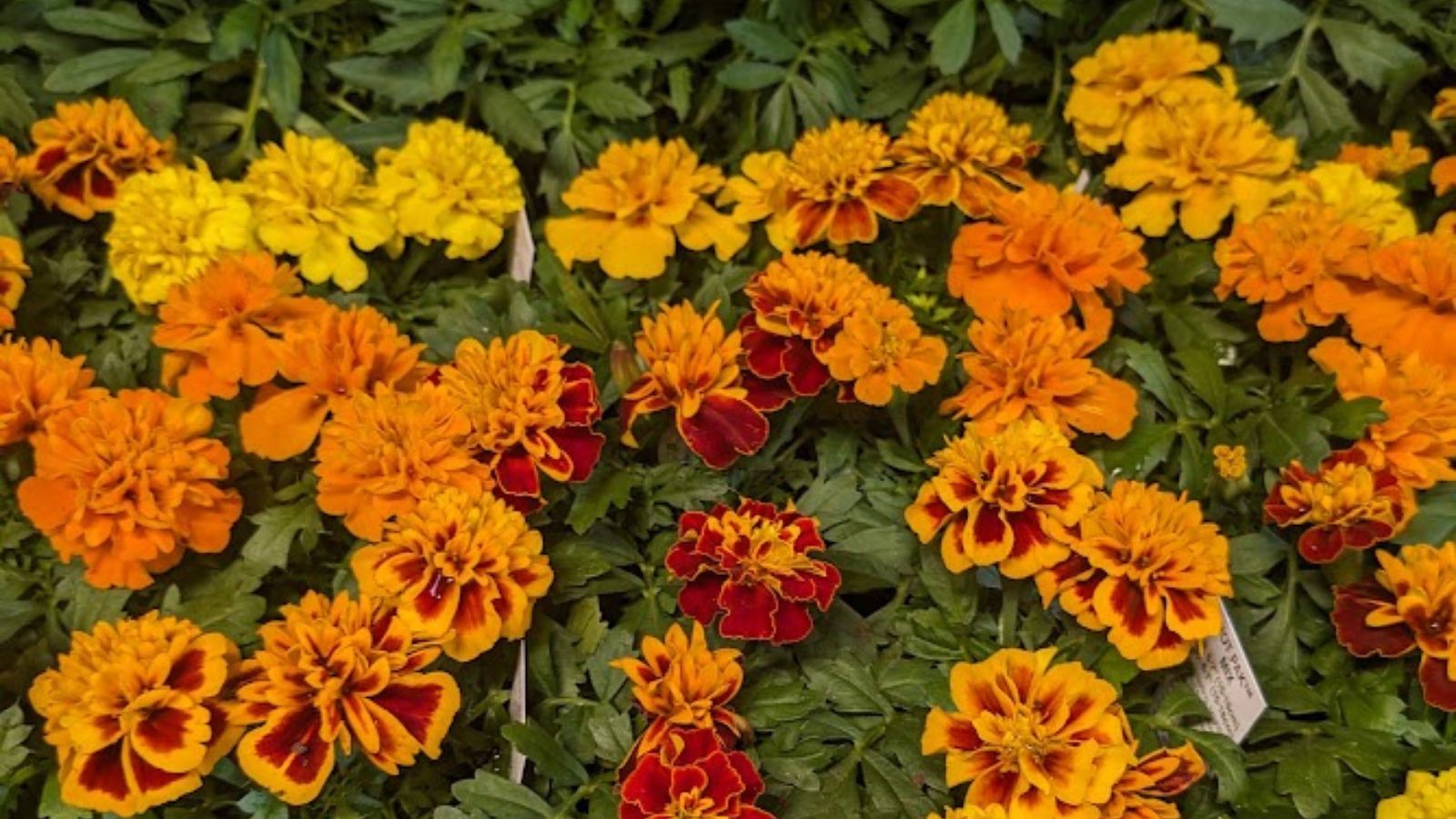
Image credit: Backyard Garden Lover.
Marigolds are dependable, hardworking flowers that bring a burst of sunshine to any container. Their ruffled blooms in shades of yellow, orange, and red are not only beautiful but also known to deter common garden pests. French marigolds are particularly well-suited for containers due to their compact size and long blooming season.
Care at a Glance:
- Sun: Full sun.
- Soil: Adaptable to most soil types, but well-draining is best.
- Water: Water when the top inch of soil feels dry.
- Pro Tip: Deadheading spent blooms will promote a continuous flush of new flowers throughout the season.
4. Garden Nasturtium
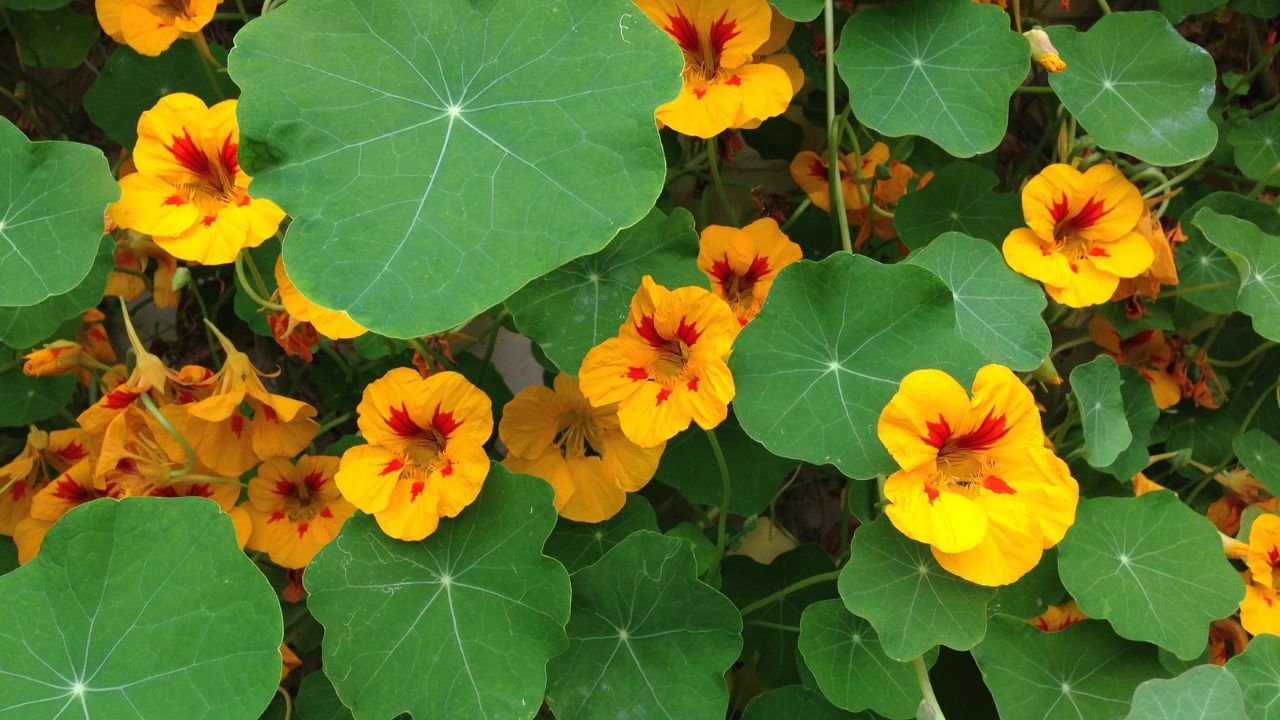
Image Credit: Mary Hutchison – Own work, CC0/Wiki Commons.
Nasturtiums offer a unique combination of beauty and utility. These fast-growing plants have lovely, round leaves and vibrant flowers in warm shades of yellow, orange, and red. They have a charming, slightly wild look, with some varieties mounding neatly while others trail elegantly over the edge of a pot.
Care at a Glance:
- Sun: Full sun to light shade.
- Soil: Poor to average, well-draining soil.
- Water: Water moderately.
- Pro Tip: Plant them in a hanging basket to let their trailing vines shine and to make harvesting the edible flowers a breeze.
5. Calendula
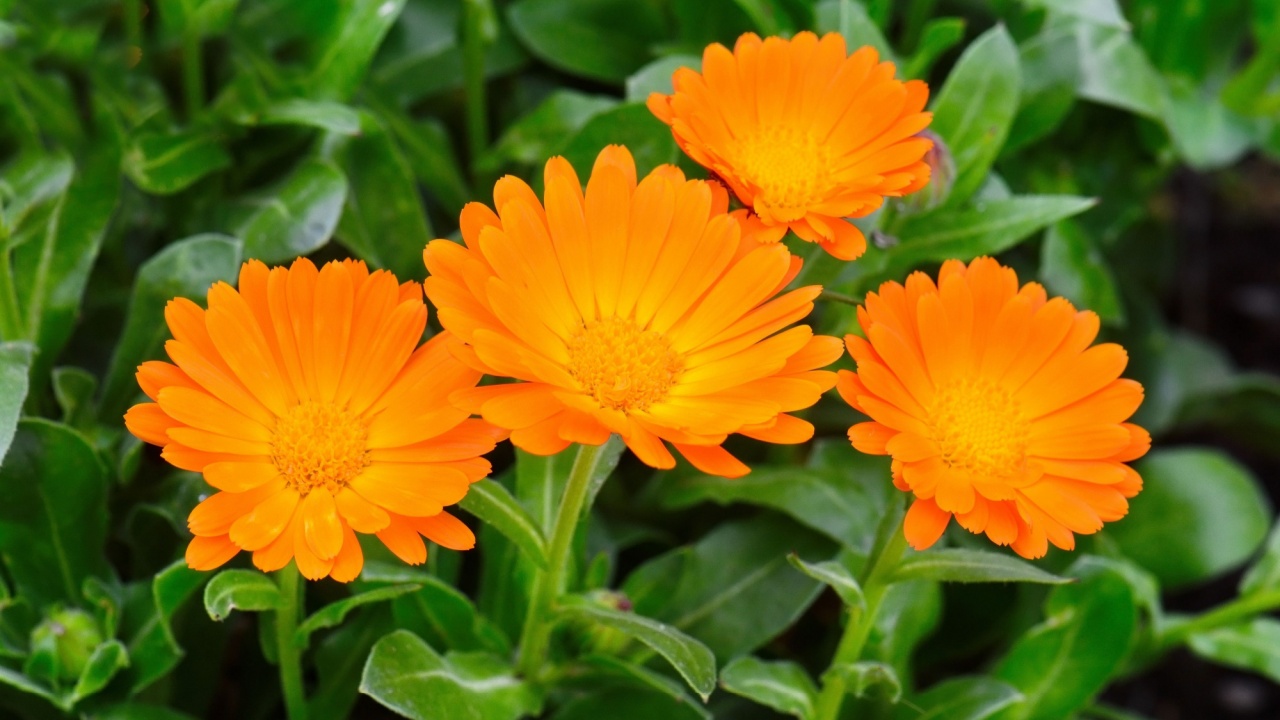
Image Credit: Shutterstock.
Often called “pot marigolds,” calendulas are practically made for container life. They produce cheerful, daisy-like flowers in sunny shades of orange and yellow. These cool-season annuals grow quickly and can bloom from spring through fall, and even into winter in milder climates.
Care at a Glance:
- Sun: Full sun to partial shade.
- Soil: Well-draining potting mix.
- Water: Keep soil evenly moist.
- Pro Tip: Cut flowers regularly for indoor arrangements; this will encourage the plant to produce more blooms.
6. Snapdragon
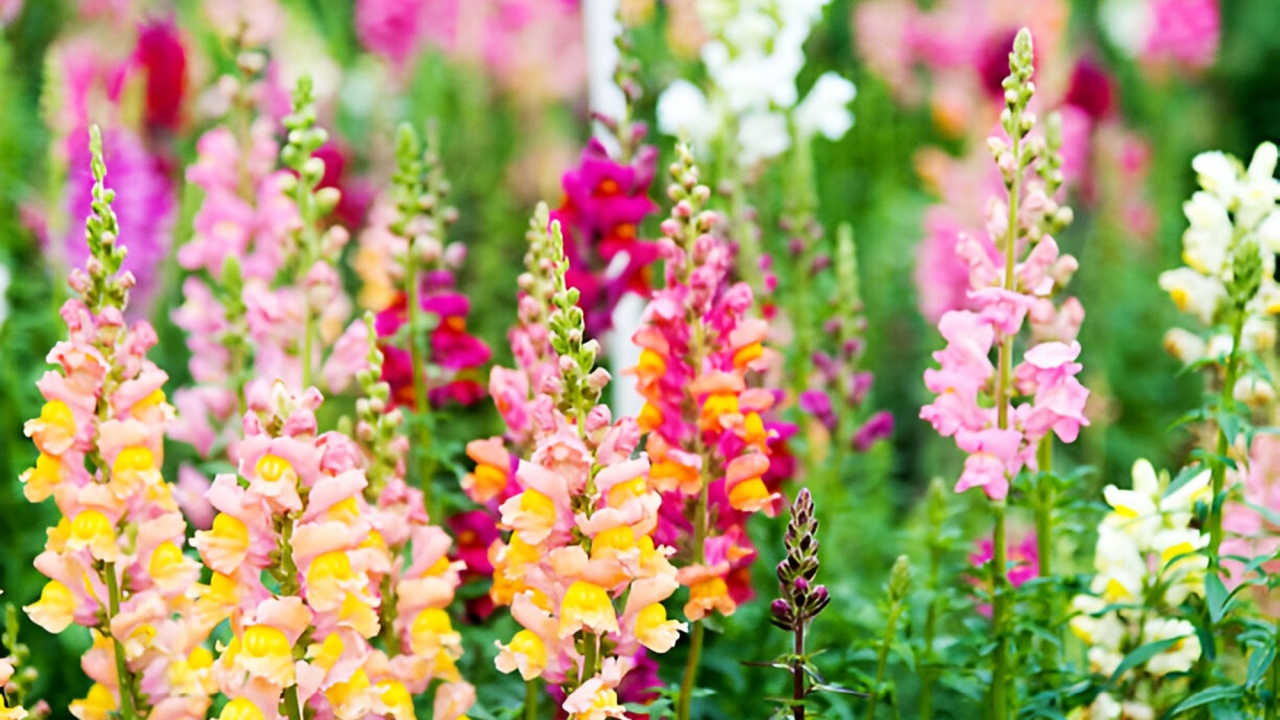
Image Credit: Shutterstock.
For a touch of vertical drama in your containers, snapdragons are an excellent choice. Their tall, elegant spires of flowers come in almost every color imaginable, from soft pastels to rich, saturated jewel tones. The unique, dragon-shaped blooms are a delight, especially for children who can gently squeeze the sides to make the “jaws” open and close.
Dwarf and intermediate varieties are best for pots, providing height without becoming top-heavy. They thrive in the cooler temperatures of spring and fall, and their rapid growth means you won’t have to wait long for a stunning display.
Care at a Glance:
- Sun: Full sun.
- Soil: Rich, well-draining soil.
- Water: Keep consistently moist.
- Pro Tip: Plant them in the center of a large container to act as a “thriller” element, surrounded by mounding and trailing plants.
7. Million Bells
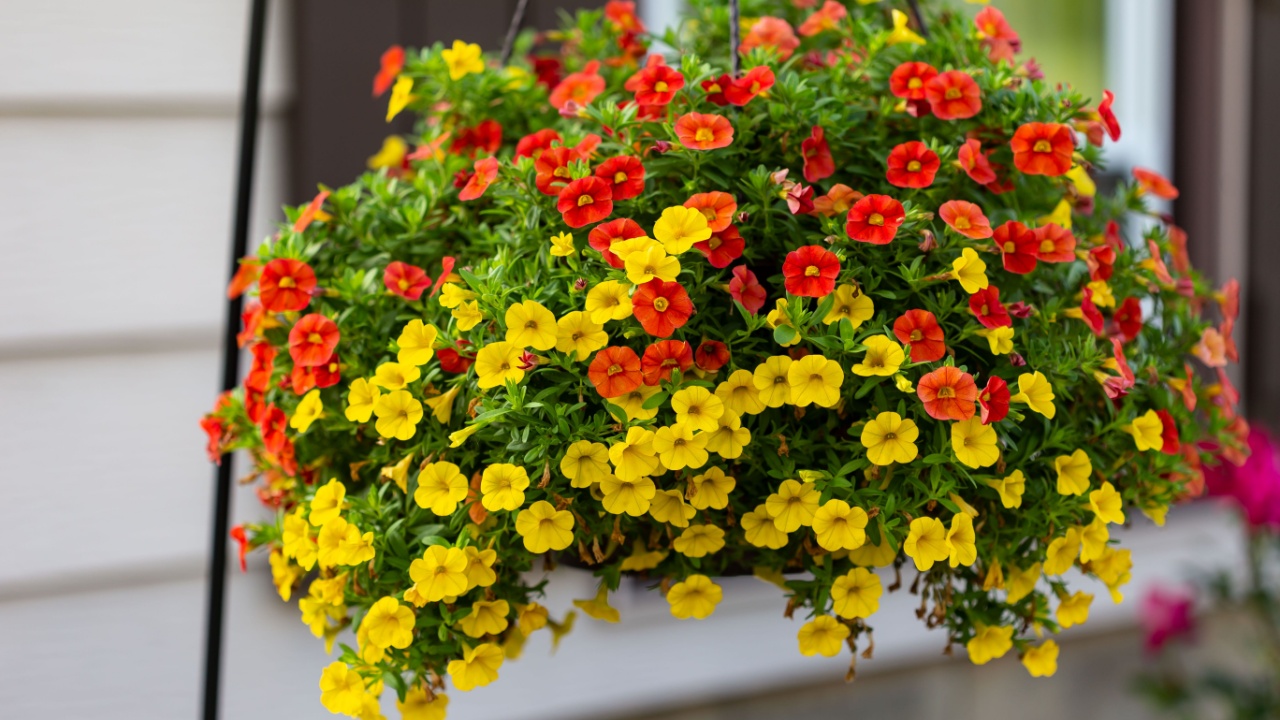
Image Credit: Shutterstock.
If you want a plant that looks like a living bouquet, Million Bells (Calibrachoa) is your answer. These prolific bloomers are covered in hundreds of small, petunia-like flowers from spring until frost. They are perfect for hanging baskets and containers, where their trailing stems can spill over the sides, creating a solid curtain of color.
Available in a huge array of colors and patterns, Million Bells are self-cleaning, meaning you don’t have to deadhead them to keep the blooms coming. Their fast growth rate will quickly fill a container, providing a high-impact look with minimal effort.
Care at a Glance:
- Sun: Full sun.
- Soil: Fertile, well-draining soil with a slightly acidic pH.
- Water: Needs consistent moisture; do not let them dry out completely.
- Pro Tip: Feed with a balanced liquid fertilizer every couple of weeks to fuel their non-stop flower production.
8. Garden Cosmos
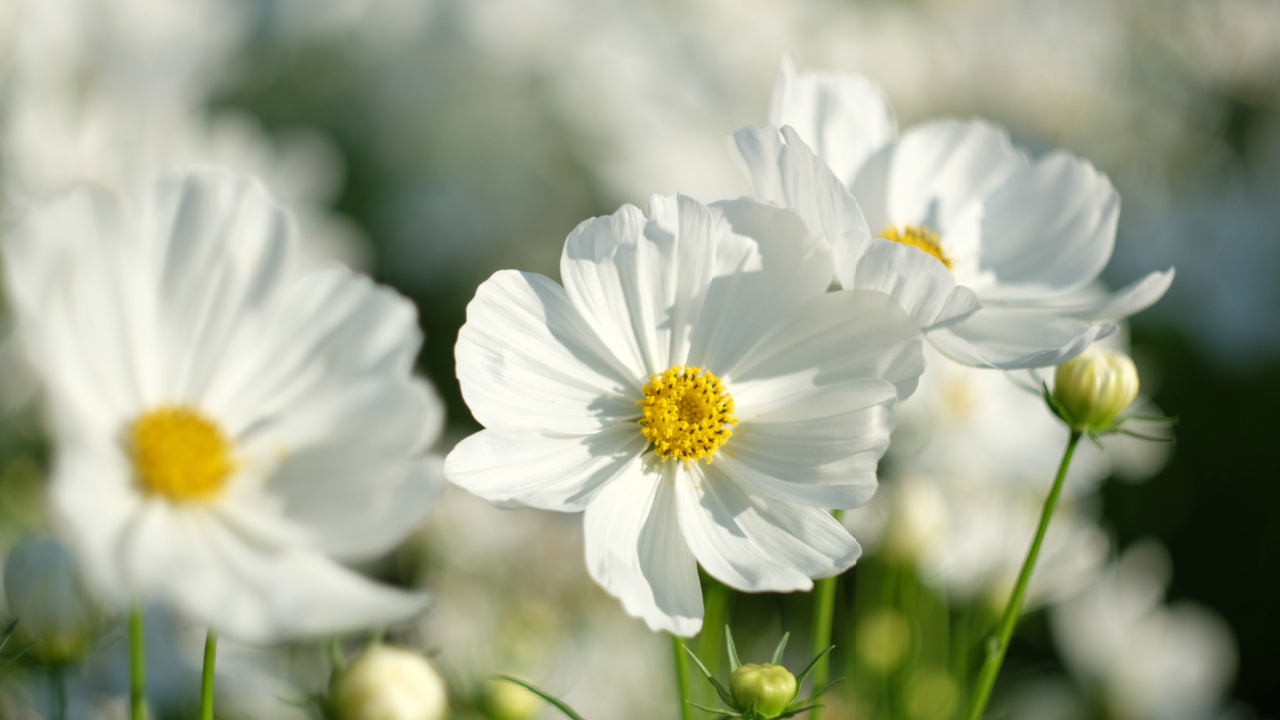
Image Credit: Shutterstock.
With their delicate, feathery foliage and simple, daisy-like flowers that dance on slender stems, garden cosmos bring a sense of airy grace to containers. They grow quickly and bloom profusely in shades of pink, white, magenta, and even orange. Despite their delicate appearance, they are tough and adaptable plants.
Cosmos attract a variety of pollinators, including bees and butterflies, adding life and movement to your garden space. Taller varieties might need support, but many compact cultivars like the ‘Sonata’ series are perfectly sized for pots.
Care at a Glance:
- Sun: Full sun.
- Soil: Not too picky, but well-draining is key. Avoid overly rich soil.
- Water: Moderate watering; they are somewhat drought-tolerant once established.
- Pro Tip: Don’t be afraid to cut the flowers for arrangements; the more you cut, the more they bloom.
9. Dahlia
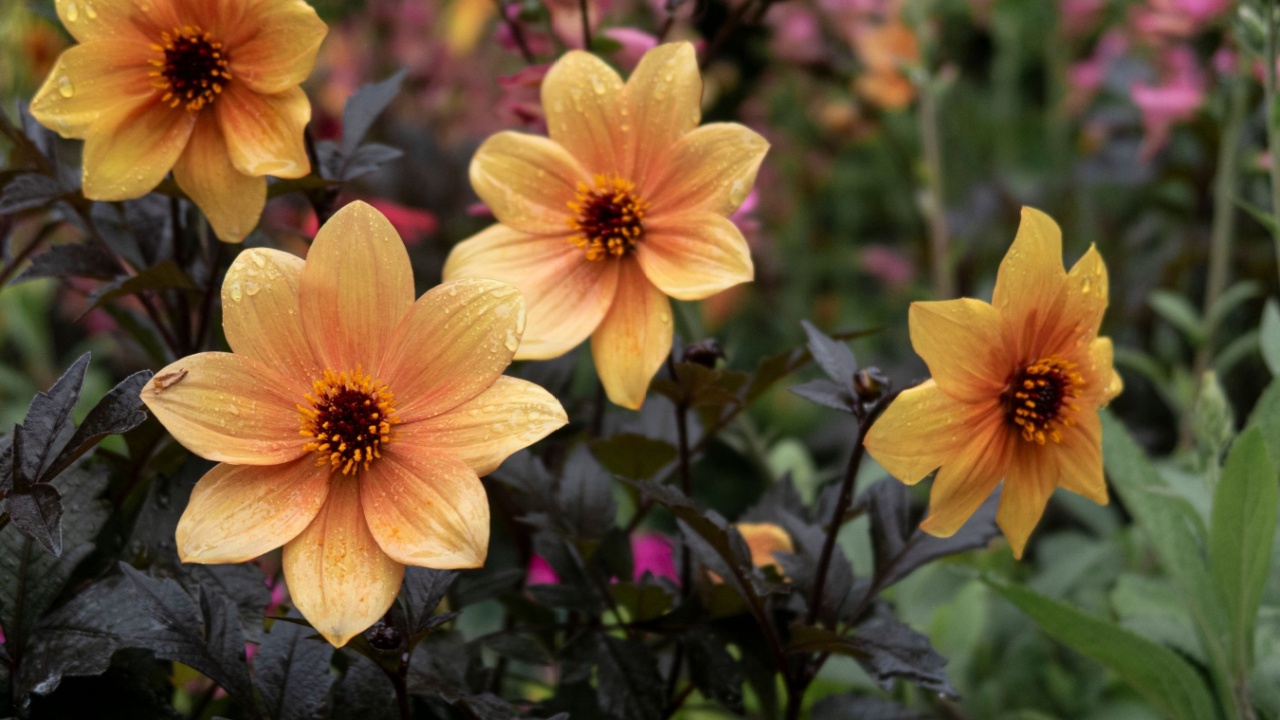
Image Credit: Shutterstock.
Once reserved for large garden beds, dahlias are now available in a range of compact, container-friendly sizes that still produce the same stunning, intricate blooms. From simple, single-petal flowers to magnificent, dinner-plate-sized blossoms, there’s a dahlia for every taste. Their growth is surprisingly fast, producing lush foliage and dozens of blooms in a single season.
Growing dahlias in pots is an excellent way to enjoy these beauties, as it ensures they have the excellent drainage they crave. You can also easily lift and store the tubers over winter in colder climates.
Care at a Glance:
- Sun: Full sun.
- Soil: Rich, well-draining potting mix.
- Water: Keep soil consistently moist, especially once they start blooming.
- Pro Tip: Choose a sturdy, large pot (at least 12-16 inches in diameter) to give the tuberous roots enough space to develop.
10. Morning Glory
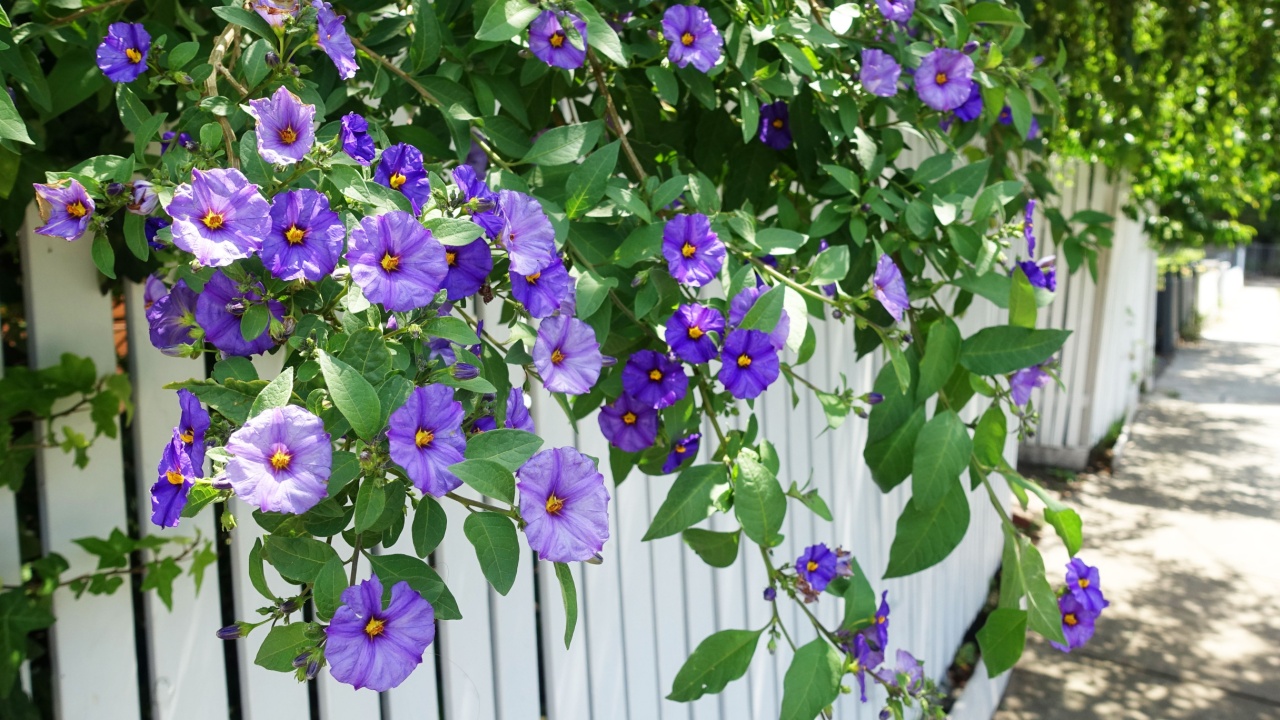
Image Credit: Shutterstock.
For a touch of vertical magic, morning glories are hard to beat. These fast-growing vines will quickly scramble up a small trellis or support placed in a container, producing a profusion of stunning, trumpet-shaped flowers. The blooms famously open in the morning and close in the afternoon, offering a fresh display each day.
The classic deep blue and purple varieties are breathtaking, but you can also find them in shades of pink, red, and white. Their heart-shaped leaves provide a lush green backdrop. Growing them in a pot is a great way to control their vigorous growth.
Care at a Glance:
- Sun: Full sun.
- Soil: Well-draining soil.
- Water: Regular watering.
- Pro Tip: Provide a trellis, stake, or other support in the container at the time of planting for the vines to climb.
11. Garden Verbena
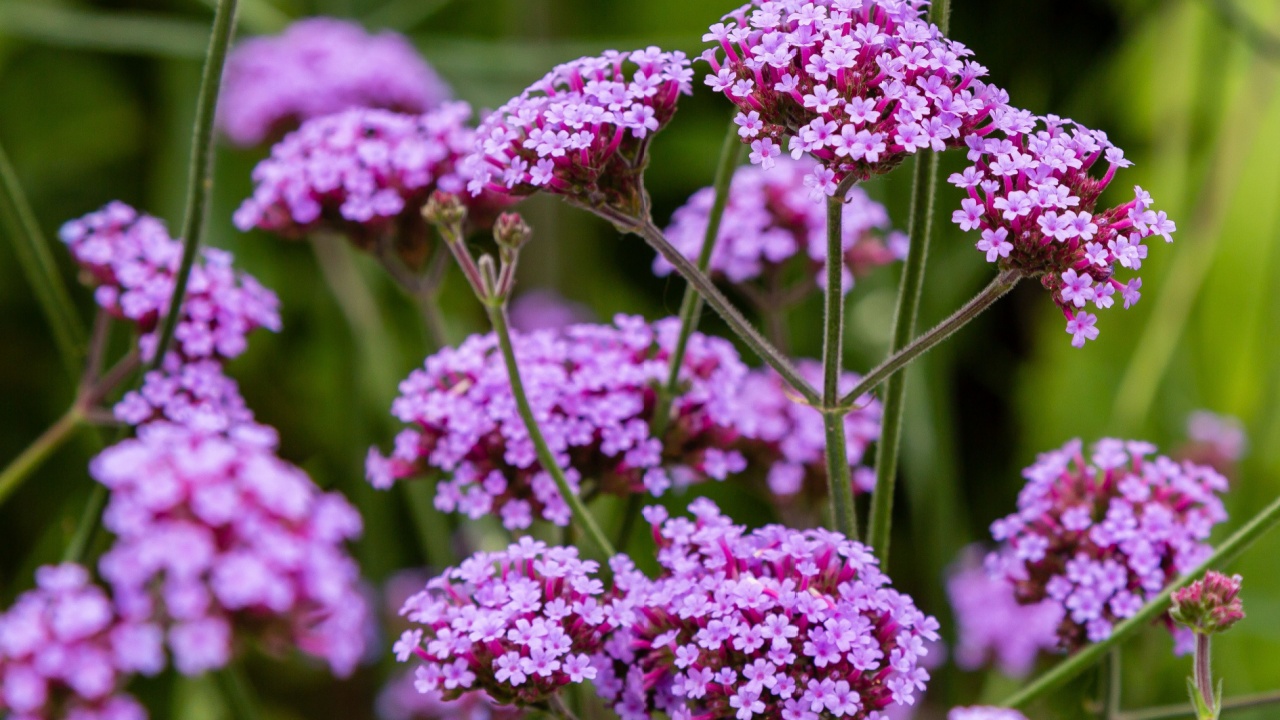
Image Credit: Shutterstock.
Verbena is a heat-loving, drought-tolerant powerhouse that thrives in containers. It produces beautiful clusters of small flowers that bloom for months on end. Trailing varieties are especially popular for pots and hanging baskets, as they spill gracefully over the edges, softening the lines of the container.
These plants are known for their resilience and long-lasting color, making them a reliable choice for a summer-long display. They come in a wide range of colors, including purple, pink, red, and white, and are very attractive to butterflies.
Care at a Glance:
- Sun: Full sun.
- Soil: Excellent drainage is a must.
- Water: Water thoroughly, but allow the soil to dry out slightly between waterings.
- Pro Tip: Good air circulation is important. Trim the plant back in mid-summer if it starts to look leggy to encourage fresh, bushy growth.
12. Sunflower
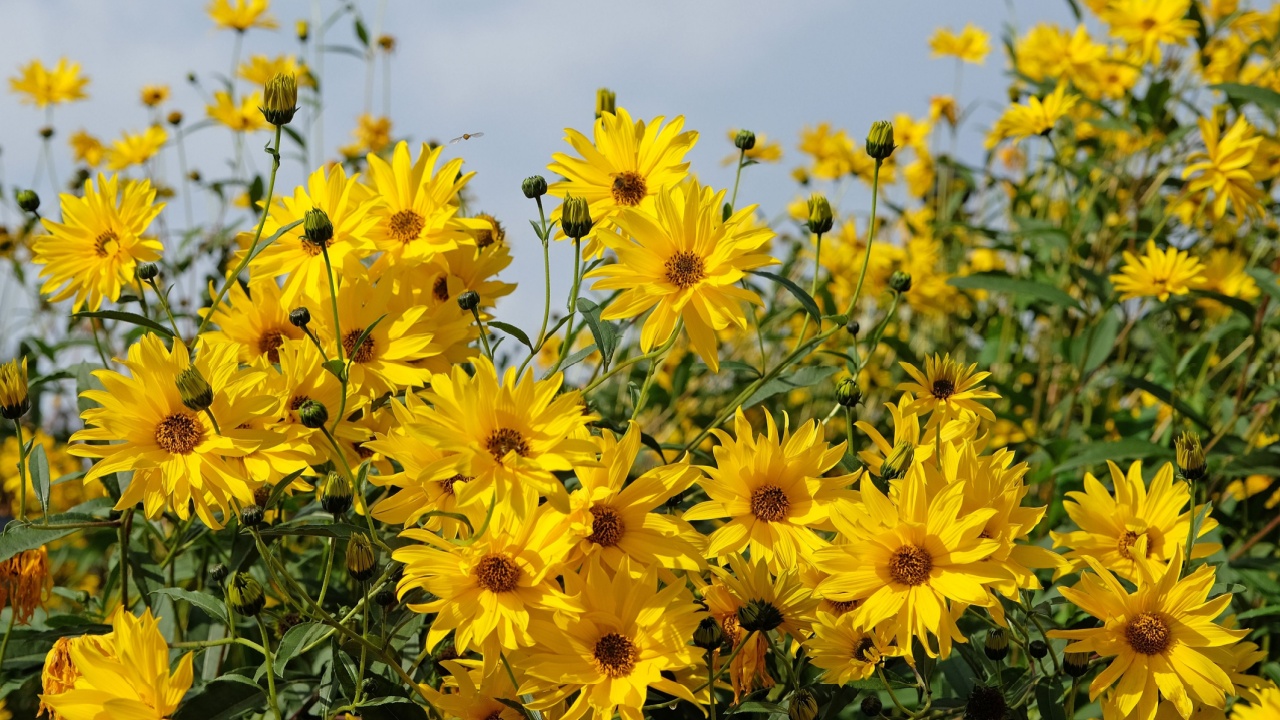
Image Credit: Shutterstock.
You don’t need a huge field to grow sunflowers! Many dwarf varieties, like ‘Teddy Bear’, ‘Elf’, or ‘Sunsation’, are specifically bred for containers. These compact plants still produce the same classic, cheerful blooms that turn their faces to follow the sun throughout the day.
Sunflowers are incredibly fast-growing, making them a fun project to do with kids. From a single seed, you can have a beautiful, blooming plant in just a few months. Their bright, sunny disposition is guaranteed to make you smile.
Care at a Glance:
- Sun: Full sun—the more, the better.
- Soil: Well-draining, fertile soil.
- Water: They are thirsty plants, so water regularly, especially in hot weather.
- Pro Tip: Use a deep pot to accommodate their long taproot and provide stability as the heavy flower head develops.
13. Begonia

Image Credit: Shutterstock.
For those shadier spots on your porch or patio, begonias are an unbeatable choice. Tuberous begonias, in particular, produce spectacular, rose-like flowers in vibrant shades of red, orange, yellow, and pink. They grow quickly to form lush, mounded plants that bloom continuously throughout the summer.
Begonias add a touch of the exotic to container arrangements. The advantage of growing them in pots is that you can easily move them indoors to protect them from frost and enjoy them as houseplants.
Care at a Glance:
- Sun: Partial shade to full shade (avoid direct afternoon sun).
- Soil: Rich, well-draining, and moisture-retentive soil.
- Water: Keep soil consistently moist but never soggy.
- Pro Tip: Position them where they are protected from strong winds, which can damage their delicate stems and large flowers.
14. Sweet Alyssum
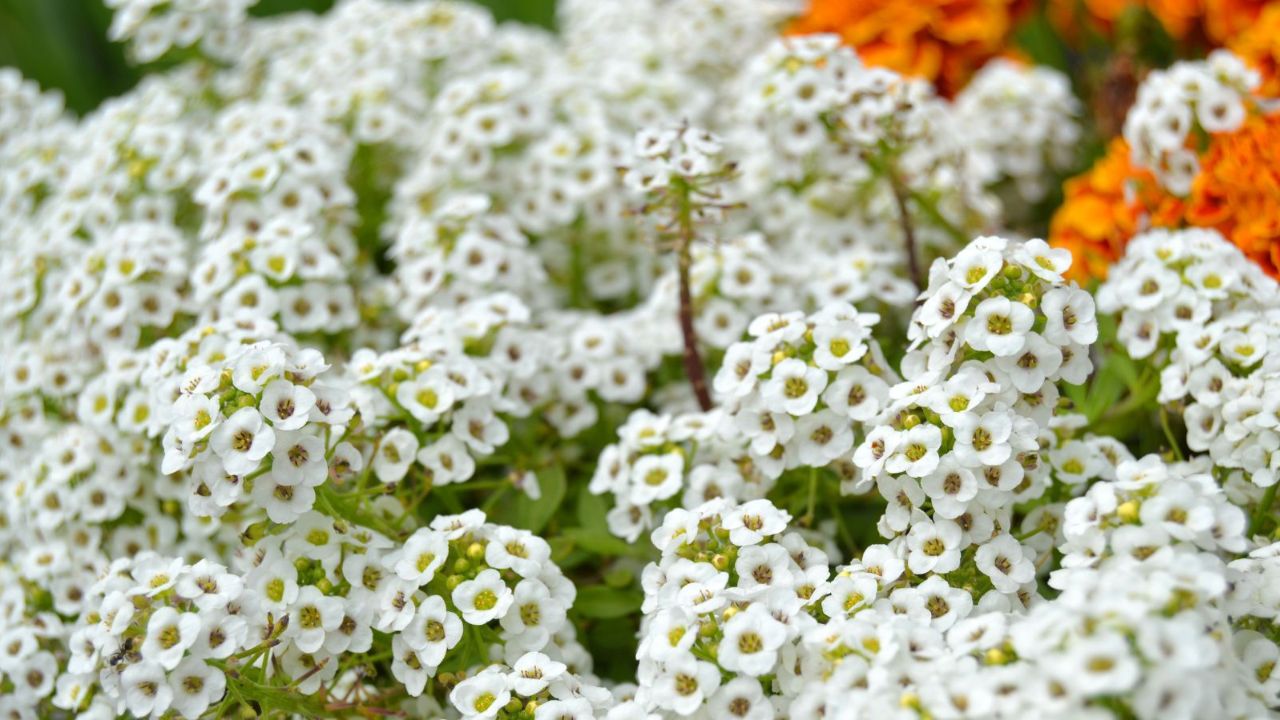
Image Credit: Depositphotos.com.
Sweet Alyssum is a low-growing, fast-spreading annual that creates a living carpet of tiny, fragrant flowers. It’s the perfect “spiller” for the edge of a container, softening the rim and filling in gaps between larger plants. The honey-scented blooms are irresistible to beneficial insects like hoverflies and parasitic wasps.
This delicate-looking plant is surprisingly tough and will bloom from spring until the first hard frost. If it starts to look tired in the mid-summer heat, a quick trim is all it needs to rebound with a fresh wave of flowers.
Care at a Glance:
- Sun: Full sun to part shade.
- Soil: Well-draining soil.
- Water: Needs consistent moisture.
- Pro Tip: Plant it alongside taller plants in a container; it will act as a beautiful, living mulch, helping to keep the soil cool and moist.
15. Pansies
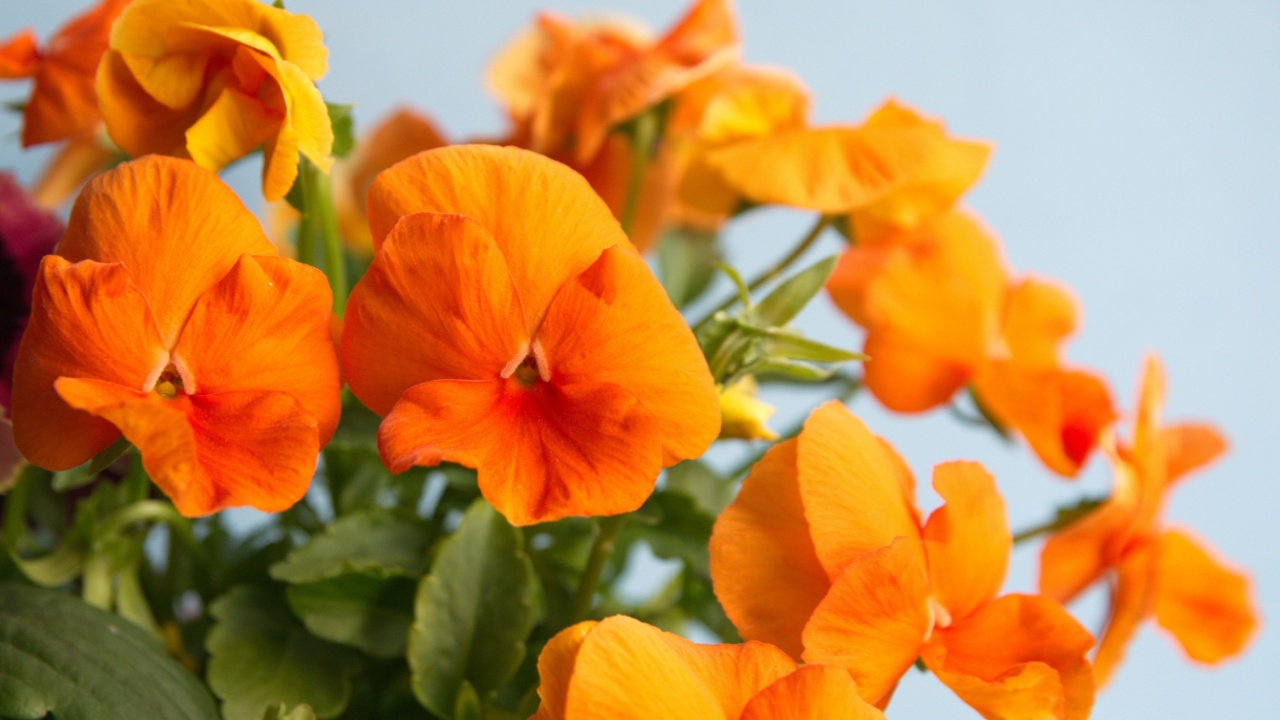
Image Credit: Shutterstock.
Pansies are the cheerful faces of cool-season gardens. With their charming “whisker” markings and a vast array of colors, they can brighten up containers in the spring and fall when many other flowers are dormant. They grow quickly from starts, providing instant color.
While they don’t love summer heat, they are perfect for getting your container garden started early in the season or for extending its life into the cooler months. They are very forgiving and are a great flower for new gardeners to find success with.
Care at a Glance:
- Sun: Full sun to partial shade.
- Soil: Fertile, well-draining soil.
- Water: Keep soil evenly moist.
- Pro Tip: Deadhead regularly to keep them from setting seed, which will prolong their blooming period significantly.
16. Rose
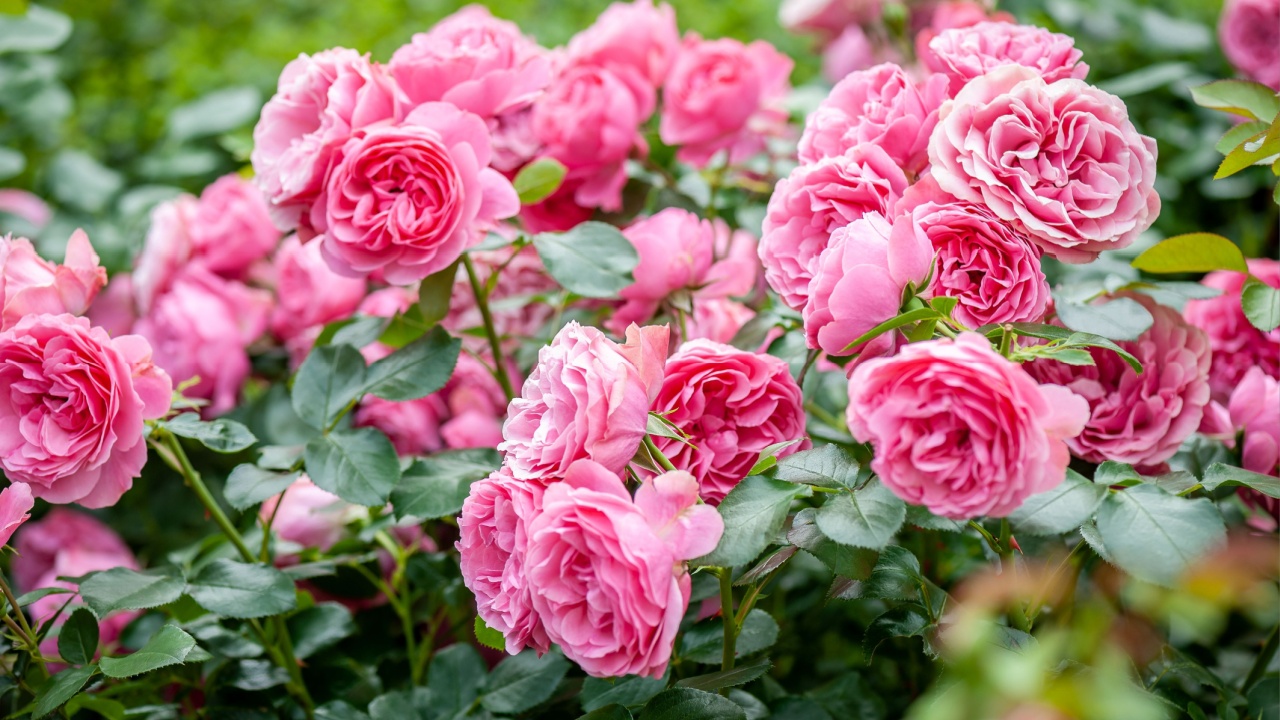
Image Credit: Shutterstock.
Modern breeding has given us a wonderful selection of compact and miniature roses that thrive in containers. These are not your grandmother’s fussy rose bushes. Varieties like those in the ‘Drift’ or ‘Oso Easy’ series are bred for disease resistance and continuous blooming, growing quickly to form a beautiful, flower-covered shrub in a pot.
Growing roses in containers allows you to give them the perfect soil and sun exposure. You can enjoy the classic beauty and fragrance of a rose right on your patio, with blooms appearing in flushes from late spring until fall.
Care at a Glance:
- Sun: At least 6 hours of full sun.
- Soil: High-quality, well-draining potting mix designed for roses if possible.
- Water: Deep, regular watering.
- Pro Tip: Choose a large, deep pot (at least 5 gallons) to insulate the roots and provide ample room for growth.
17. Hydrangea
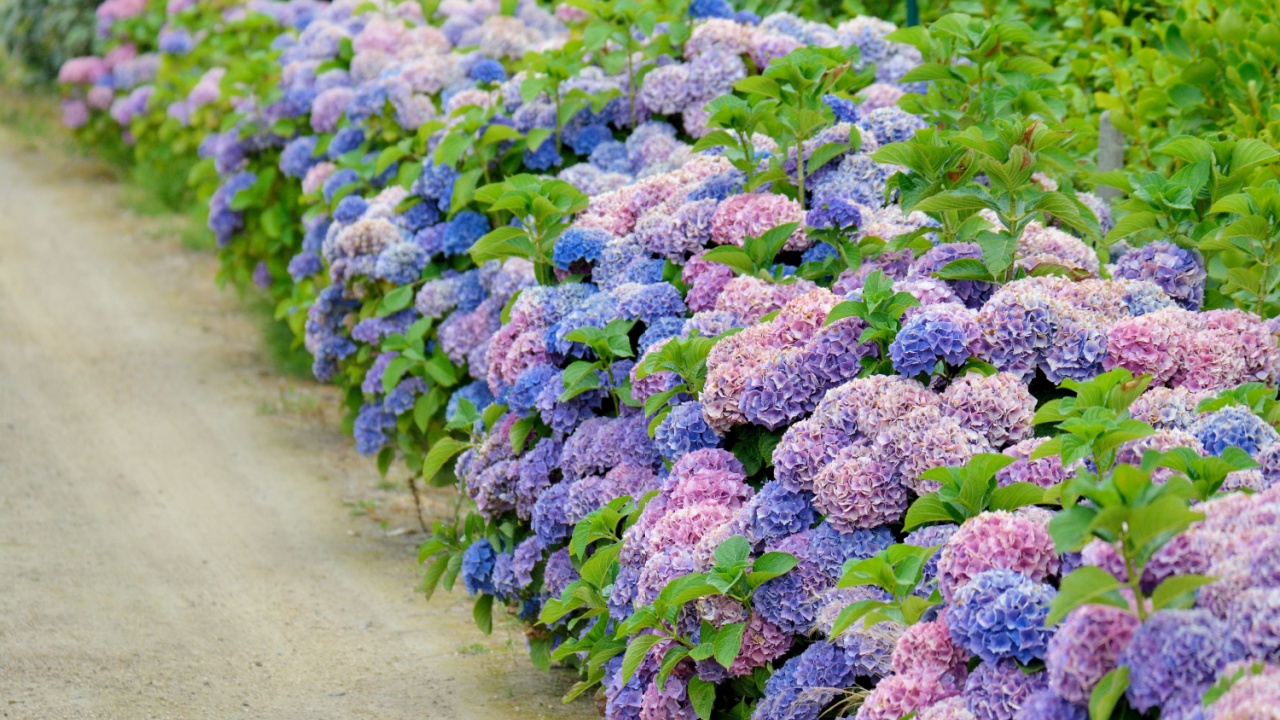
Image Credit: Shutterstock.
For a big impact, a hydrangea in a large container is a showstopper. Compact varieties like ‘Invincibelle Wee White’ smooth hydrangea or certain Bigleaf and Mountain hydrangeas are perfect for pot culture. They grow relatively fast, developing their large, iconic flower heads in summer.
One of the most fascinating aspects of Bigleaf hydrangeas is the ability to change the flower color (from pink to blue) by adjusting the soil pH. Growing them in a pot gives you complete control over this fun experiment.
Care at a Glance:
- Sun: Morning sun and afternoon shade is ideal.
- Soil: Well-draining, rich potting mix.
- Water: Hydrangeas are very thirsty; keep them well-watered, especially in the heat.
- Pro Tip: In colder climates, a potted hydrangea can be more easily protected over winter by moving it into an unheated garage or shed.
18. Hibiscus
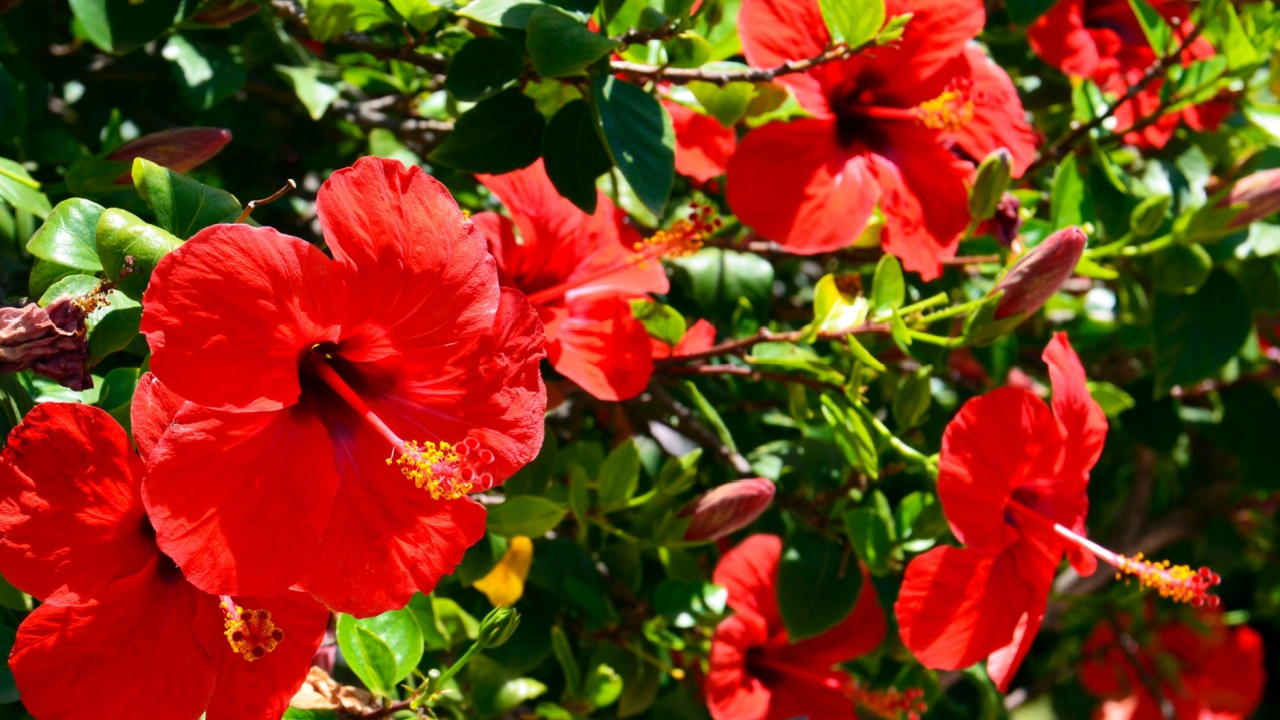
Image Credit: Shutterstock.
Bring a touch of the tropics to your backyard with a hibiscus plant. Tropical hibiscus varieties are well-suited for containers and grow quickly in the summer heat, producing huge, dramatic flowers in bold shades of red, pink, orange, and yellow.
While tropical hibiscus is not cold-hardy, growing it in a pot means you can easily bring it indoors before the first frost to overwinter as a houseplant. It adds a wonderful, exotic flair to a poolside or patio setting.
Care at a Glance:
- Sun: Full sun.
- Soil: Well-draining soil.
- Water: Loves moisture; water frequently during the growing season.
- Pro Tip: Hibiscus are heavy feeders. Use a balanced, slow-release fertilizer or a liquid feed high in potassium to promote blooming.
19. Garden Balsam
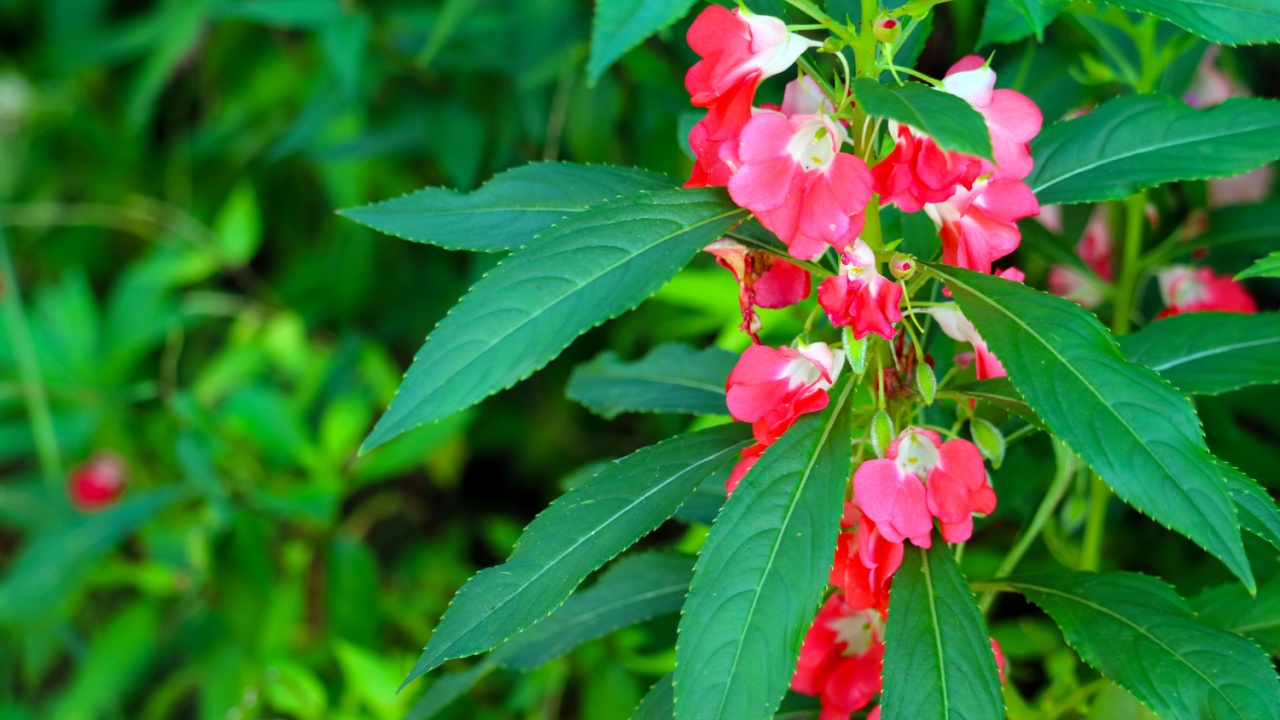
Image Credit: Shutterstock.
Also known as Touch-Me-Nots, Garden Balsam (Impatiens balsamina) is an old-fashioned favorite that deserves a comeback. It thrives in shady conditions, producing colorful, camellia-like flowers along its main stem. It grows quickly and easily from seed, filling in shady container spots with color.
The common name “Touch-Me-Not” comes from the ripe seed pods, which explode when touched, flinging seeds everywhere—a feature kids find endlessly entertaining. Growing them in containers helps contain this self-sowing tendency.
Care at a Glance:
- Sun: Partial to full shade.
- Soil: Rich, moist, well-draining soil.
- Water: Keep consistently moist.
- Pro Tip: They are perfect for brightening up a north-facing porch or a spot under a leafy tree where other flowers might struggle.
20. Honeysuckle
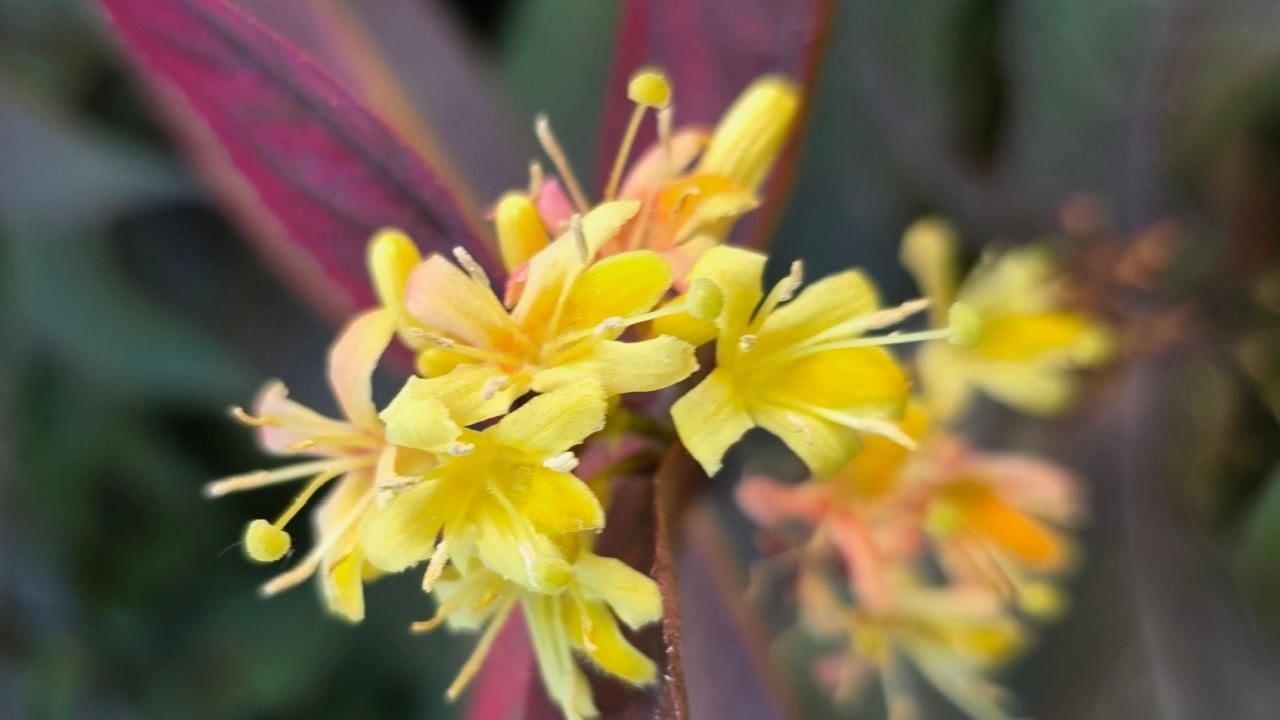
Image Credit: Shutterstock.
While many honeysuckles are large, sprawling vines, some varieties are more contained and can be beautifully grown in a large pot with a sturdy trellis. The fragrant, tubular flowers are a magnet for hummingbirds and butterflies, and their sweet scent can perfume an entire patio on a warm evening.
The vining nature means it grows upwards, making it a great choice for creating a privacy screen or a vertical accent. Its rapid growth will require a support structure in a single season.
Care at a Glance:
- Sun: Full sun to partial shade (more sun equals more flowers).
- Soil: Well-draining soil.
- Water: Regular watering, especially in heat.
- Pro Tip: Choose a less aggressive variety like Lonicera periclymenum and provide a strong support system from the beginning.
21. Cornflower
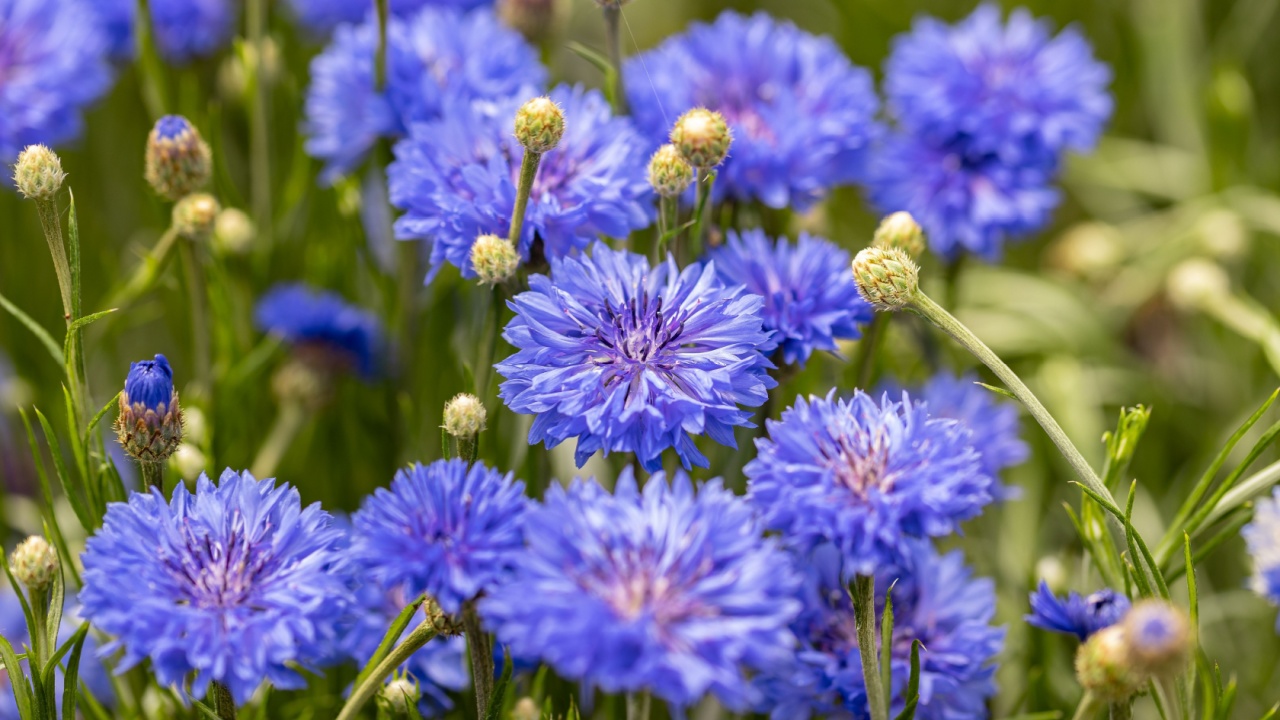
Image Credit: Shutterstock.
Also known as bachelor’s buttons, cornflowers bring an intense, true blue to the garden—a color that is often hard to find. These charming, ruffled flowers grow very fast from seed and have a rustic, wildflower appeal. They are incredibly low-maintenance and will bloom for weeks.
Their tall, wiry stems make them fantastic cut flowers for small, informal arrangements. Growing them in a pot allows you to place this pop of brilliant blue exactly where you need it most.
Care at a Glance:
- Sun: Full sun.
- Soil: Well-draining soil; they tolerate poor soil well.
- Water: Drought-tolerant once established, but performs best with regular water.
- Pro Tip: For a longer bloom season, sow seeds in succession every couple of weeks.
Your Next Steps to a Beautiful Container Garden

Image Credit: Shutterstock.
Feeling inspired? Starting your container garden is easier than you think. The beauty of these fast-growing flowers is that you can see results quickly, which is incredibly motivating.
Your first step is to choose your pots. Make sure any container you select has drainage holes at the bottom—this is non-negotiable for healthy roots. Next, grab a high-quality potting mix, not garden soil, as it’s lighter and provides the right balance of drainage and water retention. Finally, pick a few of your favorite flowers from this list and get planting.
Don’t be afraid to mix and match. A great recipe for a stunning container is to include a “thriller” (a tall plant like a snapdragon), a “filler” (a mounding plant like a zinnia or petunia), and a “spiller” (a trailing plant like Million Bells or Sweet Alyssum). Have fun with it, and in just a few short weeks, you’ll be rewarded with a vibrant, colorful display that brings joy to your outdoor space all season long.