

As the days grow shorter and a crisp chill fills the air, it’s easy to think that your yard work is done for the year. But the secret to a lush, green lawn next spring isn’t found in spring chores; it’s cultivated in the fall.
The effort you put in now, before the ground freezes, directly impacts your lawn’s health, resilience, and beauty when the snow melts. Fall lawn care is your opportunity to repair summer damage, strengthen roots, and set the stage for a yard that will be the envy of the neighborhood. We’ll walk you through ten essential tasks to prepare your lawn for its winter slumber so it can wake up vibrant and ready to grow, verified by landscaping and gardening experts.
1. Aerate Your Lawn
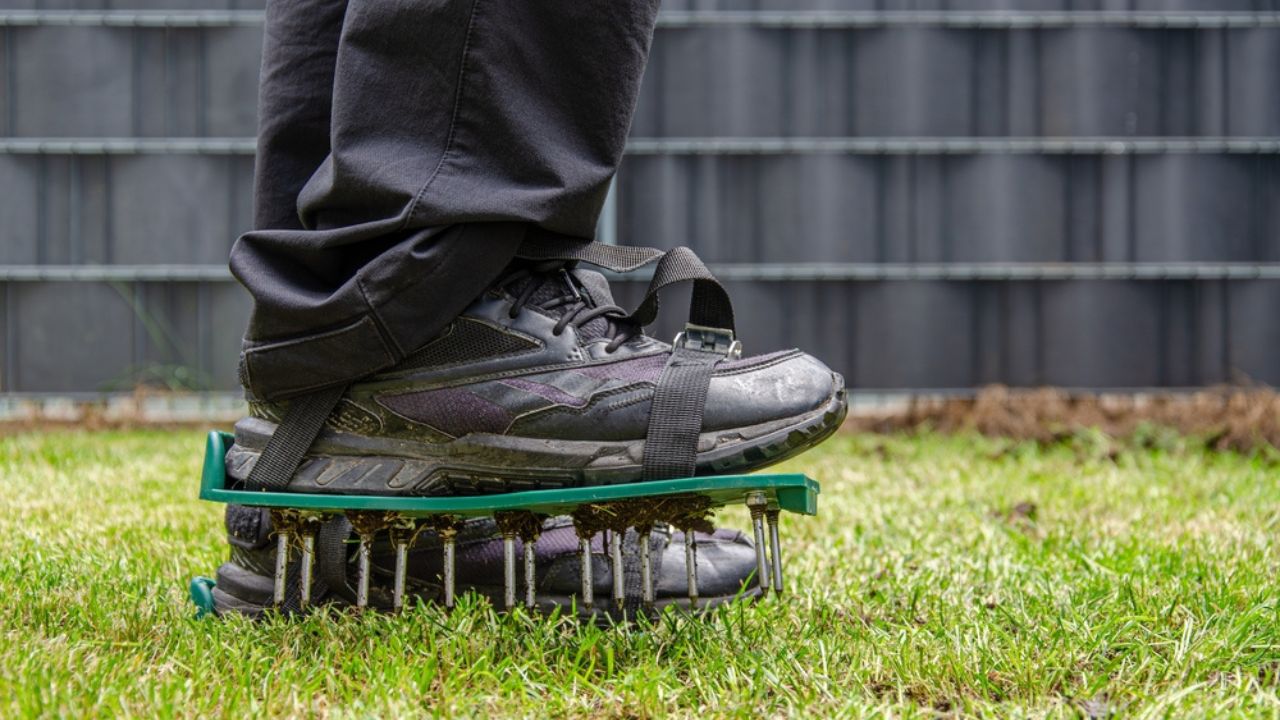
Image Credit: Shutterstock.
Aeration is the process of creating small holes in your lawn to allow air, water, and nutrients to penetrate the soil more effectively. Over the summer, foot traffic, mowing, and even rain can cause the soil to become compacted. This compaction squeezes the air pockets out of the soil, making it difficult for the grass to breathe and grow.
By aerating, you relieve this pressure and create channels for essential elements to reach the root zone. This process encourages deeper root growth, which is vital for surviving the cold winter months and thriving in the spring. A well-aerated lawn is better equipped to absorb water, reducing runoff and making your watering efforts more efficient.
Care Tips:
- When: Aerate when the soil is moist but not waterlogged. The day after a light rain is often perfect.
- How: For best results, use a core or plug aerator, which pulls out small plugs of soil. These can be rented from most home improvement stores. Spike aerators are less effective as they can sometimes increase compaction around the holes they create.
- Next Steps: After aerating is the perfect time to overseed and fertilize, as the seeds and nutrients will have direct contact with the soil.
2. Rake Your Leaves
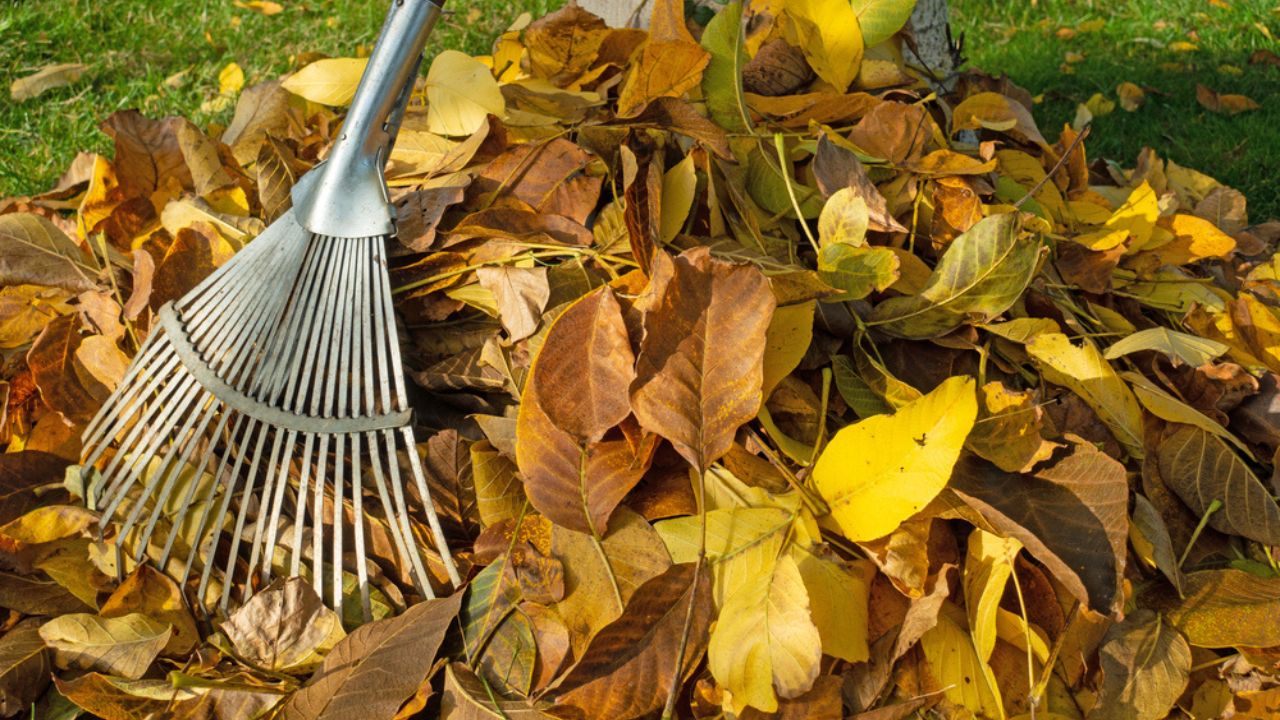
Image credit: Depositphotos.com.
While a colorful blanket of fallen leaves looks beautiful, it can be detrimental to your lawn’s health if left for too long. A thick layer of leaves blocks sunlight and traps moisture, creating a damp, dark environment that’s a perfect breeding ground for fungal diseases like snow mold. It also suffocates the grass, preventing it from getting the air and light it needs to continue photosynthesis and store energy for winter.
Raking is about more than just tidiness; it’s a crucial step in preventing disease and ensuring your grass has access to the resources it needs before going dormant.
Care Tips:
- Don’t Wait: Rake regularly throughout the fall. Don’t let the leaves pile up into a thick, matted layer.
- Mulch Them: Instead of bagging all your leaves, consider mowing over them with a mulching mower. Finely chopped leaves will break down and return valuable nutrients to the soil.
- Next Steps: Add your raked leaves to a compost pile. They are a fantastic source of carbon (“browns”) that will create nutrient-rich compost for your garden beds next year.
3. Continue Mowing
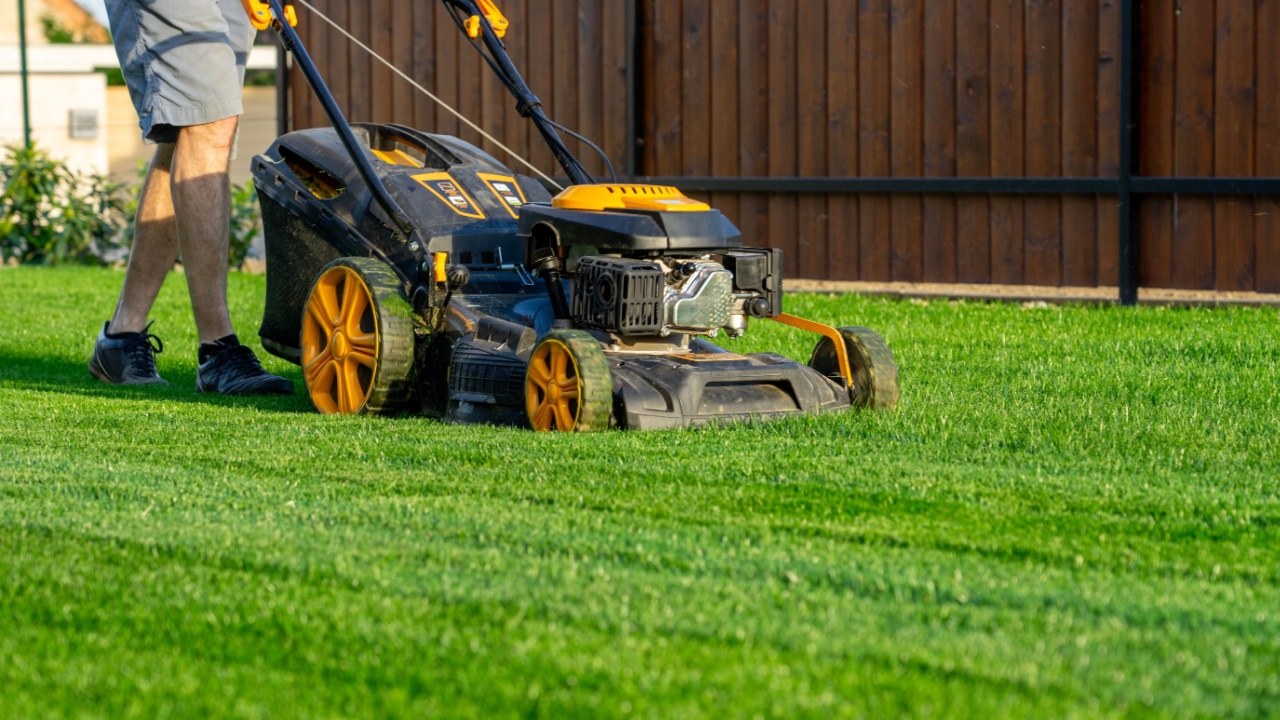
Image Credit: Shutterstock.
Your grass may be growing more slowly in the fall, but it hasn’t stopped completely. Continuing to mow your lawn as needed throughout the autumn is important. Keeping the grass at an appropriate height (around 2.5 to 3 inches) allows sunlight to reach the crown of the grass plants. If the grass is too long when winter arrives, it can become matted down by snow and become susceptible to fungal diseases.
A properly mown lawn also discourages pests like mice and voles from nesting in the tall grass over the winter, where they can cause significant damage to the turf.
Care Tips:
- Final Cut: For the last mow of the season, lower your mower blade one notch to cut the grass slightly shorter than usual, aiming for about 2 inches. This helps prevent matting without exposing the crown to cold damage.
- When to Stop: You can stop mowing when the grass stops growing, which usually happens after the first hard frost.
- Next Steps: Before storing your mower for the winter, clean the undercarriage to remove caked-on grass, sharpen the blade, and stabilize the fuel.
4. Fertilize Your Lawn
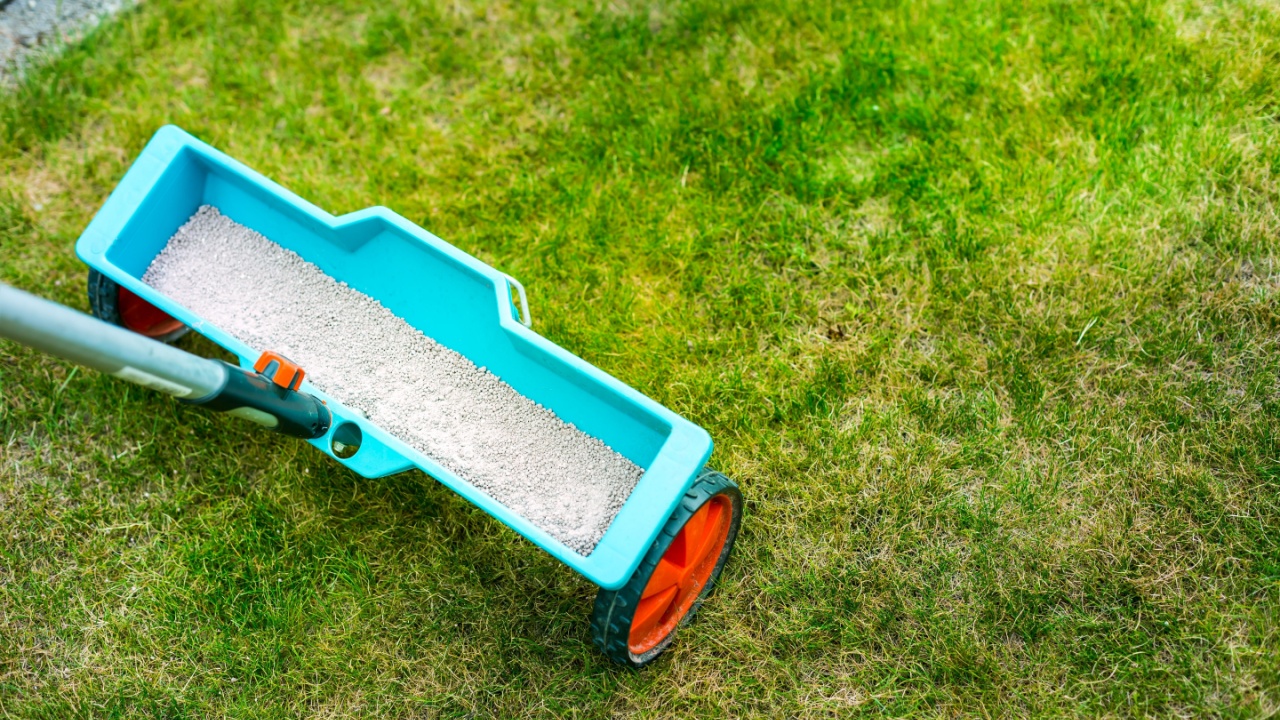
Image Credit: Shutterstock.
If you only fertilize your lawn once a year, fall is the time to do it. As the top growth of your grass slows down, the roots continue to grow actively, soaking up nutrients and storing energy for the winter. Applying a fall-specific fertilizer provides the essential nutrients needed for this crucial root development.
This “winterizer” fertilizer is typically high in nitrogen, which supports root growth and helps the lawn green up faster in the spring. A healthy, well-fed root system is the foundation of a resilient lawn that can withstand the stresses of winter and emerge strong and vibrant.
Care Tips:
- Timing is Key: Apply a slow-release granular fertilizer in early to mid-fall. A second application can sometimes be beneficial a few weeks before the first hard frost.
- What to Use: Look for a fertilizer blend formulated for fall application, often labeled as a “winterizer.”
- Next Steps: Water the lawn lightly after applying fertilizer to help it absorb into the soil and activate the granules. Avoid fertilizing on frozen ground.
5. Fill in Dead Patches
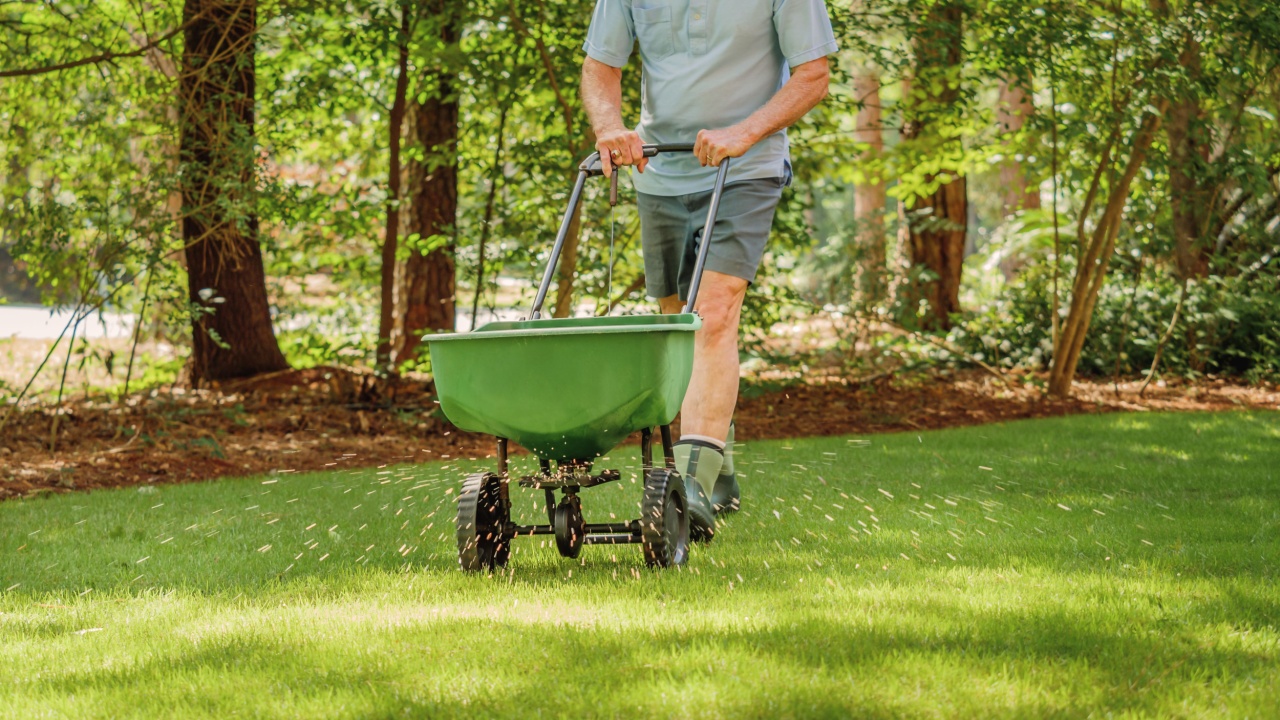
Image Credit: Shutterstock.
Summer heat, drought, heavy foot traffic, or pet spots can leave your lawn with thinning or bare patches. Fall provides the ideal conditions for seeding these areas. The soil is still warm enough for germination, while the cooler air temperatures and increased moisture reduce the stress on new grass seedlings.
Addressing these patches in the fall gives the new grass several weeks to establish a solid root system before winter dormancy. This head start means you’ll have a denser, more uniform lawn in the spring, with fewer opportunities for weeds to take hold.
Care Tips:
- Prepare the Spot: Gently rake the bare patch to remove any dead grass and loosen the soil. For compacted areas, use a garden fork to break up the top inch of soil.
- Seed and Feed: Evenly spread a high-quality grass seed appropriate for your climate and sun exposure. Apply a thin layer of topsoil or compost over the seed to ensure good seed-to-soil contact.
- Next Steps: Keep the newly seeded areas consistently moist until the grass is well-established. Water lightly once or twice a day to prevent the seeds from drying out.
6. Lay Down Mulch
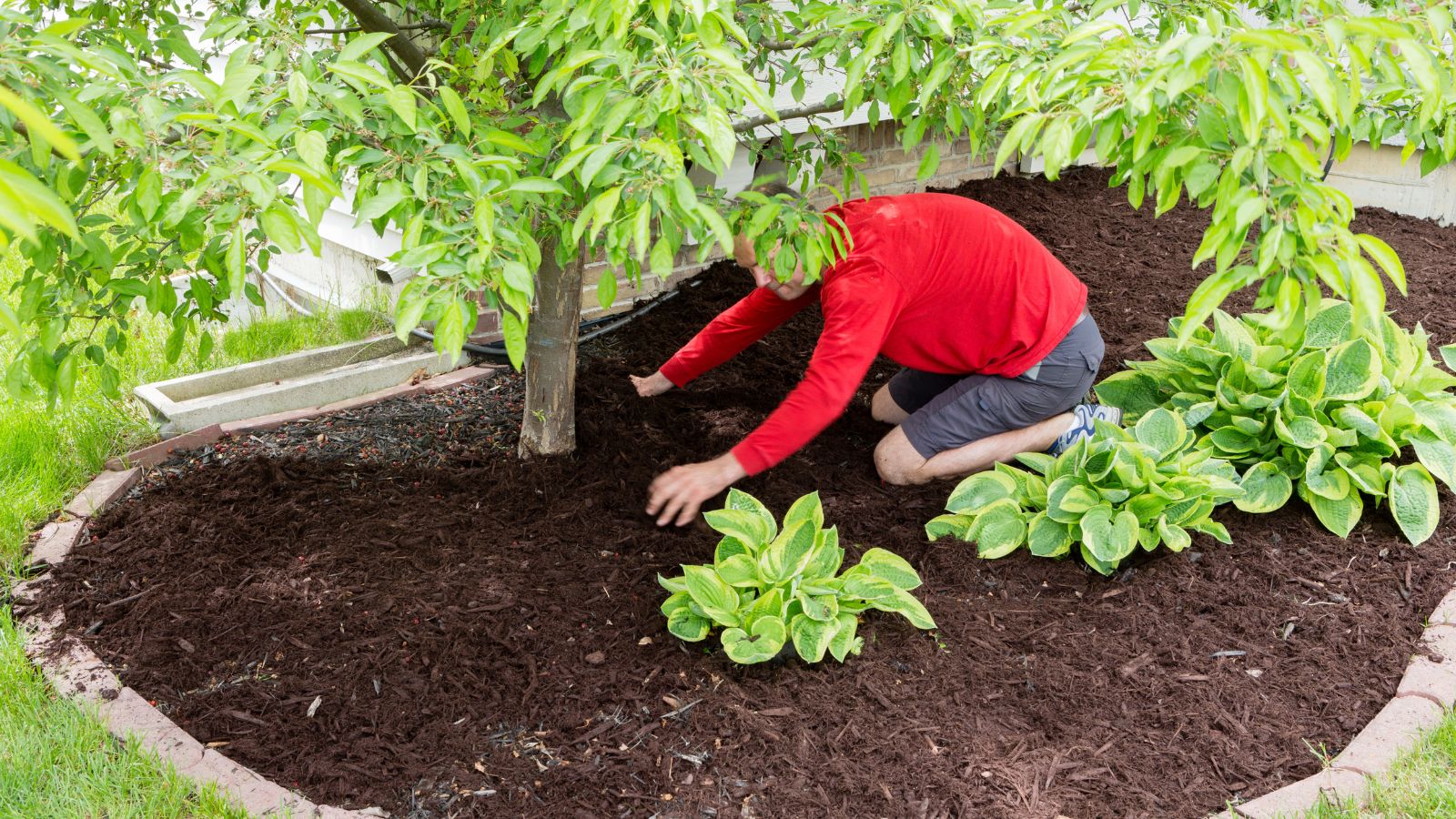
Image Credit: YAY Images.
Protecting the roots of your trees, shrubs, and perennial plants is just as important as caring for your turf. Applying a layer of mulch in the fall acts as a natural insulator, shielding roots from the harsh cycle of freezing and thawing that can damage or heave them out of the ground.
Mulch also helps retain soil moisture and suppresses weed growth. As it breaks down over the winter, it will add valuable organic matter to your soil, improving its structure and fertility for the growing season ahead.
Care Tips:
- How Much: Apply a 2- to 3-inch layer of organic mulch, such as shredded bark, wood chips, or pine straw, around the base of plants.
- Avoid the “Volcano”: Do not pile mulch directly against the trunks of trees or stems of plants. This can trap moisture and lead to rot and disease. Leave a few inches of space around the base.
- Next Steps: After raking your leaves, run some of them through a shredder or mower and use them as a free and effective mulch for your garden beds.
7. Continue Watering
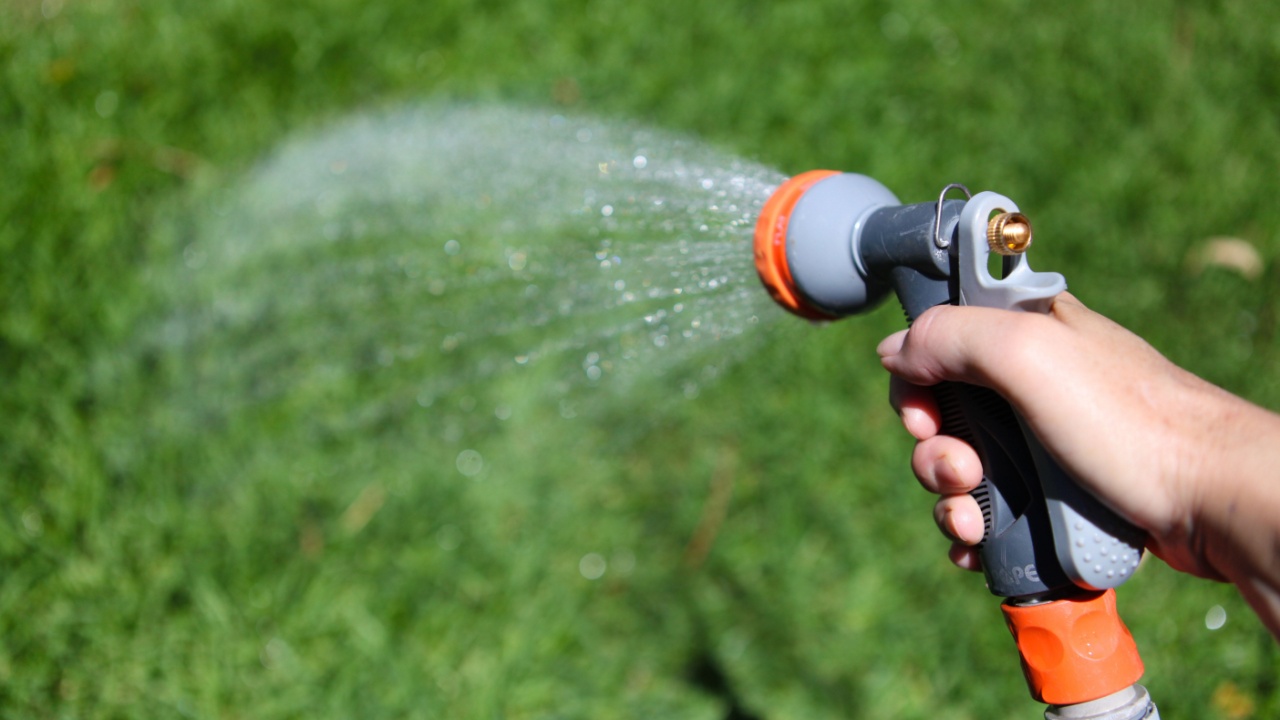
Image Credit: Shutterstock.
Cooler fall temperatures can be deceiving, but your lawn still needs water. While it may not require as much as it did during the peak of summer, the grass and its roots are still active and need consistent moisture to prepare for winter. A well-hydrated lawn is a healthier lawn.
Watering is especially important for any newly seeded areas, as well as for evergreen trees and shrubs. These plants can continue to lose moisture through their needles and leaves during winter, and going into the cold season well-hydrated helps them avoid winter burn.
Care Tips:
- Check the Soil: Don’t just water on a schedule. Check the soil by sticking your finger a couple of inches down. If it feels dry, it’s time to water.
- Water Deeply: When you do water, water deeply and infrequently. This encourages roots to grow deeper into the soil, making the lawn more drought-tolerant.
- Next Steps: Remember to disconnect, drain, and store your hoses and irrigation systems before the first hard freeze to prevent them from cracking and breaking.
8. Test Your Soil

Image Credit: Shutterstock.
You can’t see what’s happening underground, but your soil’s health is the single most important factor for a great lawn. Fall is an excellent time to test your soil‘s pH and nutrient levels. Soil pH affects how well your grass can access the nutrients in the soil. If the pH is too acidic or too alkaline, the grass plants can’t absorb key nutrients, even if you fertilize regularly.
A soil test will tell you your current pH and whether you need to add amendments like lime (to raise pH) or sulfur (to lower it). It will also reveal any nutrient deficiencies, allowing you to choose a fertilizer that provides exactly what your lawn is missing.
Care Tips:
- Get a Kit: You can purchase a simple DIY soil test kit or send a sample to your local cooperative extension service for a more detailed analysis.
- How to Sample: Collect soil from several different areas of your lawn, about 4 to 6 inches deep. Mix them together in a clean bucket to get a representative sample.
- Next Steps: Fall is the best time to apply amendments like lime or sulfur, as they take several months to work into the soil and adjust the pH.
9. Trim Your Trees

Image Credit: Shutterstock.
A little proactive pruning in the fall can prevent big headaches in the winter. Inspect your shade and ornamental trees for any dead, damaged, or weak branches. Heavy snow, ice, and strong winter winds can easily break these limbs, potentially causing damage to your home, property, or anything underneath.
By selectively trimming these problem branches, you improve the tree’s structure and safety. It also allows for better air circulation and sunlight penetration to the grass below once the leaves have fallen.
Care Tips:
- What to Cut: Focus on removing deadwood and branches that are crossing or rubbing against each other.
- Proper Cuts: Make clean cuts close to, but not flush with, the main trunk or a larger branch. Leave the small, raised area known as the branch collar intact, as this is where the tree will heal itself.
- Next Steps: For large branches or limbs near power lines, always hire a certified arborist. This is not a job for a DIYer.
10. Edge Your Lawn

Image Credit: Shutterstock.
Edging is a finishing touch that makes a huge difference in your yard’s appearance. It creates a clean, sharp line between your lawn and your driveway, walkways, and garden beds. While it’s often seen as a spring or summer task, edging in the fall helps define these spaces before winter.
This task prevents turfgrass from creeping into your garden beds over the dormant season. It also makes your spring cleanup easier, as the boundaries will be clearly established. A crisp edge gives your entire landscape a professional and well-maintained look, even as the lawn goes dormant.
Care Tips:
- Use the Right Tool: A manual half-moon edger or a powered stick edger will give you the cleanest results.
- Create a Trench: Cut a small, V-shaped trench about 2 inches deep along the edge. This provides a clear barrier that grass roots will have difficulty crossing.
- Next Steps: After edging, scoop out any loose soil or turf and add it to your compost pile. You can fill the trench with a thin layer of mulch to help suppress weeds.
Take Advantage of Fall for a Beautiful Lawn

Image Credit: Shutterstock.
With this list in hand, you’re ready to tackle your fall lawn care routine. Don’t feel like you have to do everything in one weekend. Start by raking the leaves and giving your lawn a good mow. Next weekend, you might rent an aerator and spread some fertilizer.
By breaking these tasks down, you can give your lawn the attention it deserves without feeling overwhelmed. The work you do in the crisp autumn air is a direct investment in the green, healthy lawn you’ll enjoy all next season.