

Most of us have a thing or two we hold on to for sentimental value and don’t want to get rid of. However, when people have a strong aversion to letting go of anything (to the point that it becomes distressing to them or others) and ultimately accumulate a large amount of unnecessary stuff- they might be hoarders.
It may seem harmless, but hoarding is a diagnosable mental illness. It can lead to sanitary concerns, compromised fire safety in homes, and a lot of stress over a growing tower of junk (at least to outsiders).
The tendency to accumulate and hoard possessions, leading to a cluttered living space, is a complex behavior rooted in various psychological factors. Here’s why some people become hoarders.
1. Decision-Making Difficulty

Image Credit: Shutterstock.
Decluttering involves a lot of decision-making, and choosing what to keep and what to remove can be a tough mental battle for some people. The fear of making the wrong decision makes some people unable to discard stuff and get buried in clutter.
2. Perfectionism

Image Credit: Shutterstock.
Decluttering can be a little debilitating for those who want everything they do to be perfect. They need to ensure they only keep what they need to keep and don’t make a mistake with what they give away.
When looking at hoarders’ messy spaces, it may seem counterintuitive that they’d be perfectionists—but it all depends on what point of the decision-making process they are stuck on.
3. Emotional Attachment

Image Credit: Shutterstock.
People keep certain things for so long that they develop sentimental feelings for them. Attaching sentimental value and memories to objects makes it difficult for them to let go. The things may not look like they mean much to others, but the hoarder can’t imagine life without them.
4. Fear of Loss

Image Credit: Shutterstock.
Truthfully, decluttering means losing a few [or a lot] of things. Hoarders may fear losing important information or memories associated with their possessions.
5. Anxiety Disorders

Image Credit: Depositphotos.com.
Letting go of things can cause more anxiety to people who are already prone to it. Conditions like obsessive-compulsive disorder (OCD) can contribute to compulsive hoarding.
6. Trauma or Loss

Image Credit: Shutterstock.
Hoarding can be a coping mechanism for people who are dealing with past traumas or significant losses. Letting go of personal belongings may trigger feelings of loss and grief, making the person unable to declutter.
7. Attachment Issues

Image Credit: Depositphotos.com.
Hoarding may stem from attachment issues, where possessions are substitutes for relationships. When they can’t hold onto people, hoarders will hold onto things until those things start drowning them.
8. Environmental Factors

Image Credit: Depositphotos.com.
Nurture plays a big part in individuals who have problems letting things go. If they grew up in a home where decluttering was frowned upon, they, too, may not get rid of things. Growing up in a cluttered or hoarding-prone environment normalizes hoarding.
9. Fear of Wasting
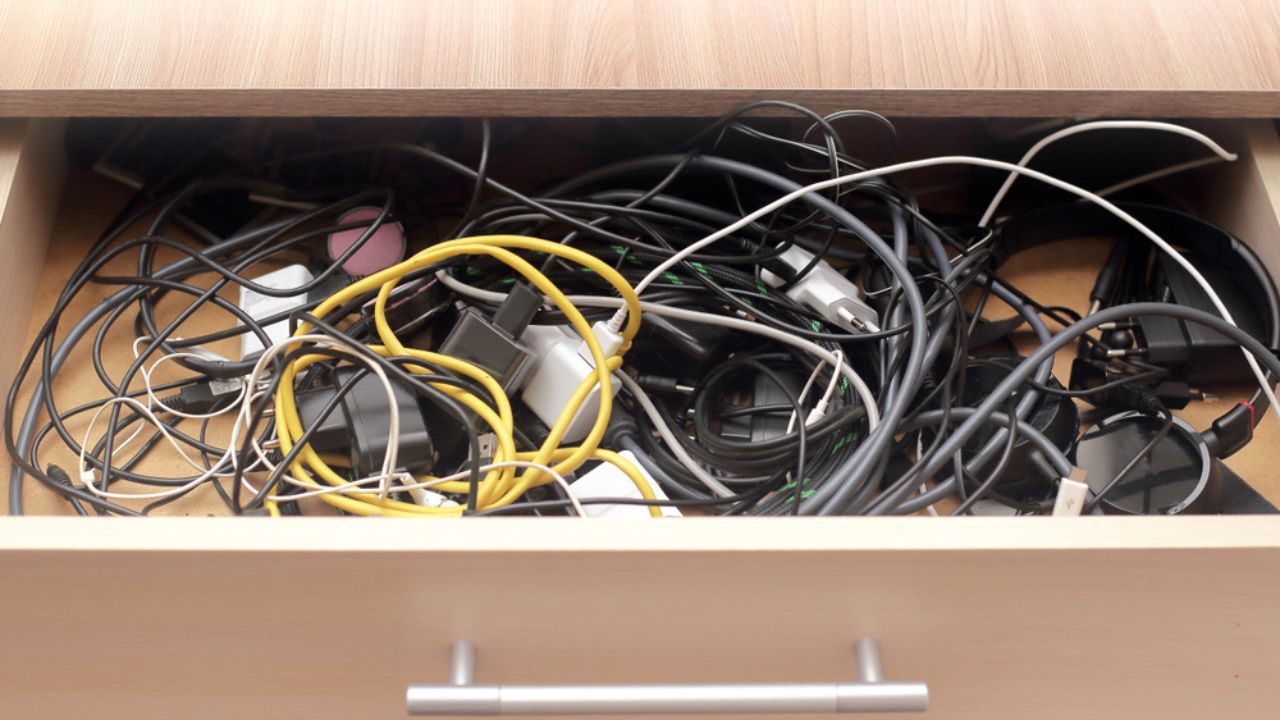
Image Credit: Shutterstock.
Some people become hoarders because they believe that items should not be wasted or thrown away, even if they are no longer useful. To them, everything has the potential to be used for something.
10. Depression

Image Credit: Depositphotos.com.
Depressed people also tend to have some hoarding tendencies. Their possessions provide a sense of security for them, and letting go feels like they’re getting stripped of their comfort. They also have difficulty cleaning up their environment and live in a cluttered mess.
11. Procrastination

Image Credit: Depositphotos.com.
Most people plan to declutter but postpone unnecessarily until things pile up too much. Research shows that about 20% of adults are chronic procrastinators, and the delay in decluttering decision-making can result in accumulating possessions.
12. Memory Issues

Image Credit: Depositphotos.com.
Sometimes, people will hoard because they have difficulty remembering what possessions they own or where they are stored. If they can’t recall what they own, this may also lead to repetitively buying items that they don’t need- eventually leading to a cluttered mess.
13. Compulsive Behavior

Image Credit: Depositphotos.com.
Hoarding can be a manifestation of compulsive tendencies, where the act of acquiring becomes automatic. They will keep getting more and more things until they have no space to store them, and then they’ll get more.
14. Stress

Image Credit: Depositphotos.com.
Stressful life events such as a divorce or the death of a loved one may trigger hoarding behavior. Some people will hold onto their loved one’s things to avoid erasing their memories.
It is imperative to treat hoarding with empathy and seek expert assistance, such as therapy or counseling, to address the underlying psychological causes and encourage better habits.