
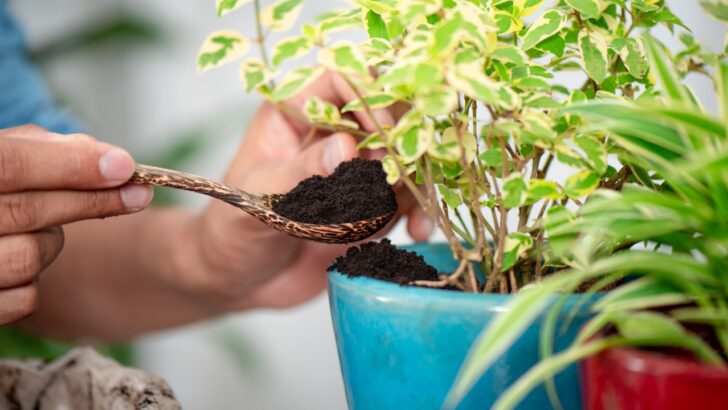
Your kitchen and pantry aren’t just for cooking—they’re a treasure trove of home-grown gardening tools you can use for healthier plants, better soil, and natural pest control. These everyday items are often more effective (and gentler on your wallet and the environment) than commercial products. From powerful milks that fight fungus to kitchen staples that feed and protect your soil, your garden will thank you for thinking outside the store aisle.
Here are 15 clever, science-backed ways to make your garden thrive—plus step-by-step tips so you know exactly what to do with them.
1. Cinnamon
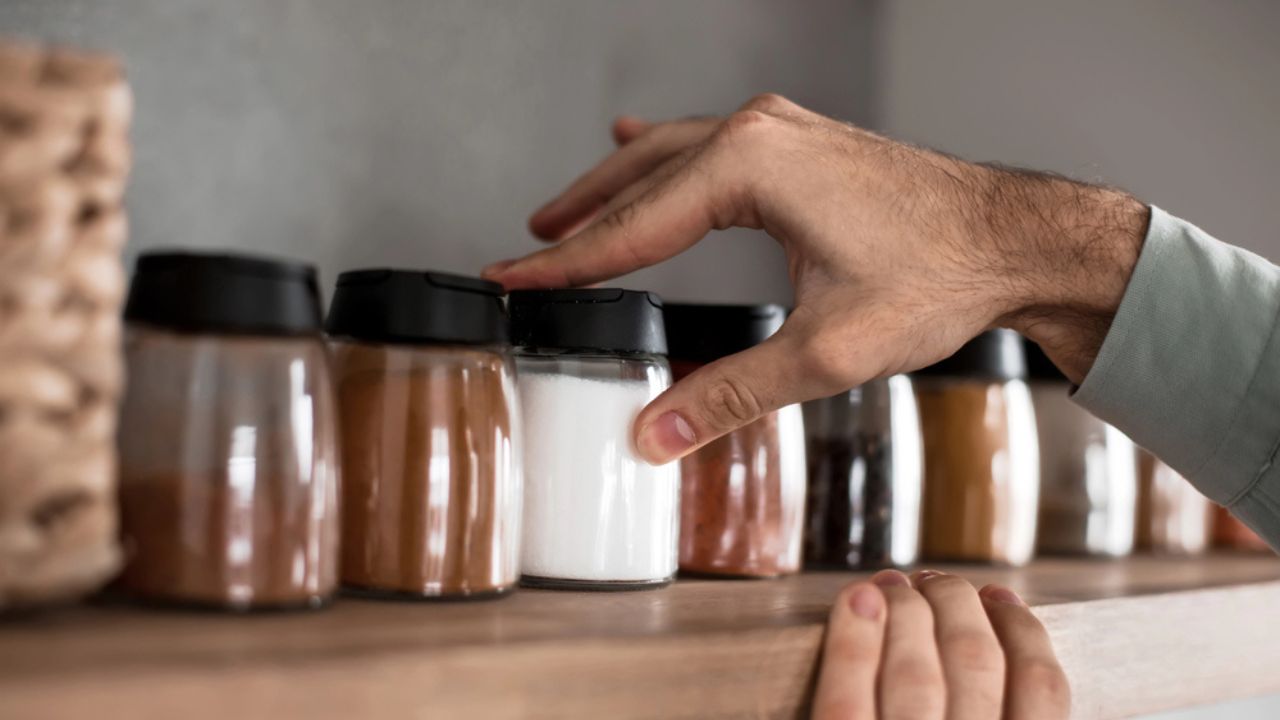
Image credit: Depositphotos.com.
Why it works: Cinnamon isn’t just for baked goods. It’s a powerful antifungal agent that helps prevent damping-off disease in seedlings and encourages root growth in plant cuttings. It also repels ants and other garden pests.
How to use: Sprinkle cinnamon on seed-starting trays or around young plants. For rooting, dust the cut stems before planting. Reapply after watering to maintain its protective effect.
2. Coffee Grounds
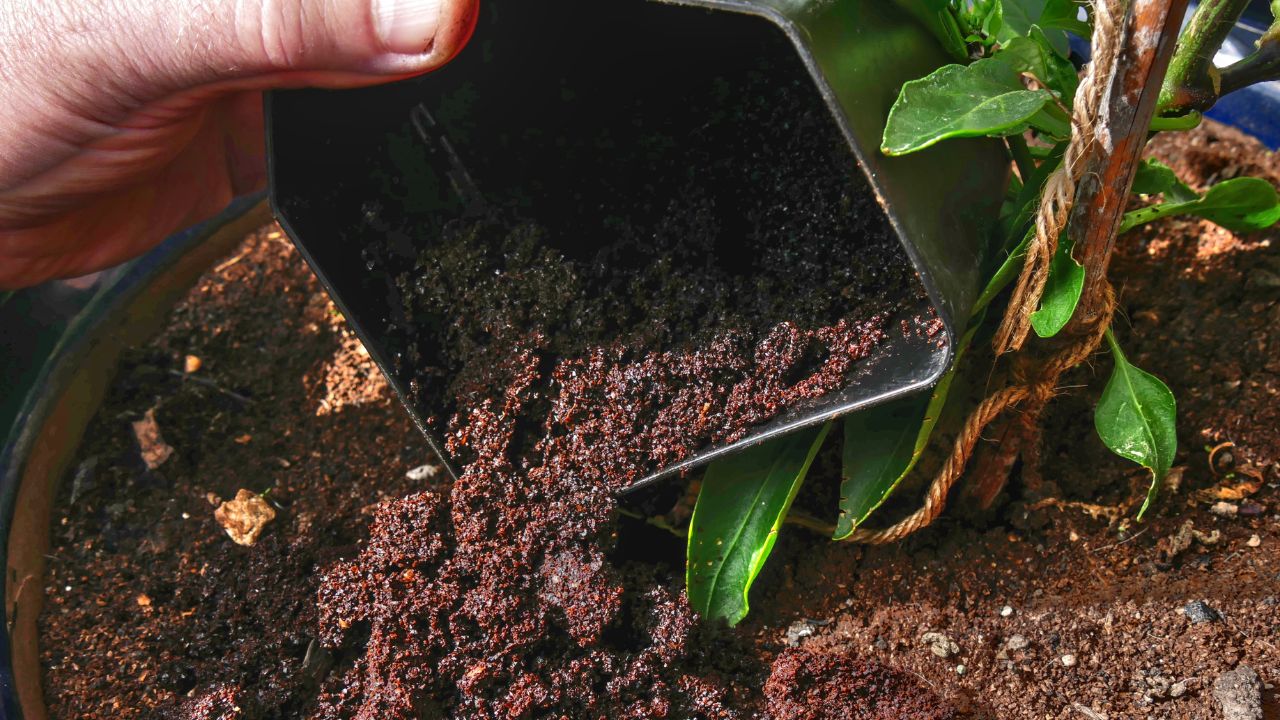
Image Credit: Shutterstock.
Why it works: Cornell College of Agriculture shares that coffee grounds are rich in nitrogen, helping nourish soil microbes and improve texture. They also act as a mild pest deterrent against slugs and snails, and their acidity benefits plants like hydrangeas and blueberries.
How to use: Sprinkle around plants or work into compost piles. Use in moderation, especially in alkaline soils, and blend with carbon-rich materials to balance pH.
3. Baking Soda
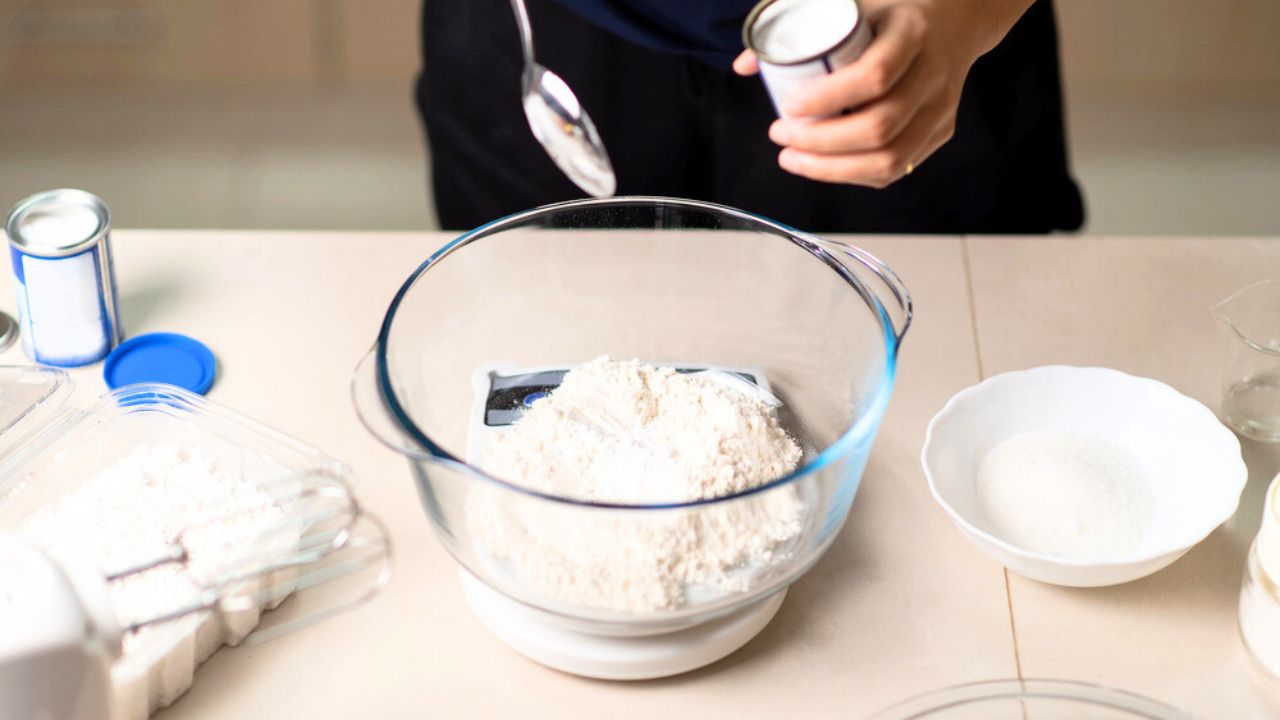
Image Credit: Depositphotos.com.
Why it works: Baking soda creates an inhospitable environment for fungi. It’s often used to treat powdery mildew, black spot, and other fungal diseases on common garden plants.
How to use: Mix 1 tsp baking soda with 1 quart of water and a few drops of mild soap. Spray on affected leaves weekly. Avoid applying during hot, sunny periods to prevent leaf burn.
4. Newspaper

Image Credit: Depositphotos.com.
Why it works: While not a kitchen staple, there might be a newspaper sitting on your counter destined for the trash or recycling. Newspaper is a biodegradable mulch that suppresses weeds, retains soil moisture, and breaks down into organic matter. It also helps regulate soil temperature and reduce erosion.
How to use: Layer 2–3 sheets between rows or under decorative mulch. Wet the sheets to help them stay in place. Replace or compost them as they decompose.
5. Epsom Salt

Image Credit: Depositphotos.com.
Why it works: Composed of magnesium and sulfate, Epsom salt boosts chlorophyll production and nutrient absorption, especially in tomatoes, peppers, and roses. It’s also known to alleviate magnesium deficiency in soil.
How to use: Mix 1 tbsp per gallon of water and apply to soil or foliage every few weeks. Use sparingly, and test the soil first to confirm magnesium needs.
6. Hydrogen Peroxide
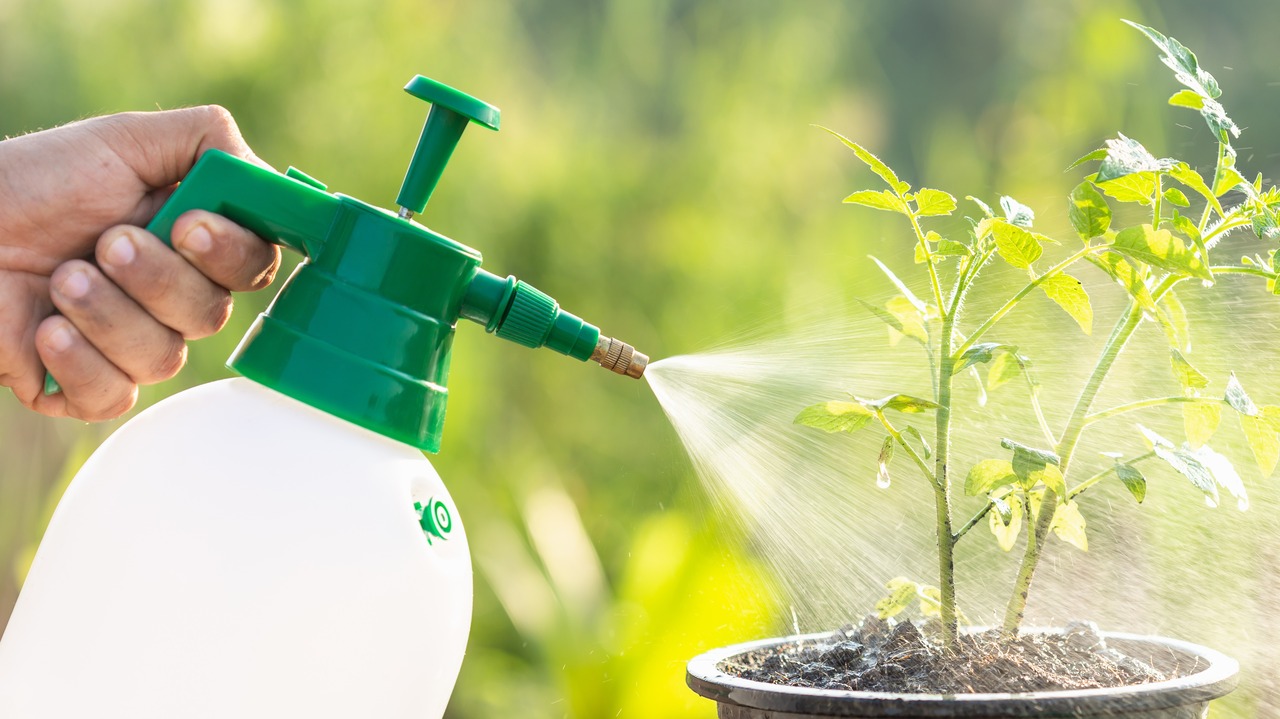
Image Credit: Shutterstock.
Why it works: Hydrogen peroxide releases oxygen into the soil, helping roots absorb nutrients more efficiently and combating fungal infections like root rot. It also kills fungus gnat larvae.
How to use: Mix 1 part 3% hydrogen peroxide with 3 parts water. Water plants at the base or mist foliage weekly. Use only as needed to avoid harming beneficial microbes.
7. Banana Peels
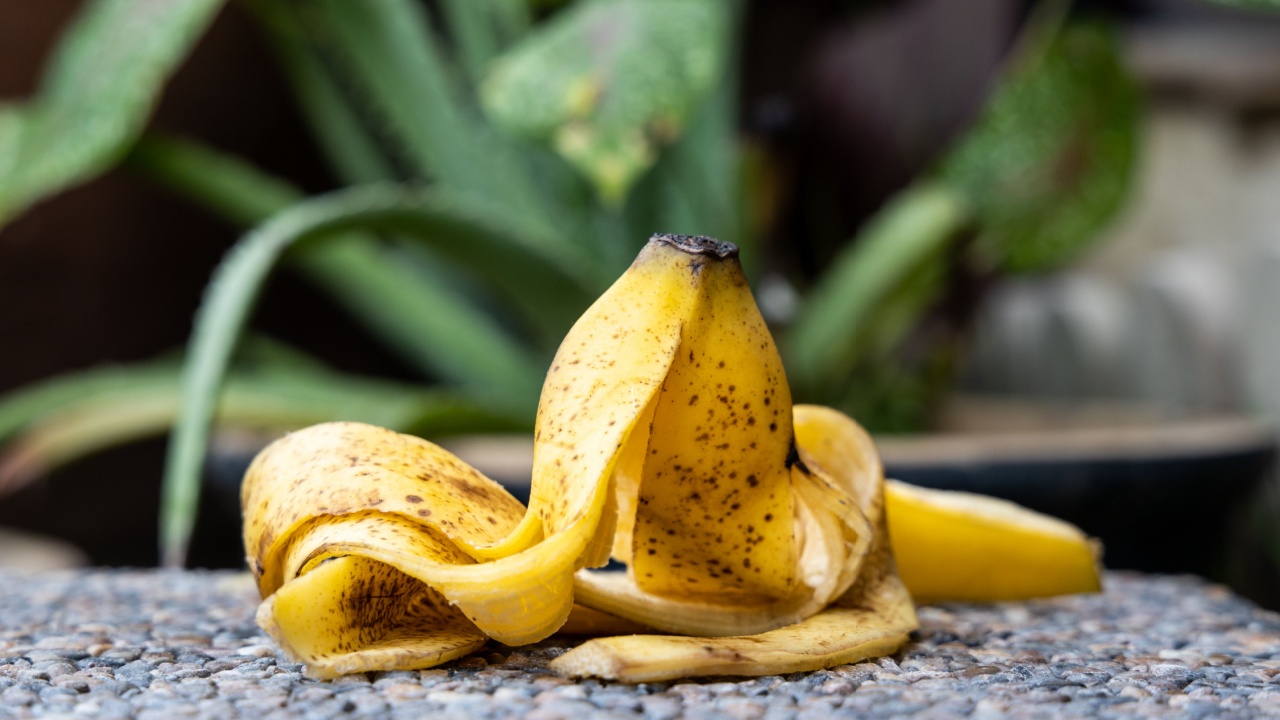
Image Credit: Shutterstock.
Why it works: Banana peels are loaded with potassium, phosphorus, and calcium—essential nutrients for flowering and fruiting plants. They also attract earthworms, which improve soil health.
How to use: Chop into small pieces and bury near plant roots, or blend into compost. Avoid large peels on the surface to prevent pests.
8. Milk Spray
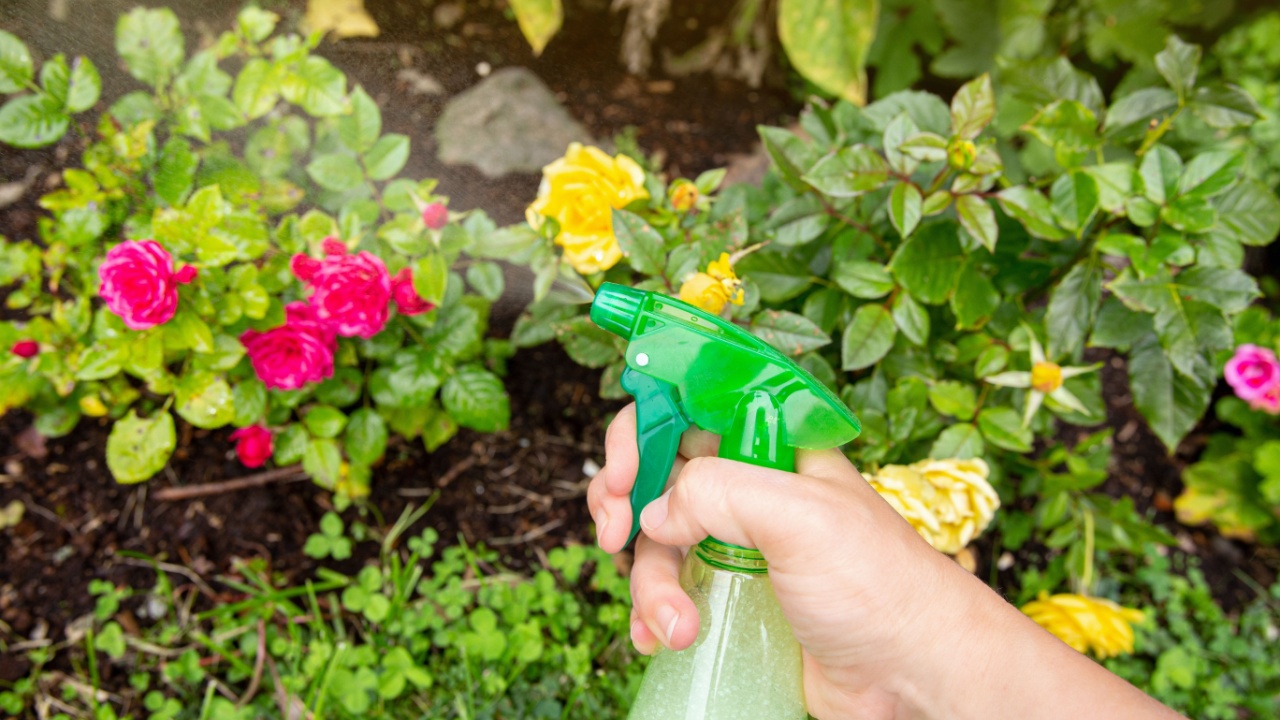
Image Credit: Shutterstock.
Why it works: Diluted milk has been shown in studies to help prevent powdery mildew by producing natural antifungal compounds when exposed to sunlight. It’s especially helpful for tomatoes, cucurbits, and roses.
How to use: Mix 1 part milk with 9 parts water and spray on leaves every 7–10 days. Apply in the morning and avoid spraying during humid conditions to prevent mold.
9. Tea Bags
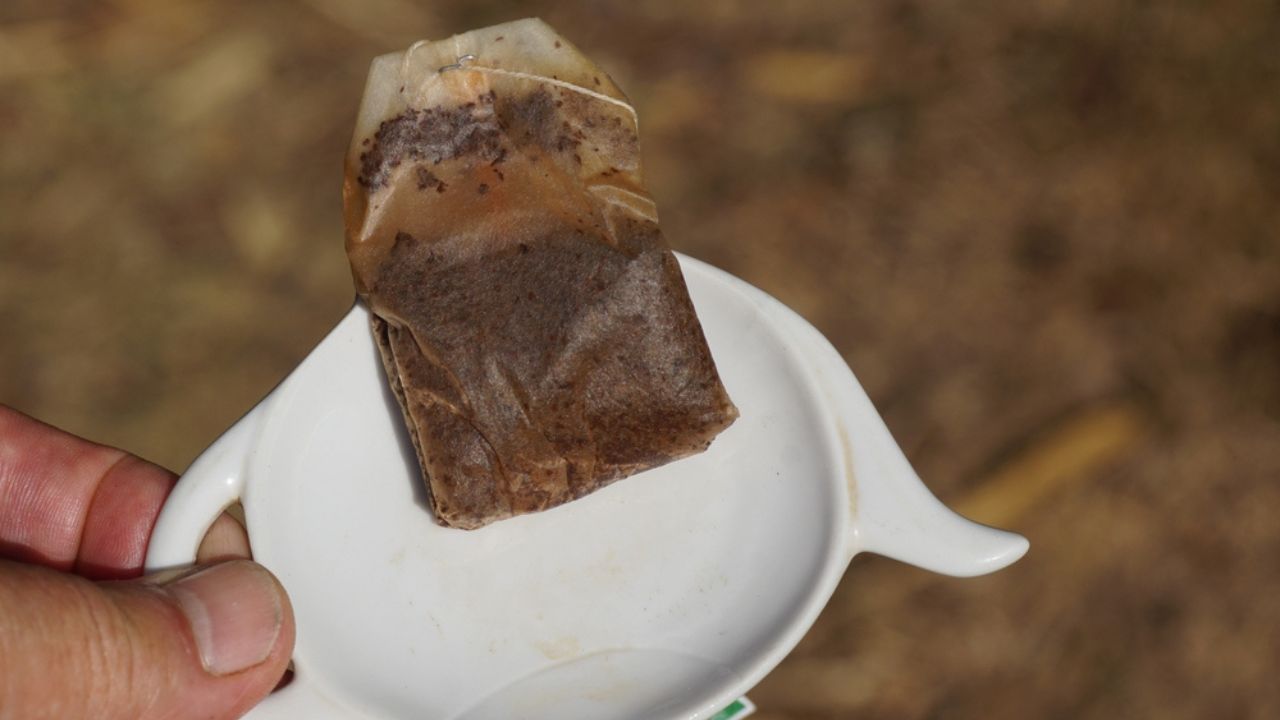
Image Credit: Shutterstock.
Why it works: Used tea bags add tannins, nitrogen, and moisture-retaining fibers to your soil. Their decomposition slowly enriches the soil, and their scent can deter some pests.
How to use: Bury used bags near plant roots or mix into compost. Make sure bags are biodegradable (avoid synthetic mesh). You can also use brewed tea water as a gentle fertilizer.
10. Aspirin
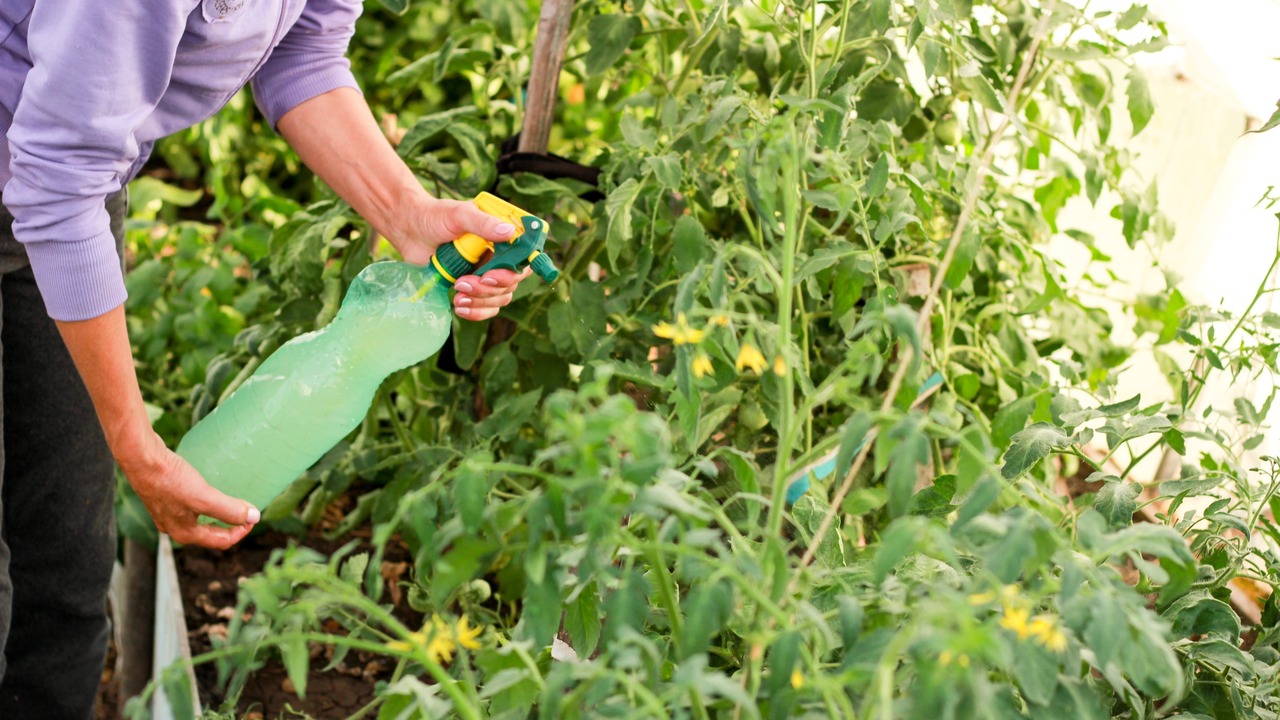
Image Credit: Shutterstock.
Why it works: Aspirin contains salicylic acid, which triggers a plant’s natural immune response. Studies show it boosts resistance to disease in tomatoes and improves overall plant vigor.
How to use: Dissolve one regular-strength aspirin in a gallon of water and spray every 2–3 weeks. Don’t overspray—too much can damage leaves, especially on sensitive plants.
11. Charcoal (Biochar)

Image Credit: Shutterstock.
Why it works: Crushed charcoal (also known as biochar) increases soil aeration, water retention, and microbial activity. It’s especially helpful in heavy or depleted soils.
How to use: Crush untreated charcoal into small pieces and mix into soil or compost. Pre-soak in compost tea or water before applying for best results.
12. Vinegar
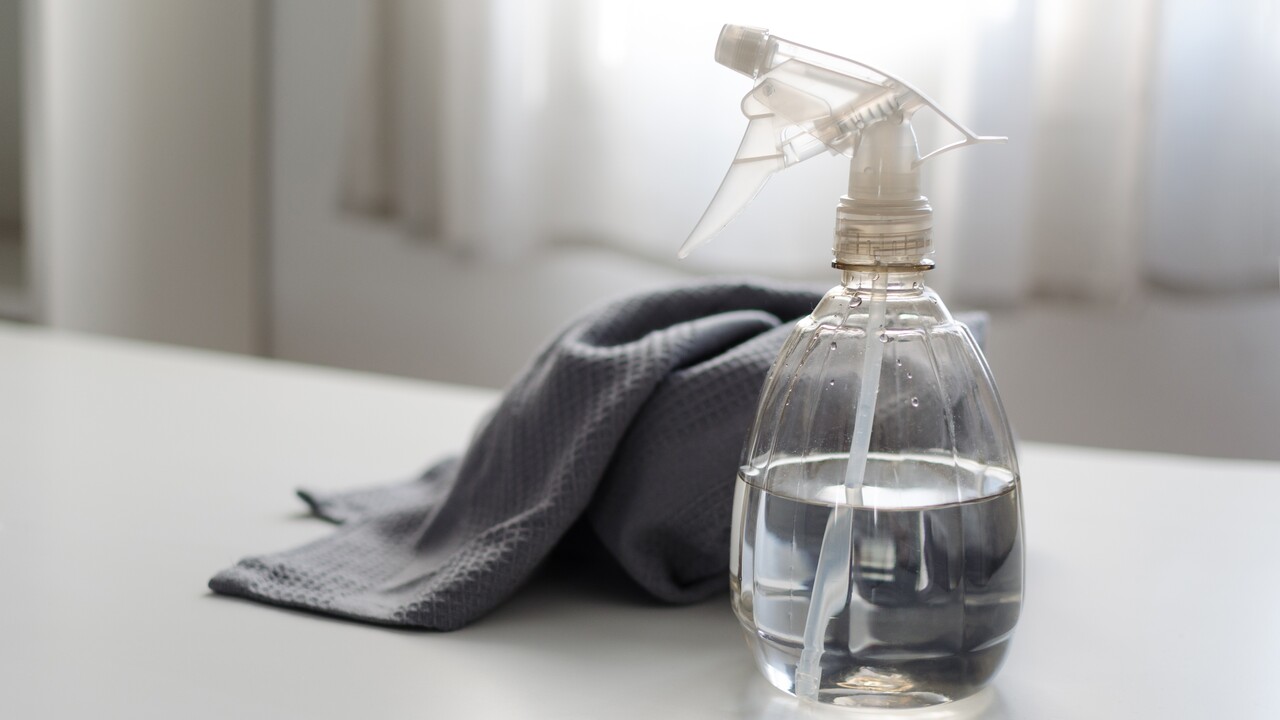
Image Credit: Shutterstock.
Why it works: White vinegar acts as a natural herbicide by dehydrating unwanted weeds. It also cleans and sanitizes tools without harmful chemicals.
How to use: Spray full-strength vinegar on weeds, avoiding nearby plants. For tools, wipe with vinegar and rinse thoroughly. Avoid acidic soil contact unless treating alkaline-loving plants.
13. Homemade Insecticidal Soap
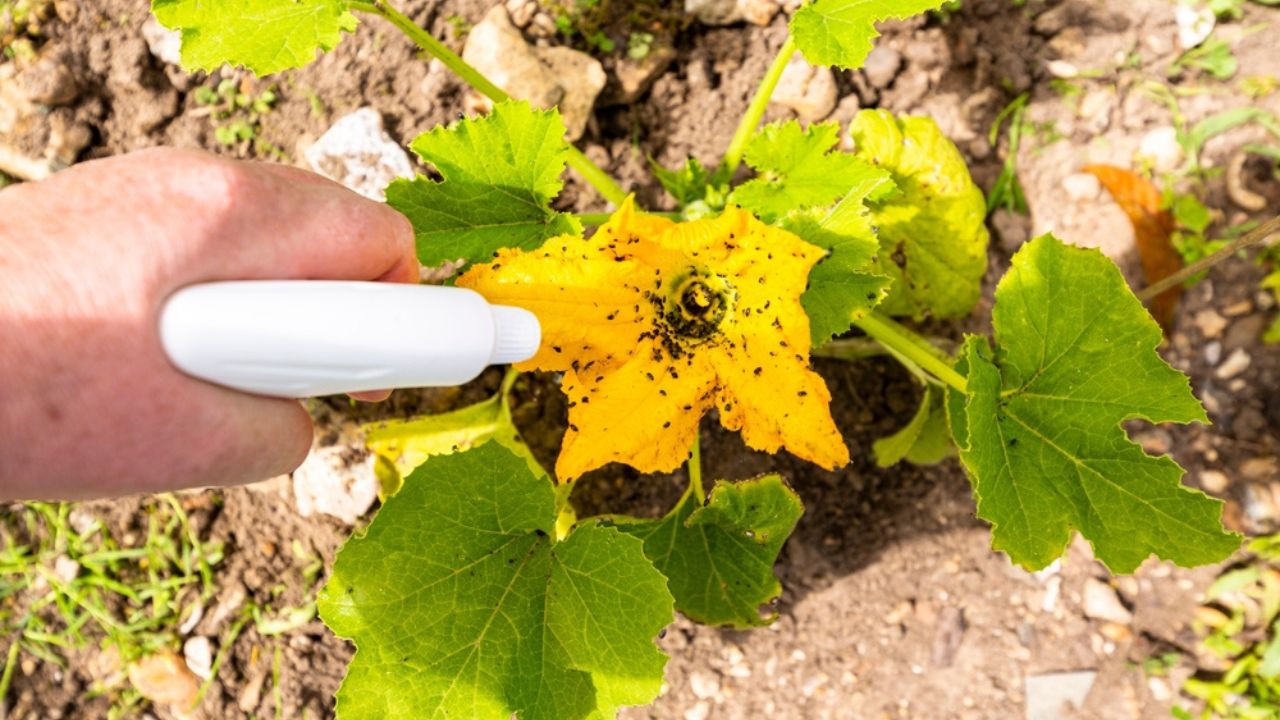
Image Credit: Shutterstock.
Why it works: A simple soap and oil mixture can effectively kill soft-bodied pests like aphids and spider mites by breaking down their protective coating.
How to use: Mix 2½ tbsp liquid soap and 2½ tbsp vegetable oil with 1 gallon of water. Spray directly on pests every few days. Always test a small area first to avoid leaf damage.
14. Eggshells
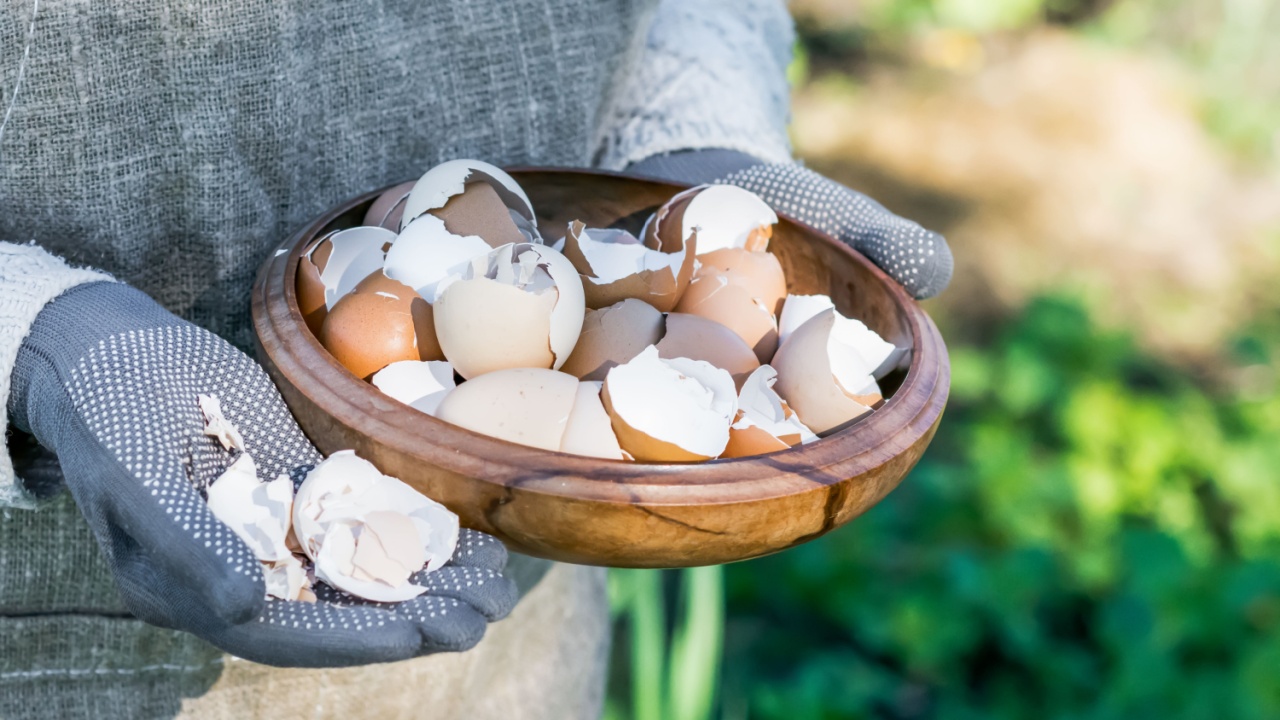
Image Credit: Shutterstock.
Why it works: Eggshells slowly release calcium, which helps prevent blossom end rot in tomatoes and peppers. Their sharp edges also discourage slugs and cutworms.
How to use: Rinse, dry, and crush shells before adding to compost or soil. Scatter around vulnerable plants or mix into planting holes for long-term benefits.
15. Beer

Image Credit: Depositphotos.com.
Why it works: The yeast and sugars in beer attract slugs and snails, making it a natural trap. It also contains trace nutrients that can benefit compost piles.
How to use: Pour beer into a shallow container buried at soil level. Replace every few days. Use stale or leftover beer if you’d rather not waste the good stuff.
Put Your Kitchen to Use in the Garden
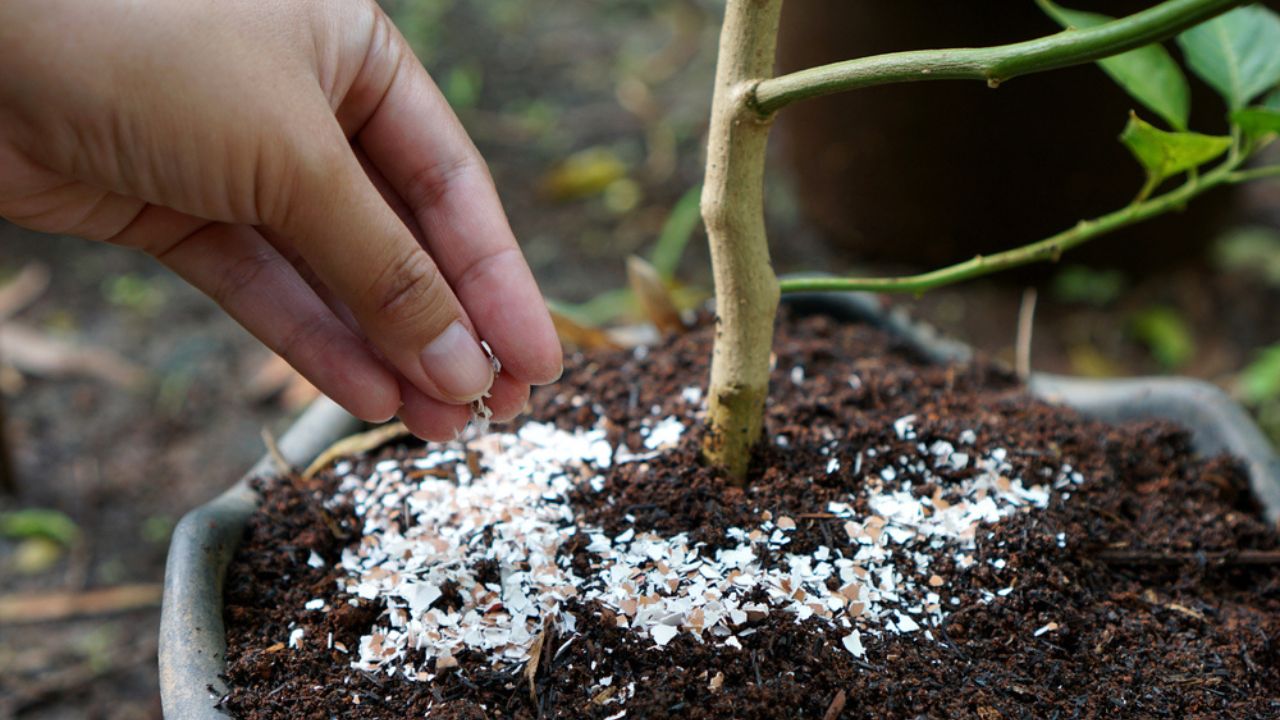
Image Credit: Shutterstock.
With just a little creativity—and some pantry scavenging—you can boost your garden’s health naturally, sustainably, and affordably. These 15 household items prove that good gardening doesn’t have to come in a plastic bottle. Whether you’re fighting pests, feeding soil, or protecting young plants, there’s likely a garden hack sitting right on your shelf.
Want more eco-friendly gardening tips like these? Stick around—we’ve got plenty more where this came from! And remember to follow our page for more up-to-date tips.