

In today’s unpredictable world, it is important to be prepared for any situation, whether it be environmental, political, or health-related. The history in recent years of COVID lockdowns and high-impact hurricanes has certainly emphasized the importance of preparedness.
A black swan event is a term used to describe an extremely rare and unpredictable event with severe and widespread consequences, such as financial crashes, natural disasters, and global pandemics. Coined by Nassim Nicholas Taleb, a black swan event defies normal expectations because of its extreme rarity, impact, and widespread insistence that it was obvious in hindsight.
Having essential items on hand can make all the difference in managing and surviving these events. While many people have a go-to emergency kit or bail-out bag, certain items should always be kept at home to ensure you are ready for anything. Unfortunately, we don’t always think about these things until it’s too late.
While you don’t have to feel paranoid about the future, having these items ready and easily accessible can bring peace of mind and make all the difference in a true emergency. Here are 20 essential items to always have at home. We sourced our ideas from experts in home safety prep, like the American Red Cross and Ready.gov to help you feel secure, no matter what life and this world bring.
1. First Aid Kit

Image Credit: Depositphotos.com.
A well-stocked first aid kit is essential for any home. It should include bandages, antiseptic wipes, gauze pads, tweezers, and other items for treating minor injuries. It is also a good idea to add any necessary prescription medications or an EpiPen (for anyone with severe allergies) for family members.
2. Emergency Water Supply

Image Credit: Shutterstock.
In the event of a natural disaster or power outage, having an emergency water supply can be life-saving. The Centers for Disease Control (CDC) recommends having at least one gallon per person daily for at least three days, while other resources recommend up to 2 weeks per person.
3. Water Treatment Supplies

Image Credit: Depositphotos.com.
In addition to storing water, having water treatment supplies on hand is also a good idea if your water becomes contaminated. This can include water purification tablets or filters.
4. Non-Perishable Food
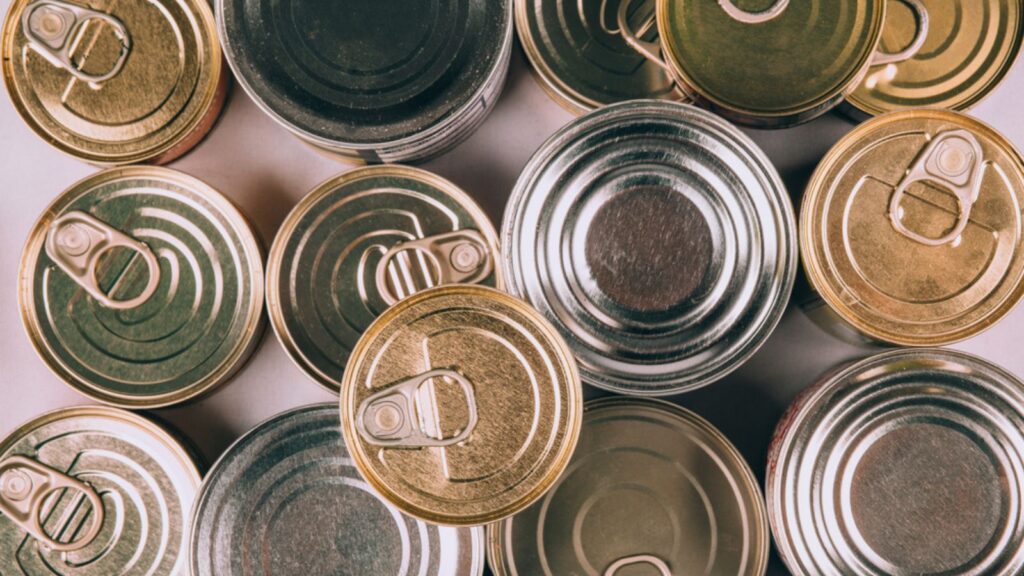
Image Credit: Depositphotos.com.
Along with water, having non-perishable food items on hand is essential. Relying on perishable food in the fridge or freezer can become problematic during a power outage. Examples include canned goods, energy bars, and dried fruits. Make sure to rotate these items periodically to ensure they are fresh.
The amount of food to store varies significantly. Consider storing a few days’ worth up to a few months’ worth. You can plan your storage based on what works best for you and your family.
5. Emergency Cash

Image Credit: Shutterstock.
In a true emergency, credit or debit cards may not be accessible. Having some cash on hand can be useful for purchasing necessary items or services if power is out and ATMs are down. Keep a stash of small bills and coins in a safe place.
6. Flashlights and Batteries

Image Credit: Depositphotos.com.
A reliable flashlight is a must-have for any home. Make sure to have extra batteries on hand, as well, to ensure the flashlight will work when needed. Consider also having a candle (don’t forget matches or a lighter) or lantern as a backup.
7. Battery-Powered or Hand-Crank Radio

Image Credit: Depositphotos.com.
In the event of a power outage, staying informed is crucial. A battery-powered or hand-crank radio can provide updates on weather conditions and any emergency alerts. Make sure to have extra batteries or a hand-crank option available.
8. Basic Tools

Image Credit: Depositphotos.com.
Having basic tools on hand can be useful in a variety of situations. A hammer, screwdriver, pliers, and knife are essential tools to include in your home emergency kit. You never know when these tools may come in handy.
9. Duct Tape

Image Credit: Depositphotos.com.
This versatile tool has multiple uses, from fixing a leaky pipe to creating a makeshift bandage. Having duct tape on hand can be helpful in many emergency situations.
10. Multipurpose Fire Extinguisher

Image Credit: Depositphotos.com.
In the case of a small fire, having a multipurpose fire extinguisher can prevent it from becoming a major disaster. Make sure to have one on hand and know how to use it properly.
11. Cleaners and Sanitizers

Image Credit: Depositphotos.com.
Keeping your home clean and sanitized is important for preventing disease spread, especially during emergencies. To maintain a healthy environment, have a supply of disinfectant wipes, hand sanitizer, and other cleaning products.
12. Whistle or Other Signaling Device

Image Credit: Depositphotos.com.
If trapped or lost, having a whistle or other signaling device can help rescue teams locate you. Keep it near your bed or on a keychain for easy access.
13. Blankets and Warm Clothing

Image Credit: Depositphotos.com.
If the power goes out during cold weather, staying warm is crucial. Have extra blankets, warm clothing, and even hand/foot warmers available in case of an emergency.
14. Copies of Important Documents
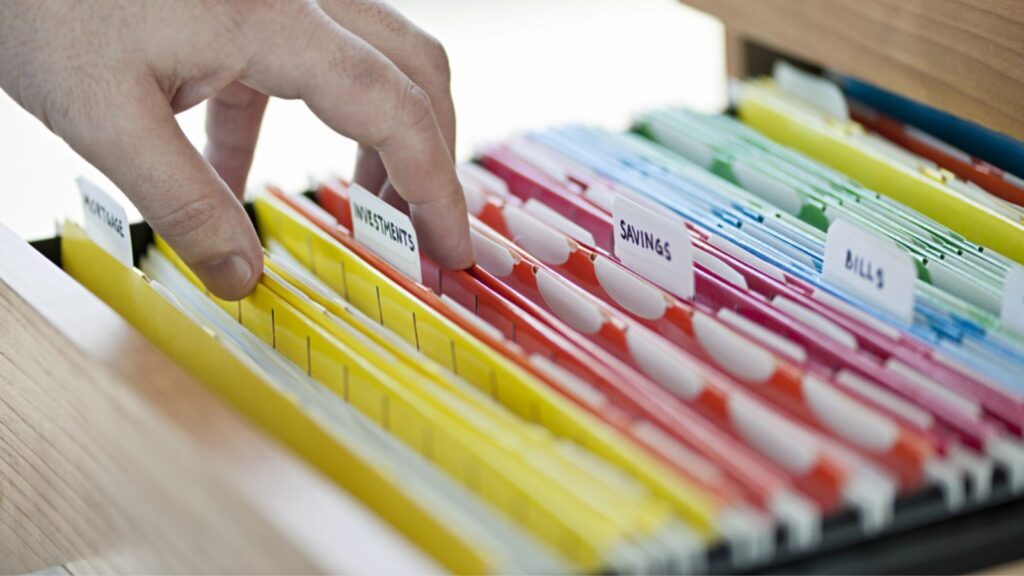
Image Credit: Depositphotos.com.
In the event of a natural disaster, having copies of important documents like insurance policies, birth certificates, and passports can be vital. Keep them in a fireproof and waterproof container for safekeeping.
15. Personal Hygiene Items
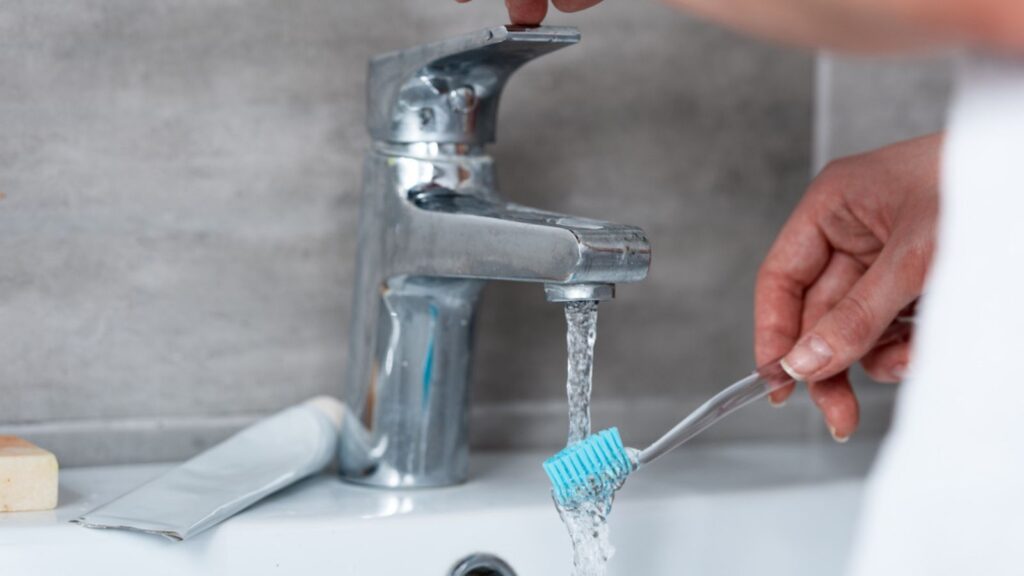
Image Credit: Depositphotos.com.
Maintaining personal hygiene is important even during emergencies. Pack travel-sized items such as toothbrushes, toothpaste, soap, and other toiletries for each family member.
16. Generator

Image Credit: Depositphotos.com.
Investing in a generator may be worth considering if you live in an area prone to frequent power outages. It can help keep essential appliances running until power is restored, such as your fridge and freezer or a space heater in extreme weather.
Solar panels or a portable power bank can also be alternatives for generating electricity in an emergency.
17. Can Opener

Image Credit: Depositphotos.com.
Having a manual can opener is essential for opening canned goods during a power outage. Don’t rely on an electric can opener during emergencies.
18. Gas Stove or Grill

Image Credit: franky242 at Depositphotos.com.
If the power goes out and you cannot use your electric stove, having a gas stove or grill as an alternative cooking method can be helpful. Just make sure to have enough fuel on hand. You can also have a small portable propane camping stove as an option. Just ensure you cook in a well-ventilated room.
19. Comfort Items

Image Credit: Depositphotos.com.
In addition to necessary items, it may also be useful to include comfort items in your emergency kit, such as books, games, or other activities to help pass the time during a prolonged power outage. This is especially true if you have little ones at home.
20. First Aid Training

Image Credit: Depositphotos.com.
Having a well-stocked first aid kit is important, but knowing how to use it is crucial. Consider taking a first aid and CPR training course to prepare yourself for emergencies. You can also create an emergency plan with your family and practice it regularly to ensure everyone knows what to do in case of an emergency.
It can seem like overkill to do these things until you find yourself in a real emergency situation. Don’t wait until it’s too late to prepare – start stocking your emergency kit today. With these essential items on hand, you and your family will be more equipped to handle any unexpected events that may arise. Remember to regularly check and update your supplies as needed to ensure they are always ready for use.