
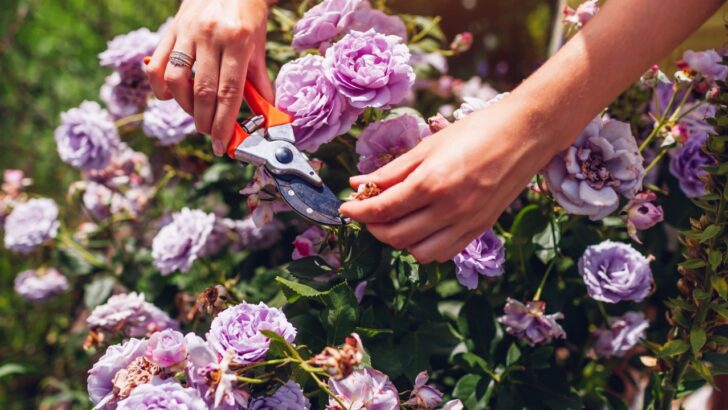
August can be hot and hectic, but it’s also a prime month to set your garden up for a strong finish and a beautiful fall. With a little planning, you can keep blooms coming, protect plants through heat waves, and prep beds for autumn crops before the frost hits.
Below are 10 must-do tasks with why they matter now, clear steps, and practical tips to help you work smarter, not harder.
Data from the Experts

Image Credit: Shutterstock.
All recommendations in this article are based on guidance from trusted university extension programs, including the University of Maryland Extension, NC Cooperative, and the University of Minnesota Extension.
These institutions provide research-based, region-specific gardening advice to ensure accuracy and reliability.
1. Keep Deadheading Flowers
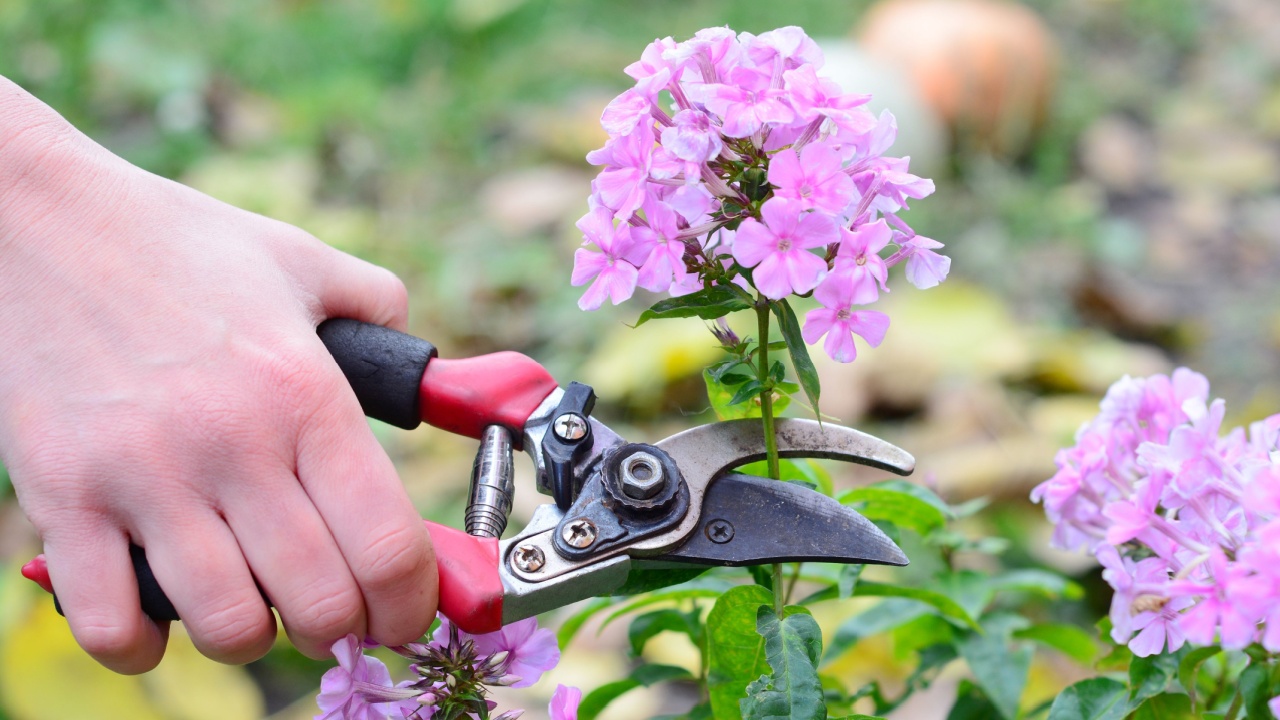
Image Credit: Shutterstock.
Why It’s Important in August
Many perennials and annuals are in full swing. If you let spent blooms set seed, plants slow down flowering. Deadheading redirects energy back into producing more buds, extending color through late summer.
Steps
- Inspect beds weekly and remove spent flowers on Rudbeckia, salvia, zinnias, petunias, and roses.
- Cut just above the first healthy set of leaves or a branching node.
- For plants that bloom in clusters (e.g., yarrow, cosmos), remove the entire stem down to new side shoots.
Tips
- Carry a small bucket or trug to collect clippings and keep beds tidy.
- Use clean, sharp snips to prevent tearing stems.
- If you want self-sown volunteers (e.g., cosmos, calendula), allow a few blooms to mature into seed heads at season’s end.
2. Continue to Feed Flowering Plants

Image Credit: Shutterstock.
Why It’s Important in August
Heat and frequent watering leach nutrients from containers and beds. A light, consistent feeding helps annuals and repeat-blooming perennials keep producing.
Steps
- Containers: Water-soluble feed every 1–2 weeks; In-ground: light, label-rate feeding; follow a soil test before adding P/K.
- In-ground beds: Apply a slow-release, balanced fertilizer (e.g., 10-10-10 or 14-14-14) around the drip line and water in.
- Stop heavy nitrogen on perennials that need to harden off before frost; focus on balanced or low-nitrogen blends.
Tips
- Feed early morning or evening to reduce fertilizer burn and evaporation.
- Water thoroughly before and after feeding in hot weather.
- For organic gardens, use fish emulsion, seaweed extract, or compost tea to support soil biology.
3. Prune Plants to Keep Them Tidy
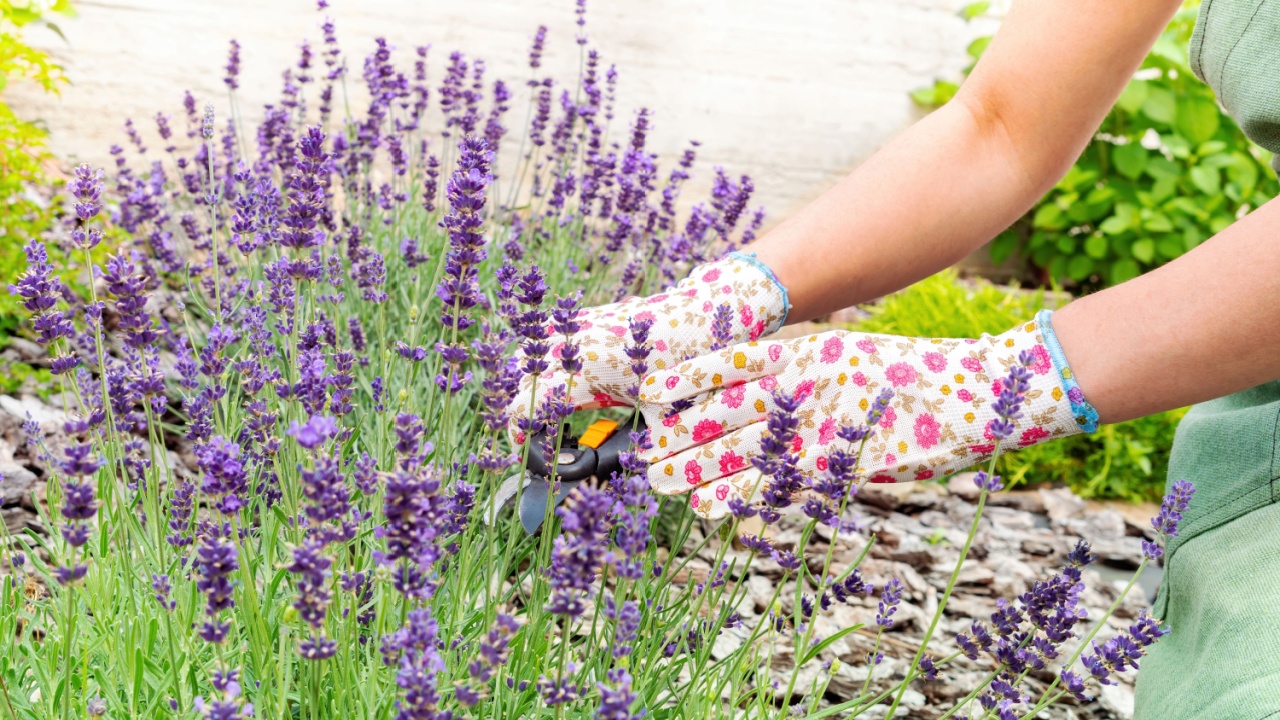
Image Credit: Shutterstock.
Why It’s Important in August
After mid-summer growth spurts and heat stress, many plants look leggy. A light midsummer prune improves shape, encourages fresh growth, and reduces disease risk by improving airflow.
Steps
- Shear back 1/3 of leggy annuals (e.g., petunias, verbena) and follow with water and fertilizer.
- Remove dead, damaged, or crossing branches from shrubs.
- Thin dense foliage on mildew-prone plants (phlox, bee balm) to enhance circulation.
Tips
- Avoid heavy pruning on spring-blooming shrubs now (you’ll cut off next year’s flower buds).
- Clean tools with a 10% bleach solution or alcohol when moving between diseased and healthy plants.
- Time pruning for cool parts of the day to reduce stress on pruned plants.
4. Start Collecting Seeds

Image Credit: Shutterstock.
Why It’s Important in August
Many early and mid-summer bloomers are finishing their first flush. Harvesting ripe seeds now saves money, preserves favorite varieties, and supports seed sharing.
Steps
- Identify dry, brown seed heads on sunflowers, coneflowers, poppies, nigella, and bolted herbs/greens.
- Cut heads on a dry day and place them upside down in paper bags to finish curing.
- Label bags with plant name and date; once fully dry, remove seeds and store in labeled envelopes in a cool, dark place.
Tips
- Choose seeds from your best-performing, healthiest plants.
- Avoid plastic bags for long-term storage—they trap moisture.
- For tender self-sowers you want to spread (e.g., larkspur, calendula), shake some seeds directly into beds.
5. Replace Tired Annuals

Image Credit: Shutterstock.
Why It’s Important in August
Heat, storms, and long days tire out many summer annuals. Swapping them for cool-season color keeps containers and borders looking fresh into fall. (Note: Adjust timing to local first-frost/heat—plant when nights begin to cool.)
Steps
- Pull declining annuals and refresh potting mix with 25–30% compost.
- Plant cool-season choices like pansies, violas, snapdragons, ornamental kale, and dianthus.
- Water deeply after planting and provide afternoon shade for a few days to help establishment.
Tips
- Stagger plantings over two weeks to ensure continuous color.
- Pinch snapdragons and dianthus lightly after planting to encourage branching.
- In warm zones, choose heat-tolerant fall fillers (e.g., angelonia, coleus) to bridge hot spells.
6. Cut Back Peonies
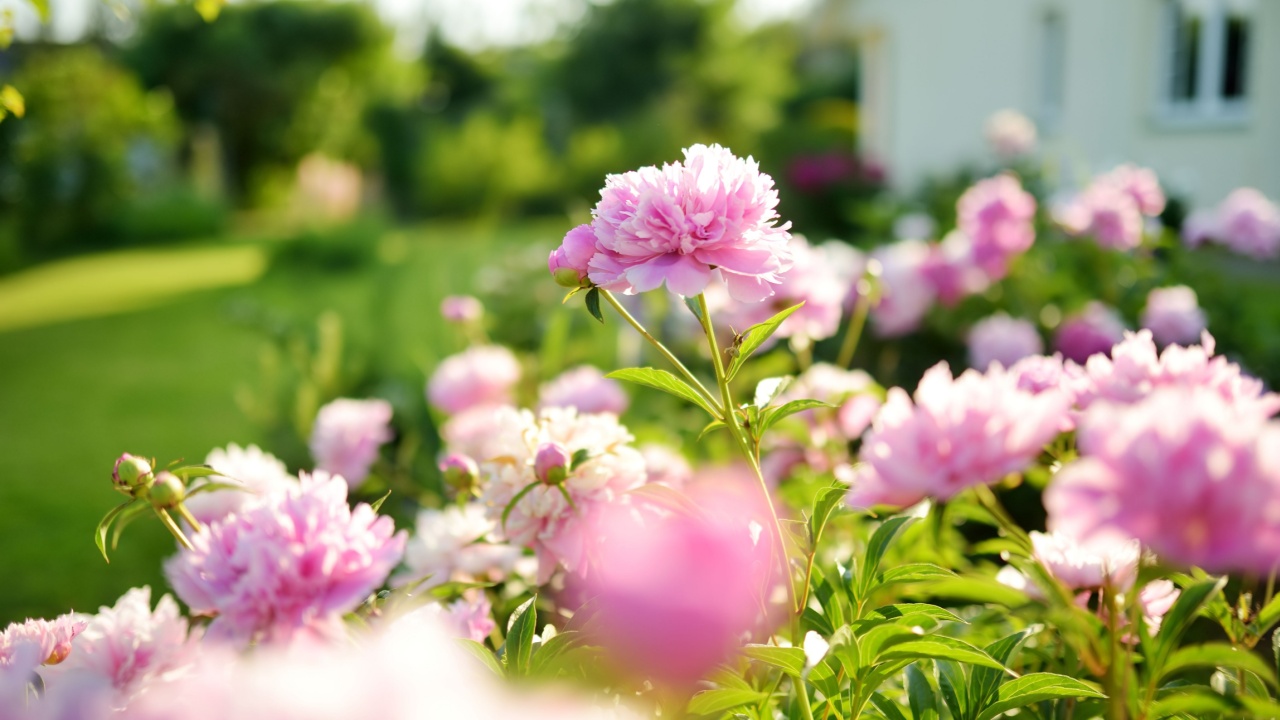
Image Credit: Shutterstock.
Why It’s Important in August
Peony foliage often declines by late summer and can harbor fungal issues. Cutting it back at the right time protects plants and tidies borders.
Steps
- When leaves yellow and collapse, wait to cut peony stems to 1–2 in after frost or full senescence (often Sept–Oct).
- Bag and trash the foliage if there are signs of disease—do not compost if you’ve seen botrytis or leaf spot.
- Mark peony crowns so you don’t disturb them during fall clean-up and mulch refresh.
Tips
- Sanitize pruners between plants to prevent disease spread.
- Avoid burying crowns with heavy mulch; peonies need shallow planting and good airflow.
- If you plan to divide, wait until early fall when plants are fully dormant.
7. Prepare Soil for Fall Planting
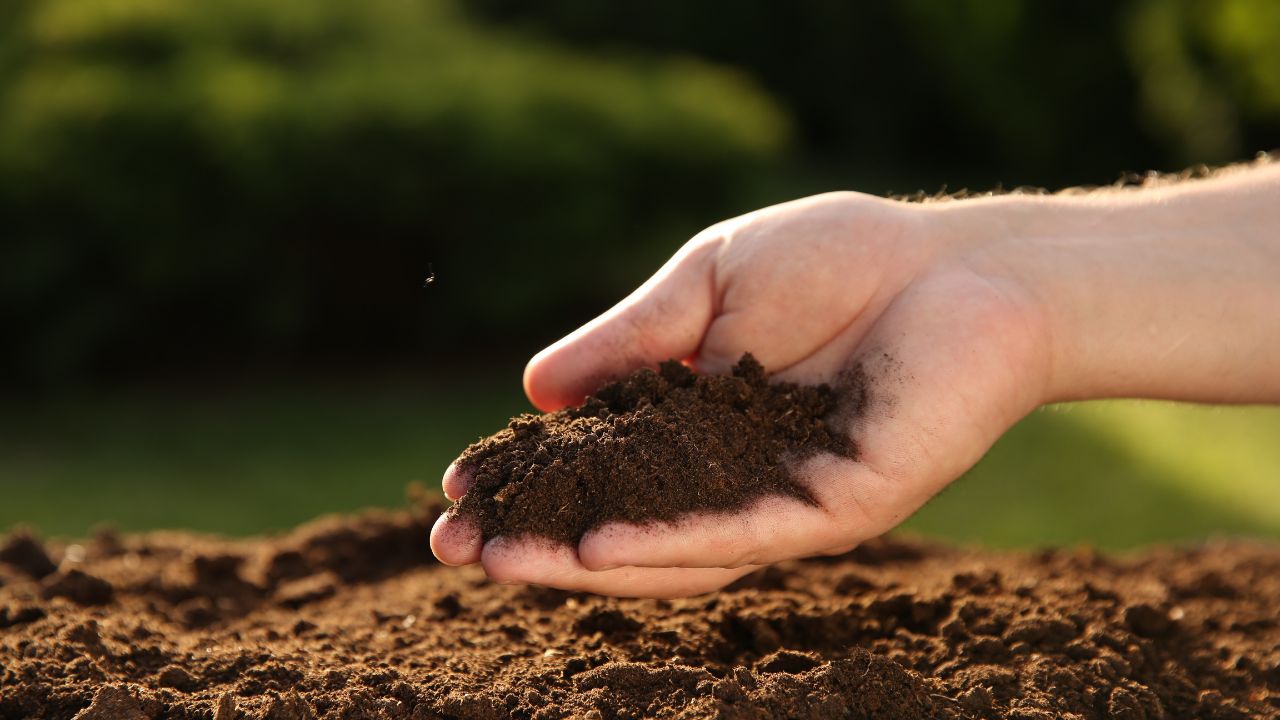
Image Credit: Shutterstock.
Why It’s Important in August
Fall is an ideal planting season for perennials, trees, shrubs, and cool-weather crops. Prepping soil now gives amendments time to integrate and boosts root establishment.
Steps
- Clear out spent crops and weeds; water the bed, then broadfork or loosen soil 8–10 inches deep.
- Work in 2–3 inches of finished compost; add bone meal for bulbs and rock phosphate only if a soil test indicates low P.
- Rake beds smooth and cover with a light mulch until planting.
Tips
- Get a soil test if you haven’t in 2–3 years; adjust pH with lime or sulfur as needed.
- In heavy clay, incorporate coarse compost and fine pine bark to improve drainage.
- Reserve a few beds for garlic (plant in mid–late fall) and spring-blooming bulbs.
8. Refresh Mulch to Conserve Moisture
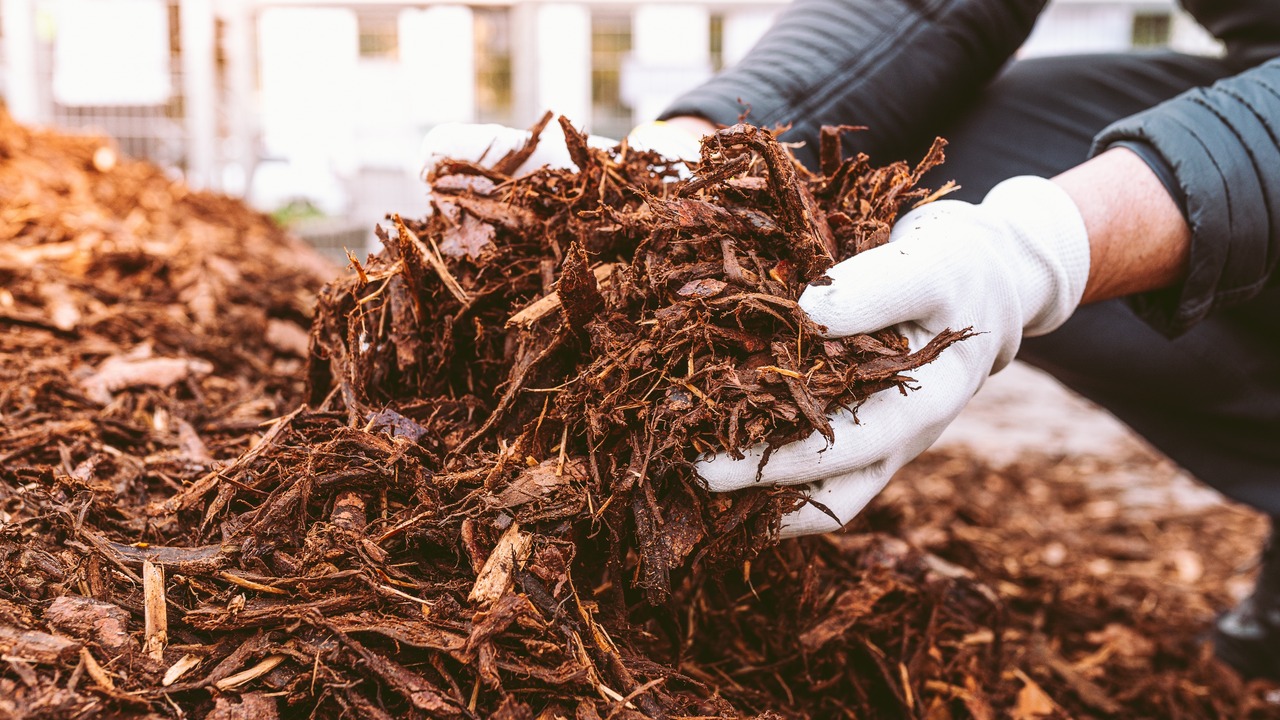
Image Credit: Shutterstock.
Why It’s Important in August
High heat and late-summer dry spells stress plants. A fresh 1–2 inch layer of mulch stabilizes soil temps, slows evaporation, and suppresses weeds.
Steps
- Pull mulch back from stems and trunks (create a mulch “donut,” not a “volcano”).
- Top up with shredded leaves, pine straw, or shredded bark to a total depth of 2–3 inches.
- Water thoroughly after mulching to help settle material and hydrate roots.
Tips
- Use lighter-colored mulch in intense sun to reduce soil surface temps.
- Save grass clippings for vegetable beds only if they’re herbicide-free.
- In wet climates, keep mulch thinner (1–2 inches) to prevent soggy soils.
9. Check and Optimize Irrigation
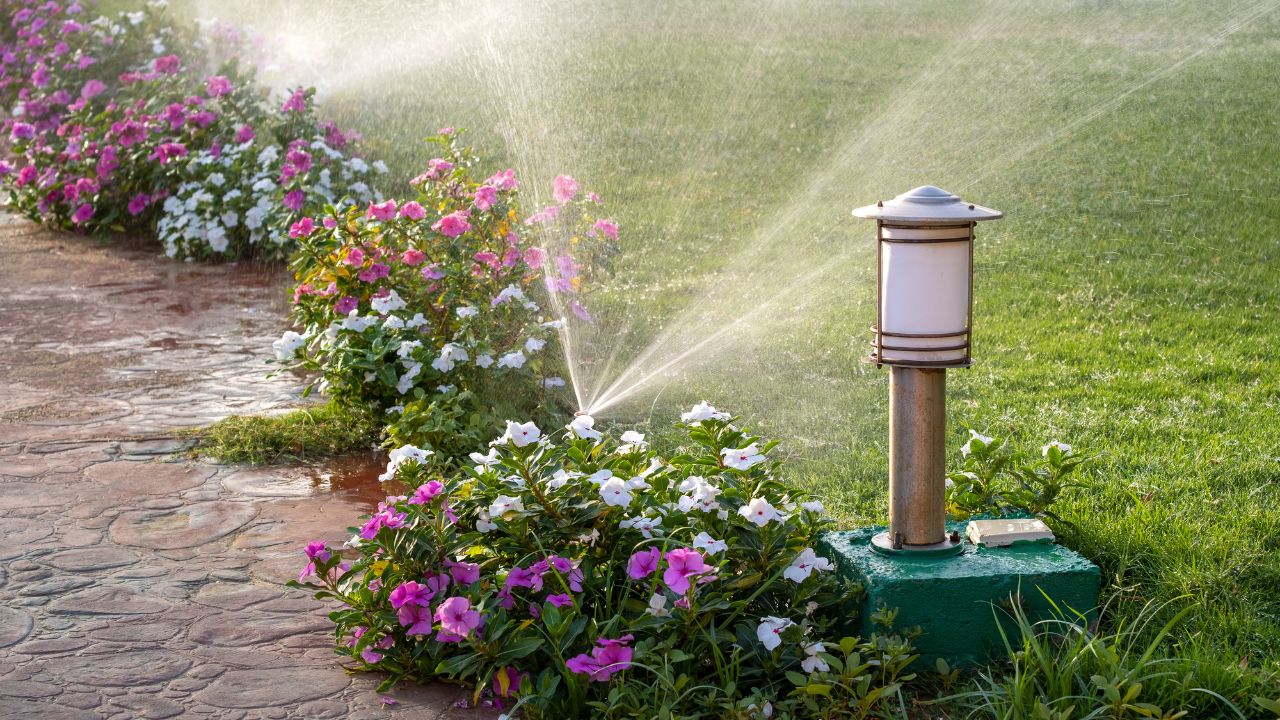
Image Credit: Shutterstock.
Why It’s Important in August
Irrigation works hardest now. Small problems—clogged emitters, misaligned sprayers, or leaks—waste water and leave plants thirsty.
Steps
- Run each zone and watch for issues: overspray onto paths, weak drips, geysers from broken lines.
- Clean or replace clogged emitters and align sprayer heads for even coverage.
- Update schedules for seasonal conditions: deep, infrequent watering is best for most landscape plants.
Tips
- Water early morning (4–9 a.m.) to reduce evaporation and foliar disease.
- In general, aim for 1 inch of water per week for lawns and many beds; use a rain gauge to track.
- Add a smart controller or soil moisture sensor to automate weather-based adjustments.
10. Plant Fall Vegetables
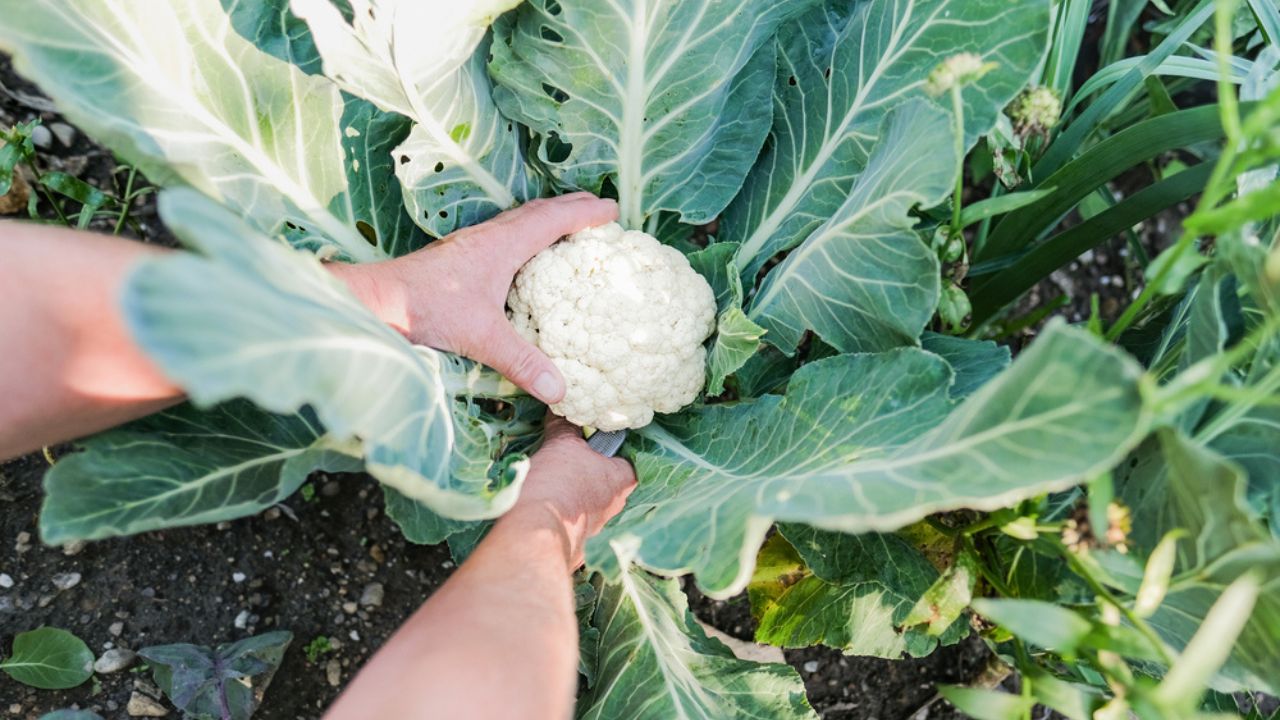
Image Credit: Shutterstock.
Why It’s Important in August
Many cool-season crops thrive in the shorter, cooler days ahead. Planting now gives them time to mature before frost and often improves flavor.
Steps to Plant Fall Crops
- Consult your USDA zone and count back from your average first frost date to find planting windows.
- Direct-sow: carrots, beets, radishes, turnips, spinach, arugula.
- Transplant: broccoli, cauliflower, cabbage, kale, collards, and lettuce starts for quicker harvests.
- Provide afternoon shade cloth during heat spikes to help seedlings establish.
Tips
- Pre-chill carrot seeds in the fridge for 3–5 days to improve germination in warm soil.
- Use row cover to block pests (cabbage worms, flea beetles) and extend the season.
- Succession-sow greens every 1–2 weeks for steady harvests into late fall.
Bonus: Quick August Garden Checklist
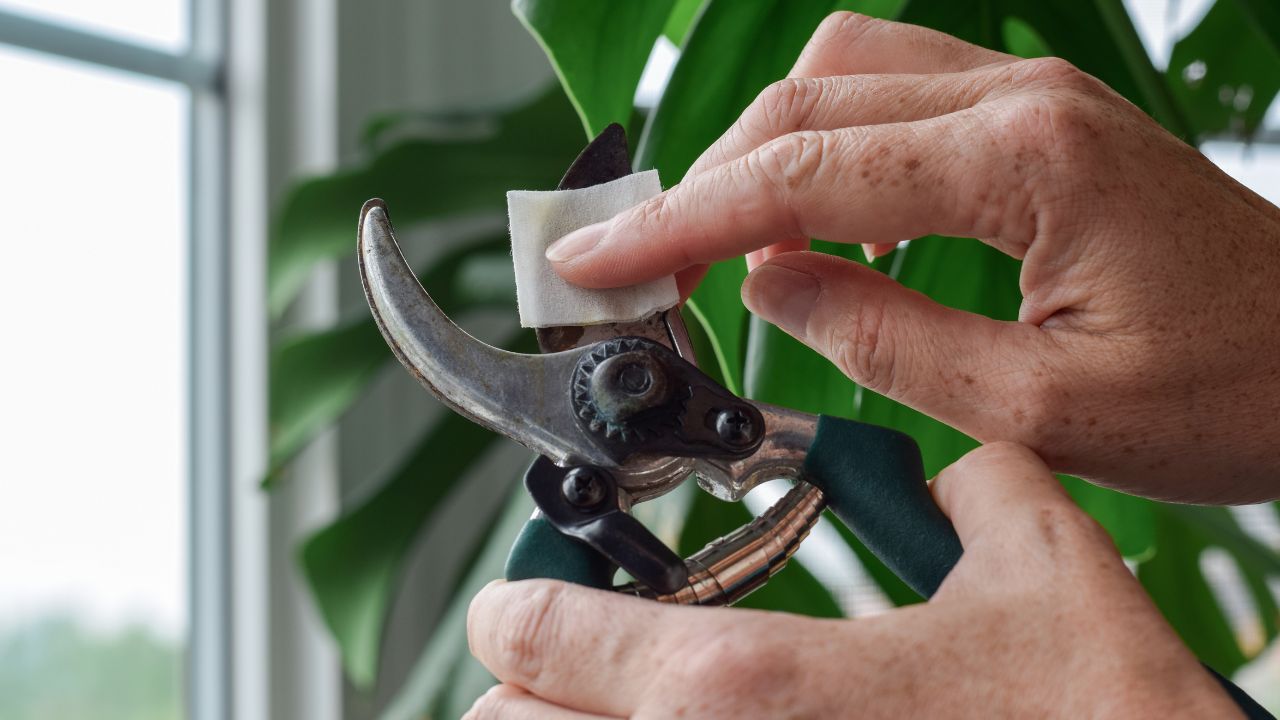
Image Credit: Shutterstock.
The ten steps above are the most important. But don’t forget these!
- Scout for pests and diseases weekly; treat early with least-toxic options.
- Sharpen pruners and clean tools to reduce plant injury and spread of pathogens.
- Keep a garden journal: note winners, failures, bloom times, and what to plant more of this fall.
Set Your Garden Up for a Strong Finish
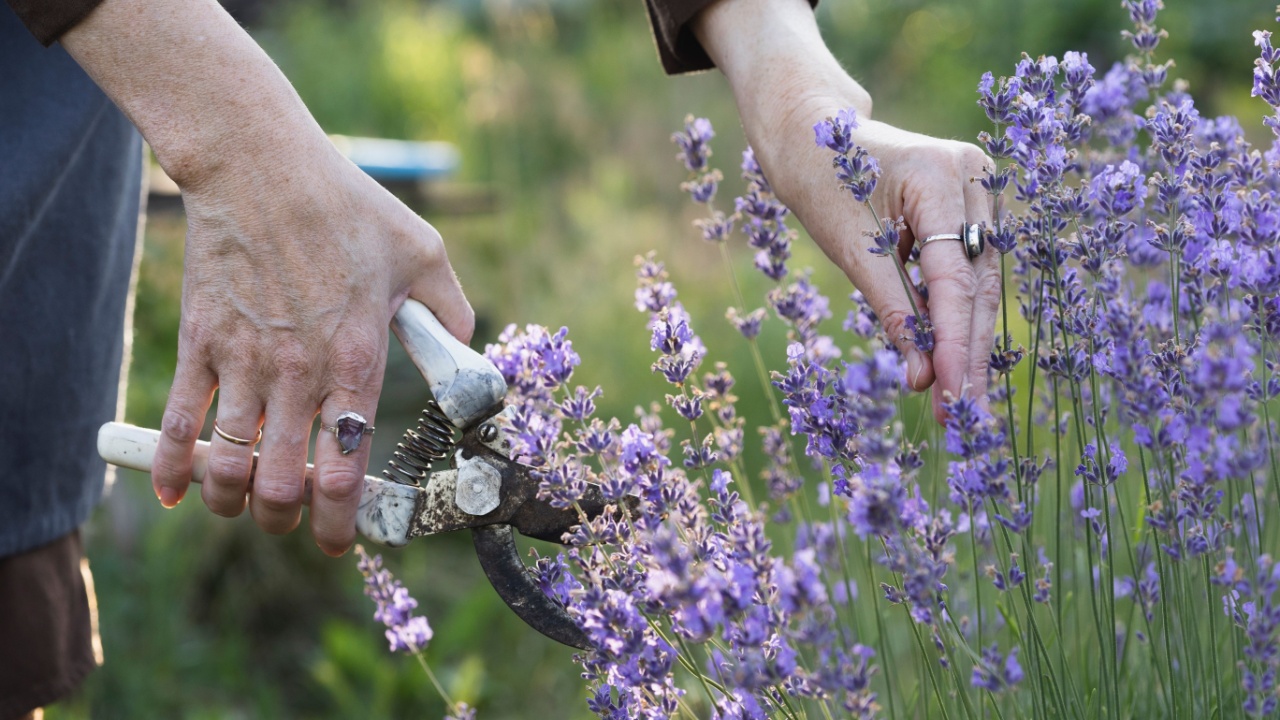
Image Credit: Shutterstock.
August can be tough on plants and gardeners alike, but it’s also a chance to extend blooms, bank nutrients, and stage beds for fall success. Deadhead and lightly prune to refresh growth, feed wisely, collect seeds you love, and swap out tired annuals. Then turn your focus to the season ahead: improve soil, refresh mulch, tune irrigation, and plant cool-season crops.
With these 10 tasks, you’ll protect your summer display and step confidently into a productive, beautiful fall garden.