

Let’s be honest: your water heater is probably the most ignored appliance in your home. It sits quietly in a dark corner of the basement or garage, doing its job day in and day out, providing steamy showers and clean dishes without complaint. Because it’s generally so reliable, it’s easy to forget it needs a little TLC now and then. But ignoring it completely? That’s a recipe for cold showers and expensive repair bills down the road.
Draining your water heater is one of those home maintenance tasks that sounds intimidating but is actually quite simple. It involves flushing out the water to remove sediment buildup inside the tank. If you’ve been putting this off (or didn’t know you were supposed to do it), here are six solid reasons why you should grab a garden hose and get to work this weekend.
1. Eliminate Sediment Buildup
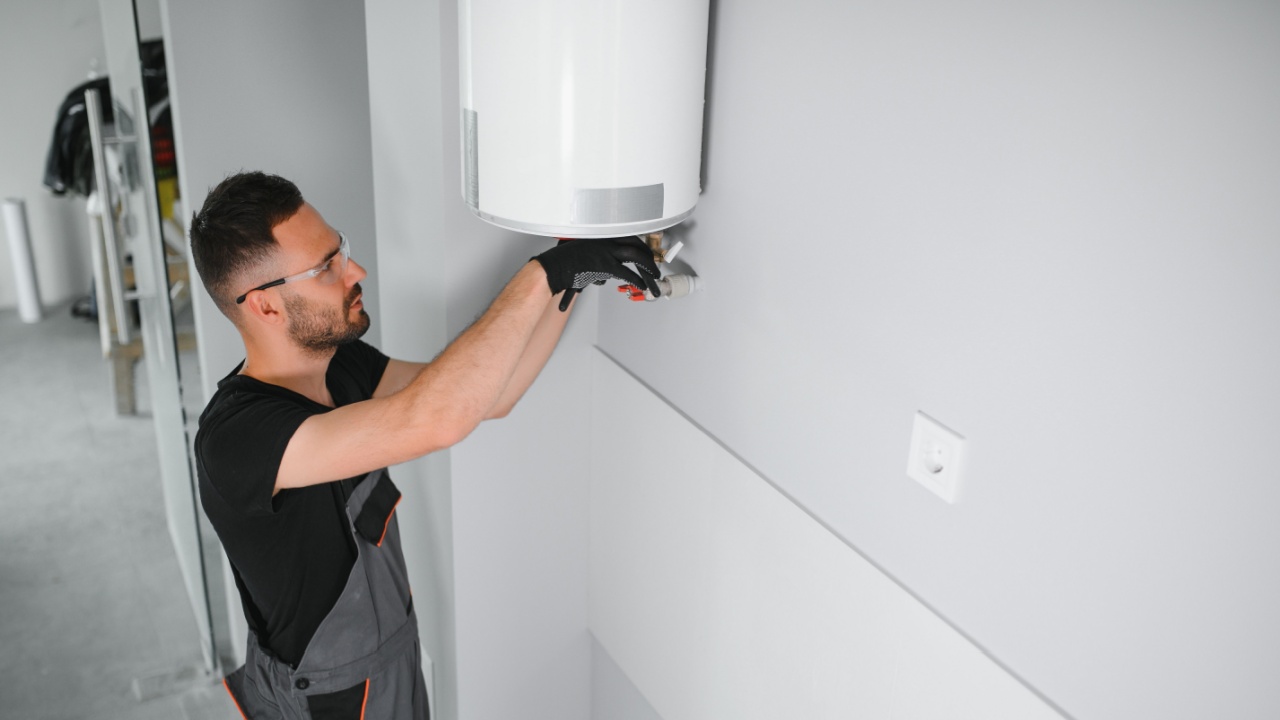
Image Credit: Shutterstock.
Over time, minerals like calcium and magnesium, which are naturally present in your water supply, settle at the bottom of your heater’s tank. This is especially true if you live in an area with hard water.
As these minerals accumulate, they form a layer of sediment that hardens and acts as a barrier between the water and the heating source. By draining the tank every six to twelve months, you flush these particles out before they have a chance to solidify and cause trouble.
2. Improve Energy Efficiency
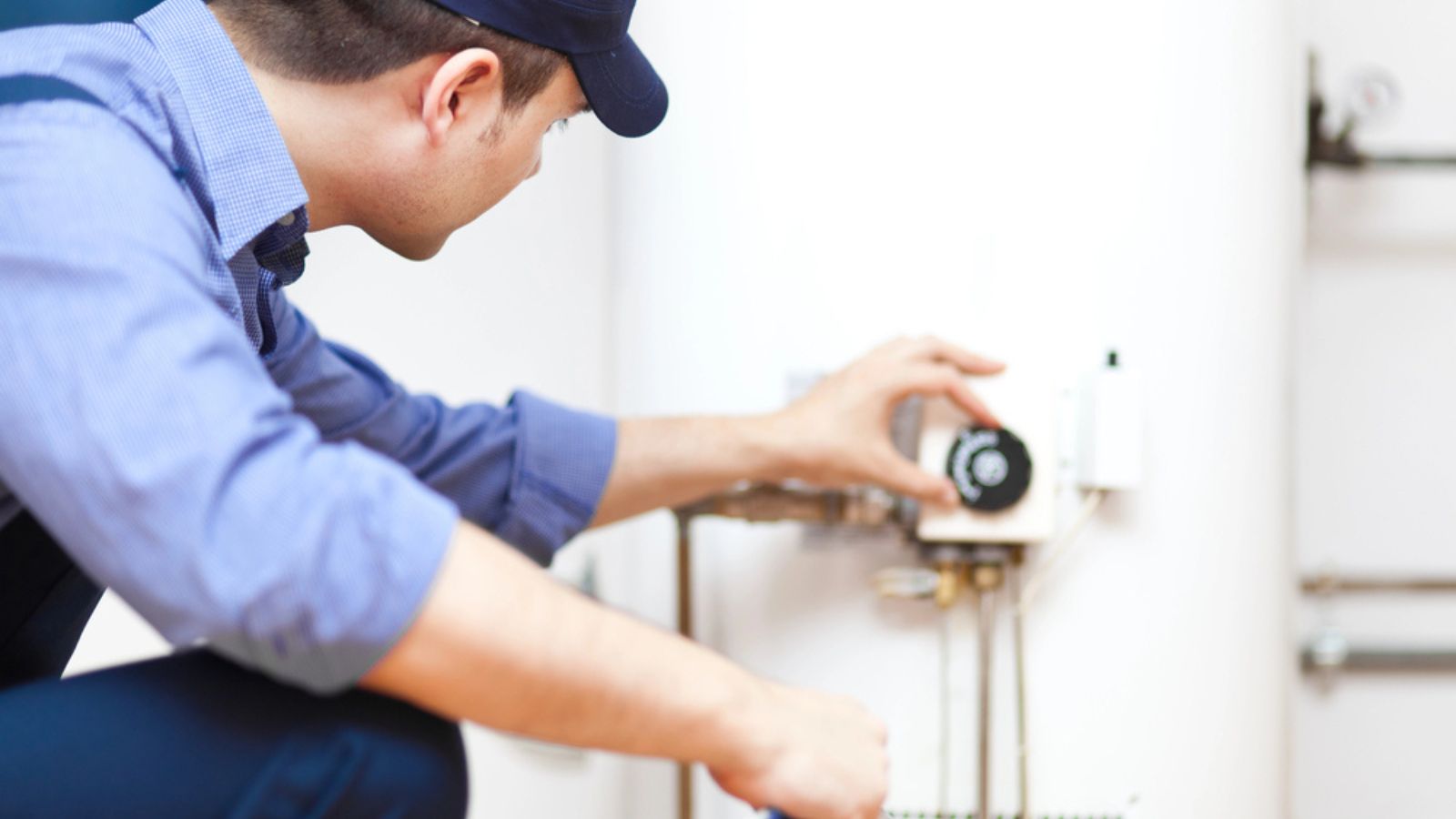
Image Credit: Deposit Photos.
When that layer of sediment builds up at the bottom of the tank, your water heater has to work overtime. If you have a gas heater, the burner has to heat the sediment before it can heat the water.
If you have an electric heater, sediment can bury the lower heating element, making it struggle to heat. This extra effort requires more energy, which translates directly to higher utility bills. Flushing the tank keeps the heat transfer efficient, keeping your money in your pocket rather than sending it to the electric or gas company.
3. Extend the Lifespan of the Unit
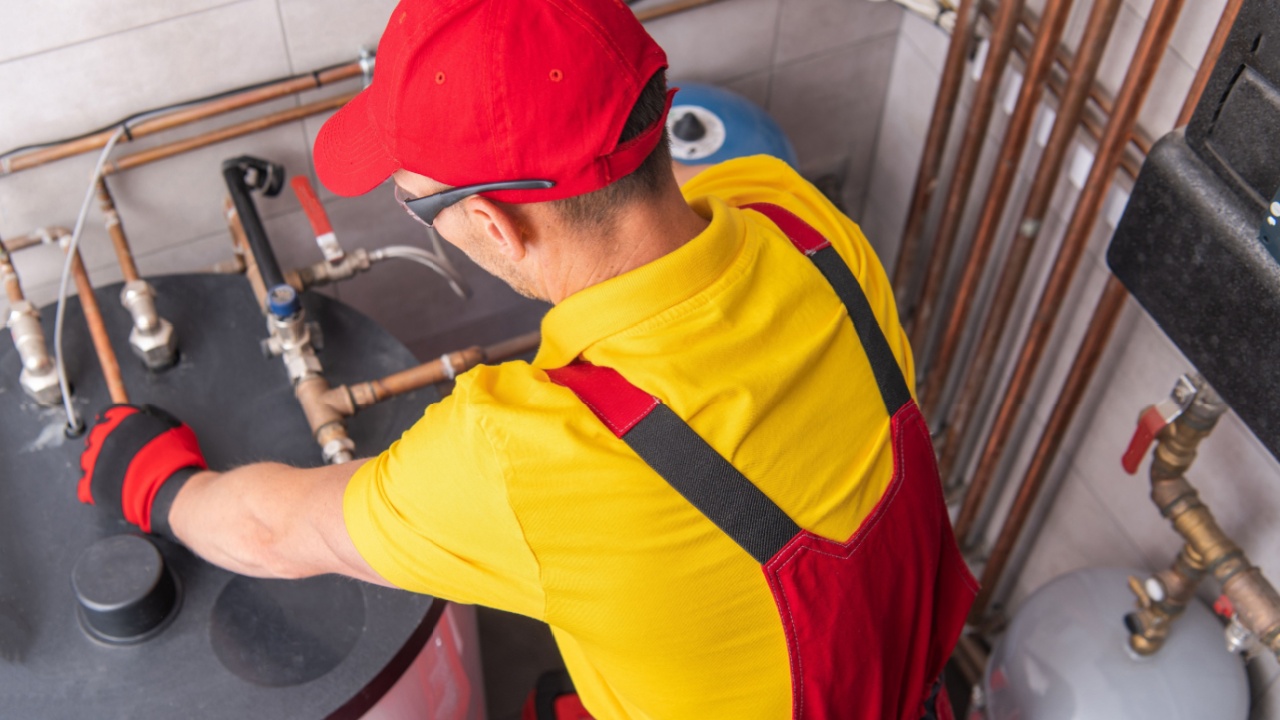
Image Credit: Shutterstock.
Water heaters aren’t cheap to replace. The average unit lasts about 8 to 12 years, but neglect can cut that lifespan significantly short. Sediment buildup creates hot spots that damage the tank’s lining and accelerate corrosion.
By performing regular maintenance, you are essentially buying your water heater more time. Regular flushing helps prevent the rust and deterioration that lead to premature failure, ensuring you get the maximum return on your investment.
4. Reduce Strange Noises
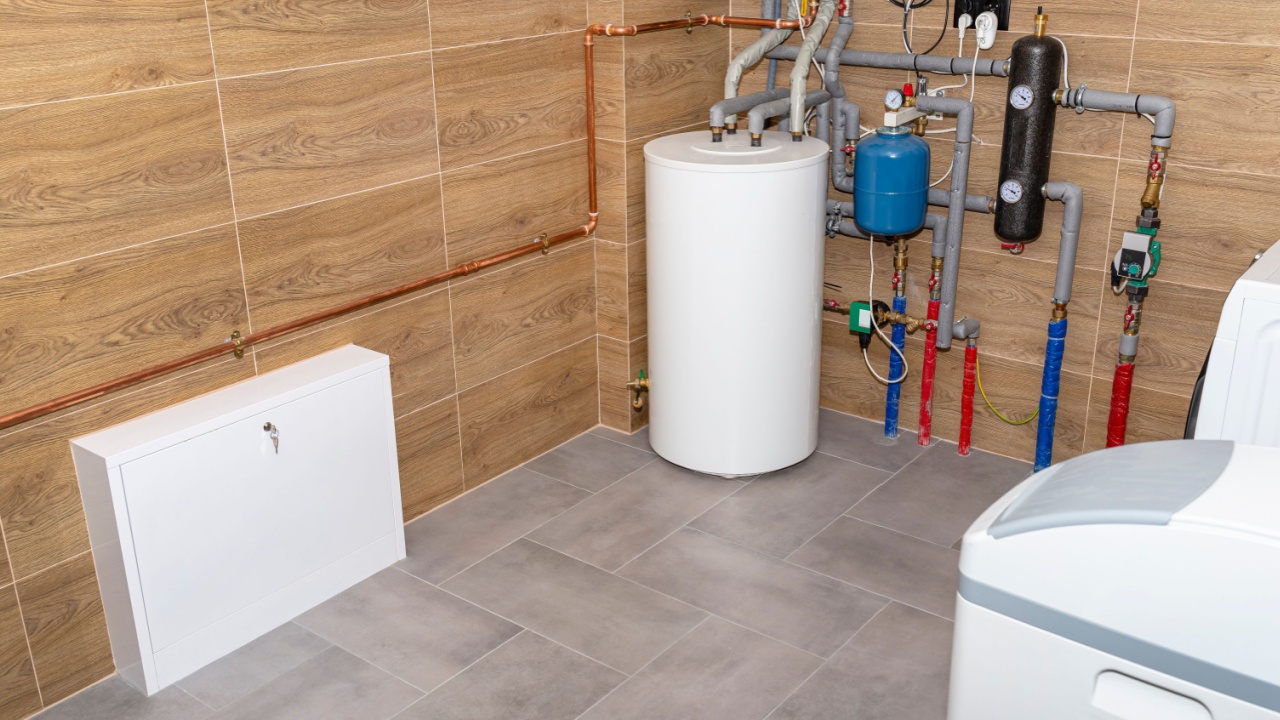
Image Credit: Shutterstock.
Have you ever heard a popping, rumbling, or banging sound coming from your utility closet? No, your house isn’t haunted; it’s likely your water heater is complaining. Those sounds are caused by steam bubbles escaping from beneath the layer of sediment at the bottom of the tank.
While the noise itself might just be annoying, it’s a symptom of the tank overheating in specific spots, which can weaken the metal structure over time. A good flush usually silences these spooky noises immediately.
5. Speed Up Heating Time

Image Credit: Shutterstock.
If you’ve noticed that your morning shower doesn’t last as long as it used to, or that the water takes forever to get hot, your heater might be struggling against buildup. Sediment takes up valuable space in the tank, displacing water, and also acts as insulation that prevents heat from transferring quickly.
When you remove that gunk, your heater can heat water faster and more effectively, meaning less time waiting at the sink for the water to warm up.
6. Maintain Your Warranty Validity
Image Credit: Deposit Photos.
Many homeowners don’t realize that their water heater warranty often comes with fine print regarding maintenance. Some manufacturers explicitly state that the warranty is void if the unit fails due to scale or sediment buildup that could have been prevented with regular maintenance.
Draining your heater is often considered a required maintenance step. Keeping a log of when you flush your tank is a smart move to protect yourself if you ever need to file a claim.
Next Steps for a Healthy Heater
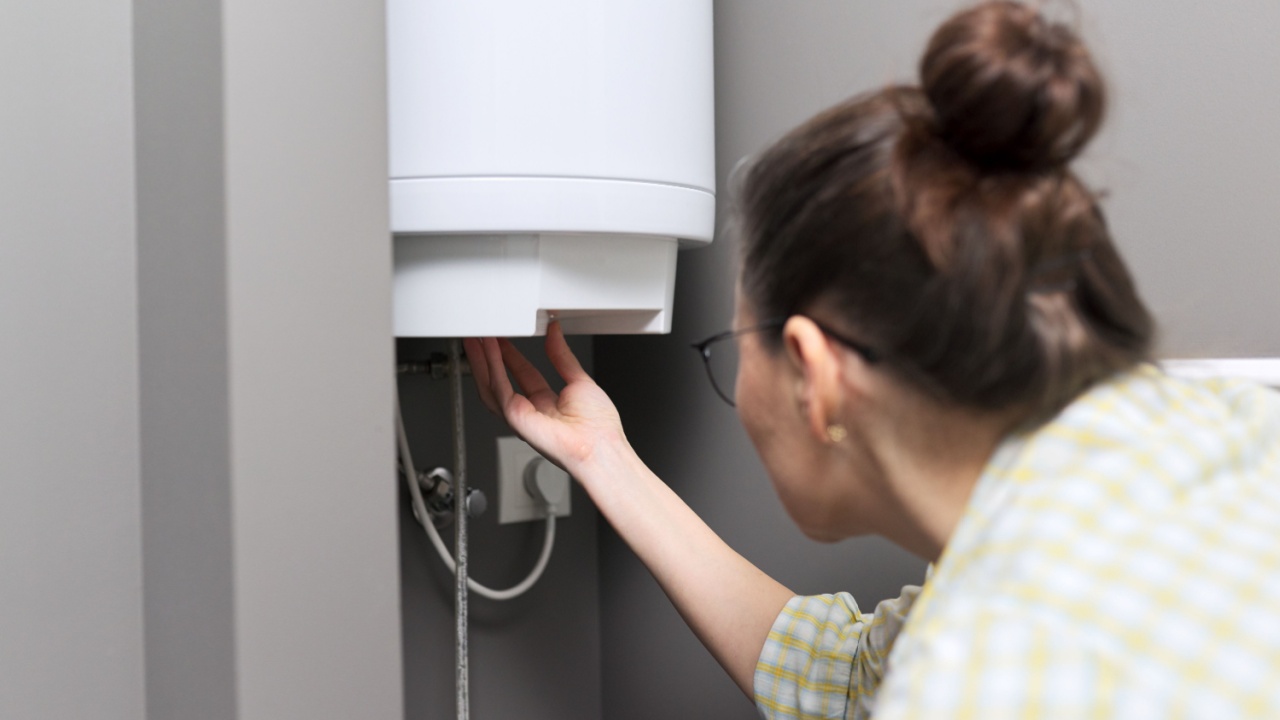
Image Credit: Shutterstock.
Now that you know the why, the how is the easy part. You typically just need a standard garden hose, a flathead screwdriver, and a safe place for the water to drain (like a floor drain or the driveway).
If you aren’t comfortable tackling this yourself, or if it’s been years and you’re worried the drain valve might be stuck, don’t hesitate to call a professional plumber. A small service fee now is much better than the cost of a flooded basement later.