
Ever walked into a room and felt like the walls were closing in, even if the square footage is respectable? It’s a common household mystery. You haven’t installed a funhouse mirror or accidentally shrunk your furniture in the wash. The culprit is often a series of well-intentioned but misguided design choices.
These subtle slip-ups can collectively make even an average-sized room feel like a closet. But here’s the good news: identifying these space-shrinking habits is the first step toward reclaiming your room’s airy potential.
This article will walk you through twelve common design blunders that visually compress a space.
1. Using Dark Colors in Small Rooms

Image Credit: Shutterstock.
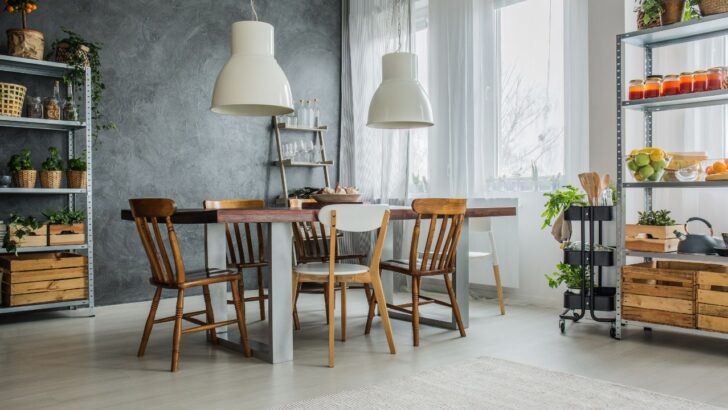
Deep, moody colors are dramatic and beautiful. However, many people have argued that they make a room look smaller, and they are not wrong. While the jury is still out on the effect of dark colors on small spaces, the consensus is that a room painted in a dark hue can feel smaller and more enclosed, especially if it lacks abundant natural light.
Dark shades like charcoal, navy, or chocolate brown absorb light rather than reflecting it. This creates shadows and makes the walls appear to advance inward, giving the room a cave-like atmosphere. Lighter colors like soft whites, pale grays, and gentle pastels act as mirrors for light, bouncing it around the space and pushing the walls back visually. This creates an immediate sense of openness and airiness, making the room feel larger and more inviting.
Quick Tips
- Paint Palette: Choose colors in the white, off-white, light gray, or pale blue families.
- Accent Wall: If you absolutely love a dark color, use it on a single accent wall, preferably the one opposite the main window, to create depth without overwhelming the room.
- Trim and Ceiling: Paint the ceiling and trim a bright white to lift the room and create a clean, expansive look.
2. Ignoring Mirrors and Reflective Surfaces
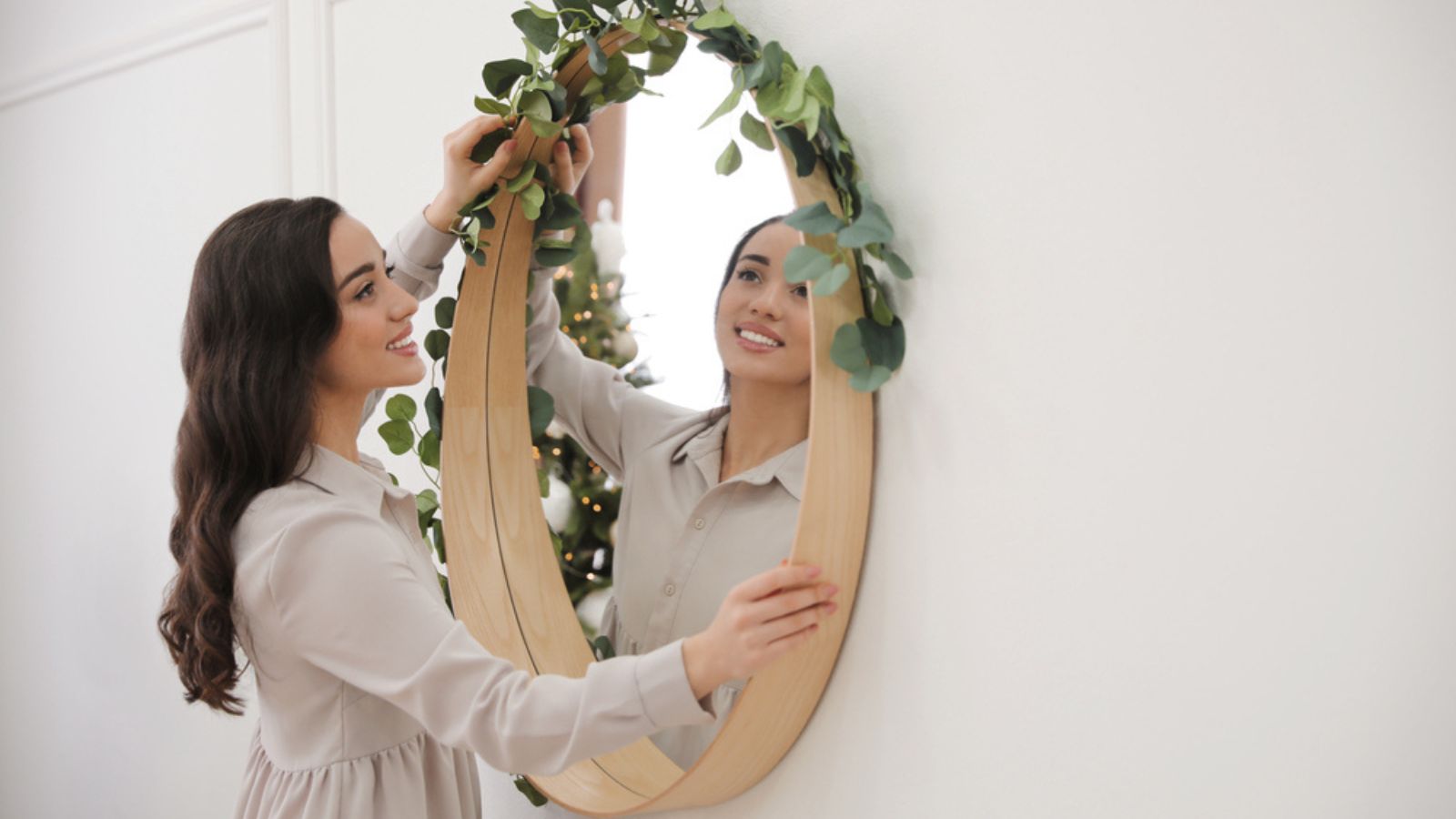
Image credit: Deposit Photos.
Mirrors are the oldest trick in the book for a reason: they are masters of illusion. By reflecting light and the view, they create a sense of depth that fools the eye into seeing more space than is actually there. Similarly, other reflective materials like glass, chrome, and high-gloss finishes can help bounce light.
Strategically placing a large mirror can have a transformative effect. Hang one opposite a window to double the amount of natural light and bring the outdoors in. Leaning a tall, floor-length mirror against a wall can create the illusion of a whole new dimension.
Quick Tips
- Mirror Placement: Position mirrors across from windows or light sources to maximize their light-reflecting power.
- Furniture Choices: Incorporate furniture with reflective elements, such as a glass coffee table, mirrored side tables, or chrome-legged chairs.
- Beyond Mirrors: Use decor items like metallic vases, glossy picture frames, or lucite trays to scatter light.
3. Cluttered Surfaces
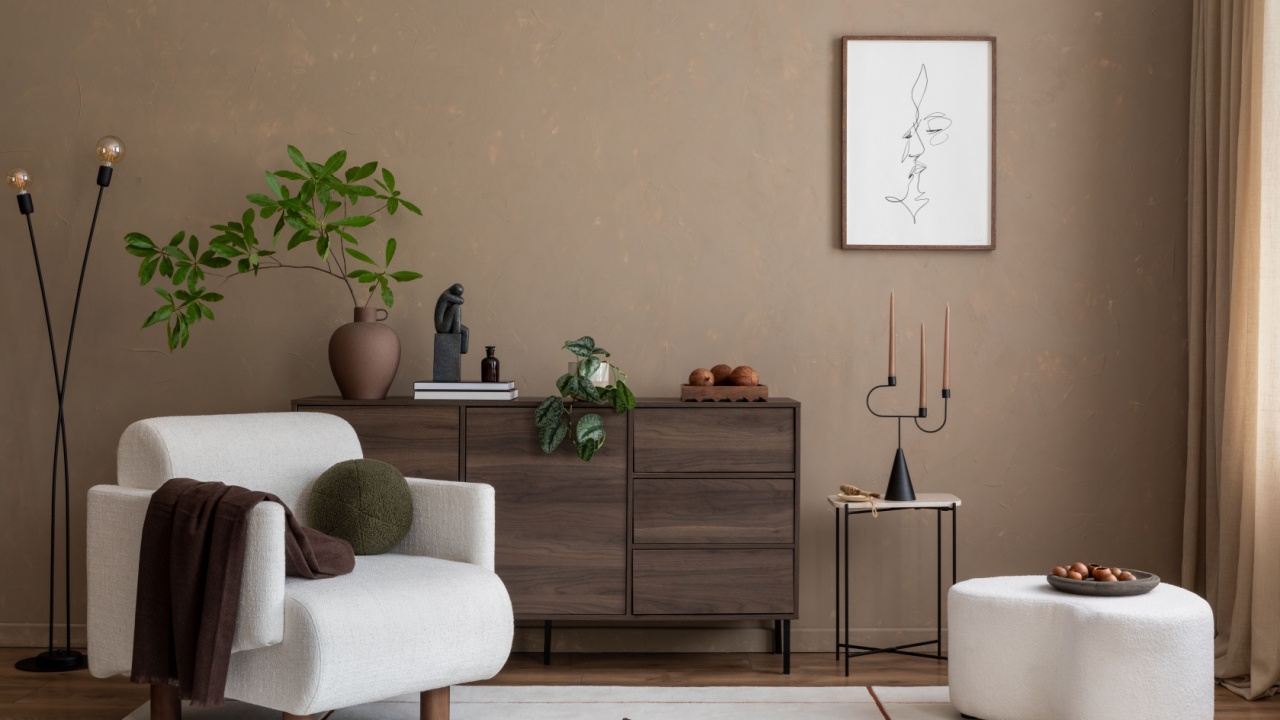
Image Credit: Shutterstock.
Every horizontal surface is a magnet for clutter. From stacks of mail on the entryway table to a dozen knick-knacks on a bookshelf, an excess of accessories makes a room feel chaotic and cramped. When the eye has too many small items to look at, the space feels busy and visually smaller.
Instead of displaying every souvenir you’ve ever collected, group items in odd numbers (threes or fives work well) and vary their height and texture. Leave some surfaces completely bare. This “negative space” gives the eye a place to rest and contributes to a feeling of calm and openness.
Quick Tips
- Rule of Three: Group decor items in small clusters of three, varying their scale.
- Containment: Use decorative trays or bowls to corral smaller items like keys, remotes, or jewelry.
- One In, One Out: When you bring a new decorative item home, consider retiring an old one to maintain balance.
4. Heavy or Overstuffed Furniture
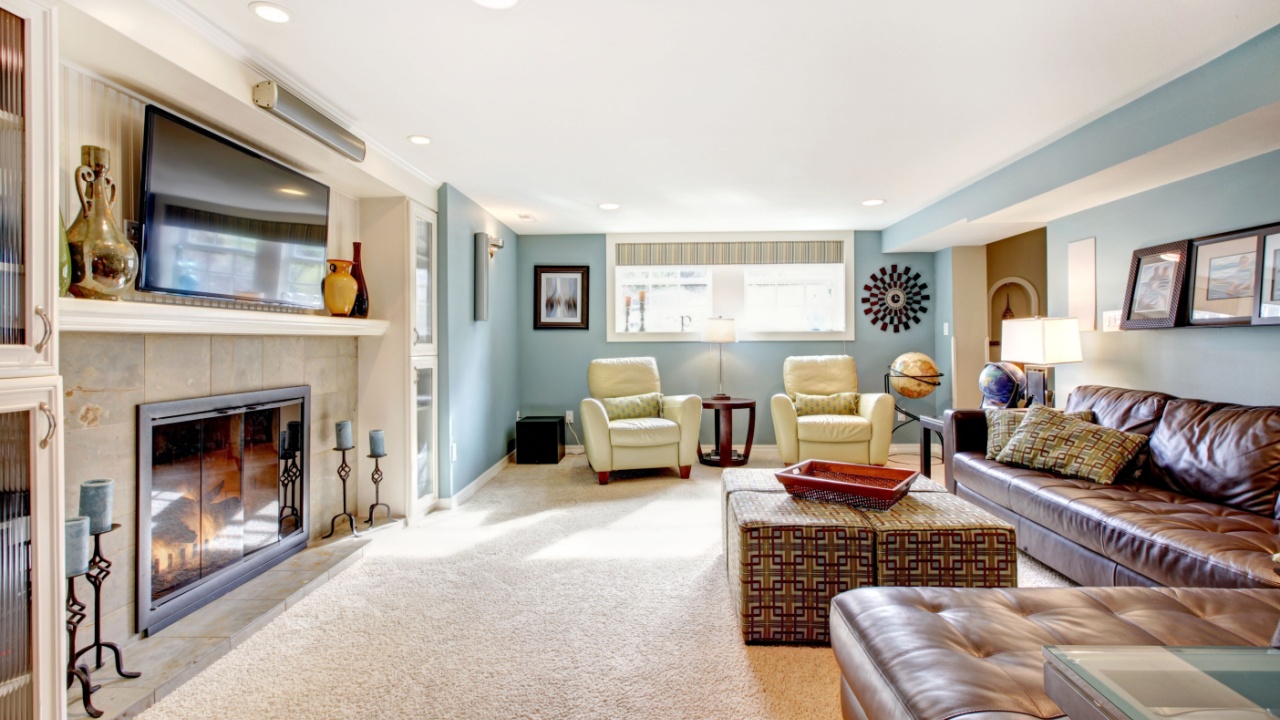
Image Credit: Shutterstock.
That giant, plush sectional might feel like sitting on a cloud, but it can look like a thundercloud in a small room. Heavy, overstuffed furniture commands an enormous amount of visual and physical space. Pieces that are solid all the way to the floor, with thick arms and high backs, can feel like dense blocks that stop the eye and make a room feel crowded and immobile.
Opt for furniture that feels lighter. Pieces with exposed legs, like a mid-century modern sofa or a slim-profile armchair, allow you to see the floor underneath. This creates a sense of openness and makes the room feel less crowded. Look for furniture with clean lines and a lower profile that doesn’t dominate the space.
Quick Tips
- Leggy Furniture: Choose sofas, chairs, and tables with visible legs to create an airy feeling.
- Slim Profiles: Avoid bulky armrests and high backs. Look for furniture with a more streamlined and tailored appearance.
- Material Matters: Lighter-colored upholstery can also make furniture feel less heavy than dark, dense fabrics.
5. Few Light Bulbs
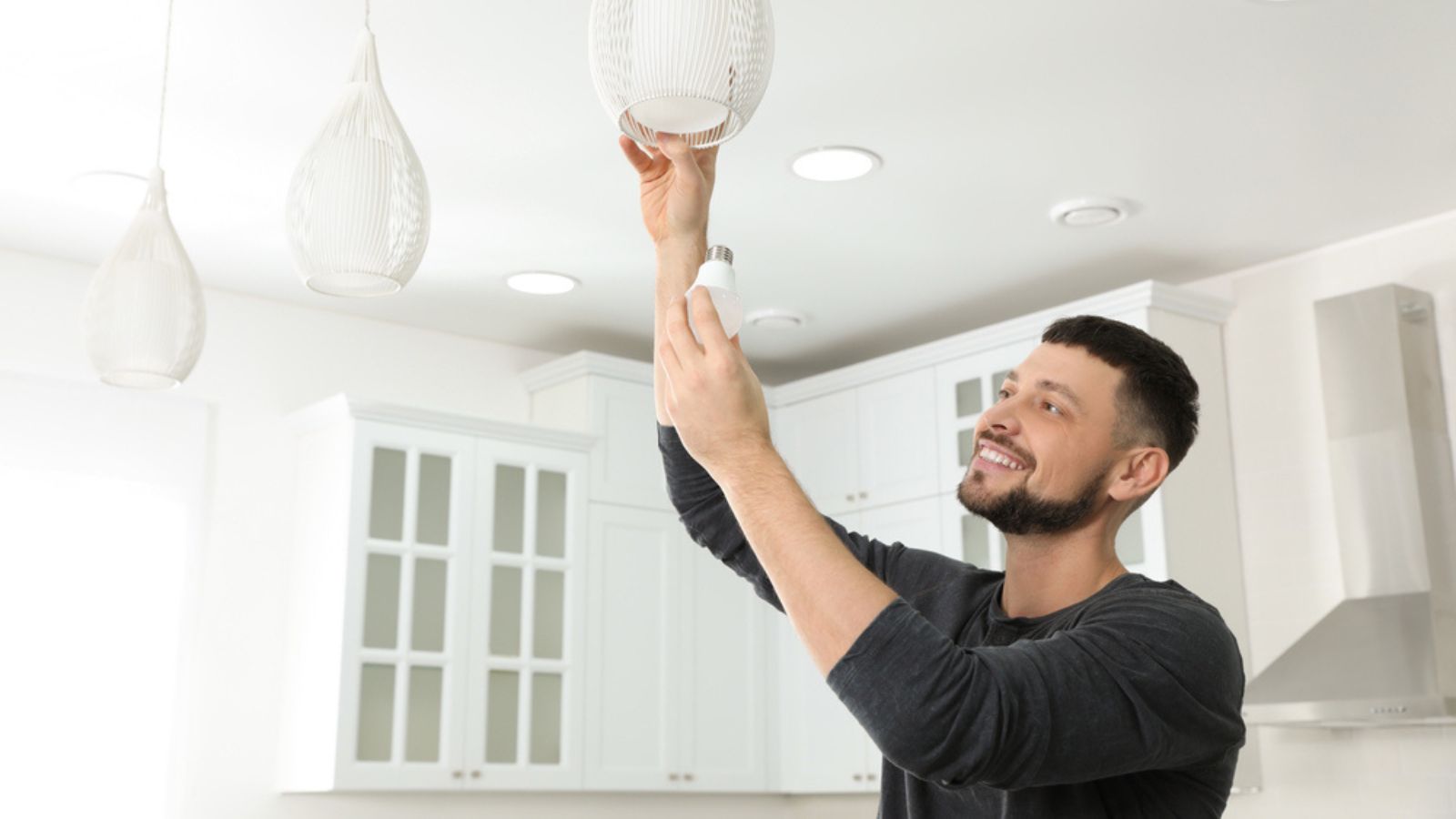
Image Credit: Deposit Photos.
Good lighting, indoors or outdoors, is your best bet to uplift spaces. Relying on a single, harsh overhead light, often called a “boob light” for its unfortunate shape, casts unflattering shadows and makes the corners of the room disappear into darkness. Without proper illumination, a space can feel gloomy and confined, no matter its actual size.
A layered lighting plan is the answer. This involves using multiple light sources at different heights to illuminate the room evenly. Combine an ambient overhead light (like a stylish flush-mount or a simple pendant), task lighting (like reading lamps), and accent lighting (like a small lamp on a shelf). This approach eliminates dark corners and creates a warm, inviting glow that makes the space feel larger.
Quick Tips
- Layer Your Lights: Aim for at least three points of light in every room: ambient, task, and accent.
- Use Dimmers: Install dimmer switches on your main lights to control the mood and brightness.
- Mind the Bulbs: Choose bulbs that cast a warm, natural light rather than a cold, blue-toned one.
6. Overcrowding the Room with Accessories
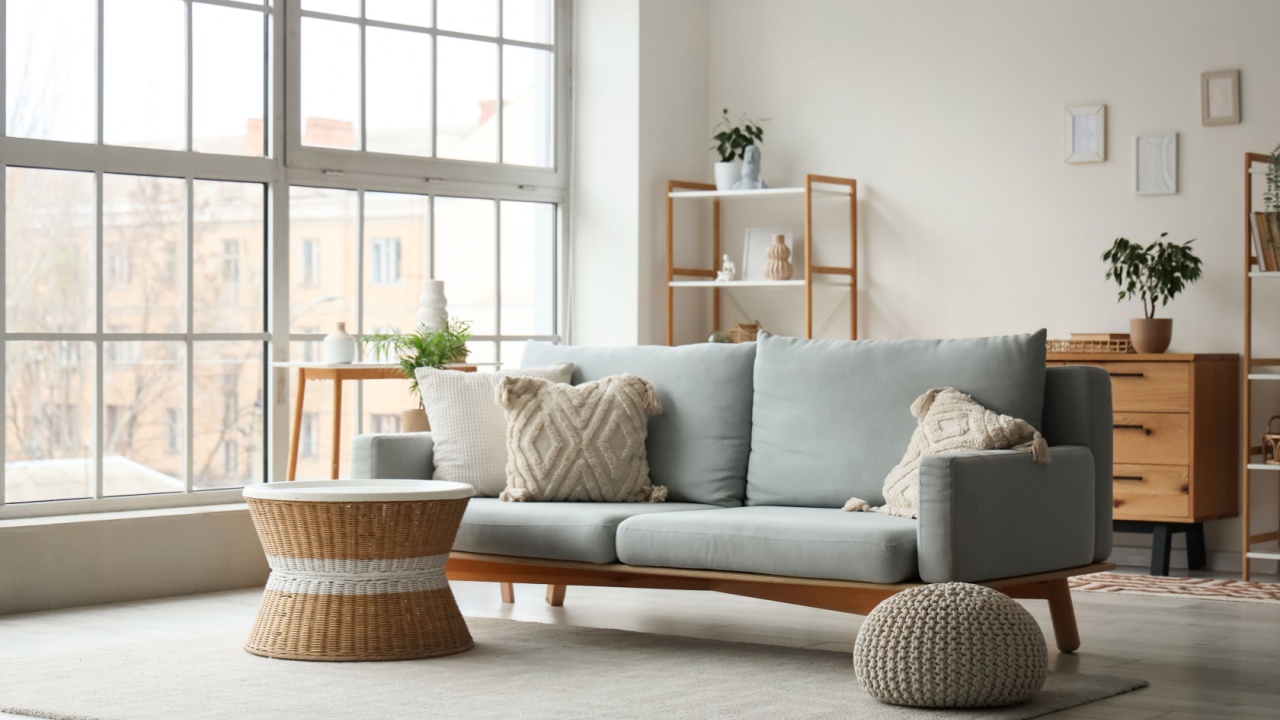
Image Credit: Shutterstock.
There’s a fine line between a well-furnished room and a furniture showroom. Trying to squeeze too many pieces into one space is a classic mistake. A room packed with a sofa, two armchairs, a coffee table, two end tables, a console, and a bookshelf will inevitably feel cramped. When furniture blocks pathways and leaves little room to breathe, the entire space shrinks.
Assess what you truly need in the room and be ruthless. Sometimes, less is more. Make sure there is enough space to walk around comfortably. A good rule of thumb is to leave about 18 inches between a coffee table and a sofa, and at least 30 inches for major walkways.
Quick Tips
- Prioritize Function: Keep only the furniture that serves a necessary purpose.
- Traffic Flow: Arrange furniture to create clear, unobstructed paths through the room.
- Multifunctional Pieces: Consider an ottoman that doubles as a coffee table and extra seating.
7. Low Ceilings

Image Credit: Shutterstock.
Low ceilings have a special talent for making a room feel like a hobbit hole, regardless of how much floor space you have to work with. When the ceiling is closer, the room can feel boxed in and a bit compressed, as if everyone’s being gently reminded to check their posture. It makes even sunlit spaces seem shorter and more confining.
Raising the roof is probably not happening, but a few easy tweaks can give the illusion of soaring heights. Vertical lines are your secret weapon—think tall bookshelves, floor-to-ceiling curtains, or artwork arranged to draw the eye up. Light, bright paint on the ceiling and a tidy room with low-profile furniture open up those extra visual inches.
Quick Tips
- Vertical Emphasis: Add striped wallpaper, tall cabinets, or vertical art to encourage upward glances.
- Ceiling Color: Use a light shade of paint above to reflect more light and trick the eye
- Low-Profile Furniture: Piece together seating and storage that hug the ground, ramping up that headroom.
8. Overlooking Storage Solutions
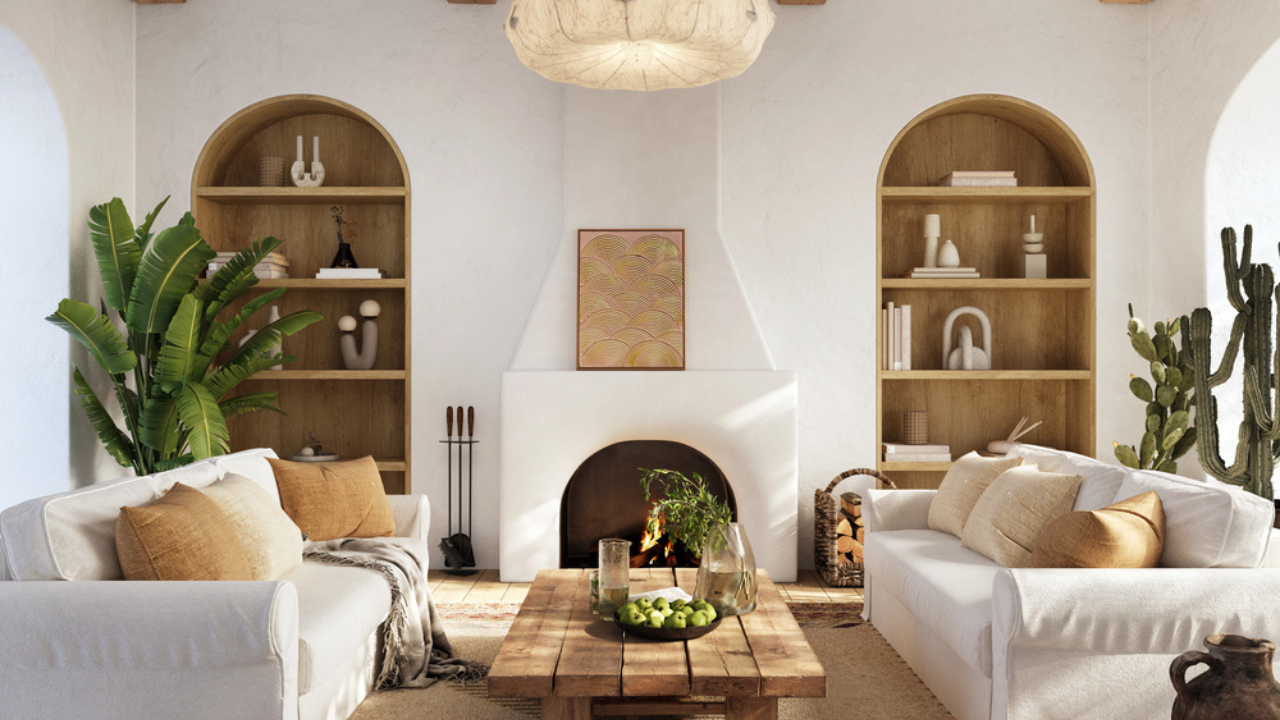
Image Credit: Deposit Photos.
Not investing in smart storage solutions is a primary cause of disorganization that makes a home feel smaller. Piles of books, toys, or paperwork visually shrink a room by creating chaos and occupying valuable space.
Incorporate clever storage into your design. This doesn’t mean lining the walls with plastic bins. Look for stylish, dual-purpose furniture. An ottoman with a hidden compartment can store blankets, a coffee table with drawers can hide remotes and magazines, and tall, narrow cabinets can provide vertical storage without taking up much floor space.
Quick Tips
- Hidden Storage: Use furniture like storage ottomans, beds with drawers, or benches with lift-up seats.
- Go Vertical: Install floating shelves or tall, slender bookcases to draw the eye upward and maximize wall space.
- Baskets and Bins: Use attractive baskets to organize items on open shelves or under consoles.
9. Too Many Patterns and Bold Prints
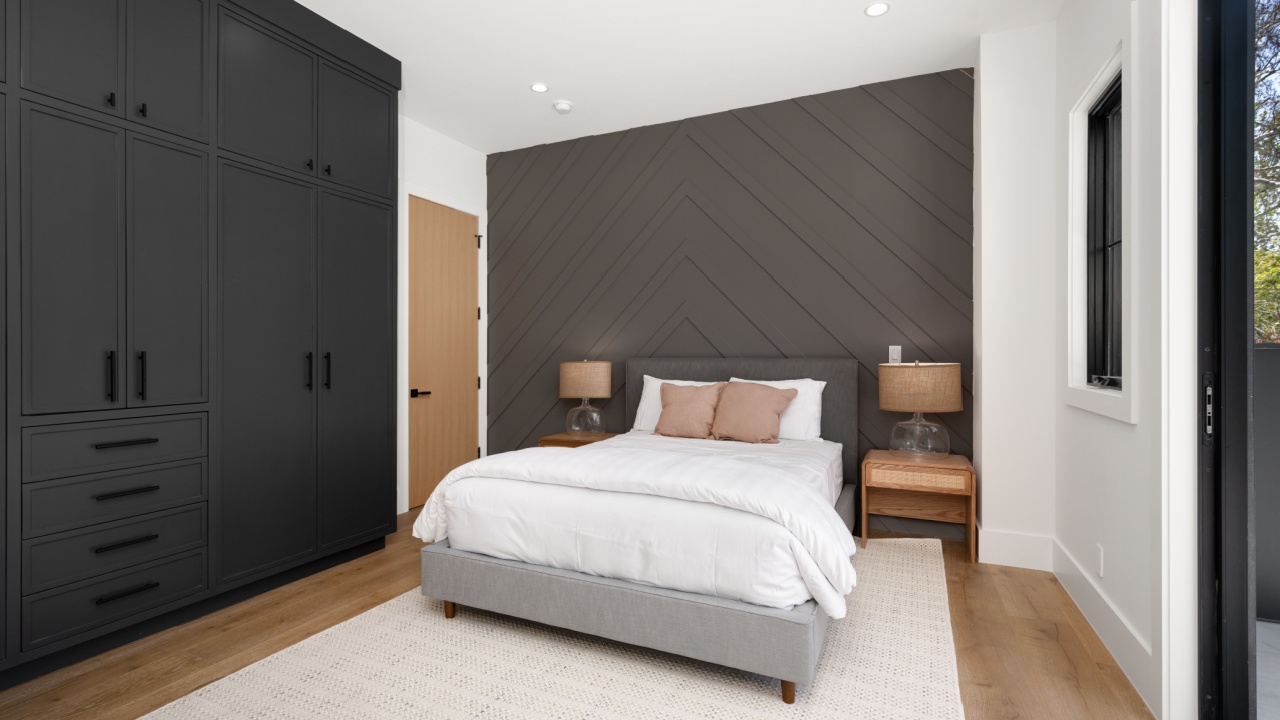
Image Credit: Shutterstock.
While a bold floral wallpaper or a geometric rug can add personality, an overabundance of competing patterns can be overwhelming. When too many busy prints are fighting for attention, the room can feel chaotic and visually cluttered. The eye doesn’t know where to land, and the overall effect is a space that feels smaller and more agitated.
Practice moderation with patterns. Then, supplement it with one or two smaller, more subtle patterns in a similar color family. This creates visual interest without creating visual noise.
Quick Tips
- One Hero Pattern: Let one large-scale pattern dominate, and use others as quiet supporting characters.
- Stick to a Color Scheme: Unify different patterns by ensuring they share a common color palette.
- Mix Scales: Combine a large pattern with a medium and a small one to create a balanced look.
10. Blocking Natural Light
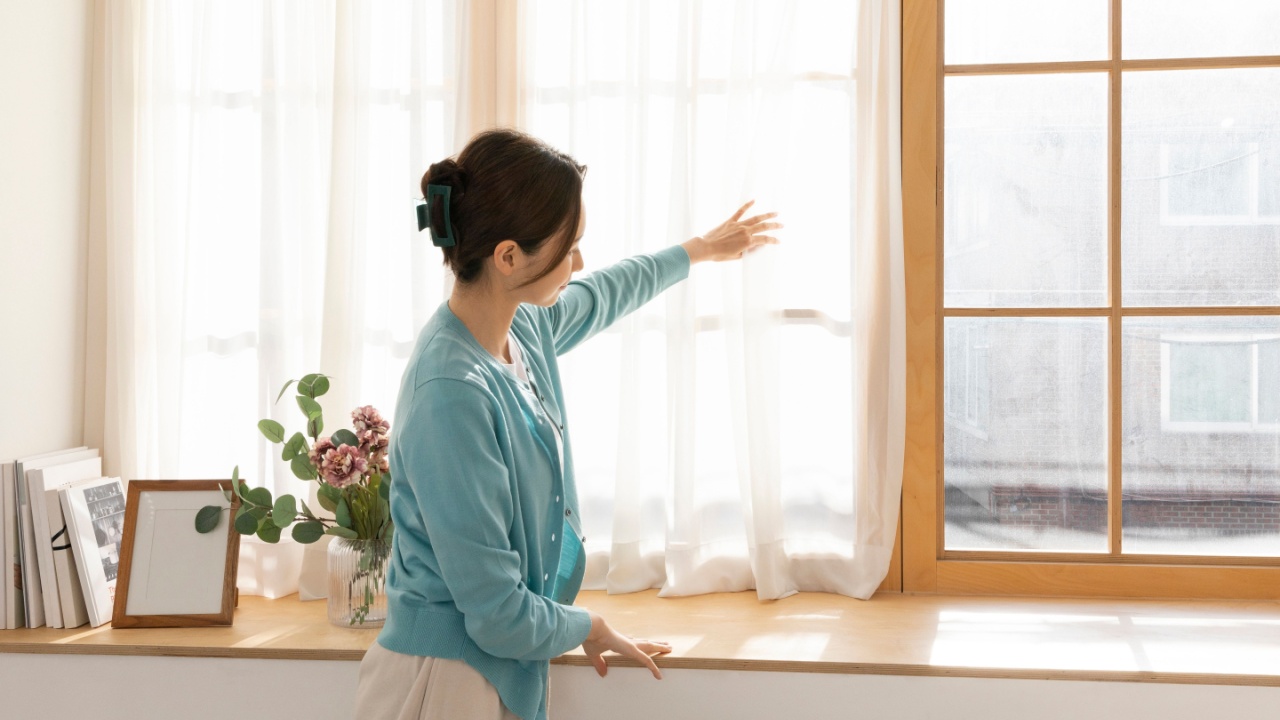
Image Credit: Shutterstock.
Natural light is the most valuable asset for making a room feel large and airy. Blocking windows with dark curtains is like putting a lampshade over the sun. When a sofa is pushed right up against a window or when drapes cover half the glass, even when open, you are starving the room of the light it needs to feel expansive.
Maximize every drop of daylight. Pull furniture away from windows, leaving a clear path for light to enter. When it comes to window treatments, choose lightweight fabrics like linen or sheer cotton that filter light instead of blocking it. Hang curtain rods wider and higher than the window frame so that when the curtains are open, they frame the window without covering the glass.
Quick Tips
- Clear the Windows: Don’t place large pieces of furniture directly in front of windows.
- Lightweight Curtains: Opt for sheer or light-filtering fabrics instead of heavy, opaque drapes.
- Hang High and Wide: Mount curtain rods several inches above and to the sides of the window frame to make the window appear larger.
11. Choosing the Wrong Rug Size
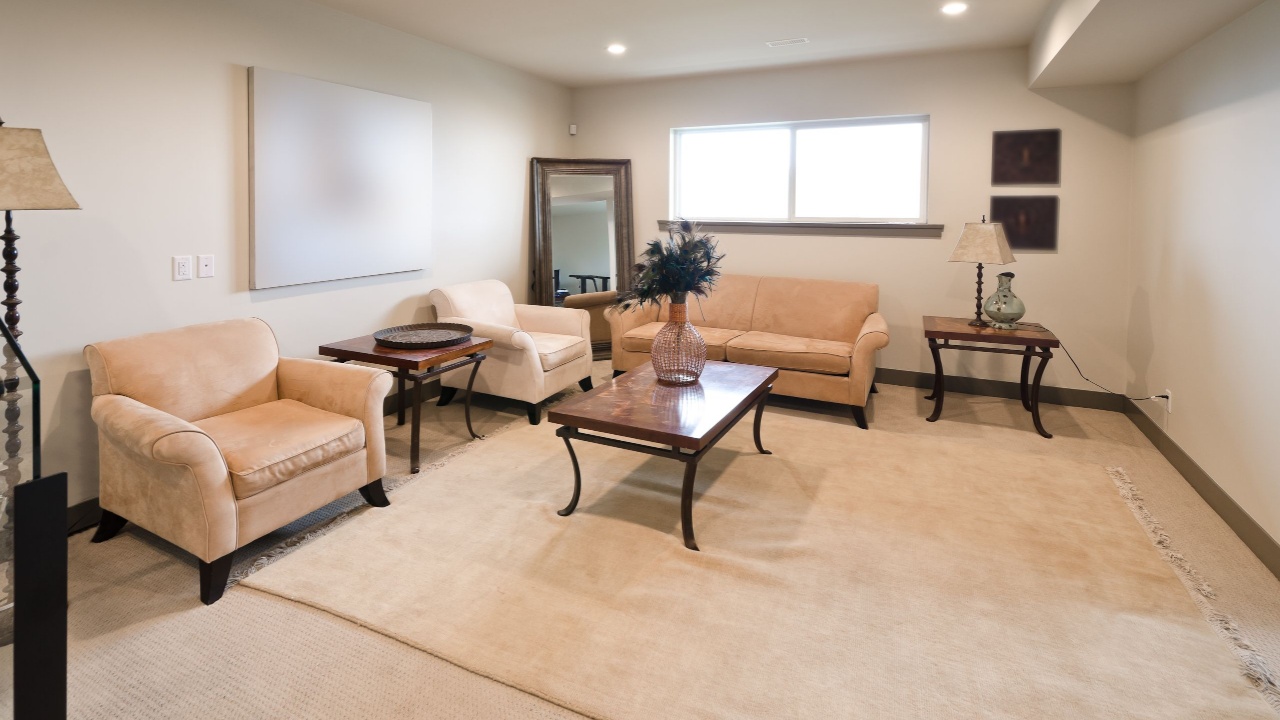
Image Credit: Shutterstock.
A tiny rug floating in the middle of a large room is a common design faux pas. It can look like a postage stamp on a giant envelope. It has the unfortunate effect of visually shrinking the seating area. People often call these “rug islands,” and they make the furniture around them feel disconnected, and the room feel smaller.
The right-sized rug should anchor the furniture in a space. In a living room, a good guideline is to have a rug that is large enough for at least the front legs of all major furniture pieces to rest on it. In a dining room, the rug should be big enough for the chairs to remain on it even when pulled out.
Quick Tips
- Front Legs On: In living rooms, ensure the front legs of the sofa and chairs are on the rug.
- Measure First: Before buying, use painter’s tape to mark out the desired rug size on your floor to visualize it.
- Bigger is Better: When in doubt, it is almost always better to go for the larger rug size.
12. Ignoring Vertical Space

Image Credit: Shutterstock.
Many design schemes focus solely on what’s happening at eye level and below, completely ignoring the vast potential of vertical space. When all furniture and decor are low to the ground, it can make the ceiling feel lower, and the room feel squat. The upper portion of the walls becomes dead, empty space.
Draw the eye upward to create an illusion of height. Use vertical elements to make the room feel taller and more grand. Hang curtains high and wide, use tall, slender bookcases, or create a gallery wall that extends toward the ceiling. A tall plant or a floor lamp can also help to break up the horizontal plane and add vertical interest.
Quick Tips
- Hang Art High: Don’t be afraid to hang artwork slightly above eye level to draw the gaze up.
- Vertical Stripes: A subtle striped wallpaper can create a powerful illusion of height.
- Tall Furniture: Incorporate a tall, narrow piece of furniture like an armoire or a display cabinet.
Designing a More Spacious Feeling Home
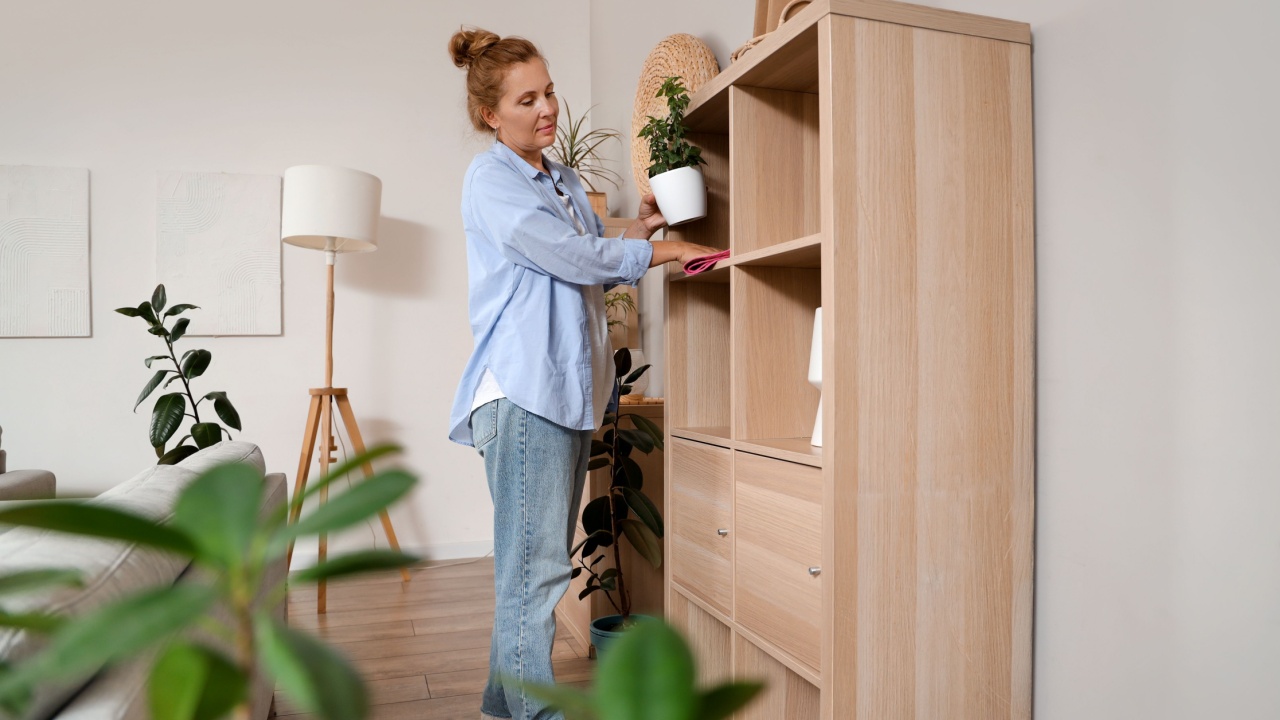
Image Credit: Shutterstock.
Making your small apartment feel bigger may be as simple as swapping out heavy curtains for lighter ones or decluttering your bookshelves. Walk through your home with a fresh perspective and see if you can spot any of these space-shrinking habits in action. By making a few intentional changes, you can transform a room from feeling cramped and confined to feeling open, airy, and much larger than its measurements suggest.