
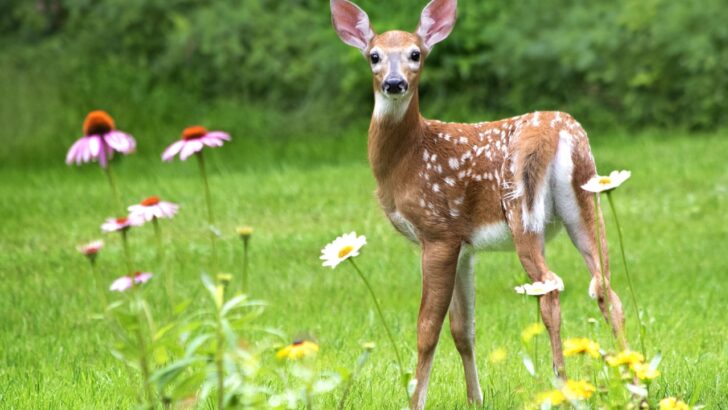
Deer might be graceful visitors in the wild, but when they wander into your garden, they can turn prized blooms into a daytime snack.
You don’t have to fence off your entire yard to enjoy a vibrant flower display. Many perennials have natural defenses—like strong scents, fuzzy leaves, bitter tastes, or even mild toxicity—that make them unappealing to deer.
Note: Always check with your local extension office for any invasive species to avoid planting.
Here’s How We Chose These Plants
Image Credit: Shutterstock.
Our flowering perennial selections are based on reputable extension and horticultural sources—primarily Rutgers NJAES’ Landscape Plants Rated by Deer Resistance and Clemson HGIC’s Deer-Resistant Plants for the Landscape (Annuals & Perennials). These selections consistently fall into categories of rarely or seldom severely damaged by deer.
None are guaranteed deer-proof, especially if they’re really hungry, but they all possess characteristics (e.g. strong scent, bitter or toxic foliage, fuzzy or prickly textures) that typically discourage deer browsing under normal garden conditions.
1. Bee Balm (Monarda spp.)
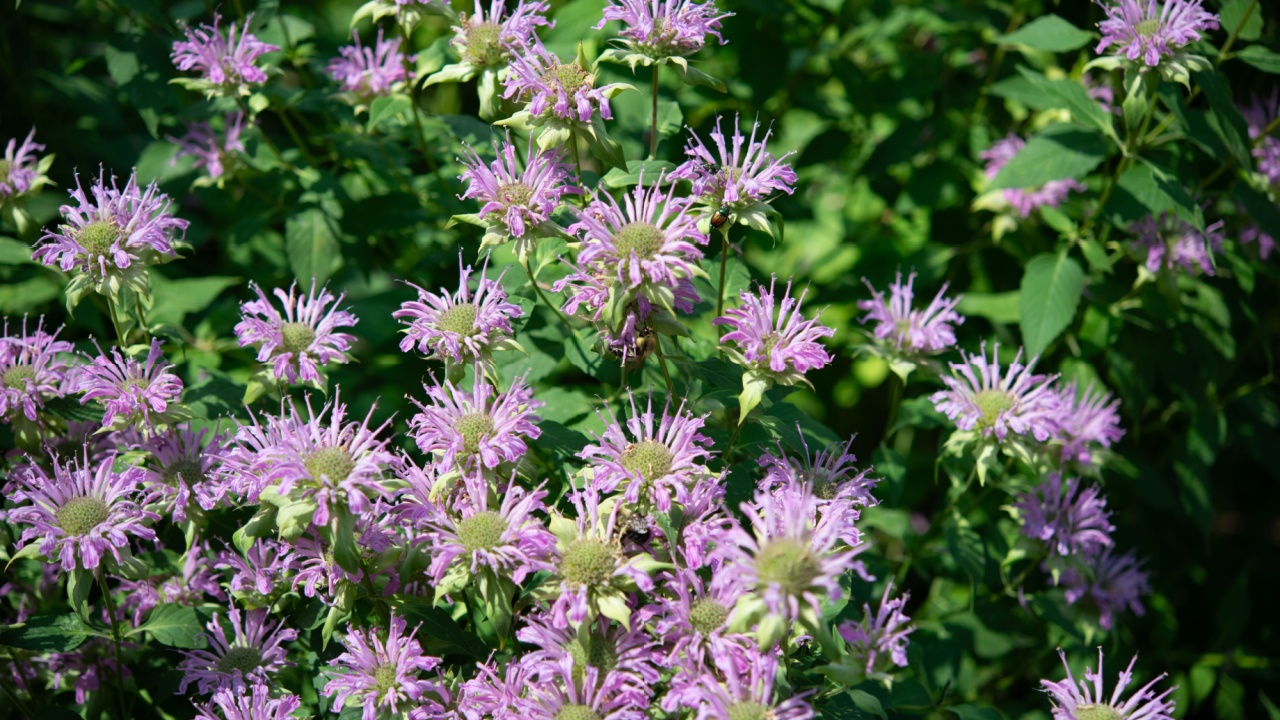
Image Credit: Shutterstock.
Delightfully bright clusters of red, pink, or purple blooms make bee balm a pollinator magnet.
Why it’s deer resistant: Its strong mint scent and fuzzy leaves are unappealing to deer, as noted by extension sources.
Care Tips: Plant in full sun to part shade in moist, well-drained soil. Divide every 2–3 years to prevent mildew; deadhead spent blooms to extend flowering.
2. Catmint (Nepeta spp.)
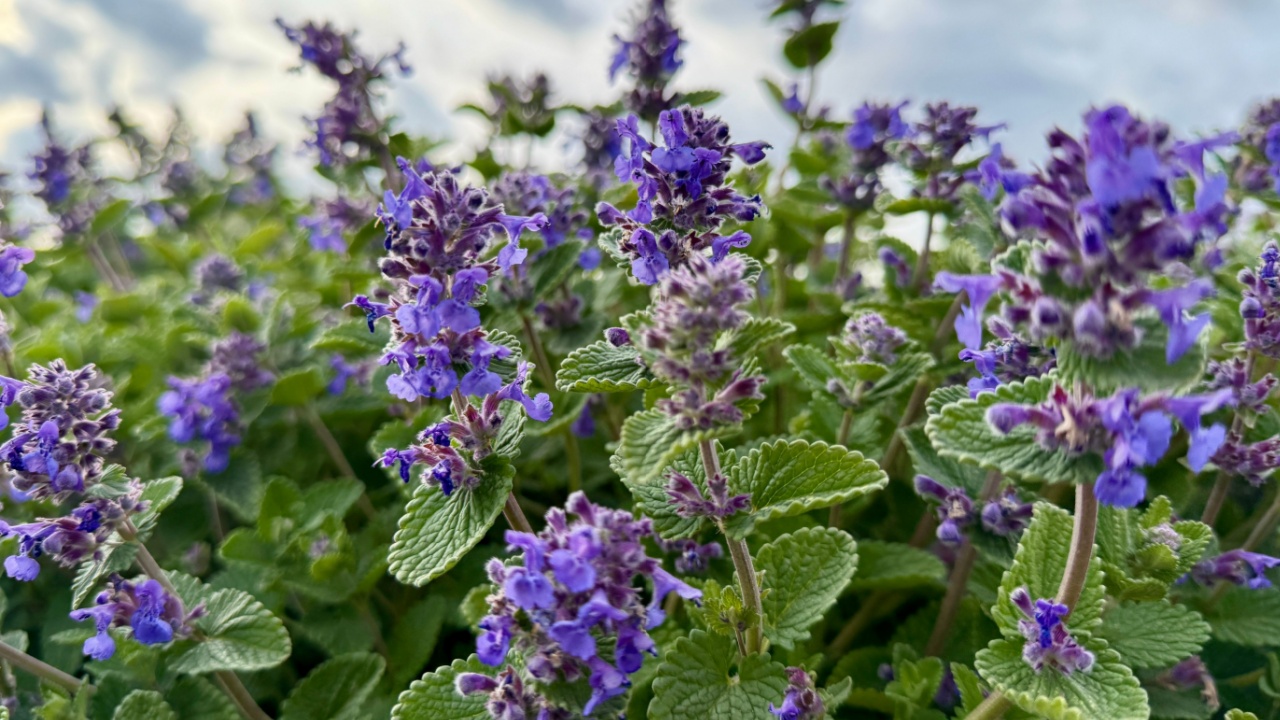
Image Credit: Shutterstock.
With its lavender-blue flowers and silvery foliage, catmint offers long bloom and fragrance.
Why it’s deer resistant: Aromatic, fuzzy foliage deters deer browsing, as verified by Rutgers and Clemson lists.
Care Tips: Thrive in full sun and lean, well-drained soil. Trim back after flowering to encourage fall rebloom.
3. Salvia & Russian Sage (Salvia spp.)
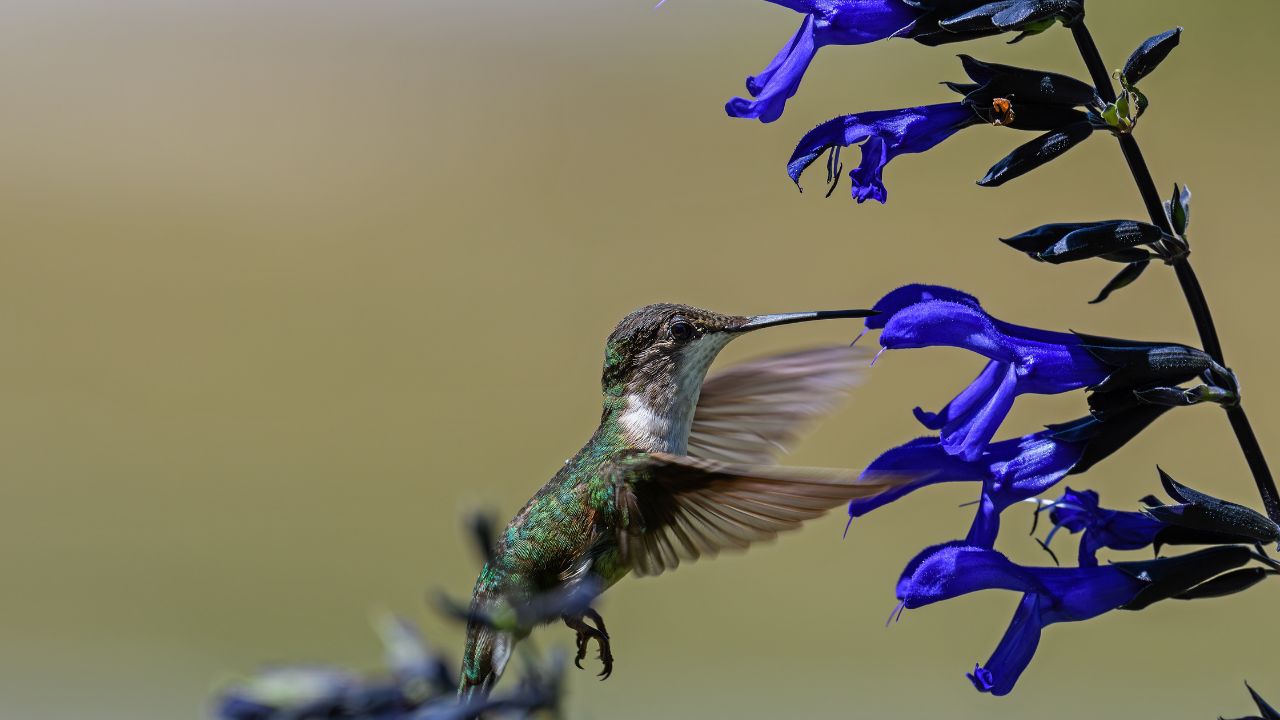
Image Credit: Shutterstock.
Known for vibrant spikes and aromatic leaves, these plants offer long-lasting color.
Why it’s deer resistant: Fragrance oils and hairy leaf texture make foliage unpalatable to deer.
Care Tips: Full sun and dry, well-drained soil. Deadhead flower spikes for repeat blooming; water sparingly once established.
4. Lavender (Lavandula spp.)
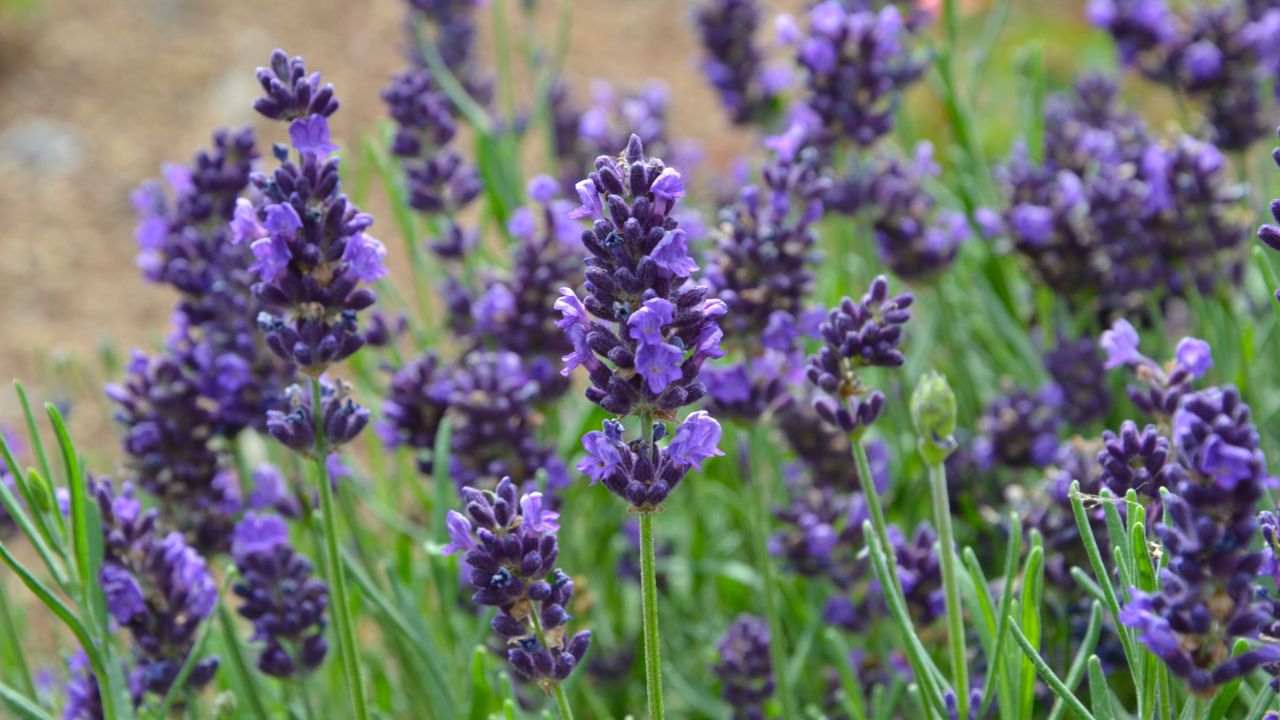
Image Credit: Shutterstock.
Iconic for perfumed silvery foliage and purple blooms, lavender is both beautiful and deer-resistant.
Why it’s deer resistant: Potent fragrance and silvery hairs deter even curious deer.
Care Tips: Plant in full sun with sandy, well-drained soil. Prune lightly above new green growth after bloom; avoid cutting into woody stems.
5. Coreopsis (Coreopsis verticillata)
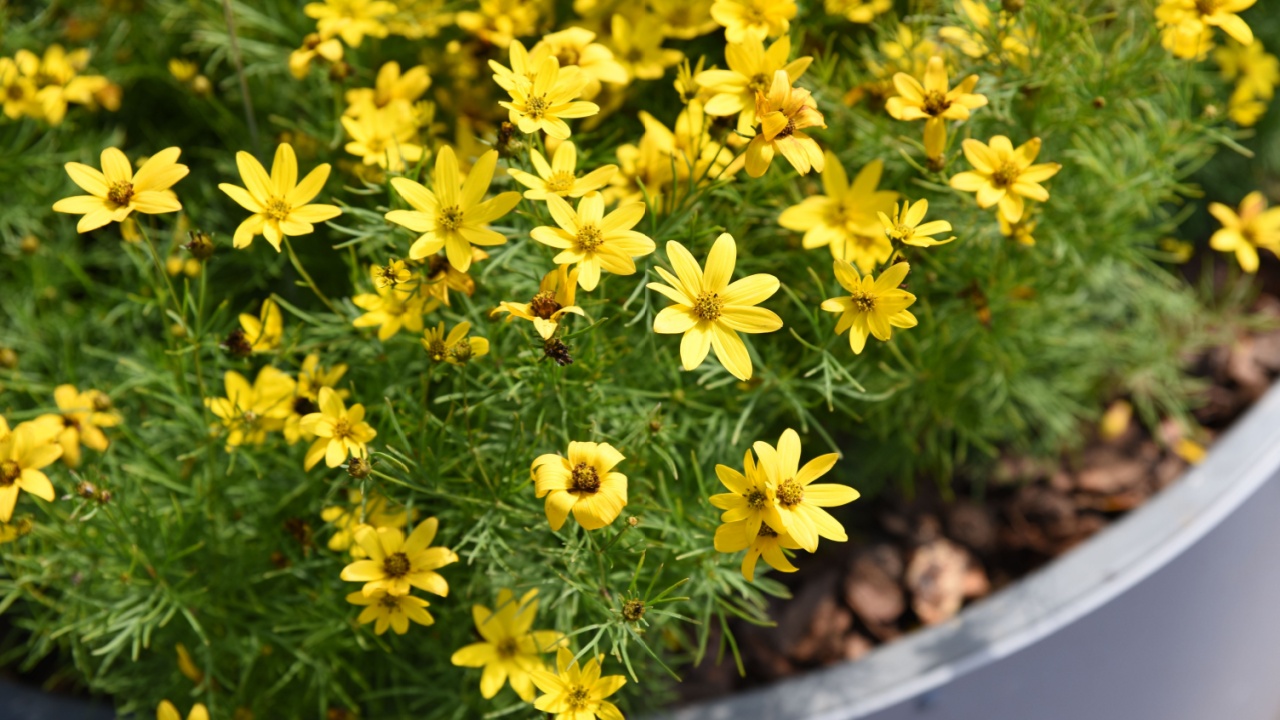
Image Credit: Shutterstock.
Sunny, daisy-like blooms abound in dry, lean soil and attract bees.
Why it’s deer resistant: Bitter leaf flavor and coarse texture discourage deer browsing.
Care Tips: Full sun and lean soil; deadhead regularly to extend bloom; divide every 3–4 years.
6. Blazing Star (Liatris spicata)
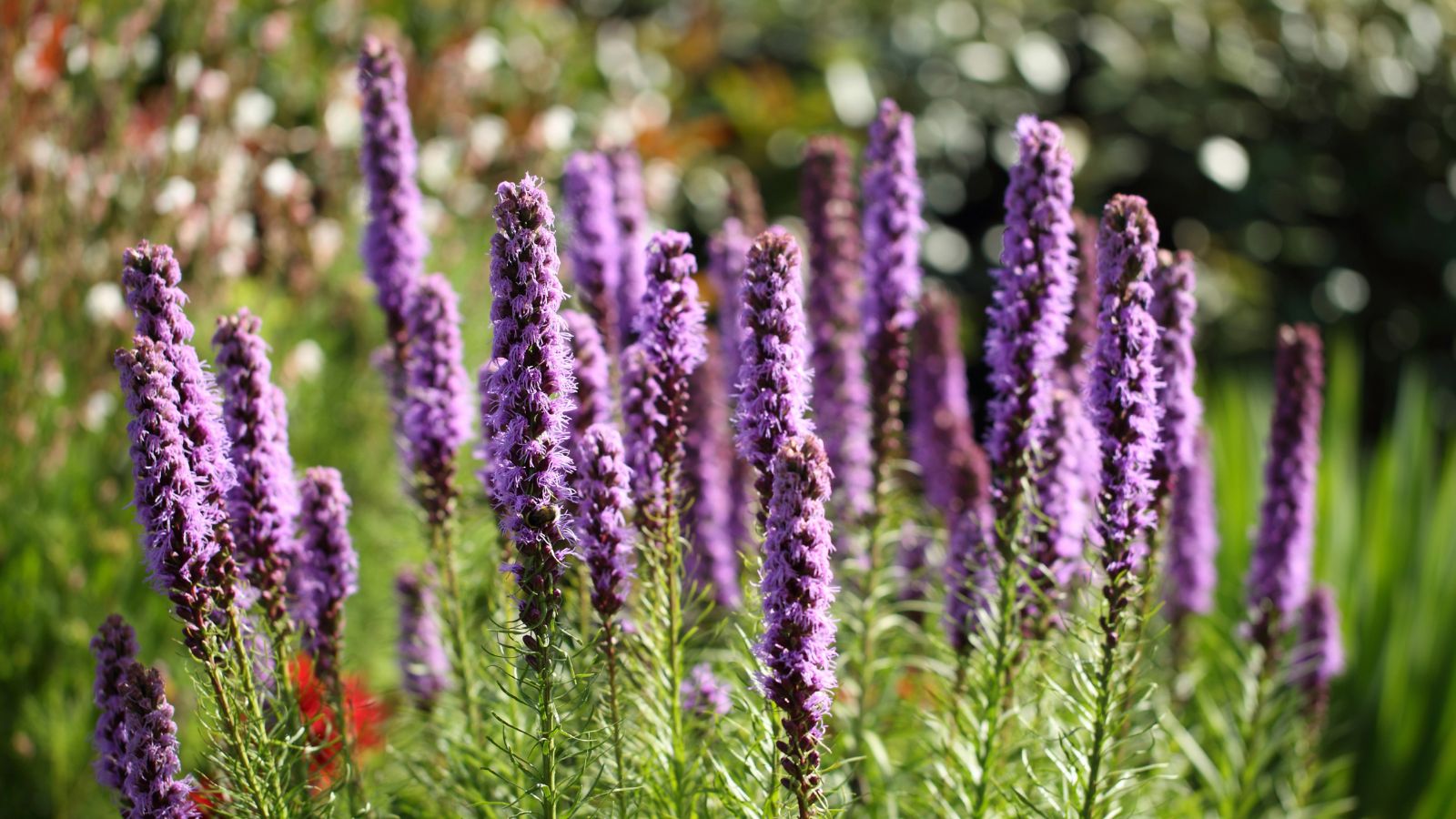
Image Credit: Depositphotos.com.
Tall purple flower spikes rise above grassy foliage, offering dramatic vertical interest.
Why it’s deer resistant: Fibrous stalks and a spiky texture that deer find unpalatable.
Care Tips: Plant in full sun and moist but well-drained soil. Divide every few years and allow space for roots.
7. Lungwort (Pulmonaria spp.)
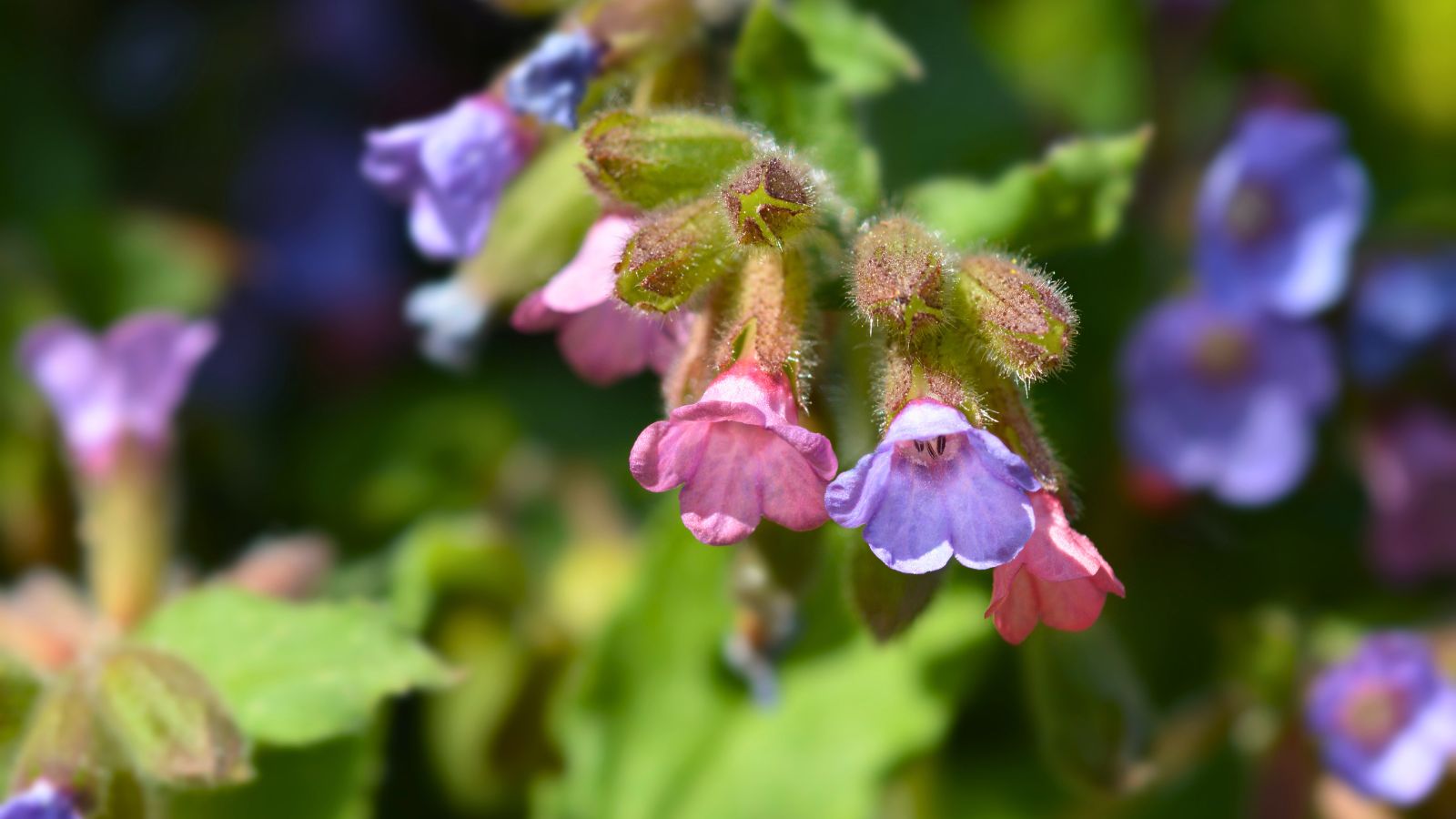
Image credit: YAY Images.
Early spring blooms in pink or blue, paired with spotted or silvery leaves, brighten shaded beds.
Why it’s deer resistant: Fuzzy leaves and early bloom time make it less likely to be grazed.
Care Tips: Grows best in partial to full shade in rich, moist soil. Cut back foliage after flowering; mulch base to retain moisture.
8. Columbine (Aquilegia spp.)
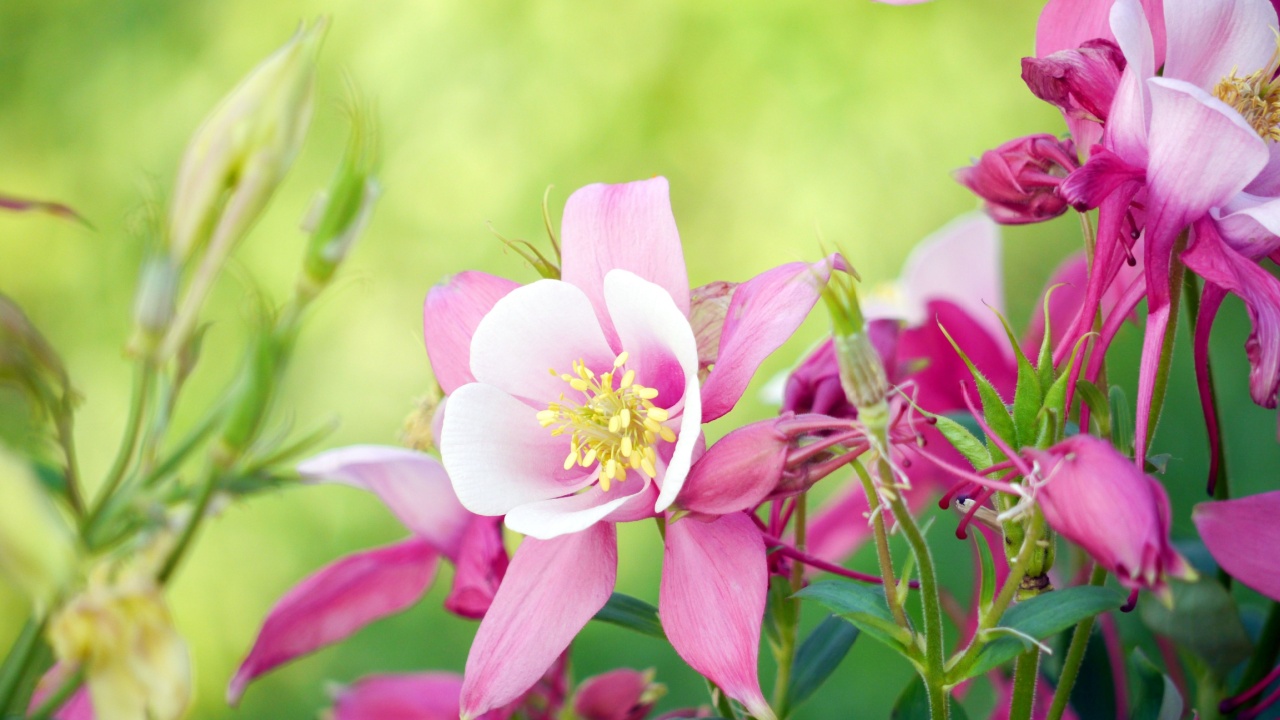
Image Credit: Shutterstock.
Delicate, nodding flowers in varied hues and uniquely spurred petals.
Why it’s deer resistant: Mild toxicity and bitter foliage deter most deer.
Care Tips: Prefers light shade to part sun with rich, well-drained soil. Allow seed pods to mature for self-seeding if desired.
9. Silvermound (Artemisia schmidtiana)
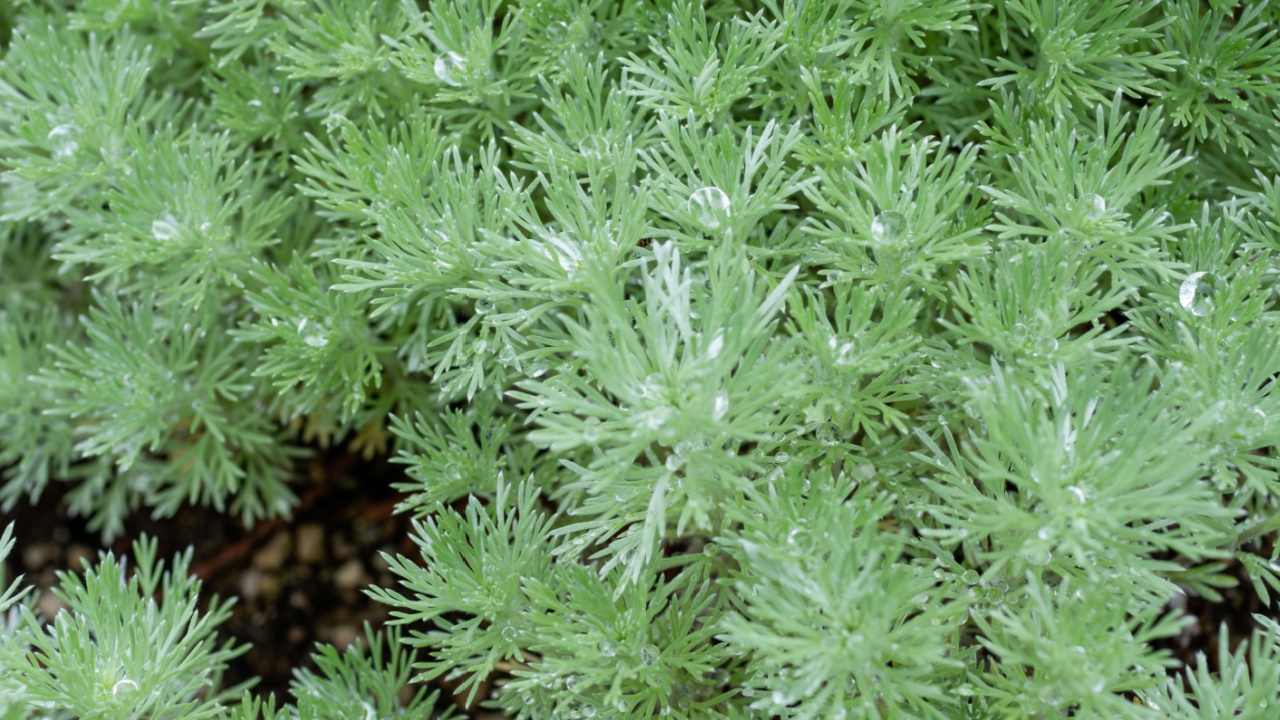
Image Credit: Shutterstock.
Masses of fine silver foliage with small yellow blooms lend a soft, mounded texture.
Why it’s deer resistant: Aromatic and bitter silvery leaves typically repel deer.
Care Tips: Requires full sun and lean, sandy soil. Prune back after flowering to maintain mound shape.
10. Globe Thistle (Echinops spp.)

Image Credit: Shutterstock.
Spherical, steel-blue flower heads add architectural flair.
Why it’s deer resistant: Sharp, prickly flower heads and bitter foliage discourage grazing.
Care Tips: Full sun and well-drained soil. Drought-tolerant once established; divide clumps occasionally.
11. Euphorbia ‘Ascot Rainbow’ (Euphorbia spp.)
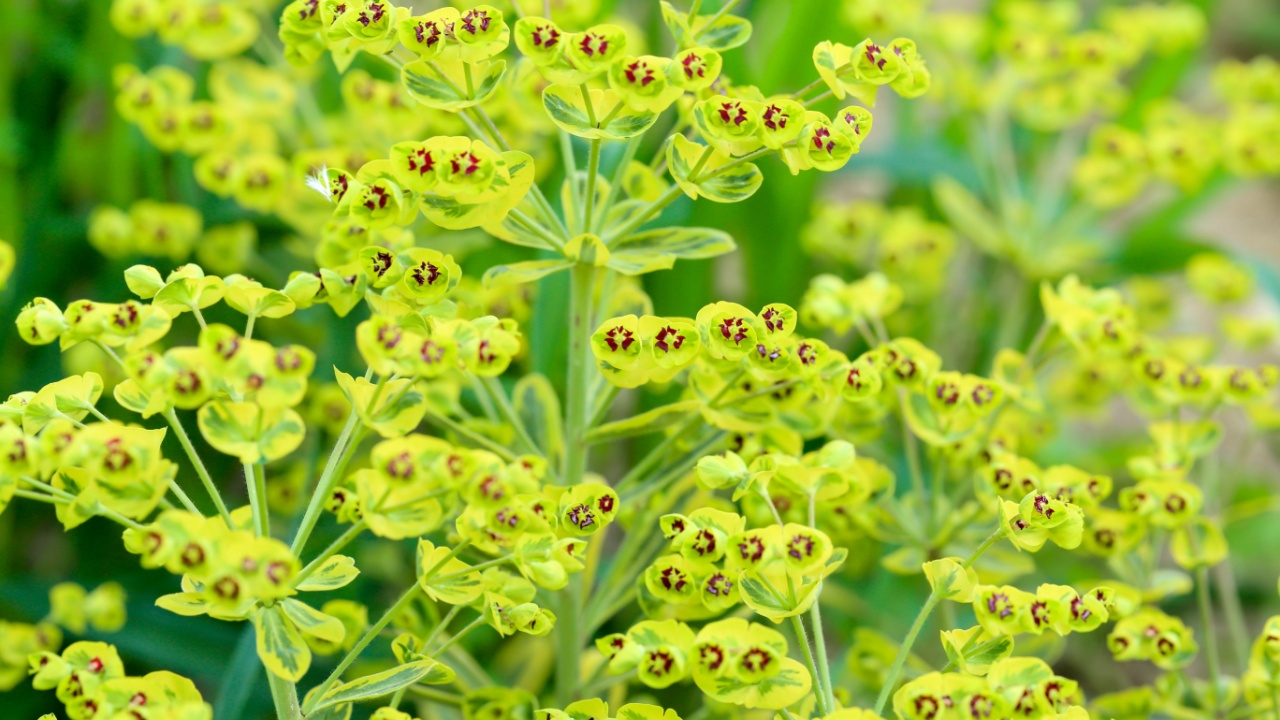
Image Credit: Shutterstock.
Chartreuse-bracted blooms and interesting foliage create long-lasting color.
Why it’s deer resistant: Toxic sap and rough texture make it unpalatable to deer.
Care Tips: Full sun and dry, well-drained soil. Wear gloves when pruning; minimal water is needed once established.
12. Hellebores (Helleborus spp.)
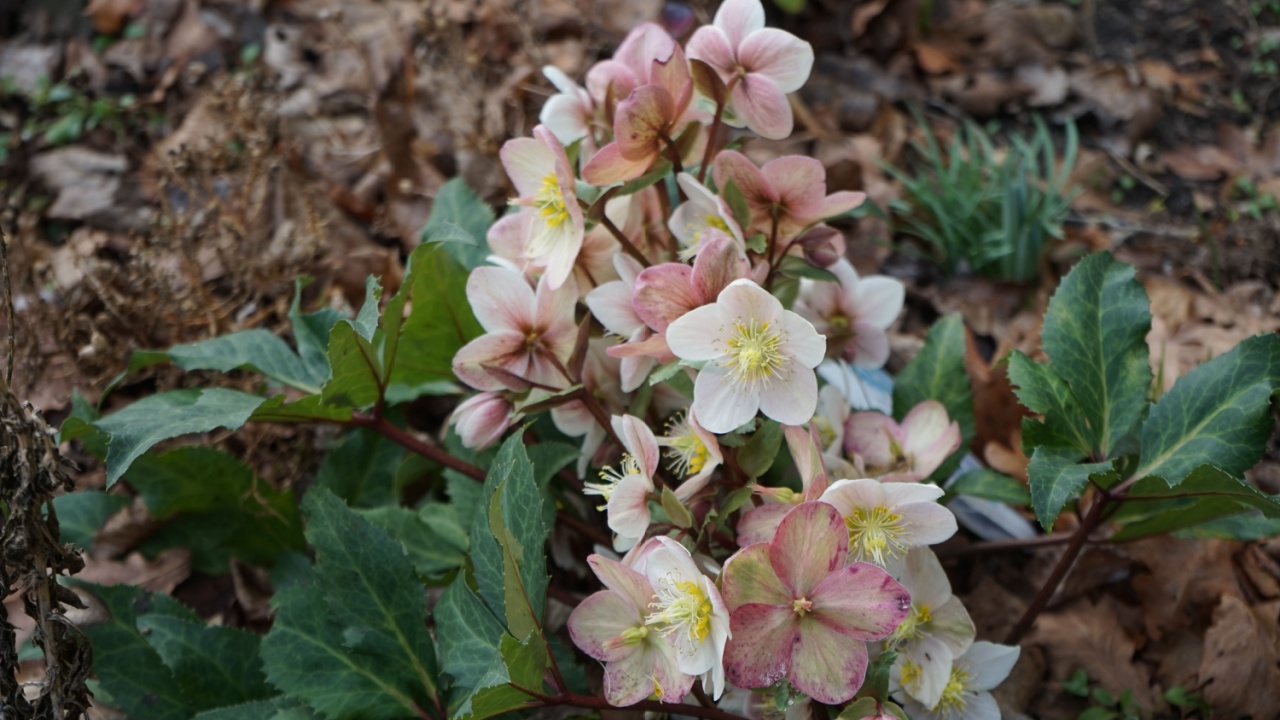
Image Credit: Shutterstock.
Late winter or early spring blooms in shades of white, pink, and green.
Why it’s deer resistant: Toxic alkaloids prevent most deer from feeding on foliage or flowers.
Care Tips: Plant in part to full shade with moist, rich soil. Mulch for winter protection; do not cut back evergreen leaves until new growth emerges.
13. Yarrow (Achillea spp.)
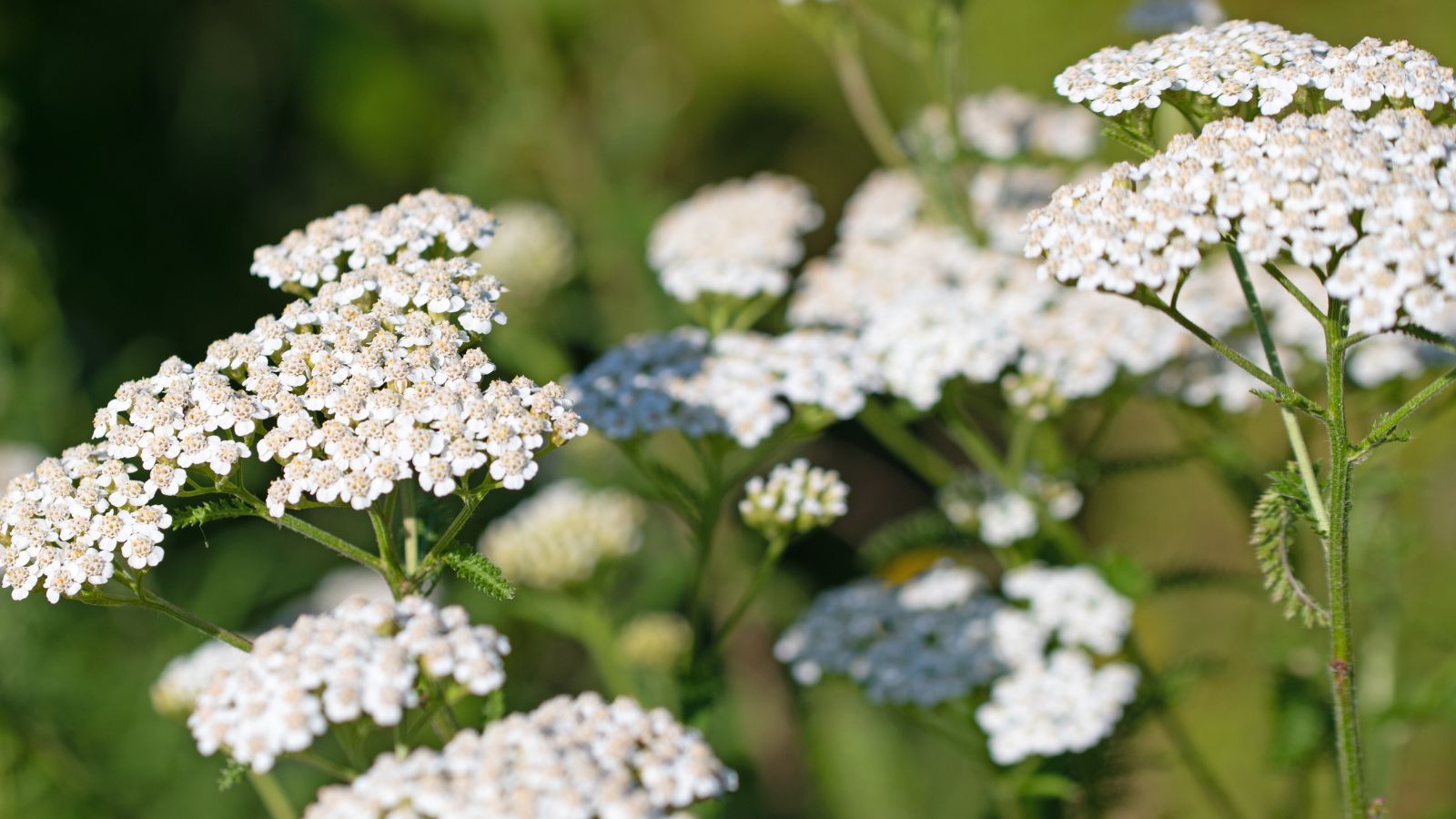
Image Credit: Depositphotos.com.
Flat clusters of yellow, pink, red, or white blooms emerge over ferny foliage all summer.
Why it’s deer resistant: Aromatic, bitter leaves and rigid texture are typically avoided.
Care Tips: Full sun and well-drained soil. Deadhead for extended bloom; divide old clumps every few years.
14. Allium (Ornamental Onion)
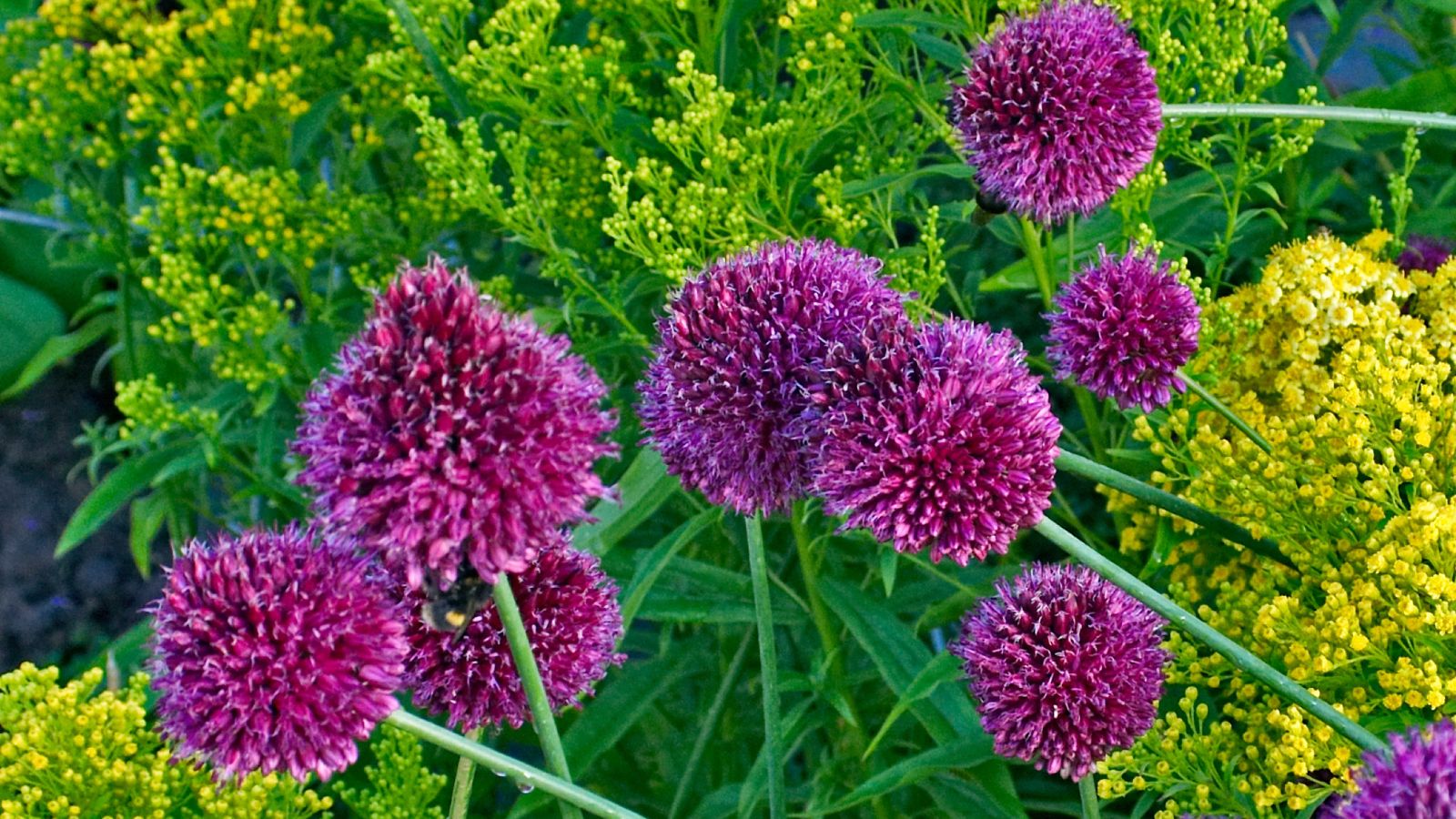
Image credit: YAY Images.
Balls of purple, pink, or white blooms atop strappy foliage.
Why it’s deer resistant: Strong onion odor and taste are unappealing to deer.
Care Tips: Plant bulbs in fall in full sun and well-drained soil. Allow foliage to die back fully before removing.
15. Blanket Flower (Gaillardia spp.)
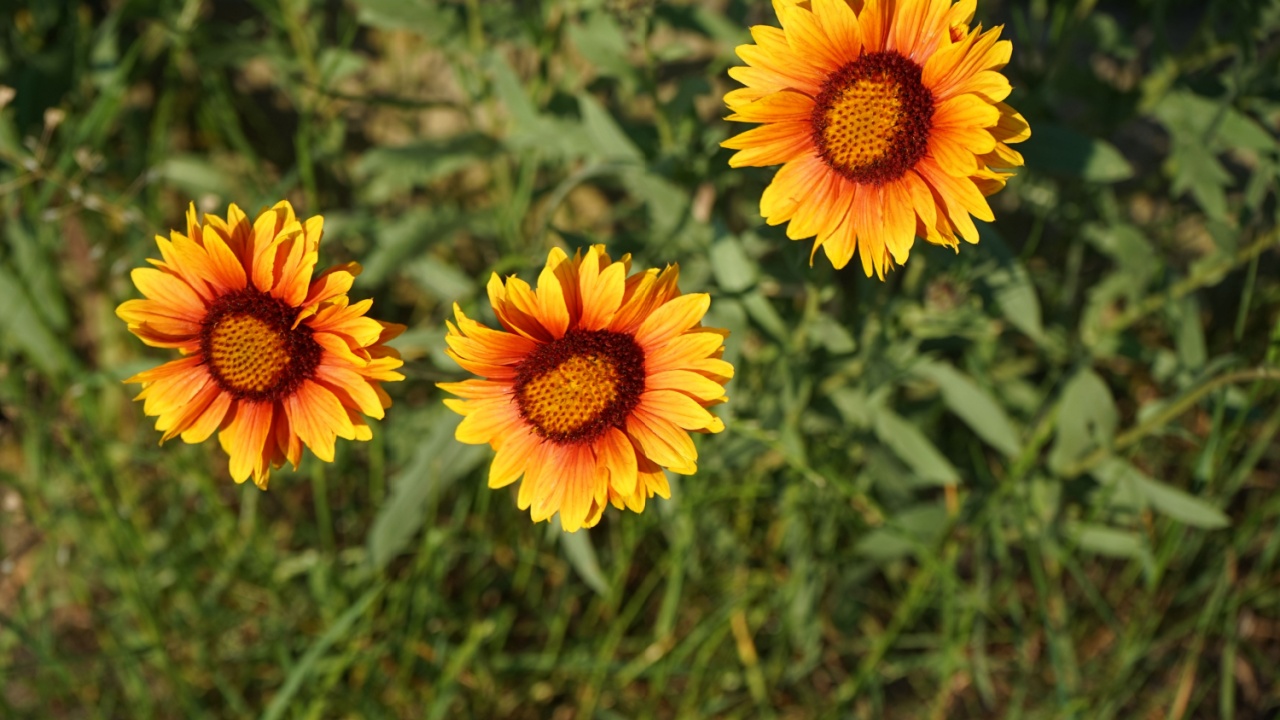
Image Credit: Shutterstock.
Flames of red and yellow daisy blooms atop rough, hairy foliage.
Why it’s deer resistant: Coarse leaf texture and unpleasant taste deter deer.
Care Tips: Full sun, well-drained soil. Deadhead frequently; the plant may self-seed vigorously.
16. Foxglove (Digitalis spp.)
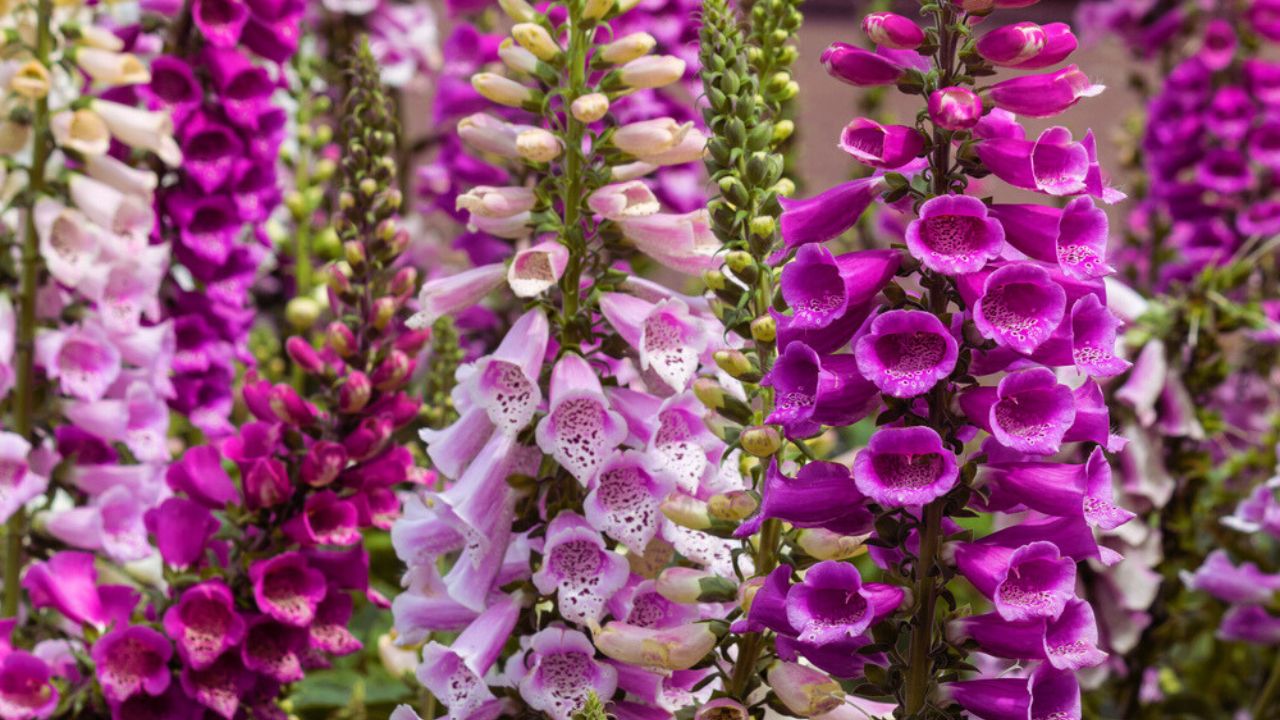
Image Credit: Shutterstock.
Dramatic spires of bell-shaped blooms in pastel shades.
Why it’s deer resistant: Foliage and sap contain toxic compounds that deer avoid.
Care Tips: Part-shade or morning sun; rich, moist, well-drained soil. Biennial or short-lived; allow self-seeding to maintain presence.
17. Astilbe (Astilbe spp.)
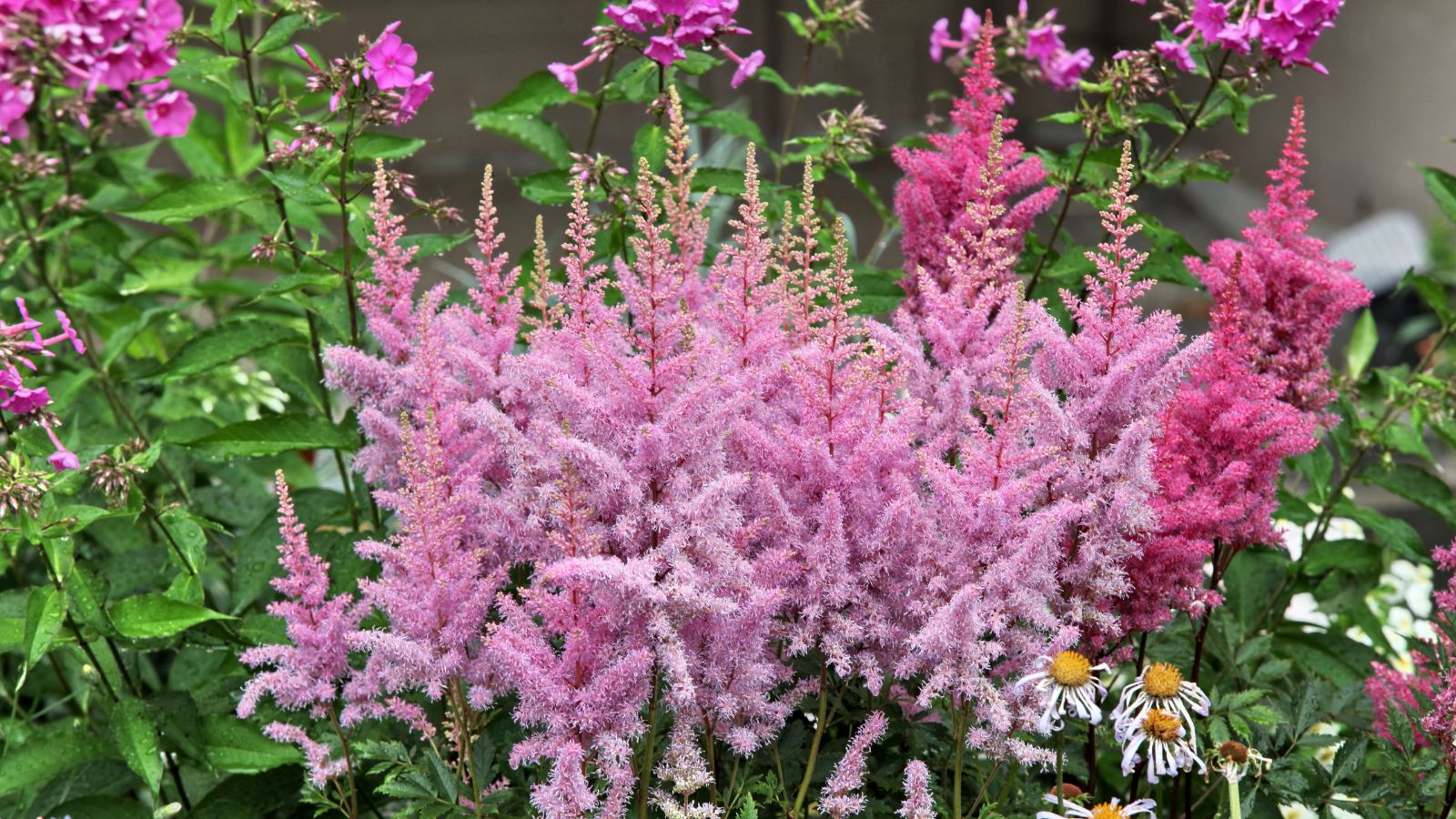
Image credit: YAY Images.
Feathery plumes in shades of pink, red, and white rise above fern-like leaves.
Why it’s deer resistant: Fuzzy foliage and plume texture discourage deer feeding.
Care Tips: Plant in partial shade with rich, moist soil. Deadhead after bloom; divide every few years to renew clumps.
18. Penstemon (Penstemon spp.)
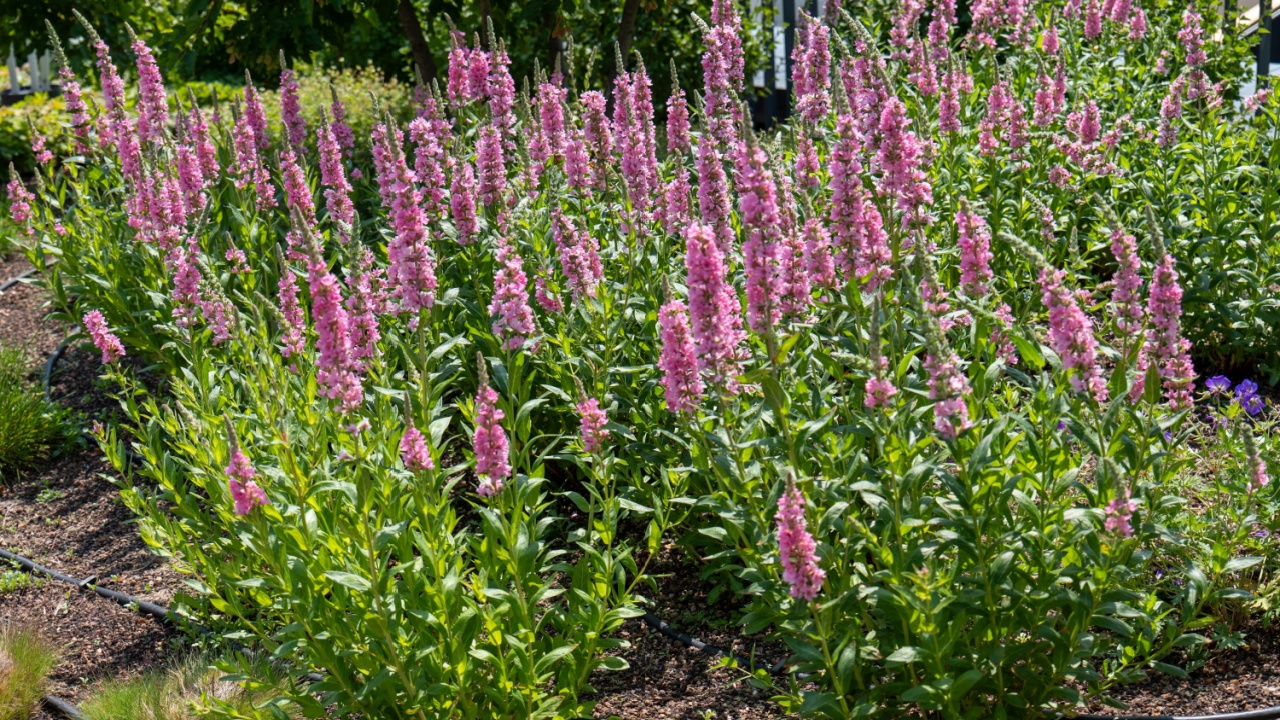
Image Credit: Shutterstock.
Elegant tubular flowers in shades of lavender, pink, or red.
Why it’s deer resistant: Glandular and bitter foliage often deters herbivores.
Care Tips: Full sun and well-drained soil. Minimal water once established; cut back spent blooms to encourage extra flowering.
Making Your Garden Less Irresistible to Hungry Pests

Image Credit: Shutterstock.
This curated list of 18 flowering perennials offers robust garden color, pollinator value, and excellent deer resistance. Though not deer-proof, these plants are generally avoided by deer owing to their defensive traits.
With proper planting and care—plenty of sun or shady spots, well-drained soil, regular deadheading, and occasional division—you’ll cultivate a vibrant, low-deer landscape season after season.