

Gardening and wildlife go hand in hand, but if you like gardening and you don’t like legless, slithering reptiles, you may have a small problem. Snakes don’t care about your manicured lawn or the price of mulch. They follow food, cover, and moisture. If your garden has mice, frogs, compost, logs, shady rocks, bird baths, or just a slightly damp habit, they’ll pop in for dinner.
Some of these snakes are just passersby. Others treat your yard like a drive-thru with no closing hours. Not all of them warn you first with a hiss or rattle. Some are quiet, quick, and venomous. You don’t need to panic, but you need to know who’s out there, who’s dangerous, and who might be lurking near the zucchini patch.
Here’s a list of snakes that may be in your yard (depending on where you live), not just for plant appreciation. Some may be non-venomous, but that doesn’t mean they’re harmless.
1. Eastern Diamondback Rattlesnake
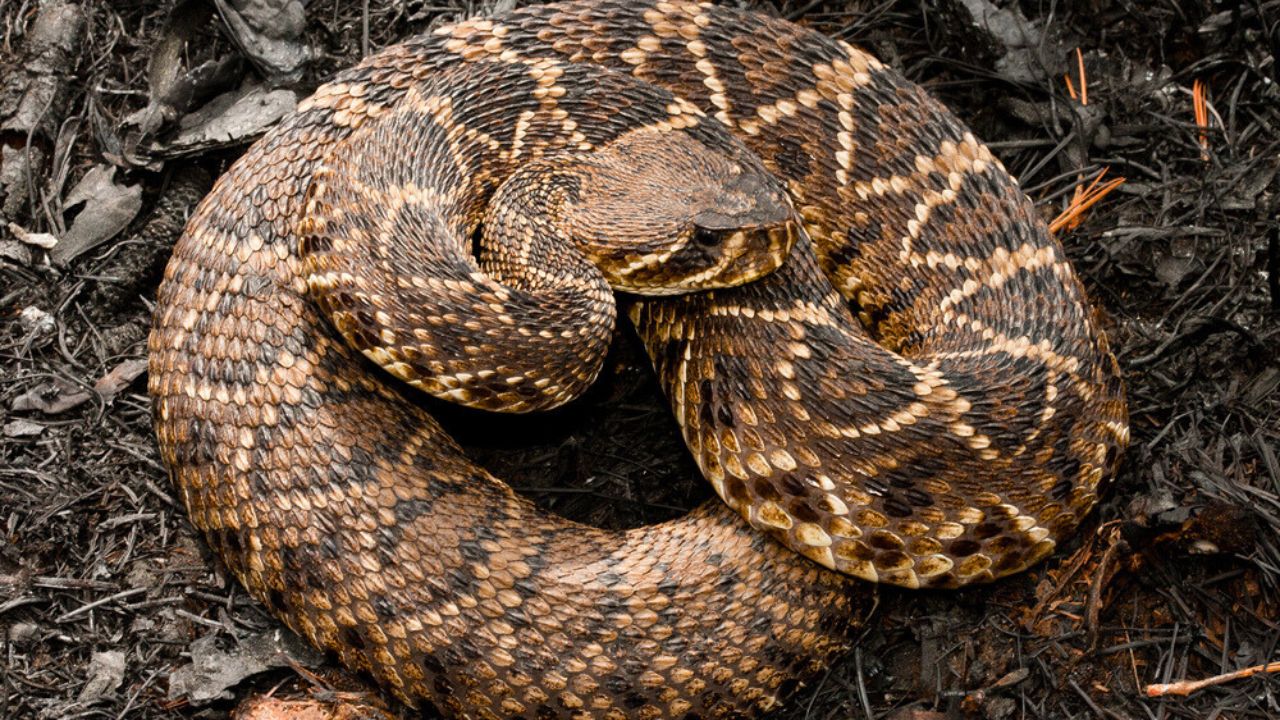
Image Credit: Shutterstock.
This one isn’t exactly shy. The Eastern Diamondback is the heavyweight of North American rattlesnakes, reaching up to 8 feet long and making its presence known with a loud buzz before coiling up to defend itself. Its venom can kill a human in a matter of hours. If your garden borders pine woods, scrubby fields, or sandy patches, this snake might consider your place part of the neighborhood.
They’re after rabbits, rats, and birds, so if you’ve got feeders, compost, or critters running around, you’re setting the table without realizing it. Most of the time, they keep to themselves, but if you surprise one, it won’t hesitate to strike. And no, swinging a rake won’t make you safer; it’s best to give this one plenty of space.
2. Mojave Rattlesnake
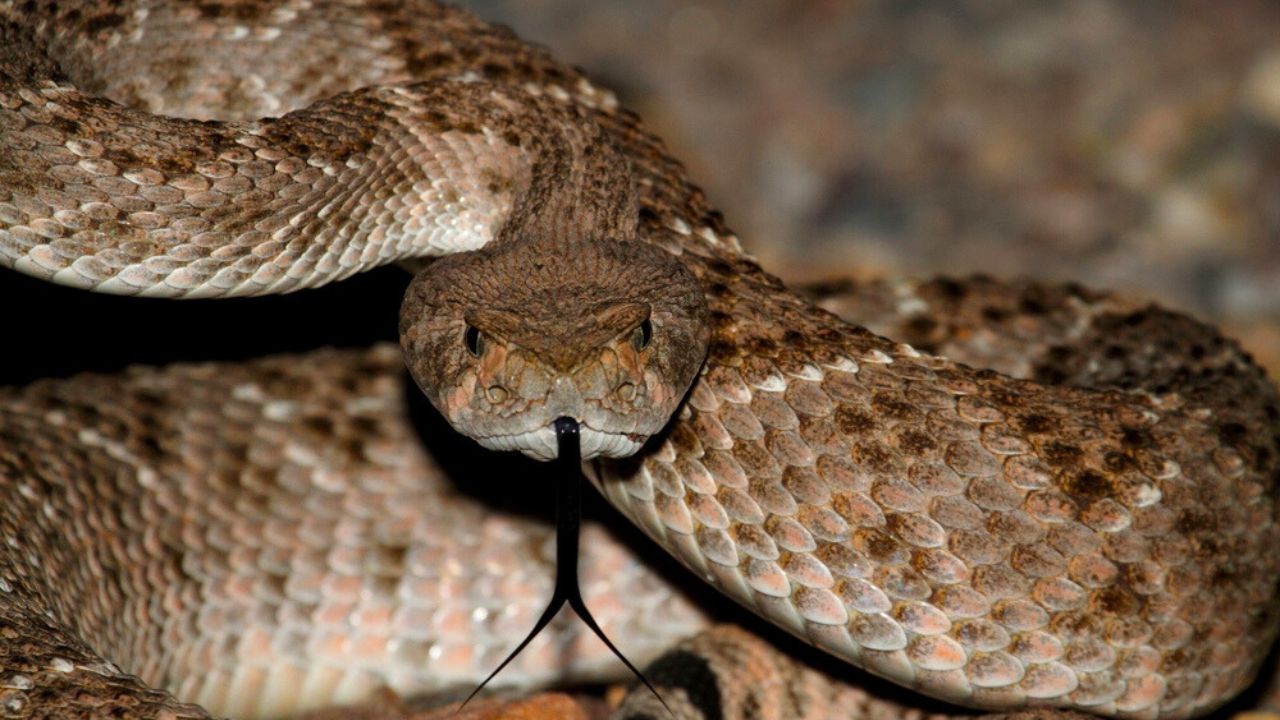
Image Credit: Shutterstock.
You don’t want this one setting up shop in your garden. Found in the southwestern U.S., especially in California, Arizona, and Nevada, the Mojave Rattlesnake comes with venom that affects both nerves and blood. It looks like a regular rattler, but don’t be fooled, its bite is one of the most toxic in the country.
It sticks to desert scrub, grasslands, and open areas with just enough cover to hide. Gardens with woodpiles, rock borders, or patches of dry brush offer perfect hiding spots. They’re active in the evening, so barefoot sunset strolls aren’t a great idea if you’re in Mojave territory.
3. Cottonmouth (Water Moccasin)
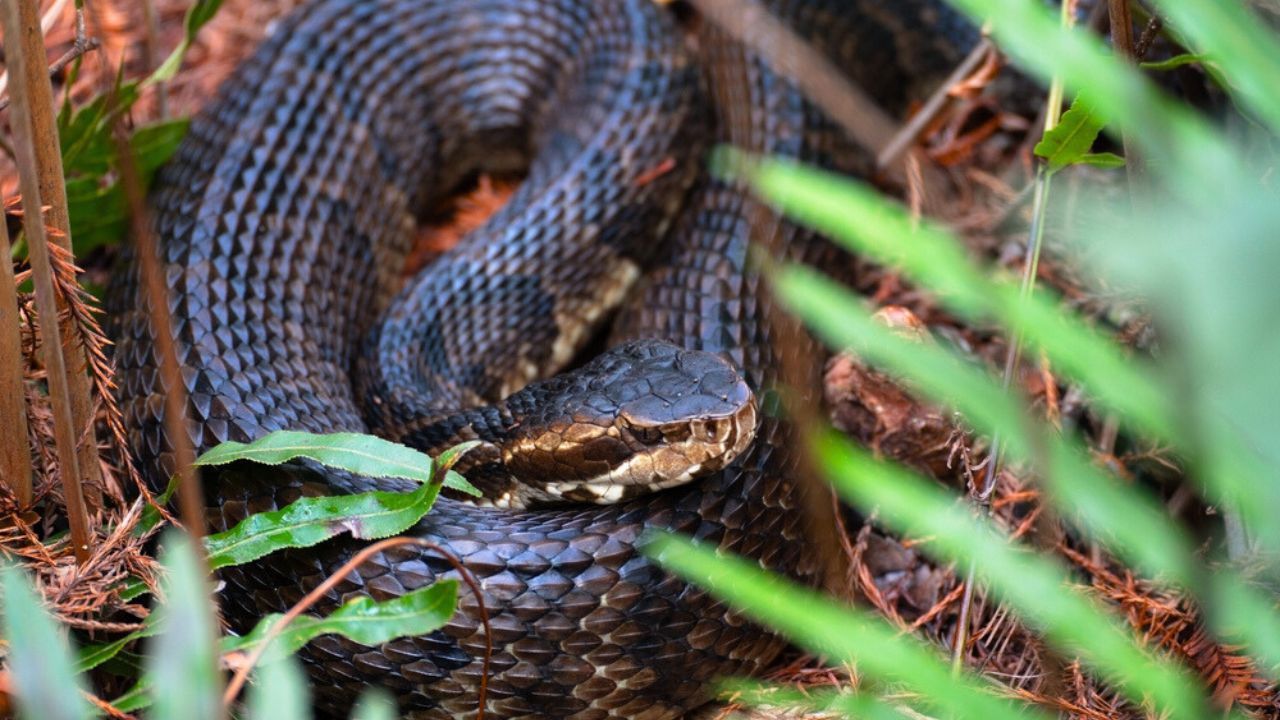
Image Credit: Shutterstock.
This snake doesn’t need to be near a swamp to show up. If you’ve got a garden pond, birdbath overflow, or even a mucky ditch nearby, a cottonmouth might slither in. Found in the southeastern U.S., they’re big, dark, and not afraid to hold their ground.
They hunt fish, frogs, and small mammals. If your backyard has both water and critters, it’s on their radar. They’ll often flash the white inside of their mouth as a warning before striking. If you see that gaping display, back away—quickly.
4. Copperhead
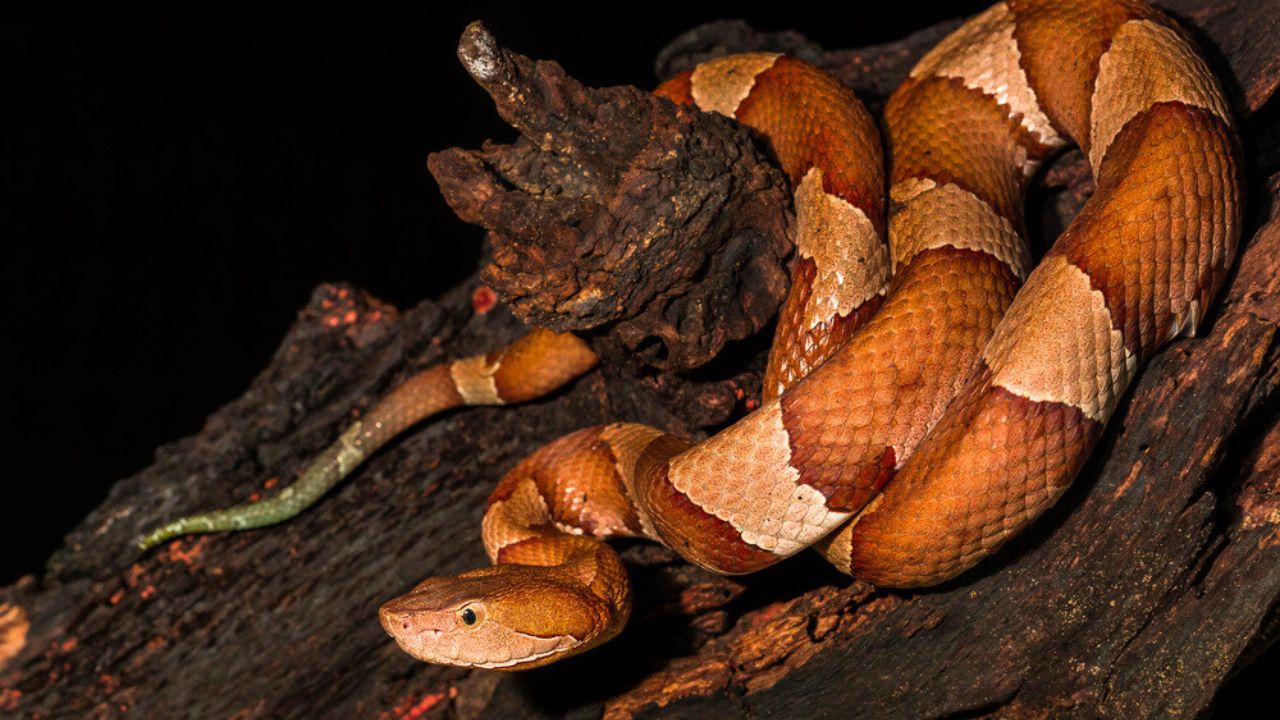
Image Credit: Shutterstock.
This North American native is a master of blending in. Its tan and rust-colored bands match mulch beds and leaf piles so well that people often step on them without noticing. That’s how most bites happen. They don’t flee. They freeze. And then they hit.
Copperhead venom isn’t the deadliest, but it hurts. Badly. Think tissue damage, swelling, and a multi-week recovery that might involve surgery. If you’re the type who walks barefoot while watering the tomatoes, you’re exactly the kind of human they catch off guard.
5. Texas Indigo Snake

Image Credit: Sumit S B at Shutterstock.
This one’s a wildcard. The Texas Indigo Snake is nonvenomous, but it earns a spot on this list because it hunts and eats venomous snakes (a reason to keep them around), often dragging them through yards. It’s lightning fast and will bite if cornered, with sharp teeth and a powerful jaw.
You might find shed skins or leftover prey in your garden before you see the snake itself. If you live in southern Texas and your yard backs up to open scrubland, this large, aggressive predator might be patrolling it already.
6. Brown Tree Snake
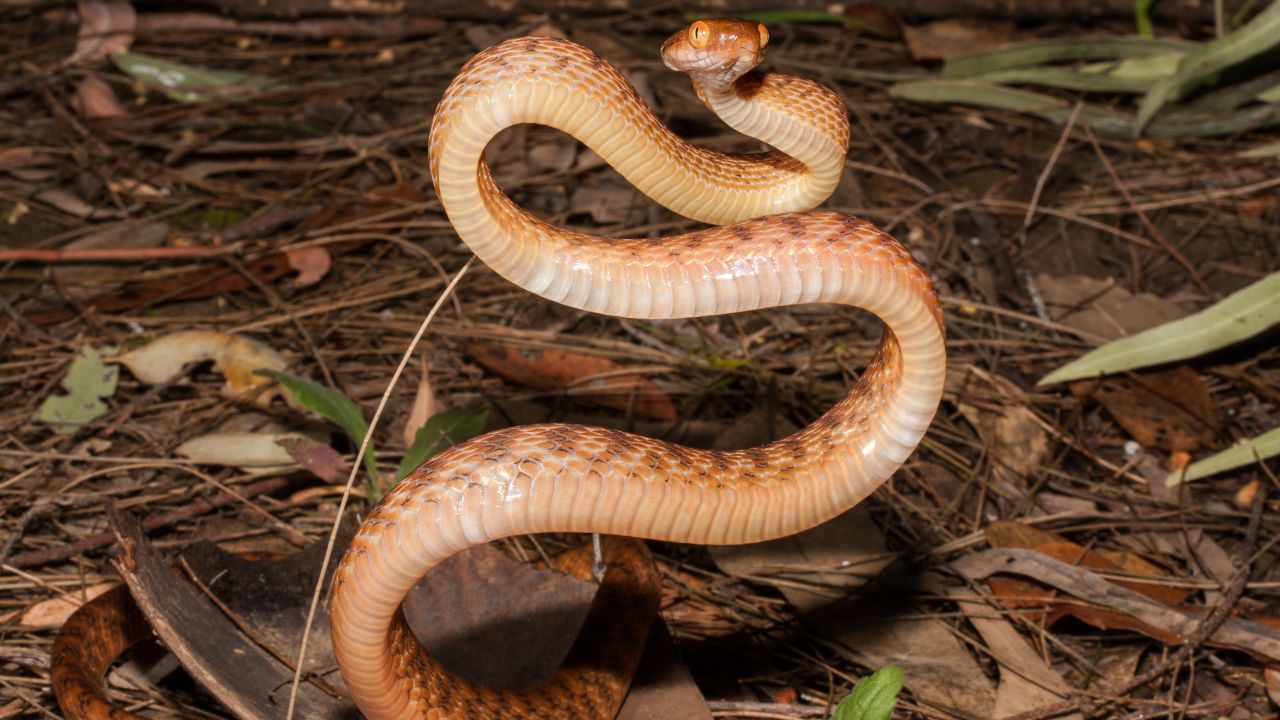
Image Credit: Shutterstock.
This one isn’t on the mainland, but it’s a huge problem in Guam and other U.S. Pacific territories. The Brown Tree Snake is mildly venomous and extremely invasive. It climbs trees and buildings, enters homes, and has caused major blackouts by shorting out electrical systems.
It feeds on birds, rodents, and eggs—so if you’ve got nesting boxes, fruit trees, or dense shrubbery, it’ll take notice. And while its venom usually targets small prey, it has caused serious reactions in children and small pets.
7. Western Diamondback Rattlesnake
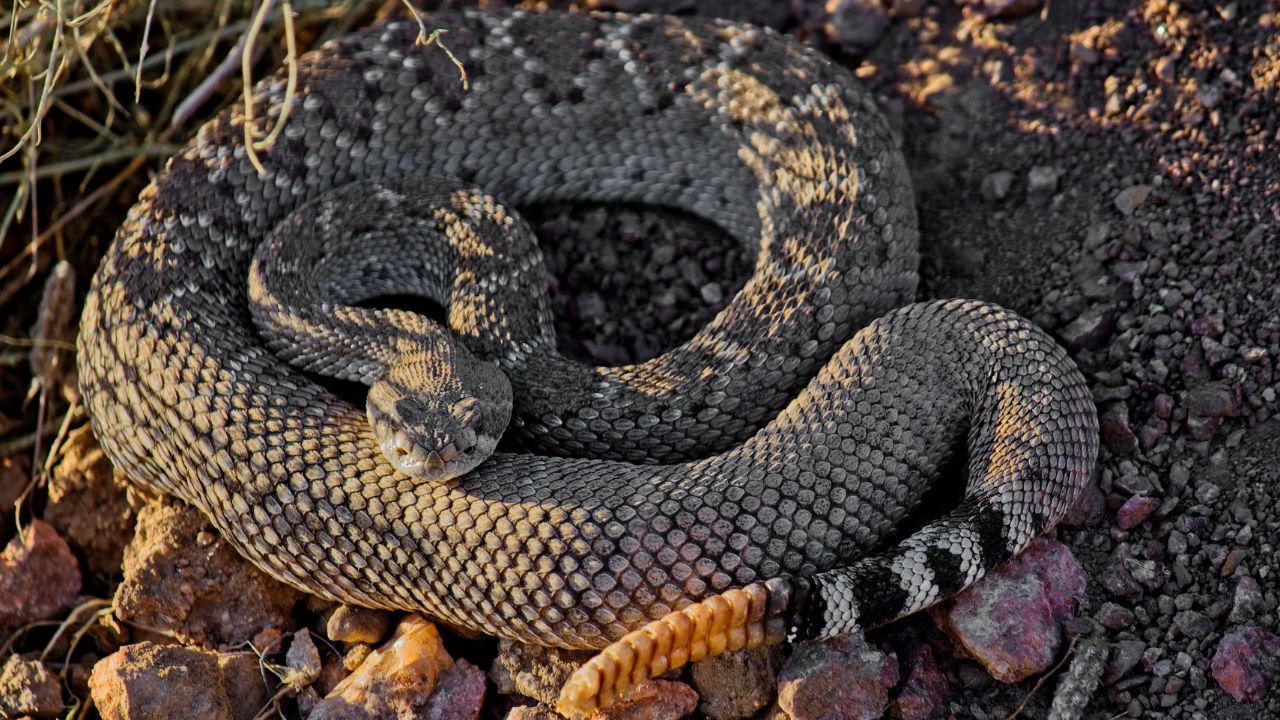
Image Credit: Shutterstock.
This desert dweller has a short fuse and a wide range. Found in Texas, Arizona, and surrounding states, the Western Diamondback likes rocky gardens, woodpiles, and shady porches. If you’re tossing yard debris into the corner or letting that brush pile sit all season, you’re making it feel right at home.
Its venom can cause swelling, bleeding, and tissue destruction. They’ll rattle to warn you off, but not always right away. Give them space and don’t assume you’ll always hear them coming.
8. Eastern Coral Snake
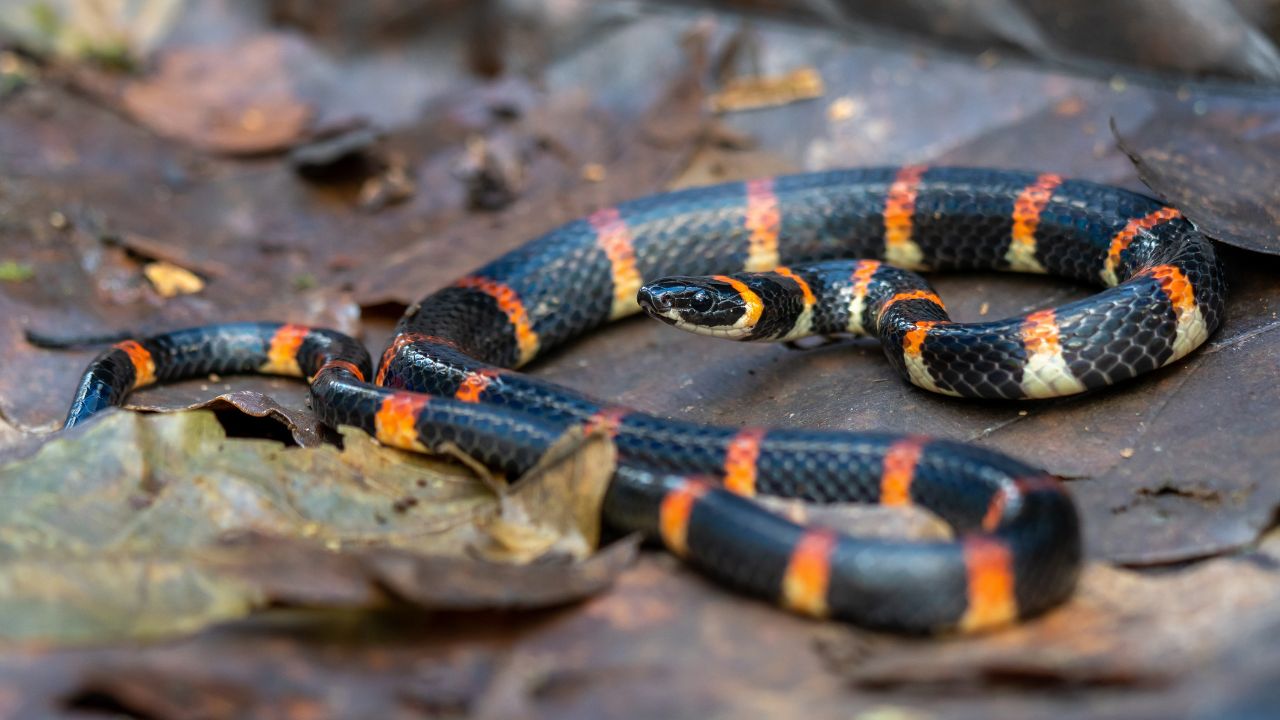
Image Credit: Shutterstock.
The red-yellow-black color combo should scream “don’t touch,” but they’re often confused with harmless mimics like the scarlet kingsnake. The Eastern Coral Snake is found in the southeastern U.S., especially in Florida and parts of the Gulf Coast, and its neurotoxic venom attacks the nervous system.
They like sandy soil, rotting logs, and quiet corners of the yard that don’t get much foot traffic. They don’t go out looking for people, but pick one up by accident while moving firewood, and you’ve got a real emergency on your hands.
9. Timber Rattlesnake

Image Credit: Shutterstock.
This is one of the more mellow rattlers, until it isn’t. Timber Rattlesnakes live throughout the eastern U.S., from the Appalachian foothills to wooded suburbs and even urban parks. They’re big, patient, and will usually rattle before they strike, but that’s not a guarantee.
They’re drawn to rodents, so bird feeders, compost, or chicken coops can draw them in. If your garden touches woodland or rocky outcroppings, they might be coiled up in the shade by the time you’re planting tomatoes.
10. Prairie Rattlesnake

Image Credit: Shutterstock.
Gardeners out west aren’t off the hook. The Prairie Rattlesnake roams across the central and western U.S., from Montana to New Mexico. It prefers dry, grassy areas and rocky outcroppings, but will happily take shelter near a fence line, garden shed, or compost heap.
Its venom is potent, and bites can cause bleeding, tissue damage, and swelling. They’re active during the day, especially when it’s cooler in spring and fall, and they’ll strike if startled while sunbathing near your flower beds.
11. Eastern Massasauga
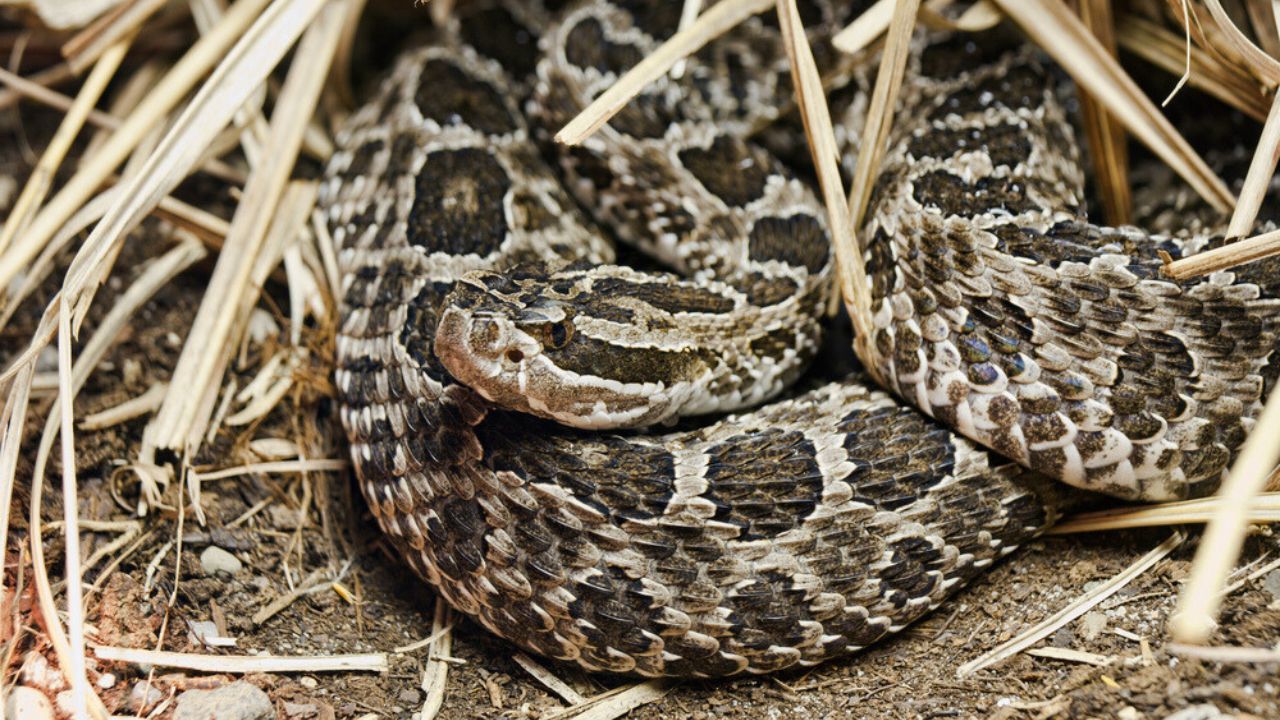
Image Credit: Shutterstock.
This small rattlesnake lives in parts of the Midwest and Great Lakes regions, usually near wetlands or damp meadows. It’s rare and listed as threatened in many areas, but it still turns up in backyard gardens that butt up against its habitat.
It’s quiet, rarely rattles, and will usually flee, but not always fast enough. Its venom causes swelling and pain, and a bite can still send you to the ER. Gardens with thick native plants or seasonal puddles are enough to catch its attention.
12. Coachwhip
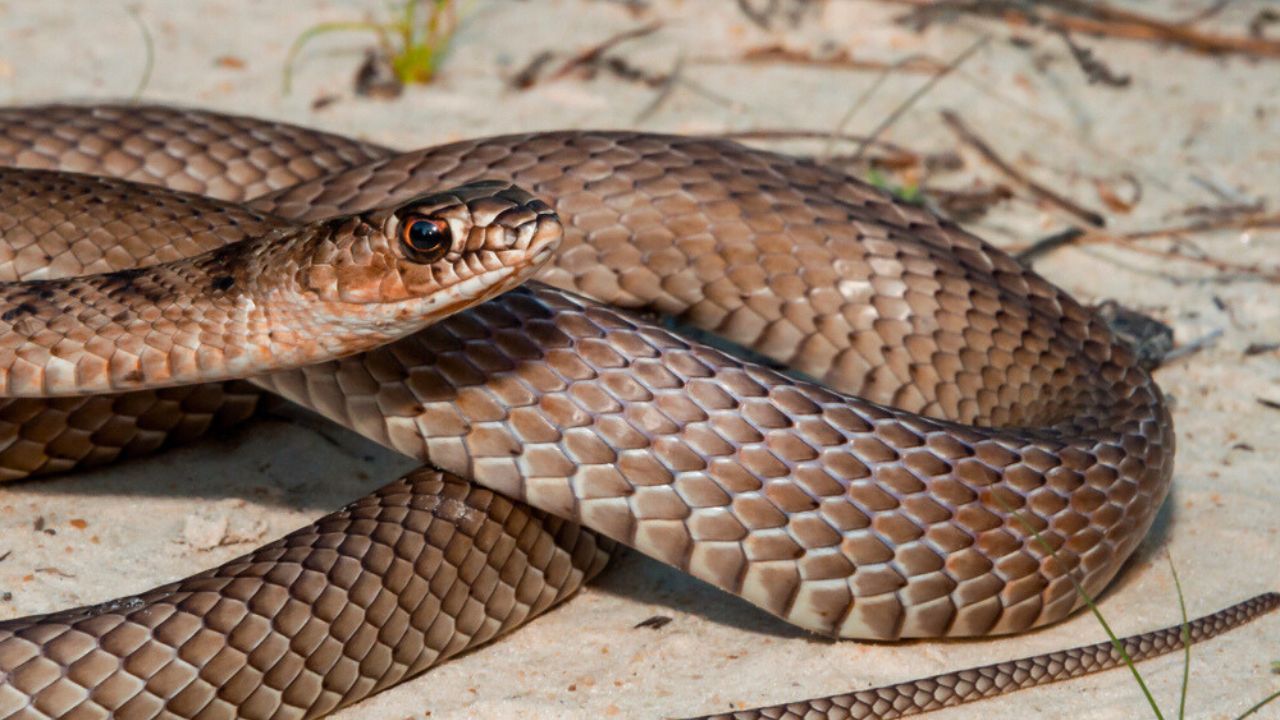
Image Credit: Shutterstock.
The Coachwhip is a long, fast, and defensive snake found across the southern U.S. from California to Florida. It’s not venomous, but it’s known to strike repeatedly if cornered—and it has a reputation for charging when startled.
It likes dry, open spaces with good ground cover and rocks. If you’ve ever seen something blur across the yard and disappear under a shed, it could have been a Coachwhip on the hunt for lizards or small rodents.
13. Dusky Pygmy Rattlesnake

Image Credit: Shutterstock.
If “small but dangerous” were a snake, it would be the Dusky Pygmy Rattlesnake. It maxes out around 2 feet but isn’t shy about standing its ground. It’s common in the Southeast, especially Florida, and loves to curl up in leaf piles, flower beds, and near water features.
Its venom is less powerful than its bigger cousins, but it still causes intense pain, swelling, and possible infection. And because it’s small and camouflaged, most people don’t see it until it’s too late.
14. Northern Black Racer (Coluber Constrictor)

Image Credit: Shutterstock.
The Northern Black Racer isn’t venomous, but it qualifies as dangerous for one reason: it’s fast, aggressive when cornered, and will bite multiple times in quick succession. Found throughout the eastern U.S., including suburban and semi-rural gardens, this long, slender snake is quick to panic and quicker to lash out. It’s territorial and may even chase off smaller predators, including cats.
It preys on rodents, frogs, and birds, and will patrol open yards, compost piles, and sheds. Expect a flurry of bites if you disturb it while trimming the hedge or reaching into a woodpile. The wounds may not be venomous, but they’re painful, bloody, and prone to infection.
How to Keep Snakes Away
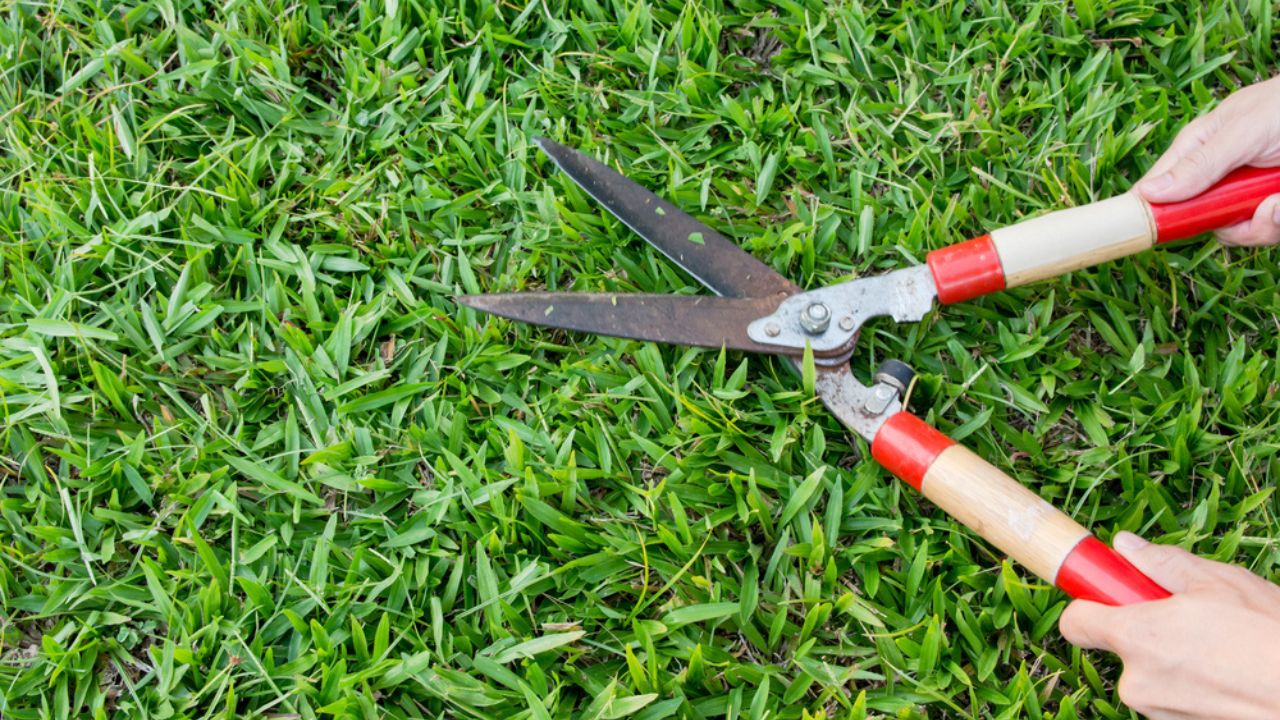
Image Credit: Shutterstock.
Snakes don’t usually want a fight, but a garden full of hiding spots, small animals, and standing water is an invitation. If you live in snake country, it’s not enough to hope they stay away. Trim the weeds, clear the brush, clean up the woodpile, and learn what venomous species live in your region. Every gardener learns about pests, but the ones with fangs deserve their own chapter.