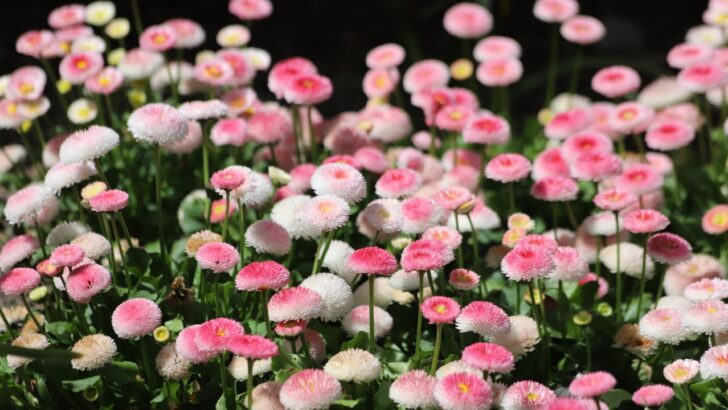
Daisies are some of the most beloved flowers for gardeners, and it’s easy to see why. With their cheerful blooms and low-maintenance nature, daisies add a touch of whimsy and brightness to any outdoor space.
Originating from the diverse and versatile Asteraceae family, these flowers thrive in a variety of climates and conditions. More than just classic white petals with yellow centers, there are thousands of daisy varieties offering a rainbow of colors, different sizes, and unique characteristics.
Many daisy types are also pollinator-friendly, making them a great way to support bees and butterflies in your area. Whether you’re looking for a flower to complement a wildflower garden, line a walkway, or make a striking statement, there’s a daisy perfect for the job.
Here’s a closer look at 28 daisy varieties to inspire your garden planning.
1. Oxeye Daisy (Leucanthemum vulgare)
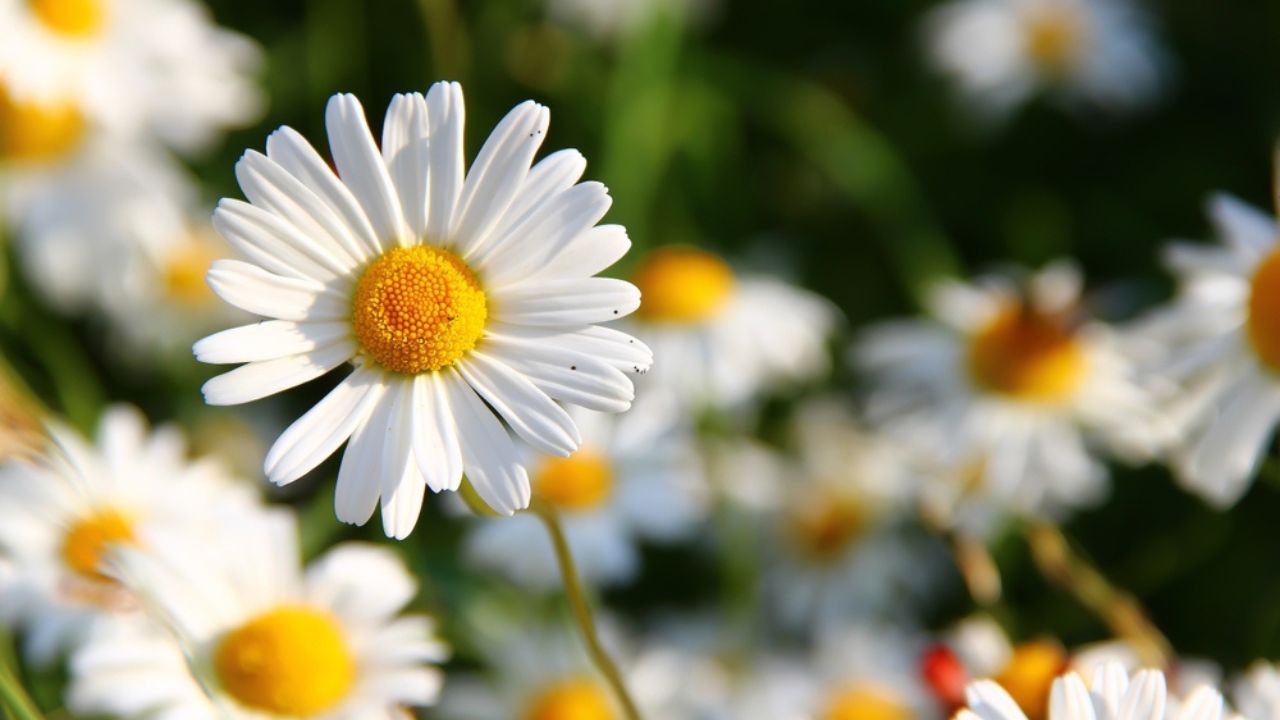
Image Credit: Shutterstock.
The quintessential daisy that comes to mind for most gardeners, the oxeye daisy is simple yet charming. With its bright white petals surrounding a sunny yellow center, this daisy grows abundantly in meadows and grasslands, sometimes to the point of being invasive. Oxeye daisies also go by the name of “Dog Daisy.” They grow up to 20 inches tall and are easy to care for in well-drained soil.
2. Shasta Daisy (Leucanthemum × superbum)
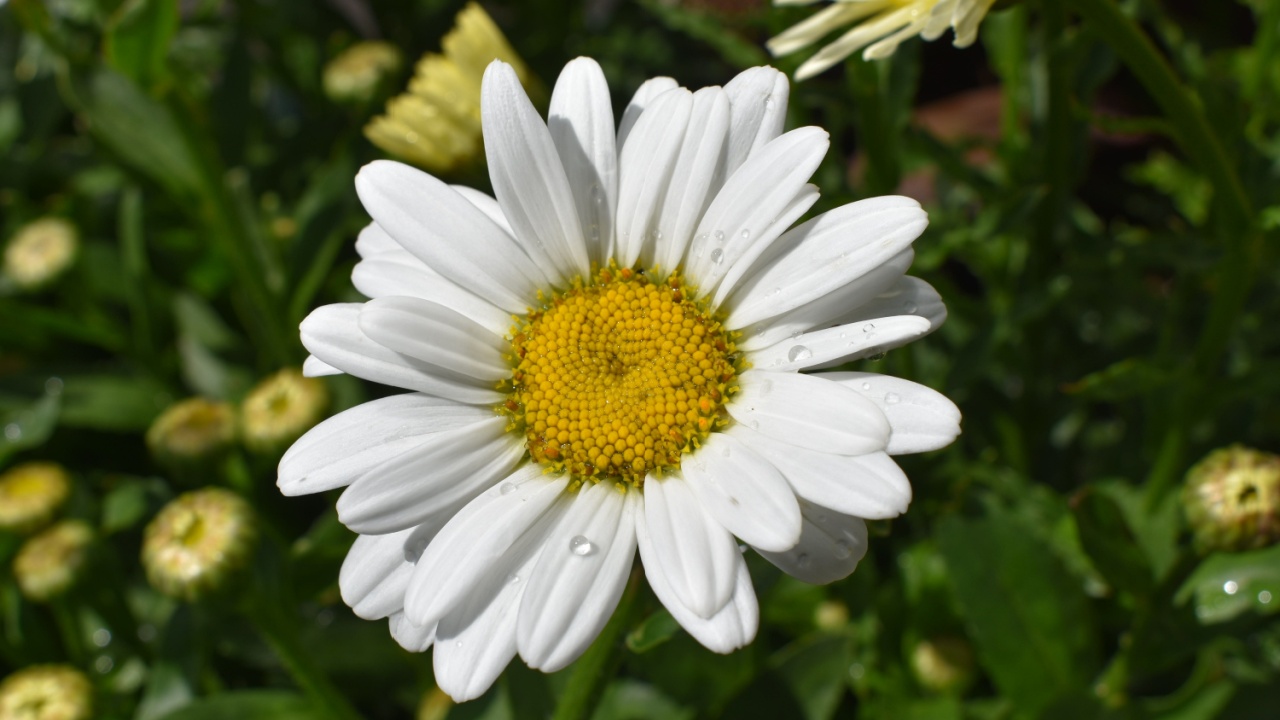
Image Credit: Shutterstock.
One of the most popular daisy varieties in cultivated gardens, the Shasta daisy offers a larger and more structured look than the classic oxeye. It forms bushy clumps with flowers that can span up to 3 feet tall and wide. This perennial enjoys full sun and is a favorite for cut flower arrangements. It is also commonly called “Alaska Daisy.”
3. Marguerite Daisy (Argyranthemum frutescens)

Image Credit: Depositphotos.com.
Marguerite daisies are known for their aromatic foliage and dainty flowers that bloom in shades of white, pink, or yellow. Perfect for borders or containers, these daisies thrive in sunny spots and warm temperatures. Native to the Canary Islands, they’re occasionally referred to as “Paris Daisy.”
4. Gerbera Daisy (Gerbera jamesonii)
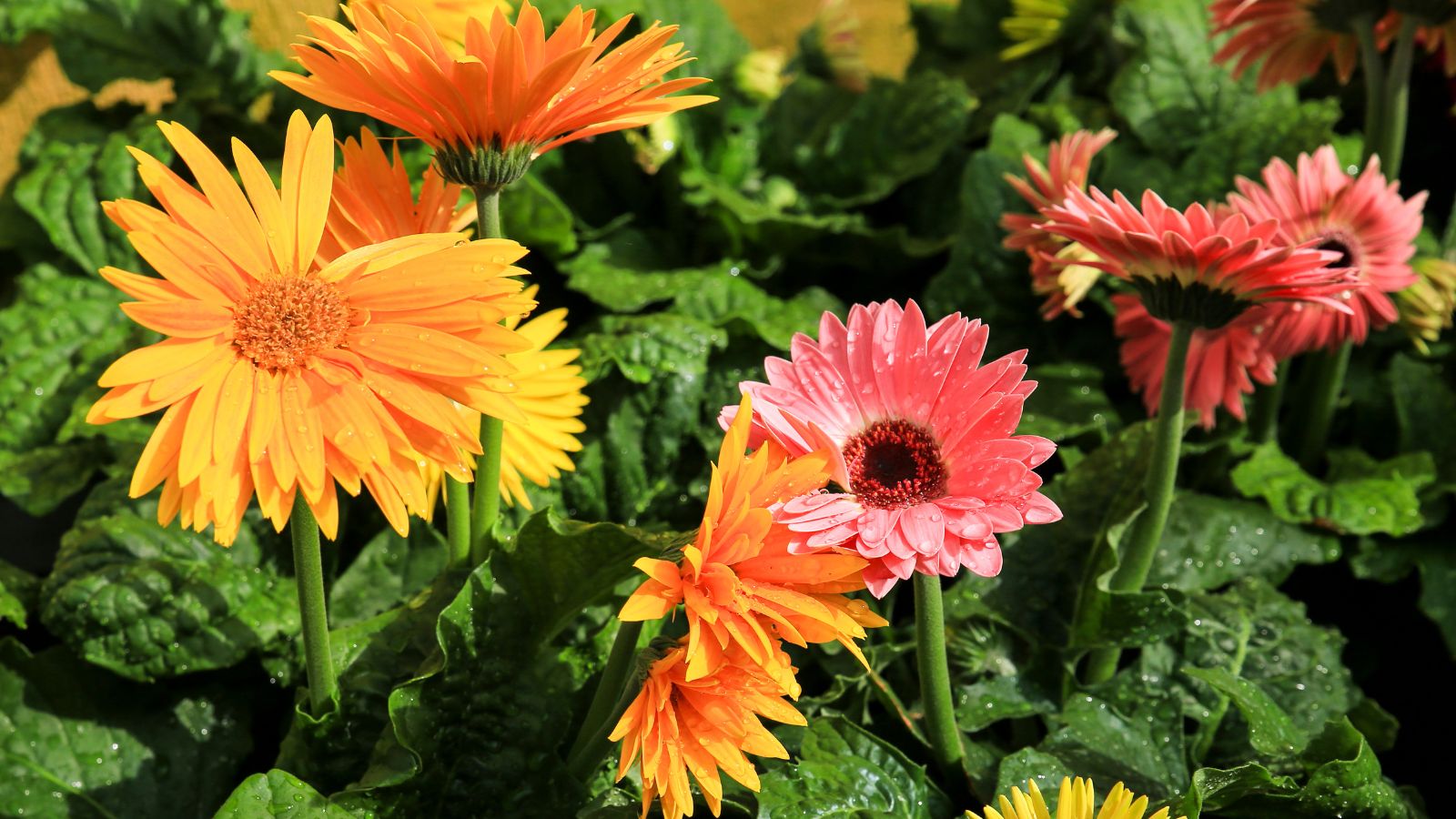
Image credit: YAY Images.
These striking daisies come in vibrant shades that include orange, pink, red, and yellow. Gerbera daisies, or Transvaal daisies, bring a tropical flair to gardens and are beloved for their pollinator-attracting blooms. These tender perennials are often grown as annuals in colder climates.
5. African Daisy (Osteospermum spp.)

Image credit: YAY Images.
Also called “Cape Daisies,” these stunning flowers are known for their bi- or tri-colored petals, often with deep purple or blue center hues. African daisies are heat-tolerant annuals that shine brightest in full sun.
6. Blanket Flower (Gaillardia)
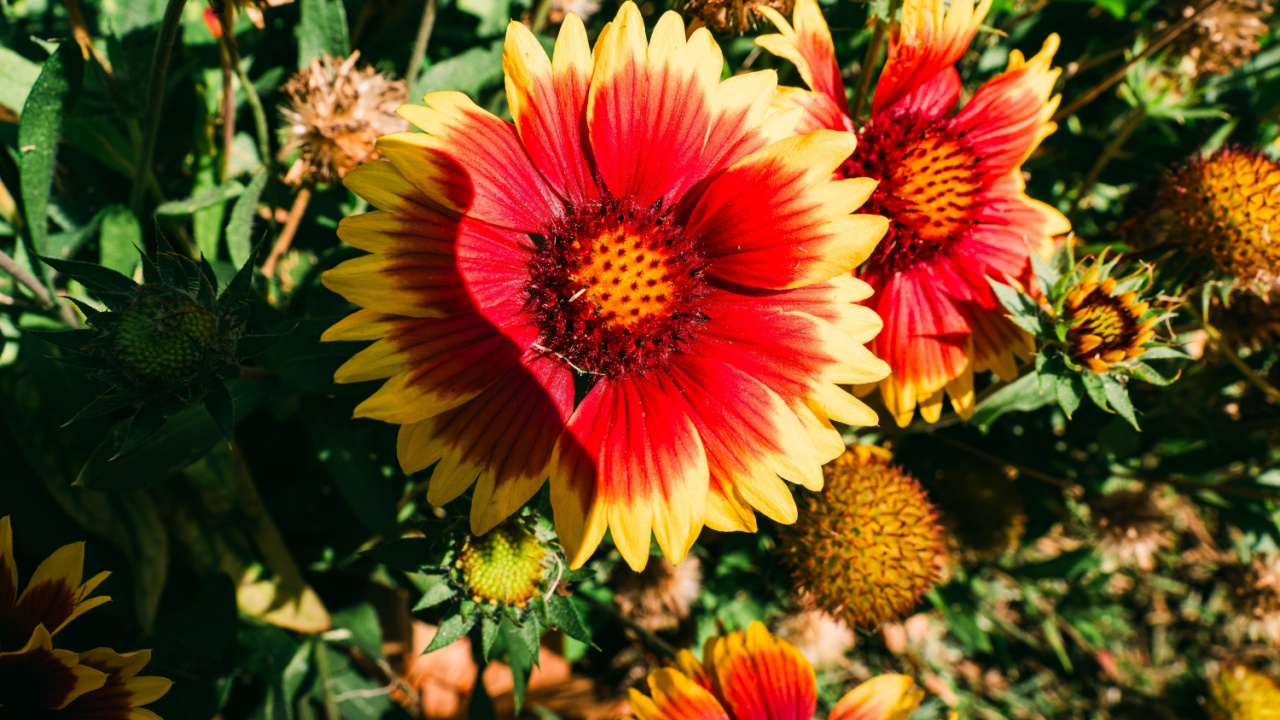
Image Credit: Shutterstock.
Sometimes called “Indian Blanket,” this North and South American native features warm hues of red, orange, and yellow. Blanket flowers are drought-tolerant charmers that thrive in sunny, well-drained soil.
7. Golden Marguerite (Anthemis tinctoria)
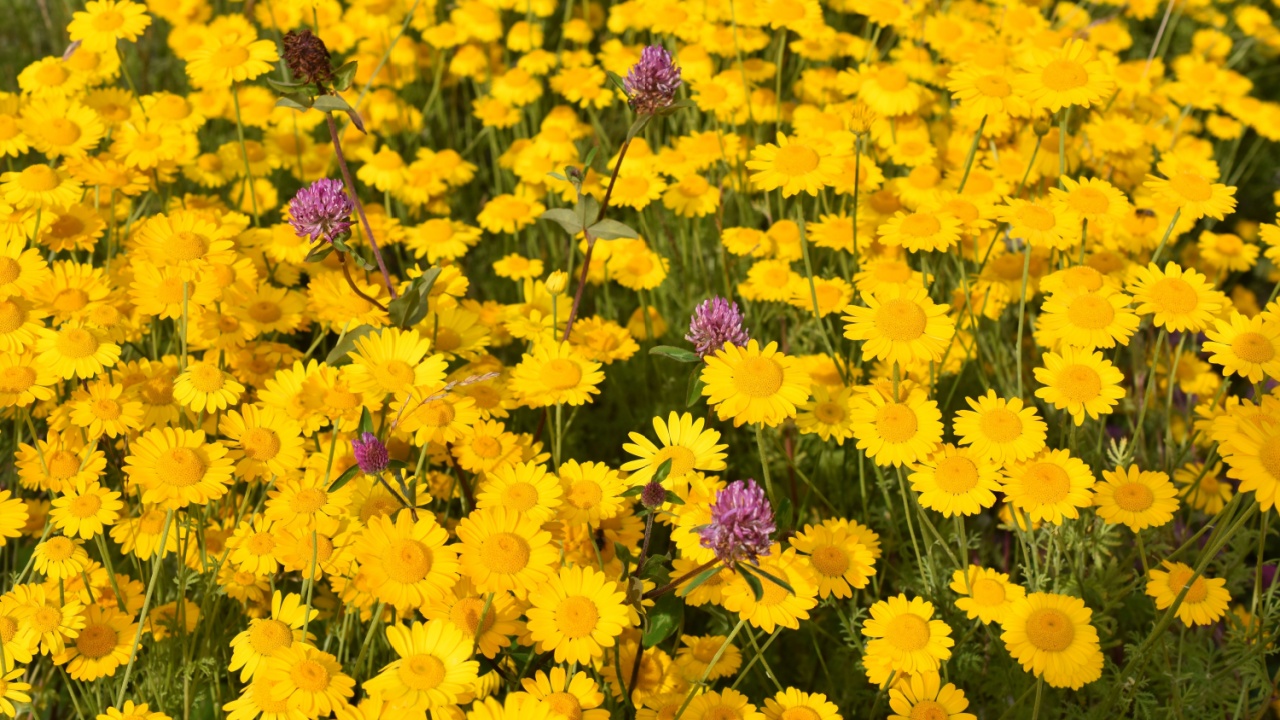
Image Credit: Shutterstock.
Golden Marguerites, also known as “Golden Chamomile” or “Boston Daisy,” add a vibrant yellow burst to cottage gardens. Known for their resilience, these perennials thrive in zones 3 to 8, making them adaptable to various climates.
8. Gloriosa Daisy (Rudbeckia hirta)
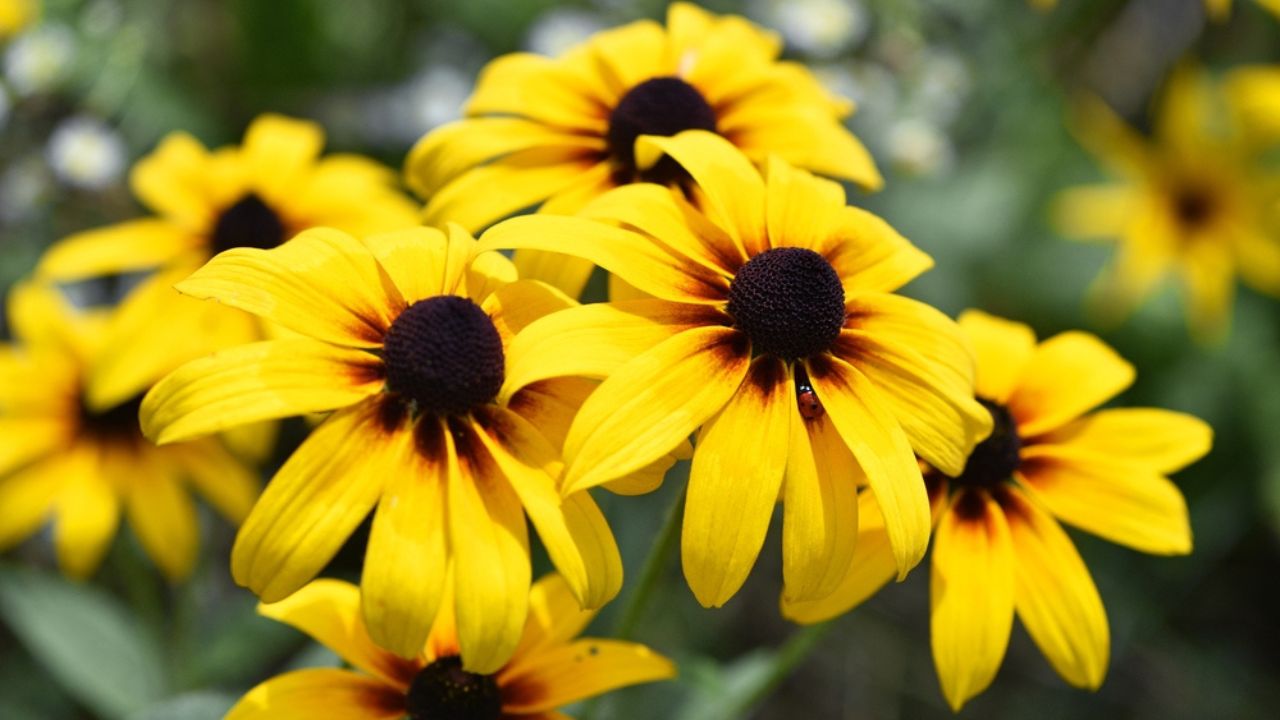
Image Credit: Shutterstock.
A cultivated variety of Black-Eyed Susan, Gloriosa daisies are larger and often more vivid than their wild cousins. With their striking, golden petals and dark centers, they bring dramatic flair to late summer gardens.
9. Blue Marguerite Daisy (Felicia amelloides)
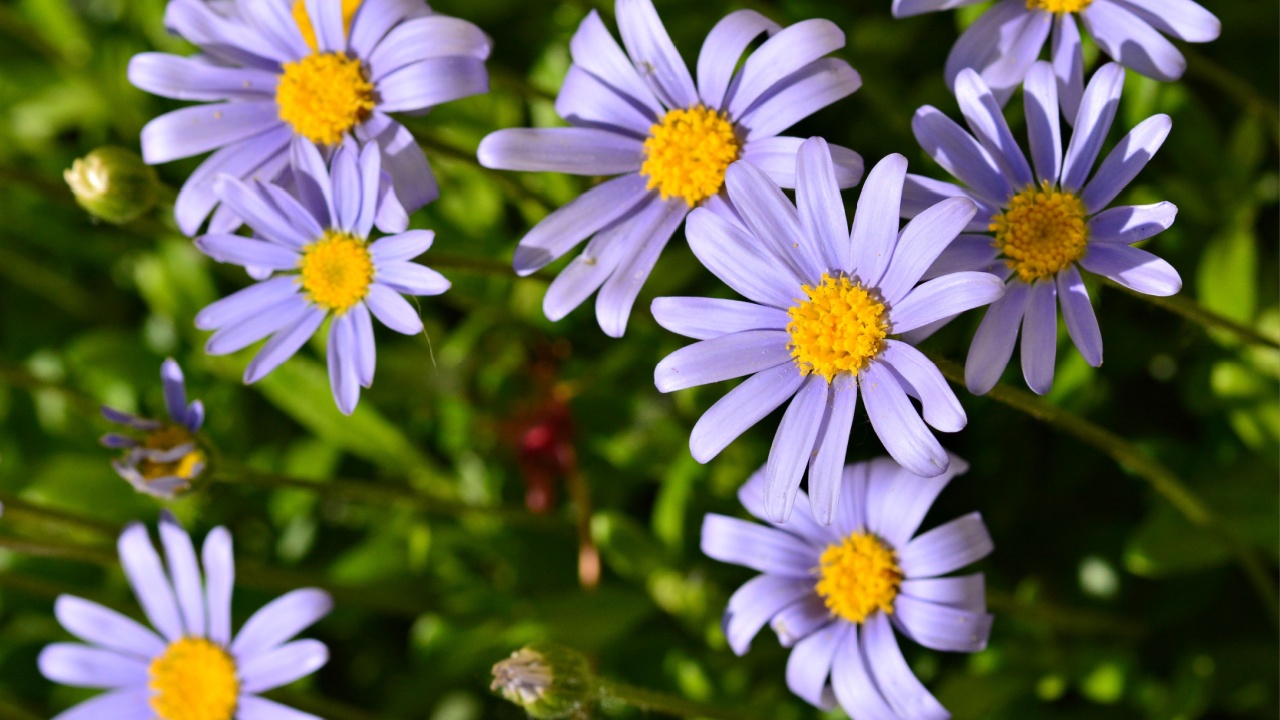
Image Credit: Shutterstock.
This unique daisy from South Africa features sky-blue petals contrasted with a golden center. It flourishes in mild summers and is often used as an annual in cooler regions.
10. Cape Daisy (Osteospermum ecklonis)
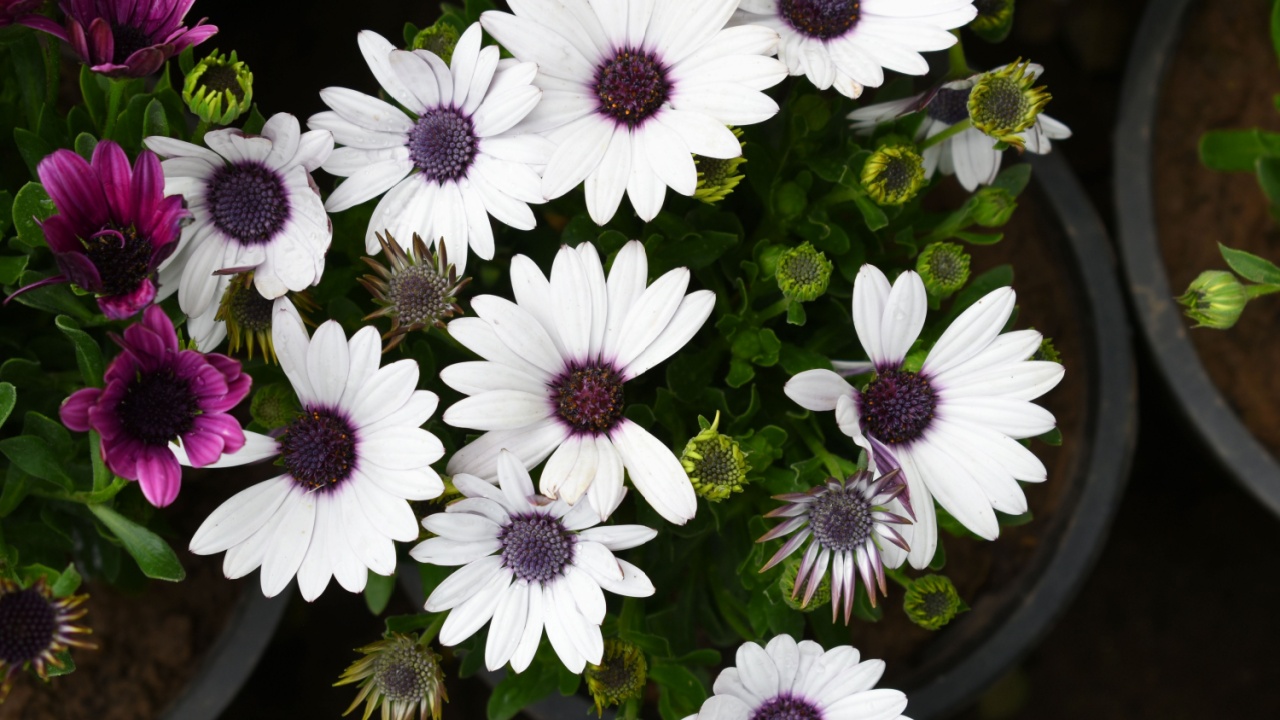
Image Credit: Shutterstock.
Similar to African daisies, Cape daisies flaunt large, colorful blooms on a shrub-like plant. Bees and butterflies are drawn to these bright flowers, which grow best in full sun.
11. Damianita (Chrysactinia mexicana)
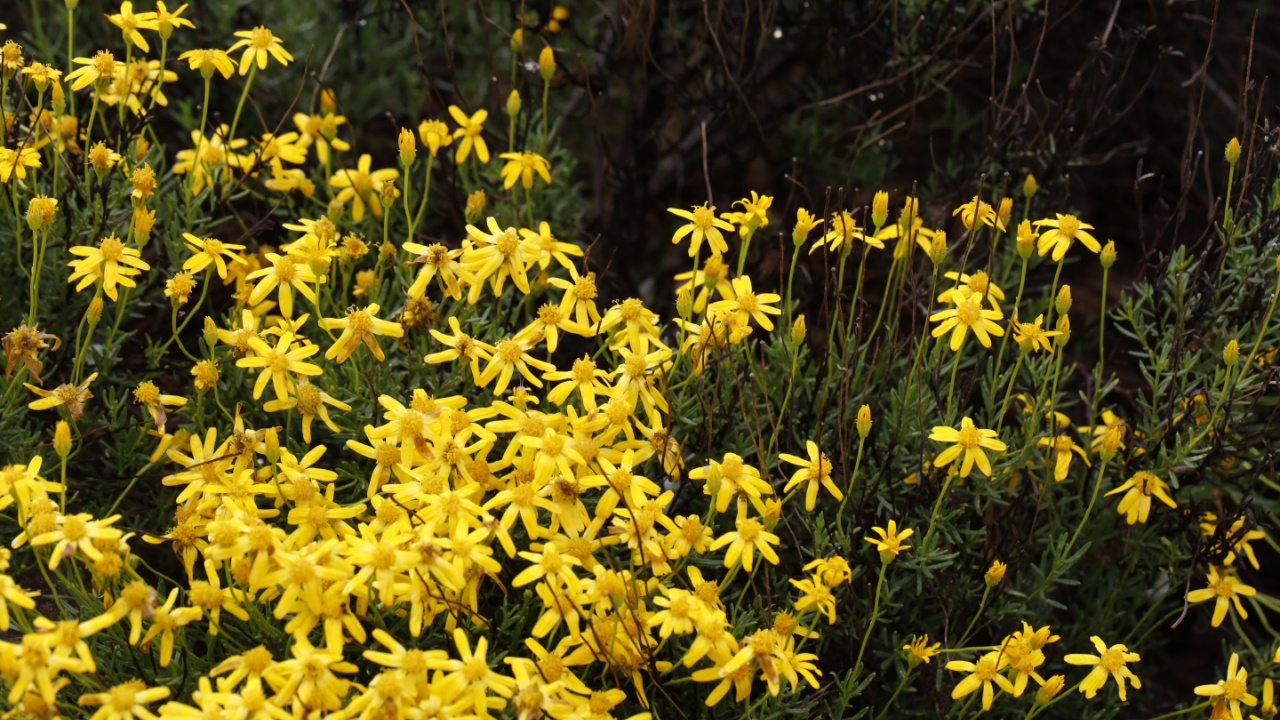
Image Credit: Shutterstock.
Damianita is a robust, drought-tolerant perennial decorated with cheerful yellow flowers. It’s an ideal choice for desert landscaping since it thrives in arid regions.
12. Coneflower (Echinacea)

Image Credit: Shutterstock.
Not technically a member of the daisy family (but with a daisy-esque look), coneflowers sport distinctive, cone-shaped centers surrounded by curved petals. Often purple but available in many colors, these flowers are both ornamental and medicinal.
13. Indian Chrysanthemum (Chrysanthemum indicum)
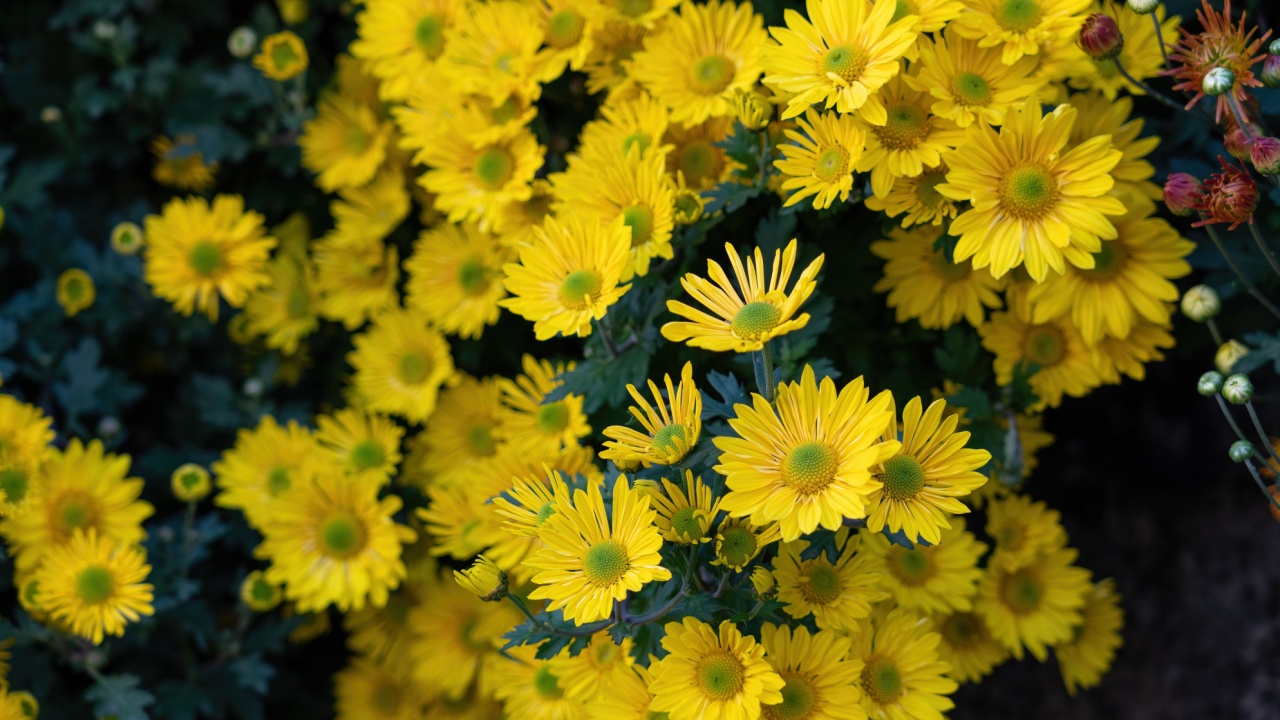
Image Credit: Shutterstock.
Part of the larger mum family, Indian chrysanthemums are both decorative and functional. They’re often used in teas and traditional medicines and are prized for their autumnal blooms.
14. Aster Daisy (Aster amellus)
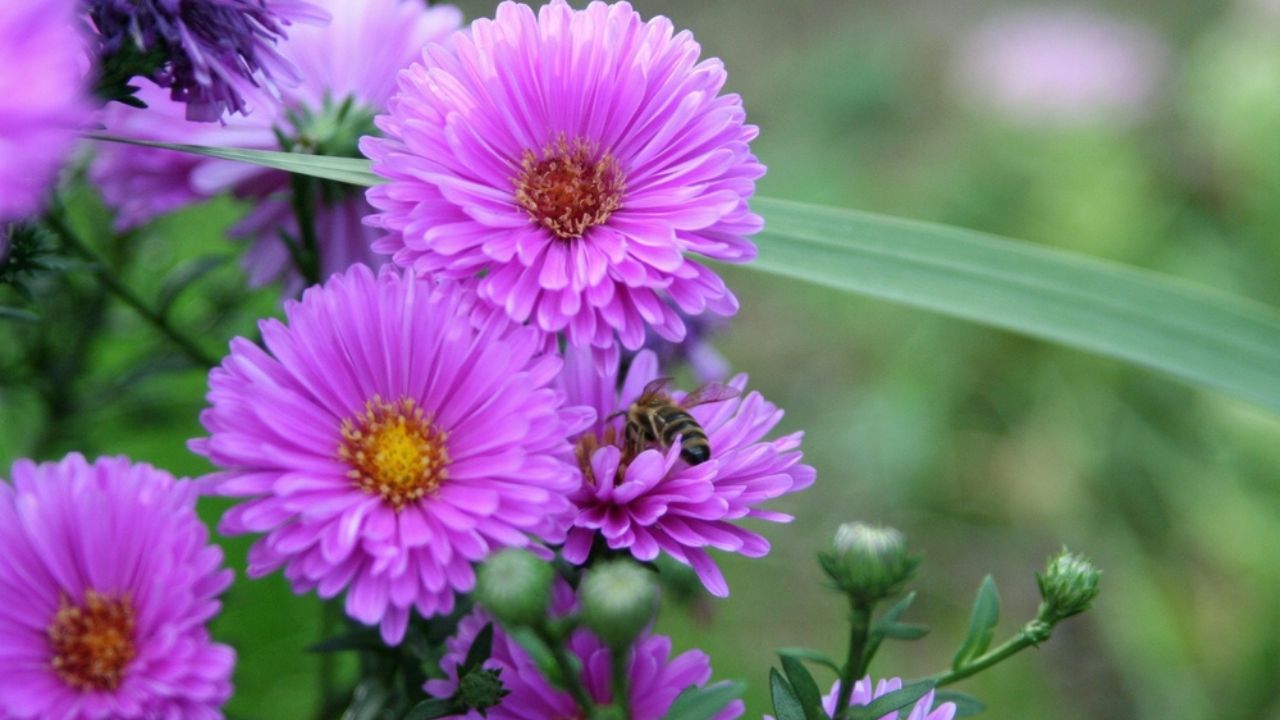
Image Credit: Shutterstock.
Also known as Michaelmas daisies, these perennials bloom in purple, blue, or lilac shades. Asters attract pollinators and are a reliable choice for borders and wildflower gardens.
15. Field Daisy (Bellis perennis)
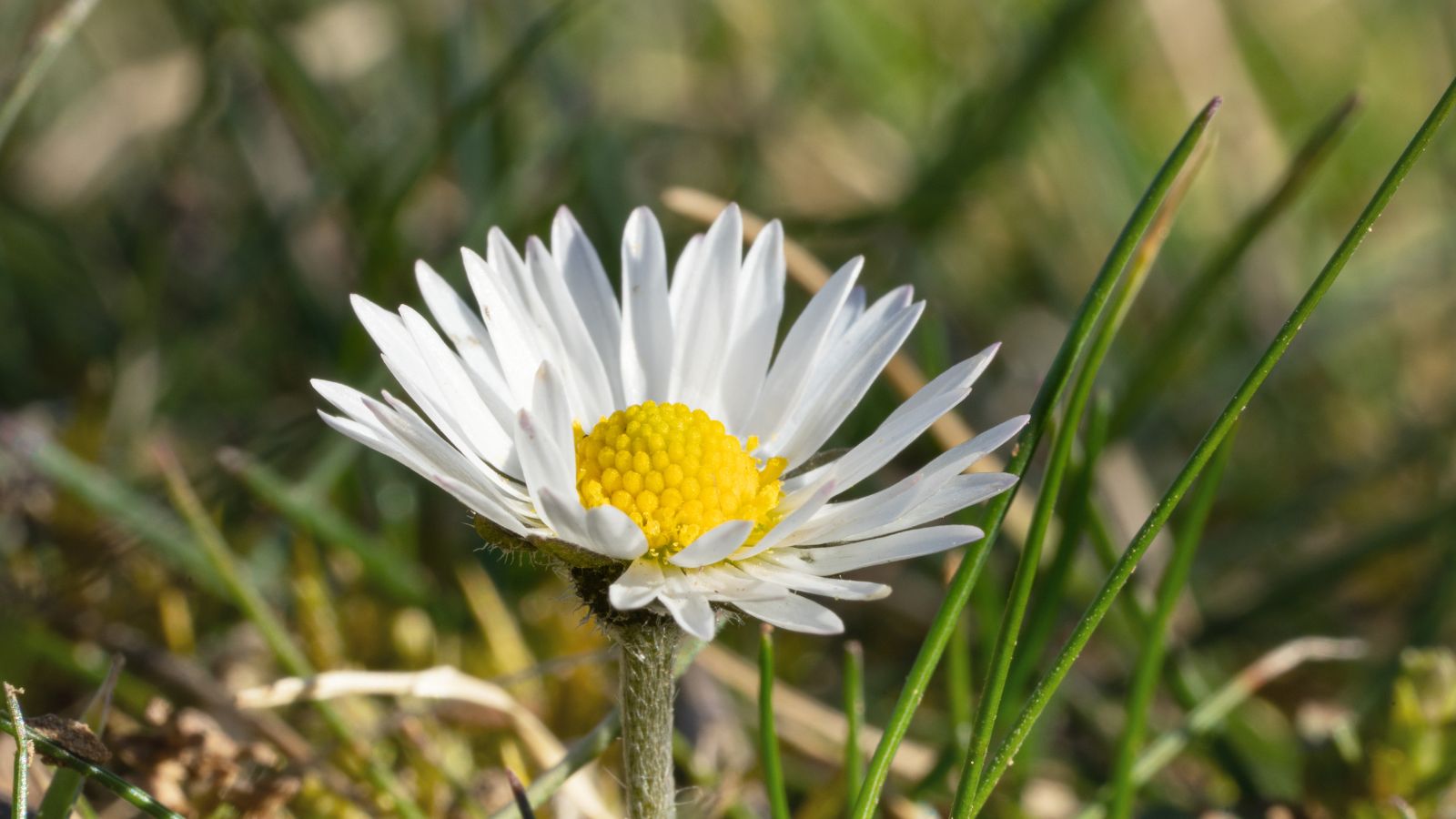
Image credit: YAY Images.
Often called “English Daisy,” this beloved wildflower grows heartily in natural settings and garden pathways. Its compact growth and small blooms make it endearing in cottage-style gardens.
16. Desert Star Daisy (Monoptilon bellidiforme)
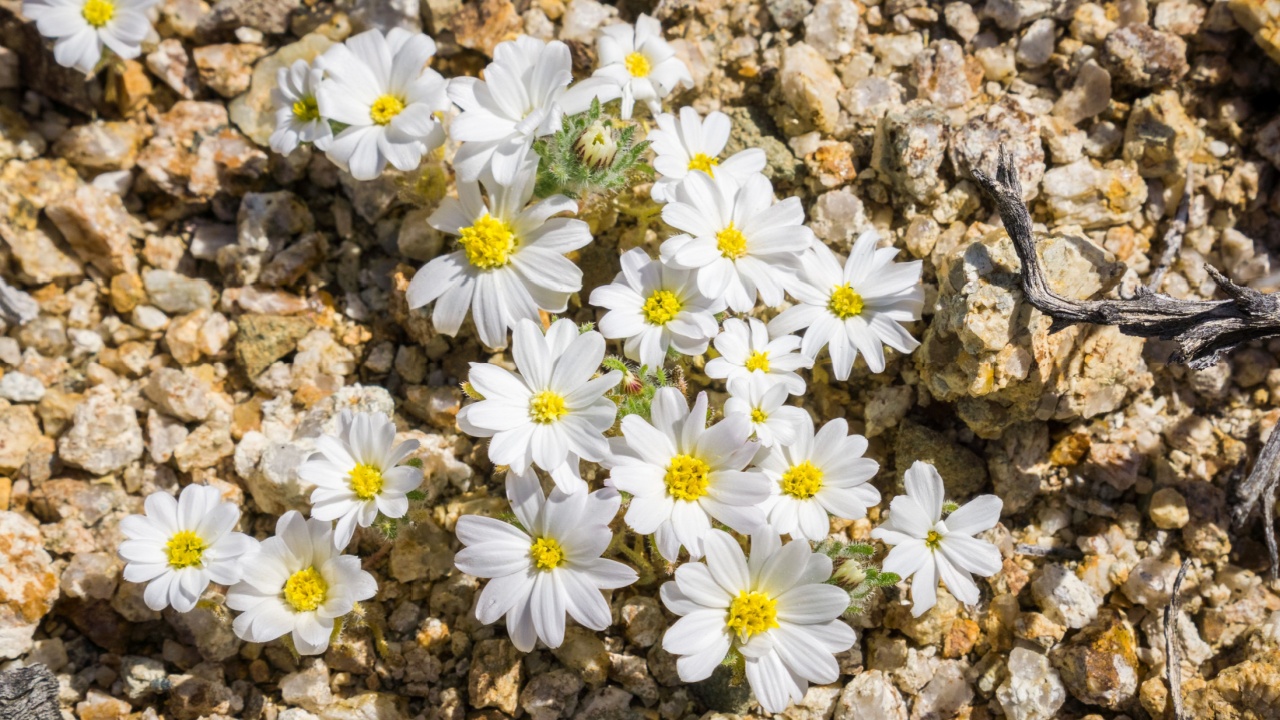
Image Credit: Shutterstock.
Tiny but tough, this daisy thrives in arid environments. Its short stems and ground-hugging growth make it unique among its peers and a rare treat in desert landscapes.
17. German Chamomile (Matricaria recutita or Matricaria recutita)
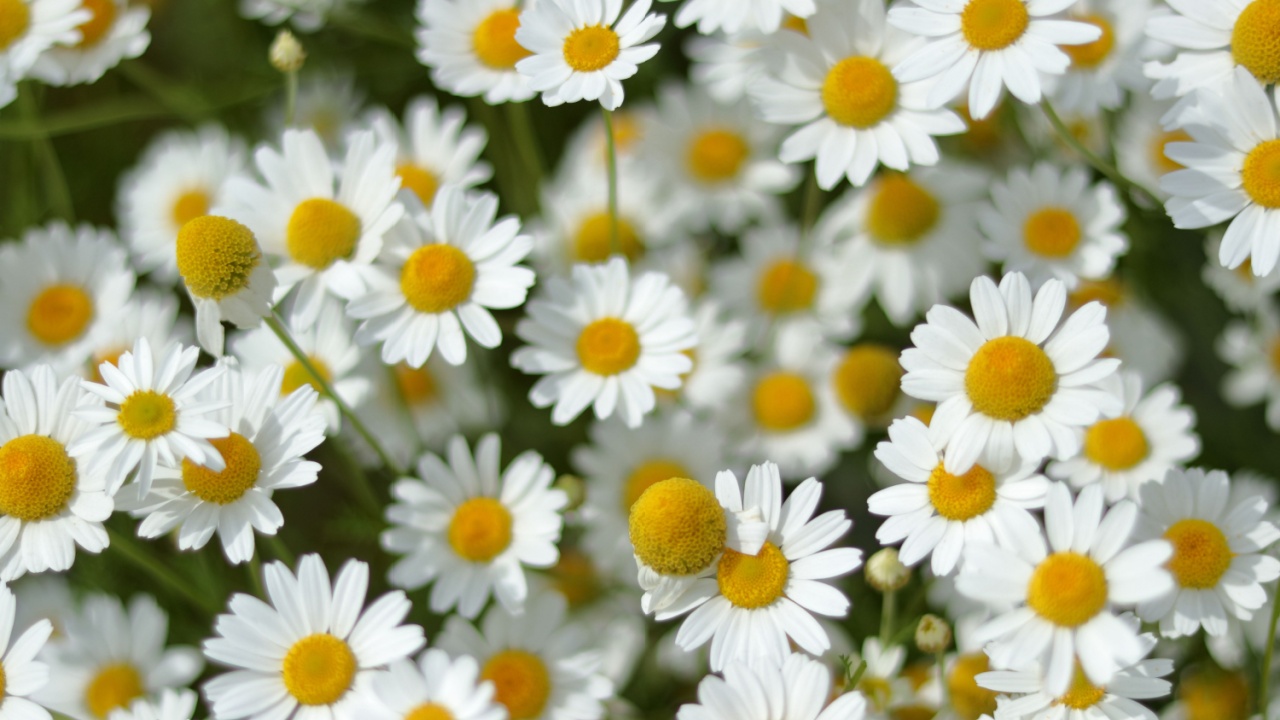
Image Credit: Shutterstock.
Known for its use in tea, German chamomile offers small, scented blooms that are as functional as they are beautiful.
18. Florist’s Daisy (Chrysanthemum × morifolium)
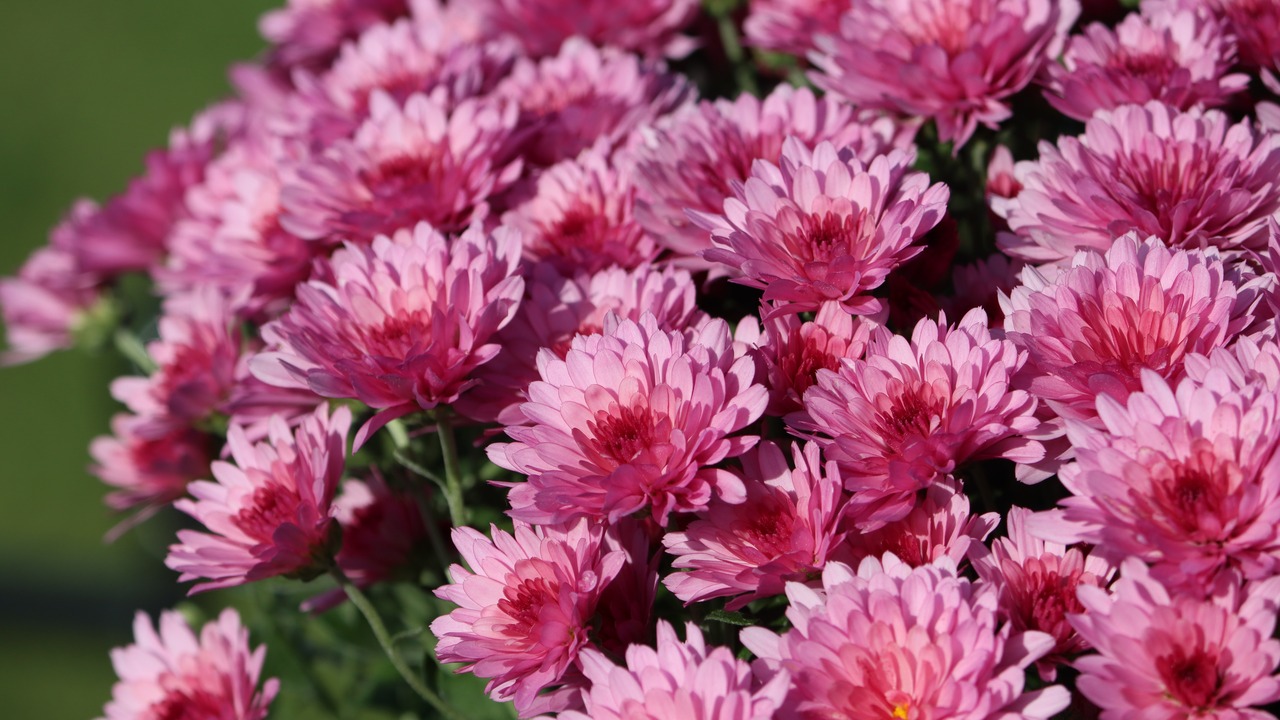
Image Credit: Shutterstock.
Highly decorative, Florist’s daisies shine in bouquets and floral arrangements with their intricate, pom-pom-like shapes.
19. Silver Townsend Daisy (Townsendia incana)
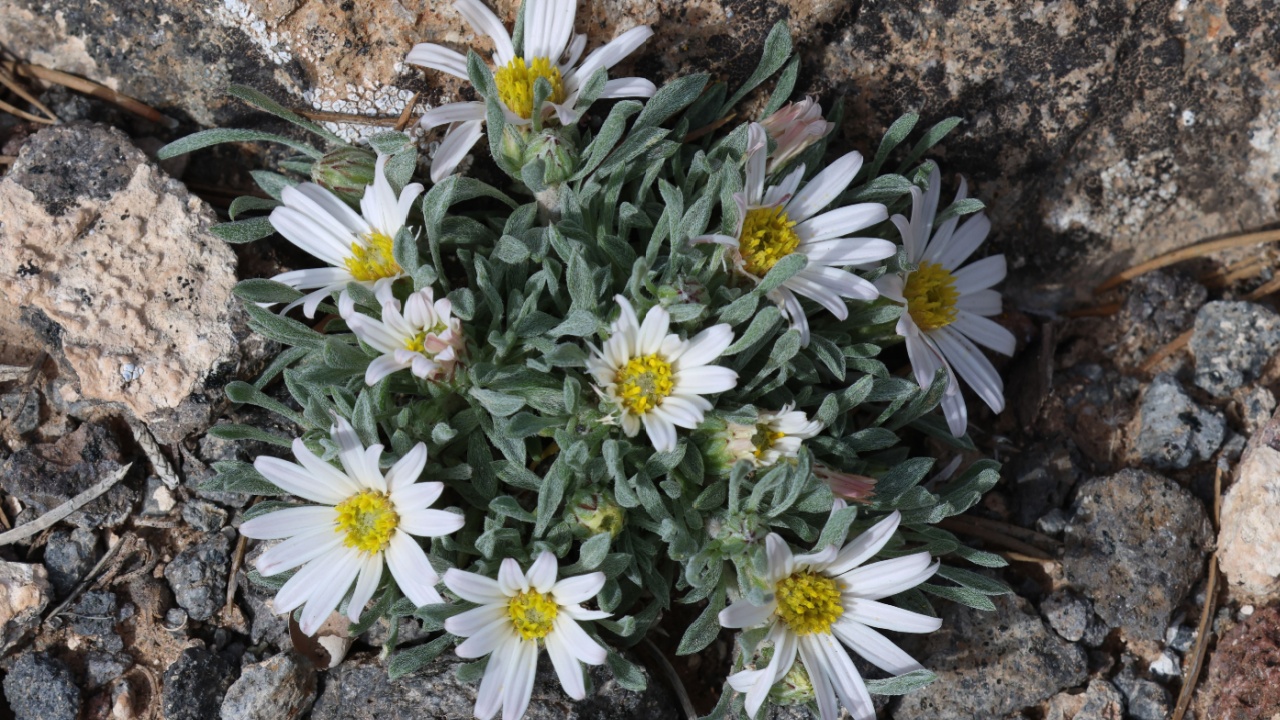
Image Credit: Shutterstock.
The silver-tinted foliage of this daisy makes it stand out, while its petite white flowers add an air of delicate beauty.
20. Montauk Daisy (Nipponanthemum nipponicum)
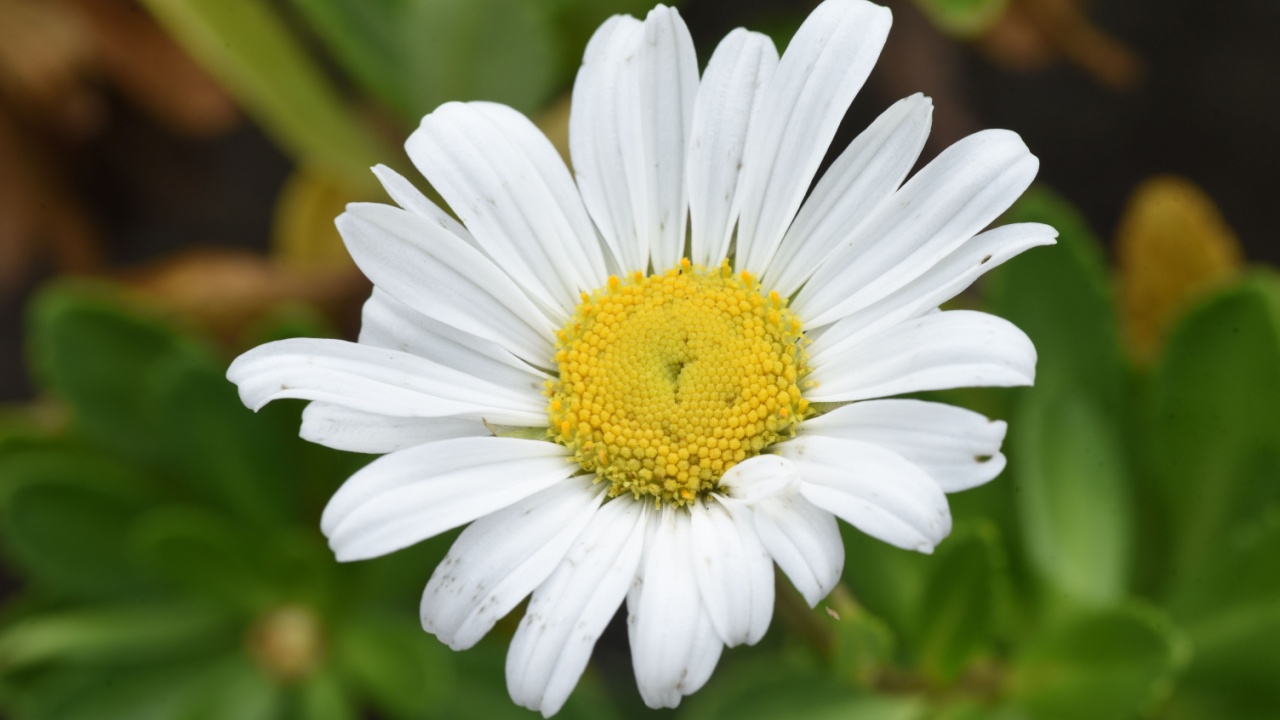
Image Credit: Shutterstock.
Native to Japan, Montauk daisies are also called “Nippon Daisies.” These plants feature glossy green leaves and late-season blooms that thrive in coastal gardens.
21. Tundra Daisy (Chrysanthemum arcticum)
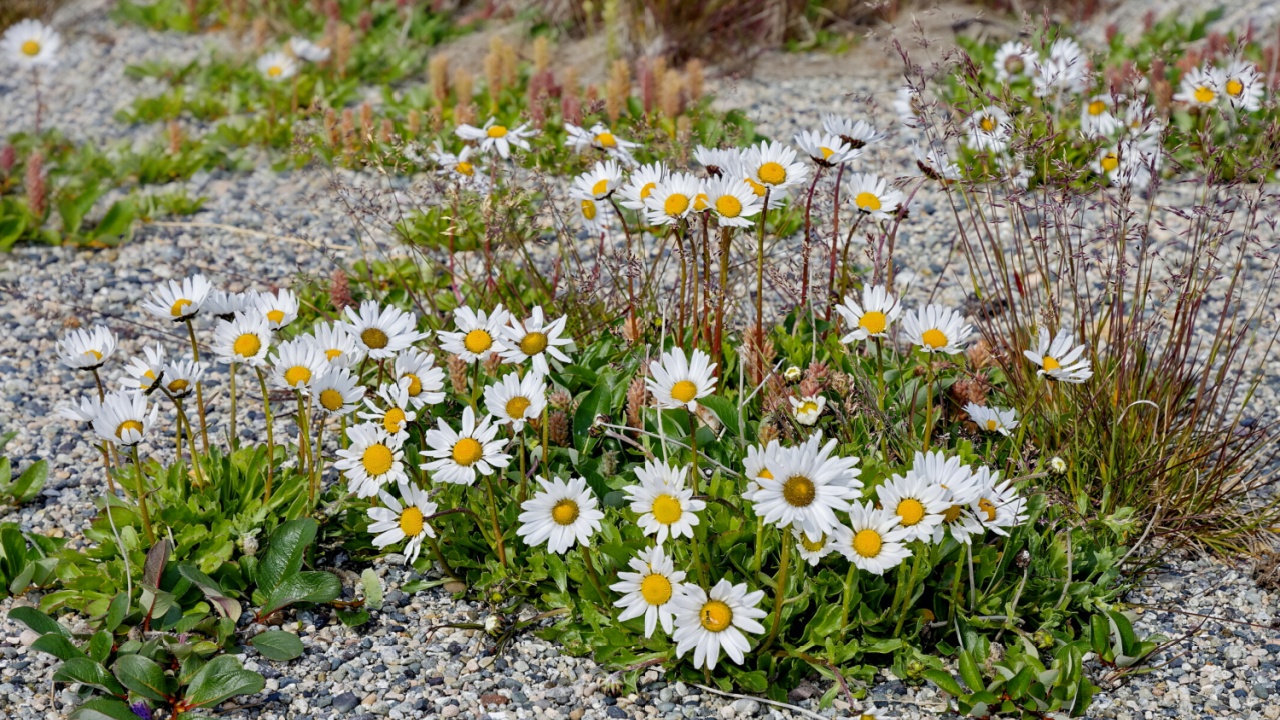
Image Credit: Shutterstock.
Perfect for cold climates, this hardy daisy thrives in colder regions and flowers even as the growing season winds down.
22. Golden Shrub Daisy (Euryops pectinatus)
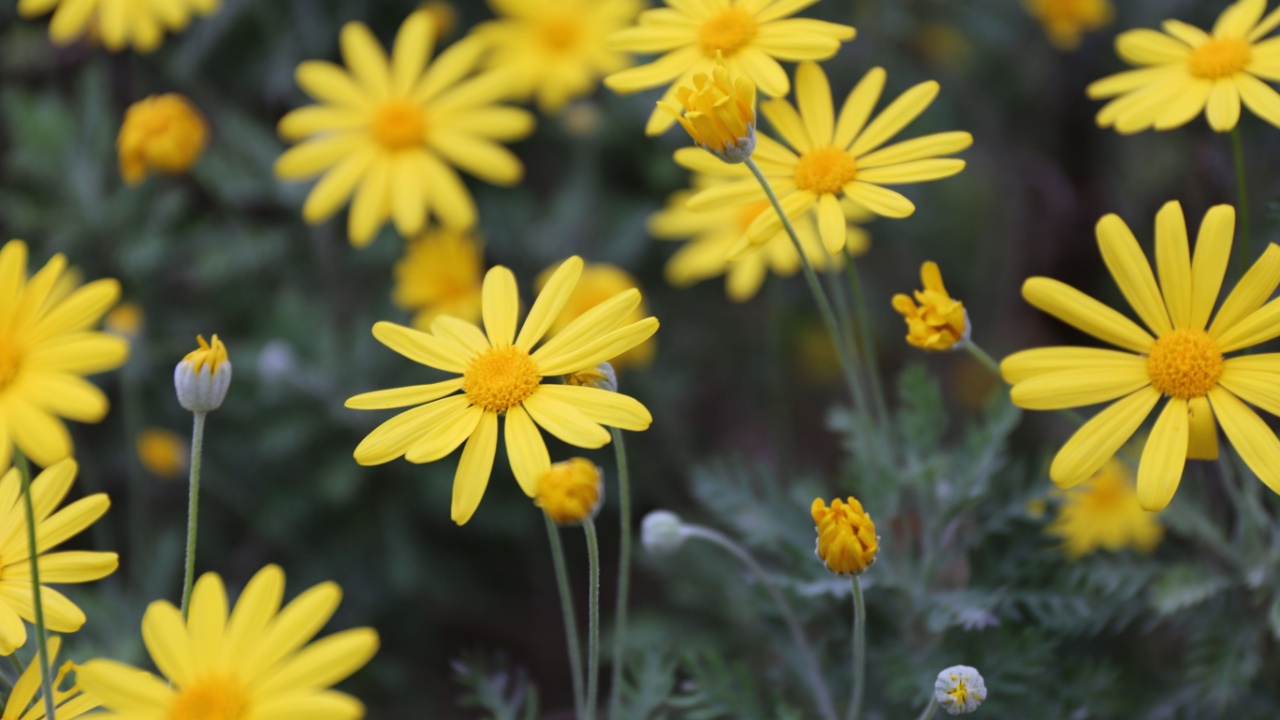
Image Credit: Shutterstock.
Evergreen and hardy, this daisy blooms year-round in warm climates. Its silvery foliage adds unique texture to its bright yellow blooms.
23. Brown Eyed Susan (Rudbeckia triloba)
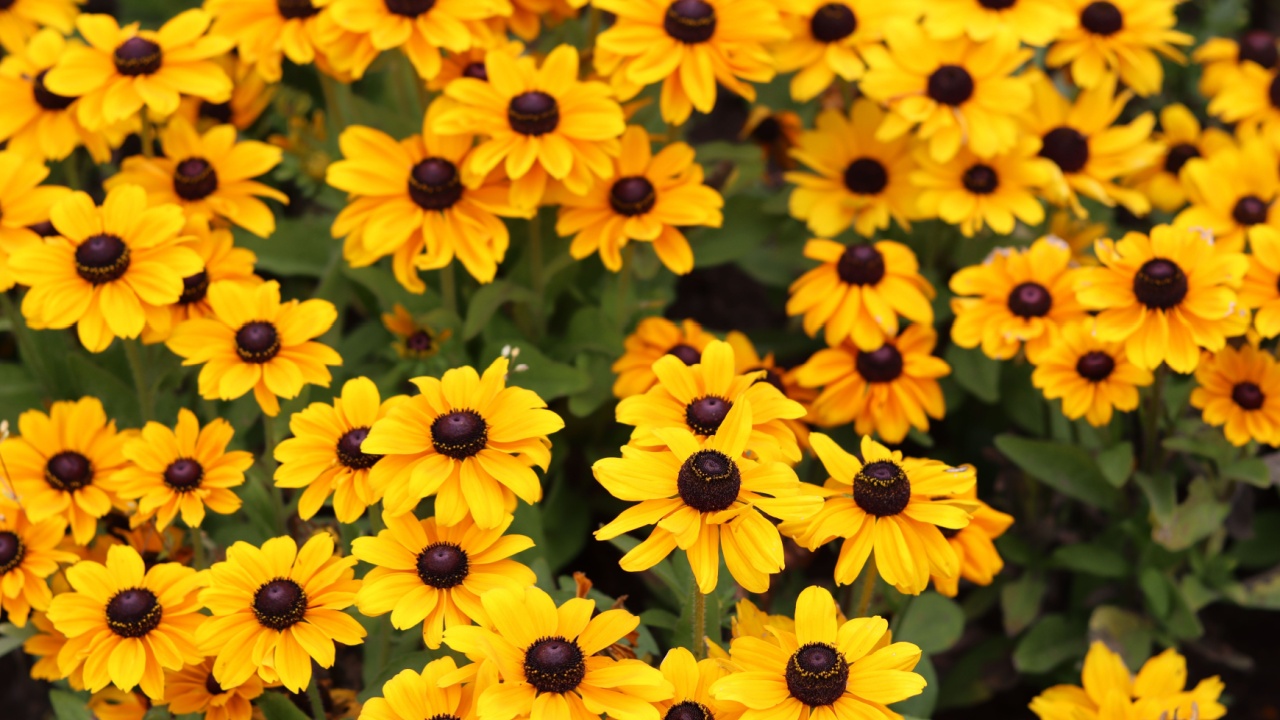
Image Credit: Shutterstock.
A smaller cousin of the black-eyed Susan, spotted daisies feature a bushy growth habit with numerous sunny blooms.
24. Masterwort Daisy (Astrantia major)
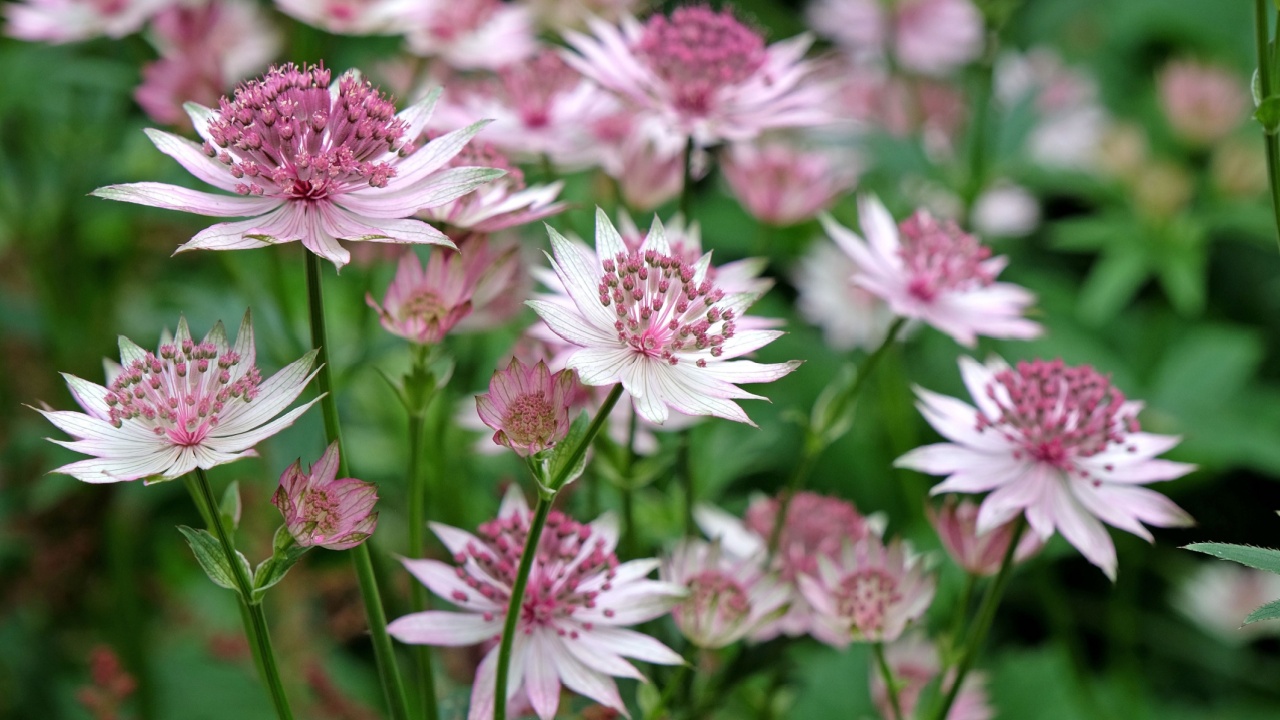
Image Credit: Shutterstock.
Though technically in the same family, Masterwort blossoms look like daisies (although the one flower on the list that is not technically on the list, it’s more of a cousin) with a pinwheel effect of multi-layered petals.
25. Pyrethrum Daisy (Tanacetum coccineum)
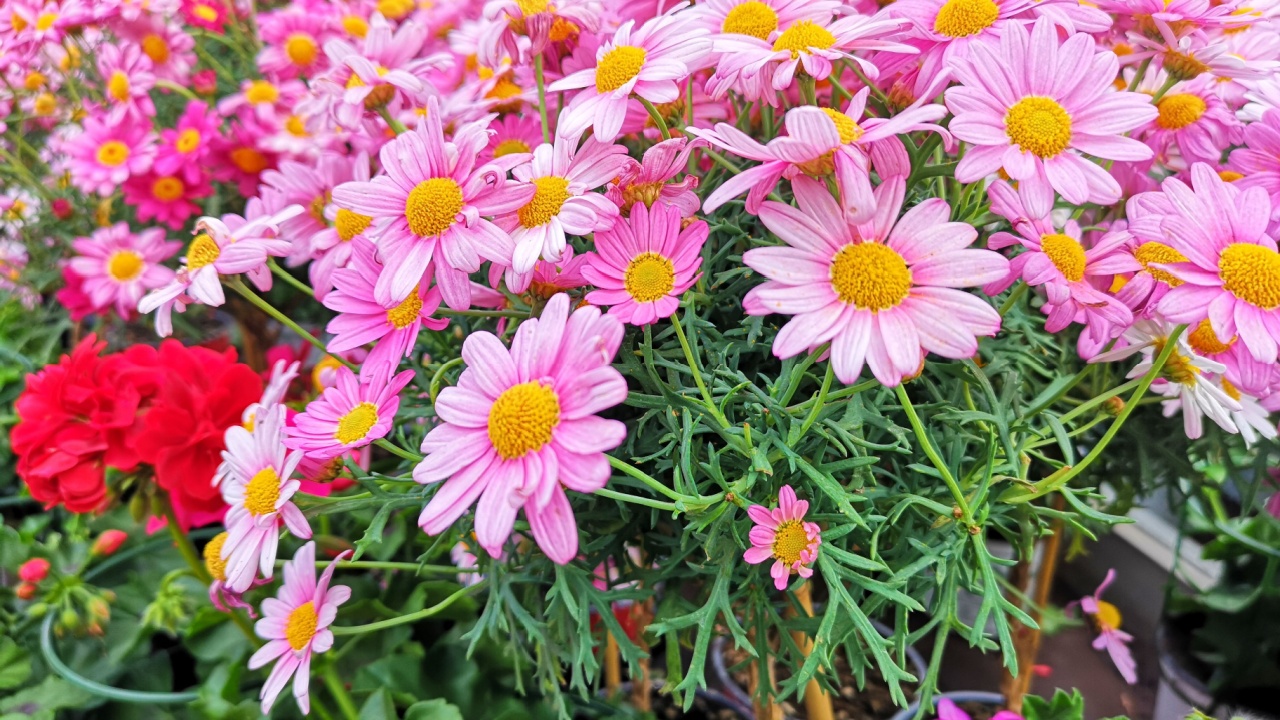
Image Credit: Shutterstock.
Also called Persian or Painted Daisy, this flower’s pink or red blooms atop feathery foliage are stunning in garden borders.
26. Sea Daisy (Erigeron glaucus)
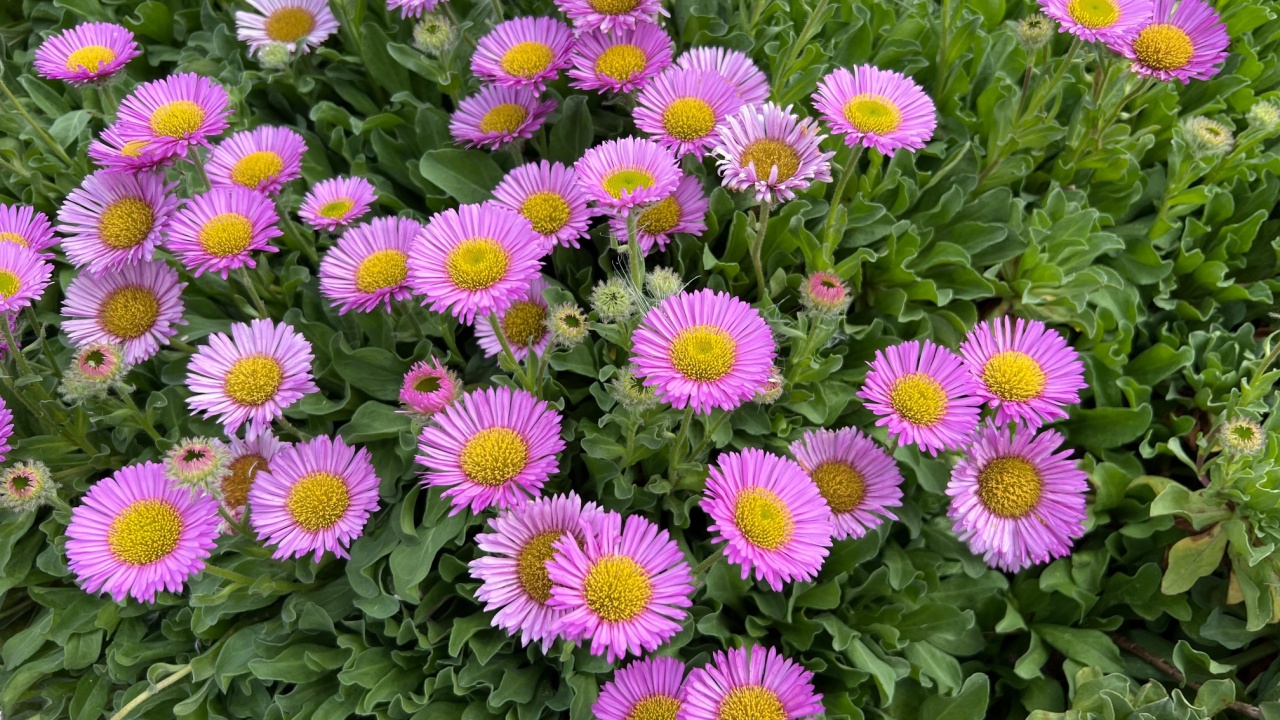
Image Credit: Shutterstock.
This coastal lover thrives in salty air and rocky soils, making it ideal for seaside gardens. Its purple petals and golden centers are incredibly cheerful.
27. Creeping Daisy (Wedelia trilobata)
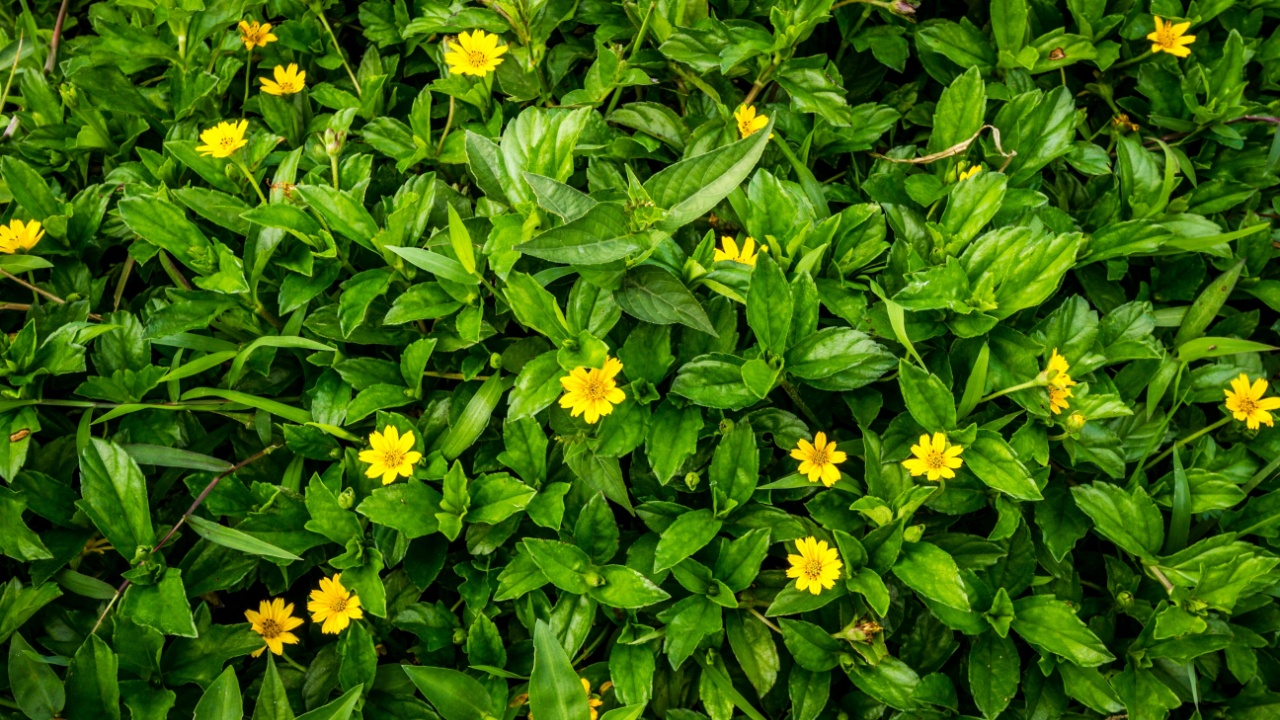
Image Credit: Shutterstock.
An excellent groundcover, creeping daisies are dense, fast-growing plants offering small yellow blooms that carpet garden spaces.
28. Sundial Daisy (Engelmannia peristenia)
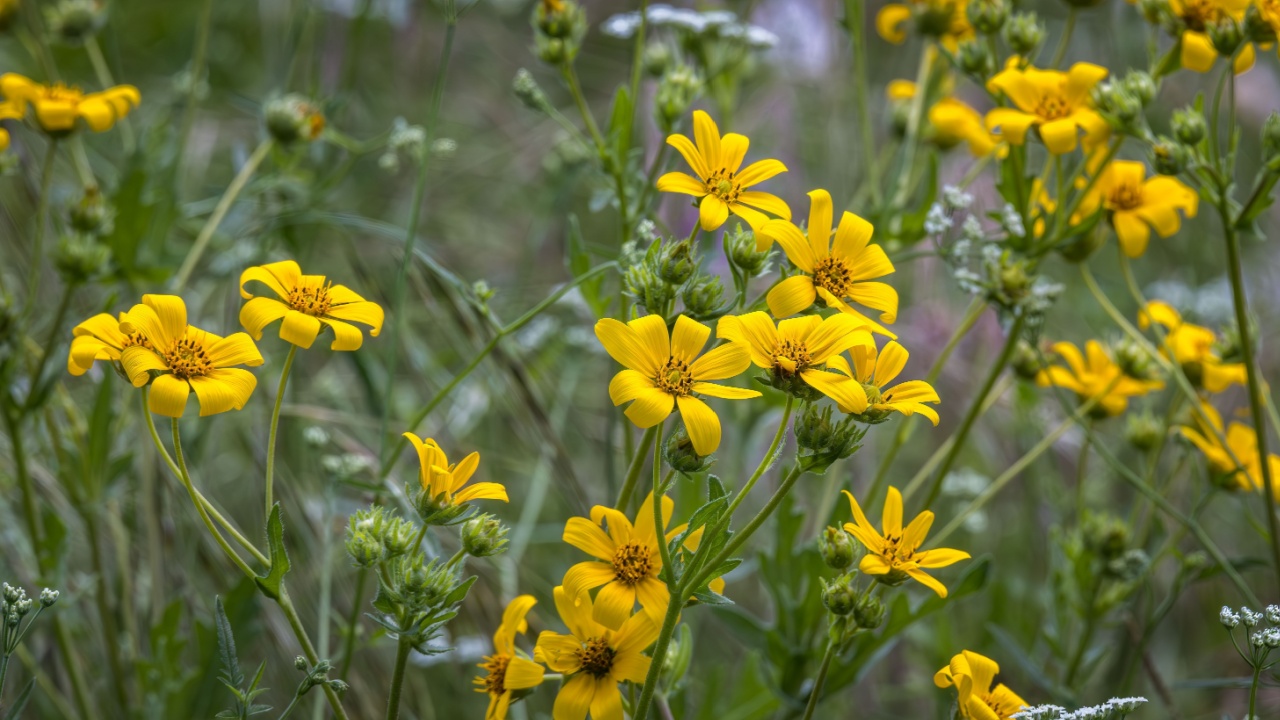
Image Credit: Shutterstock.
Native to North America, sundial daisies are hardy wildflowers that bloom in sunny yellows, making them perfect for pollinator gardens.
With their diverse shapes, colors, and easy care, daisies are an ideal addition to any garden. From traditional to exotic, there’s a daisy for every gardener to grow and enjoy!