

The pursuit of saving money is a common one, often leading us to explore countless “hacks” promising financial freedom. However, not all advice is created equal. In fact, some of the most popular money-saving tips can actually backfire, leaving your wallet even lighter than before.
While these strategies may seem like smart moves on the surface, they often involve hidden costs, and unforeseen consequences, or they simply don’t deliver on their promises. It’s important to be aware of these deceptive “savings” so you can make informed decisions and avoid falling into these financial pitfalls.
In this article, we’ll expose 16 seemingly smart money-saving hacks that can actually cost you more in the long run.
1. Extreme Couponing

Image Credit: Deposit Photos.
While scoring deep discounts can be thrilling, the time and effort invested in extreme couponing often outweigh the actual savings. Additionally, it can lead to impulse buys and stockpiling items you don’t need.
Instead, focus on using coupons strategically for items you regularly purchase and consider cashback apps or loyalty programs for additional savings.
2. DIY Home Repairs

Image Credit: Deposit Photos.
Tackling home repairs yourself might seem like a budget-friendly option, but it can quickly turn into a costly mistake if you lack the necessary skills or tools. Botched repairs can lead to further damage and expensive professional fixes.
Assess your abilities honestly and consider the cost of materials and potential mistakes before attempting DIY repairs. Sometimes, hiring a professional is the more cost-effective choice.
3. Buying in Bulk

Image Credit: Deposit Photos.
While buying in bulk can save money per unit, it’s only beneficial if you actually use the entire product before it expires or goes bad. Overbuying perishable items or products you rarely use can lead to waste and negate any potential savings.
Buy in bulk strategically, focusing on non-perishable items you frequently use and have adequate storage space for.
4. Driving Farther for Cheaper Gas

Image Credit: Deposit Photos.
The allure of saving a few cents per gallon can be tempting, but driving long distances to find cheaper gas can quickly eat away at any savings due to increased fuel consumption and vehicle wear and tear.
Factor in the total distance and your vehicle’s fuel efficiency before deciding whether the trip is worth it. Consider using gas price comparison apps to find the best deals near you.
5. Discount Store Shopping

Image Credit: Deposit Photos.
While discount stores offer lower prices, the quality of their products may not always be on par with those from other retailers. This can lead to frequent replacements and ultimately higher costs in the long run.
Prioritize quality over price, especially for essential items like appliances, electronics, or clothing that you expect to last.
6. Off-Brand Products

Image Credit: Deposit Photos.
Opting for generic or off-brand products might seem like a savvy move, but it can sometimes lead to disappointment (it really depends on the item, though). Some off-brand products may not perform as well or last as long as their name-brand counterparts, requiring more frequent replacements and potentially higher costs.
Research and compare product reviews before switching to off-brands. Consider factors like performance, durability, and ingredients to make informed decisions.
7. DIY Beauty Treatments

Image Credit: Deposit Photos.
While DIY beauty treatments can be fun and seemingly cost-effective, they can also be risky. Using incorrect techniques or ingredients can lead to skin irritation, hair damage, or other adverse reactions, requiring professional intervention and additional expenses.
If you’re unsure about a DIY beauty treatment, consult a professional or research thoroughly before trying it at home. Prioritize safety and use caution when experimenting with new products or techniques.
8. Free Trials and Subscriptions

Image Credit: Pixinooo at Deposit Photos.
Free trials can be a great way to test out a product or service, but they often come with automatic renewals that can quickly drain your bank account. Forgetting to cancel a free trial can lead to unwanted charges and a hassle to get your money back.
Mark your calendar to cancel free trials before they expire and regularly review your subscriptions to ensure you’re only paying for services you actively use.
9. Penny Auctions

Image Credit: Deposit Photos.
Penny auctions may seem like a bargain hunter’s dream, but they often involve hidden fees and bidding wars that can quickly drive up the final price. Winning an auction for a few pennies might ultimately cost you more than buying the item outright.
Research the auction platform and its fees before participating. Set a budget and stick to it, avoiding the temptation to get caught up in bidding wars.
10. “Free” Shipping with Minimum Purchase

Image Credit: Deposit Photos.
While free shipping offers are enticing, they can lead to impulse buys and overspending to reach the minimum purchase requirement. You might end up buying items you don’t need just to avoid paying for shipping.
Calculate the actual cost of the items plus shipping to determine if it’s a genuine deal. Consider alternative retailers or shipping options if the minimum purchase requirement isn’t worth it.
11. Warehouse Club Memberships
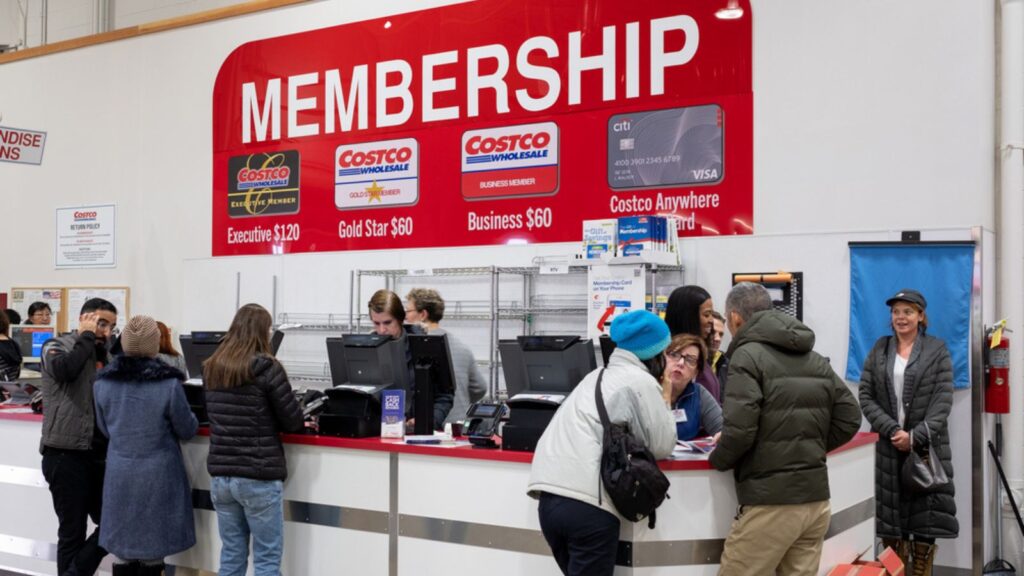
Image Credit: shirotie at Deposit Photos.
Warehouse clubs like Costco or Sam’s Club entice shoppers with bulk deals, but the annual membership fees can outweigh the savings, especially if you don’t shop frequently or have a large family.
Calculate your potential savings based on your shopping habits and compare it to the membership fee before committing. Consider splitting a membership with a friend or family member if you don’t shop in bulk regularly.
12. “Cash Back” Credit Cards

Image Credit: Deposit Photos.
While cash back rewards seem lucrative, they can encourage overspending. The interest rates on credit card debt often outweigh the rewards, leaving you in a financial hole.
Use cash back credit cards responsibly, paying off the balance in full each month to avoid interest charges. Focus on earning rewards for essential purchases and avoid impulse buys.
13. Generic Medications

Image Credit: Deposit Photos.
While generic medications offer a more affordable alternative to brand-name drugs, they’re not always identical in terms of inactive ingredients or formulations. In some cases, this can affect their effectiveness or cause adverse reactions in certain individuals.
Consult your doctor before switching to a generic medication. Discuss any concerns about potential differences or side effects to ensure the generic version is suitable for you.
14. Extended Warranties

Image Credit: Deposit Photos.
Extended warranties often come with a hefty price tag and rarely provide the coverage they promise. Most products are already covered by manufacturer warranties, and extended warranties often have exclusions and limitations that make them less valuable than they seem.
Research the product’s reliability and average lifespan before purchasing an extended warranty. Consider setting aside the money you would have spent on the warranty in a separate savings account for potential repairs.
15. Fast Fashion

Image Credit: Deposit Photos.
Fast fashion brands offer trendy clothes at low prices, but the quality is often poor, leading to frequent replacements and contributing to environmental waste. The constant cycle of buying and discarding clothes can be more expensive in the long run.
Invest in quality clothing from sustainable brands that will last longer and reduce your environmental impact. Consider buying secondhand or participating in clothing swaps to refresh your wardrobe on a budget.
16. Cheap Pet Food

Image Credit: Deposit Photos.
Opting for the cheapest pet food on the shelf might save you money upfront, but it can lead to health problems for your furry friend. Low-quality pet food often lacks essential nutrients and contains fillers that can cause digestive issues, allergies, and other health complications.
Prioritize your pet’s health by choosing high-quality food with wholesome ingredients. Consult your veterinarian for recommendations based on your pet’s age, breed, and activity level.