

Watching a hummingbird flit gracefully from flower to flower is a magical experience for any backyard gardener. These tiny, energetic birds are drawn to nectar-rich flowers with vibrant colors—especially reds—and trumpet-shaped blooms that perfectly complement their long beaks. By choosing the right plants for your containers, you can create a hummingbird haven in your garden, no matter how much outdoor space you have.
Below are 16 top container plants—pulled from research-based recommendations and expert insights—that will make your garden irresistible to hummingbirds. Additionally, we’ve included tips to help your plants thrive and keep hummingbirds coming back.
How Many Plants Do You Need to Get Started?

Image Credit: Depositphotos.com.
There is no perfect answer here, but here’s some insight from the experts.
Mississippi State Extension advises that even a few well-chosen pots of hummingbird-friendly blooms can turn a patio or deck into an effective habitat. Sixteen container-worthy plants strike the right balance: enough variety to span bloom seasons and nectar sources, yet still manageable for care and maintenance. (Although, you don’t need to plant them all either!)
University of Wisconsin Extension’s Hummingbirds in the Garden guide emphasizes that hummingbirds are drawn to tubular, brightly colored flowers—especially in massed groupings—and that creating visible clusters of nectar sources is key to making a garden irresistible to them.
And finally, Penn State Extension underscores the importance of planting species that bloom from early to late season—providing continuous nectar sources for migrating and resident hummingbirds. By offering options that include early bloomers (e.g., columbine), mid-season (bee balm, salvia), and late bloomers (scarlet sage, zinnias), you’ll be attracting hummingbirds all season long!
1. Butterfly Weed (Asclepias tuberosa)
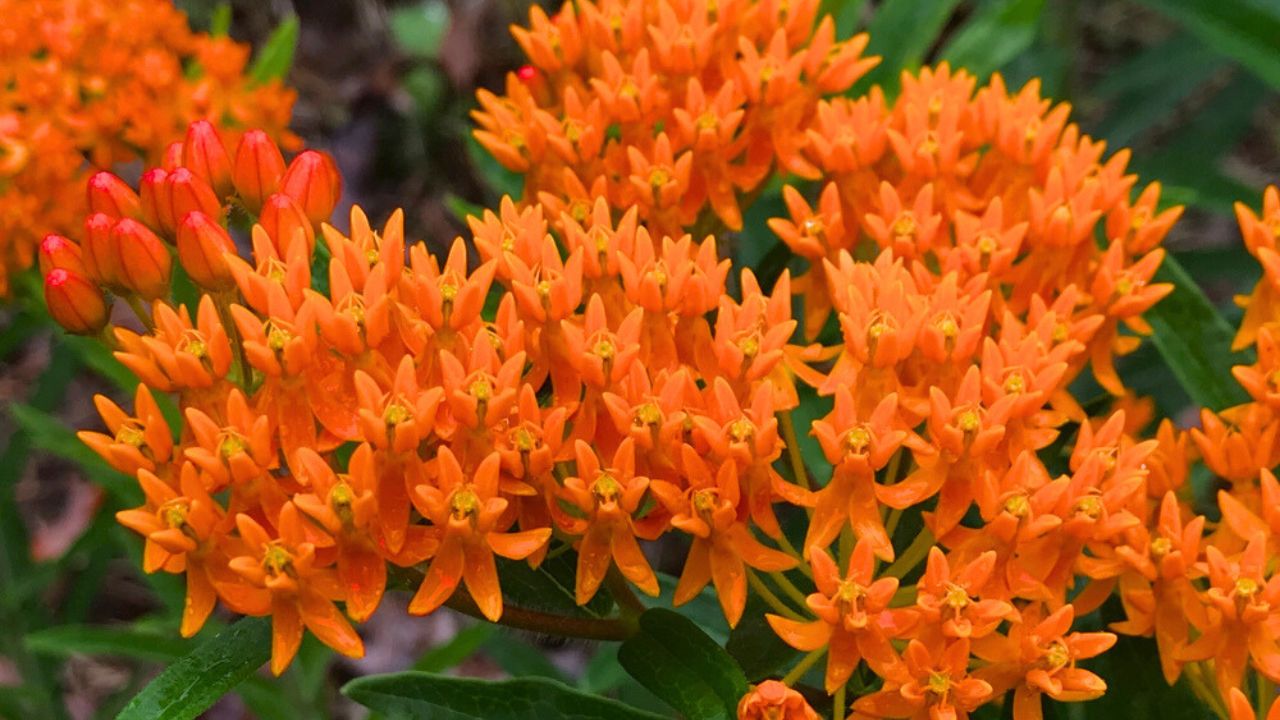
Image Credit: Shutterstock.
Recognized for its brilliant orange-red flowers, butterfly weed is a native plant that hummingbirds adore. It blooms from May through September, providing plenty of nectar and attracting other pollinators like butterflies. This compact, drought-tolerant plant thrives in containers and requires full sun.
Care Tips
- Use well-draining soil and water when the top layer dries out.
- Position the container in a sunny area; this plant loves direct sunlight.
- Prune back faded blooms to encourage continuous flowering.
2. Hyssop (Hyssopus officinalis)
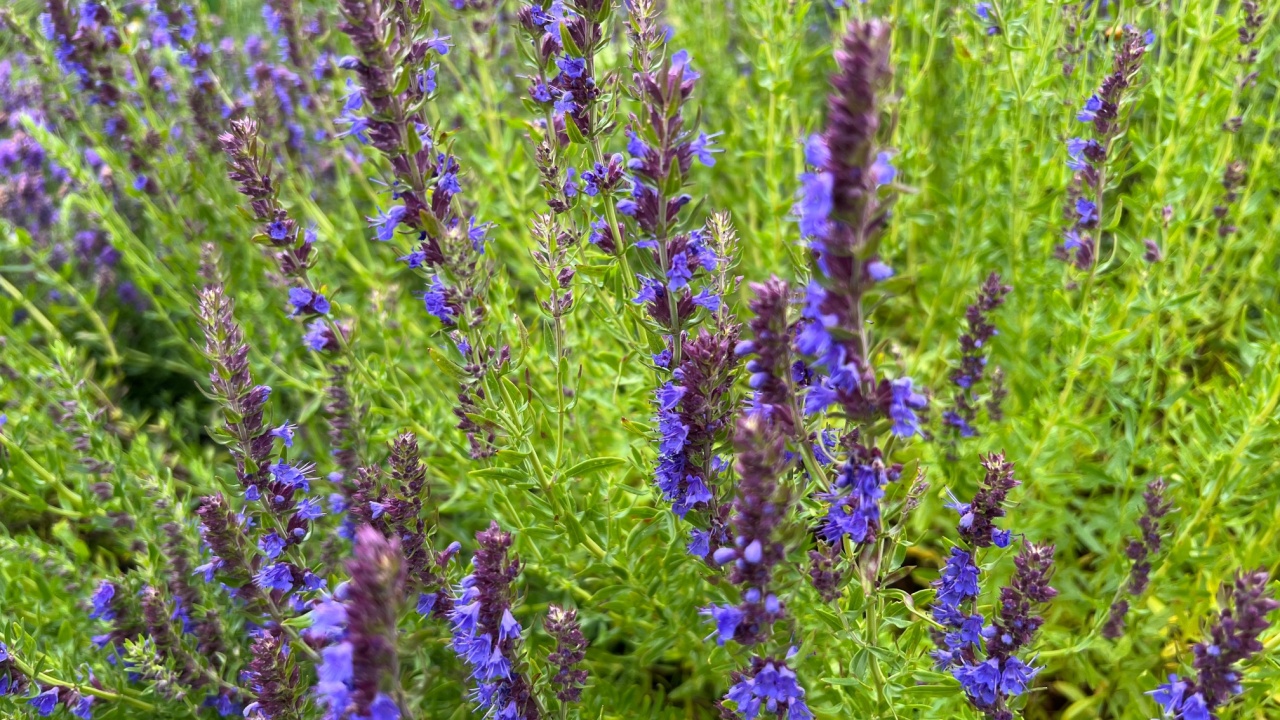
Image Credit: Shutterstock.
Hyssop’s purple-blue tubular blooms are a hummingbird favorite, thanks to their high nectar content. This summer-blooming plant also releases a pleasant fragrance from both its flowers and foliage, enhancing its appeal.
Care Tips
- Place the container where it gets full sun but some afternoon shade in hot climates.
- Use drought-tolerant soil and avoid overwatering.
- Divide and replant every few years to maintain vigor.
3. Bee Balm (Monarda didyma)

Image Credit: Shutterstock.
With its vibrant red, tubular flowers, bee balm is practically a beacon for hummingbirds. This Eastern U.S. native blooms profusely in clusters, adding a cheerful burst of color to containers. Bonus points—it also attracts butterflies and bees.
Care Tips
- Use rich, well-draining soil and keep it consistently moist.
- Provide full sun and space plants for good air circulation to avoid mildew.
- Deadhead spent flowers to prolong blooming.
4. Eastern Red Columbine (Aquilegia canadensis)
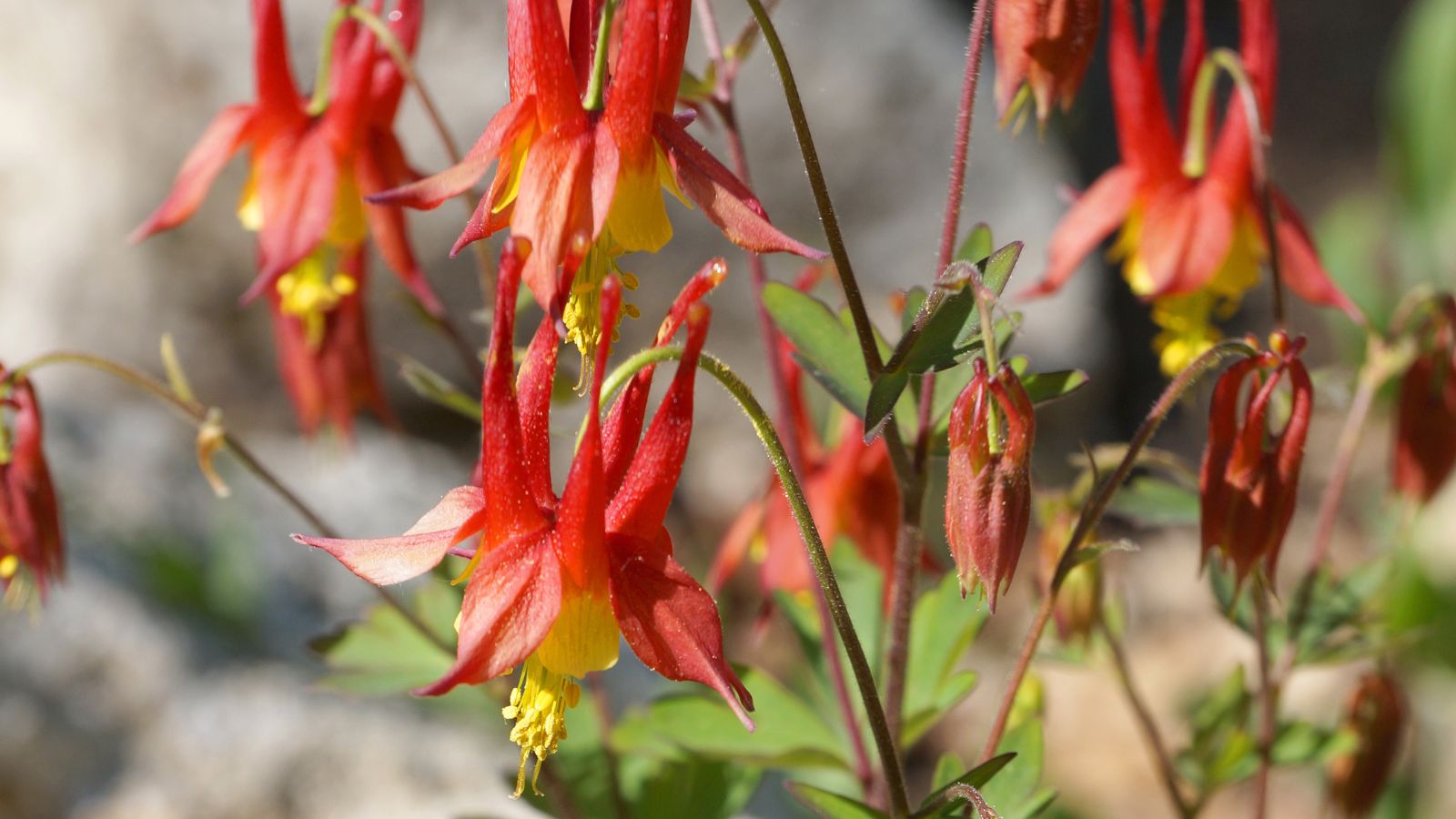
Image Credit: Depositphotos.com.
Eastern red columbine blooms early in the season, from late winter to early spring, making it a crucial food source when hummingbirds first emerge. Its unique red-and-yellow blooms make an eye-catching addition to your garden.
Care Tips
- Plant in partial to full shade to prevent leaf scorch.
- Keep soil consistently moist but avoid waterlogging.
- Mulch around the base to retain moisture and control weeds.
5. Coral Bells (Heuchera spp.)
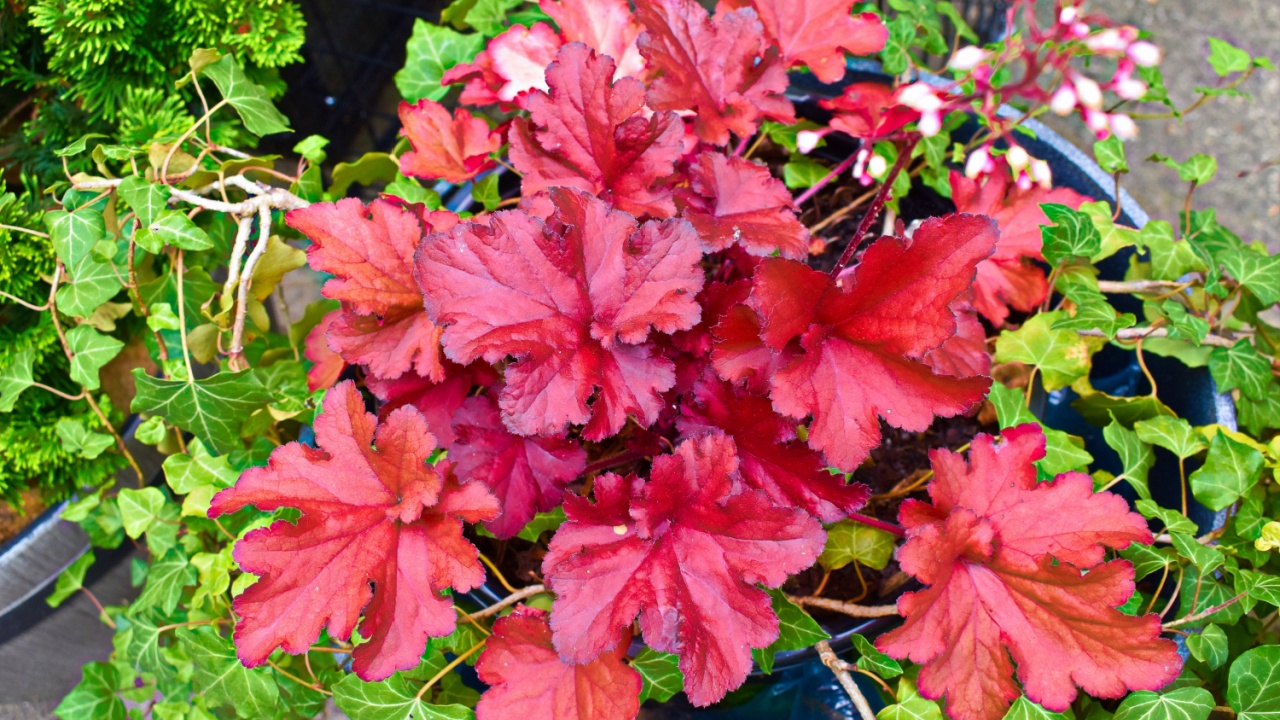
Image Credit: Shutterstock.
Coral bells’ delicate clusters of red, pink, or white bell-shaped flowers are rich in nectar, drawing hummingbirds with ease. These native plants also add decorative appeal to containers with their colorful, sometimes variegated foliage.
Care Tips
- Select a species suited for your growing zone, as hardiness varies by variety.
- Use well-draining soil and avoid overwatering.
- Place in partial shade to full sun, depending on the species.
6. Salvia (Salvia spp.)
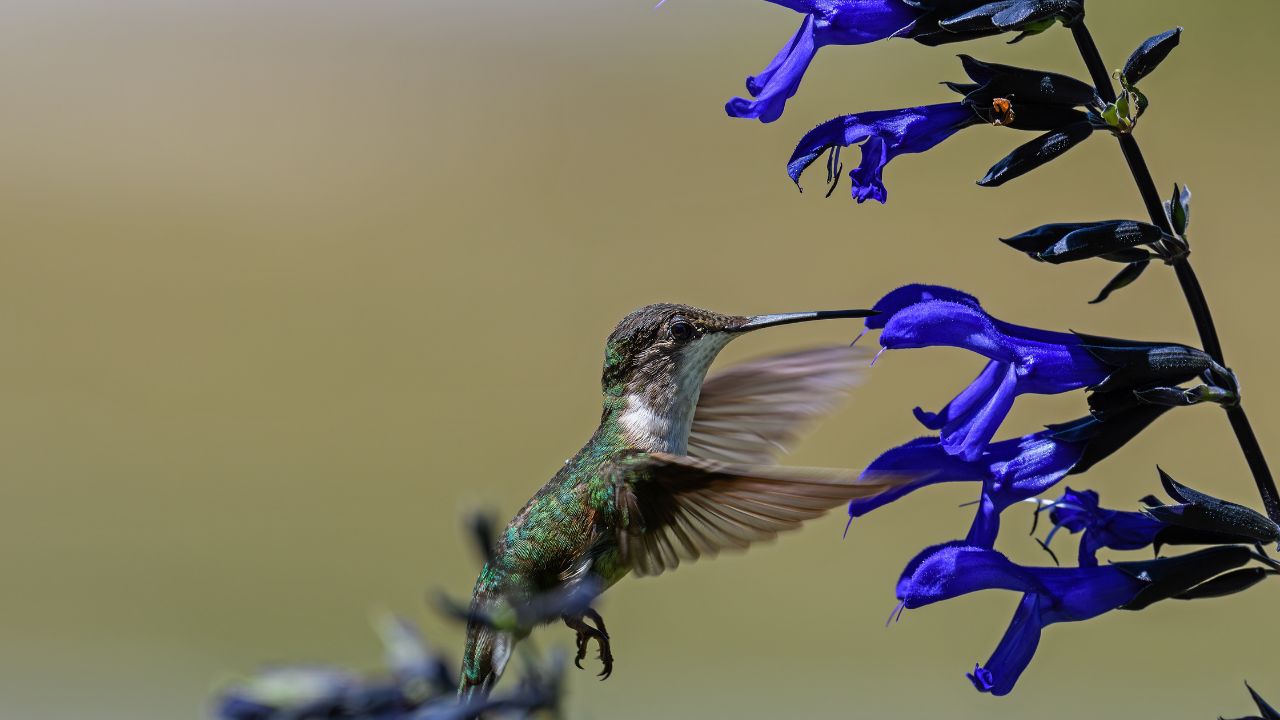
Image Credit: Shutterstock.
Hummingbirds can’t resist salvia’s tubular, nectar-filled blooms. With almost 1,000 species to choose from, you’ll find options suited to almost any climate. Particularly effective varieties include pineapple sage, autumn sage, and ‘Saucy’ salvia.
Care Tips
- Place containers in full sun for the best flowering results.
- Use soil with good drainage and avoid constant watering.
- Regularly trim back spent flowers to encourage new blooms.
7. Hibiscus (Hibiscus rosa-sinensis and others)
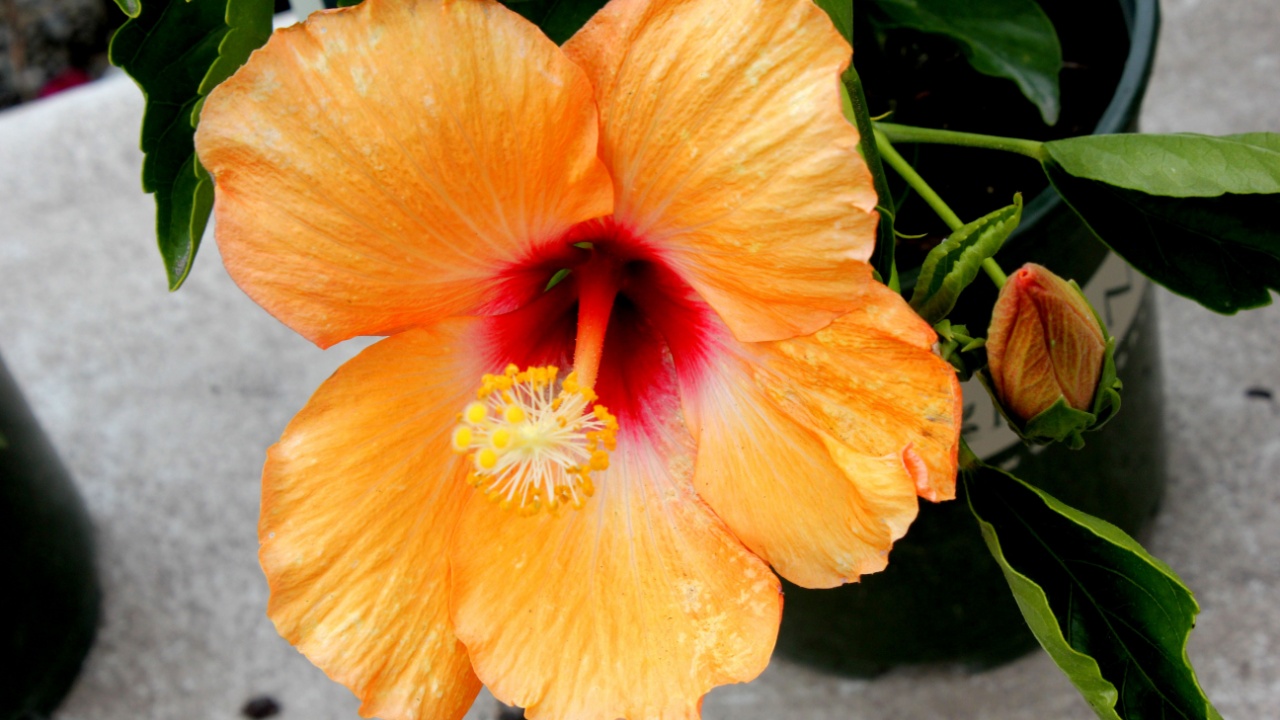
Image Credit: Shutterstock.
The enormous, nectar-rich flowers of hibiscus are an easy sell for hummingbirds. Whether you choose hardy varieties or tropical species like rose hibiscus, this plant is a reliable summer bloomer.
Care Tips
- Provide full sun and keep the soil consistently moist.
- Use a large container to accommodate its extensive root system.
- Fertilize monthly during the growing season for optimal flowering.
8. Lobelia (Lobelia cardinalis)

Image Credit: Shutterstock.
Cardinal flower, a type of lobelia, thrives in shady spots and produces vivid red flowers that are a magnet for hummingbirds. Trailing and upright varieties are both available, offering versatility in your container arrangements.
Care Tips
- Keep the soil consistently moist or even slightly soggy.
- Place in partial to full sun, ensuring adequate moisture in sunny locations.
- Remove spent blooms to extend the flowering season.
9. Petunias (Petunia spp.)
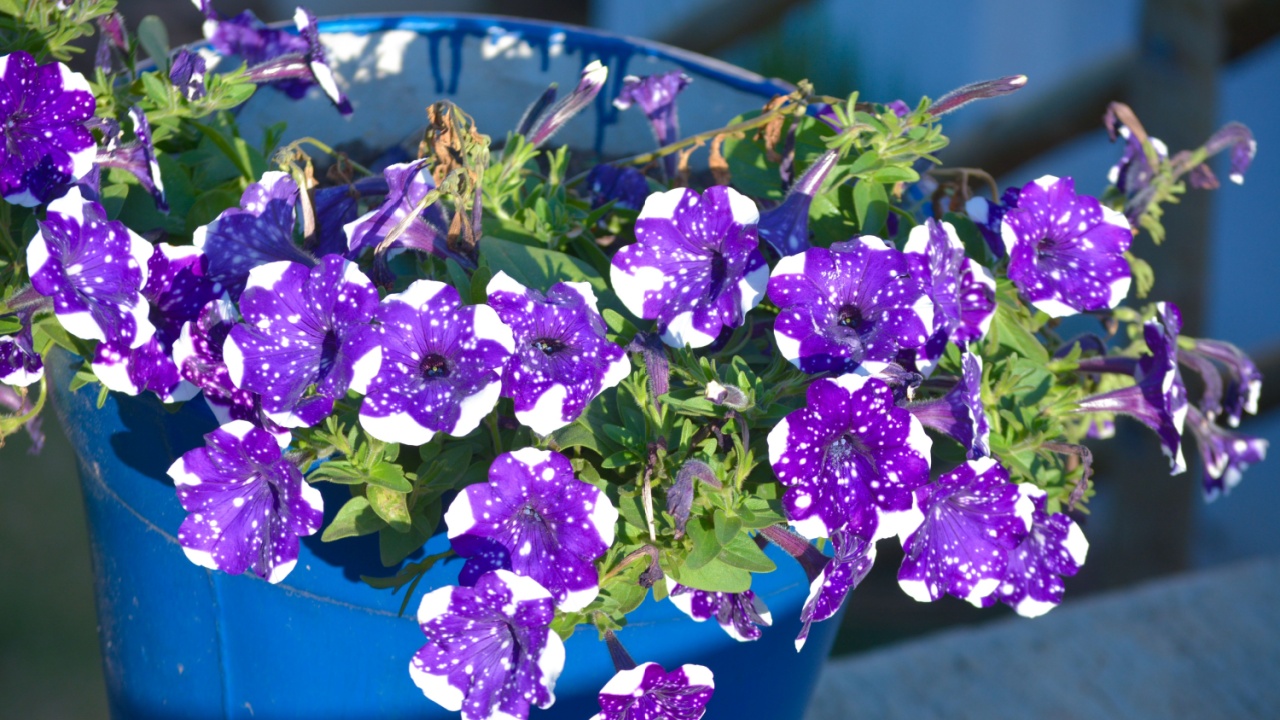
Image Credit: Shutterstock.
Petunias come in a wide range of colors and shapes, but all provide the tubular blossoms hummingbirds love. The rare species Petunia exserta, if available, is particularly effective in attracting them.
Care Tips
- Place in a sunny location for maximum flowering potential.
- Use well-draining soil and water regularly but allow the top layer to dry between waterings.
- Pinch back leggy stems to encourage bushier growth.
10. Impatiens (Impatiens capensis and others)
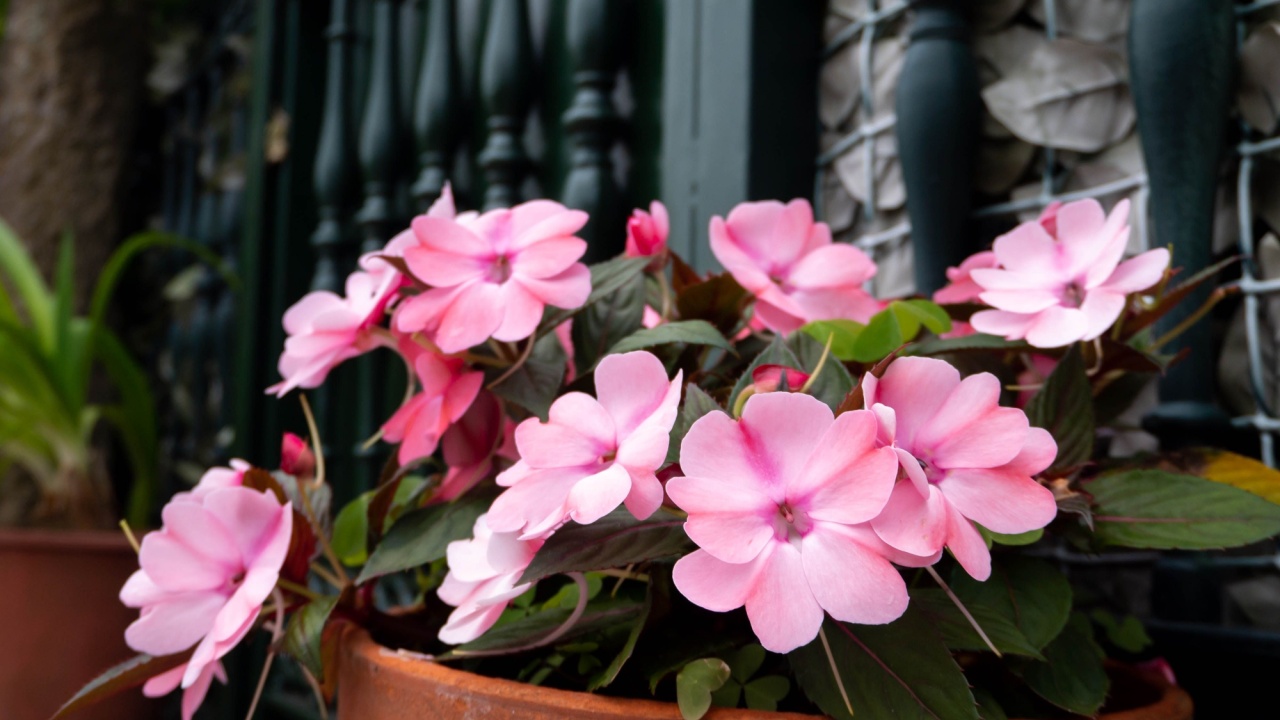
Image Credit: Shutterstock.
Native jewelweed, a type of impatiens, boasts orange tubular flowers filled with nectar, making it a hummingbird favorite. This variety also does well in shady container spots.
Care Tips
- Use rich, lightly moist soil and avoid letting it dry out.
- Place containers in partial to full shade to suit its light preferences.
- Pinch off spent blooms to encourage continuous flowering.
11. Nasturtium (Tropaeolum spp.)
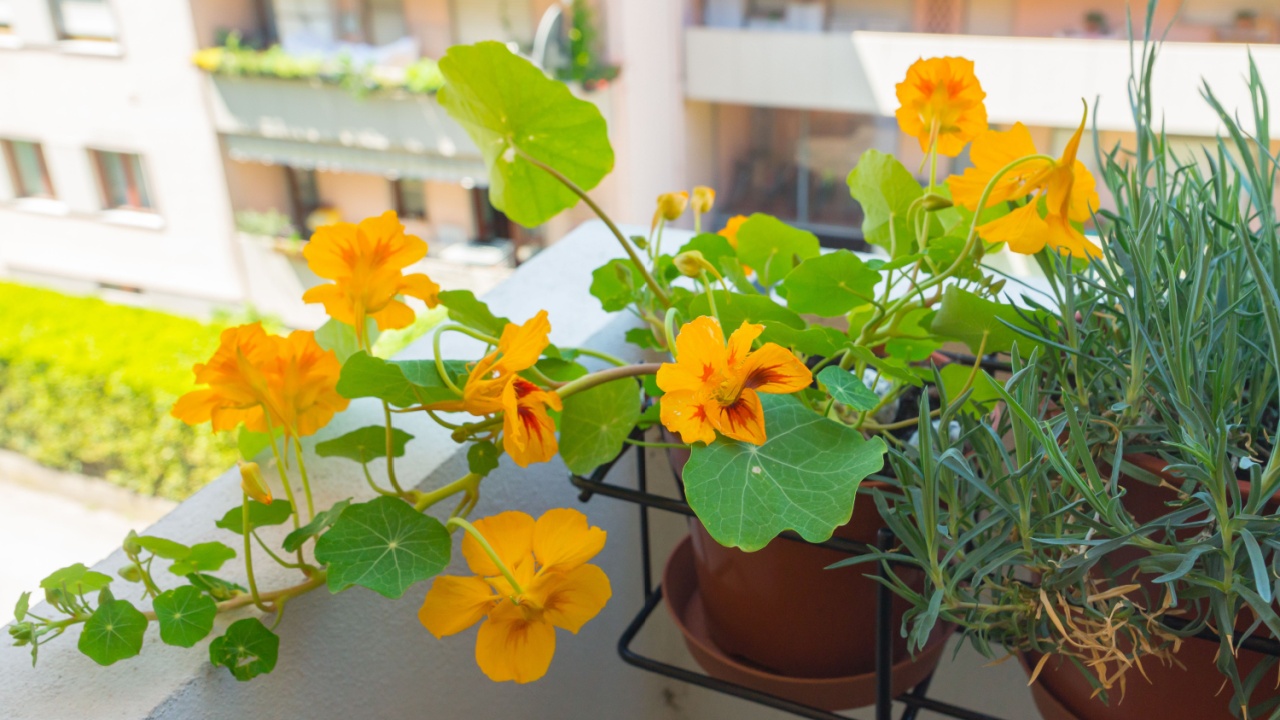
Image Credit: Shutterstock.
Nasturtium’s bright yellow and red blooms pack a nectar punch, attracting hummingbirds and other pollinators. Hummingbirds often prefer the compact, bushy Tropaeolum minus variety.
Care Tips
- Use poor, sandy soil; fertilizer is unnecessary and can hinder blooming.
- Place in full sun to light partial shade.
- Keep soil evenly moist during hot summer months.
12. Lantana (Lantana camara)
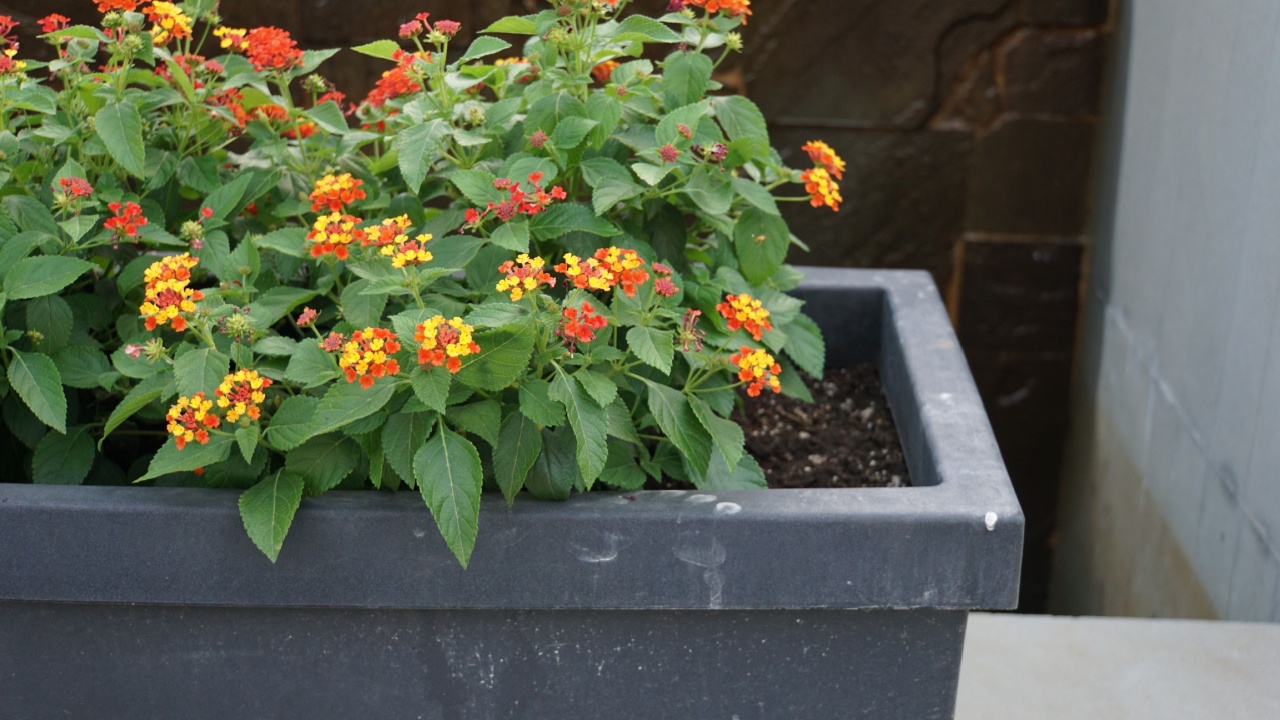
Image Credit: Shutterstock.
This heat-tolerant flower thrives in the hottest summer months. Its colorful, nectar-rich clusters in shades of red, orange, and pink are hummingbird magnets. (Note: Invasive in some climates, check with your extension.)
Care Tips
- Plant in full sun for best flowering results.
- Use well-draining soil and water sparingly, as lantana prefers drier conditions.
- Deadhead spent blooms to maintain vigor.
13. Zinnias (Zinnia spp.)
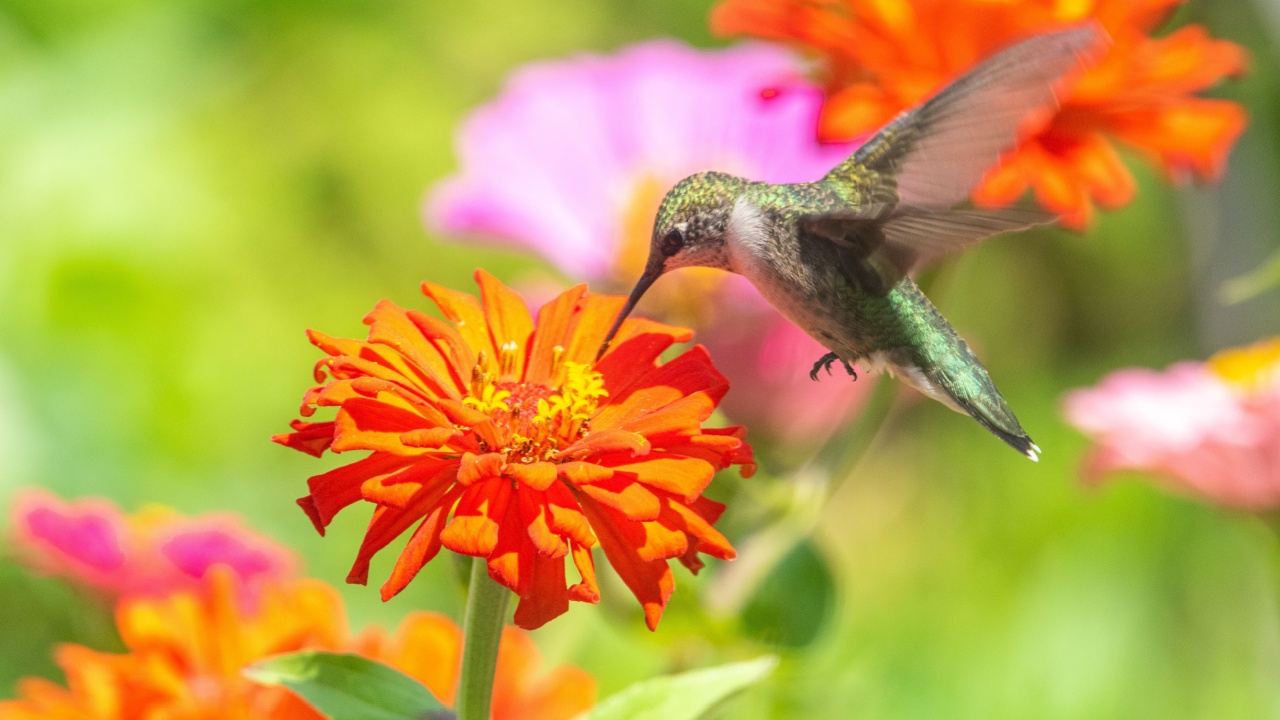
Image Credit: Shutterstock.
Zinnias offer vibrant color in container gardens while providing irresistible nectar for hummingbirds. Compact varieties like ‘Zahara’ and ‘Thumbelina’ work especially well in pots.
Care Tips
- Place in a sunny spot to encourage frequent blooming.
- Water deeply but allow the soil to dry out between waterings.
- Avoid wetting the leaves to deter fungal diseases.
14. Fuchsia (Fuchsia spp.)
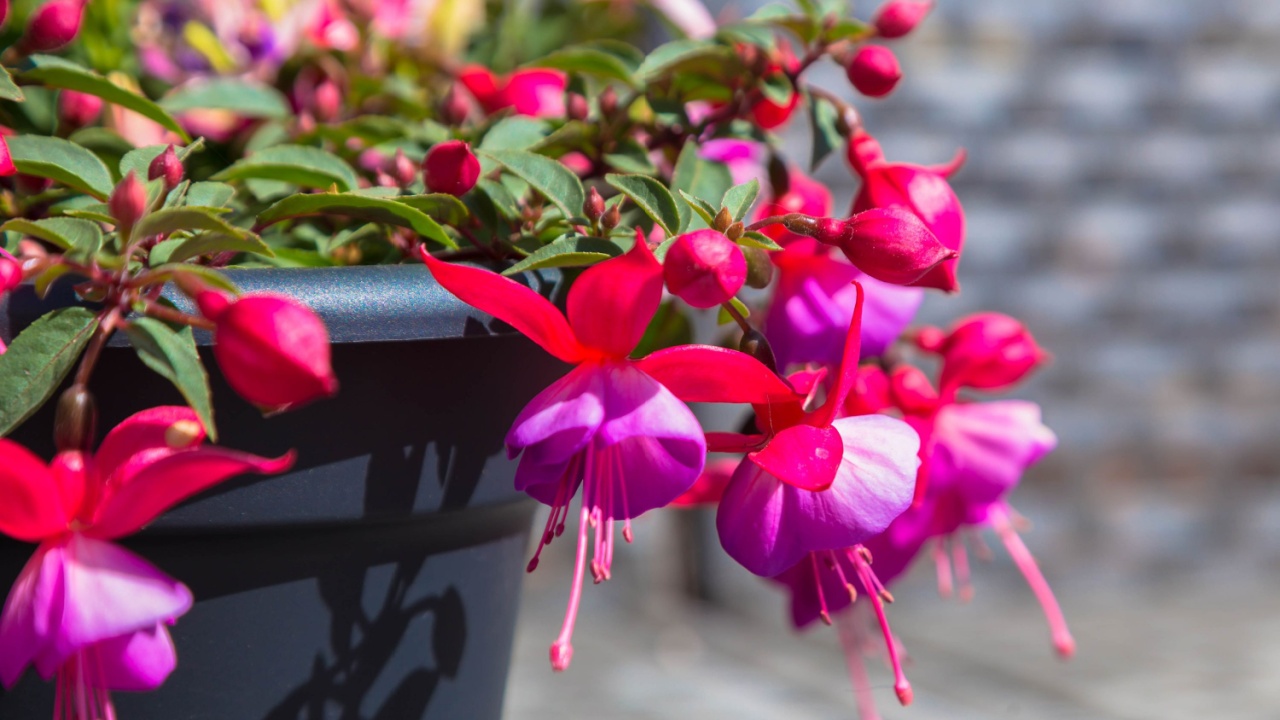
Image Credit: Shutterstock.
Fuchsia’s dangling, bell-like flowers in bold colors are tailor-made for hummingbirds’ long beaks. Its draping growth habit makes it especially suited for hanging baskets.
Care Tips
- Plant in partial shade to protect blooms from harsh midday sun.
- Keep soil consistently moist but not waterlogged.
- Pinch back stems to encourage bushier growth.
15. Trumpet Vine (Campsis radicans)

Image Credit: Shutterstock.
Known for its spectacular red-orange, trumpet-shaped flowers, trumpet vine is a hummingbird favorite. While it’s a vigorous climber, dwarf varieties like ‘Madame Rosy’ work well in large containers.
Care Tips
- Use rich, well-draining soil and ensure the container has a sturdy support structure.
- Position in full sun for the best blooms.
- Water consistently during peak blooming periods.
16. Scarlet Sage (Salvia coccinea)
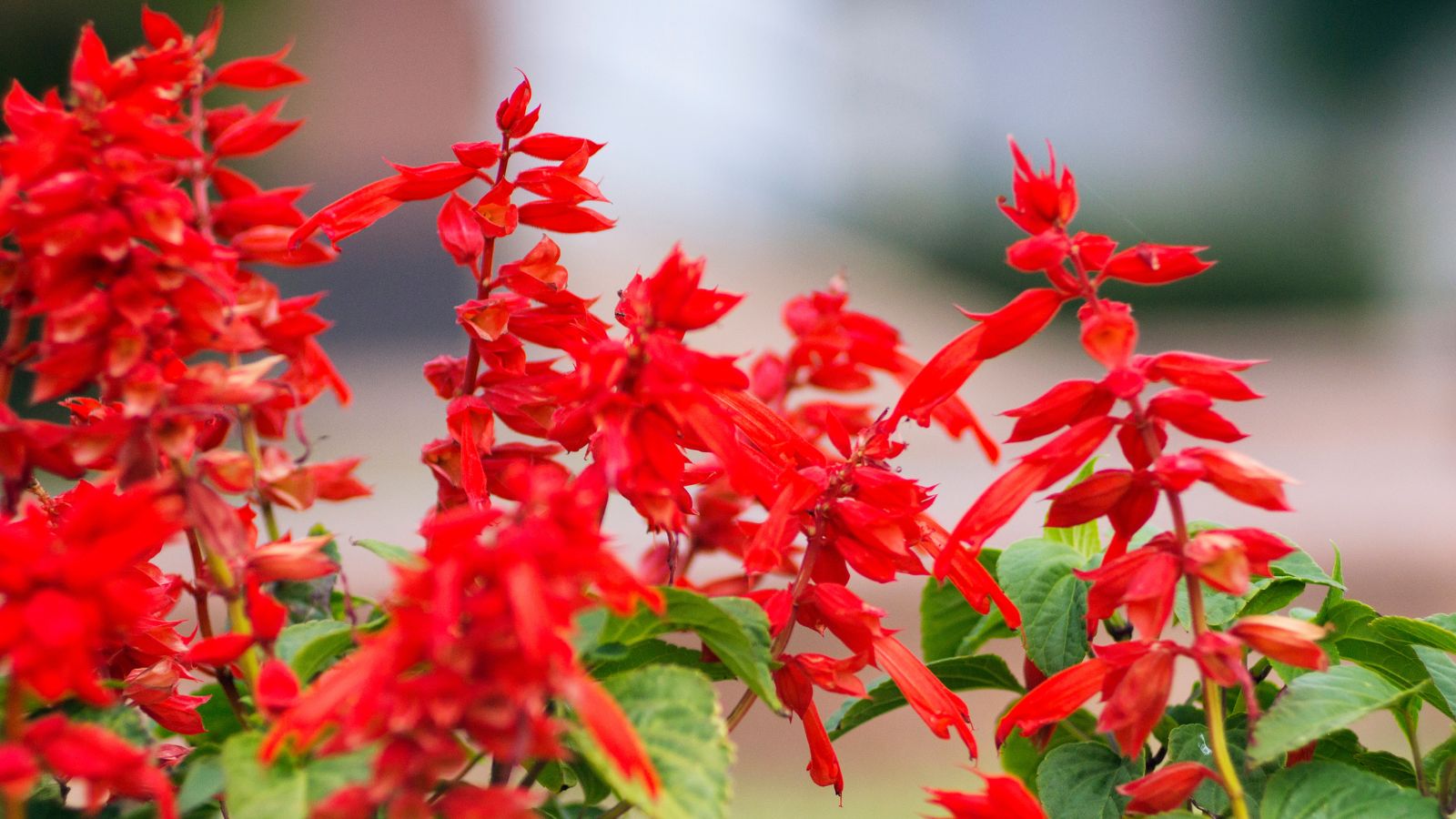
Image Credit: Depositphotos.com.
Unmistakable with its scarlet tubular blooms, this quick-growing annual attracts hummingbirds effortlessly. Its adaptability to containers and prolonged blooming season make it a versatile option.
Care Tips
- Provide full sun for optimal flowering.
- Use sandy, well-draining soil and keep it moderately moist.
- Deadhead frequently to extend bloom time.
By incorporating these 16 plants into your container garden, you’ll have hummingbirds flocking to your yard in no time. Remember to place your containers in a quiet, sunny area, and consider arranging them at varying heights to cater to the birds’ acrobatics. With a little care, you’ll not only enjoy colorful blooms but also countless visits from these charming birds.