New Colorado Homeowner Says Family Lives in the Dark After Months of Electrical Problems
A Colorado homeowner says his brand-new house has been plagued by electrical problems since shortly after he moved in. Flickering lights, damaged appliances, and months of unsuccessful attempts to resolve the issue have turned what should have been a fresh start into an ongoing dispute.
Kevin Niles lives southeast of Colorado Springs in El Paso County. He says the trouble began just days after moving into a home built by View Homes, with electrical fluctuations eventually becoming so frequent that his family started avoiding using the lights at night.
The problems have continued despite visits from electrical contractors and a recent excavation of his front yard to replace the underground line supplying power to the house. Niles says the replacement still hasn’t fixed the problem.
Now, rather than relying on another round of conversations with the builder, Niles has turned to Colorado’s Construction Defect Action Reform Act, a law that establishes a formal process for addressing alleged construction defects. View Homes maintains that it has been working to resolve his concerns.
Living in the Dark
Embedded media follows; please allow a moment to load.
According to KOAA News5, Niles has been dealing with electrical problems for months. He described lights flickering dozens of times a day and said some of his appliances had been damaged.
“We literally live in the dark,” Niles told the station, explaining that his family keeps the lights and other electrical devices turned off at night. That’s hardly the experience anyone expects after buying a newly constructed home.
Niles also expressed frustration with the builder’s response. He claimed contractors repeatedly visited without taking the steps he believed were necessary to identify the problem.
View Homes disputes that account. In a statement to KOAA, spokesperson Carolyn Baker said the company has worked with Niles since shortly after closing, including arranging visits from electrical contractors and inspecting the property through the formal claim process.
Digging For Answers
In early November, Niles received communications from Mountain View Electric Association indicating significant voltage fluctuations at his property. A distribution engineer who inspected the home suspected faulty equipment or a cable fault, according to information Niles shared with KOAA.
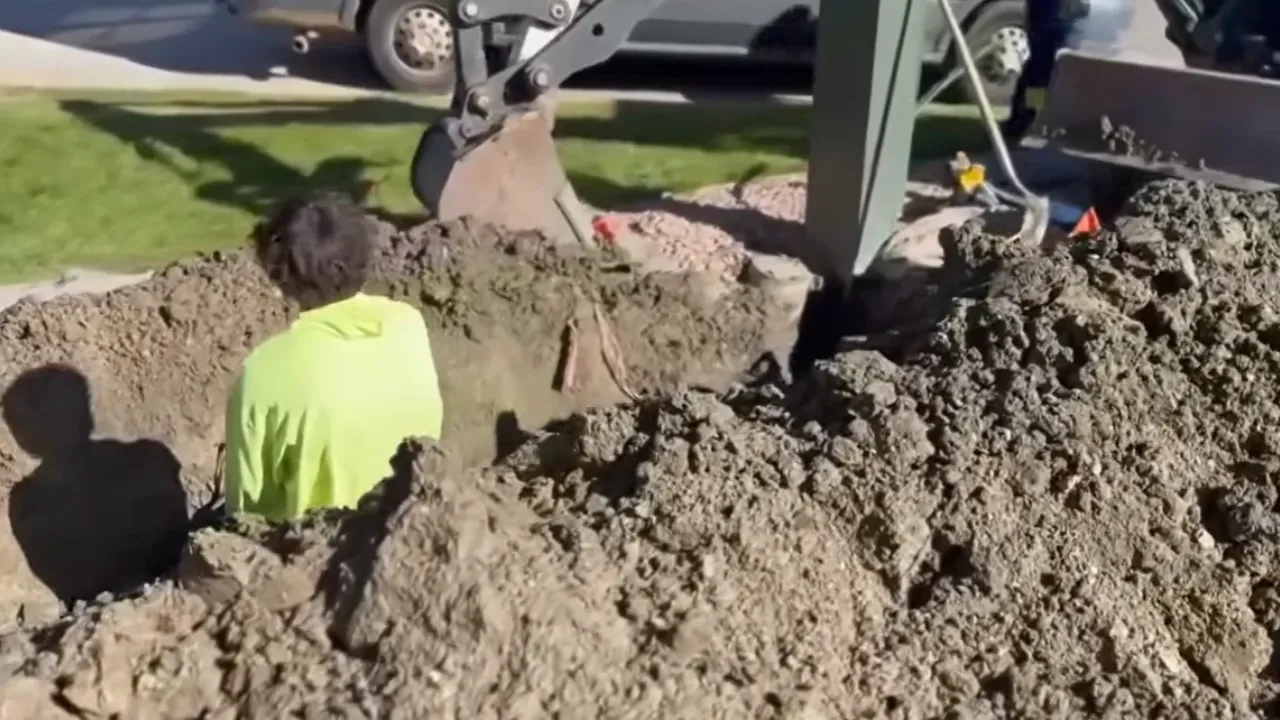
Crews subsequently excavated his front yard to reach the underground electrical line feeding the house. The line was replaced, but Niles reported that the fluctuations continued afterward.
The cause remains undetermined. The available reporting does not establish whether the problem originates with the home’s electrical installation, utility equipment, or another component of the power supply. KOAA contacted Mountain View Electric Association for additional information but had not received a response when its report was published.
That uncertainty also complicates the question of responsibility. Replacing one cable without eliminating the symptoms does not, by itself, establish which party is responsible for the underlying fault.
A Legal Route
After months of frustration, Niles began researching Colorado’s Construction Defect Action Reform Act, commonly called CDARA. The law gives homeowners a structured process to notify construction professionals of alleged defects before pursuing litigation.
Under Colorado Revised Statutes Section 13-20-803.5, a residential claimant generally must provide written notice at least 75 days before filing a construction-defect lawsuit. If the construction professional requests access to inspect the property, that inspection must be completed within 30 days of the notice.
The construction professional may then offer a monetary settlement or propose repairs within 30 days after the inspection. A written repair offer must describe the inspection findings, proposed corrective work, and a timetable for completing it.
The process does not automatically require a builder to perform every repair a homeowner requests. If no settlement offer is made or an offer is rejected, the homeowner may pursue legal action, subject to applicable procedural requirements.
More Than Repairs
Colorado also revised its construction-defect laws in 2025 through House Bill 25-1272, which took effect on August 6 of that year.
Although parts of the legislation focus on multifamily housing, other provisions address construction-defect claims more broadly. One important change requires construction professionals to disclose certain records relevant to a claim, including applicable construction plans, inspection documents, contractor information, and insurance records.
Under the revised statute, those disclosures generally must be provided by the earlier of a settlement offer or 60 days after actual notice of the claim, to the extent the records are within the construction professional’s possession or control.
For homeowners trying to identify the source of a problem, access to information about the original construction and contractors can be valuable. However, the available reporting does not establish which records View Homes has provided Niles or whether any disclosure deadline has passed.
Still No Fix
View Homes says its review of the property is ongoing. Baker told KOAA that the company has inspected the home as part of the formal claims process and is reviewing the findings before determining its next steps.
“Because the claim is active, we can’t discuss specifics,” Baker said, adding that the company intends to respond through the appropriate legal channels and continues working toward a resolution.
Niles hopes his experience encourages other buyers to understand the protections available under Colorado law. He told KOAA that homeowners should know what options they have when discussions with a builder fail to resolve a problem.
As of KOAA’s November 17 report, Niles said the electrical fluctuations were continuing despite the replacement of the underground line. The company had not publicly identified a final repair plan, and the exact cause of the problem remained unknown.