
Tired of the same old houseplants? If you’re looking to add a touch of wild, vertical drama to your home, climbing indoor ferns are your possible answer. These unique plants transform walls, shelves, and hanging baskets into lush, green tapestries. With delicate fronds that reach, trail, and twine, they bring a sense of movement and natural elegance that few other plants can match. Climbing ferns are perfect for turning any corner of your home into a verdant, magical escape.
Whether you’re an experienced plant parent or just starting your indoor gardening journey, there’s a climbing fern for you. They can purify the air, thrive in the shadier spots of your home, and create a truly rewarding experience as you watch them grow. Get ready to explore nine stunning varieties that will elevate your indoor garden from ordinary to extraordinary.
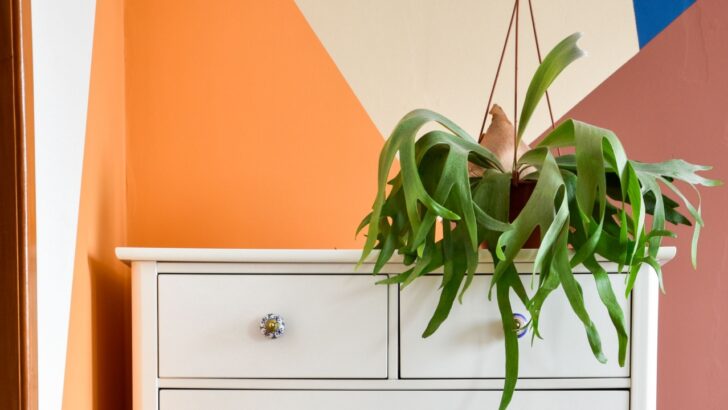
1. Staghorn Fern (Platycerium)

Image Credit: Shutterstock.com.
Staghorn ferns are true showstoppers. Named for their large, forked fronds that resemble the antlers of a stag, these epiphytic plants (meaning they grow on other plants or objects) make for incredible living wall art. Native to the tropical rainforests of Australia and Southeast Asia, they absorb water and nutrients through their fronds. Staghorns have two types of fronds: the green, antler-like fronds that produce spores, and the small, flat basal fronds that anchor the plant and absorb moisture.
This fern is a fantastic choice if you want to create a bold focal point. They are most often mounted on wooden boards or in wire baskets, allowing their dramatic fronds to hang freely. Their unique appearance adds a sculptural, modern element to any room, and caring for them offers a unique and engaging experience compared to traditional potted plants.
Quick Care Tips:
- Light: Bright, indirect light. Avoid direct sun, which can scorch the fronds.
- Water: Water thoroughly about once a week by soaking the entire root ball for several minutes. Allow it to dry out slightly between waterings.
- Humidity: Prefers high humidity. Mist the fronds regularly, especially in dry environments.
- Soil: Does not grow in soil. Mount on a board with sphagnum moss or plant in a very well-draining orchid mix.
2. Climbing Asparagus Fern (Asparagus setaceus)

Image Credit: Shutterstock.
Don’t let the name fool you, the Climbing Asparagus Fern isn’t a true fern at all, but a member of the lily family. However, its delicate, feathery foliage gives it a fern-like appearance that has made it a beloved houseplant. This fast-growing vine produces long, wiry stems covered in soft, needle-like leaves, creating a light and airy cascade of greenery. It can be trained to climb a trellis or allowed to spill gracefully from a hanging basket.
The Asparagus Fern is an excellent option for adding soft texture and a touch of whimsy to your indoor garden. Its vigorous growth means you can quickly achieve a lush, full look. While it produces small white flowers and red berries, be aware that the berries are toxic if ingested, so it’s best to keep them away from pets and children.
Quick Care Tips:
- Light: Bright, indirect light. Can tolerate some lower light but may become sparse.
- Water: Keep the soil consistently moist but not waterlogged.
- Humidity: Enjoys moderate to high humidity. Mist occasionally to keep it looking fresh.
- Soil: Use a standard, well-draining potting mix.
- Pruning: Trim back yellowing stems to encourage new, healthy growth and maintain its shape.
3. Rabbit’s Foot Fern (Davallia fejeensis)

Image Credit: Shutterstock.com.
The Rabbit’s Foot Fern gets its name from the fuzzy, creeping rhizomes that grow over the surface of the soil and cascade over the sides of the pot. These light-brown, furry “feet” look just like a rabbit’s foot, adding a unique and charming touch. The fern itself produces beautiful, lacy, dark green fronds that create a delicate canopy. While it’s often grown as a trailing plant, its rhizomes will eagerly climb onto nearby surfaces like moss poles or pieces of wood.
This fern is a great choice for those who want a plant with a bit of personality and texture. The visible rhizomes are not only interesting to look at but also serve as a good indicator of the plant’s health. It’s a relatively easy-care fern, making it a good starting point for beginners who want to try something a little different.
Quick Care Tips:
- Light: Bright, indirect light. Can tolerate lower light conditions well.
- Water: Water when the top inch of soil feels dry. Water the soil, not the fuzzy rhizomes, to prevent rot.
- Humidity: Prefers high humidity. Perfect for bathrooms or kitchens.
- Soil: A well-draining mix, such as one containing peat moss and perlite.
- Care: Avoid burying the rhizomes in the soil; they are meant to creep along the surface.
4. Climbing Maidenhair Fern (Lygodium microphyllum)
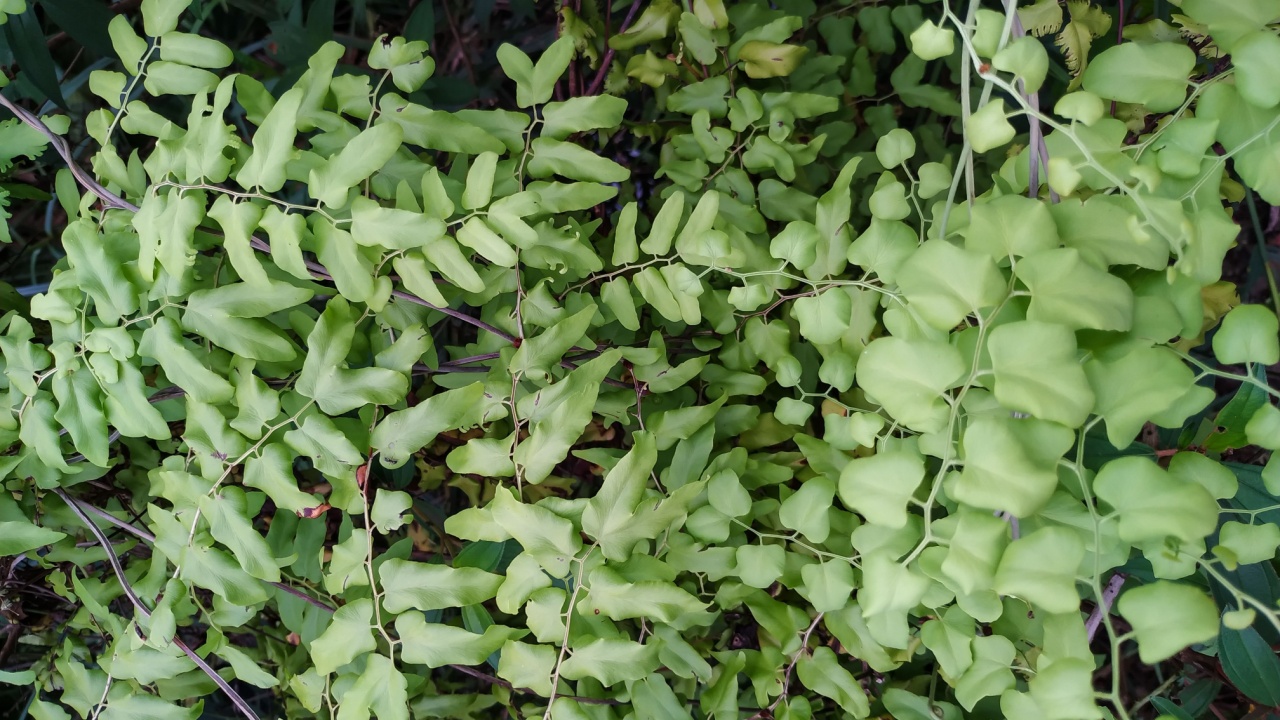
Image Credit: Shutterstock.com.
The Climbing Maidenhair Fern is a true vine, known for its ability to create dense, dramatic curtains of greenery. Unlike the classic maidenhair fern, this species has a vigorous climbing habit, with fronds that can grow many feet long. The leaves are small and delicate, giving the plant an elegant, graceful appearance as it twists and spirals around any available support.
This plant is ideal for gardeners looking to make a big impact in a vertical space. It can be trained up a trellis, around a window frame, or along a wire to create a living wall effect. Its fast-growing nature means you can enjoy a lush display relatively quickly. Native to tropical regions, it thrives in warmth and humidity, making it a great candidate for a bright bathroom or a sunroom.
Quick Care Tips:
- Light: Prefers bright, indirect light but can adapt to partial shade.
- Water: Keep the soil consistently moist. This fern does not like to dry out.
- Humidity: Requires high humidity to thrive. Misting or using a humidifier is highly recommended.
- Soil: A rich, well-draining potting mix.
- Support: Provide a trellis, moss pole, or other structure for it to climb.
5. Japanese Climbing Fern (Lygodium japonicum)
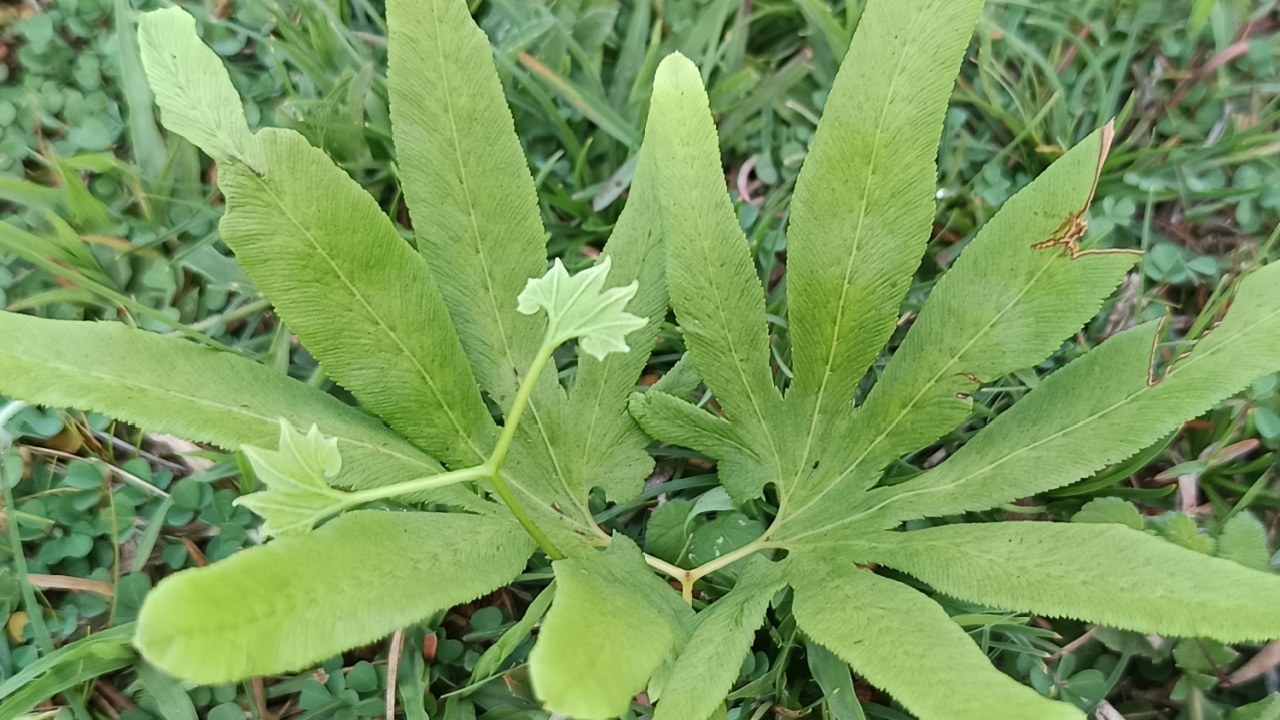
Image Credit: Shutterstock.com.
Also known as Climbing Asian Fern Splendor, this plant brings an exotic, tropical feel to any indoor space. The Japanese Climbing Fern is a true vine with a creeping rhizome that sends up long, twining fronds. These fronds can climb several feet, wrapping themselves around trellises, poles, or other nearby plants. The foliage is finely textured and creates a lush, sprawling effect that can quickly transform a plain wall into a feature.
This is a great option if you have vertical space to fill and want a plant that actively climbs. Its vigorous growth habit is rewarding to watch as it extends its reach. It loves bright, indirect sunlight, which fuels its climbing ambitions and keeps its fronds a vibrant green.
Quick Care Tips:
- Light: Thrives in bright, indirect sunlight.
- Water: Keep the soil consistently moist, but avoid letting it become soggy.
- Humidity: Appreciates high humidity levels.
- Soil: Use a fertile, well-draining potting mix.
- Support: Essential for this climber. Provide a trellis or other support structure early on.
6. American Climbing Fern (Lygodium palmatum)

Image Credit: Shutterstock.com.
The American Climbing Fern is a rare and special beauty. Native to the eastern United States, it is a protected species in many states, so it’s important to source it from reputable, sustainable growers. This delicate vine has thin, wiry stems and unique, hand-shaped (palmate) leaves that set it apart from other ferns. Its twining habit allows it to gracefully climb small trellises or spill from hanging baskets.
Cultivating this fern indoors is a wonderful way to appreciate a rare native plant. Due to its delicate nature, it works best in a controlled environment where its fragile stems are protected. It’s a true conversation piece for any serious plant collector and offers a unique connection to North America’s botanical heritage.
Quick Care Tips:
- Light: Bright, indirect light, such as near a sunny window.
- Water: Maintain consistently moist soil. It is sensitive to drying out.
- Humidity: Prefers high humidity.
- Soil: A rich, acidic, and well-draining mix is ideal.
- Handling: Be very gentle with its fragile stems and fronds.
7. Bushman’s Mattress (Lygodium articulatum)
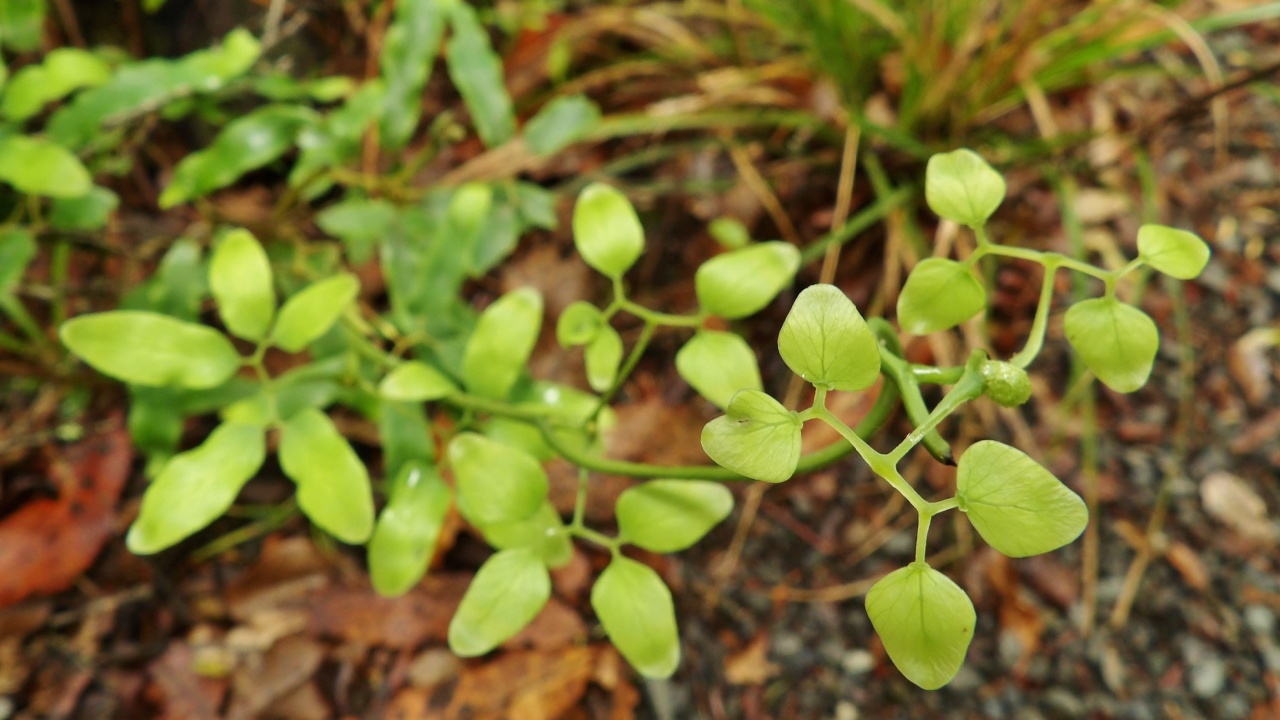
Image Credit: Shutterstock.com.
With a name like Bushman’s Mattress, you know this fern has character. Native to Australia, this plant is known for its incredibly flexible and strong vine-like fronds that can create dense, interwoven mats of greenery, hence the name. The delicate fronds twist and curve with surprising strength, eagerly climbing any support structure you provide.
This fern is a fantastic choice for creating natural, living artwork. Its ability to form intricate networks of greenery can transform a blank space into a lush landscape. The unique growth pattern is both fascinating and beautiful, offering a more rugged and wild look compared to other, more delicate climbers.
Quick Care Tips:
- Light: Prefers a spot with bright, indirect light.
- Water: Keep the soil consistently moist.
- Humidity: Thrives in humid conditions.
- Soil: A well-draining potting mix works well.
- Support: A sturdy trellis or support is recommended to handle its vigorous growth.
8. Hay-Scented Fern (Dennstaedtia punctilobula)

Image Credit: Shutterstock.com.
While typically grown outdoors as a groundcover, the Hay-Scented Fern can be adapted to indoor container life, where its creeping rhizomes will trail over the edges of a pot or climb a mossy surface. This fern gets its name from the sweet, hay-like scent that is released when the fronds are crushed or brushed against, especially as they dry in the fall. The fronds are a delicate, lacy green and create a soft, feathery appearance.
Bringing this fern indoors allows you to enjoy its unique fragrance up close. It’s a great choice for a large pot or hanging basket where its arching fronds can be fully appreciated. Its ability to tolerate more sun than many other ferns makes it a versatile option for brighter indoor spots.
Quick Care Tips:
- Light: Can tolerate a range from partial shade to several hours of morning sun.
- Water: Keep the soil evenly moist.
- Humidity: Appreciates average to high humidity.
- Soil: Adaptable to various soil types but prefers a well-draining mix.
- Scent: Gently brush the fronds to release their pleasant, hay-like aroma.
9. Heart-Leaf Fern (Hemionitis arifolia)
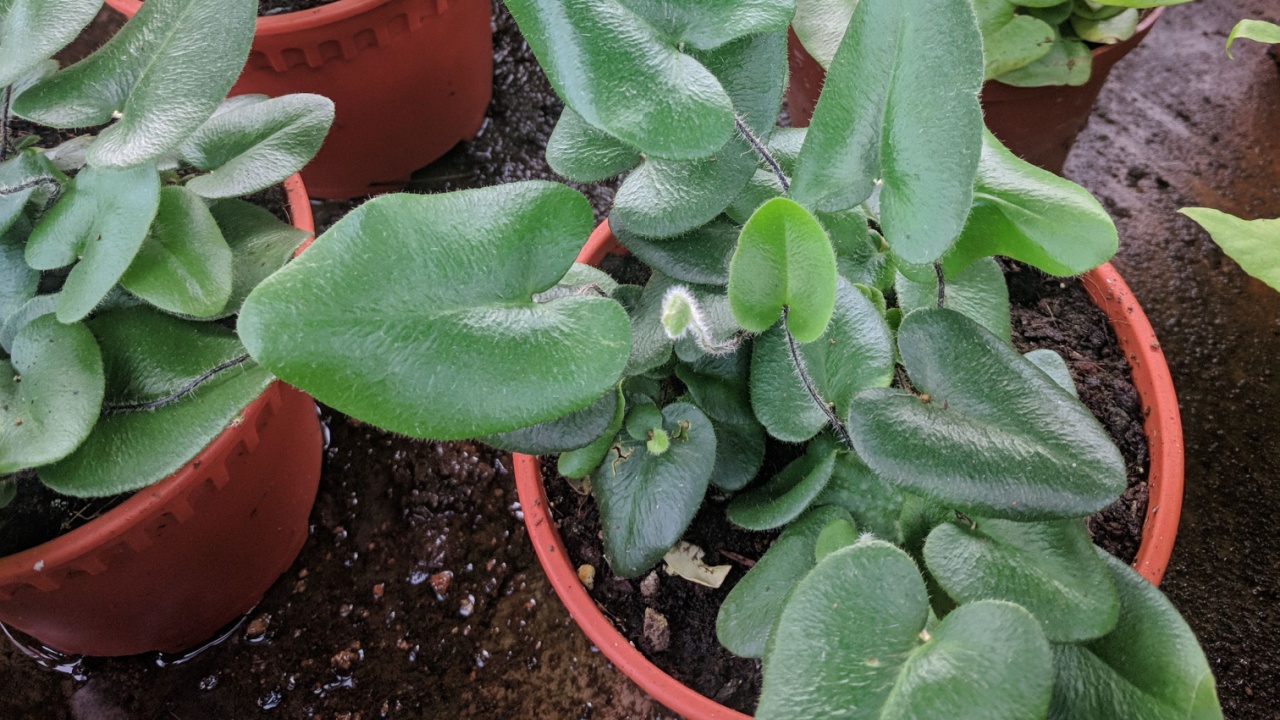
Image Credit: Shutterstock.com.
The Heart-Leaf Fern is a small but mighty plant with distinctively shaped leaves. Its dark green, glossy fronds are shaped like perfect little hearts, making it an incredibly endearing addition to any plant collection. This fern spreads via runners, and while not a traditional vine, it can be trained to climb up a moss pole or allowed to trail from a hanging basket, creating a charming cascade of hearts.
This is an excellent option for terrariums or small spaces where you want a plant with a lot of visual interest. Its unique leaf shape makes it stand out, and its compact size is perfect for desktops or shelves. It is a bit more demanding in its care, requiring high humidity, but the reward is a truly lovely and unique plant.
Quick Care Tips:
- Light: Prefers medium to low indirect light. Avoid direct sun.
- Water: Keep the soil consistently moist. Do not let it dry out completely.
- Humidity: Requires very high humidity. Ideal for a terrarium or a bathroom with a shower.
- Soil: A well-draining, peat-based mix is best.
- Fertilizer: Feed sparingly with a diluted liquid fertilizer during the growing season.
Adding a Vertical Garden to Your Home

Image Credit: Shutterstock.com.
Feeling inspired to start your own indoor vertical garden or “living wall“? The first step is to consider your space. Do you have a bright window perfect for a sun-loving Asparagus Fern, or a shadier corner where a Staghorn Fern could thrive? Think about humidity as well ferns like the Heart-Leaf are perfect for a steamy bathroom.
Next, decide how you want to display your new plant. A simple hanging basket is a great way to start, or you can get creative with wall-mounted planters, moss poles, or trellises. Don’t be afraid to mix and match different textures and growth habits to create a dynamic display. With a little planning and the right fern, you can easily transform any room into a magical green sanctuary.