
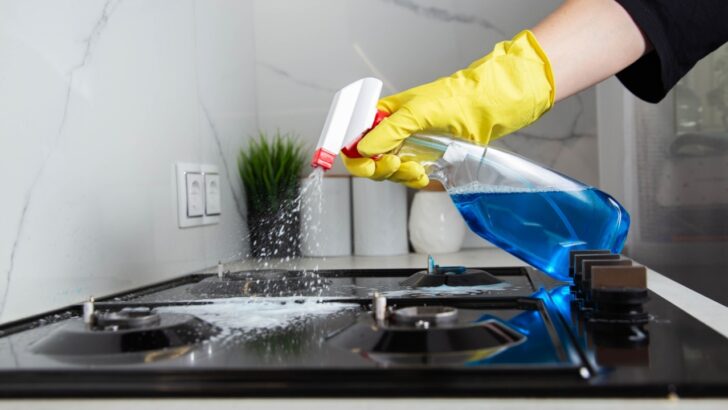
Cleaning can be therapeutic for many of us. There’s something incredibly satisfying about turning a cluttered space into a sparkling kitchen, fresh bathroom, and shiny floors, especially when you get to whip out your favorite cleaning products. But wait!
While it might be tempting to mix different cleaners to increase the effectiveness, you need to be cautious. Some toxic twosomes should never be used together. Mixing these cleaners can create nasty fumes, irritate our skin, and, in the worst cases, lead to explosions.
Let’s talk about 13 cleaning products combos that are a big no, to keep you and your family safe, brough to you my home experts sourced online.
1. Baking Soda and Vinegar

Image Credit: Depositphotos.com.
Baking soda and vinegar are both powerful cleaners when used separately and are staples in many households as cleaning solutions. However, vinegar is an acid and baking soda is a base, when these two are combined they react chemically and cancel out the effects of each other.
The reaction produces carbon dioxide gas, causing fizzing and bubbling, which is fun to watch, but in the end, you end up with a solution of water and salt, which isn’t helpful for cleaning. So, use them separately for cleaning and save the cool reaction for fun experiments like making a mini volcano.
2. Ammonia and Bleach

Image Credit: Depositphotos.com
This is a classic “do-not-mix” scenario. Combining ammonia and bleach is extremely dangerous, as it releases chloramine vapors that are toxic to people and animals. Breathing in these fumes can lead to respiratory issues like coughing, shortness of breath, and chest pain.
In severe cases, prolonged exposure can lead to illness, constricted airways, or even be fatal. Always prioritize safety by keeping these substances separate.
3. Vinegar and Bleach

Image Credit: Depositphotos.com.
Bleach and vinegar might be your go-to solutions for disinfecting surfaces and dealing with tough stains, all thanks to their potent cleaning properties. But beware! Mixing these two common chemical can lead to serious dangers.
While bleach is safe when properly diluted, combining it with vinegar (which contains acetic acid) can trigger a chemical reaction that releases chlorine gas. A 2016 report by the American Association of Poison Control Centers showed over 6,300 cases of chlorine exposure, with about 35% coming from this mix of household cleaners.
4. Multiple Drain Cleaners

Image Credit: Depositphotos.com.
It’s tempting to use different drain cleaners one after another when your drains are clogged, but mixing different drain cleaners is a recipe for disaster that’s better left untouched.
These drain cleaners contain different chemicals (some bases and some acids), each designed to open clogs in its own way. But when you combine them, you can trigger powerful chemical reactions that release harmful fumes or, even worse, cause a splashback that could give you a chemical burn. Try sticking to one drain cleaner at a time.
5. Hydrogen Peroxide and Vinegar

Image Credit: Depositphotos.com.
Individually, cleaners like hydrogen peroxide and acetic acid are popular for their natural cleaning abilities. Hydrogen peroxide acts as a strong disinfectant, while acetic acid, found in vinegar, is awesome for cutting through grime
Combining them results in peracetic acid, which is corrosive and toxic. It can irritate your throat, lungs, and eyes. You can use them separately, but make sure to wipe the surface thoroughly,
6. Vinegar and Castile Cleaner

Image Credit: Depositphotos.com.
Castile soap is a plant-based cleaning agent that is highly effective. It is basic in nature, but when combined with vinegar, which is acidic, it becomes ineffective.
These two neutralize each other and turn into a gooey mess, which requires a lot of cleaning. The oily mixture creates rough surfaces while cleaning.
7. Lysol and Bleach

Image Credit: Depositphotos.com.
Lysol’s active ingredient, benzalkonium chloride, works as a surfactant and disinfectant, while bleach, primarily sodium hypochlorite, is a strong oxidizing agent.
When these two substances are mixed, the chemical reaction can produce toxic gases like chloramine and other harmful compounds that can lead to respiratory issues and irritation
8. Rubbing Alcohol and Bleach

Image Credit: Depositphotos.com.
Rubbing alcohol and bleach is a potentially poisonous combination. Rubbing alcohol, or isopropyl, and bleach form chloroform, which is toxic. If it is inhaled, it can cause dizziness and nausea—the same way we see people knocking out others in the movies!
In worst cases, it can also produce hydrochloric acid and chloroacetone. These are highly irritating to the eyes, skin, and respiratory system.
9. Oven Cleaner and Bleach

Image Credit: Depositphotos.com.
Ovens get extremely dirty with time and the tough grease is impossible to get rid of without any strong cleaning agents. That’s why oven cleaners are themselves powerful, containing sodium hydroxide or lye but don’t make the mistake of mixing them with bleach.
The mixture of bleach and oven cleaner again creates chloramine gas. Exposure to this chemical reaction can be irritating to the eyes, nose, throat, and can sometimes cause chemical burns.
10. Vinegar and Water on Wooden Floors

Image Credit: Depositphotos.com.
The combination of vinegar and water is a good cleaning solution for normal surfaces, but when it comes to hardwood floors it is a risky solution.
Vinegar is acidic, and when mixed with water, it loses some of its acidity, but even a little mildness can strip the wooden flooring of its protective finish, resulting in a dull and damaged appearance. This makes your floors vulnerable to water damage and discoloration.
11. Dish Detergent and Bleach

Image Credit: Depositphotos.com.
Just like mixing other cleaning products with bleach, combining dishwashing detergent with bleach is ill-advised. While it may seem like a powerful solution for stubborn stains, this mixture can produce toxic gases.
The surfactants in dish detergent can react with the hypochlorite ions in bleach, generating chloramine gas, which is harmful to breathe in. It’s best to avoid this dangerous combination for your safety.
12. Pesticides and Water

Image Credit: Depositphotos.com.
Pesticides and herbicides contain toxic chemicals that are harmful to human health. Mixing them with water for dilution is also not safe.
When you mix pesticides with water it loses its effectiveness due to dilution. In addition some pesticides when mixed with water can also result in the formation of deadly phosphine gas.
13. Glass Cleaner and Bleach
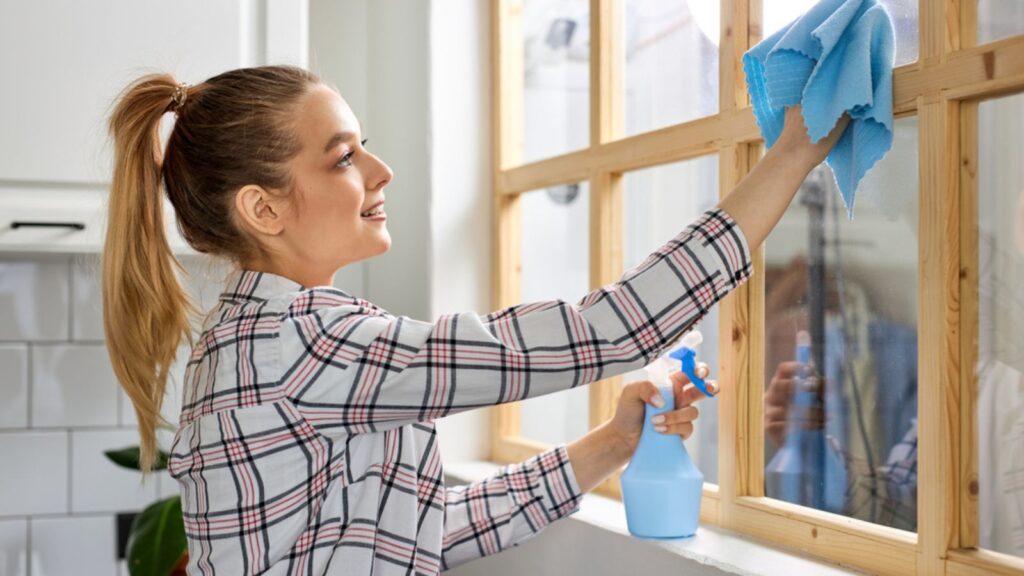
Image Credit: Depositphotos.com.
Want your windows to be as clean as a new pin? Try using good glass cleaners instead of mixing them with different ingredients, especially bleach.
Bleach itself is a toxic compound, and mixing it with ready-made cleaners can do more harm than good. The majority of cleaners contain ammonia which can release chloramine gas after coming in contact with bleach.